
The Lakhpati Didi initiative has emerged as a significant step in India’s rural development framework, aimed at enabling women to achieve financial independence by earning an annual income of at least ₹1 lakh. Implemented under the umbrella of the Deendayal Antyodaya Yojana – National Rural Livelihoods Mission (DAY-NRLM), the programme focuses on strengthening self-help groups (SHGs) and promoting women-led economic activities across rural areas.
Over time, the initiative has gained momentum as part of the government’s broader push for women-led development, shifting the focus from welfare support to income generation and entrepreneurship.
Concept and Objective
The core idea behind the Lakhpati Didi initiative is to transform rural women into economically self-reliant individuals by ensuring sustainable and diversified income sources. A “Lakhpati Didi” is defined as a woman who, through consistent livelihood activities, earns ₹1 lakh or more annually.
The initiative emphasises not just income enhancement but also long-term financial stability. Women are encouraged to move beyond single-source earnings and adopt multiple livelihood options, reducing economic vulnerability and ensuring steady growth.
Implementation Through Self-Help Groups
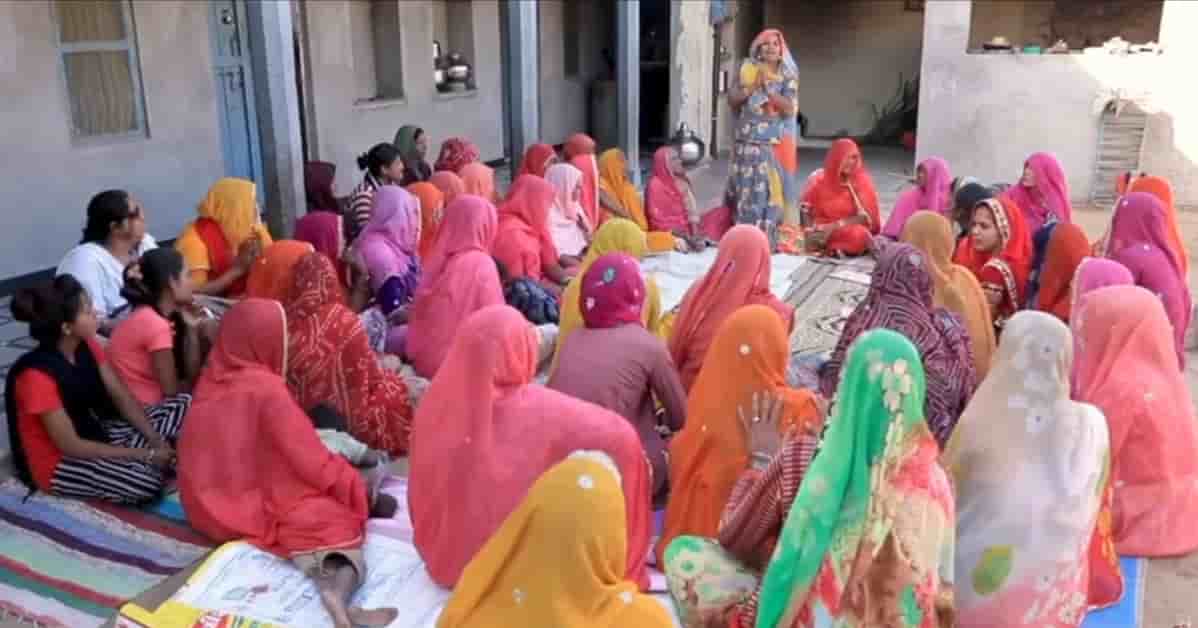
The programme is primarily implemented through the extensive network of self-help groups formed under DAY-NRLM. These SHGs act as the backbone of the initiative, providing a platform for women to collaborate, access resources, and participate in economic activities.
Through these groups, women receive institutional support, peer learning opportunities, and collective bargaining power. The community-based approach has played a crucial role in scaling the initiative across states.
Livelihood Activities and Income Generation
Women identified under the scheme are engaged in a wide range of livelihood activities depending on local resources and skills. These include agriculture and allied sectors such as dairy farming, poultry, and fisheries, along with non-farm activities like tailoring, handicrafts, food processing, and small retail businesses.
The initiative promotes diversification of income sources, ensuring that women are not dependent on a single stream of earnings. This approach has helped create resilience against market fluctuations and seasonal uncertainties.
Financial Inclusion and Credit Access
Access to finance remains a critical component of the Lakhpati Didi initiative. Women associated with SHGs are linked to formal banking systems, enabling them to avail low-interest loans and credit facilities.
This financial support allows beneficiaries to invest in their businesses, expand operations, and improve productivity. At the same time, the programme also focuses on improving financial literacy, helping women manage savings, credit, and expenditures effectively.
Skill Development and Capacity Building
To ensure sustainability, the initiative places strong emphasis on skill development and training. Women are provided with technical knowledge related to their chosen livelihoods, along with training in entrepreneurship, business management, and digital literacy.
This capacity-building approach enables women to not only generate income but also scale their activities and adapt to changing market demands.
Government Push and Expansion
The government has set ambitious targets to increase the number of Lakhpati Didis across the country, making it a central component of rural economic policy. Efforts are being made to strengthen training programmes, improve market linkages, and provide better infrastructure support.
The initiative has also been integrated with other development schemes to maximise its reach and impact.
Impact on Rural Economy and Social Structure
The Lakhpati Didi initiative has begun to show visible impact in several parts of rural India. Increased household incomes, reduced dependence on informal credit, and improved standards of living have been reported among beneficiaries.
Beyond economic gains, the programme has contributed to enhancing the social status of women. Greater participation in financial decisions, improved confidence, and leadership roles within communities are some of the broader changes observed.
Challenges and the Way Forward
Despite its progress, the initiative faces certain challenges, including uneven implementation across states, limited market access in remote areas, and the need for continuous skill upgradation. Ensuring consistent income levels and long-term sustainability remains a key focus area.
Experts have highlighted that strengthening supply chains, improving infrastructure, and providing sustained support will be essential to scale the initiative effectively.
The Lakhpati Didi initiative represents a shift in India’s rural development strategy, placing women at the centre of economic growth. By combining financial inclusion, skill development, and community support, it continues to build a pathway for sustainable livelihoods and grassroots-level transformation.