


Putin in Delhi: A Big Push for India-Russia
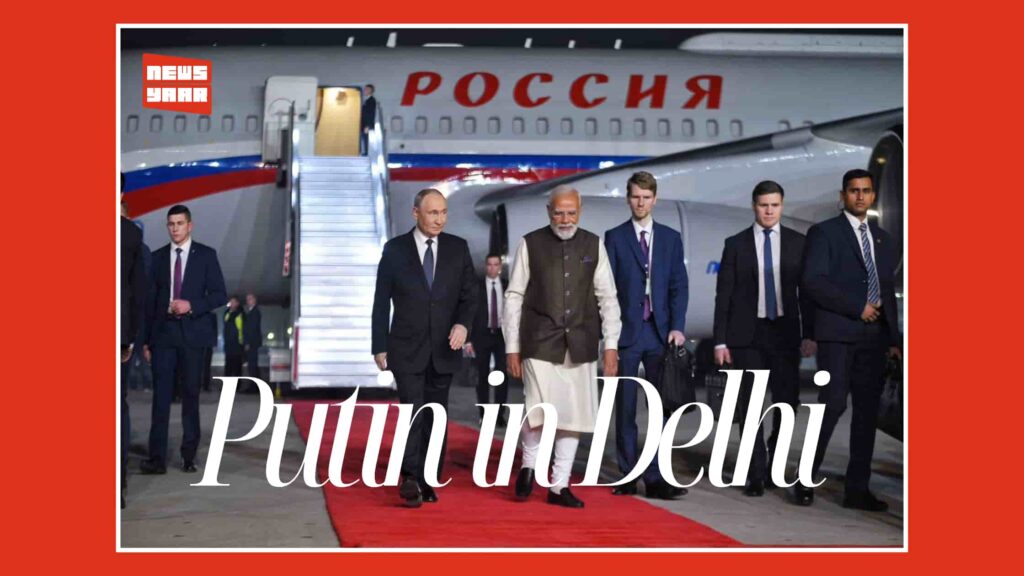
In early December 2025, Russian President Vladimir Putin arrived in New Delhi for his first visit in four years. Prime Minister Narendra Modi welcomed him warmly, and the visit was treated as a major moment for both countries.A Partnership Built Over DecadesIndia and Russia have shared a strong bond for many years, known as their “Special and Privileged Strategic Partnership.” During this visit, both sides agreed to make the relationship even stronger. They discussed cooperation in defence, energy, science, technology, trade, and diplomacy.At a time when global politics is shifting, and Russia faces sanctions, the visit showed that India still values Russia as an important partner. It also highlighted India’s ability to balance relations with different major powers.Big Trade Plans for the FutureOne of the major outcomes was a new Economic Cooperation Programme that will guide both countries until 2030. The aim is to increase the current trade value of about $68.7 billion to $100 billion.India and Russia want to go beyond buying and selling oil or defence equipment. They’re looking to expand into areas like manufacturing, clean energy, minerals, pharma, agriculture, food processing, and new technology collaborations.There’s also fresh momentum to sign a Free Trade Agreement between India and the Eurasian Economic Union, which could make it easier for Indian products to enter Russian and Eurasian markets.Energy & Defence: Still the BackboneEnergy remained one of the main discussion points. Putin assured India that Russia will continue supplying oil and fuel without interruption, despite global sanctions. This promise is crucial for India’s energy security.On the defence front, both sides agreed to deepen cooperation, focusing on joint manufacturing, co-production, sharing technology, and strengthening military ties. These steps aim to reduce India’s dependency on imports and build capabilities within the country.A Balanced Approach in a Complicated WorldWhat makes this visit important is India’s clear message: it will continue to follow an independent foreign policy. Despite pressure from Western countries to reduce ties with Russia, India maintained its balanced approach, keeping strong relations with both Russia and the West.For Russia, the visit helped reinforce partnerships outside the Western sphere. For India, it strengthened its trade, energy, and defence needs while preparing for a more uncertain global future.The Bottom LinePutin’s visit wasn’t just a diplomatic event. It created a fresh roadmap for India–Russia ties, focusing on stronger trade, reliable energy, deep defence cooperation, and long-term strategic trust. The visit marks a new chapter in a partnership that has stood firm for decades.Video credit: Narendra Modi’s Youtube VideoVideo credit: Narendra Modi’s Youtube VideoVideo credit: President of India Youtube VideoVideo credit: DD News
New Labour Codes 2025: Opportunity or Outcry?
On 21 November 2025, India’s labour landscape changed forever: the government replaced 29 older laws with four comprehensive new labour codes, covering wages, industrial relations, social security, and workplace safety.What does that mean for workers? For many, it sounded like a win, especially for contract and fixed-term workers, who, under the updated rules, now qualify for gratuity after just one year of service, instead of the previous five.Add to that expanded definitions for “wage” (so allowances count more), protections for health, social security, and more inclusive job norms, and it seems like a long-awaited step toward modern labour reform. For many gig, contract, and temporary workers, long excluded from benefits, this appears to be a landmark shift. Suddenly, some of the perks traditionally reserved only for permanent staff are extended to a much larger pool. It is social security made more inclusive.The Political Backlash: Protests Outside ParliamentBut this reform didn’t sail smoothly. The moment the new codes were notified, alarm bells rang for many union leaders and opposition parties. On December 2, MPs, including Sonia Gandhi and Mallikarjun Kharge, staged a protest outside the Parliament complex, raising placards and slogans demanding that he new laws be rolled back.Their argument? These codes benefit corporations more than workers, allowing easier layoffs, diluting job security, and undermining collective bargaining rights. Trade unions across the country echo similar fears: what if “flexibility” becomes “exploitation”? What if temporary jobs, previously light on benefits, become even more vulnerable under the cloak of new definitions and frequent hiring-firing cycles? For them, this isn’t reform, it’s a disguised rollback of worker rights. Between Reform and Risk: What’s the Verdict?The new labour codes walk a tightrope. On one side, there’s a needed push toward inclusivity, protection for informal workers, and flexibility for modern businesses. On the other, a legitimate fear that under relaxed labour norms, job security and worker welfare might take a back seat.For contract workers, the cut in gratuity eligibility from five years to one is a game-changer. For millions of India’s unorganised workforce, it might mean a combination of dignity and safety. But for many unions and opposition leaders, the same laws signal a slippery slope.As politics rages on and protests echo through Parliament corridors, the real test will be in implementation, whether the laws reflect worker protection or corporate convenience. For now, the 2025 labour reforms remain India’s most ambitious overhaul in decades: hopeful for some, controversial for many, and undoubtedly the biggest labour conversation in recent memory.Video credit: DD News