


Beti Bachao, Beti Padhao: A National Campaign for Gender Equality and Girls’ Education
The Beti Bachao, Beti Padhao (BBBP) scheme is one of India’s flagship social initiatives aimed at addressing the declining child sex ratio and promoting the education and empowerment of the girl child. Launched in January 2015, the campaign marked a coordinated effort by the government to tackle deep-rooted gender bias and discrimination that have historically affected girls across various parts of the country.Over the years, the programme has evolved into a nationwide movement, combining policy intervention with behavioural change campaigns to improve the status of girls in society.Background and Need for the InitiativeThe launch of Beti Bachao, Beti Padhao was driven by growing concerns over the declining child sex ratio (CSR) in India. Census data and various reports had highlighted a worrying trend of fewer girls being born and surviving due to practices such as gender-biased sex selection and neglect of girl children.This imbalance not only reflected social discrimination but also posed long-term demographic and societal challenges. The need of the hour was not just legal enforcement but also a shift in societal mindset, which became a core focus of the BBBP campaign.Objectives of the SchemeThe Beti Bachao, Beti Padhao initiative was designed with a multi-dimensional approach, focusing on survival, protection, and education of the girl child.Its key objectives include improving the child sex ratio, ensuring the survival and protection of girls, and promoting their education and participation in society. The campaign also aims to challenge gender stereotypes and encourage equal value for girls within families and communities.Implementation and Institutional FrameworkThe scheme is implemented through a convergence of three key ministries — the Ministry of Women and Child Development, the Ministry of Health and Family Welfare, and the Ministry of Education.This multi-sectoral approach ensures that interventions are carried out at different levels, including healthcare, education, and community awareness. The programme initially focused on districts with low child sex ratios but was later expanded to cover the entire country.At the district level, local administrations play a crucial role in executing awareness campaigns, monitoring progress, and engaging with communities.Key Components of the CampaignOne of the defining features of Beti Bachao, Beti Padhao is its strong emphasis on mass awareness and behavioural change. Campaigns are conducted at national, state, and local levels to challenge societal norms that favour male children.Efforts include promoting the value of the girl child, discouraging gender-biased practices, and encouraging families to invest in girls’ education. The initiative also supports the enforcement of laws such as the prohibition of sex-selective practices.In the education sector, the scheme works towards improving enrolment and retention of girls in schools, ensuring access to quality education, and creating a supportive learning environment.Progress and ImpactSince its launch, the Beti Bachao, Beti Padhao scheme has contributed to increased awareness about gender equality and the importance of educating girls. Several districts have reported improvements in the child sex ratio, along with higher school enrolment rates for girls.The campaign has also succeeded in bringing conversations about gender bias into the mainstream, encouraging communities to reflect on long-standing social practices.In many regions, local initiatives under the scheme have led to better monitoring of pregnancies, institutional deliveries, and early education for girls.Challenges and CriticismDespite its achievements, the scheme has faced criticism regarding its implementation and utilisation of funds. Reports have pointed out that a significant portion of the budget has been spent on publicity rather than direct interventions.There are also concerns about the uneven impact across states, with some regions showing better outcomes than others. Experts have emphasised the need for stronger ground-level implementation and measurable outcomes.Additionally, changing deep-rooted social attitudes remains a long-term challenge that requires sustained effort beyond policy measures.Broader SignificanceBeti Bachao, Beti Padhao goes beyond being a government scheme; it represents a societal campaign aimed at redefining the value of girls in India. By addressing issues of gender discrimination, education, and empowerment together, the initiative attempts to create a more balanced and inclusive society.The programme aligns with India’s broader goals of social justice, gender equality, and inclusive development, recognising that empowering girls is essential for national progress.The Beti Bachao, Beti Padhao initiative continues to play a crucial role in shaping public discourse around gender equality. While challenges remain, its focus on awareness, education, and protection has contributed to a gradual shift in attitudes, reinforcing the importance of valuing and empowering the girl child across the country.
Mahmood Akram and the Claim of Knowing 400 Languages: A Story of Linguistic Brilliance and Debate
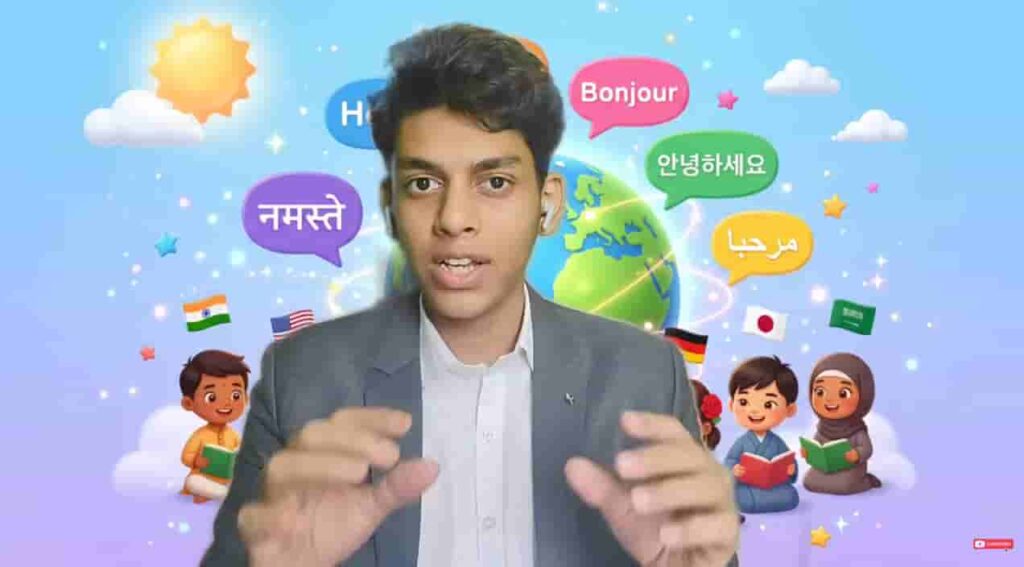
In an age where multilingualism is increasingly valued, the story of Mahmood Akram has drawn widespread attention for an extraordinary claim—that of knowing and understanding nearly 400 languages. The claim, which has circulated across media reports and public discussions, has positioned Akram as a remarkable figure in the world of linguistics, while also sparking conversations about the limits of human language acquisition.The Claim and Public RecognitionMahmood Akram, often described as a polyglot with exceptional linguistic abilities, has reportedly demonstrated knowledge of hundreds of languages spanning different regions, scripts, and linguistic families. His abilities have been showcased through interviews, public appearances, and interactions where he has conversed or responded in multiple languages.The claim of knowing around 400 languages has been widely shared, bringing him into the spotlight as one of the most linguistically gifted individuals in recent times. It has also led to comparisons with historically known polyglots and language scholars.Understanding What “Knowing a Language” MeansA key aspect of the discussion around Mahmood Akram’s abilities is the definition of what it means to “know” a language. Linguists often distinguish between different levels of proficiency, such as:Basic conversational abilityReading and writing skillsFluency and native-like commandAcademic or professional masteryIn the context of extreme multilingualism, it is possible for an individual to have varying levels of familiarity across a large number of languages. This may include the ability to recognise scripts, understand basic vocabulary, or hold simple conversations rather than full fluency in all.The Science Behind PolyglotsThe phenomenon of polyglots—individuals who can speak multiple languages—has long fascinated researchers. Experts in Linguistics note that learning languages becomes easier with exposure, practice, and familiarity with language patterns.Some of the factors that contribute to high-level multilingual ability include:Strong memory and pattern recognitionEarly exposure to multiple languagesConsistent practice and immersionInterest in language structures and culturesWhile mastering a handful of languages is achievable for many, claims of mastering hundreds push the boundaries of what is typically considered possible.Comparisons with Historical PolyglotsThroughout history, several individuals have gained recognition for their multilingual abilities. Figures such as Giuseppe Mezzofanti, a 19th-century cardinal known for his knowledge of dozens of languages, are often cited in discussions about extreme polyglots.However, even among the most well-documented cases, claims rarely reach the scale of hundreds of languages at high proficiency. This makes Mahmood Akram’s claim both fascinating and subject to scrutiny.Public Fascination and SkepticismThe story of Mahmood Akram has captured public imagination, particularly in a globalised world where language skills are seen as a gateway to opportunities and cultural exchange.At the same time, experts and observers have pointed out the need for careful evaluation of such claims. Verifying proficiency across hundreds of languages is a complex process that would require structured assessment, documentation, and expert validation.This has led to a mix of admiration and skepticism surrounding the claim, with many viewing it as an example of extraordinary talent, while others call for clearer evidence and standardised benchmarks.The Broader SignificanceRegardless of the exact number of languages known, the attention surrounding Mahmood Akram highlights the importance of language learning in today’s interconnected world. Multilingual individuals play a key role in bridging cultural gaps, facilitating communication, and preserving linguistic diversity.The story also underscores the human fascination with exceptional abilities and the limits of cognitive potential.A Story That Continues to EvolveAs discussions around Mahmood Akram’s linguistic abilities continue, his story remains one of intrigue and debate. Whether viewed as a record-breaking achievement or an extraordinary claim requiring further validation, it has undeniably brought renewed focus to the field of language learning and the remarkable capabilities of the human mind.The narrative serves as a reminder that language is not just a tool for communication, but also a reflection of cultural richness—and for some, a lifelong pursuit that pushes the boundaries of what seems possible.
From Slum Walls to Global Glory: Rouble Nagi won $1 million
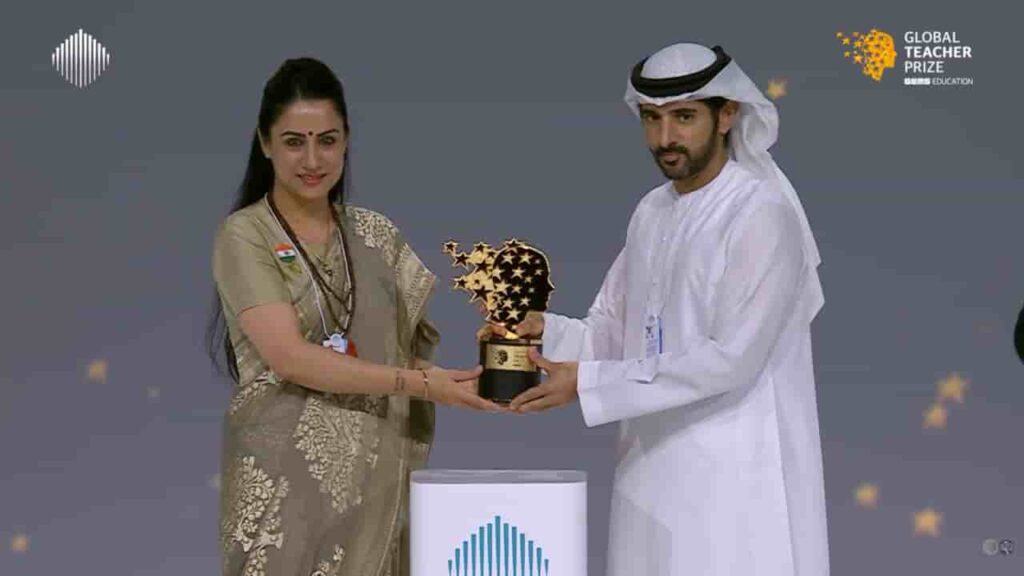
In the heart of Mumbai’s bustling Colaba, a narrow lane winds past colorful shanties stacked like a vibrant, if precarious, game of Tetris. Here, amid the dhobis’ concrete washing cubicles, stands a humble learning center buzzing with children’s laughter. Bright murals on the walls teach waste disposal and hygiene, turning ordinary shanties into open-air classrooms. This is the world of Rouble Nagi, the 45-year-old artist from Jammu and Kashmir whose innovative spirit just earned her the $1 million Global Teacher Prize 2026 at the World Governments Summit in Dubai.Nagi’s journey began three decades ago in her Mumbai art studio. A slum boy’s innocent entry sparked a revelation: poverty shouldn’t bar education. She visited his community, painted murals to beautify the space, and soon children flocked around. “I asked if they’d like a story, they shouted yes,” she recalls. That moment ignited the Rouble Nagi Art Foundation (RNAF), blending art with learning to captivate young minds in underserved slums and Today, RNAF boasts over 800 learning centers across more than 100 communities in India, from urban Mumbai slums to remote villages. Selected from 5,000 nominations across 139 countries, Nagi’s model stands out for its creativity and impact. Centers aren’t always brick-and-mortar; some unfold on mats under open skies, using recycled materials for hands-on lessons in math, literacy, science, and history. Teachers weave art into curriculum, simplifying complex ideas while volunteers teach skills and donors supply books and bags. The result? Dropout rates slashed by over 50%, boosted literacy and numeracy, and shifted community views on schooling.Challenges abound, dysfunctional families, child labor, early marriages, but Nagi’s team rises to them. Teachers counsel and protect, home visits ensure attendance, and parent sessions build buy-in. Her ‘Misaal’ project transforms slums into living textbooks: murals on hygiene, environment, social responsibility, and climate action spark curiosity and behavioral change. Over 163 slums and villages bear these colorful lessons, with 150,000+ homes painted and repaired under Misaal Mumbai.Former student Mayur embodies the ripple effect. Once a center kid, he now runs art classes, a printing business, and volunteers with RNAF. “Build trust with the whole community, through help, listening, provisions,” Nagi advises. Seven-year-old Khushi, dreaming of teaching amid animal kingdom murals, echoes the ambition in these kids from single-earner homes.Nagi, an acclaimed artist with 150+ global exhibitions and India Design Council ties, started small, with 30 kids in a workshop 24 years ago. Now, she’s touched over a million lives. “My childhood dream was every child in school; fulfilling it is humbling,” she said post-win, beaming pride for India. Sunny Varkey of the Varkey Foundation hailed her “courage, creativity, compassion,” noting how she fortifies families and communities. UNESCO’s Stefania Giannini called teachers like her life’s trajectory-changers.In Colaba’s vivid lanes, Khushi and peers chase big dreams. Nagi’s walls whisper possibility: education anywhere, for anyone. Her prize isn’t just money, it’s fuel for a movement proving art and heart can rewrite futures, one mural at a time.
India AI Impact Summit 2026: Detailed Agenda for Global AI Action in New Delhi
New Delhi, February 9, 2026 – India gears up for the India AI Impact Summit 2026, set for February 16-20 at Bharat Mandapam, Pragati Maidan, New Delhi, the primary venue for the India AI Impact Summit 2026, which will host the main events on February 19-20.Hosted by the Ministry of Electronics and Information Technology (MeitY), this first Global South edition, billed by Union Minister Ashwini Vaishnaw as the “largest yet,” transitions AI discourse from vision to verifiable impact under the “Three Sutras”: People, Planet, and Progress.Some sources mention a broader program across February 16-20, potentially using additional Delhi venues like Sushma Swaraj Bhawan for side events, sessions, or exhibitions. Bharat Mandapam, one of India’s largest convention centers, was upgraded by NDMC for this flagship gathering. Chief Guests and Stellar LineupPrime Minister Narendra Modi serves as the Chief Guest, inaugurating on February 16 with a keynote and hosting a leaders’ dinner. Expected heads of government include representatives from Singapore, the UAE, and Brazil (15-20 total), plus 50+ ministers. Key speakers feature Google’s Sundar Pichai, Anthropic’s Dario Amodei, Microsoft’s Satya Nadella, and Indian luminaries like Nandan Nilekani (Infosys co-founder) and Ola’s Bhavish Aggarwal. Over 40 CEOs from Reliance, TCS, and global firms join, along with a Chinese delegation, signaling a thaw in collaboration. Event Schedule and Dialogues Feb 16: Inauguration, Modi address, CEO roundtable.Feb 17-18: Plenary sessions and seven “Chakras” (working groups) on core topics.Feb 19: Startup showcase (500+ ventures), AI model launches, bilateral dialogues.Feb 20: Closing with actionable declarations.Expect 500+ parallel sessions, hackathons, and exhibitions. Dialogues include G20-style tracks on AI ethics, public-private partnerships, and Global South priorities. Participating Governments in India AI Impact Summit 2026 The summit, hosted by India’s Ministry of Electronics and Information Technology (MeitY) under the IndiaAI Mission, expects involvement from over 100 countries. Key highlights:High-Level Representation: 15-20 heads of government and 50+ ministers confirmed, including from Singapore, UAE, Brazil, and others.China: Delegation attending after India’s formal invitation, signaling AI collaboration.Preceding Hosts: Builds on summits by UK (2023 Bletchley), South Korea (2024 Seoul), France (2025 Paris).Collaborators: NITI Aayog (India’s policy think tank), state governments like Uttarakhand (pre-summit host), and international bodies (ITU, World Economic Forum).Global Engagement: Multinational working groups across Chakras, with US, UK, EU, and ASEAN nations active in prep consultations. Key Topics and Seven ChakrasThe India AI Impact Summit 2026 is structured around three foundational “Sutras” (People, Planet, Progress) that guide its discussions, with seven interconnected “Chakras” (working groups) translating these into specific, actionable themes.Core SutrasPeople: Focuses on human-centric AI, including safeguarding rights, enhancing access to services (e.g., healthcare, education), building user trust, workforce reskilling amid job impacts, and ensuring equitable benefits across societies.Planet: Addresses sustainable AI deployment, such as energy-efficient models, responsible resource use (e.g., reducing GPU/data center power demands), and AI applications for climate action, environmental monitoring, and resilience.Progress: Emphasizes inclusive innovation, capacity-building, productivity gains in sectors like agriculture and manufacturing, economic growth, and bridging the AI divide for the Global South. Seven Chakras (Key Discussion Topics)These working groups, involving 100+ countries, cover:AI governance and ethical frameworks.Trust and safety protocols for AI models (e.g., bias mitigation, transparency).AI’s impact on work and future jobs.Sector-specific applications (healthcare, agriculture, industry).Innovation and scalable solutions.Sustainability and environmental integration.Equitable access, inclusion, and development outcomes.Sessions will also spotlight IndiaAI Mission launches, startup innovations, and global standards, prioritizing “on-ground” results over regulations. What to Expect in India AI Summit?MeitY leads with partners like NITI Aayog, NASSCOM, World Economic Forum, and ITU. Corporate backers include Google, Microsoft, NVIDIA (GPU focus), and Indian firms like Tata and Adani (data centers). Governments from US, UK, EU, and ASEAN collaborate. Attendees (10,000+), policymakers, researchers, startups, NGOs, can expect networking zones, live demos (e.g., edge AI), policy labs, and a “Global AI Talent Fair.” Launches include indigenous foundational models under the Rs 10,370 crore IndiaAI Mission. India’s Strategic Push Amid HurdlesEchoing Bletchley (2023), Seoul (2024), and Paris (2025), India’s summit prioritizes “on-ground” wins for 1.4 billion people, as per Secretary S. Krishnan. AI could add $500B to GDP (NASSCOM), but challenges like GPU imports persist—eased by US trade deals and data center tax holidays to 2047. Budget 2026-27 tweaks fund nuclear-powered AI infra, as Vaishnaw eyes energy self-reliance.Vaishnaw hailed “phenomenal” global buy-in, with NDMC upgrading venues. Beyond talks, expect MoUs on compute sharing, talent visas, and sustainable AI pacts, positioning India as an AI diplomacy hub.This summit promises not just dialogue, but deliverables: inclusive, green AI for humanity’s progress.Video credit: YT@/Digital India
Pariksha Pe Charcha 2026: 9th Edition — PM Modi Engages Students, Teachers and Parents Nationwide

The 9th edition of Pariksha Pe Charcha (PPC) — India’s annual interactive session between Prime Minister Narendra Modi and students, parents and teachers — was held on Friday, February 6, 2026. The event, broadcast live across television and digital platforms, marked a flagship national initiative that addresses examination stress, learning strategies, mental well-being and life skills for learners in the run-up to major board and competitive exams.Organised by the Department of School Education and Literacy under the Ministry of Education, PPC has evolved into one of the most widely followed educational outreach programmes in the country, reaching millions of students across urban and rural India.What Is Pariksha Pe Charcha?Pariksha Pe Charcha — literally “Discussion on Examinations” — is an annual interactive dialogue in which the Prime Minister addresses the concerns of students, parents and teachers about exams, study practices, stress management and future aspirations. First launched in 2018, the initiative aims to transform examination stress into a celebration of learning, encourage confidence and promote a balanced approach to academic life.Over the years, PPC has become a popular platform that reinforces mental well-being and purposeful learning, extending its relevance beyond just study tips to include broader life skills such as time management, resilience, discipline and digital awareness.Date, Format and ParticipationEvent: Pariksha Pe Charcha 2026Edition: 9thDate of Main Interaction: 6 February 2026Organiser: Department of School Education and Literacy, Ministry of Education, Government of IndiaMode: Live broadcast and digital streaming across Doordarshan channels (DD National, DD News, DD India), All India Radio, MyGov.in, official Ministry of Education channels, YouTube, Facebook Live and other portals.The event was conducted in a hybrid and pan-India format, with interactive segments connecting the Prime Minister to learners in multiple cities including Delhi, Coimbatore (Tamil Nadu), Raipur (Chhattisgarh), Devmogra (Gujarat) and Guwahati (Assam), reflecting the nationwide reach of the initiative.Registration and Nationwide ParticipationThe registration process for Pariksha Pe Charcha 2026 opened on 1 December 2025 on the MyGov portal, where students, teachers and parents could apply to participate and submit questions. The registration window closed on 11 January 2026.This year’s edition witnessed a record turnout, with over 4.5 crore registrations from students, parents and teachers. In addition, more than 2.26 crore people participated in associated school-based activities such as debates, quizzes and workshops, taking the overall engagement to approximately 6.76 crore participants nationwide.Educational institutions organised preparatory and follow-up activities such as quizzes, storytelling sessions, motivational talks and awareness programmes as part of the broader run-up to PPC, reinforcing its impact beyond the live broadcast.Key Themes and MessagesDuring the 2026 interaction, Prime Minister Modi addressed a wide range of topics relevant to students’ academic journeys and personal development. The session did not focus solely on examination techniques, but also on holistic growth, well-being and future opportunities:1. Exam Preparation and Strategic LearningPM Modi advised students on effective preparation techniques that emphasised consistent effort, understanding concepts and time management rather than last-minute preparation. He spoke about the importance of building a solid daily routine, disciplined revision and active engagement with study material.2. Stress Management and Mental Well-BeingA central thread of PPC 2026 was the discussion on exam anxiety and stress. The Prime Minister encouraged learners to view exams as milestones in learning rather than stress points, and urged them to maintain a calm, confident mindset. He highlighted practices such as regular breaks, physical exercise, sleep hygiene and supportive family environments to support mental well-being.3. Responsible Use of Technology and Artificial Intelligence (AI)A significant topic for 2026 was the role of technology and AI in education. PM Modi emphasised that students should use AI as a guidance tool to enhance learning, creativity and problem-solving, but warned against over-dependence that might erode independent thinking and effort. He reiterated that discipline, focus and human judgment remain critical to academic success.4. Career Choices and Personal GrowthResponding to student and parent queries about career decisions, the Prime Minister advised learners to explore fields based on their interests, strengths and passions, rather than merely following popular trends. He encouraged self-awareness and thoughtful exploration before choosing professional pathways, highlighting that personal satisfaction and purposeful work contribute to long-term success.5. Broader Life Skills and ValuesBeyond exams, the session touched on broader skills such as leadership, time management, emotional balance, discipline and community contribution — urging students to approach life with curiosity, resilience and empathy. In addressing parents, PM Modi called for supportive, pressure-free environments that allow children to thrive without excessive stress.Interactive Format and Question SelectionStudents and teachers submitted questions through official platforms ahead of the event, allowing the Prime Minister to respond to real concerns from multiple regions and educational backgrounds. The hybrid format enabled live participation from multiple locations, enabling similar levels of engagement across geographic and linguistic diversity.School events and live-streaming sessions, such as those organised in Kamrup Metropolitan district in Assam, facilitated shared viewing experiences, underscoring PPC’s role in fostering community dialogue and collective motivation ahead of examinations.Public and Media EngagementPariksha Pe Charcha continues to attract broad media attention, with national and regional channels covering the event extensively. News outlets provided live coverage, summaries, thematic highlights and expert analysis, ensuring the session’s key messages reached students who were unable to participate live. Social media platforms were abuzz with clips, quotes, study tips and reflections, making PPC both a live conversation and a catalyst for follow-up discussions in classrooms and homes.Why Pariksha Pe Charcha MattersPariksha Pe Charcha has grown into a signature national initiative for several reasons:Nationwide Accessibility: Through free broadcasts on television, radio and digital platforms, PPC ensures that students from all parts of India, including remote and rural areas, can participate.Holistic Focus: The programme combines study tips with guidance on mental health, balanced lifestyles and future readiness, making it relevant beyond examinations.Youth Engagement: By directly involving students in dialogue with the Prime Minister, PPC encourages active engagement, questions and shared learning.Community Impact: Schools and families use PPC as a springboard for broader discussions on stress, career planning and educational values.Scale and Reach: The 2026 edition’s millions-strong participation reflects the event’s evolution into a pan-India
UGC Equity Rules Ignite Campus Fury: Protests, Court Stay, and a Divided Nation
On a chilly January morning in 2026, 22-year-old Amit Mishra from Ballia led 60 fellow students on a 3-km march across Lucknow University, from the faculty of law to gate number 3. Their banners bore no party logos, just raw demands for “Equity for All.” This scene, amid policy’s collision with identity, captures the explosive backlash against the University Grants Commission (Promotion of Equity in Higher Education Institutions) Regulations, 2026, notified January 13. Aimed at curbing caste-based discrimination, especially against SCs, STs, OBCs, disabled persons, and women, the rules have sparked protests, a Supreme Court stay, and fierce political divides. Notified to repeal 2012 guidelines and align with the National Education Policy 2020’s equity focus, the regulations mandate Equity Committees, Equal Opportunity Centres, helplines, Campus Level Committees, and even “Equity Squads” for campus vigilance. They define discrimination broadly, covering religion, race, gender, caste, birthplace, and disability, but spotlight caste-based harm against reserved categories. Institutions must enforce these under the head’s oversight, with appeals to an Ombudsperson. Born from 2019 PILs by mothers of Rohith Vemula (died 2016) and Payal Tadvi, students alleging caste harassment, the rules address a 118% surge in UGC-reported complaints over five years. Campus Clashes Erupt Delhi University’s North Campus boiled over on Wednesday as general-category students breached police barricades near the Vice-Chancellor’s office, placards screaming “Kaala Kanoon Vaapas Lo,” “Equity for All, Not for Few.” Protester Satvik Sharma decried vague definitions and misuse risks, vowing to Parliament if unmet. Akhilesh Tiwari slammed the exclusion of general students from redressal, demanding natural justice amendments over the 2013 grievance system. Patna’s Dinkar Golambar turned chaotic: Hundreds from All Bihar Students Union and Savarna Ekta Manch burned effigies, announcing a February 1 Bharat Bandh. Leaders like Vishal Kumar cried upper-caste targeting, “Unity or destruction!”, while Suryadev Kumar called it divisive caste politics. UP protests echoed with “Bantenge Toh Katenge,” Lucknow and Kanpur seeing head-shaving vows; even a BJP Kisan Morcha office-bearer and Bareilly magistrate resigned in Rae Bareli. Sangh Parivar student wings protested at UGC offices; Karni Sena joined the bandh call. SFI countered with pro-rules marches, citing systemic bias. Court Steps In, Politics Splits January 29, Chief Justice Surya Kant and Justice Joymalya Bagchi stayed implementation, calling rules “prima facie vague,” misuse-prone, and overly caste-focused, excluding ragging, ignoring non-caste bias. Notices issued to UGC and government for March 19 replies; bench urged eminent jurists’ review. Petitions claim violations of Articles 14, 15(1), 21, seeking caste-neutral access. Tamil Nadu CM M.K. Stalin hailed it as “welcome” against “deep-rooted discrimination,” linking to SC/ST suicides and south/Kashmiri attacks, but flagged weak independence (heads chair committees). He urged strengthening, evoking Mandal resistance. CPI(M) backed expansion to IITs/IIMs; BSP’s Mayawati, Shiv Sena (UBT)’s Priyanka Chaturvedi welcomed stay for upper-caste inclusion. BJP’s Dharmendra Pradhan assured no misuse. Deeper Flaws Exposed Critics decry admin-controlled squads as “moral policing,” no systemic policy checks, and stakeholder ambiguity, faculty/staff covered but Ombudsperson student-only. Pro-rules voices see exclusionary protection as vital; opponents, a general-category witch hunt. Pre-election timing fuels suspicions. From streets to the Supreme Court, this “masterclass or mug’s game” tests equity’s meaning. As February 1 looms, India’s campuses teeter, Will the judicial system refine or dismantle?