


Vrindavan Chandrodaya Mandir: Building the World’s Tallest Temple for Lord Krishna in Vrindavan
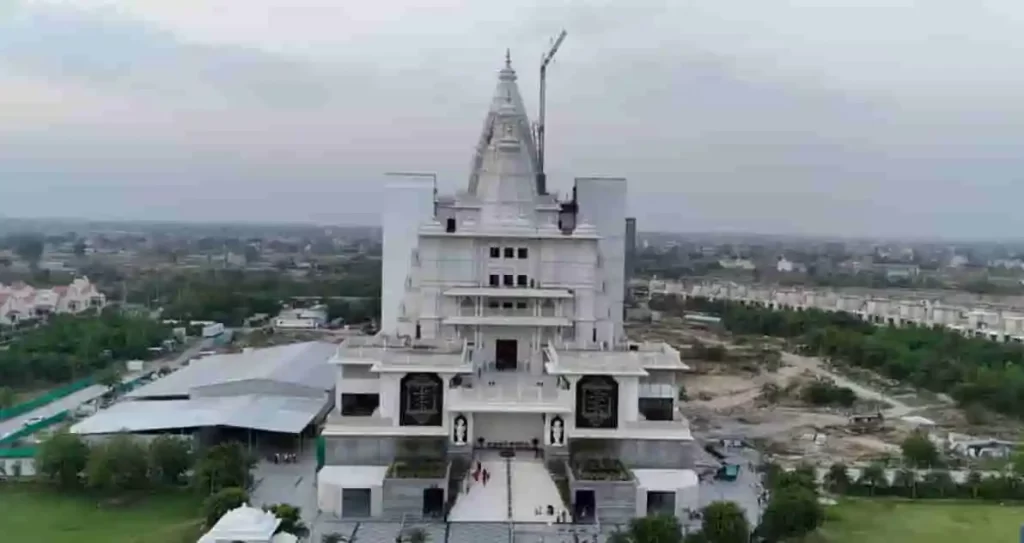
In the sacred town of Vrindavan, Uttar Pradesh, where Lord Krishna spent his childhood playing his flute and dancing with the gopis, a massive new landmark is rising. The Vrindavan Chandrodaya Mandir, also called the Vrindavan Heritage Tower, is set to become the tallest religious building in the world. This grand project, led by ISKCON Bangalore, blends ancient devotion with modern technology. It honors the vision of Srila Prabhupada, the founder of ISKCON, who wanted a magnificent temple to spread Krishna consciousness across the globe. Construction started in 2014, and the full project aims to finish by 2028 or 2029. Once done, it will draw millions of devotees, tourists, and spiritual seekers from every corner of the world.The Vision: A Monument to Put Krishna and Vrindavan on the World MapSrila Prabhupada dreamed of a temple so stunning that it would make people everywhere think of Lord Krishna. ISKCON Bangalore took up this challenge in 2006. The temple sits on a huge 62-acre site shaped like a peacock feather, Krishna’s favorite bird. Out of this, 12 acres are for parking and a helipad for VIP visitors. The main tower will soar 700 feet high (about 210 meters or 70 floors), taller than any other religious structure today. The temple’s built-up area covers 540,000 square feet, making it one of the largest too.This is not just a building. It aims to revive Vrindavan’s lost glory and teach Vedic wisdom to the modern world. As the official site says, it will “place Krishna proudly on the world mindscape and Vrindavan on the world map.” The project plays a big role in India’s future by mixing spirituality, culture, education, and eco-friendly living.Stunning Architecture: Old Meets NewThe design draws from Vrindavan’s ancient Shri Radha Madan Mohan Temple, one of the oldest here. It keeps the traditional curved towers (shikharas) and carvings but scales them up with modern engineering. International firms like Chapman Taylor helped early on, and now ISKCON’s own engineers lead the work. The central octagonal tower has four grand wings. Inside, expect huge halls for worship, a Krishna Leela Theme Park, and spaces for 10,000 devotees at once.Surrounding it? 12 man-made forests recreating Braj Mandal’s sacred groves—like Vrindavan Van, Mahavan, Lohavan, Khiravan, and more. These will have trees from scriptures, such as kadamba (where Krishna hid from gopis), tamala, and tulsi. Waterfalls, artificial hills, fruit orchards, and a Sarovar lake for rainwater will make it feel like Krishna’s playground 5,000 years ago. A special elevator will take visitors to the top for panoramic views of the 84-km Braj Mandal region.Science Meets Spirituality: High-Tech Vedic WondersWhat makes this temple unique? It fuses the Vedas with cutting-edge tech. The Heritage Tower will house a Vedic planetarium using 4D, 5D, or 7D effects to explain the 14 planetary systems from the scriptures. Imagine immersive shows on creation, heavens, and hells as described in the Bhagavata Purana. At the peak, a skyviewing gallery offers breathtaking sights. Exhibits on Krishna’s life, Vedic science, and global culture will educate visitors.Eco-features shine too: Solar power, biogas plants, waste recycling, and rainwater harvesting. The Sarovar collects water for reuse. The whole campus runs green, showing how devotion and sustainability go hand in hand.Construction Journey: From Foundation to Phase 1The foundation stone was laid in 2014 by then-President Pranab Mukherjee. Early phases faced delays due to funding and permissions, but progress is steady. By November 2025, Phase 1 (South Wing) was complete. Subharambh 2026 marks a big milestone with the inauguration in March 2026. Full completion targets 2028-2029, though some say 2029. Cost? Around Rs 668-3000 crore (estimates vary), funded by donations, the “Square Feet Campaign” (buy a sq ft for Rs 10,000+), and global supporters.Deities of Sri Radha Krishna will reside in the main sanctum. Daily timings (once open): 6 AM-12 PM and 1-8 PM. Offerings include makhan-mishri, peda, barfi, and kheer—Krishna’s favorites.How to Reach and What to ExpectVrindavan is easy to visit:Air: Delhi’s IGI Airport (164 km), then taxi (3 hours).Train: Mathura Junction (14 km), then auto-rickshaw.Road: Yamuna Expressway or NH-44 from Delhi (3 hours); buses from Agra/Delhi.Once open, expect festivals like Janmashtami with massive celebrations, kirtans, and annadan (free meals).Why It Matters: A Global Lightship of Krishna BhaktiFor devotees, it’s darshan, kirtan, and seva. For tourists, a cultural marvel. For India, proof of spiritual engineering. Bigger than Angkor Wat or Burj Khalifa in religious height, it fights cultural forgetfulness. As Srila Prabhupada wished, it frees people from material woes through Krishna consciousness, open to all castes and creeds.Phase 1 opens soon. Visit vcm.org.in to donate or volunteer. Vrindavan Chandrodaya Mandir isn’t rising alone; it’s lifting hearts worldwide. Hare Krishna!
Spiritual Immersion at Isha’s Adiyogi: From Chikkaballapur to Coimbatore’s Mahashivratri
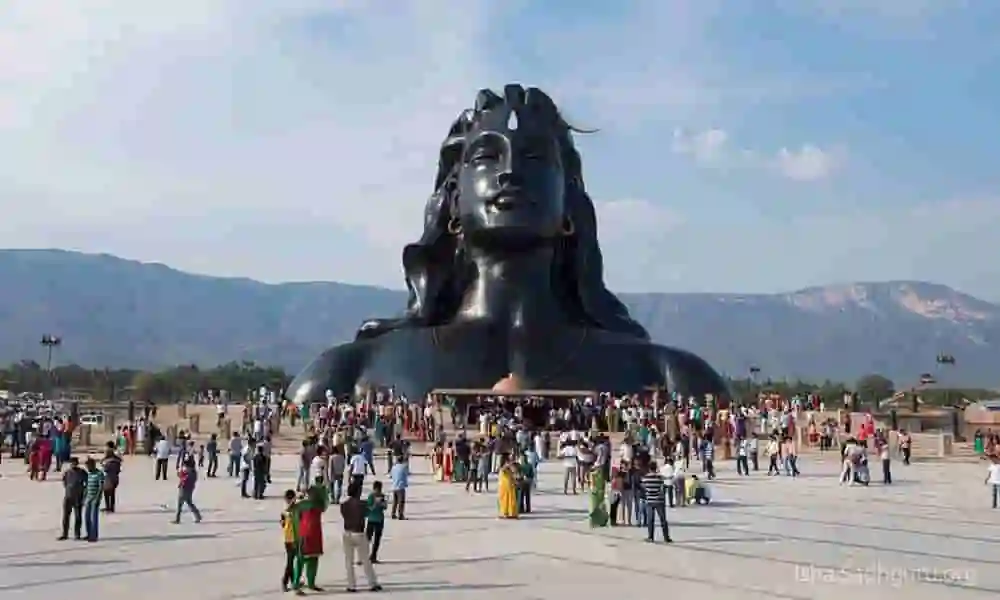
In the shadow of the 112-foot Adiyogi Shiva statue, the world’s largest bust of the Yogeshwara, a spontaneous road trip from Bengaluru unveils a cinematic tapestry of devotion, chants, and cosmic energy. From barefoot pilgrimages at Isha Foundation’s Chikkaballapur outpost, featuring the mesmerizing Adiyogi Light & Sound Show, to the temple realms of Linga Bhairavi, one day here transcends time, blending ancient wisdom with modern spectacle. This journey mirrors the grander spiritual vortex at Coimbatore’s Isha Yoga Centre, where Mahashivratri draws lakhs, dignitaries, and Sadhguru’s transformative rituals, as seen in past epics with President Droupadi Murmu and Defence Minister Rajnath Singh.Picture this: a midnight drive from Bengaluru’s bustle to Chikkaballapur’s serene foothills, 60 km away, where Isha’s Adiyogi replica beckons under starlit skies. The air hums with Sanskrit chants as devotees gather barefoot, shedding worldly weights at the threshold. The highlight? Adiyogi’s Light & Sound Show, a symphony of lasers, music, and narration tracing Shiva’s 84 prime yogas, from stillness to ecstatic tandav. Colors dance across the towering black steel form, evoking the Adiyogi’s Coimbatore original: 112 feet tall, weighing 500 tons, handcrafted over five years by 100 artisans using advanced alloy tech for seismic resilience. Unveiled in 2017 by PM Narendra Modi, it’s Guinness-recognized as yoga’s source, symbolizing the 7 chakras via its meditative gaze.The pilgrimage deepens at Linga Bhairavi Temple nearby, Isha’s consecrated powerhouse for the fierce Divine Feminine. Devotees offer coconuts amid flickering lamps, experiencing prasadam rituals that Sadhguru designed as energy elixirs, amplifying inner fire amid the yantra-charged sanctum. From dawn treks through mist-shrouded paths to communal yoga under Adiyogi’s watchful eyes, these 24 hours foster surreal calm: silent meditations dissolve ego, while group bhajans ignite unity. It’s no mere visit; it’s a reset, echoing Sadhguru’s vision of Adiyogi as humanity’s first yogi, gifting tools for self-realization.This intimate odyssey connects to Isha’s global beacon: the Coimbatore Yoga Centre, where Mahashivratri, next on February 15, 2026, erupts into a night-long vigil. Past editions set the template: Defence Minister Rajnath Singh as chief guest, Maharashtra CM Devendra Fadnavis, and ministers like L. Murugan joining lakhs from 6 PM to 6 AM. Sadhguru leads powerhouse sessions, midnight Sandhya meditations tapping planetary alignments for life-force surges, mantra chants, and musical feasts by top artists. A 2026 highlight? The first-ever Maha Abhishekam to the Yogeshwara Linga, with public registration for free immersion in sacred waters, mantras, and dedications amplifying its blessings.In 2023, President Droupadi Murmu served as Guest of Honour, received by Sadhguru for Pancha Bhutha Kriya at Dhyanalinga – a consecrated energy form for liberation. “I feel especially blessed… in Adiyogi’s presence,” she reflected, alongside Tamil Nadu Governor RN Ravi and Minister Thiru Mano Thangaraj. Shivratri’s Masi-month timing, per tradition, harnesses cosmic support for sadhana, turning all-night vigils into portals for transcendence.Why Adiyogi Captivates: Engineering Meets EternityAdiyogi isn’t just sculpture; it’s a technological marvel fused with mysticism. The Coimbatore colossus symbolizes 114 chakras (84 accessible via yoga), its jatamakuta cradling a crescent moon, eyes half-closed in kriya. Isha’s ecosystem – Dhyanalinga, Theerthakunds, and Bhairavi, forms a self-sustaining spiritual campus, drawing global seekers for programs like Inner Engineering.A Day’s Transformative RhythmDawn: Barefoot arrival, yoga amid hills, Adiyogi’s meditative aura dissolving dawn fog.Midday: Linga Bhairavi darshan, prasadam-fueled energy surges.Dusk: Light show spectacle – lights pulse like Shiva’s breath, sounds invoke 84 postures.Night: Chants fade into silence, mirroring Mahashivratri’s vigil blueprint.For the Bengaluru devotee, it’s “surreal calm” after urban chaos; for pilgrims worldwide, a call to yoga’s source. As Chikkaballapur’s Adiyogi lights up, it heralds Coimbatore’s 33rd Mahashivratri, a meaningful reminder: in Shiva’s gaze, every moment is eternal practice.
Shri Ram Yantra to Be Installed in Ayodhya Ram Mandir: President Murmu to Lead Mega Spiritual Event
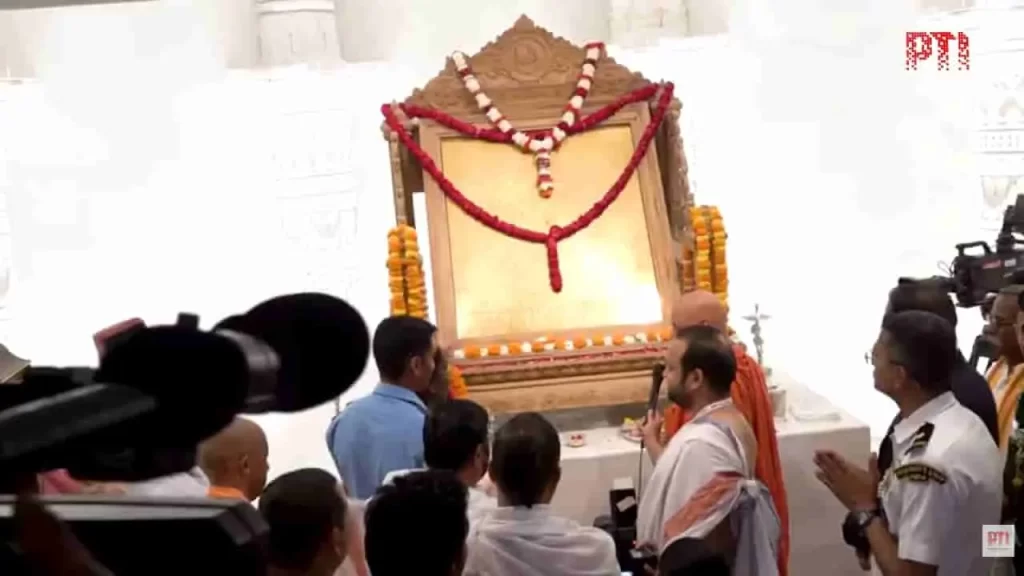
Ayodhya is preparing for another historic spiritual milestone as the Shri Ram Janmabhoomi temple gears up to host the installation of the Shri Ram Yantra on March 19, in the presence of President Droupadi Murmu on the auspicious first day of Chaitra Navratri and Hindu New Year (Varsha Pratipada).Historic ceremony on March 19The Shri Ram Yantra will be ceremonially installed on the upper floor of the Ram Mandir complex in a grand Vedic ritual that the Shri Ram Janmabhoomi Teerth Kshetra Trust is billing as the next major chapter after the pran pratishtha of Ram Lalla.President Droupadi Murmu will be the chief guest and is expected to arrive at the temple around late morning, with the main installation scheduled in an auspicious muhurat close to noon.The ceremony coincides with Chaitra Shukla Pratipada, which marks the beginning of the Vikram Samvat Hindu New Year and the first day of Chaitra Navratri, considered especially sacred for new beginnings and major religious undertakings.news.Around 7,000 invited participants, including seers, scholars, saints, key engineers, artisans, and workers who contributed to the construction of the Ram Mandir, are expected to attend and be felicitated by the Trust.hindi.Trust officials say that after the installation, devotees visiting the temple will be able to have darshan of both Ram Lalla and the Shri Ram Yantra during their visit.What is the Shri Ram Yantra?According to Shri Ram Janmabhoomi Teerth Kshetra general secretary Champat Rai, the Shri Ram Yantra was sent to Ayodhya about two years ago in a ceremonial procession led by seer Vijayendra Saraswati.The yantra is described as being based on Vedic mathematics and sacred geometry and is believed to be a medium that concentrates divine energies and attracts positive spiritual vibrations into the garbhagriha and temple complex.Until now, the yantra has been kept before the idol of Ram Lalla and worshipped daily as part of regular rituals; after March 19, it will be formally installed on an upper floor of the shrine as a permanent spiritual focal point.Priests and members of the Trust have emphasized that the installation has been timed with great care to align with an “extremely auspicious” muhurat on New Year day, reinforcing the belief that the yantra will strengthen the spiritual ambience of the entire complex.news.New rules for devotees: mobiles and weapons bannedIn parallel with preparations for the ceremony and the Chaitra Navratri–Ram Navami rush, the temple administration and district authorities have notified a stricter set of guidelines for devotees visiting the Ram Mandir.Champat Rai has clearly stated that mobile phones will now be completely banned inside the Shri Ram Janmabhoomi temple premises.Devotees will not be allowed to carry mobile phones beyond designated security points; this rule applies to all visitors, including those accompanied by personal security staff.Licensed weapons such as revolvers, pistols, swords, or other firearms are strictly prohibited in the temple complex, even if the person possesses valid legal licenses.An exception is being made for members of the Sikh community, who will be allowed to carry their traditional small kirpan in line with religious practice; the Trust has clarified that this exemption is purely out of respect for faith and is limited to the customary symbolic blade.Officials say these measures aim to strengthen security, reduce crowd-management challenges, and maintain a disciplined, distraction-free environment for darshan amid rapidly increasing footfall.Special arrangements for Chaitra Navratri and Ram NavamiChaitra Navratri this year runs from March 19 to March 27, culminating in Ram Navami, the birthday of Lord Ram, which traditionally sees some of the largest crowds in Ayodhya.To handle the surge of pilgrims, the Trust and administration are putting in place additional facilities and service arrangements:Fasting-friendly food: For devotees observing Navratri fasts, stalls and counters will offer appropriate items such as fruits, milk-based preparations, peanuts, butter, and light dishes made from potatoes and other vrat-compliant ingredients, so that those on fast are not inconvenienced during long queues and extended stays.Basic amenities: Adequate drinking water points and temporary as well as permanent toilet blocks are being arranged around the temple complex and in holding areas for queues, with more units to be added as crowd estimates firm up.Crowd flow and gates: The administration has indicated that detailed information on entry and exit gates, queue lanes, holding zones, and timing-wise crowd management plans will be shared in the days leading up to the main dates as assessments are finalized.Given the President’s visit on March 19, VIP darshan passes are expected to be suspended for certain time slots so that security and protocol arrangements can be managed smoothly.Appeal for orderly darshanThe Shri Ram Janmabhoomi Teerth Kshetra and district administration have jointly appealed to devotees to strictly follow the new guidelines, particularly the ban on mobile phones and weapons, and to cooperate with security forces during the high-traffic Navratri and Ram Navami period.Officials underline that adherence to these rules will not only enhance security but also ensure that all pilgrims, many of whom travel long distances, can experience peaceful, unhurried darshan of Ram Lalla and, after March 19, of the newly installed Shri Ram Yantra.For Ayodhya, which witnessed a landmark moment with the consecration of Ram Lalla in January and is now set for the formal installation of the Shri Ram Yantra on Hindu New Year, this year’s Chaitra Navratri is emerging as a powerful convergence of faith, symbolism, and meticulous planning.
Ramadan 2026: The Holy Month of Fasting, Faith, and Reflection Begins
Image: iStockThe sacred month of Ramadan has begun, bringing with it a period of spiritual reflection, devotion, and community for millions of Muslims around the world. For believers, Ramadan is not simply a religious observance but a deeply meaningful time dedicated to strengthening faith, practicing self-discipline, and reconnecting with the values of compassion and generosity.Observed as the ninth month of the Islamic lunar calendar, Ramadan holds immense significance in Islam. It is the month in which the first verses of the Qur’an were revealed to Prophet Muhammad, marking the beginning of divine guidance for humanity. Because of this historic event, the month is regarded as the holiest period in the Islamic calendar.For Muslims across continents—from South Asia and the Middle East to Europe, Africa, and the Americas—the beginning of Ramadan signals the start of a month devoted to fasting, prayer, charity, and spiritual renewal.Ramadan 2026: Dates and Beginning of the Holy MonthIn 2026, Ramadan began after the sighting of the crescent moon on the evening of February 18, with the first fast observed on February 19. The holy month will continue for approximately 29 to 30 days depending on lunar observations, and is expected to conclude around March 19, 2026.The completion of Ramadan will be celebrated with Eid al-Fitr, one of the most joyous festivals in Islam, marking the end of the month-long fast.Why Muslims Observe RamadanFasting during Ramadan is one of the Five Pillars of Islam, which are the core acts of worship that guide the faith and practice of Muslims. The act of fasting is meant to cultivate taqwa, a state of mindfulness and consciousness of God.Throughout the month, adult Muslims abstain from food, drink, smoking, and marital relations from dawn until sunset. However, the purpose of fasting extends beyond physical abstinence. Ramadan encourages believers to purify their hearts, practice patience, and refrain from negative behaviour such as anger, gossip, or dishonesty.The fast becomes a reminder of humility and gratitude, helping Muslims empathize with those who face hunger and hardship.Sehri: The Beginning of the FastEach day during Ramadan begins before sunrise with a pre-dawn meal known as Sehri (or Suhoor). Families wake up early to share this meal together before the first prayer of the day.Sehri is considered a blessed meal in Islamic tradition, as it prepares individuals for the long hours of fasting ahead. It usually includes nutritious foods, fruits, grains, and plenty of water to sustain energy throughout the day.The time for Sehri ends at the call for the Fajr prayer, which marks the official start of the fast.A Day of Fasting and ReflectionFrom dawn until sunset, Muslims observe the fast while continuing their daily responsibilities. Many people attend work, school, or other activities while maintaining the discipline required during Ramadan.At the same time, the month encourages believers to increase their acts of worship. Many Muslims dedicate more time to reading and reflecting on the Qur’an, performing additional prayers, and engaging in acts of kindness.Fasting during Ramadan is obligatory for healthy adult Muslims. However, Islam provides exemptions for those who may not be physically able to fast, including young children, elderly individuals, menstruating, pregnant or breastfeeding women, the sick, and travelers.Those who are unable to fast may compensate by making up the fast later or by feeding those in need.Iftar: Breaking the FastThe fast is broken at sunset with a meal known as Iftar. This moment is one of the most anticipated parts of the day, as families and communities gather to break their fast together.Traditionally, Muslims open their fast by eating dates and drinking water, following the example of Prophet Muhammad. The time of Iftar coincides with the call for the Maghrib prayer, which is offered shortly after sunset.Iftar meals often vary from region to region, but they usually include fruits, soups, traditional snacks, and hearty dishes prepared for family and guests. In many cities, mosques and community organizations also arrange public Iftar gatherings, ensuring that everyone—including the less fortunate—can share the blessings of the meal.Taraweeh Prayers: Nights of DevotionThe nights of Ramadan hold special significance. After the Isha prayer, Muslims gather in mosques to perform Taraweeh, special nightly prayers unique to Ramadan.During Taraweeh, long portions of the Qur’an are recited. In many mosques, the entire Qur’an is completed over the course of the month. These prayers bring communities together and create a deeply spiritual atmosphere during the nights of Ramadan.For many believers, the peaceful nights spent in prayer and reflection become some of the most cherished moments of the month.Laylat al-Qadr: The Most Sacred NightOne of the most spiritually significant moments of Ramadan is Laylat al-Qadr, also known as the Night of Power. According to Islamic belief, this is the night when the first verses of the Qur’an were revealed.The night is described in Islamic tradition as being more rewarding than a thousand months of worship. Muslims spend the last ten nights of Ramadan in increased prayer, seeking forgiveness and blessings.Although the exact date of Laylat al-Qadr is unknown, it is believed to fall on one of the odd-numbered nights during the final ten days of the month.Charity and Helping the Less FortunateRamadan strongly emphasizes generosity and compassion toward others. Muslims are encouraged to support the needy through acts of charity.One of the important obligations during Ramadan is Zakat, a form of mandatory charity given annually to help the poor. Another important charity is Zakat al-Fitr, which is given before the Eid prayer to ensure that even the most disadvantaged members of society can participate in the celebrations.Across many communities, people distribute food packages, organize charity drives, and sponsor meals for those in need.A Month of Community and Spiritual JoyBeyond its religious obligations, Ramadan is also a time that brings families and communities closer together. The shared experience of fasting, praying, and breaking the fast fosters a strong sense of unity.Mosques become vibrant centers of worship and community life, while homes are filled with the warmth of family gatherings and the preparation of traditional meals.For many Muslims, Ramadan is the most spiritually fulfilling
Maha Shivaratri 2026: Significance, Rituals, and Grand Celebrations Across India
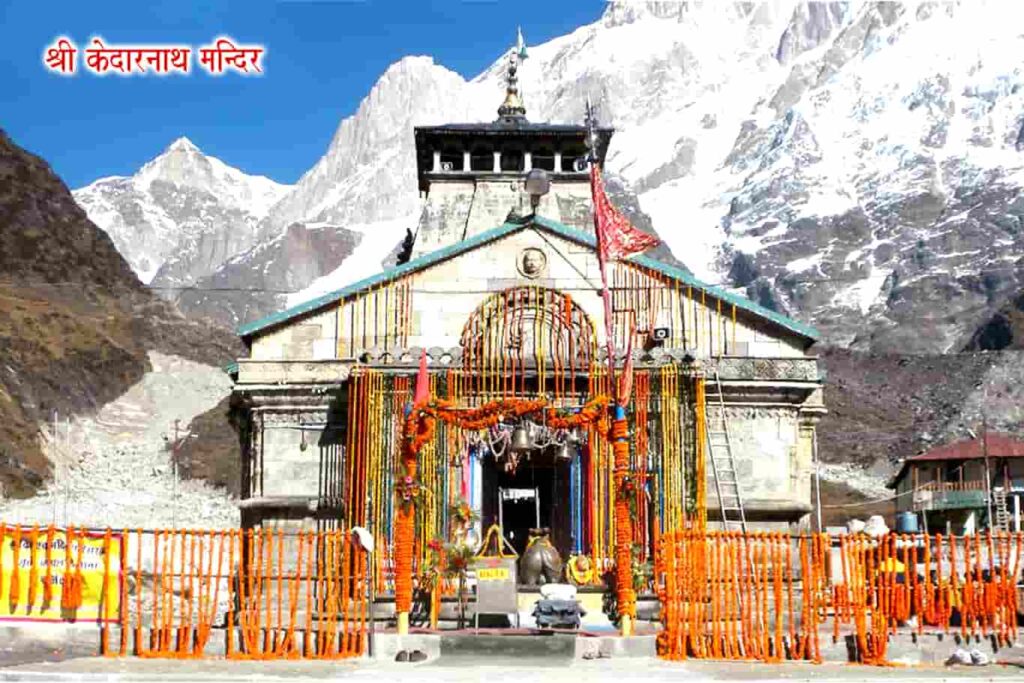
Coimbatore/Bengaluru/Bhubaneswar – Maha Shivaratri, one of Hinduism’s grandest festivals, falls on February 15, 2026, drawing millions worldwide to honor Lord Shiva—the Adi Yogi, destroyer of ignorance, and cosmic dancer, during the 14th night/15th day of Phalguna’s dark half. This “Great Night of Shiva” symbolizes Shiva’s triumph over poison (Halahala from Samudra Manthan, earning him Neelkanth), his Tandava Nritya, or marriage to Parvati, with natural planetary alignments amplifying spiritual energy for kundalini awakening and inner transformation.As Sadhguru notes, staying awake vertically harnesses nature’s forces for profound physical and spiritual well-being, making it a pivotal night for meditation amid modern stresses.Why and When it is Celebrated?Rooted in myths like Shiva consuming cosmic poison to save creation or manifesting as infinite light (Jyotirlinga), the festival occurs on the year’s darkest, moonless night, ideal for overcoming tamas (inertia). Devotees fast from dawn on February 15 (parana post-sunrise February 16), seeking ego dissolution, health, and moksha. Yogic texts highlight their role in aligning chakras naturally.Core Rituals: How and WhatAll-night jaagran (vigil) from ~6 PM to dawn unfolds with layered practices:Abhishekam & Rudrabhishekam: Bathe Shiva Lingam with milk, honey, curd, ghee, gangajal, sugarcane juice, and bilva patra (sacred leaves mimicking Shiva’s trishul for triple potency).Puja Steps: Mangal aarti, Panchamrit snan, chanting “Om Namah Shivaya,” Shiva Chalisa, Mahamrityunjaya Mantra; midnight Nishita Kaal peak.Fasting & Offerings: Sattvic fruits, thandai (non-bhaang), bhang for some; regional flair like Maharashtra dhuni fires, Gujarat garba, or Tamil Nadu theerthavari.Fun fact: Bilva’s trifoliate shape triples puja merits; many do 108 bilva circumambulations.Jyotirlingas and Iconic TemplesThe 12 Jyotirlingas, self-manifested fiery lingams, pulse with fervor, expecting crores:JyotirlingaLocation2026 HighlightsSomnathGujarat (Veraval)Seafront processions; Dwadash Yatra start.MallikarjunaAndhra (Srisailam)11-day Brahmotsavam, midnight abhishekam. wikipedia+1MahakaleshwarMP (Ujjain)Dawn Bhasma Aarti; south-facing swayambhu. OmkareshwarMP (Khandwa)Narmada parikrama rituals. BaidyanathJharkhand (Deoghar)Kanwar yatra vibes. TrimbakeshwarMaharashtra (Nashik)Godavari holy dips.KedarnathUttarakhandGhee lingam post-hibernation. Kashi VishwanathUP (Varanasi)Ganga aarti spectacles. Bhimashankar, Rameswaram, Nageshwar, GrishneshwarVariousRudra jaap marathons. Other gems: Lingaraja Temple (Bhubaneswar) chariot pulls; Pashupatinath (Nepal) massive mela.Spiritual Centers’ Grand EventsIsha Foundation (Coimbatore Yoga Center): Sadhguru’s spectacular all-night celebration (Feb 15, 6 PM IST–Feb 16, 6 AM) amid Velliangiri hills draws lakhs for mysticism and music. Highlights:6 PM: Pancha Bhuta Kriya meditation.Evening: Bhairavi Maha Yatra, Adiyogi Divya Darshanam (yoga origins video).10:50 PM: Sadhguru Satsang.Midnight: Mahamantra Initiation (open guided session).3:40 AM: Brahma Muhurtham meditation.5:45 AM: Finale with performances.Traditional arts by Isha Samskriti students, eminent musicians. Mandatory online registration (sells out fast); no accommodation—arrange nearby. Live webcast global.news18+1The Art of Living (Bengaluru & worldwide): Sri Sri Ravi Shankar hosts Rudra Puja, Sudarshan Kriya, bhajans, yoga workshops, and midnight meditations, accessible via live streams.Participation and BeyondVirtual streams from Isha, Art of Living, ensure worldwide darshan. Shiva, as yogic source and grace icon, offers renewal; pair with home puja kits for authenticity. This Shivaratri, embrace the Adi Guru’s energy for holistic upliftment.Registration is mandatory and available online in advance, with tickets selling out quickly in past years. Importantly, accommodation is not provided; attendees must arrange their own stays nearby. The event draws lakhs of devotees annually, fostering an electric atmosphere of devotion amid the lush hills of the Isha Yoga Center.Beyond Isha, other prominent organizations are also ramping up for Maha Shivaratri 2026. The Art of Living, led by Sri Sri Ravi Shankar, will host vibrant celebrations featuring Sudarshan Kriya meditation sessions, bhajans, and yoga workshops at centers worldwide, including Bengaluru and online streams for global participation. Temples like the iconic Lingaraja Temple in Bhubaneswar, Ujjain’s Mahakaleshwar Jyotirlinga, and Trimbakeshwar in Nashik anticipate massive pilgrim influxes, with special poojas, rudrabhishekam rituals, and all-night vigils.Video credit: YT@/SadhguruVideo credit: YT@/The Art of Living
Chai Over Cocktails: Bhajan Beats and Sober Raves Redefine South Asian Nightlife
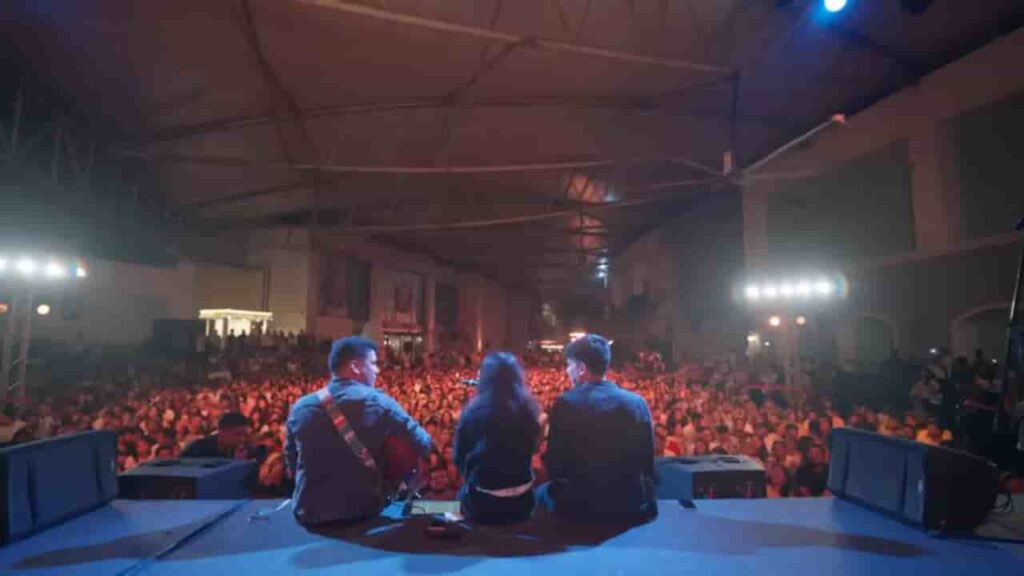
From chai-fueled dance floors in Karachi to devotional DJ drops in Delhi, Gen Z across South Asia is ditching hangovers for halos in a nightlife revolution. This sober, spiritual wave, blending ancient chants with modern beats, is drawing thousands, offering community without chaos and vibes with values.Bhajan Clubbing Takes India by StormIn Visakhapatnam, over 2,000 young fans packed a recent event, grooving to kirtan remixed with electronic percussion, no booze, just pure energy from “Om Namah Shivaya” and Hanuman Chalisa beats. Delhi’s Indira Gandhi Sports Complex hosted the city’s biggest bash in December 2025, with 3,000 attendees under strobes chanting for Shiva, Ram, and Krishna in a three-hour “satsang 2.0.” From Mumbai’s Kallol Café to Lucknow’s Rangreza Festival on Maha Shivaratri, where hundreds fasted and danced to dholak-infused bhajans, the trend is exploding, ticketed, lit-up, and viral on reels.Karachi’s Sober Raves Glow UpPakistan’s scene thrives in regulated spots like sports clubs and cafes, where neon-lit padel courts double as dance floors and events wrap at 10 p.m. sharp under cameras and drones. Women-only nights at places like Third Culture Coffee pack in crowds for desi remixes, fostering safety and shareable joy, tickets at 3,000-7,000 PKR signal real demand. Soft drinks sales surged 27% from 2020-2025, fueling this alcohol-free shift aligned with cultural norms.Trend LocationKey FeaturesCrowd Size (Recent Events)India (Delhi/Vizag)Bhajans + EDM, chai stations2,000-3,000KarachiTechno/des mixes, padel breaksHundreds per venueWhy Gen Z Vibes with ItExperts like psychologist Raksha Rajesh call it “neurological relief”, repetitive chants calm overstimulation from digital life, while psychiatrist Dr. Ashima Ranjan links it to mental health wins: no regrets, genuine bonds, and vagus nerve boosts. Sociologist Gulshan Sihag dubs it “cultural hybridity,” remixing jagratas and Garba for Instagram poets craving rootedness amid chaos. Globally sober-leaning youth find perfect sync here: faith-fueled fun in India, boundary-honoring parties in Pakistan.Past Events for ContextRecent Vizag shows include a January 25, 2026, Art of Living-organized night and a post-2,500-attendee recap hinting at more “bhakti meets beats” sessions soon. No exact venues or tickets listed yet, check local organizers like Bhavika Patel or Instagram for updates as March nears.Known VenuesMoon Bar and Kitchen, VIP Road: Hosted a BhaZen Clubbing debut with DJ sets and devotional beats; RSVPs via 9587192999 for entry.Beach Road: Featured highlights from a major session, drawing crowds for open-air chanting and dancing.Event TrendsPast gatherings linked to Art of Living and Nirvana Station Band suggest indoor sports arenas or large halls for the 2,000+ crowds, with chai stations replacing bars, no fixed “home base” yet, as pop-ups rotate for safety and buzz. A Shared South Asian ShiftFrom DU students picking bhajan dates over dinners, inspired by Virat Kohli reels, to Karachi’s safe, early-end raves, this is presence over escapism. Bhajan clubbing events are gaining popularity in the Vizag area, with specific upcoming dates confirmed for nearby districts. Organizers plan expansions following recent successes drawing thousands.Confirmed DatesVizianagaram District: March 21, 2026 – A state-wide expansion event featuring high-energy bhajans by Nirvana Station Band, blending traditional chants like “Om Namah Shivaya” with electronic beats and prasadam.Visakhapatnam (Vizag): May 2026 – Another major gathering anticipated, building on the viral February event that packed 2,000+ youth.
Kerala’s ‘Kumbh Mela’ Revival at Thirunavaya: Spiritual Spectacle or Contested Rebranding?
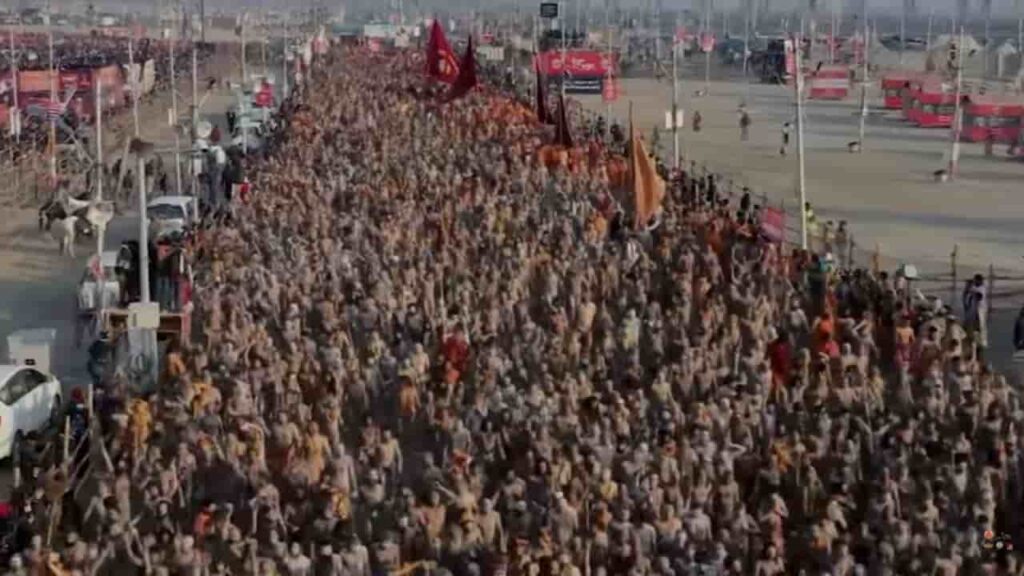
Thirunavaya’s Bharathapuzha (Nila) riverbanks hosted the Mahamagha Mahotsavam, dubbed Kerala’s Kumbh Mela, from January 18 to February 3, 2026, drawing over 3.5 lakh daily devotees at its peak. Organized by Varanasi’s Juna Akhada with Mohanji Foundation and Mata Amritanandamayi Math, the 17-day event peaked February 2-3 with Naga sanyasis’ arrival, blending Vedic dips, Nila aarti by Varanasi priests, and tribal rites, but sparked debate over history, politics, and ecology.Event Highlights and RitualsHeld at Trimurti Sangama (Brahma-Vishnu-Shiva temples triangle), the festival revived rituals absent for ~250-270 years:Holy Dips (Snana Mahotsavam): Believed to energize souls, equivalent to Ganga baths.Nila Aarti: 15-member Varanasi team’s evening fire rituals, evoking Kashi ghats.Inclusivity: Vedic yajnas, tantra, Paniya/Kattunayakan tribal practices alongside Brahmin rites; discourses, bhajans.Processions: Mahameru Rath Yatra from Tamil Nadu’s Trimurtimala; Naga sanyasis’ dips/meditations.Special trains stopped at Kuttipuram/Tirur; crowds from Kerala, Tamil Nadu, Andhra, and North India. Logistics: Parking/security robust; stays in Kottakkal/Perinthalmanna (accommodation scarce onsite).Phase/DateHighlights & SignificanceJan 18: Inaugural SnanaFestival launch; initial mass dips, poojas at Navamukunda Temple.Jan 19-22: Rathayatra PeriodChariot arrival; heightened dips amid processions, yajnas.Feb 2: Naga Sanyasi ArrivalAsh-smeared avadhoots’ ritual dips via special trains (Kuttipuram/Tirur stops); awe-inspiring for devotees.Feb 3: Mahamagha CulminationFinal peak snana; grand aarti, homams, festival close; max crowds for soul purification.Brahma Muhurta (4-5:30 AM) is ideal for dips; post-bath charity/meditation amplified merits. No exact parallels to Prayagraj’s Paush Purnima/Mauni Amavasya, but Feb 3 evoked “king of snans” vibe.Key Leaders and RolesThirunavaya’s Mahamagha event (Jan 18–Feb 3, 2026) drew key figures from Juna Akhada, Kerala mathas, and reformist lineages, blending north-south traditions. Led by Varanasi’s Juna Akhada with Mohanji Foundation and Mata Amritanandamayi Math, attendees included Naga sanyasis, Aghori babas, and matha heads for dips, aartis, and poojas.Leader/TitleAffiliation/RoleHighlightsMahamandaleshwar Swami Anandavanam BharatiJuna Akhada (Sabhapati); ex-SFI/journalist turned Mahamandaleshwar (2025 Maha Kumbh).Led inaugural Magha Snana (Jan 19); presided over all rituals; public face promoting “Kerala Kumbh.” Mata Amritanandamayi (Amma)Chief Patron (Mata Amritanandamayi Math).Symbolic patron since 2018 revivals; inclusivity focus. Acharya Mahamandaleshwar Avadheshananda Giri Ji MaharajJuna Akhada Supreme Head; Co-Chief Patron.Oversaw organizational revival.Swami Satyananda SaraswatiFoundation Managing Trustee; Shriramdas Mission National Gen Secy.Inaugural presence (Jan 18). Sri Shakti Shantanananda MaharshiShriramdas Mission; with Swami Satyananda.Day 1 ceremonies. Mooppil Swamis (Kerala Shankara Mathas)Thrissur Thekke (Vasudevananda Brahmanandabhuti), Kasaragod Idaneer (Sachidananda Bharathi), Thrissur Naduvil (Achyuta Bharathi), Thanur Thrikkaikattu (Narayana Brahmananda Theertha), Ilamura (Parthasarathy Bharathi).Special poojas (Jan 30); sanctified event. Acharyan Arun PrabhakarjiGayatri Gurukulam.Led Vedic chanting for Magha Snana. Ivarmatham Ramesh KorappathjiVedic ritual leader.Shmashana Shraddha (Jan 18). Naga Sanyasis & Aghori BabasJuna Akhada ashrams (Kashi/Varanasi).Arrived Feb 2 for dips/meditations; mystic draw.Additional ContextInaugural Dignitaries: Kerala Governor Rajendra Vishwanath Arlekar (Chief Guest, Dharmadhwaja hoisting Jan 19); Zamorin rep K.C. Dileep Raja Arikkara, Sudheer Namboothiri.Reformist Homage: Honored Adi Shankaracharya, Sree Narayana Guru, Chattampi Swamikal, Ayyankali, Ayya Vaikunda Swamikal, Swami Chinmayananda, Nijananda/Satchidananda Saraswati—inclusivity across sects.Coordination: Swami Chidanandapuri (earlier patron); BJP leaders/Seva Bharati volunteers supported.These figures amplified the event’s pan-Hindu appeal, drawing 3.5 lakh/day peaks despite historical debates.Historical Context: Mamankam vs. Kumbh RebrandRooted in medieval Mamankam (Maha-Makham, every 12 years till 1755), a Chera-era trade/political arena where Zamorin-Valluvakonathiri clashed via chaver suicide squads. Sites: Nilapadu Thara (Zamorin throne), Manikkinar well, Changampally Kalari. Legends tie to Parashurama’s yajna at Thavunur.Organizers (Sabhapati Swami Anandavanam Bharati, ex-SFI/journalist turned Mahamandaleshwar) frame as prehistoric Magha Mela revival—Bṛhaspati-led, post-Palazhi Mathanam myth. But historians diverge:Supporters (VV Haridas): River festival akin to Kumbh; Mamakam=Magha Utsavam.Critics (Rajan Gurukkal, KN Ganesh): Distinct—nakshatra (Makam) vs. Jupiter-Sun rāśi alignments; martial/multicultural (Muslim Kozhikotu Koya on platform, Mappila guards/traders), not purely religious. No Kerala Kumbh tradition; Hindutva overlay erases secular history.Revival attempts: 2016 (Thirur Dinesh), 2018+ (Swami Chidanandapuri, Amma); 2025 Juna Akhada scale-up. 2028 promises a fuller 12-year cycle.Controversies: Hindutva, Politics, EcologyRebranding Critique: Historians (Shibi Thekkeyil, PK Michael Tharakan) call it Hindutva appropriation, Brahminical north-Indian narrative overwriting Dravidian/secular Mamankam in Muslim-majority Malappuram (75%+ local Muslims). RSS visitors’ eyes “Hindu unity.”Permissions Clash: Jan 2026 stop-memo (river conservation/safety) resolved via Collector; TN denied TN-Kerala rathayatra stops—framed as anti-Hindu bias by Swami (communal remarks on LDF/UDF vs. Muslim events).Environmental Alarm: Drought-prone Bharathapuzha (dries summers; coliform pollution, sand-mining); NGOs (Re-Echo, Friends of Bharathapuzha) fear crowds exacerbate scarcity (444 water projects dependent). CPCB post-2025 Prayagraj report warns of pilgrim impacts. Organizers counter: Tradition reveres nature.State aid: Police (hundreds), Haritha Sena (waste), KSRTC buses, despite BJP gripes.Broader ImplicationsIn poll-bound Kerala, the event fuses local lore with pan-Indian Hindu revivalism, attracting lakhs yet polarizing: Devotees hail spiritual homecoming; critics see imported north-Indian violence/majoritarianism. As Bharathapuzha’s ecology strains, balancing faith and sustainability looms large for 2028’s sequel.
Magh Mela 2026: A Floating City of Faith Takes Shape at Prayagraj
Prayagraj once again transforms into a living canvas of devotion, discipline, and tradition as Magh Mela 2026 unfolds along the sacred banks of the Triveni Sangam. What sets this year’s Magh Mela apart is not just the scale of participation but the quiet yet powerful stories emerging from within this month-long spiritual congregation. A City That Appears Overnight One of the most striking sights at Magh Mela 2026 is the temporary city that rises almost overnight. Thousands of tents, pontoon bridges, electric poles, and water pipelines form a fully functional settlement on the riverbed.This seasonal city accommodates saints, Kalpvasis, pilgrims, and visitors, operating with roads, hospitals, security posts, and community kitchens, all designed to vanish once the Mela concludes. Officials say this year’s infrastructure is more eco-conscious, with improved waste management, river protection measures, and plastic-free zones near the Sangam. Kalpvasis: Living a Month of Renunciation At the heart of Magh Mela are the Kalpvasis, devotees who observe strict vows for the entire month of Magh. Living on minimal possessions, sleeping on the ground, and eating simple food, they dedicate their days to prayer, scripture reading, and ritual bathing.Interestingly, Magh Mela 2026 has seen a rise in young Kalpvasis, including students and working professionals seeking spiritual discipline amid modern chaos. Many describe it as a “mental detox” from digital life. Spiritual Discourse Meets Modern Curiosity This year’s Mela has also become a space where ancient philosophy meets modern inquiry. Spiritual discourses by saints and scholars are drawing not only devotees but also researchers, photographers, and international visitors curious about India’s living traditions.Drone visuals of sunrise snan rituals and the glowing Sangam aarti have gone viral, bringing global attention to the quieter yet profound nature of Magh Mela compared to the Kumbh. Faith, Food, and Folk Traditions Beyond rituals, Magh Mela remains a cultural experience. Community kitchens serve hot khichdi, roti,s and tea to thousands daily. Folk singers narrate mythological stories, while small stalls sell handmade diyas, rudraksha beads, and religious texts.Despite the simplicity, there is a strong sense of order and mutual respect, a reminder of how faith can organise society without excess. Safety and Administration in Focus Authorities have deployed enhanced river patrols, medical camps, and crowd-monitoring systems. With lakhs expected over the coming weeks, officials stress that safety, sanitation, and accessibility remain top priorities. More Than a Gathering Magh Mela 2026 is not just about ritual bathing or religious observance. It is a rare social phenomenon where discipline, devotion, and community coexist, quietly proving that faith, when lived sincerely, still has the power to shape collective life in modern India.
A Millennium of Faith and Civilisational Pride at the Somnath Swabhiman Parv 2026
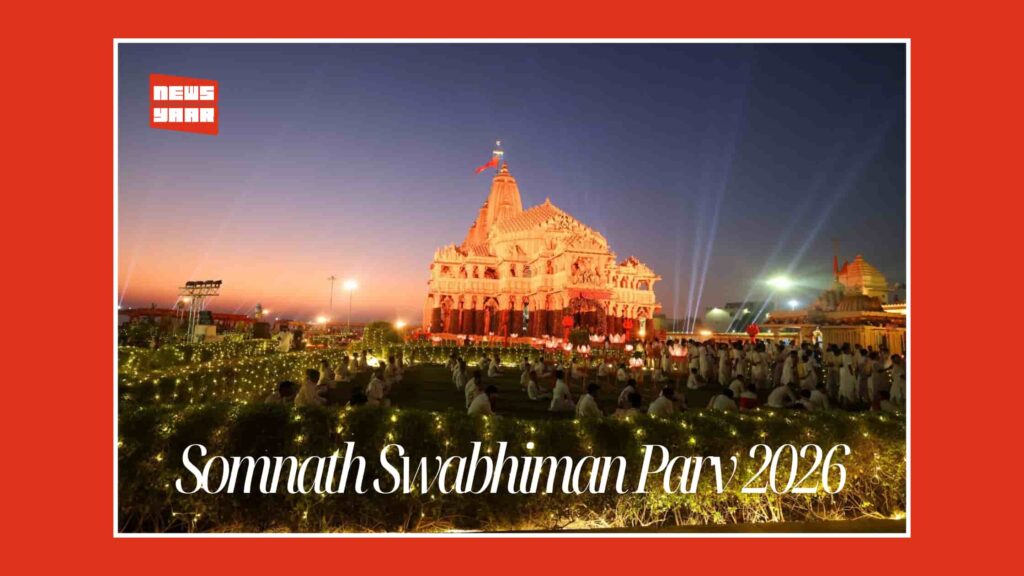
Somnath (Gujarat): The coastal town of Somnath is witnessing a grand national celebration as the Somnath Swabhiman Parv unfolds this year, honouring 1,000 years of unbroken faith and resilience tied to the iconic Somnath Temple.Observed from January 8–11, 2026, the event commemorates both a millennium since the first recorded attack on the temple and 75 years since its post-Independence reconstruction. It has drawn devotees, dignitaries and citizens from across India to reflect on India’s spiritual heritage and civilisational strength.Historic Significance Behind the CelebrationThe Somnath Swabhiman Parv marks a historic milestone in the temple’s long journey. In January 1026, the temple was attacked by Mahmud of Ghazni, initiating a series of invasions over centuries that repeatedly destroyed and tested this sacred shrine.Despite these challenges, the Somnath Temple was rebuilt numerous times, becoming a powerful symbol of Indian civilisation’s depth and resilience. This enduring spirit is central to the Parv’s celebrations, with organisers emphasising not the devastation of the past but the unbroken continuity of faith.The year 2026 is doubly significant because it also marks 75 years since the temple’s reconstruction was completed and opened to the public in 1951, following India’s independence. This intertwines the celebration with modern India’s journey of nation-building and cultural revival.Prime Minister Leads National ObservancePrime Minister Narendra Modi visited Somnath to participate in the Swabhiman Parv, highlighting the temple’s role as a symbol of civilisational courage and cultural pride.During his three-day visit, he took part in traditional rituals, offered prayers and addressed gatherings that reflected on the temple’s significance as a cornerstone of India’s spiritual identity. Modi also underscored that the Parv honours those who preserved the heritage and spirit of Somnath across the centuries.Spiritual and Cultural Activities Across the ParvThe four-day Parv featured a range of devotional and cultural events designed to engage visitors and deepen public appreciation of the temple’s legacy. A notable highlight was the 72-hour Akhand Omkar chanting, a continuous recitation symbolising unity and collective devotion. The temple town also hosted devotional music performances, cultural programmes, and spiritual discourses, creating an atmosphere of reflection and reverence.The celebrations have been so well-received that the Gujarat government extended the Parv until January 15, enabling more devotees to participate in the festivities and anniversary observances.A Symbol of Faith and National IdentityMore than a festival, the Somnath Swabhiman Parv is being viewed as a collective affirmation of India’s civilisational strength, spiritual continuity and cultural pride.As visitors from across the nation continue to join in the celebrations, the Parv reaffirms Somnath’s place not only as a revered pilgrimage site but also as a testament to the enduring faith and resilience that have defined the region across centuries.Video credit: YT@/NaMoVideo credit: YT@/NaMoVideo credit: YT@/NaMo