


German Chancellor Friedrich Merz’s India Visit Signals Deeper Strategic Engagement
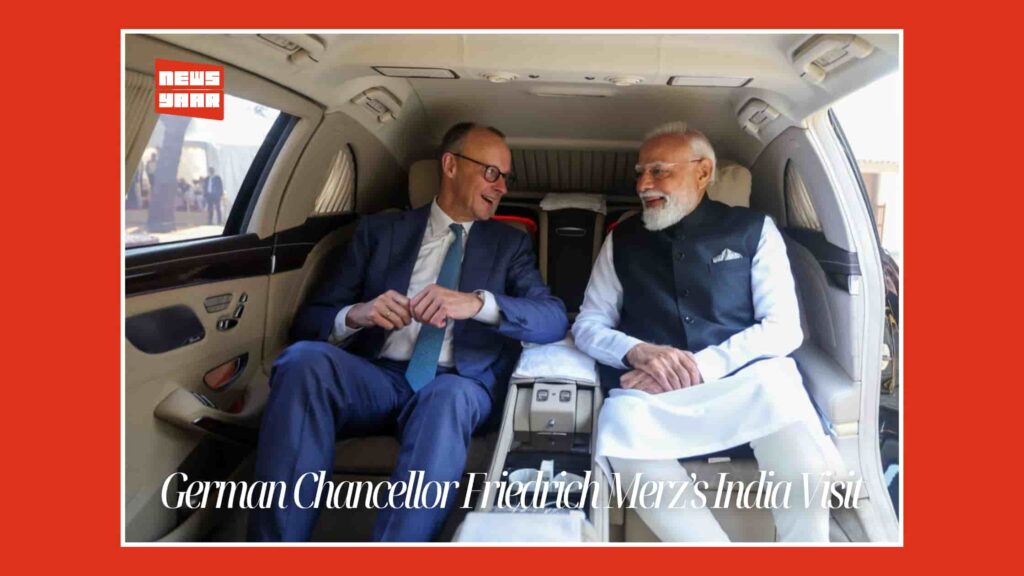
German Chancellor Friedrich Merz’s first official visit to India has set the tone for a renewed phase in India–Germany relations, with both sides signalling intent to expand cooperation across defence, trade, technology and people-to-people exchanges. Welcoming the visit, Germany’s Ambassador to India, Philipp Ackermann, described it as wide-ranging and forward-looking. In a social media post, Ackermann highlighted discussions on defence cooperation, economic ties and migration, while also sharing a personal moment from the visit that underscored growing cultural links between the two countries. He noted that Chancellor Merz was particularly impressed after speaking in German with a young Indian woman who had begun learning the language only months ago. Focus on Defence, Trade and Technology Chancellor Merz arrived in Gujarat earlier this week at the invitation of Prime Minister Narendra Modi, marking his first official visit to India since taking office. The visit comes at a significant moment, as India and Germany mark 25 years of their Strategic Partnership and 75 years of diplomatic relations. During bilateral talks, Prime Minister Modi and Chancellor Merz reaffirmed their shared commitment to strengthening defence and security cooperation. The discussions covered deeper military-to-military engagement, including joint exercises, training programmes and exchanges between senior officials. Both leaders also acknowledged the value of regular port calls by naval ships, describing them as a symbol of growing trust and operational cooperation. Expanding Cooperation Beyond Security Beyond defence, the talks reflected a broader ambition to elevate the partnership. Prime Minister Modi said the two leaders agreed to take the relationship to a higher qualitative level, with enhanced collaboration in areas such as space, critical and emerging technologies, climate action and resilient supply chains. Education, skilling, sports and cultural exchanges also featured prominently in the discussions, pointing to a long-term vision focused on people-to-people ties. Modi described Chancellor Merz’s choice of India as the destination for his first visit to Asia as a reflection of Germany’s commitment to strengthening bilateral relations. Joint Exercises and Strategic Presence in the Indian Ocean The visit also resulted in concrete commitments in the maritime and defence domains. India welcomed Germany’s intention to participate in major regional and multilateral naval and air exercises in the coming years. These include Naval Exercise MILAN and the Indian Ocean Naval Symposium Conclave of Chiefs in early 2026, as well as the Air Combat Exercise Tarang Shakti later the same year. Germany’s decision to deploy a liaison officer to the Information Fusion Centre for the Indian Ocean Region was also noted as a significant step towards closer coordination in maritime domain awareness. Defence Collaboration With Europe Both sides expressed satisfaction with ongoing cooperation between India’s Defence Research and Development Organisation and the Organisation for Joint Armament Cooperation. The collaboration on the Eurodrone MALE UAV programme was highlighted as an example of how India can access advanced defence technologies while strengthening strategic ties with Europe. Looking Ahead Chancellor Merz’s visit has added momentum to India–Germany relations at a time when both countries are seeking reliable partners in a rapidly changing global landscape. With shared interests in security, innovation and sustainable development, the visit signals a mutual willingness to translate strategic intent into long-term cooperation. As the two nations look ahead, the outcomes of this visit are expected to shape bilateral engagement across defence, technology and economic sectors, reinforcing the growing importance of the India–Germany partnership on the global stage. Video credit: YT@/NaMo Video credit: YT@/NaMo Video credit: YT@/NaMo
BRICS India 2026: New Logo, Theme and Website Launched as Chairship Preparations Get Underway
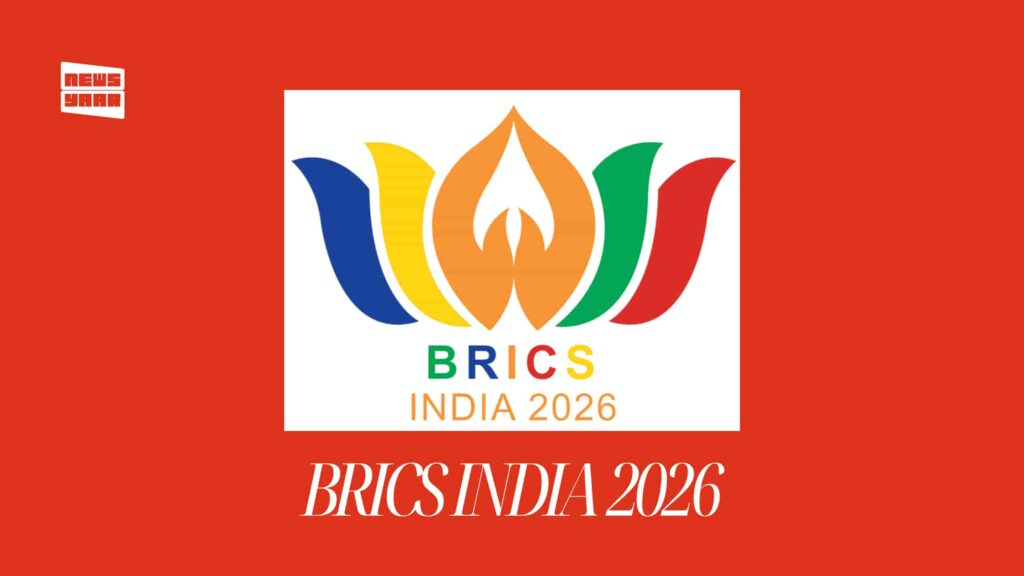
New Delhi, India, has officially launched the logo, theme and official website for its year-long BRICS Chairship in 2026, marking the start of its leadership of the influential multilateral grouping that brings together emerging markets and developing economies. The unveiling took place in New Delhi on January 13, 2026, with External Affairs Minister Dr S. Jaishankar presiding over the ceremony.A Symbol of Unity and Shared AspirationsThe newly showcased BRICS India 2026 logo draws its inspiration from the lotus flower, a symbol deeply rooted in Indian culture and widely associated with resilience, renewal and cultural heritage.The design incorporates petals in the vibrant colours of all BRICS member countries, highlighting the unity of diverse nations under a common purpose. At the centre of the emblem is the Namaste gesture, symbolising respect, warmth of partnership and a commitment to harmonious collaboration among nations.Accompanying the visual identity is the official theme for India’s chairship: “Building for Resilience, Innovation, Cooperation and Sustainability”. The theme reflects a people-centric and humanity-first approach, emphasising inclusive development, practical cooperation and mutual support. “The Indian government has said this vision is inspired by broader goals of shared growth and equitable progress across regions.”A Central Digital PlatformAlongside the logo and theme, India also launched the official BRICS 2026 website, brics2026.gov.in. The digital platform is expected to serve as a central source of information on BRICS initiatives, meetings, official documents and events scheduled during India’s chairship.The website is designed to enhance transparency, engagement and communication both among member countries and with the global public.Officials highlighted that the platform’s easy access and regular updates will allow stakeholders from across member nations, partner states and civil society to stay informed about key developments and collaborative efforts under the BRICS framework.Context and SignificanceIndia assumed the BRICS Chairship on January 1, 2026, coinciding with the 20th anniversary of the BRICS grouping, which was first formed in 2006 to foster cooperation among key emerging economies. Over the years, BRICS has expanded beyond its five founding members, Brazil, Russia, India, China and South Africa, to include Egypt, Ethiopia, Iran, the United Arab Emirates and Indonesia as full members, significantly broadening its global footprint.The launch ceremony in New Delhi was attended by senior officials from the Ministry of External Affairs and representatives from diplomatic missions, underlining the importance India places on using its chairship to strengthen global dialogue and cooperation.Looking Ahead: The Final InsightWith its theme focused on resilience and sustainability, India’s BRICS agenda in 2026 is expected to tackle key global challenges, including economic recovery, technological innovation, climate action and people-to-people exchanges.As preparations continue, the logo and website launch mark a pivotal early step in shaping India’s leadership year and the broader narrative of BRICS cooperation on the world stage.
India Army’s Combat Battalions Bhairav Force Ready for Modern Warfare
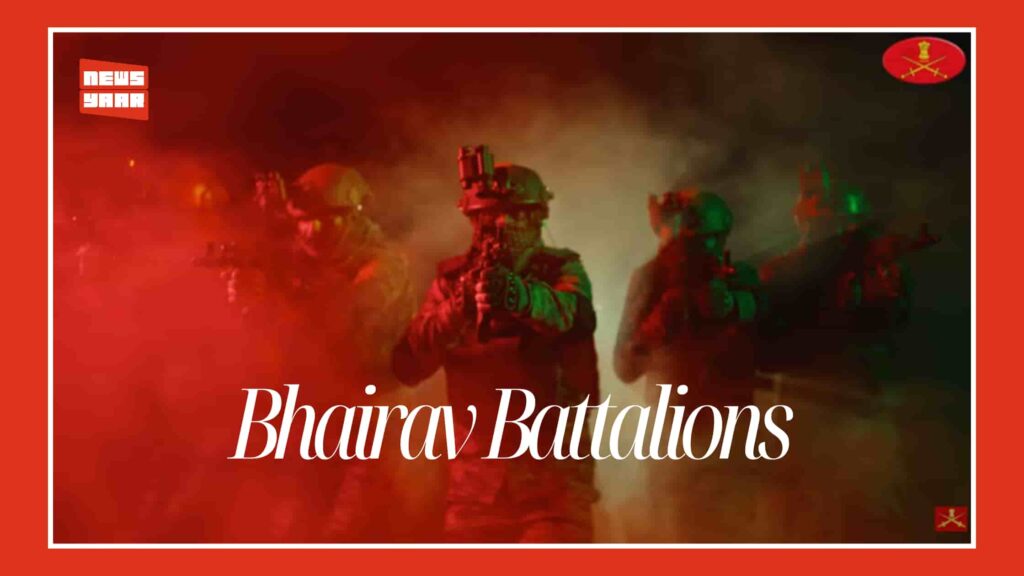
The Indian Army’s Bhairav Battalions are fast emerging as a key element of the force’s modernisation drive, designed to meet the demands of 21st-century warfare with speed, technology, and tactical agility.These newly raised light commando units are set to play a significant role in both operational deployments and ceremonial showcases, including participation in the upcoming 78th Army Day Parade in Jaipur.A New Chapter in Army ModernisationOfficially introduced in 2025, the Bhairav Battalions form part of a broader restructuring effort by the Indian Army to adapt to rapidly evolving threats along India’s borders.Rather than replacing traditional infantry or elite Special Forces, these units are meant to bridge the capability gap between regular battalions and the highly specialised Para Special Forces. Each battalion typically consists of around 250 soldiers selected from various arms of the Army, including infantry, artillery, air defence, and signals, providing an integrated and versatile combat unit.The Bhairav formation reflects the Army’s recognition that future conflicts will likely involve hybrid warfare, where speed, technology, and precision matter as much as manpower. Strategic Deployment and ExpansionThe Bhairav concept has already seen practical implementation, with around 15 battalions raised and integrated across various commands on both the northern and western borders. Plans are underway to expand this number to 25 battalions within the next few months, underscoring the Army’s emphasis on adaptability and readiness.Two of these units, the 2 Bhairav Battalion from Southern Command, known as the “Desert Falcons”, and the 4 Bhairav Battalion from South Western Command, have been confirmed to participate in this year’s Army Day celebrations in Jaipur.The 2 Bhairav Battalion’s distinctive war cry, “Raja Ramchandra ki Jai,” embodies its fighting spirit and commitment to mission success.Role and Operational FocusUnlike the Para Special Forces, Bhairav Battalions operate as a rapid response force capable of acting independently at short notice. Their training emphasises modern tactical manoeuvres, drone integration, surveillance, and quick-strike capabilities, making them well-suited to the challenges of today’s complex battlefield environments.With their smaller size and high mobility, Bhairav units can rapidly respond to evolving threats, conduct targeted operations in diverse terrains, and support conventional forces during high-intensity situations.Final Insights The rise of the Bhairav Battalions signals a significant shift in the Indian Army’s operational doctrine, blending traditional combat strength with modern warfare capabilities.These units represent the service’s efforts to stay ahead of contemporary threats while enhancing overall battlefield effectiveness. As they take centre stage during national events and operational deployments alike, the Bhairav Force stands as a symbol of India’s evolving military prowess in an increasingly dynamic security landscape.Video credit: DD India
Sergio Gor Takes Charge as U.S. Ambassador to India: What His Appointment Means for India-US Trade Relations

Sergio Gor formally assumed his role as the United States Ambassador to India on Monday, signalling a fresh chapter in the bilateral relationship between the two democracies.Gor, a close associate of U.S. President Donald Trump, addressed the press ahead of taking office and outlined his vision for strengthening cooperation between Washington and New Delhi.Ambassador Gor’s appointment comes at a time when diplomatic ties between India and the United States have faced several challenges, from disagreements over trade to tensions related to global geopolitical issues. Yet his arrival has sparked cautious optimism among policymakers and analysts on both sides of the aisle.A Personal Message of Partnership and CollaborationIn his public remarks upon taking charge, Ambassador Gor underscored India’s importance to the United States. He stated that no country is more “essential” to American strategic interests than India, highlighting shared values and mutual goals in areas like trade, security, technology, and regional stability.Gor also referenced the strong personal rapport between President Trump and Prime Minister Narendra Modi, describing their friendship as “real” and pivotal for future cooperation. This emphasis on interpersonal diplomacy signals an attempt to soften recent strains and build momentum for collaborative action.Reports indicate that one of Gor’s early initiatives will be to invite India to participate in the Pax Silica initiative, a U.S.-led multilateral forum focused on mineral security and advanced technologies such as artificial intelligence. Participation in this forum could broaden India’s role in global tech and strategic discussions.Trade Talks and Economic ExpectationsEconomists and trade experts have weighed in on the potential impact of Ambassador Gor’s appointment on economic ties. India and the U.S. are actively working on a bilateral trade agreement aimed at reducing tariff barriers and promoting deeper economic engagement.ABC News and Politico Pro reports highlighted that one of the ambassador’s priorities will be expanding trade ties despite ongoing tensions related to Russian oil and global energy dynamics. As such, Gor’s role will not only be diplomatic but also deeply economic.A Reset in Relations?Analysts from The Assam Tribune and ETV Bharat have described Ambassador Gor’s messages as signalling a reset in diplomatic outreach. By stressing mutual respect and partnership, he appears intent on building a stronger, more resilient relationship that can withstand geopolitical pressure.With his first address and public engagements in India, Sergio Gor has laid the groundwork for renewed strategic dialogue. As bilateral initiatives, the world will be watching closely to see how India and the United States navigate their partnership in 2026 and beyond.Video credit: ANI
India Greenlights 3 New Airlines: Transforming Domestic Aviation

India’s aviation landscape is up for a major shake-up with the Ministry of Civil Aviation granting no-objection certificates (NOCs) to three new domestic carriers, Shankh Air, Al Hind Air, and FlyExpress, signaling steps toward increased competition, enhanced regional connectivity, and more affordable travel options in 2026.The approvals come amid growing calls to diversify the aviation market, which has long been dominated by IndiGo and the Air India Group, together controlling more than 90 % of domestic flights. Recent operational disruptions at one of the country’s largest carriers underscored the risks of such concentration and prompted regulators to clear the way for fresh capacity. Shankh Air: Uttar Pradesh’s New Player Shankh Air is expected to be one of the first among the three to begin operations, with plans to launch flight services in early 2026. Based in Uttar Pradesh, the airline aims to connect north and central Indian cities, initially linking Lucknow with major metros such as Delhi and Mumbai while expanding to Varanasi, Gorakhpur, and other destinations.The carrier, led by founder Shravan Kumar Vishwakarma, plans to start with an initial fleet of Airbus aircraft and gradually expand, including potential international operations by the late 2020s. Its mission underscores making air travel more accessible to middle-class and first-time flyers while strengthening intrastate connectivity. Al Hind Air: Regional Focus from Kerala Al Hind Air, headquartered in Kozhikode, Kerala, will initially operate as a regional commuter airline under the UDAN scheme. With a focus on connecting smaller cities and underserved markets in southern India, it plans to begin services using ATR turboprop aircraft.The airline emerges from the established Alhind Group, which brings travel and tourism sector experience to its aviation venture. While it has faced early financial strain, including unpaid leave for some staff, the carrier is advancing toward operational readiness pending its Air Operator Certificate (AOC). FlyExpress: Low-Cost Connectivity & Cargo Potential FlyExpress, a Hyderabad-based startup, has also received its NOC and intends to serve both passengers and freight across India’s regional markets as a low-cost carrier.It joins the other two new entrants in targeting a balance between affordability and broader market access. What’s Ahead for Indian Aviation? While securing NOCs is an important regulatory milestone, these airlines must still complete technical requirements, including proving flights, crew training, and DGCA-issued Air Operator Certificates, before selling commercial tickets.If successful, the trio could destabilize the market dominance, competitive pricing, boost connectivity to Tier-II and Tier-III cities, and make flying more accessible for millions of Indians. As they take shape in 2026, the aviation sector will be watching closely to see whether this trio can break into a market long held by a few major carriers.
Why Gold and Silver Prices Are Rising: Key Reasons Behind the Metals Surge

As global markets continue to face uncertainty, gold and silver prices have been witnessing a steady upward trend, reinforcing their long-standing status as safe-haven assets.From geopolitical tensions to economic slowdowns, multiple factors are pushing investors toward precious metals, making gold and silver increasingly attractive in both domestic and international markets. Safe-Haven Demand Amid Global Uncertainty One of the primary reasons behind the rising prices of gold and silver is growing global uncertainty. Ongoing geopolitical conflicts, trade tensions, and instability in key regions have made investors cautious about riskier assets like equities. In such times, precious metals are seen as a store of value, leading to higher demand and, consequently, rising prices. Inflation and Currency Fluctuations Persistent inflation across major economies has also played a crucial role. When inflation erodes the purchasing power of money, investors turn to gold and silver as hedges against rising prices.Additionally, fluctuations in major currencies, particularly the US dollar, influence metal prices. A weaker dollar often makes gold and silver cheaper for global buyers, boosting demand. Central Bank Policies and Interest Rates Monetary policies adopted by central banks worldwide significantly impact precious metal markets. Expectations of interest rate cuts or a pause in tightening cycles make non-yielding assets like gold and silver more attractive.When interest rates remain low or are expected to decline, investors are less inclined toward fixed-income instruments and more inclined toward commodities. Industrial Demand for Silver While gold is largely driven by investment and jewellery demand, silver benefits from strong industrial usage as well.Silver is a key component in sectors such as electronics, renewable energy, electric vehicles, and solar panel manufacturing. With the global push toward green energy and technological advancement, industrial demand for silver has grown, contributing to its price rise. Strong Domestic Demand and Festive Buying In countries like India, cultural and festive demand also plays an important role. Weddings, festivals, and traditional investments lead to consistent buying of gold and silver, especially during auspicious periods. Rising demand during these seasons often adds upward pressure on prices.With India being one of the world’s largest consumers of gold, any movement in international prices quickly reflects in local bullion markets. Conclusion The growing prices of gold and silver reflect a complex mix of global economic trends, investor sentiment, and industrial demand.Whether for investment, jewellery, or industrial use, precious metals remain central to financial strategies in uncertain times. As markets evolve, gold and silver are expected to continue shining as reliable assets in diversified portfolios.
What Happened in Parliament’s Winter Session 2025: Key Takeaways
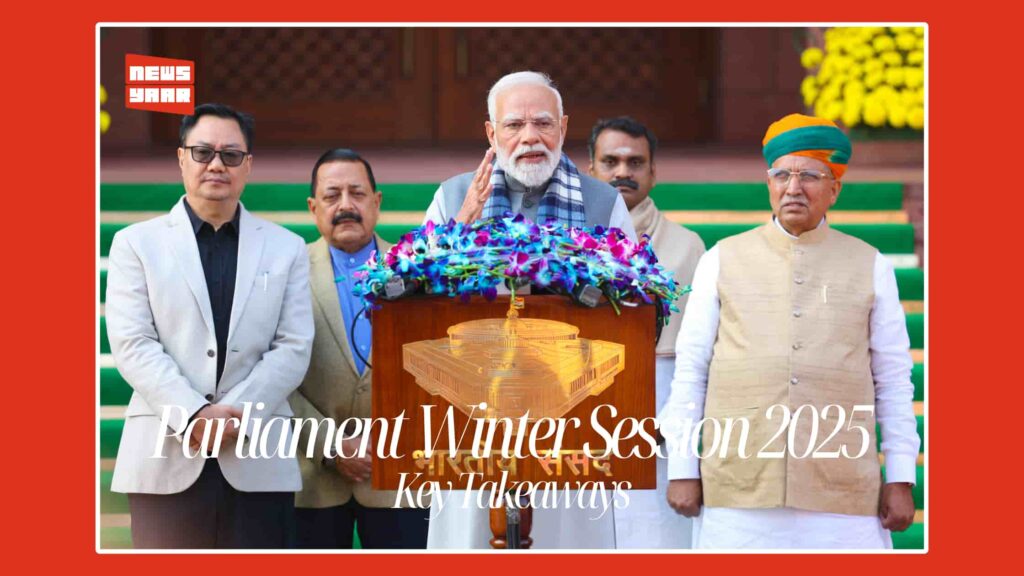
The Winter Session of the Indian Parliament, held from December 1 to December 19, 2025, concluded this week with both Houses, Lok Sabha and Rajya Sabha, adjourned sine die after a packed legislative agenda and spirited debates. Across 15 sittings in each house, lawmakers debated, deliberated, and passed several bills with far-reaching implications for India’s governance, economy, and social fabric. Legislative Activity and Major Bills PassedOne of the most significant outcomes of the session was the passage of eight key bills covering agriculture and rural employment, economic reforms, financial legislation, and sectoral development.At the forefront was the Viksit Bharat Guarantee for Rozgar and Ajeevika Mission (Gramin) Act, 2025, popularly known as the VB-G RAM G Bill. This legislation replaces the two-decade-old MGNREGA framework with a revised rural employment guarantee, offering 125 days of statutory work to eligible rural households and aligning with the government’s Viksit Bharat 2047 goals.Another cornerstone was the Sustainable Harnessing and Advancement of Nuclear Energy for Transforming India (SHANTI) Bill, 2025, which opens up the previously state-controlled civil nuclear sector to private participation and foreign investment, a structural shift in India’s energy policy.The Sabka Bima Sabki Raksha (Amendment of Insurance Laws) Bill, 2025, also gained Parliamentary approval, raising the FDI cap in the insurance sector from 74% to 100% and aiming to attract global capital, deepen insurance penetration, and enhance consumer choice.Other bills passed included the Appropriation (No. 4) Bill, 2025, authorising additional government spending for the current fiscal cycle, and the Repealing and Amending Bill, 2025, which repeals outdated laws and amends several existing statutes to streamline legal frameworks.Taxation adjustments were addressed through the Central Excise (Amendment) Bill, 2025, and the Manipur Goods and Services Tax (Second Amendment) Bill, 2025, while the Health Security and National Security Cess Bill, 2025, sought to replace the compensation cess on pan masala with a broader cess aimed at funding health and security needs. Debates and Political DynamicsThe session saw intense political exchanges. The VB-G RAM G Bill, in particular, sparked opposition protests, with several parliamentarians objecting to the repeal of MGNREGA and the shift in funding arrangements. There were heated interventions in both Houses as lawmakers debated the future of rural employment schemes.Apart from legislative business, members also spotlighted social issues, national song Vande Mataram discussions, and challenges such as air pollution and infrastructure concerns, reflecting Parliament’s role as a platform for diverse public concerns. Session TakeawaysThe 2025 Winter Session underscored the government’s push towards economic reforms, rural employment restructuring, and opening strategic sectors like nuclear energy. Increased insurance sector liberalisation and the repeal of obsolete laws additionally signal a legislative drive toward modernisation.Yet, the session’s political temperature also highlighted the contentious nature of major reforms, with opposition parties raising questions about their socio-economic impacts.As Parliament adjourned, it left behind both substantive legislative change and an ongoing debate on India’s policy priorities in the years ahead.Video credit: Sansad TV
New York Gets Indian-Origin Mayor Zohran Mamdani: A Historic Moment in Global Politics
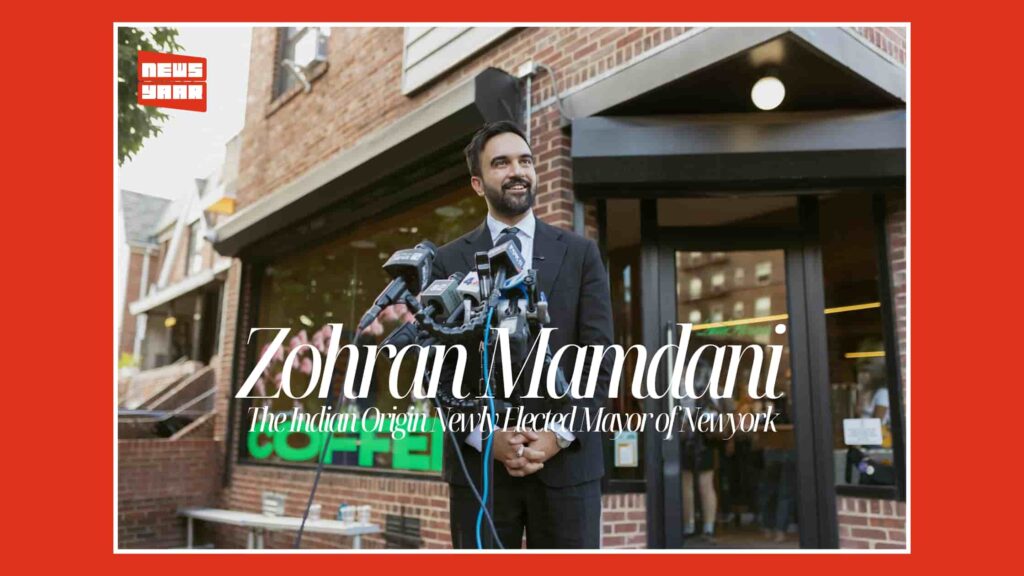
In a historic political shift that has captured international attention, Zohran Kwame Mamdani has been sworn in as the 112th mayor of New York City, becoming the first Indian-origin, South Asian, and Muslim leader to hold the post in one of the world’s most influential cities.Mamdani, aged 34, officially took the oath on January 1, 2026, succeeding Eric Adams after an electrifying election victory in November 2025. His swearing-in ceremony took place in a symbolic location. At this historic Old City Hall subway station, he took the oath on two Qur’ans, including one belonging to his grandfather, highlighting both his faith and multicultural identity.Born in Kampala, Uganda, in 1991 to Indian heritage parents, acclaimed filmmaker Mira Nair and academic Mahmood Mamdani, Zohran moved to the United States as a child and grew up in New York City. He attended top local schools before graduating from Bowdoin College. Mamdani began his political career in the New York State Assembly, representing Queens, and quickly established a reputation as a progressive and community-focused leader.Mamdani’s election is seen as a major milestone for representation and diversity in American politics. As both the first Muslim and first South Asian mayor of New York City, his victory resonates far beyond municipal boundaries, symbolizing how multicultural identities are increasingly shaping the political landscapes of major Western democracies.His campaign platform focused heavily on critical issues such as affordability, public transit, and social infrastructure. Promises included fare-free city buses, universal public childcare, expanded affordable housing, and city-run grocery stores, initiatives aimed at addressing the deep economic challenges facing millions of city residents. Public response to Mamdani’s progressive agenda It turned out to be mixed. While a recent poll showed that a majority of New Yorkers support his democratic socialist policies, concerns remain among some voters about the financial feasibility of his ambitious reforms and potential budget deficits.Cultural celebrations followed his inauguration, including a block party near City Hall and Punjabi music echoing through parts of the city, reflecting pride in his heritage and the diverse identity of New York itself.As Mamdani begins his term, the world watches to see whether his blend of progressive policy, grassroots leadership, and global heritage will chart a new path for urban governance in the 21st century and what his success might mean for emerging leaders from diverse backgrounds.Video credit: Zohran Mamdani’s Youtube
India’s DHRUV64: The First 1 GHz, 64-Bit Dual-Core Microprocessor
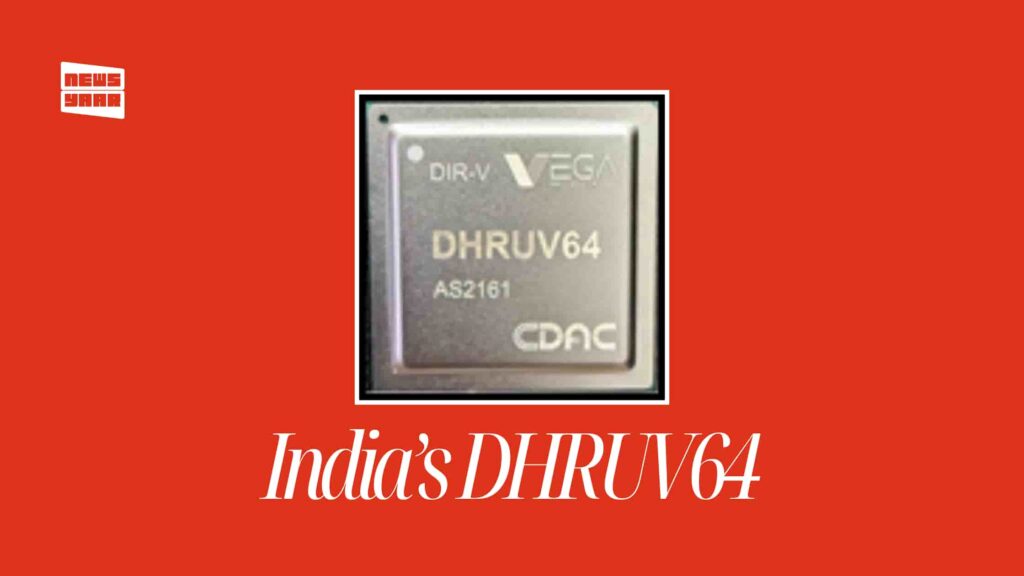
In a landmark moment for India’s semiconductor ambitions, the Centre for Development of Advanced Computing (C-DAC) has unveiled DHRUV64, the country’s first 1 GHz, 64-bit dual-core microprocessor.Developed under the government’s Microprocessor Development Programme and showcased as part of the Digital India RISC-V (DIR-V) initiative, DHRUV64 represents a major stride toward self-reliance in advanced chip design and computing technology. A Milestone in Indigenous Chip DesignDHRUV64 is built on an open-source RISC-V architecture, an increasingly popular set of instructions that allows chip designers to innovate without costly licensing fees from foreign companies.Operating at a clock speed of 1.0 GHz with dual processing cores and 64-bit capability, it brings India into the realm of gigahertz-class embedded processors, a class previously dominated by global players.Unlike earlier academic or specialised chips, DHRUV64 is designed for broader strategic and commercial applications, including industrial automation, automotive electronics, 5G infrastructure, consumer devices, and Internet of Things (IoT) systems. It supports modern operating systems, integrates with diverse hardware systems, and provides multitasking efficiency suited for a range of real-world deployments. How Does It Matter?India currently consumes roughly 20 percent of the world’s microprocessors, yet historically has relied heavily on imports for core computing technology.Developing a homegrown processor like DHRUV64 is significant not only for technological sovereignty but also for enhancing security, reducing supply-chain vulnerabilities, and building local expertise in semiconductor design.By creating a platform that domestic startups, researchers, and established companies can build upon, DHRUV64 is expected to boost innovation across the electronics ecosystem and support cheaper prototyping and product development.It also provides a foundation for a growing pipeline of skilled chip design professionals, further energising India’s tech sector.A Step Toward Aatmanirbhar Bharat in TechnologyDHRUV64 marks a continuation of India’s journey toward an Aatmanirbhar (self-reliant) semiconductor ecosystem. The chip follows earlier indigenous designs such as SHAKTI, AJIT, VIKRAM, and THEJAS64, and sits alongside future variants like Dhanush and Dhanush+ in the development pipeline.While India still relies on global fabrication technologies for manufacturing, the design and strategic deployment of processors like DHRUV64 signal a slow but steady shift toward autonomous capabilities in core computing technologies, a critical competitiveness marker in the global tech landscape.
Amazon, Microsoft, Google Announce $67B India Growth Push: What you need to know?
In a landmark development that could reshape India’s digital economy, three global tech giants, Amazon, Microsoft, and Google, have unveiled a combined $67 billion investment plan for India over the coming years. The multi-billion-dollar commitment highlights the country’s central role in the future of technology, cloud computing, digital infrastructure, and innovation.The announcement, which follows India’s ongoing push toward digital transformation and strategic technology partnerships, signifies escalating competition among the world’s largest cloud and internet companies to expand in one of the fastest-growing tech markets.Over the past decade, India has emerged as a hub for startups, data centers, and digital services, driven by rising internet penetration, affordable data, and a large talent pool. Details of the Investment Plans: The Overview Each company’s commitment targets strategic areas of strength and collaboration with India’s public and private sectors:Amazon said it will invest roughly $30 billion in India through its cloud division, Amazon Web Services (AWS), over the next 10-12 years. The funds will support cloud infrastructure expansion, data center development, and training initiatives that aim to build digital skills across industries in India.Microsoft announced plans to invest $20 billion focused on expanding its cloud footprint through Azure data centers, partnerships with local enterprises, and programs to boost artificial intelligence (AI) adoption and digital literacy. Microsoft also reiterated its commitment to supporting India’s data governance initiatives while prioritizing data privacy and sovereignty.Google pledged $17 billion toward its India strategy, with investments in cloud infrastructure, AI research, and initiatives to support startups and developers. Google’s investment is expected to enhance its cloud services as well as expand local innovation programs in areas such as machine learning and language technologies.Collectively, these investments, totaling $67 billion, represent some of the largest foreign tech commitments in India’s history, reflecting confidence in India’s market potential and policy environment. Strategic Drivers and Implications India’s digital economy is projected to exceed $1 trillion by 2030, according to industry estimates, driven by cloud growth, mobile services, e-commerce, and AI-enabled technologies.With a population exceeding 1.4 billion and a young, tech-savvy workforce, global tech leaders see India as a strategic partner for long-term innovation and market expansion.Experts suggest that the latest funding commitments will accelerate digital infrastructure build-out, boost job creation, and stimulate growth in sectors ranging from fintech and healthtech to manufacturing and education technology. The emphasis on cloud services and AI also aligns with India’s ambitions to become a leader in emerging technologies. Policy and Public Response Government officials welcomed the investments as a vote of confidence in India’s tech ecosystem and regulatory framework. Analysts note that sustained collaboration between the tech industry and policymakers could further strengthen India’s position on the global innovation map.As Amazon, Microsoft, and Google deepen their footprints, India’s digital future appears poised for rapid transformation, with significant economic and societal implications in the years ahead.