


India-EU Free Trade Agreement Explained: What It Means for Trade, Economy and Strategic Partnerships
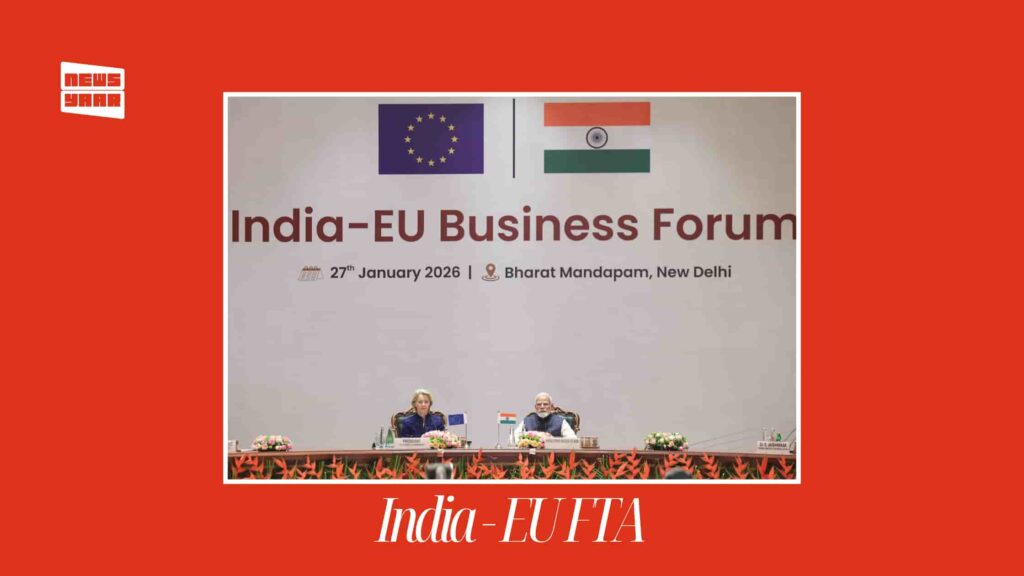
India and the European Union (EU) are advancing free trade agreement (FTA) negotiations aimed at expanding economic ties between one of the world’s fastest-growing major economies and the bloc comprising 27 European nations. The India-EU FTA, also known as the EU-India Trade and Investment Agreement (TIA), is expected to be one of the most significant trade pacts of the decade, with potential to reshape global trade flows, boost exports, and deepen strategic cooperation between two large economic partners. What Is the India-EU FTA? The India-EU Free Trade Agreement is a planned comprehensive trade deal designed to facilitate the reduction or elimination of tariffs, address non-tariff barriers, and expand market access for goods and services between India and the EU. Unlike a simple tariff agreement, the FTA also aims to cover investment protection, digital trade, intellectual property, rules of origin, services, government procurement and sustainable development — making it a high-ambition, high-standards agreement. Negotiations for the trade pact have been ongoing for over a decade, reflecting both the complexity of aligning regulatory frameworks and the growing economic significance of the India-EU relationship. While some rounds of talks were stalled or slowed due to differences on specific issues, recent developments indicate renewed momentum and a political commitment from both sides to conclude the deal. Why the India-EU FTA Is Important An India-EU FTA holds strategic economic importance for both partners: Expanding Trade and Market Access:The EU is among India’s largest trading partners, with two-way trade exceeding $130 billion in recent years. Economic modelling suggests that a successful FTA could significantly raise the volume of bilateral trade by eliminating tariffs on key products such as textiles, automobiles, engineering goods, pharmaceuticals, chemicals and agricultural products. Export Competitiveness and Targets:India has set ambitious export targets — including achieving $14 trillion in exports by 2030. An FTA with the EU could provide preferential market access that boosts India’s export competitiveness in key sectors, helping it approach those targets sooner. Reductions in tariff barriers and streamlined standards would make Indian goods more competitive in European markets. Investment and Economic Cooperation:Beyond goods, the FTA could strengthen services trade and investment flows, particularly in sectors where India has global strength, such as IT and professional services. It also presents opportunities for EU investors in India’s manufacturing, infrastructure and clean energy sectors. Strategic and Geopolitical Alignment:The India-EU FTA is also seen through a geopolitical lens, strengthening economic ties at a time when global trade dynamics are shifting. Deeper integration with the EU can provide India diversification from traditional trade partners and reduce dependence on any single market. Key Issues and Areas of Negotiation Negotiating an ambitious trade deal between two large economies involves complex discussions. Key areas under negotiation include: Tariff Reductions and Market Access:India is seeking lower tariffs on goods such as automobiles and textiles, while the EU is pushing for tariff cuts on agricultural products, dairy and alcoholic beverages. The pace and scope of tariff liberalisation remain a central challenge. Services and Regulatory Cooperation:The EU places significant emphasis on services trade, including professional services, digital trade and data flows. India continues to seek greater access for its services exports while ensuring data protection and regulatory balance. Rules of Origin and Supply Chains:Both sides aim to include clear and predictable rules of origin, which determine how products qualify for preferential tariff treatment under the FTA. This is critical for supply chain integration and ensuring that Indian and EU manufacturers can benefit from the agreement. Sustainable Development and Labour Standards:The EU typically includes provisions on environmental protection, labour rights and sustainability in its trade agreements. India has pushed for similar commitments but within its developmental context, seeking flexibility on implementation timelines. Agriculture and Food Products:Agricultural market access has been a contentious area, with the EU seeking greater access for its dairy and other farm products, while India aims to safeguard the interests of its agricultural producers and small farmers. Impact on Indian Economy and Industries If successfully concluded, the India-EU FTA could produce a range of economic impacts: Boost to Exports:Reduced tariffs and smoother market access could help Indian exporters increase shipments of textiles, pharmaceuticals, chemicals, automotive components, machinery and engineering goods — sectors that have already registered strong growth in recent years. Improved Competitiveness:By aligning standards and reducing trade costs, the FTA could help Indian industries become more competitive globally, attracting foreign investment and encouraging technology transfer. Services Sector Growth:India’s services sector, particularly IT and business process management services, is expected to gain from improved access to EU markets. The agreement could address regulatory barriers that currently limit the full potential of services exports. Investment Flows:With clear investment protections and dispute resolution mechanisms, an FTA could drive greater EU investment into Indian sectors such as renewable energy, infrastructure, healthcare and manufacturing — sectors critical to India’s economic transformation. Regional and Global Implications The India-EU FTA has strategic implications beyond immediate bilateral trade: Diversification of Trade Relations:For India, the pact offers diversification in a global context where trade tensions and supply chain vulnerabilities have increased interest in forging deeper partnerships outside traditional markets. Competitive Response:Neighbouring countries and trading blocs are closely watching the negotiations. In some cases, like Pakistan, there is concern that closer India-EU economic ties could shift regional trade dynamics and erode competitive advantages in certain areas. Alignment with Global Standards:By negotiating with the EU — a bloc known for high regulatory standards — India could accelerate its own reforms in areas such as intellectual property, digital trade, quality standards and sustainability frameworks. What Comes Next Discussions on the India-EU FTA have gained pace in recent months, with officials from both sides underscoring the importance of reaching an agreement that is “balanced, comprehensive and forward-looking.” While the timeline remains uncertain and depends on resolving differences in key areas, sources indicate that negotiators are working toward finalising an outline that could pave the way for conclusion in the coming years. Both policymakers and businesses are closely monitoring developments. Indian industry bodies have urged the government to secure a
Indian Startups at CES 2026: Homegrown Innovation Takes Global Spotlight in Las Vegas

Indian startups and technology firms significantly expanded their presence at CES 2026 — the world’s largest technology showcase held in Las Vegas from January 6 to 9, 2026 — reflecting the country’s evolving tech ambitions and increasing global competitiveness. The annual event, organised by the Consumer Technology Association (CTA), attracted more than 4,100 exhibitors from around 150 countries, underscoring its role as a launchpad for next-generation innovations spanning artificial intelligence (AI), digital health, robotics, mobility, enterprise technology and immersive entertainment.According to CTA executives, Indian participation has steadily grown, with a broader range of startups and established firms using the platform to showcase their products, engage with global partners and position themselves for international expansion. Indian delegations this year included innovators from healthtech, wearables, robotics and automotive systems, signalling the ecosystem’s transition from domestic focus to global impact.Ultrahuman: Metabolic Health and WearablesOne of the headline Indian participants at CES 2026 was Ultrahuman, a Bengaluru-based health technology firm co-founded by Mohit Kumar, Vinay Bhargava and Vatsal Singhal. The company displayed its suite of wearable health devices and preventive care platforms, including what it bills as the world’s lightest sleep-tracking wearable, a continuous glucose monitoring (CGM) system and a preventive blood testing solution designed to empower users with metabolic insights. Ultrahuman’s presence marked India’s growing footprint in consumer health tech at global forums.Noise: Smart Wearables Designed for Global MarketsNoise, headquartered in Gurugram and led by founders Amit Khatri and Gaurav Khatri, was another major Indian exhibitor. The company, recognised as one of the third-largest smartwatch brands in the world, showcased its latest wearable technologies at CES, emphasising advanced health metrics, design innovation and global compatibility. Noise’s participation highlighted India’s emergence not only as a producer of affordable wearables but as a designer and manufacturer capable of competing with established global brands.“We are proud to come here and compete on a world stage,” said Hamish Patel, Vice President – Product Devices at Noise, noting that the company’s R&D and manufacturing are largely based in India, enabling it to present products that match global benchmarks.aabo: MedTech InnovationsAmong the Indian startups at CES 2026 was aabo, a MedTech firm focused on AI-driven health solutions. Although not a household name, its technology emphasises the intersection of machine intelligence and healthcare delivery, an area of rising relevance as global health systems integrate data-led diagnostics and monitoring. The specifics of aabo’s product suite were highlighted among Indian exhibitors but details on founders and product characteristics are linked to its positioning as a healthtech innovator on the CES show floor.ArvyaX Technologies: Robotics and Pseudo-RealityArvyaX Technologies, founded by Shalabh Bhatnagar, showcased its robotics and pseudo-reality solutions at CES’s Eureka Park — an innovation zone dedicated to emerging startups. The Bhopal-based firm has developed technologies that blend digital and physical environments, targeting enterprise sectors such as industrial training, simulation and collaborative experiences. Shalabh Bhatnagar described participating at CES as a moment of pride, emphasising that ArvyaX’s innovations were both made and innovated in India, reflecting the nation’s rising capabilities in robotics and immersive technologies.Sona Comstar: Automotive Technology and EV SystemsThe automotive technology company Sona Comstar was another Indian participant at CES 2026, presenting its advanced electric vehicle (EV) components and systems. With a strong focus on R&D in high-power density EV motors, differential assemblies and lightweight drivetrain systems, Sona Comstar’s technology underscores India’s potential in automotive core technology development and global mobility solutions. The company’s products cater to modern EV performance requirements and highlight a broader shift toward electrification and smart mobility.Zoondia and Industry CollaborationsIn addition to standalone startups, Indian participation included Zoondia, a global technology partner offering enterprise solutions and services. Though not a startup in the strictest sense, Zoondia’s presence further reflects the breadth of Indian engagement at CES, spanning early-stage innovation to established tech services with global delivery capabilities.The Significance of Indian ParticipationExecutives at CES 2026 noted that India’s presence was broader and deeper than in previous years, building on momentum from the first dedicated Indian pavilion introduced on the CES show floor in 2024. This year’s participation spanned startups, industry bodies such as the CMAI Association of India, and firms showcasing products that compete with global innovations rather than just representing emerging market offerings.Industry observers have highlighted several key implications of India’s growing CES footprint:Global Visibility: Participation at CES elevates Indian startups to international buyers, investors and collaborators, helping them secure partnerships, pilot projects and market entry opportunities.Innovation Credibility: Demonstrating products at a major global venue signals maturity and readiness to compete on performance and design quality.Ecosystem Confidence: The increasing number of Indian participants reflects confidence among founders and investors in showcasing innovations on a global stage.Cross-Sector Representation: Startups at CES 2026 represented health tech, wearables, robotics and automotive systems, indicating that India’s startup ecosystem is diversifying beyond software into deep tech and hardware innovation.What This Means for India’s Startup EcosystemThe rising participation of Indian startups at CES 2026 comes at a time when the country’s broader startup ecosystem is experiencing structural shifts. India is now recognised as one of the largest startup ecosystems globally, with a growing emphasis on deep tech, AI, robotics and hardware innovation rather than only digital services. Initiatives such as startup support missions, increased R&D investment and industry collaborations are catalysing this transformation, enabling more Indian founders to engage in global innovation discourse and market expansion.Indian founders and CEOs attending CES emphasised that events like CES are not merely showcases but strategic platforms for networking, validation, investment engagement and collaboration, helping elevate India’s technology brands to global audiences and potential customers.Looking ForwardAs CES continues to be a global stage for breakthrough technologies, the increasing presence of Indian startups at CES 2026 reflects a broader narrative of India’s evolution from a predominantly software and services economy to a hardware and deep-tech innovator on the world stage. With continued participation in global technology showcases, Indian founders aim to build enduring technology brands that are recognised not only domestically but across markets in North America, Europe and Asia.The momentum generated at CES 2026 is expected
Adani–Embraer Tie-Up Signals a New Chapter in India’s Commercial Aircraft Manufacturing

India is set to make a landmark entry into commercial aircraft manufacturing as the Adani Group partners with Brazilian aerospace major Embraer to assemble regional passenger jets in the country. This development marks the first time India will host a final assembly line for commercial fixed-wing aircraft, placing it among a select group of nations with such advanced aerospace capabilities. The collaboration is widely seen as a significant boost to the government’s Make in India programme and a major step towards building a self-reliant aviation ecosystem.Under the partnership, Embraer’s widely used regional jets, designed for short- to medium-haul routes and seating between 70 and 146 passengers, will be assembled in India through a final assembly line operated by Adani Aerospace. While details regarding the exact location, investment size, and production timeline have not yet been formally announced, industry sources indicate that a comprehensive announcement is expected at the Hyderabad Air Show scheduled later in January 2026. Once operational, the facility will enable aircraft to be assembled, tested, and delivered from Indian soil.The timing of the partnership is particularly significant given India’s rapidly expanding aviation market. India is currently the world’s fastest-growing civil aviation market, with domestic airlines having placed orders for more than 1,800 aircraft to meet rising passenger demand. Until now, the country has depended almost entirely on global manufacturers for commercial aircraft imports. The establishment of a final assembly line is expected to reduce this dependence, generate skilled employment, and catalyse the growth of an indigenous aerospace manufacturing ecosystem.Government officials have indicated that policy support and fiscal incentives may be extended to airlines that place orders for aircraft assembled in India. Such incentives are likely to be structured on a declining basis as order volumes increase, helping the programme gain early traction while encouraging long-term sustainability. The success of this initiative is also expected to strengthen India’s case as a viable global manufacturing hub for high-value aviation products.Beyond commercial aircraft assembly, the Adani Group is positioning itself as a comprehensive aviation services provider. The group has already announced plans to expand into aircraft engine maintenance, repair and overhaul (MRO) services, as well as passenger-to-freighter conversions. By consolidating its aviation assets, including Indamer and Air Works, Adani aims to create a large integrated MRO platform serving both civilian and defence customers. This broader approach is expected to complement the aircraft assembly line by supporting lifecycle services and long-term operational needs.For Embraer, the partnership represents a strategic expansion in one of its fastest-growing markets. The Brazilian manufacturer has operated in India since 2005 and currently has close to 50 aircraft in the country serving the Indian Air Force, government agencies, business jet operators and regional airline Star Air. In October 2025, Embraer strengthened its commitment by opening an office in New Delhi to support its commercial aviation, defence, services and emerging urban air mobility segments.Industry experts believe the Adani–Embraer collaboration could have wider implications for the global aviation industry. By demonstrating the viability of commercial aircraft assembly in India, the project may encourage larger manufacturers such as Airbus and Boeing to consider setting up similar facilities in the country. If successful, the initiative could redefine India’s role in the global aerospace value chain and mark the beginning of a new era in domestic aircraft manufacturing.
National Startup Day 2026: India Celebrates a Decade of Entrepreneurial Transformation
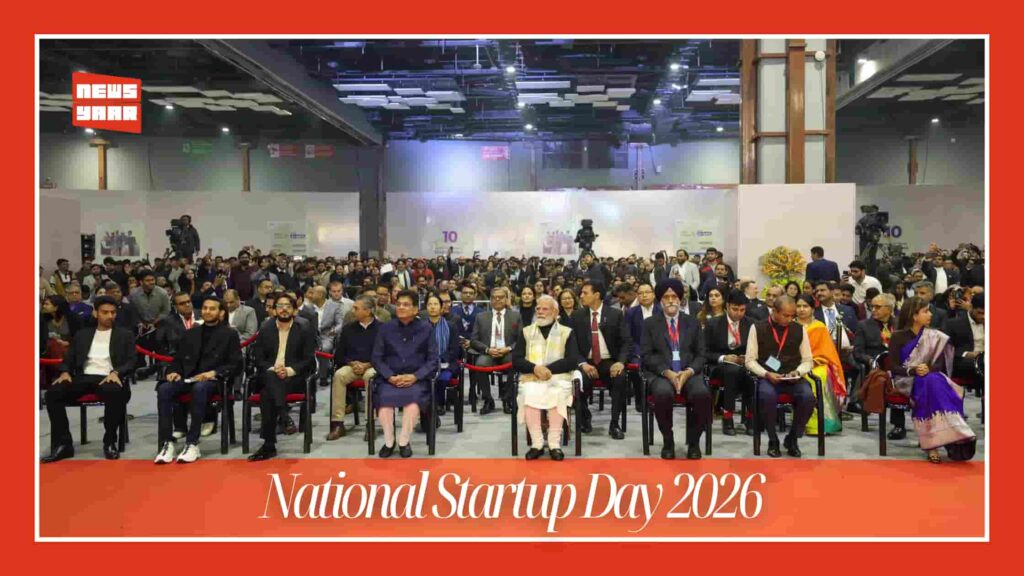
New Delhi, 16 January 2026: India marked National Startup Day 2026 with grand celebrations highlighting ten years of the government’s Startup India initiative and its transformative impact on the nation’s innovation landscape. The event drew founders, investors, policymakers, and ecosystem leaders from across the country to reflect on the journey of entrepreneurship and chart the path ahead.At a flagship event held in New Delhi, Prime Minister Narendra Modi joined startup founders and industry stakeholders to commemorate the milestone. Addressing the gathering, he emphasized the courage and innovative spirit of India’s youth, calling startups engines of economic growth and societal change. His remarks underscored how risk–taking and problem-solving have become mainstream within the entrepreneurial community.Over the past decade since the launch of Startup India, more than 200,000 startups have been recognised across sectors such as technology, healthcare, climate solutions, logistics, fintech, and education. These ventures have collectively generated millions of jobs and helped India emerge as one of the world’s largest and most dynamic startup ecosystems.The celebrations showcased a broad shift in the startup narrative—from chasing rapid valuations to focusing on sustainable growth and real-world impact. Industry experts highlighted that Indian startups are increasingly building deep-tech and AI-driven solutions tailored to local challenges, with a rising emphasis on climate tech, healthcare innovation, and sovereign AI platforms.A notable trend highlighted during the day was the geographical diversification of entrepreneurship. Recent data suggests that over half of registered startups now originate from Tier-2 and Tier-3 cities, signalling a decentralisation of innovation beyond traditional metropolitan hubs.Panel discussions and keynote sessions throughout the event brought to light how startups are contributing to India’s economic resilience, job creation, and technological advancement. Speakers also discussed policy priorities for the next decade, including a renewed push into manufacturing, deep-tech research, and global market expansion.Celebrations were not limited to New Delhi alone. Across states and regions, local startup communities hosted meetups, pitch events, and mentoring sessions, reinforcing a nationwide commitment to empowering entrepreneurs.As National Startup Day 2026 concluded, the startup ecosystem stood not only proud of its achievements over the last ten years but also energized for future challenges, firmly anchored in innovation, inclusivity, and impact.
Vibrant Gujarat Global Summit 2026: Rajkot to Host Regional Conference Focusing on Saurashtra–Kutch Growth
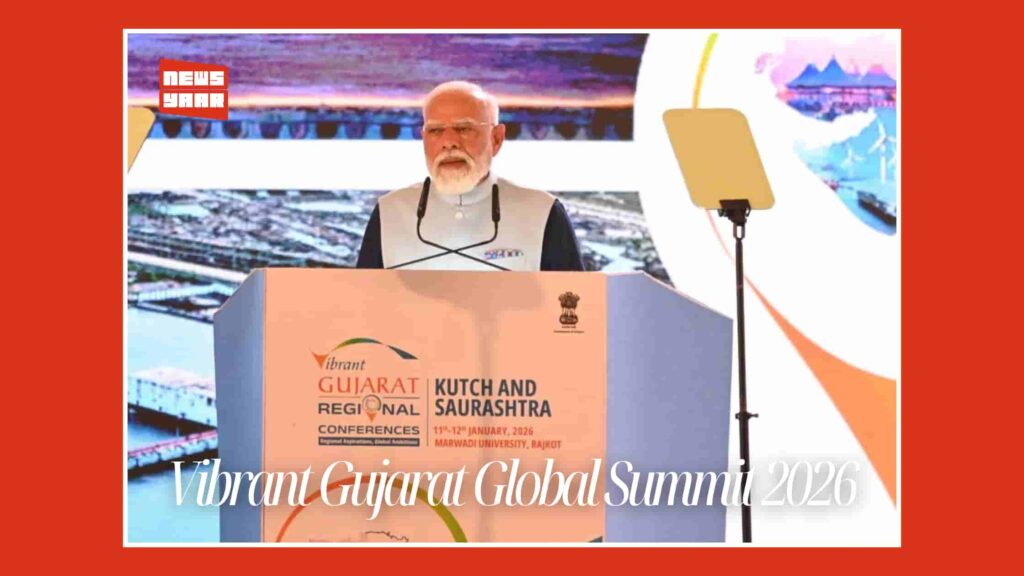
The Vibrant Gujarat initiative, one of India’s most influential investment and policy platforms, will continue its next phase in 2026 through region-specific conferences, with Rajkot hosting the Vibrant Gujarat Regional Conference (VGRC) for the Saurashtra–Kutch region. The move marks a strategic shift towards decentralised economic development, taking the Vibrant Gujarat vision beyond mega summits and closer to regional industry clusters.While the Vibrant Gujarat Global Summit is scheduled to return in 2027, the 2026 regional conferences are designed to strengthen grassroots industrial growth, attract targeted investments and align regional strengths with national development priorities.Dates and VenueEvent: Vibrant Gujarat Regional Conference (Saurashtra–Kutch)Dates: January 11 and 12, 2026Exhibition Duration: January 11 to January 15, 2026Venue: Marwadi University, Rajkot, GujaratRajkot, a major industrial and commercial hub of Saurashtra, has been chosen for its strong presence in engineering goods, auto components, ceramics, MSMEs and export-oriented manufacturing.What Is the Vibrant Gujarat Regional Conference?The Vibrant Gujarat Regional Conference is an extension of the state’s flagship Vibrant Gujarat Global Summit, launched to promote region-specific investment, sector-based policy discussions and local entrepreneurship.Unlike the larger biennial global summit held in Gandhinagar, the regional conferences focus on:District-level industrial strengthsLocal infrastructure and logisticsMSMEs, startups and traditional industriesEmployment generation and skill developmentThe Rajkot edition will specifically address economic opportunities and challenges in Saurashtra and Kutch, two regions with high industrial potential and strategic coastal advantages.Key Focus Areas and SectorsThe 2026 Rajkot conference will focus on both traditional industries and emerging sectors critical to Gujarat’s long-term growth strategy.Core Industry SectorsEngineering and auto componentsCeramics and manufacturing clustersAgro-processing and food industriesPorts, logistics and maritime tradePetrochemicals and mineralsEmerging and Priority SectorsRenewable energy and green manufacturingGreen hydrogen and clean fuel projectsDefence manufacturing and innovationStartups, MSMEs and entrepreneurshipSkill development and employment-linked industriesTourism and cultural economyThe discussions are aligned with India’s long-term development roadmap, including the Viksit Bharat @2047 vision.Key Events and HighlightsThe Vibrant Gujarat Regional Conference 2026 will feature a range of policy, business and networking platforms:Inaugural session and leadership addresses, including participation from senior central and state government leadersSector-specific conferences and panel discussions focusing on investment opportunities, policy reforms and technology adoptionReverse Buyer–Seller Meets, enabling direct interaction between domestic producers and international buyersVibrant Gujarat Regional Exhibition, showcasing industrial innovation, products and services across key sectorsUdyami Mela, aimed at promoting startups, MSMEs, women entrepreneurs and government schemesThe exhibition will run for five days, providing extended engagement opportunities for investors, businesses and the general public.Investment Outlook and Regional ImpactThe Rajkot conference is expected to play a significant role in:Attracting fresh domestic and foreign investmentsStrengthening Gujarat’s manufacturing and export ecosystemPromoting sustainable and green industrial practicesExpanding employment opportunities in Saurashtra and KutchPositioning the region as a multi-sector industrial and logistics hubPrevious regional conferences under the Vibrant Gujarat banner have resulted in substantial investment commitments and long-term industrial planning at the district level.Who Should AttendThe event is relevant for:Indian and global investorsIndustry leaders and exportersStartups and MSMEsPolicy makers and government officialsEntrepreneurs and business associationsProfessionals interested in Gujarat’s industrial and economic roadmapParticipation details and registrations are available through the official Vibrant Gujarat platforms.Why the 2026 Rajkot Conference MattersBy hosting the Vibrant Gujarat Regional Conference in Rajkot, the Gujarat government is reinforcing its approach of balanced regional development, ensuring that growth opportunities extend beyond major urban centres.The 2026 edition positions Saurashtra–Kutch as a critical contributor to Gujarat’s and India’s economic future, combining industrial strength, coastal advantage, innovation and sustainability.Video credit: YT@/NaMo
Rajasthan DigiFest 2026: Jaipur to Host Regional AI Impact Conference Ahead of India AI Summit
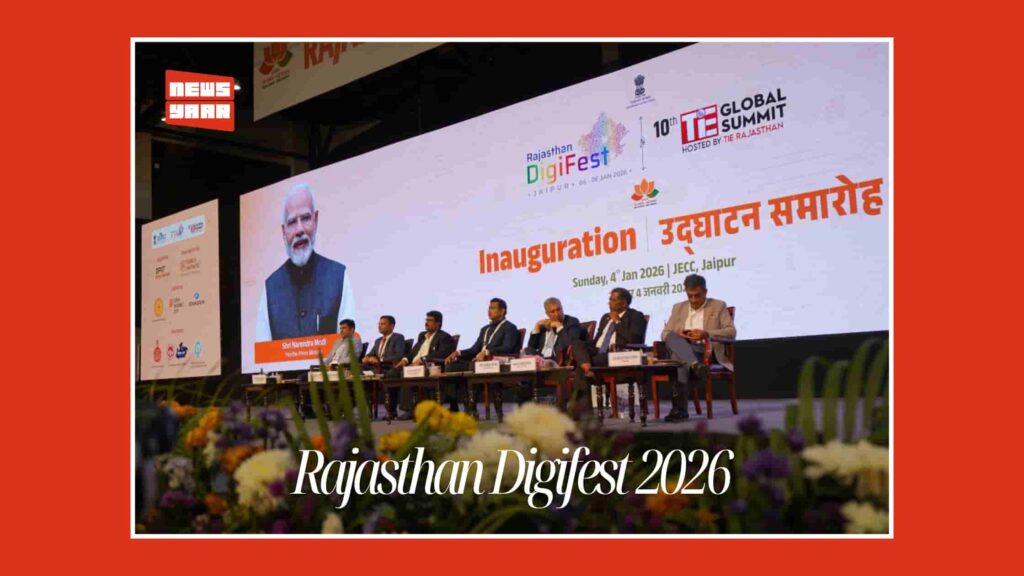
Jaipur is set to become a major hub for artificial intelligence discussions as Rajasthan hosts the Regional AI Impact Conference 2026 on January 6, marking a significant step in India’s journey towards AI-driven governance and innovation.The conference will be held as part of Rajasthan DigiFest 2026, in collaboration with the TiE Global Summit 2026, and will serve as a crucial regional engagement leading up to the India AI Impact Summit 2026, scheduled for February this year.The high-profile event will witness the presence of Union Minister for Electronics and Information Technology Ashwini Vaishnaw and Minister of State for Electronics and Information Technology Jitin Prasada, underlining the Centre’s strong focus on accelerating AI adoption across states and sectors.A Platform for AI-Led Governance and GrowthAccording to the Ministry of Electronics and Information Technology (MeitY), the Regional AI Impact Conference in Jaipur will act as a key platform to explore how Artificial Intelligence can transform governance systems, boost economic growth, encourage innovation, and support inclusive development. The discussions are expected to focus on both policy and practice, highlighting how AI can be effectively integrated into public administration and service delivery.One of the central themes of the conference will be AI for Public Service Delivery and Governance, examining the role of emerging technologies in improving efficiency, transparency, and citizen engagement. Sessions will also address Ethical and Responsible AI, reflecting growing concerns around data privacy, algorithmic bias, and accountability in AI-driven systems.As AI continues to reshape the global workforce, the conference will feature dedicated discussions on AI and the Future of Employment and Skills. Policymakers and industry experts are expected to deliberate on reskilling, upskilling, and preparing India’s workforce for technology-driven changes.AI Conversations Extend to GuwahatiParallel to the Jaipur conference, Guwahati will host a Human Capital Working Group Meeting over the next two days. The meeting will be chaired by Prof. T. G. Sitharam, Chair of the Human Capital Working Group, and will bring together senior policymakers, academic leaders, industry experts, and practitioners.The discussions in Guwahati will focus on the future of education, skilling, and workforce readiness in the age of Artificial Intelligence, complementing the broader objectives of the AI Impact Conference. Together, these engagements underline the government’s emphasis on aligning technology advancement with human capital development.Building Momentum Towards India AI Impact Summit 2026The Regional AI Impact Conference under Rajasthan DigiFest 2026 is part of a nationwide series of dialogues aimed at building momentum for the India AI Impact Summit 2026. By bringing AI conversations closer to regional ecosystems, the initiative seeks to ensure that technological growth remains inclusive, balanced, and aligned with India’s development priorities.With Jaipur hosting this significant gathering, Rajasthan is positioning itself as an active participant in India’s AI transformation, reinforcing its role in shaping the country’s digital and innovation-led future.Video credit: YT@/DoIT&C Government of RajasthanVideo credit: YT@/DoIT&C Government of Rajasthan
Bharat Taxi Launched: Government-Backed Cooperative Cab Platform Aims to Disrupt Ride-Hailing Market
The Government of India has extended institutional support to Bharat Taxi, a cooperative-owned digital mobility platform that seeks to offer an alternative to private ride-hailing aggregators by placing drivers at the centre of ownership and operations. Launched under the vision of “Sahakar se Samriddhi”, Bharat Taxi is being positioned as India’s first large-scale, cooperative-led cab service, focused on transparent pricing, fair earnings for drivers and affordable transport for commuters. What Is Bharat Taxi and Who Runs It Bharat Taxi operates under Sahakar Taxi Cooperative Limited, a Multi-State Cooperative Society registered under the Multi-State Cooperative Societies Act, 2002. Unlike conventional cab platforms, drivers on Bharat Taxi are not just service providers but cooperative members with ownership stakes. The initiative is supported by major national cooperative institutions, including the National Cooperative Development Corporation, NABARD, IFFCO, KRIBHCO, Amul, NAFED, the National Dairy Development Board and the National Cooperative Export Limited. While the government is not involved in daily operations, it is actively promoting the cooperative framework behind the platform. A Driver-First Alternative to Aggregator Models Bharat Taxi has been conceived as a community-owned alternative to commission-based ride-hailing services. The platform follows a zero-commission model, allowing drivers to retain the full fare earned from each ride. Under the cooperative structure, driver-members are expected to benefit from collective decision-making, profit-sharing mechanisms and long-term financial participation, moving away from high platform fees that have been a longstanding concern in the sector. For passengers, the platform promises safe, reliable and cost-effective mobility with upfront fare visibility and reduced dependence on surge pricing. Pilot Launch and Expansion Plans The service has been pilot-launched in Delhi–National Capital Region and parts of Gujarat’s Saurashtra region. Based on feedback and operational readiness, Bharat Taxi is expected to expand to major cities including Mumbai, Bengaluru, Chennai, Hyderabad and Kolkata, followed by tier-2 cities and semi-urban areas. The government has indicated that the platform is intended to strengthen last-mile and point-to-point connectivity, especially in regions where ride-hailing services remain inconsistent or limited. Booking, App and Accessibility Features Bharat Taxi is accessible through a mobile application available on both Android and iOS platforms. Users can register using their mobile number and book city rides, intercity travel and metro-linked services. The app includes features aimed at accessibility, allowing users to indicate specific needs, including disabilities, during registration. Real-time tracking, emergency support and customer assistance are expected to be part of the platform’s core offerings. Fare Structure and Transparency One of the key selling points of Bharat Taxi is its pricing model. The platform aims to offer transparent, upfront fares with minimal fluctuation during peak hours. While fares are expected to remain competitive with existing services like Ola and Uber, the emphasis is on predictability rather than aggressive discounting. For drivers, the absence of commission is expected to translate into higher take-home earnings and improved financial stability. Why Bharat Taxi Matters Bharat Taxi represents a significant policy experiment in applying cooperative principles to the digital economy. By extending the cooperative movement into urban mobility, the initiative aligns with broader government goals of inclusive growth, fair competition and sustainable livelihoods. If scaled successfully, Bharat Taxi could reshape how technology-enabled public services are delivered, proving that platform-based businesses do not have to rely solely on investor-driven models. The Road Ahead As India’s urban transport needs continue to grow, Bharat Taxi’s success will depend on execution, service quality and user trust. The coming months will be crucial in determining whether the cooperative-led model can compete effectively in a market dominated by private aggregators. For now, Bharat Taxi marks a notable shift in India’s mobility landscape, one that blends technology with community ownership and signals a new direction for platform-based public services.
CES 2026: From Dexterous Robots to Smart Living, A Glimpse Into the Future of Technology
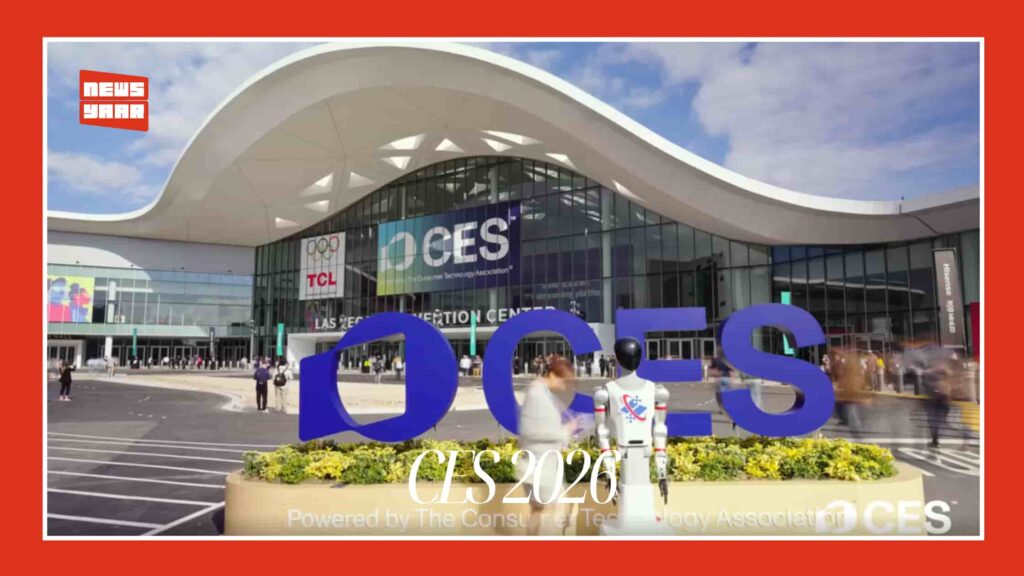
The Consumer Electronics Show (CES) 2026 once again proved why it is considered the world’s biggest stage for innovation. Held in Las Vegas, the annual tech showcase brought together global technology leaders, startups, and innovators to present ideas that could shape how people live, work, and interact with machines in the coming years.This year’s edition marked a clear shift in focus, from flashy concepts to practical, usable technologies that address real-world needs.Robots Get Smarter, Not Just TallerOne of the most talked-about highlights of CES 2026 was the rapid evolution of robotic technology. Unlike earlier years that focused on full humanoid robots, this time the spotlight was on dexterous robotic hands.These advanced systems demonstrated delicate tasks such as folding laundry, playing musical instruments, and even origami, showing how precision and control have improved significantly.Experts noted a strong presence from South Korean and Chinese companies, signalling growing competition in the robotics sector. The progress suggests robots are moving closer to assisting humans in homes, healthcare, and manufacturing environments.AI Takes Centre Stage Across CategoriesArtificial Intelligence was everywhere at CES 2026, not just as a feature, but as the foundation of innovation. From AI-powered home ecosystems to health monitoring devices, companies showcased how machine learning is being integrated seamlessly into daily life.HealthTech innovations stood out, including wearable devices that track vital signs, AI-driven wellness tools, and smart systems designed to improve long-term health outcomes. Industry experts estimate that AI-driven healthcare could become a multi-trillion-dollar market in the coming years.Smarter Homes, Cleaner LivingSmart home technology saw major upgrades at CES 2026. Brands showcased AI-powered cleaning systems, automated home management platforms, and energy-efficient appliances designed to reduce human effort while improving sustainability.Several companies also showcased whole-home ecosystems, where lighting, security, climate control, and cleaning devices communicate with each other through a single intelligent platform. This signals a future where homes don’t just respond, but anticipate needs.Displays, Gadgets, and the Rise of E-PaperDisplay technology also evolved, with innovations in e-paper and flexible screens drawing attention. Lightweight, energy-efficient displays are expected to redefine how information is consumed, especially in portable devices and smart signage.Meanwhile, consumer gadgets, from compact chargers to next-generation laptops, balanced futuristic design with immediate usability, reflecting a trend toward tech that consumers can adopt right away.CES 2026 Sets the Tone for the Year AheadCES 2026 highlighted a clear message: technology is becoming more human-centric. Instead of focusing solely on speed or power, innovation is now centred on usability, accessibility, and meaningful impact.As industries continue to adopt AI, robotics, and smart systems, CES 2026 has set the tone for a future where technology quietly blends into everyday life, making it smarter, simpler, and more connected than ever before.
PM Modi’s Inspiring Speech on National Youth Day at Viksit Bharat Young Leaders Dialogue 2026

PM Modi addresses Young Indians on National Youth Day. It is officially celebrated on 12th January every year.PM delivered the speech on concluding session of Viksit Bharat Young Leaders Dialogue 2026, a public event that was organised especially for the Youths of the nation. Video credit: @Youtube/Narendra Modi
India Greenlights 3 New Airlines: Transforming Domestic Aviation

India’s aviation landscape is up for a major shake-up with the Ministry of Civil Aviation granting no-objection certificates (NOCs) to three new domestic carriers, Shankh Air, Al Hind Air, and FlyExpress, signaling steps toward increased competition, enhanced regional connectivity, and more affordable travel options in 2026.The approvals come amid growing calls to diversify the aviation market, which has long been dominated by IndiGo and the Air India Group, together controlling more than 90 % of domestic flights. Recent operational disruptions at one of the country’s largest carriers underscored the risks of such concentration and prompted regulators to clear the way for fresh capacity. Shankh Air: Uttar Pradesh’s New Player Shankh Air is expected to be one of the first among the three to begin operations, with plans to launch flight services in early 2026. Based in Uttar Pradesh, the airline aims to connect north and central Indian cities, initially linking Lucknow with major metros such as Delhi and Mumbai while expanding to Varanasi, Gorakhpur, and other destinations.The carrier, led by founder Shravan Kumar Vishwakarma, plans to start with an initial fleet of Airbus aircraft and gradually expand, including potential international operations by the late 2020s. Its mission underscores making air travel more accessible to middle-class and first-time flyers while strengthening intrastate connectivity. Al Hind Air: Regional Focus from Kerala Al Hind Air, headquartered in Kozhikode, Kerala, will initially operate as a regional commuter airline under the UDAN scheme. With a focus on connecting smaller cities and underserved markets in southern India, it plans to begin services using ATR turboprop aircraft.The airline emerges from the established Alhind Group, which brings travel and tourism sector experience to its aviation venture. While it has faced early financial strain, including unpaid leave for some staff, the carrier is advancing toward operational readiness pending its Air Operator Certificate (AOC). FlyExpress: Low-Cost Connectivity & Cargo Potential FlyExpress, a Hyderabad-based startup, has also received its NOC and intends to serve both passengers and freight across India’s regional markets as a low-cost carrier.It joins the other two new entrants in targeting a balance between affordability and broader market access. What’s Ahead for Indian Aviation? While securing NOCs is an important regulatory milestone, these airlines must still complete technical requirements, including proving flights, crew training, and DGCA-issued Air Operator Certificates, before selling commercial tickets.If successful, the trio could destabilize the market dominance, competitive pricing, boost connectivity to Tier-II and Tier-III cities, and make flying more accessible for millions of Indians. As they take shape in 2026, the aviation sector will be watching closely to see whether this trio can break into a market long held by a few major carriers.