


Germany Visa-Free Transit for Indians: What It Means and How It Works
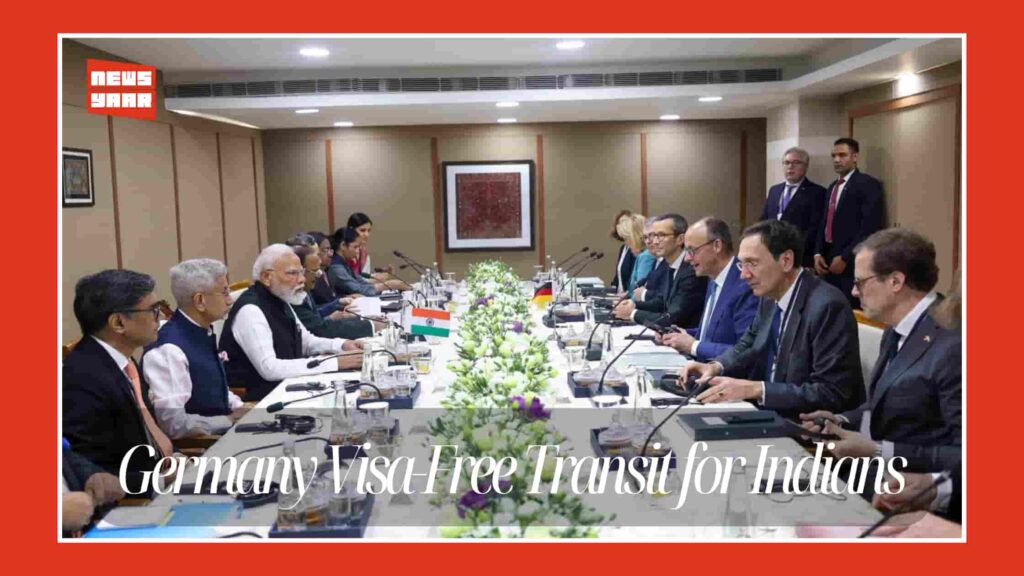
Germany has introduced a new visa-free transit facility for Indian passport holders that is set to simplify international travel for many flyers. Announced during German Chancellor Friedrich Merz’s official visit to India in January 2026, this move aims to reduce paperwork and costs for Indians connecting through major German airports en route to non-European destinations. What Is the New Germany Visa-Free Transit Rule?Under the updated rule, Indian citizens no longer need an Airport Transit Visa (Type A) to change flights at selected German international airports, such as Frankfurt, Munich, Berlin, Düsseldorf and Hamburg, provided certain conditions are met. This transit privilege applies only if travellers remain within the international transit area and are en route to destinations outside the Schengen Zone — for example, flights from India to the United States, Canada or the United Kingdom with a stopover in Germany.It is important to note that this policy does not grant entry into Germany or the wider Schengen Area. If passengers plan to enter Germany (even briefly) or travel within the Schengen region, they must still obtain the appropriate visa before arrival. Why This Change Matters for Indian TravellersFor many Indian passengers, Germany was previously a less convenient transit option due to its Airport Transit Visa requirement, which could involve paperwork, costs and added delays even if the traveller never left the airport. Here’s why the new rule is significant: Easier Airline ConnectionsPassengers can now book flights with layovers at major German hubs without worrying about additional visa requirements — making options like Frankfurt and Munich more attractive for long-haul itineraries. Lower Costs and Less PaperworkEarlier, Indian nationals needed to apply for and pay for a transit visa (around €90 or roughly ₹9,000–₹10,000) even for short airport layovers. With this requirement lifted for eligible transits, travellers can save both time and money. Improved Travel FlexibilityThis change could encourage travellers to choose more direct or efficient routes, especially when flying to global destinations beyond Europe. Who Benefits MostLong-haul travellers flying from India to the Americas, Africa or the UK with German stopoversStudents and professionals connecting through German airports on their way to academic or work destinations abroadFamilies and leisure travellers seeking flexible multi-leg itineraries without extra visa hurdlesHowever, travellers should ensure they remain airside in the transit area and are not entering Germany or the Schengen Zone, as that still requires a separate visa. How to Use the Visa-Free Transit FacilityHere are the key conditions to benefit from the rule:You must remain within the international transit zone of the German airport.Your final destination must be outside the Schengen Area.Your layover must not exceed the allowed airport transit period (usually under 24 hours).You must have confirmed onward tickets and boarding passes for your connecting flight.If any of these conditions are not met — for example, if you wish to exit the airport or travel to a Schengen destination — you still need a Schengen visa. When Did This Rule Come Into Effect?The policy was announced during Chancellor Merz’s visit to India in early January 2026 and has started to be implemented since then, aligning with broader efforts to strengthen India-Germany ties and enhance travel facilitation for Indian passport holders. What This Means for Future TravelWhile this facility does not change the general visa requirements for entry into Germany or the Schengen Zone, it reflects a broader trend of travel facilitation and cooperation between India and Germany. The move is likely to make Germany a more competitive transit hub in global air travel, especially for Indian travellers heading to destinations beyond Europe. In SummaryGermany has introduced visa-free airport transit for Indian passport holders at major airports.The rule applies only when passengers stay within the international transit area and travel onwards to non-Schengen destinations.Travellers still need a Schengen or national visa if they intend to enter Germany or other Schengen countries.The change reduces costs and documentation for Indian travellers connecting through German hubs.It enhances travel flexibility and could attract more Indians to fly via German airports.
Bharat Taxi Launched: Government-Backed Cooperative Cab Platform Aims to Disrupt Ride-Hailing Market
The Government of India has extended institutional support to Bharat Taxi, a cooperative-owned digital mobility platform that seeks to offer an alternative to private ride-hailing aggregators by placing drivers at the centre of ownership and operations. Launched under the vision of “Sahakar se Samriddhi”, Bharat Taxi is being positioned as India’s first large-scale, cooperative-led cab service, focused on transparent pricing, fair earnings for drivers and affordable transport for commuters. What Is Bharat Taxi and Who Runs It Bharat Taxi operates under Sahakar Taxi Cooperative Limited, a Multi-State Cooperative Society registered under the Multi-State Cooperative Societies Act, 2002. Unlike conventional cab platforms, drivers on Bharat Taxi are not just service providers but cooperative members with ownership stakes. The initiative is supported by major national cooperative institutions, including the National Cooperative Development Corporation, NABARD, IFFCO, KRIBHCO, Amul, NAFED, the National Dairy Development Board and the National Cooperative Export Limited. While the government is not involved in daily operations, it is actively promoting the cooperative framework behind the platform. A Driver-First Alternative to Aggregator Models Bharat Taxi has been conceived as a community-owned alternative to commission-based ride-hailing services. The platform follows a zero-commission model, allowing drivers to retain the full fare earned from each ride. Under the cooperative structure, driver-members are expected to benefit from collective decision-making, profit-sharing mechanisms and long-term financial participation, moving away from high platform fees that have been a longstanding concern in the sector. For passengers, the platform promises safe, reliable and cost-effective mobility with upfront fare visibility and reduced dependence on surge pricing. Pilot Launch and Expansion Plans The service has been pilot-launched in Delhi–National Capital Region and parts of Gujarat’s Saurashtra region. Based on feedback and operational readiness, Bharat Taxi is expected to expand to major cities including Mumbai, Bengaluru, Chennai, Hyderabad and Kolkata, followed by tier-2 cities and semi-urban areas. The government has indicated that the platform is intended to strengthen last-mile and point-to-point connectivity, especially in regions where ride-hailing services remain inconsistent or limited. Booking, App and Accessibility Features Bharat Taxi is accessible through a mobile application available on both Android and iOS platforms. Users can register using their mobile number and book city rides, intercity travel and metro-linked services. The app includes features aimed at accessibility, allowing users to indicate specific needs, including disabilities, during registration. Real-time tracking, emergency support and customer assistance are expected to be part of the platform’s core offerings. Fare Structure and Transparency One of the key selling points of Bharat Taxi is its pricing model. The platform aims to offer transparent, upfront fares with minimal fluctuation during peak hours. While fares are expected to remain competitive with existing services like Ola and Uber, the emphasis is on predictability rather than aggressive discounting. For drivers, the absence of commission is expected to translate into higher take-home earnings and improved financial stability. Why Bharat Taxi Matters Bharat Taxi represents a significant policy experiment in applying cooperative principles to the digital economy. By extending the cooperative movement into urban mobility, the initiative aligns with broader government goals of inclusive growth, fair competition and sustainable livelihoods. If scaled successfully, Bharat Taxi could reshape how technology-enabled public services are delivered, proving that platform-based businesses do not have to rely solely on investor-driven models. The Road Ahead As India’s urban transport needs continue to grow, Bharat Taxi’s success will depend on execution, service quality and user trust. The coming months will be crucial in determining whether the cooperative-led model can compete effectively in a market dominated by private aggregators. For now, Bharat Taxi marks a notable shift in India’s mobility landscape, one that blends technology with community ownership and signals a new direction for platform-based public services.
First Vande Bharat Sleeper Train to Run Between Guwahati and Howrah: Route, Features, Speed and Fare
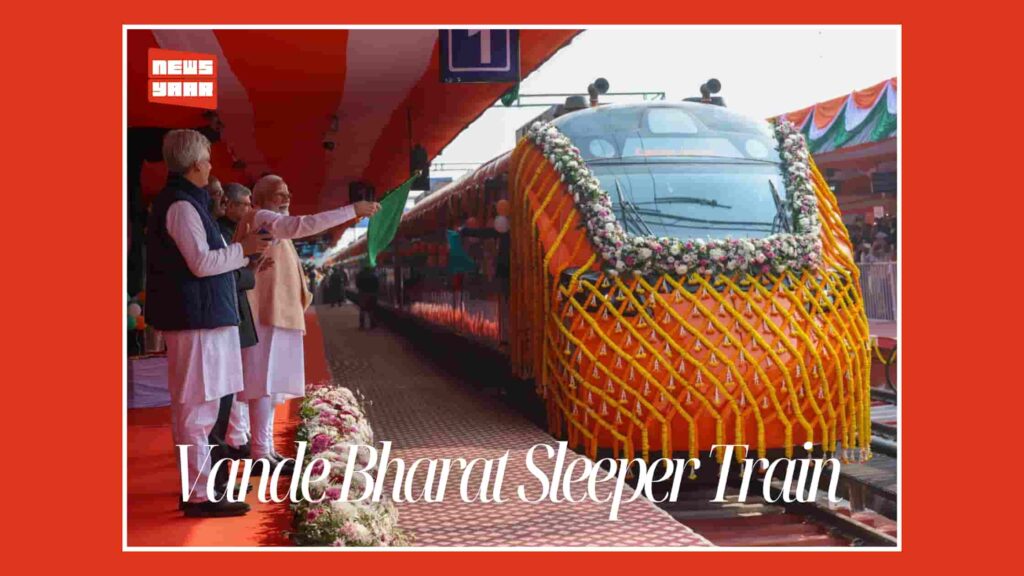
India has launched its first Vande Bharat sleeper train, marking a major milestone in the modernisation of long-distance rail travel. The new service will operate between Guwahati and Howrah, providing an overnight, high-speed connection between the Northeast and eastern India.Prime Minister Narendra Modi flagged off the sleeper variant of the Vande Bharat train from Malda Town in West Bengal, while the return Guwahati–Howrah service was inaugurated virtually. The launch signals the expansion of the Vande Bharat network beyond short daytime routes into long-haul overnight travel.Guwahati–Howrah Vande Bharat Sleeper Train RouteThe Vande Bharat sleeper train connects Howrah in West Bengal with Kamakhya Junction in Guwahati, one of the most important railway hubs in Assam. Designed as an overnight service, the train aims to offer faster, safer and more comfortable travel on a busy inter-state corridor.According to official estimates, the new service is expected to reduce travel time by nearly two and a half hours compared to existing trains on the route.Speed and Operational CapacityThe sleeper Vande Bharat train has been engineered for a top speed of 180 kilometres per hour. However, its operational speed is expected to range between 120 and 130 kilometres per hour, in line with current track conditions and safety protocols.Despite this, railway officials say the train will significantly improve journey efficiency and punctuality on the Guwahati–Howrah sector.Designed for Overnight ComfortUnlike the earlier Vande Bharat chair car services, this train has been specifically developed for long overnight journeys. It is fully air-conditioned and offers three classes of accommodation.Passenger comfort has been prioritised through ergonomically designed berths and a modern suspension system that ensures a smoother ride. Updated linens and improved onboard hygiene systems have also been introduced to enhance the travel experience.Safety and Automation FeaturesThe train is equipped with advanced safety systems, including the indigenous Kavach automatic train protection technology. Comprehensive onboard surveillance systems have been installed to improve passenger security.In addition, automated sliding doors remain closed while the train is in motion and open only when it reaches a station, adding an extra layer of safety and efficiency.Local Cuisine on BoardCatering services are included in the ticket price and have been designed to reflect regional food preferences. Passengers travelling from Guwahati to Howrah will be served Assamese cuisine, while those on the return journey can expect Bengali dishes.The initiative mirrors airline-style meal services and aims to offer passengers a more personalised travel experience.Ticket Fare and ClassesThe Guwahati–Howrah Vande Bharat sleeper train offers three classes of travel. Expected one-way fares are:3AC: Around Rs 2,3002AC: Approximately Rs 3,0001AC: Close to Rs 3,600The pricing positions the train in the premium segment while remaining competitive with existing long-distance rail services.Boost to Connectivity and TourismRailway authorities believe the introduction of the Vande Bharat sleeper train will strengthen connectivity between West Bengal and Assam. Faster overnight travel is expected to benefit business travellers, tourists and pilgrims, while also supporting economic activity across the region.With this launch, Indian Railways has indicated that sleeper variants of the Vande Bharat platform will play a key role in the future of long-distance rail travel in the country.Video credit: YT@/NaMo
Rann Utsav: What It Is, Why It Is Celebrated and Everything You Need to Know About Gujarat’s White Desert Festival
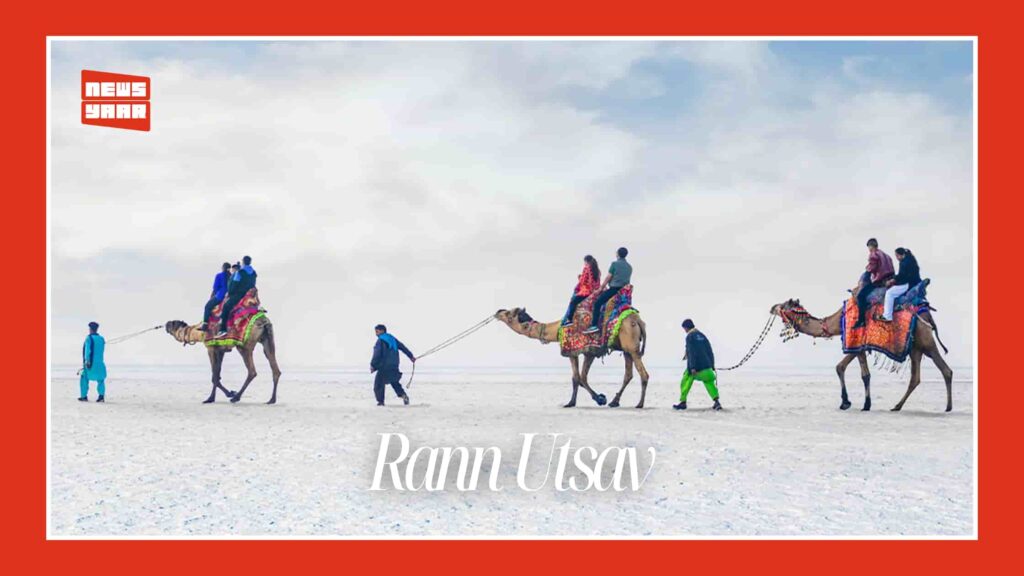
Rann Utsav is Gujarat’s iconic cultural and tourism festival held annually at the Great Rann of Kutch, one of India’s most extraordinary natural landscapes. Organised by the Gujarat Tourism Department, the festival celebrates the region’s rich heritage, crafts, music, food and desert life, while transforming the vast white salt desert into a globally recognised travel destination. For those unfamiliar with it, Rann Utsav is not just an event—it is a season-long cultural experience that brings together art, community and landscape in a setting found nowhere else in the country. What Is Rann Utsav and Why Is It Celebrated? The Great Rann of Kutch remains largely inaccessible during the monsoon season, but from winter onwards, the dried salt flats reveal a surreal white expanse. Rann Utsav was conceptualised to showcase this natural phenomenon while promoting Kutchi culture, rural livelihoods and sustainable tourism. The festival highlights local artisans, folk performers and traditional communities, allowing visitors to experience Gujarat’s cultural diversity beyond urban centres. Over the years, Rann Utsav has emerged as a symbol of India’s living heritage, blending tourism with cultural preservation. Rann Utsav Dates and Duration Rann Utsav is generally held from November to February, lasting nearly three to four months during the winter season. The official dates are announced by Gujarat Tourism every year, allowing travellers to plan visits across weekends, holidays and full moon nights. The long duration helps manage tourist flow while offering flexibility for visitors. Where Rann Utsav Takes Place The festival is hosted near Dhordo village, located about 80 kilometres from Bhuj. Dhordo serves as the main festival site and accommodation hub for visitors attending Rann Utsav. In recognition of its community-led tourism model, Dhordo village received the ‘Best Tourism Village’ award from the United Nations World Tourism Organization (UNWTO), highlighting India’s growing focus on sustainable and inclusive rural tourism. How to Reach Rann Utsav By Air:The nearest airport is Bhuj Airport, connected to major Indian cities like Ahmedabad, Mumbai and Delhi. Dhordo is approximately 80 km from Bhuj. By Rail:Bhuj Railway Station is the closest railhead, with regular trains from Ahmedabad and other cities. By Road:Bhuj is well connected via highways. From Bhuj, visitors can reach the Rann Utsav site by taxi, private vehicle or Gujarat Tourism transport services. Theme and Cultural Experience Each edition of Rann Utsav focuses on celebrating Kutchi traditions, including folk art, handicrafts and indigenous lifestyles. While the core theme remains cultural heritage, the festival also emphasises sustainability, community participation and responsible tourism. Entertainment, Music and Cultural Shows Key attractions include: Folk dance and music performances from Kutch and other regions of Gujarat Evening cultural shows under the open desert sky Live music events and traditional storytelling sessions Craft exhibitions featuring embroidery, mirror work, textiles and pottery Adventure, Fun and Desert Activities Rann Utsav offers a mix of leisure and adventure experiences: Camel rides and camel cart journeys across the white desert Desert safaris and guided exploration walks Adventure activities like ATV rides and paramotoring (subject to availability) Photography opportunities during sunrise, sunset and full moon nights Food and Culinary Experience Visitors can enjoy authentic Kutchi and Gujarati cuisine, along with multi-cuisine options. The festival promotes local flavours while catering to diverse tastes, making food an integral part of the experience. Accommodation and Stay Options The Rann Utsav Tent City at Dhordo offers multiple accommodation categories, combining comfort with traditional aesthetics. Hotels and guesthouses in Bhuj are also available for travellers preferring off-site stays. Places to Visit Around Rann Utsav A visit to Rann Utsav can be combined with nearby attractions in Kutch: Kala Dungar (Black Hill): The highest point in Kutch with panoramic views of the White Rann Dholavira: A UNESCO World Heritage Site and an important Harappan civilisation settlement Bhuj: Known for museums, palaces, temples and local markets Mandvi Beach: A coastal destination with historic shipyards and beach views Kutch Desert Wildlife Sanctuary: Famous for migratory birds during winter Why Rann Utsav Is Important for India’s Cultural Tourism Rann Utsav plays a crucial role in promoting India’s cultural tourism, rural livelihoods and heritage preservation. It has created sustainable income opportunities for local communities, artisans and performers, while placing Kutch on the global tourism map. The international recognition of Dhordo village further underlines how community participation and cultural pride can drive responsible tourism. In Summary Rann Utsav is not just a festival, but a window into India’s desert heritage, community spirit and artistic traditions. From the shimmering salt plains of the White Rann to the cultural richness of Dhordo village, the festival offers an experience that blends tourism with tradition. As India continues to highlight sustainable and inclusive travel, Rann Utsav stands out as a model of how cultural celebrations can preserve heritage while shaping modern tourism narratives.
Magh Mela 2026: A Floating City of Faith Takes Shape at Prayagraj
Prayagraj once again transforms into a living canvas of devotion, discipline, and tradition as Magh Mela 2026 unfolds along the sacred banks of the Triveni Sangam. What sets this year’s Magh Mela apart is not just the scale of participation but the quiet yet powerful stories emerging from within this month-long spiritual congregation. A City That Appears Overnight One of the most striking sights at Magh Mela 2026 is the temporary city that rises almost overnight. Thousands of tents, pontoon bridges, electric poles, and water pipelines form a fully functional settlement on the riverbed.This seasonal city accommodates saints, Kalpvasis, pilgrims, and visitors, operating with roads, hospitals, security posts, and community kitchens, all designed to vanish once the Mela concludes. Officials say this year’s infrastructure is more eco-conscious, with improved waste management, river protection measures, and plastic-free zones near the Sangam. Kalpvasis: Living a Month of Renunciation At the heart of Magh Mela are the Kalpvasis, devotees who observe strict vows for the entire month of Magh. Living on minimal possessions, sleeping on the ground, and eating simple food, they dedicate their days to prayer, scripture reading, and ritual bathing.Interestingly, Magh Mela 2026 has seen a rise in young Kalpvasis, including students and working professionals seeking spiritual discipline amid modern chaos. Many describe it as a “mental detox” from digital life. Spiritual Discourse Meets Modern Curiosity This year’s Mela has also become a space where ancient philosophy meets modern inquiry. Spiritual discourses by saints and scholars are drawing not only devotees but also researchers, photographers, and international visitors curious about India’s living traditions.Drone visuals of sunrise snan rituals and the glowing Sangam aarti have gone viral, bringing global attention to the quieter yet profound nature of Magh Mela compared to the Kumbh. Faith, Food, and Folk Traditions Beyond rituals, Magh Mela remains a cultural experience. Community kitchens serve hot khichdi, roti,s and tea to thousands daily. Folk singers narrate mythological stories, while small stalls sell handmade diyas, rudraksha beads, and religious texts.Despite the simplicity, there is a strong sense of order and mutual respect, a reminder of how faith can organise society without excess. Safety and Administration in Focus Authorities have deployed enhanced river patrols, medical camps, and crowd-monitoring systems. With lakhs expected over the coming weeks, officials stress that safety, sanitation, and accessibility remain top priorities. More Than a Gathering Magh Mela 2026 is not just about ritual bathing or religious observance. It is a rare social phenomenon where discipline, devotion, and community coexist, quietly proving that faith, when lived sincerely, still has the power to shape collective life in modern India.
A Millennium of Faith and Civilisational Pride at the Somnath Swabhiman Parv 2026
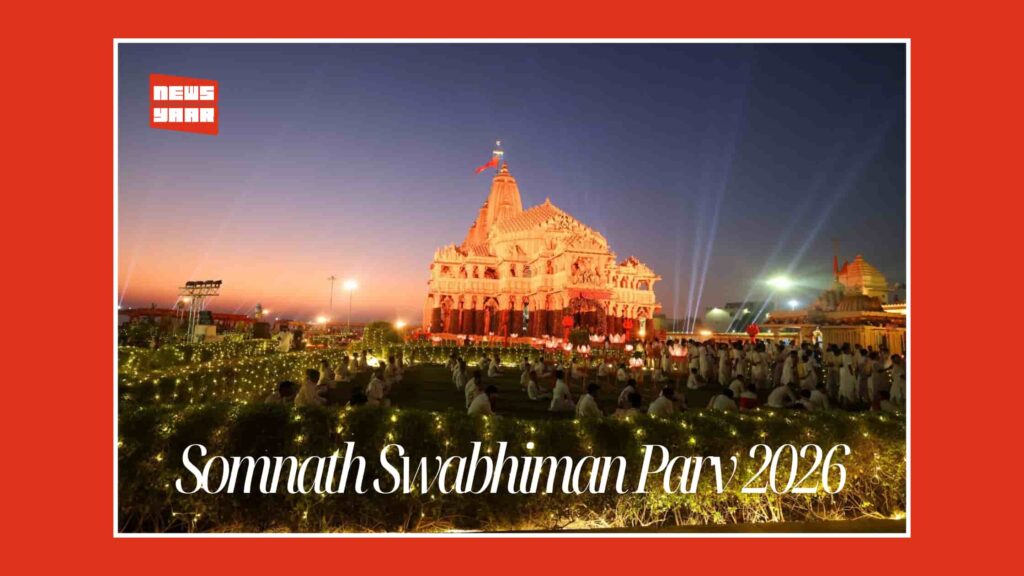
Somnath (Gujarat): The coastal town of Somnath is witnessing a grand national celebration as the Somnath Swabhiman Parv unfolds this year, honouring 1,000 years of unbroken faith and resilience tied to the iconic Somnath Temple.Observed from January 8–11, 2026, the event commemorates both a millennium since the first recorded attack on the temple and 75 years since its post-Independence reconstruction. It has drawn devotees, dignitaries and citizens from across India to reflect on India’s spiritual heritage and civilisational strength.Historic Significance Behind the CelebrationThe Somnath Swabhiman Parv marks a historic milestone in the temple’s long journey. In January 1026, the temple was attacked by Mahmud of Ghazni, initiating a series of invasions over centuries that repeatedly destroyed and tested this sacred shrine.Despite these challenges, the Somnath Temple was rebuilt numerous times, becoming a powerful symbol of Indian civilisation’s depth and resilience. This enduring spirit is central to the Parv’s celebrations, with organisers emphasising not the devastation of the past but the unbroken continuity of faith.The year 2026 is doubly significant because it also marks 75 years since the temple’s reconstruction was completed and opened to the public in 1951, following India’s independence. This intertwines the celebration with modern India’s journey of nation-building and cultural revival.Prime Minister Leads National ObservancePrime Minister Narendra Modi visited Somnath to participate in the Swabhiman Parv, highlighting the temple’s role as a symbol of civilisational courage and cultural pride.During his three-day visit, he took part in traditional rituals, offered prayers and addressed gatherings that reflected on the temple’s significance as a cornerstone of India’s spiritual identity. Modi also underscored that the Parv honours those who preserved the heritage and spirit of Somnath across the centuries.Spiritual and Cultural Activities Across the ParvThe four-day Parv featured a range of devotional and cultural events designed to engage visitors and deepen public appreciation of the temple’s legacy. A notable highlight was the 72-hour Akhand Omkar chanting, a continuous recitation symbolising unity and collective devotion. The temple town also hosted devotional music performances, cultural programmes, and spiritual discourses, creating an atmosphere of reflection and reverence.The celebrations have been so well-received that the Gujarat government extended the Parv until January 15, enabling more devotees to participate in the festivities and anniversary observances.A Symbol of Faith and National IdentityMore than a festival, the Somnath Swabhiman Parv is being viewed as a collective affirmation of India’s civilisational strength, spiritual continuity and cultural pride.As visitors from across the nation continue to join in the celebrations, the Parv reaffirms Somnath’s place not only as a revered pilgrimage site but also as a testament to the enduring faith and resilience that have defined the region across centuries.Video credit: YT@/NaMoVideo credit: YT@/NaMoVideo credit: YT@/NaMo
Ahmedabad International Flower Show 2026: A Celebration of Art, Culture, and Nature
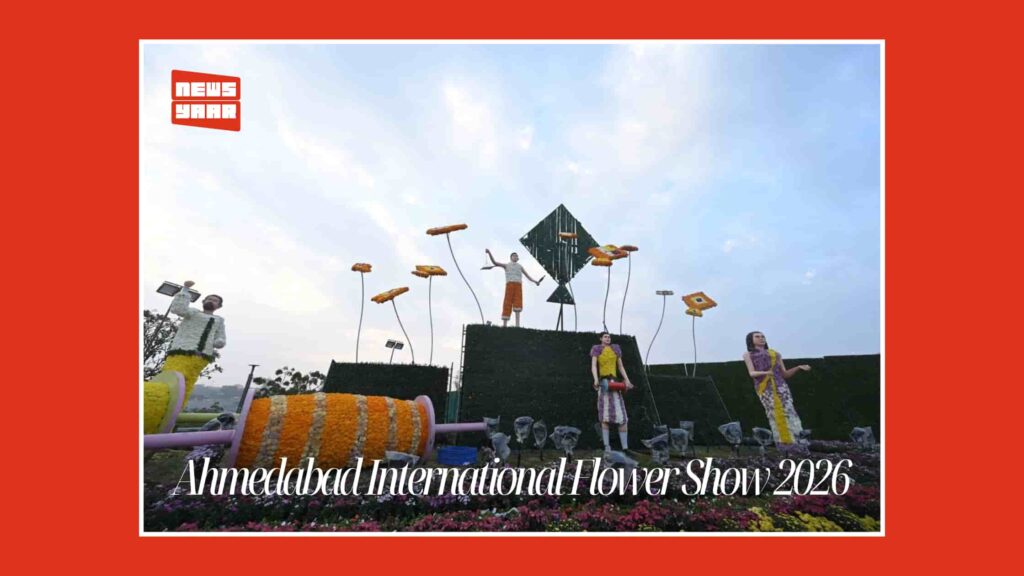
Ahmedabad has once again blossomed into a vibrant hub of creativity as the 14th International Flower Show 2026 opened at the Sabarmati Riverfront Event Centre.Organised by the Ahmedabad Municipal Corporation (AMC), this year’s spectacle, themed “Bharat Ek Gatha,” is on display from January 1 to January 22, 2026, inviting visitors from across India and around the world to witness a stunning fusion of floral art, culture, and history. A Floral Tale of India’s Journey The theme Bharat Ek Gatha aims to narrate the story of India’s civilisation from ancient roots to modern achievements, all through imaginative and artistic floral installations. Curators have designed the show to be more than a typical exhibition; it is a living narrative of the nation’s heritage and aspirations, expressed through millions of flowers arranged in thematic zones.These zones highlight everything from India’s spiritual traditions and festivals to its strides in science, technology, education, and innovation.Visitors can explore imaginative displays such as the “Sanatan Bharat” pavilion, which celebrates traditional knowledge, yoga, and classical arts, alongside floral structures that reflect India’s modern trajectory in sectors like renewable energy and digital technology. A specially dedicated floral arrangement on women’s empowerment (Stree Shaktikaran) graced the inauguration, adding depth and social context to the event’s storytelling. World Records and National Pride The 2026 edition of the Flower Show has drawn global attention by setting two Guinness World Records. One is for the world’s largest flower mandala, and the other for the world’s largest flower portrait of Sardar Vallabhbhai Patel.These accomplishments mark a hat-trick for the Ahmedabad Flower Show, following previous record-breaking floral achievements in 2024 and 2025. Prime Minister Narendra Modi lauded the spectacle, calling it “captivating” and an example of how creativity and public participation can elevate cultural expression.This year’s mega installations, including the expansive mandala and the striking portrait of Sardar Patel, reflect both a celebration of national unity and a tribute to India’s cultural icons, enhancing the show’s appeal as both an artistic and patriotic experience. What to See and Experience The exhibition covers a sprawling area along the riverfront and has been organised into multiple themed zones featuring more than a million flowers and plants from dozens of species. Classic floral art, intricate sculptures, fountains, and vibrant displays make the event a visual treat for families, artists, students, and tourists alike.Other attractions include themed sections dedicated to India’s festivals, landscapes, wildlife, and cultural motifs, ensuring that visitors enjoy both educational depth and aesthetic richness as they stroll the event grounds. Special children’s zones and interactive display areas add to the appeal for younger visitors and families. A Blooming Celebration of Culture The Ahmedabad International Flower Show is more than an exhibition; it has become a symbolic celebration of nature, creativity, community, and national pride. Blending artistic expression with cultural storytelling, the show continues to grow in scope, drawing large crowds and international attention year after year.As it runs through January 22, 2026, the event offers a unique opportunity for visitors to connect with India’s rich heritage through the universal beauty of flowers.
New Delhi Book Fair 2026: A Literary Celebration Bringing Readers and Writers Together
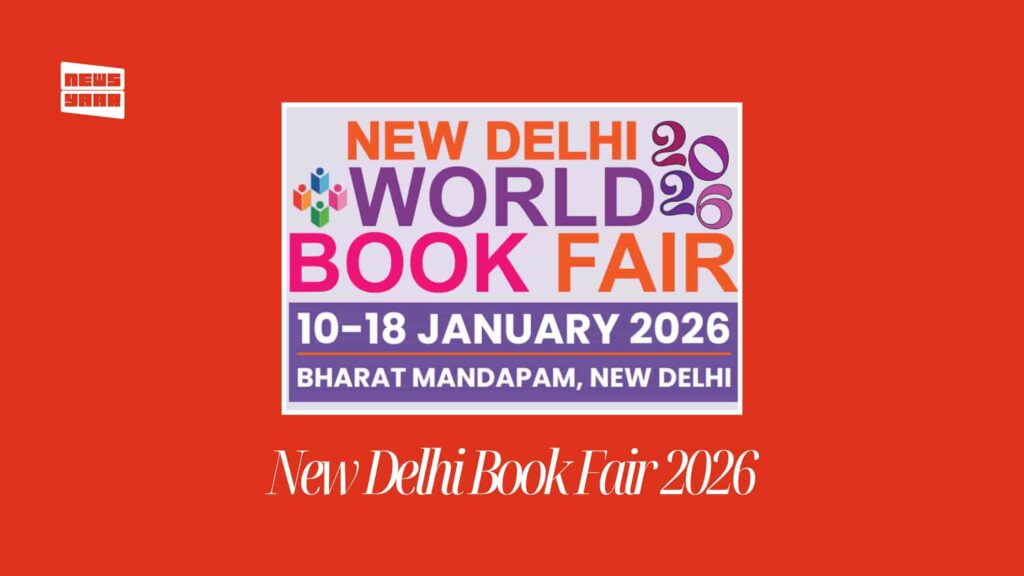
The Delhi Book Fair once again transformed the national capital into a vibrant hub of literature, ideas, and storytelling. Known as one of India’s most loved literary events, the fair attracted book lovers, authors, publishers, and students from across the country, reaffirming Delhi’s place as a cultural and intellectual centre. Event Details Dates: January 10–18, 2026 (9 days) Venue: Bharat Mandapam (Halls 2–6), Pragati Maidan, New Delhi Timings: 11:00 AM – 8:00 PM daily Entry: Free for all visitors Stepping into the fair felt like entering a world woven from stories, ideas, and imagination. The event showcased an incredible variety of books across genres, from fiction and non-fiction to academic texts, children’s books, self-help, and regional language publications, catering to readers of all ages and interests.An iconic venue, the fair offered a rich mix of books across genres, ranging from fiction, non-fiction, academic texts, children’s literature, self-help, and regional language publications. A Paradise for Book Lovers Walking into the Delhi Book Fair felt like stepping into a world made entirely of stories. Hundreds of stalls showcased books in English, Hindi, and several Indian languages, ensuring there was something for every reader. From bestselling novels and classic literature to competitive exam guides and research material, the fair catered to readers of all ages.Special sections dedicated to children remained a major attraction, with colourful books, comics, and activity corners encouraging young minds to develop a love for reading. Authors, Discussions, and Cultural Exchange Beyond book shopping, the Delhi Book Fair served as a platform for author interactions, panel discussions, and book launches. Renowned writers, emerging voices, and publishers engaged in conversations around literature, education, publishing trends, and the future of reading in a digital age.These sessions provided readers with a chance to connect directly with authors, understand their creative journeys, and gain insights into the evolving literary landscape.In a time when online content dominates, the fair stood as a reminder of the lasting value of printed books and structured learning. Keeping the Reading Culture Alive Despite the rise of e-books and digital platforms, the Delhi Book Fair highlighted that the charm of physical books remains strong. The event brought together people from diverse backgrounds, united by a shared love for reading, learning, and storytelling.Publishers also offered attractive discounts, making books more accessible and encouraging readers to build personal libraries. Delhi Book Fair: More Than Just an Event The Delhi Book Fair is not just about buying books; it is about celebrating ideas, creativity, and knowledge. It continues to inspire curiosity, promote literacy, and strengthen India’s reading culture.As the fair concludes, it leaves behind shelves full of new books and minds filled with fresh perspectives, proving once again that stories still matter, and always will.
CES 2026: From Dexterous Robots to Smart Living, A Glimpse Into the Future of Technology
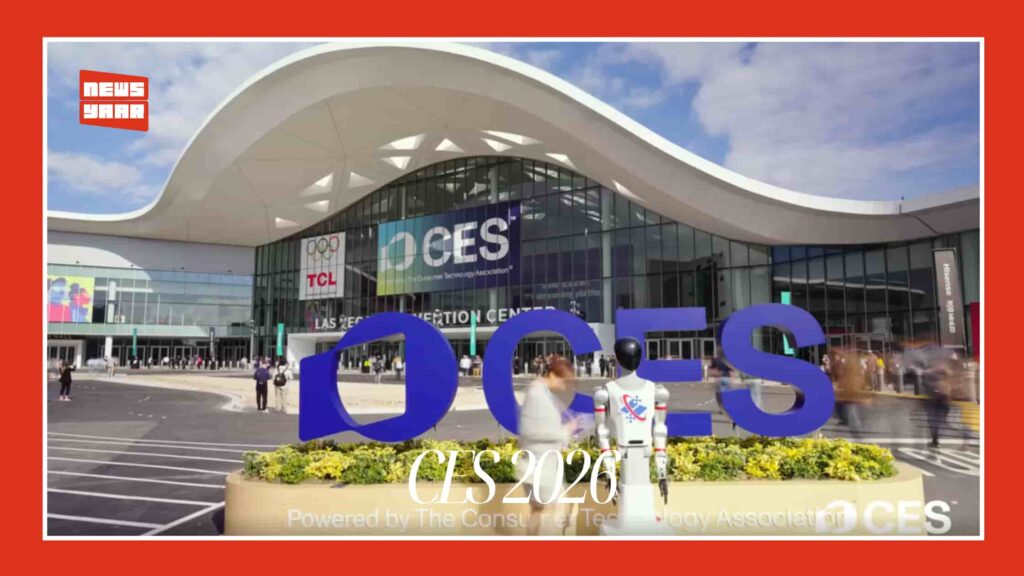
The Consumer Electronics Show (CES) 2026 once again proved why it is considered the world’s biggest stage for innovation. Held in Las Vegas, the annual tech showcase brought together global technology leaders, startups, and innovators to present ideas that could shape how people live, work, and interact with machines in the coming years.This year’s edition marked a clear shift in focus, from flashy concepts to practical, usable technologies that address real-world needs.Robots Get Smarter, Not Just TallerOne of the most talked-about highlights of CES 2026 was the rapid evolution of robotic technology. Unlike earlier years that focused on full humanoid robots, this time the spotlight was on dexterous robotic hands.These advanced systems demonstrated delicate tasks such as folding laundry, playing musical instruments, and even origami, showing how precision and control have improved significantly.Experts noted a strong presence from South Korean and Chinese companies, signalling growing competition in the robotics sector. The progress suggests robots are moving closer to assisting humans in homes, healthcare, and manufacturing environments.AI Takes Centre Stage Across CategoriesArtificial Intelligence was everywhere at CES 2026, not just as a feature, but as the foundation of innovation. From AI-powered home ecosystems to health monitoring devices, companies showcased how machine learning is being integrated seamlessly into daily life.HealthTech innovations stood out, including wearable devices that track vital signs, AI-driven wellness tools, and smart systems designed to improve long-term health outcomes. Industry experts estimate that AI-driven healthcare could become a multi-trillion-dollar market in the coming years.Smarter Homes, Cleaner LivingSmart home technology saw major upgrades at CES 2026. Brands showcased AI-powered cleaning systems, automated home management platforms, and energy-efficient appliances designed to reduce human effort while improving sustainability.Several companies also showcased whole-home ecosystems, where lighting, security, climate control, and cleaning devices communicate with each other through a single intelligent platform. This signals a future where homes don’t just respond, but anticipate needs.Displays, Gadgets, and the Rise of E-PaperDisplay technology also evolved, with innovations in e-paper and flexible screens drawing attention. Lightweight, energy-efficient displays are expected to redefine how information is consumed, especially in portable devices and smart signage.Meanwhile, consumer gadgets, from compact chargers to next-generation laptops, balanced futuristic design with immediate usability, reflecting a trend toward tech that consumers can adopt right away.CES 2026 Sets the Tone for the Year AheadCES 2026 highlighted a clear message: technology is becoming more human-centric. Instead of focusing solely on speed or power, innovation is now centred on usability, accessibility, and meaningful impact.As industries continue to adopt AI, robotics, and smart systems, CES 2026 has set the tone for a future where technology quietly blends into everyday life, making it smarter, simpler, and more connected than ever before.
Pongal 2026: India Celebrates the Festival of Harvest with Tradition, Gratitude, and Unity
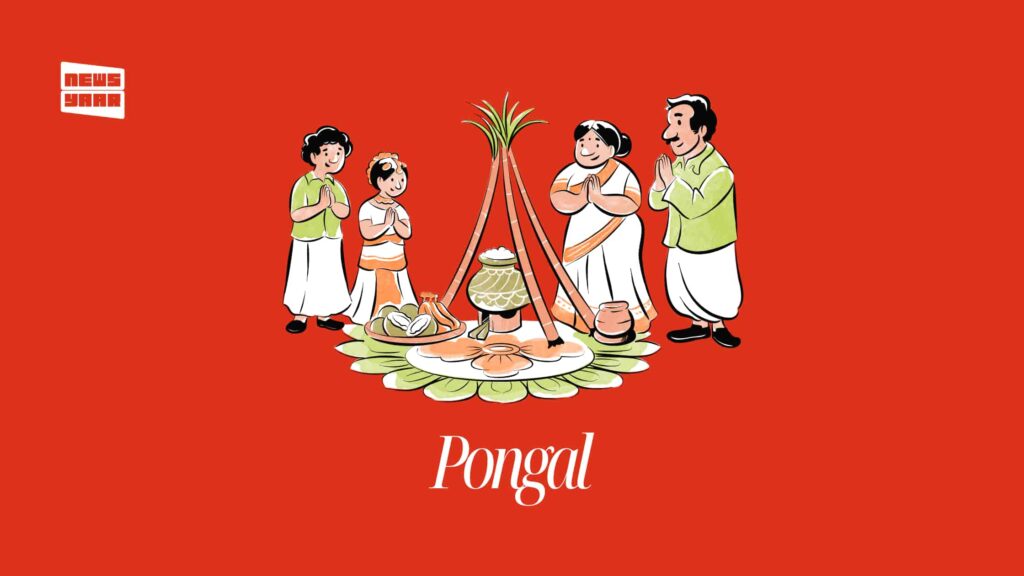
As the sun begins its northward journey, Tamil Nadu and Tamil communities across the globe come alive with joy, devotion, and cultural pride to celebrate Pongal 2026, one of India’s most significant harvest festivals. Observed annually in mid-January, Pongal marks gratitude to nature, farmers, cattle, and the Sun God for a bountiful harvest.Pongal 2026 will be celebrated over four days, each holding deep cultural and spiritual meaning.The festival begins with Bhogi Pongal, symbolising renewal and the discarding of old possessions to welcome positivity and prosperity. Homes are cleaned, bonfires are lit, and families prepare for new beginnings.The main day, Thai Pongal, is dedicated to Surya Dev (the Sun God). Families gather early in the morning to prepare the traditional sweet dish “Pongal” made from freshly harvested rice, jaggery, milk, and lentils.As the milk overflows from the pot, cries of “Pongalo Pongal!” echo through homes, symbolising abundance and good fortune. Colourful kolams (rangoli) adorn entrances, reflecting happiness and creativity.The third day, Mattu Pongal, honors cattle, recognizing their vital role in agriculture and rural life. Cows and bulls are bathed, decorated with flowers, and worshipped. In many villages, traditional events like Jallikattu add excitement, drawing large crowds and tourists.The celebrations conclude with Kaanum Pongal, a day for social bonding. Families visit relatives, enjoy outdoor picnics, and strengthen community ties. In 2026, urban celebrations are expected to blend tradition with modernity, featuring cultural programs, eco-friendly festivities, and digital greetings.Pongal 2026 also highlights sustainability and respect for nature. Many communities are choosing organic decorations, traditional cooking methods, and locally sourced ingredients, aligning the festival with environmental awareness.Beyond Tamil Nadu, Pongal is celebrated by the Tamil diaspora worldwide, from Sri Lanka and Malaysia to the US, UK, and Canada, making it a global cultural event.As Pongal 2026 arrives, it serves as a reminder of gratitude, hard work, and harmony between humans and nature, values that remain timeless in a rapidly changing world