


India-EU Free Trade Agreement Explained: What It Means for Trade, Economy and Strategic Partnerships
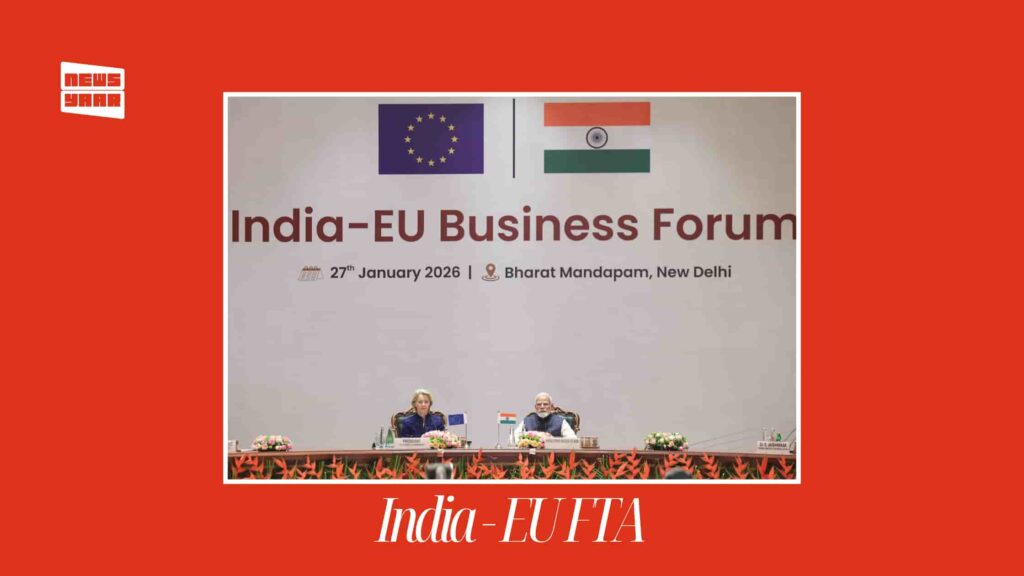
India and the European Union (EU) are advancing free trade agreement (FTA) negotiations aimed at expanding economic ties between one of the world’s fastest-growing major economies and the bloc comprising 27 European nations. The India-EU FTA, also known as the EU-India Trade and Investment Agreement (TIA), is expected to be one of the most significant trade pacts of the decade, with potential to reshape global trade flows, boost exports, and deepen strategic cooperation between two large economic partners. What Is the India-EU FTA? The India-EU Free Trade Agreement is a planned comprehensive trade deal designed to facilitate the reduction or elimination of tariffs, address non-tariff barriers, and expand market access for goods and services between India and the EU. Unlike a simple tariff agreement, the FTA also aims to cover investment protection, digital trade, intellectual property, rules of origin, services, government procurement and sustainable development — making it a high-ambition, high-standards agreement. Negotiations for the trade pact have been ongoing for over a decade, reflecting both the complexity of aligning regulatory frameworks and the growing economic significance of the India-EU relationship. While some rounds of talks were stalled or slowed due to differences on specific issues, recent developments indicate renewed momentum and a political commitment from both sides to conclude the deal. Why the India-EU FTA Is Important An India-EU FTA holds strategic economic importance for both partners: Expanding Trade and Market Access:The EU is among India’s largest trading partners, with two-way trade exceeding $130 billion in recent years. Economic modelling suggests that a successful FTA could significantly raise the volume of bilateral trade by eliminating tariffs on key products such as textiles, automobiles, engineering goods, pharmaceuticals, chemicals and agricultural products. Export Competitiveness and Targets:India has set ambitious export targets — including achieving $14 trillion in exports by 2030. An FTA with the EU could provide preferential market access that boosts India’s export competitiveness in key sectors, helping it approach those targets sooner. Reductions in tariff barriers and streamlined standards would make Indian goods more competitive in European markets. Investment and Economic Cooperation:Beyond goods, the FTA could strengthen services trade and investment flows, particularly in sectors where India has global strength, such as IT and professional services. It also presents opportunities for EU investors in India’s manufacturing, infrastructure and clean energy sectors. Strategic and Geopolitical Alignment:The India-EU FTA is also seen through a geopolitical lens, strengthening economic ties at a time when global trade dynamics are shifting. Deeper integration with the EU can provide India diversification from traditional trade partners and reduce dependence on any single market. Key Issues and Areas of Negotiation Negotiating an ambitious trade deal between two large economies involves complex discussions. Key areas under negotiation include: Tariff Reductions and Market Access:India is seeking lower tariffs on goods such as automobiles and textiles, while the EU is pushing for tariff cuts on agricultural products, dairy and alcoholic beverages. The pace and scope of tariff liberalisation remain a central challenge. Services and Regulatory Cooperation:The EU places significant emphasis on services trade, including professional services, digital trade and data flows. India continues to seek greater access for its services exports while ensuring data protection and regulatory balance. Rules of Origin and Supply Chains:Both sides aim to include clear and predictable rules of origin, which determine how products qualify for preferential tariff treatment under the FTA. This is critical for supply chain integration and ensuring that Indian and EU manufacturers can benefit from the agreement. Sustainable Development and Labour Standards:The EU typically includes provisions on environmental protection, labour rights and sustainability in its trade agreements. India has pushed for similar commitments but within its developmental context, seeking flexibility on implementation timelines. Agriculture and Food Products:Agricultural market access has been a contentious area, with the EU seeking greater access for its dairy and other farm products, while India aims to safeguard the interests of its agricultural producers and small farmers. Impact on Indian Economy and Industries If successfully concluded, the India-EU FTA could produce a range of economic impacts: Boost to Exports:Reduced tariffs and smoother market access could help Indian exporters increase shipments of textiles, pharmaceuticals, chemicals, automotive components, machinery and engineering goods — sectors that have already registered strong growth in recent years. Improved Competitiveness:By aligning standards and reducing trade costs, the FTA could help Indian industries become more competitive globally, attracting foreign investment and encouraging technology transfer. Services Sector Growth:India’s services sector, particularly IT and business process management services, is expected to gain from improved access to EU markets. The agreement could address regulatory barriers that currently limit the full potential of services exports. Investment Flows:With clear investment protections and dispute resolution mechanisms, an FTA could drive greater EU investment into Indian sectors such as renewable energy, infrastructure, healthcare and manufacturing — sectors critical to India’s economic transformation. Regional and Global Implications The India-EU FTA has strategic implications beyond immediate bilateral trade: Diversification of Trade Relations:For India, the pact offers diversification in a global context where trade tensions and supply chain vulnerabilities have increased interest in forging deeper partnerships outside traditional markets. Competitive Response:Neighbouring countries and trading blocs are closely watching the negotiations. In some cases, like Pakistan, there is concern that closer India-EU economic ties could shift regional trade dynamics and erode competitive advantages in certain areas. Alignment with Global Standards:By negotiating with the EU — a bloc known for high regulatory standards — India could accelerate its own reforms in areas such as intellectual property, digital trade, quality standards and sustainability frameworks. What Comes Next Discussions on the India-EU FTA have gained pace in recent months, with officials from both sides underscoring the importance of reaching an agreement that is “balanced, comprehensive and forward-looking.” While the timeline remains uncertain and depends on resolving differences in key areas, sources indicate that negotiators are working toward finalising an outline that could pave the way for conclusion in the coming years. Both policymakers and businesses are closely monitoring developments. Indian industry bodies have urged the government to secure a
Parakram Diwas 2026: Remembering Netaji Subhas Chandra Bose and the Spirit of Fearless Nationalism
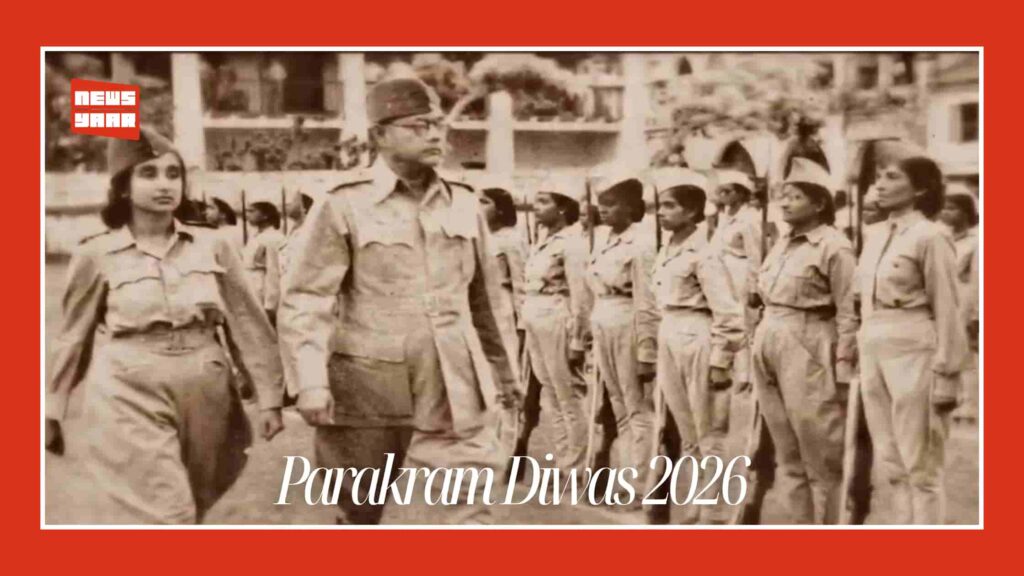
Parakram Diwas, observed every year on January 23, marks the birth anniversary of Netaji Subhas Chandra Bose, one of India’s most formidable freedom fighters. As India commemorates Parakram Diwas 2026, the day serves not merely as a tribute to a historical figure but as a reminder of an uncompromising vision of freedom, courage, and self-reliance that continues to resonate with the nation. Born on January 23, 1897, in Cuttack, Odisha, Subhas Chandra Bose was a brilliant student who topped the Indian Civil Services (ICS) examination in England. Yet, in an act that defined his life, he resigned from the prestigious service to dedicate himself entirely to India’s freedom struggle. His decision reflected a core belief: freedom could not be negotiated; it had to be seized. Unlike many leaders of his time, Bose believed that political independence required direct action, not prolonged compromise. His ideological differences with the Indian National Congress leadership eventually led him to chart his own path, driven by urgency and revolutionary resolve. The Formation of the Indian National Army (INA) Netaji’s most defining contribution was the revival and leadership of the Indian National Army (Azad Hind Fauj). With the iconic call of “Give me blood, and I will give you freedom,” Bose mobilised thousands of Indians across Southeast Asia to take up arms against British rule. The INA was not merely a military force, it was a symbol of defiance. It challenged the myth of British invincibility and ignited a powerful sense of national pride among Indians, including those serving within the British Indian Army. Historians widely agree that the INA trials played a significant role in accelerating the British decision to leave India. The word “Parakram” means courage, valour, and decisive action, qualities Bose embodied throughout his life. Parakram Diwas was officially instituted by the Government of India to honour these values and inspire citizens, especially the youth, to act with conviction in nation-building. In 2026, as India navigates complex global challenges, economic uncertainty, technological transformation, and geopolitical shifts, Netaji’s ideas on self-reliance, unity, and national confidence feel strikingly relevant. His emphasis on discipline, leadership, and sacrifice offers a counterpoint to complacency and apathy. Bose’s vision extended beyond the mere end of colonial rule. He envisioned a strong, socially just, and industrially advanced India, where freedom translated into dignity for every citizen. His advocacy for women’s participation in the freedom struggle, exemplified by the Rani of Jhansi Regiment, was far ahead of its time. Even today, his ideas provoke thought, about leadership that demands accountability, patriotism that requires action, and freedom that comes with responsibility. Parakram Diwas 2026: A Call to Reflect and Act Parakram Diwas is not just about remembering Netaji Subhas Chandra Bose; it is about questioning ourselves. Are we bold enough to stand by our principles? Are we willing to act when circumstances demand courage? As India observes Parakram Diwas 2026, Netaji’s life stands as a reminder that history is shaped not by comfort, but by conviction. His legacy urges the nation to move forward, not cautiously, but courageously.
Indian Archery Championships 2025: Historic Success, Full Results and Key Performances

The year 2025 proved to be a landmark season for Indian archery across domestic and international competition, highlighted by commanding performances at the Asian Archery Championships 2025 in Dhaka, Bangladesh, strong showings in World Cup events and breakthrough achievements at national championships and para archery trials. Indian archers demonstrated depth, balance and historic breakthroughs across both recurve and compound disciplines, underscoring India’s emergence as a serious contender on the continental and global stage.Asian Archery Championships 2025: Historic Record PerformanceThe 24th Asian Archery Championships 2025, held from 8 to 14 November in Dhaka, was one of the most successful outings for India in the history of the sport. India topped the medal table with 10 medals — 6 gold, 3 silver and 1 bronze — surpassing perennial powerhouse South Korea, and announcing a new era of competitive strength.Indian success at the championships was spread across both recurve and compound categories, reflecting strong team depth and international competitiveness:Gold Medals (6): Included individual and team triumphs across recurve and compound events.Silver Medals (3): Strong performances in closely contested finals.Bronze Medal (1): Notable podium finishes amid tough competition.Prime Minister Narendra Modi publicly congratulated the Indian archery contingent for this historic performance, highlighting the individual and team achievements that contributed to India’s best ever result at the tournament.Recurve Highlights: Historic Individual and Team GoldsOne of the standout narratives from Dhaka was India’s recurve double gold, a feat never before achieved at the Asian Championships.On a memorable final day:Ankita Bhakat clinched the Women’s Recurve Individual Gold, stunning Paris 2024 Olympic silver medallist Nam Suhyeon of South Korea with a 7-3 victory in the final. Her composed performance included precise shooting under pressure, delivering key arrows at crucial moments.Dhiraj Bommadevara captured the Men’s Recurve Individual Gold, defeating compatriot Rahul 6-2 in an all-Indian final — marking the first time an Indian man has won this title.India’s recurve team also delivered a historic Men’s Team Gold, defeating a Korean side in a dramatic shoot-off to secure the title — the first Indian men’s team gold at the Asian Championships in nearly two decades.In the Women’s Recurve category, Sangeeta added to the tally by edging out veteran and former world number one Deepika Kumari 6-5 in a shoot-off to claim the bronze medal.These victories underscored the growing strength and competitive parity of Indian archers against traditional Asian powerhouses.Compound Success: Multiple Golds and Mixed Team TriumphsIndian compound archers were equally impressive:Jyothi Surekha Vennam continued her dominance in the women’s compound events, winning Gold in the Compound Women’s Individual final in an all-Indian contest against Prithika Pradeep, securing the podium sweep for India.The Compound Women’s Team — comprising Jyothi Surekha Vennam, Prithika Pradeep and Deepshikha — captured Gold, defeating Korea 236-234 in a closely contested final.The Compound Mixed Team of Abhishek Verma and Deepshikha added another Gold medal, beating Bangladesh 153-151 in the final.These results highlighted India’s commanding performance across compound categories, with the mixed team victory showcasing strong team chemistry and precision under pressure.National Championships and Domestic StandoutsAt the National Archery Championships 2025 held in Hyderabad, Indian archers delivered exceptional performances that further illuminated the strength of the domestic circuit. Among the most prominent was Ojas Pravin Deotale, India’s first compound world champion and Asian Games triple gold medallist, who matched a world record with a perfect score of 150 and 13 inner-ring X’s in a 15-arrow compound match, demonstrating world-class precision on home soil.Domestic results also saw strong showings from:Deepika Kumari, one of India’s most decorated archers and a multiple Olympian, who continued to remain a key figure in recurve competitions.Emerging talents who performed consistently in national circuit events, bolstering the pipeline of competitive archery talent across age groups and formats.These national championships play a crucial role in selection for international assignments and provide a competitive foundation for athletes advancing to continental and world stages.Para Archery MilestonesIndia also made strides in para archery in 2025. Sheetal Devi, a star in the para circuit born with phocomelia, achieved a historic milestone as the first Indian para archer selected for the able-bodied national compound team following trials in Sonipat. Her selection for the able-bodied squad for the Asian Cup underscored not just her extraordinary talent but also the growing opportunities and inclusivity within Indian archery.Youth and World Cup CompetitionsIndian archery’s momentum extended beyond Asia. At the World Archery Youth Championships, young archers continued to shine, contributing medals and valuable experience to their competitive resumes. Meanwhile, in World Cup circuits, archers such as Deepika Kumari and Parth Salunkhe continued to represent India with podium finishes, including bronze medals, reflecting sustained international competitiveness.Structural Growth: Archery Premier League and RecognitionIn 2025, the Archery Premier League (APL) — India’s first franchise-based archery competition — was recognised as the Emerging Professional Sports Event of the Year at the India Sports Awards. The tournament, featuring six franchise teams and both compound and recurve formats, was lauded for enhancing competition exposure and advancing performance standards among Indian archers.Why 2025 Was a Breakthrough YearCollectively, India’s performances in 2025 — from national championships to continental dominance — marked a watershed moment in the country’s archery narrative. India’s 10-medal haul at the Asian Archery Championships, including historic recurve gold medals and strong compound victories, reflected the depth, balance and maturity of the national archery setup.With world-class performers, emerging talents and strong team cohesion, India’s archery ecosystem is now well positioned for major international events in 2026, including World Cup stages, Asia Cup competitions and multi-sport games where archers will seek to build on this year’s achievements.
Bharat Ratna Karpoori Thakur Birth Anniversary: Nation Remembers Champion of Social Justice
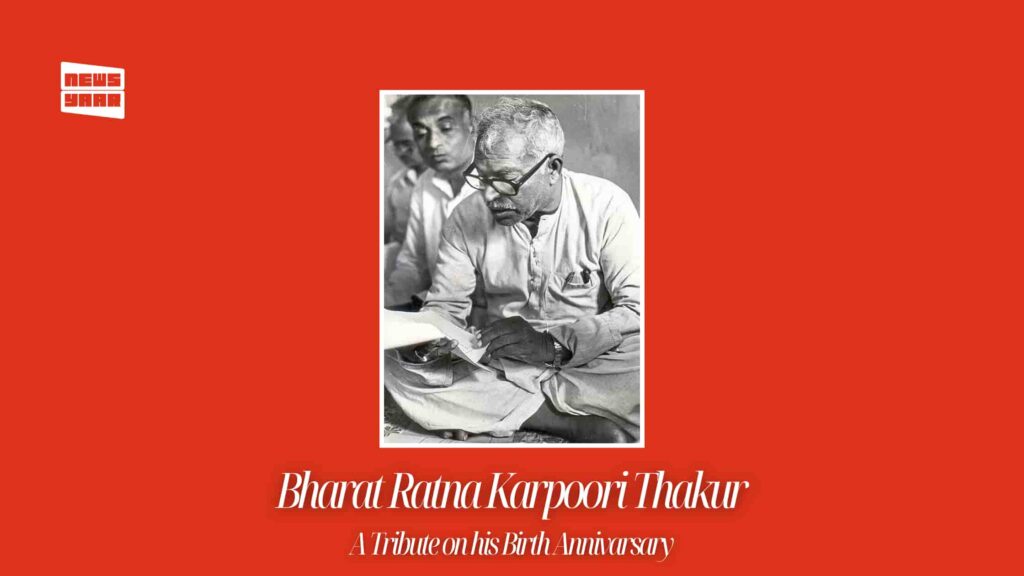
Tributes were paid across Bihar and the country on the birth anniversary of Bharat Ratna Karpoori Thakur, one of India’s most influential socialist leaders and a key architect of social justice politics in the Hindi heartland. Political leaders, social organisations and citizens remembered Thakur’s enduring contribution to inclusive governance, backward class empowerment and ethical public life. Born on January 24, 1924, in Samastipur district of Bihar, Karpoori Thakur rose from modest beginnings to become one of the most respected mass leaders of the state. His political life was shaped by the freedom movement, socialist ideology and a deep commitment to the upliftment of marginalised communities. He passed away in 1988, but his legacy continues to influence India’s political and social discourse decades later. On the occasion of his birth anniversary, leaders cutting across party lines highlighted Thakur’s role in institutionalising social justice policies at a time when such ideas faced strong resistance. Prime Minister Narendra Modi led the national tributes, recalling Thakur’s simplicity, integrity and lifelong dedication to the poor and backward classes. In a message, the Prime Minister described him as a visionary leader who devoted his life to empowering the marginalised and strengthening democratic values. Bihar Chief Minister Nitish Kumar, along with several senior state leaders, paid floral tributes at Karpoori Thakur’s memorial and emphasised that his policies laid the foundation for social equality in the state. Similar commemorative events were held in Patna, Samastipur and other parts of Bihar, with public meetings recalling his governance model and personal conduct in public office. Karpoori Thakur served as the Chief Minister of Bihar twice — first from 1970 to 1971 and again from 1977 to 1979. His tenure is particularly remembered for the implementation of reservations for backward classes in government jobs at the state level, a move that preceded and later informed national-level policy debates on affirmative action. His decision to include extremely backward classes within the reservation framework was considered path-breaking and remains central to Bihar’s social justice structure today. Often referred to as “Jan Nayak” (people’s leader), Karpoori Thakur was known for his austere lifestyle and incorruptible reputation. Despite holding high office, he lived simply and maintained close contact with grassroots workers and ordinary citizens. His refusal to accumulate personal wealth and his insistence on clean politics set him apart in an era marked by increasing political competition and power struggles. In recognition of his exceptional contribution to public life and social equity, the Government of India conferred the Bharat Ratna — the country’s highest civilian award — on Karpoori Thakur posthumously in 2024. The honour was widely seen as long overdue and was welcomed across the political spectrum, particularly by leaders and communities who regard Thakur as a symbol of empowerment and dignity. Political analysts note that Karpoori Thakur’s relevance has only grown over time, especially as debates around social justice, representation and inclusive growth continue to shape Indian politics. His emphasis on education, reservation, linguistic accessibility in administration and decentralised governance remains influential, particularly in Bihar and neighbouring states. As the nation marks his birth anniversary, Karpoori Thakur is remembered not only as a former chief minister or socialist leader, but as a statesman whose ideas were rooted in equity, humility and democratic participation. His life and work continue to serve as a moral and political reference point in contemporary India, reinforcing the values of social justice and public service.
Indian Startups at CES 2026: Homegrown Innovation Takes Global Spotlight in Las Vegas

Indian startups and technology firms significantly expanded their presence at CES 2026 — the world’s largest technology showcase held in Las Vegas from January 6 to 9, 2026 — reflecting the country’s evolving tech ambitions and increasing global competitiveness. The annual event, organised by the Consumer Technology Association (CTA), attracted more than 4,100 exhibitors from around 150 countries, underscoring its role as a launchpad for next-generation innovations spanning artificial intelligence (AI), digital health, robotics, mobility, enterprise technology and immersive entertainment.According to CTA executives, Indian participation has steadily grown, with a broader range of startups and established firms using the platform to showcase their products, engage with global partners and position themselves for international expansion. Indian delegations this year included innovators from healthtech, wearables, robotics and automotive systems, signalling the ecosystem’s transition from domestic focus to global impact.Ultrahuman: Metabolic Health and WearablesOne of the headline Indian participants at CES 2026 was Ultrahuman, a Bengaluru-based health technology firm co-founded by Mohit Kumar, Vinay Bhargava and Vatsal Singhal. The company displayed its suite of wearable health devices and preventive care platforms, including what it bills as the world’s lightest sleep-tracking wearable, a continuous glucose monitoring (CGM) system and a preventive blood testing solution designed to empower users with metabolic insights. Ultrahuman’s presence marked India’s growing footprint in consumer health tech at global forums.Noise: Smart Wearables Designed for Global MarketsNoise, headquartered in Gurugram and led by founders Amit Khatri and Gaurav Khatri, was another major Indian exhibitor. The company, recognised as one of the third-largest smartwatch brands in the world, showcased its latest wearable technologies at CES, emphasising advanced health metrics, design innovation and global compatibility. Noise’s participation highlighted India’s emergence not only as a producer of affordable wearables but as a designer and manufacturer capable of competing with established global brands.“We are proud to come here and compete on a world stage,” said Hamish Patel, Vice President – Product Devices at Noise, noting that the company’s R&D and manufacturing are largely based in India, enabling it to present products that match global benchmarks.aabo: MedTech InnovationsAmong the Indian startups at CES 2026 was aabo, a MedTech firm focused on AI-driven health solutions. Although not a household name, its technology emphasises the intersection of machine intelligence and healthcare delivery, an area of rising relevance as global health systems integrate data-led diagnostics and monitoring. The specifics of aabo’s product suite were highlighted among Indian exhibitors but details on founders and product characteristics are linked to its positioning as a healthtech innovator on the CES show floor.ArvyaX Technologies: Robotics and Pseudo-RealityArvyaX Technologies, founded by Shalabh Bhatnagar, showcased its robotics and pseudo-reality solutions at CES’s Eureka Park — an innovation zone dedicated to emerging startups. The Bhopal-based firm has developed technologies that blend digital and physical environments, targeting enterprise sectors such as industrial training, simulation and collaborative experiences. Shalabh Bhatnagar described participating at CES as a moment of pride, emphasising that ArvyaX’s innovations were both made and innovated in India, reflecting the nation’s rising capabilities in robotics and immersive technologies.Sona Comstar: Automotive Technology and EV SystemsThe automotive technology company Sona Comstar was another Indian participant at CES 2026, presenting its advanced electric vehicle (EV) components and systems. With a strong focus on R&D in high-power density EV motors, differential assemblies and lightweight drivetrain systems, Sona Comstar’s technology underscores India’s potential in automotive core technology development and global mobility solutions. The company’s products cater to modern EV performance requirements and highlight a broader shift toward electrification and smart mobility.Zoondia and Industry CollaborationsIn addition to standalone startups, Indian participation included Zoondia, a global technology partner offering enterprise solutions and services. Though not a startup in the strictest sense, Zoondia’s presence further reflects the breadth of Indian engagement at CES, spanning early-stage innovation to established tech services with global delivery capabilities.The Significance of Indian ParticipationExecutives at CES 2026 noted that India’s presence was broader and deeper than in previous years, building on momentum from the first dedicated Indian pavilion introduced on the CES show floor in 2024. This year’s participation spanned startups, industry bodies such as the CMAI Association of India, and firms showcasing products that compete with global innovations rather than just representing emerging market offerings.Industry observers have highlighted several key implications of India’s growing CES footprint:Global Visibility: Participation at CES elevates Indian startups to international buyers, investors and collaborators, helping them secure partnerships, pilot projects and market entry opportunities.Innovation Credibility: Demonstrating products at a major global venue signals maturity and readiness to compete on performance and design quality.Ecosystem Confidence: The increasing number of Indian participants reflects confidence among founders and investors in showcasing innovations on a global stage.Cross-Sector Representation: Startups at CES 2026 represented health tech, wearables, robotics and automotive systems, indicating that India’s startup ecosystem is diversifying beyond software into deep tech and hardware innovation.What This Means for India’s Startup EcosystemThe rising participation of Indian startups at CES 2026 comes at a time when the country’s broader startup ecosystem is experiencing structural shifts. India is now recognised as one of the largest startup ecosystems globally, with a growing emphasis on deep tech, AI, robotics and hardware innovation rather than only digital services. Initiatives such as startup support missions, increased R&D investment and industry collaborations are catalysing this transformation, enabling more Indian founders to engage in global innovation discourse and market expansion.Indian founders and CEOs attending CES emphasised that events like CES are not merely showcases but strategic platforms for networking, validation, investment engagement and collaboration, helping elevate India’s technology brands to global audiences and potential customers.Looking ForwardAs CES continues to be a global stage for breakthrough technologies, the increasing presence of Indian startups at CES 2026 reflects a broader narrative of India’s evolution from a predominantly software and services economy to a hardware and deep-tech innovator on the world stage. With continued participation in global technology showcases, Indian founders aim to build enduring technology brands that are recognised not only domestically but across markets in North America, Europe and Asia.The momentum generated at CES 2026 is expected
India’s Best Restaurants Revealed at Condé Nast Traveller x District Top Restaurant Awards 2025

New Delhi / Mumbai: The Condé Nast Traveller x District Top Restaurant Awards 2025, powered by Visa, has unveiled its definitive list of India’s top 50 restaurants, spotlighting the culinary creativity, diversity and evolution of the nation’s dining landscape. Now in its sixth edition, the awards have become a trusted barometer of excellence in Indian gastronomy, celebrating chefs, restaurateurs and mixologists who are shaping the way the country eats and drinks today.Dominating the list once again, Mumbai claimed the largest share with 13 restaurants featured among the top 50, including the top three positions. Headlining the list at No. 1 is The Table, a restaurant renowned for its imaginative global cuisine and vibrant atmosphere that blends fine dining with approachability. Close behind at No. 2 is Masque, a Relais & Châteaux member known for its boundary-pushing tasting menus crafted from locally foraged and seasonal ingredients. At No. 3, Papa’s continues to captivate diners with its playful, avant-garde culinary experiences.Mumbai’s strong showing reflects how the city’s restaurant scene continues to evolve, blending international influences with deeply local sensibilities. From classics like The Bombay Canteen, which reimagines Indian staples with bold twists, to Izumi Bandra, which pioneered Japanese fine dining in the city, Mumbai’s offerings span a spectrum of tastes and styles.Bengaluru and Delhi NCR each secured nine entries on the list, demonstrating the strength and diversity of their dining cultures. Bengaluru’s contributions range from farm-to-table experimentation to elegant Italian and contemporary global fare, while Delhi’s scene continues to balance heritage and modernity across its vibrant restaurant landscape.Goa also made a strong impression with eight restaurants, reflecting the region’s growing reputation for beachside and fusion dining. Chennai and its surroundings contributed five notable establishments, and historic food cities like Kolkata added three, with other entries emerging from destinations including Kasauli, Jaipur and Shillong, signalling that culinary excellence is spreading beyond India’s major metropolitan centres.The selection process for the Top Restaurant Awards is rigorous and highly respected. A 100-member jury, comprising food critics, writers, chefs, bartenders, artists and industry tastemakers, evaluates restaurants through a multi-phase voting system, with advisory support from Deloitte. This ensures a well-rounded and credible ranking that reflects both industry insight and regional diversity.Winning a place on the top 50 list is seen as a career milestone by many restaurateurs. For some smaller or independent establishments, the recognition has not only elevated their profile but also drawn national and international attention to their culinary philosophies and regional flavours.The Condé Nast Traveller Top Restaurant Awards also serve as a snapshot of broader gastronomic trends in India. While established dining giants hold their esteem, the recognition of new and emerging venues underscores the dynamic nature of India’s food scene. According to a recent Condé Nast Traveller feature, a range of new restaurants opening in 2025 are already gaining traction and may shape next year’s conversations in Indian dining.As India’s culinary culture continues to diversify and mature, these awards underscore both the depth of local talent and the appetite for experiences that marry innovation with heritage. With cities like Mumbai, Bengaluru, Delhi and Goa leading the way, the 2025 ranking paints a picture of a vibrant, evolving gastronomic landscape that’s gaining ground on the global food map.Courtesy: @/Conde Nast Traveller India
Alaknanda: Indian Astronomers Discover a Milky Way–Like Galaxy from the Universe’s Youth

Indian astronomers have made a discovery that could rewrite prevailing theories of galaxy formation, after identifying a massive, well-structured spiral galaxy dating back nearly 12 billion years. Named Alaknanda, after the Himalayan river, the galaxy was observed when the Universe was only about 1.5 billion years old, just 10% of its current age of 13.8 billion years.The discovery was made using data from the James Webb Space Telescope (JWST) by Rashi Jain, a PhD researcher at the National Centre for Radio Astrophysics (NCRA), part of the Tata Institute of Fundamental Research in Pune, under the supervision of Professor Yogesh Wadadekar. Their findings were published in the prestigious European journal Astronomy and Astrophysics in November.What makes Alaknanda extraordinary is its structure. According to current models, galaxies that formed so soon after the Big Bang were expected to be small, irregular, and chaotic, still assembling their mass through violent mergers. Instead, Alaknanda appears as a fully formed spiral galaxy, complete with a central bulge and two symmetric spiral arms, remarkably similar to the Milky Way.Ms Jain discovered the galaxy while analysing nearly 70,000 objects captured by JWST. “There was only one grand-design spiral galaxy in the entire dataset,” she said. Spanning around 30,000 light-years, Alaknanda shows classic spiral features, including a distinctive “beads-on-a-string” pattern, clusters of stars aligned along its spiral arms, commonly seen in nearby mature galaxies.Professor Wadadekar admitted his initial reaction was disbelief. “It’s astonishing how such a large galaxy with spiral arms could have existed just 1.5 billion years after the Big Bang,” he said. Scientists estimate that Alaknanda had already formed nearly 10 billion times the mass of the Sun in stars, while also developing a stable rotating disc, an achievement that should have taken much longer according to existing cosmic timelines.The implications of this discovery are significant. It suggests that some galaxies in the early Universe evolved far more rapidly and efficiently than previously thought. The presence of such an organised structure so early challenges assumptions about the pace of star formation, the role of dark matter, and the mechanisms that lead to spiral arm formation.For Indian astronomy, the finding marks a major milestone, showcasing the country’s growing role in cutting-edge space research enabled by global observatories like JWST. For cosmology as a whole, Alaknanda opens new questions about how order emerged so quickly from the apparent chaos of the early Universe, and whether other such hidden spirals are waiting to be found.
Ahmedabad To Host 2030 Commonwealth Games: Hosting Rights Confirmed
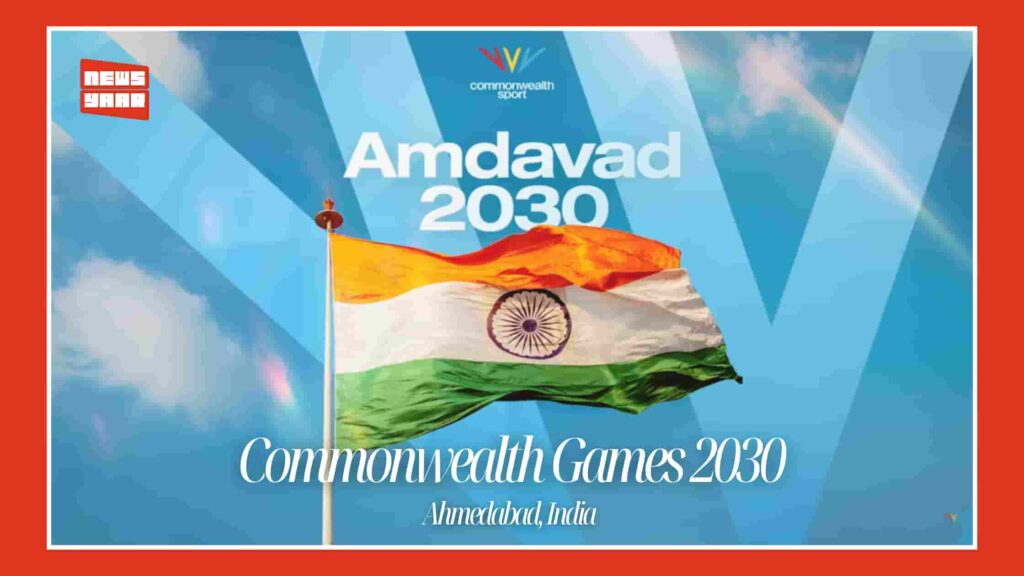
Ahmedabad / New Delhi: In a historic moment for Indian sport and global multi-sport events, Ahmedabad has been formally confirmed as the host city for the 2030 Commonwealth Games, marking the centenary edition of the Games and a significant milestone in India’s sporting ambitions. The decision was ratified at the Commonwealth Sport General Assembly in Glasgow, where delegates from 74 Commonwealth member nations and territories voted in favour of India’s bid.This will be the second time India hosts the Commonwealth Games after the 2010 edition in Delhi and the first time for the centenary Games, celebrating 100 years since the inaugural event in Hamilton, Canada in 1930. Ahmedabad’s selection over competing bids, including Nigeria’s Abuja, reflects strong confidence in India’s capacity to deliver a world-class edition of the Games.The 2030 Commonwealth Games, formally known as the XXIV Commonwealth Games, are scheduled to take place in October 2030 across Ahmedabad and surrounding areas, anchored by a cluster of world-class venues. The iconic Narendra Modi Stadium, the world’s largest cricket arena, will host the opening and closing ceremonies, while the Sardar Vallabhbhai Patel Sports Enclave (SVPSE) and the Naranpura Sports Complex are being developed to stage multiple competitions.Organisers have outlined a sports programme featuring approximately 15–17 disciplines, significantly expanded from the 10 sports at the preceding 2026 Games in Glasgow. Confirmed and proposed disciplines include athletics, para-athletics, swimming, para-swimming, table tennis and para table tennis, bowls and para bowls, weightlifting, para powerlifting, artistic gymnastics, netball, boxing, and more. Hosts may also propose up to two additional sports, including T20 cricket, which has been discussed as a potential inclusion.Infrastructure, Legacy and Economic ImpactPreparations are already gathering momentum. Key infrastructure projects, including the SVP Sports Enclave and Police Academy Sports Hub, are slated for completion by late 2028 or early 2029, supported by secured funding and a detailed delivery timeline. These complexes will house arenas, aquatic centres, training facilities, athlete villages and more, forming the backbone of a sustainable, long-term sports ecosystem for Ahmedabad and the state of Gujarat.Beyond competition venues, the Games are spurring upgrades to transport, accommodation and urban infrastructure. Ahmedabad’s airport expansion, surge in hotel development, and public transit improvements align with plans to create a lasting legacy that extends far beyond the 2030 event.Officials project the Games will also generate significant economic opportunities, including thousands of jobs, increased tourism, and heightened global visibility for India as a destination for major sporting events.From Commonwealth to Olympic HorizonHosting the centenary Games is seen not just as a sporting celebration but as a strategic leap toward India’s broader global sports ambitions, including a potential bid for the 2036 Summer Olympics. Commonwealth Sport President Dr. Donald Rukare described Ahmedabad’s selection as ushering in “a new golden era” for the Games, highlighting India’s “scale, youth, ambition, rich culture, and enormous sporting passion.”India’s successful bid reflects decades of investment in sport and infrastructure, signalling a readiness to host even larger multi-sport spectacles in the future. With its rich cultural heritage, enthusiastic sports fans and rapidly developing facilities, Ahmedabad 2030 is poised to be a defining moment not just for the Commonwealth Games, but for India’s place on the world sporting map.
Khelo India Winter Games 2026: Ladakh Takes Centre Stage as India Pushes Its Winter Sports Ambition
Leh:The Khelo India Winter Games (KIWG) 2026 marked another milestone in India’s growing winter sports journey, with Ladakh emerging as the country’s undisputed hub for ice and snow-based competitions. The sixth edition of the Games was inaugurated at the NDS Stadium Ice Hockey Rink in Leh, reinforcing the region’s status as a natural home for winter sports in India.Dates, Venues, and ScheduleThe Khelo India Winter Games 2026 are being held in January 2026, with competitions spread across key venues in Leh and the surrounding areas of Ladakh. The primary venues include:NDS Stadium Ice Hockey Rink, Leh – Ice hockey matchesLeh and Kargil regions – Ice skating and other winter disciplinesDesignated frozen lakes and rinks prepared specially for the GamesMatches are scheduled over multiple days, featuring league-stage encounters followed by knockout rounds, particularly in ice hockey, one of the marquee attractions of the tournament.Sports and Teams ParticipatingThe Games feature popular winter sports such as:Ice Hockey (Men & Women)Ice Skating (Short Track & Figure Skating)Snow-related disciplines, depending on weather conditionsTeams from Union Territories, states, and institutional teams like the Indian Army, ITBP, and other forces are participating. Regions with colder climates, such as Ladakh, Jammu & Kashmir, Himachal Pradesh, Uttarakhand, alongside teams from states like Telangana and Rajasthan, reflect the expanding footprint of winter sports across India.India’s Place in Global Winter SportsGlobally, winter sports dominate the sporting calendar in countries with long snow seasons. Nations like Canada, the United States, Russia, Norway, Sweden, Finland, Germany, Switzerland, Japan, and South Korea are traditional powerhouses. Major global competitions include the Winter Olympic Games, Winter Paralympics, IIHF Ice Hockey World Championships, and FIS Alpine Ski World Cup, drawing thousands of athletes and massive international audiences.Compared to these established winter-sport nations, India is still at a developing stage. Limited snowfall regions and infrastructure constraints have historically restricted growth. However, Ladakh, with its frozen lakes, natural ice rinks, and sub-zero winters, offers conditions comparable to international winter sports destinations.The infrastructure developed for KIWG, ice rinks, training facilities, and logistics, will remain as a legacy for future events. This is expected to help India gradually scale up participation in the Asian Winter Games and the Winter Olympics.As Ladakh continues to host the Games, India is signaling its intent to carve a space in the global winter sports ecosystem.
India Registers Karan Fries as a High-Yield Synthetic Cattle Breed

New Delhi:In a significant boost to India’s dairy and livestock sector, the country has officially registered Karan Fries, a high-yielding synthetic cattle breed capable of producing over 3,000 kilograms of milk in a standard 10-month lactation cycle. With this addition, India’s total number of registered livestock and poultry breeds has risen to 246, underlining the government’s continued push towards scientific breeding and productivity-led growth in animal husbandry.Developed through systematic cross-breeding programmes, Karan Fries combines the high milk-producing traits of exotic cattle with the hardiness and adaptability of Indian breeds. Officials say the breed has been designed to perform well under Indian agro-climatic conditions, making it suitable for farmers seeking higher productivity without compromising resilience.The focus on Karan Fries comes at a crucial time. Despite India being the world’s largest milk producer, the dairy sector faces persistent challenges. Many indigenous cattle breeds produce relatively low milk yields, typically between 1,000 and 2,000 kilograms per lactation, while farmers struggle with rising feed costs, limited veterinary access, and deteriorating cattle health. Poor nutrition, inadequate shelter, and climate stress have further affected productivity, particularly among small and marginal farmers.Against this backdrop, Karan Fries is being seen as a ray of hope. Higher milk yields per animal can help farmers increase income without expanding herd size, easing pressure on land, water, and fodder resources. Experts believe that productivity-focused breeds like Karan Fries could play a critical role in making dairying more sustainable and economically viable.Officials emphasised that the registration of Karan Fries reflects a broader strategy to modernise animal husbandry through genetic improvement, scientific breeding, and performance recording, while continuing to conserve indigenous breeds. “Native cattle remain essential for biodiversity, disease resistance, and ecological balance, but synthetic breeds like Karan Fries are necessary to meet growing commercial and nutritional demands,” an official said.However, experts caution that success will depend on responsible implementation. High-yielding breeds require better management, balanced nutrition, disease control, and regular veterinary care. Without adequate support systems, farmers may struggle to realise the full benefits. Policymakers are therefore being urged to strengthen extension services, expand artificial insemination coverage, and ensure affordable access to feed and healthcare.For farmers engaged in animal husbandry, the recognition of Karan Fries opens new possibilities. With proper support, the breed could help stabilise incomes, encourage youth participation in dairying, and enhance rural livelihoods. It also aligns with India’s long-term goals of improving farm productivity while maintaining sustainability.As India looks ahead, the challenge will be to balance productivity, animal welfare, and genetic diversity. The inclusion of Karan Fries marks an important step in that direction—signalling a future where scientific innovation supports farmers, strengthens the dairy economy, and addresses long-standing challenges in livestock management.