


India–France Mega 114 Rafale Deal and ‘Make in India’ Push: A Strategic Leap in Defence Cooperation
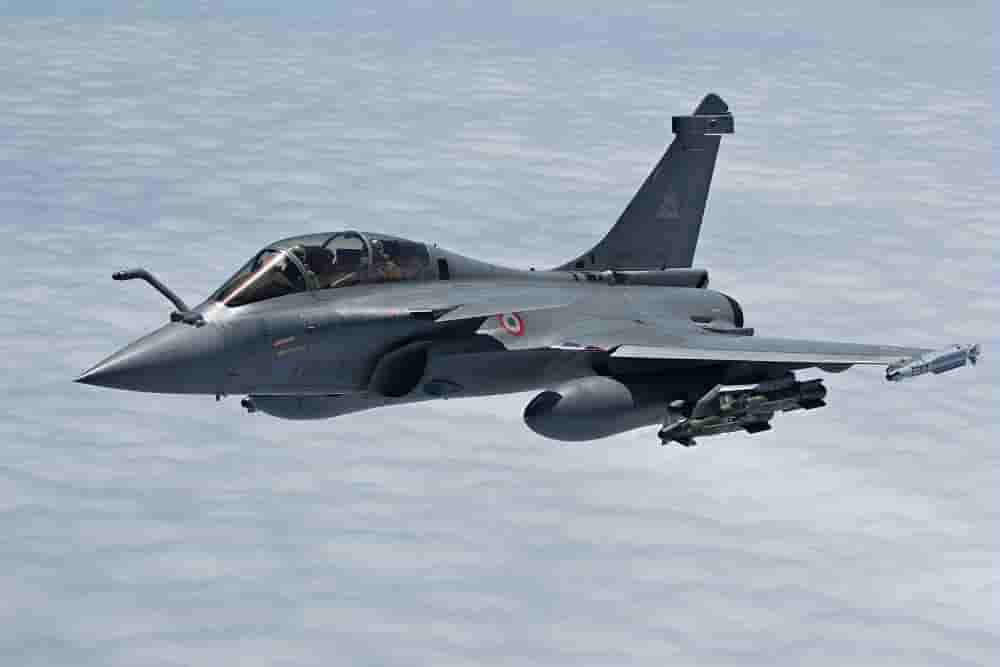
Image: Dassault AviationIndia and Dassault Aviation are on the verge of sealing one of the largest defence procurement deals in the country’s history — a proposed acquisition of 114 Rafale fighter jets from France, combining state-of-the-art military capability with a significant ‘Make in India’ manufacturing push. The deal, which has drawn international attention and strategic discussions, was strongly backed by Emmanuel Macron, the President of France, during his visit to India in February 2026.Background of the Proposed DealIndia has already inducted Rafale aircraft into the Indian Air Force (IAF), having signed an earlier contract for 36 Rafales in 2016 and subsequently ordered 26 naval variants for carrier operations. As geopolitical tensions and regional security challenges persist, New Delhi has sought to enhance its aerial combat capability with a substantially larger fleet of modern fighters.According to statements by French and Indian officials, the proposed deal for 114 additional Rafale jets is expected to be valued at an estimate of US $35–40 billion (approximately ₹3.25 lakh crore). These aircraft are intended to play a central role in bolstering the IAF’s fleet strength and addressing critical capability gaps as older aircraft retire and regional air power competition intensifies.Defence Acquisition Council and Deal ProgressThe Defence Acquisition Council (DAC), chaired by Defence Minister Rajnath Singh, has reportedly given initial clearance to the proposal, allowing it to proceed to advanced negotiations and eventual clearance by the Cabinet Committee on Security (CCS). This clearance was part of a broader defence procurement package that also included maritime reconnaissance aircraft and other hardware.While formal contract signing and commercial terms remain under negotiation, the deal is widely seen as a major strategic milestone in India’s defence modernization programme, addressing immediate operational needs while embedding long-term manufacturing objectives.Make in India: Local Production and Technology TransferA central feature of the proposed agreement is the ‘Make in India’ dimension, which envisages co-producing a large portion of the 114 jets on Indian soil. French President Macron reiterated that the deal would include Indian participation in production, defence cooperation and job creation in both countries, dismissing criticism of the arrangement and underlining its strategic benefits.Under current discussions:A portion of the jets — estimated to be around 18–20 aircraft — may be procured in fly-away condition directly from France in the near term.The remaining jets are likely to be manufactured in India, potentially with up to 60 per cent indigenous content through phased localisation, either in collaboration with an Indian partner or via joint ventures.This represents a significant deepening of India’s defence industrial base, though officials and industry sources have not confirmed the final identity of manufacturing partners, and key details are still being finalised.Strategic and Defence ImplicationsThe anticipated acquisition is framed in strategic terms by both governments:Enhancing Air Force Capability: The Rafale is a multirole fighter equipped for air superiority, ground attack, reconnaissance and nuclear delivery, contributing to a balanced and modern air combat force. The expanded fleet is intended to address IAF squadron strength shortfalls and maintain operational readiness across multiple theatres.Regional Security Dynamics: With evolving security concerns involving China and Pakistan, the reinforcement of the IAF’s combat fleet with advanced fighters strengthens India’s deterrence posture and military edge.Strategic Partnership with France: Beyond equipment acquisition, the deal is part of an increasingly broad defence and technology cooperation framework between India and France, extending into submarines, missile collaboration and aerospace industrial linkages.Make in India: Industrial and Employment OpportunitiesThe Make in India aspect of the deal is seen as a key step toward boosting the domestic defence industry. Local assembly and production of high-tech components are expected to generate employment, build skilled aerospace manufacturing capacities and reduce long-term dependency on imports. It may also pave the way for India to become a maintenance, repair and overhaul (MRO) hub for Rafale and other defence platforms.Some Indian leaders have also underscored the importance of including local production of weapons and systems that will equip the Rafale jets, emphasising co-development and integration of indigenous missiles and avionics — a request that has been formally communicated to French counterparts.Technology Transfer and LimitationsWhile co-production and local manufacturing are major objectives, defence analysts note that full transfer of certain core technologies — particularly avionics and software systems — remains a complex and sensitive area. Reports suggest that India may not initially receive access to all source codes for key systems such as AESA radar or electronic warfare suites, which could influence how quickly indigenous modifications can be integrated without French support.Ensuring meaningful technology transfer while safeguarding operational sovereignty and industrial capability will be a key focus of final negotiations.Economic and Industrial Wider ImpactThe 114-jet agreement — if formalised — would not only be one of India’s largest defence procurements ever but also a major industrial pact involving cross-border supply chains, joint ventures, and technology flows. It aligns with India’s broader goal of becoming a global defence manufacturing hub, attracting foreign investment and strengthening domestic aerospace expertise.Ongoing Developments and Next StepsThe deal’s progression is being watched closely by defence observers and strategic planners. Following the DAC’s endorsement and high-level political support from both governments, the next phase will involve commercial negotiations, final clearance by the Cabinet Committee on Security, and subsequent contract signing, expected in the coming months.The acquisition of 114 Rafale jets — as part of a comprehensive defence cooperation with France — is poised to shape India’s air power architecture for decades, while reinforcing strategic ties between New Delhi and Paris in an era of evolving global security challenges.
PM Modi Receives the UAE President at the Airport
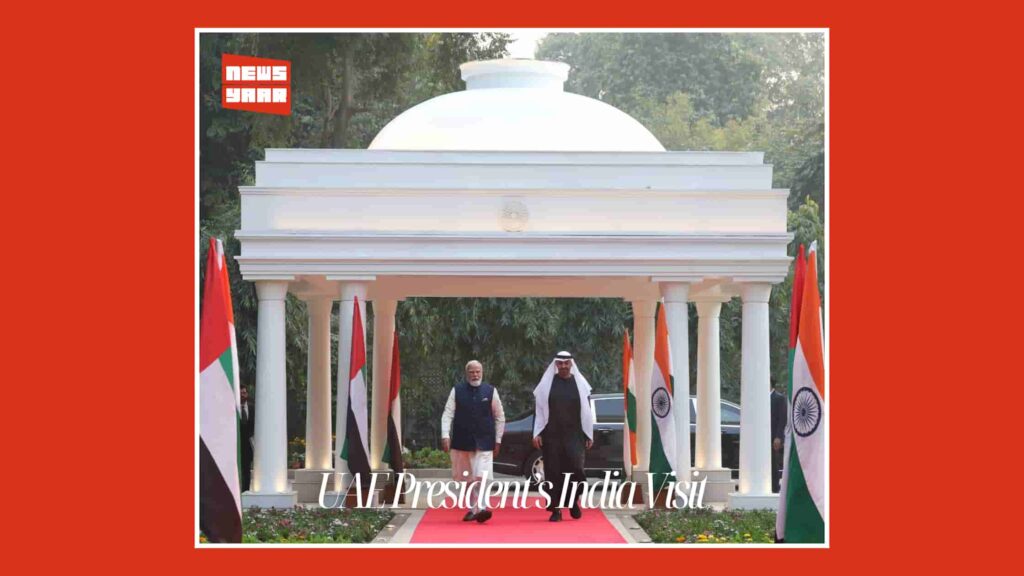
New Delhi: United Arab Emirates President Sheikh Mohamed bin Zayed Al Nahyan concluded a high-profile official visit to India on January 19, 2026, reinforcing the growing strategic partnership between New Delhi and Abu Dhabi. In a rare and symbolic gesture, Prime Minister Narendra Modi personally received the UAE President at the airport, underscoring the importance India attaches to its relationship with the Gulf nation.This marked Sheikh Mohamed bin Zayed’s third official visit to India since assuming office as UAE President and his fifth visit to the country over the past decade. The visit highlighted the sustained political engagement between the two countries and reflected the UAE’s view of India as a key strategic partner in Asia.During the visit, the two leaders held comprehensive talks covering trade, investment, energy security, defence cooperation, technology, and regional geopolitics. Several agreements and memoranda of understanding (MoUs) were signed to further strengthen bilateral cooperation. These included frameworks to expand collaboration in renewable energy, food security, digital infrastructure, fintech, and defence manufacturing, aligning with India’s “Make in India” and self-reliance goals while offering new opportunities for UAE investors.A major focus of the discussions was economic cooperation under the Comprehensive Economic Partnership Agreement (CEPA), which has significantly boosted bilateral trade since its implementation. Both sides reviewed progress under CEPA and agreed to work toward further increasing non-oil trade, easing market access, and encouraging private-sector partnerships. The use of local currency settlement mechanisms and the bilateral investment treaty were also highlighted as key enablers of smoother financial flows and long-term investment confidence.From India’s perspective, the outcomes of the visit strengthen energy security through long-term supply arrangements and increased cooperation in clean energy and green hydrogen. The UAE’s continued interest in investing in Indian infrastructure, ports, logistics, and technology startups was seen as a strong vote of confidence in India’s growth story.For the UAE, deeper engagement with India supports its strategy of economic diversification and strengthens its footprint in one of the world’s fastest-growing major economies. Enhanced cooperation in food corridors, technology, and innovation helps Abu Dhabi secure supply chains while expanding its global economic influence.The leaders also exchanged views on regional and global issues, including developments in West Asia, maritime security, and global economic uncertainty. Both sides reaffirmed their commitment to stability, dialogue, and cooperation in an increasingly complex geopolitical environment.Beyond agreements, the visit carried strong symbolic value. Prime Minister Modi’s decision to personally welcome Sheikh Mohamed bin Zayed sent a clear message of trust, warmth, and strategic alignment. It also reflected the personal rapport between the two leaders, which has played a significant role in elevating India–UAE ties over the years.As the UAE President departed India, the visit was widely seen as a reaffirmation of a mature and forward-looking partnership, one that goes beyond transactional ties to focus on long-term strategic, economic, and people-centric cooperation.