


India–France Mega 114 Rafale Deal and ‘Make in India’ Push: A Strategic Leap in Defence Cooperation
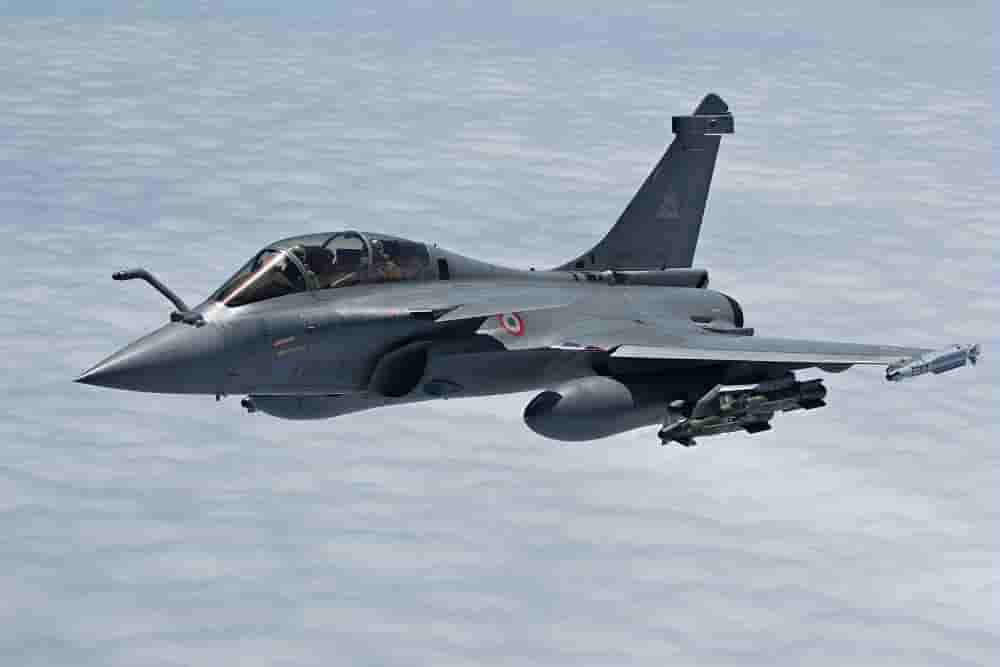
Image: Dassault AviationIndia and Dassault Aviation are on the verge of sealing one of the largest defence procurement deals in the country’s history — a proposed acquisition of 114 Rafale fighter jets from France, combining state-of-the-art military capability with a significant ‘Make in India’ manufacturing push. The deal, which has drawn international attention and strategic discussions, was strongly backed by Emmanuel Macron, the President of France, during his visit to India in February 2026.Background of the Proposed DealIndia has already inducted Rafale aircraft into the Indian Air Force (IAF), having signed an earlier contract for 36 Rafales in 2016 and subsequently ordered 26 naval variants for carrier operations. As geopolitical tensions and regional security challenges persist, New Delhi has sought to enhance its aerial combat capability with a substantially larger fleet of modern fighters.According to statements by French and Indian officials, the proposed deal for 114 additional Rafale jets is expected to be valued at an estimate of US $35–40 billion (approximately ₹3.25 lakh crore). These aircraft are intended to play a central role in bolstering the IAF’s fleet strength and addressing critical capability gaps as older aircraft retire and regional air power competition intensifies.Defence Acquisition Council and Deal ProgressThe Defence Acquisition Council (DAC), chaired by Defence Minister Rajnath Singh, has reportedly given initial clearance to the proposal, allowing it to proceed to advanced negotiations and eventual clearance by the Cabinet Committee on Security (CCS). This clearance was part of a broader defence procurement package that also included maritime reconnaissance aircraft and other hardware.While formal contract signing and commercial terms remain under negotiation, the deal is widely seen as a major strategic milestone in India’s defence modernization programme, addressing immediate operational needs while embedding long-term manufacturing objectives.Make in India: Local Production and Technology TransferA central feature of the proposed agreement is the ‘Make in India’ dimension, which envisages co-producing a large portion of the 114 jets on Indian soil. French President Macron reiterated that the deal would include Indian participation in production, defence cooperation and job creation in both countries, dismissing criticism of the arrangement and underlining its strategic benefits.Under current discussions:A portion of the jets — estimated to be around 18–20 aircraft — may be procured in fly-away condition directly from France in the near term.The remaining jets are likely to be manufactured in India, potentially with up to 60 per cent indigenous content through phased localisation, either in collaboration with an Indian partner or via joint ventures.This represents a significant deepening of India’s defence industrial base, though officials and industry sources have not confirmed the final identity of manufacturing partners, and key details are still being finalised.Strategic and Defence ImplicationsThe anticipated acquisition is framed in strategic terms by both governments:Enhancing Air Force Capability: The Rafale is a multirole fighter equipped for air superiority, ground attack, reconnaissance and nuclear delivery, contributing to a balanced and modern air combat force. The expanded fleet is intended to address IAF squadron strength shortfalls and maintain operational readiness across multiple theatres.Regional Security Dynamics: With evolving security concerns involving China and Pakistan, the reinforcement of the IAF’s combat fleet with advanced fighters strengthens India’s deterrence posture and military edge.Strategic Partnership with France: Beyond equipment acquisition, the deal is part of an increasingly broad defence and technology cooperation framework between India and France, extending into submarines, missile collaboration and aerospace industrial linkages.Make in India: Industrial and Employment OpportunitiesThe Make in India aspect of the deal is seen as a key step toward boosting the domestic defence industry. Local assembly and production of high-tech components are expected to generate employment, build skilled aerospace manufacturing capacities and reduce long-term dependency on imports. It may also pave the way for India to become a maintenance, repair and overhaul (MRO) hub for Rafale and other defence platforms.Some Indian leaders have also underscored the importance of including local production of weapons and systems that will equip the Rafale jets, emphasising co-development and integration of indigenous missiles and avionics — a request that has been formally communicated to French counterparts.Technology Transfer and LimitationsWhile co-production and local manufacturing are major objectives, defence analysts note that full transfer of certain core technologies — particularly avionics and software systems — remains a complex and sensitive area. Reports suggest that India may not initially receive access to all source codes for key systems such as AESA radar or electronic warfare suites, which could influence how quickly indigenous modifications can be integrated without French support.Ensuring meaningful technology transfer while safeguarding operational sovereignty and industrial capability will be a key focus of final negotiations.Economic and Industrial Wider ImpactThe 114-jet agreement — if formalised — would not only be one of India’s largest defence procurements ever but also a major industrial pact involving cross-border supply chains, joint ventures, and technology flows. It aligns with India’s broader goal of becoming a global defence manufacturing hub, attracting foreign investment and strengthening domestic aerospace expertise.Ongoing Developments and Next StepsThe deal’s progression is being watched closely by defence observers and strategic planners. Following the DAC’s endorsement and high-level political support from both governments, the next phase will involve commercial negotiations, final clearance by the Cabinet Committee on Security, and subsequent contract signing, expected in the coming months.The acquisition of 114 Rafale jets — as part of a comprehensive defence cooperation with France — is poised to shape India’s air power architecture for decades, while reinforcing strategic ties between New Delhi and Paris in an era of evolving global security challenges.
DRDO’s GaN Chip Breakthrough: A Strategic Leap in India’s Defence Technology
India’s Defence Research and Development Organisation (DRDO) has achieved a transformative milestone in defence electronics with the successful development of indigenous Gallium Nitride (GaN) semiconductor chips — a feat that marks a decisive shift in the country’s technological autonomy and strategic capability. This achievement, emerging from years of sustained research and innovation, places India alongside a select group of countries with advanced compound semiconductor capabilities and strengthens its defence industrial base amid evolving global security dynamics.What Are GaN Chips and Why They MatterGallium Nitride (GaN) chips represent a class of compound semiconductors that outperform traditional silicon-based technologies in power efficiency, thermal tolerance and high-frequency performance. Unlike silicon, GaN can operate at much higher power densities and elevated temperatures, making it ideal for defence systems where reliability under extreme conditions is critical. These characteristics are especially valuable in active electronically scanned array (AESA) radars, missile seekers, electronic warfare systems, communication arrays and surveillance sensors, which demand compact, high-power, high-frequency performance.Experts characterise compound semiconductor technologies like GaN and Silicon Carbide (SiC) as “thoroughbred racehorses” of modern defence electronics — systems that deliver superior range, resolution and signal fidelity in comparison with legacy counterparts.From Technology Denial to Indigenous MasteryThe journey toward GaN mastery in India began as a response to foreign technology denial regimes that restricted access to high-end semiconductor technologies during sensitive defence procurements. A notable example occurred during negotiations for the Rafale fighter jet acquisition, when France declined to transfer restricted chip-level technologies under offset requirements. Rather than accept continued dependence, Indian scientists initiated a long-term indigenous development effort led by DRDO labs.Two principal research centres spearheaded this effort:Solid State Physics Laboratory (SSPL), Delhi — focusing on material growth, device physics and compound semiconductor device design.Gallium Arsenide Enabling Technology Centre (GAETEC), Hyderabad — concentrating on compound chip fabrication, testing and integration.By late 2025 and into 2026, DRDO scientists had successfully decoded and implemented GaN technology at the level of monolithic microwave integrated circuits (MMICs) and high-power GaN High Electron Mobility Transistors (HEMTs), a critical achievement for defence electronic systems.Strategic and Operational ImplicationsThe GaN breakthrough is not merely a laboratory milestone — it has direct implications for India’s defence preparedness, sensor infrastructure and future combat platforms:Enhanced Radar and AESA Systems: GaN-based radar modules allow systems to transmit and receive much higher power with reduced heat loss, improving detection range, resolution and reliability — vital for surveillance and targeting.Missile Seekers and Electronic Warfare: GaN chips’ high-frequency handling and thermal tolerance make them suitable for compact, resilient radar seekers and EW systems used in both air-to-air and surface-to-air engagements.Communication and Satellite Systems: GaN’s superior power efficiency enhances satellite payloads and communication terminals, especially where size, weight and power constraints are critical.The integration of GaN in defence electronics also supports self-reliance in mission-critical technology, reducing dependency on imports and external suppliers. DRDO leadership has emphasised this capability as a strategic buffer against supply disruptions and export control regimes in times of geopolitical tension.Broader Technological ContextGaN development is part of a broader global emphasis on third-generation semiconductor technologies, which include GaN and SiC. These technologies are rapidly shaping defence, telecommunications, electric vehicles, power electronics and 5G infrastructure due to their ability to handle extreme operating conditions and high efficiencies.India’s achievement places it in an elite cohort of nations — including the United States, France, Russia, Germany, South Korea and China — actively pursuing sovereign GaN semiconductor capabilities.Expert Perspectives and Domestic Innovation EcosystemOfficials within DRDO, including Suma Varughese — Director General of Micro Electronic Devices and Computational Systems — have highlighted that GaN chips are not incremental advancements but foundational enablers for next-generation defence systems. These chips allow systems such as AESA radars to deliver significantly greater range and resolution, while electronic warfare setups benefit from enhanced power management and frequency agility.The GaN initiative also bolsters India’s indigenous semiconductor ecosystem, encouraging domestic research institutions, startups and industry partners to participate in high-end chip design and fabrication research.Integration into Defence PlatformsWhile the GaN chips themselves are an achievement, the ongoing work involves incorporating them into operational systems. DRDO’s progress in GaN technology aligns with advancements in long-range radars, missile guidance systems and next-generation avionics, where compound semiconductors enable performance far beyond what silicon technology can offer.Indigenous GaN technology is expected to play a key role in future sensor suites for platforms such as radar networks and upgraded fighter aircraft systems, enhancing India’s air domain awareness and electronic warfare capabilities.Strategic Autonomy and Future ProspectsFrom a strategic standpoint, achieving GaN chip capability is a milestone in India’s pursuit of technological sovereignty. DRDO’s advancements underscore a wider national effort toward self-reliance in defence technology, consistent with the government’s “Aatmanirbhar Bharat” (self-reliant India) vision.Officials estimate that mastering and iterating next-generation semiconductor technologies — including further refinement of GaN and related systems — will be a multi-year endeavour. However, the successful development of indigenous GaN chips demonstrates India’s capacity to innovate at the highest technical levels, insulating its defence industry from external constraint and positioning it for leadership in future electronic warfare technologies.Why This Breakthrough MattersThe indigenous GaN chip triumph represents more than a single technical achievement; it embodies a shift in India’s defence technology trajectory — from dependence on foreign suppliers to authentic self-sufficiency in core electronic systems. As warfare becomes increasingly reliant on advanced sensors, radar systems and digital electronics, the mastery of GaN technology equips India with tools essential for next-generation defence capabilities, operational autonomy and strategic deterrence in the evolving security environment.
India, France Hold High-Level Talks on $36–39 Billion Rafale Fighter Jet Deal
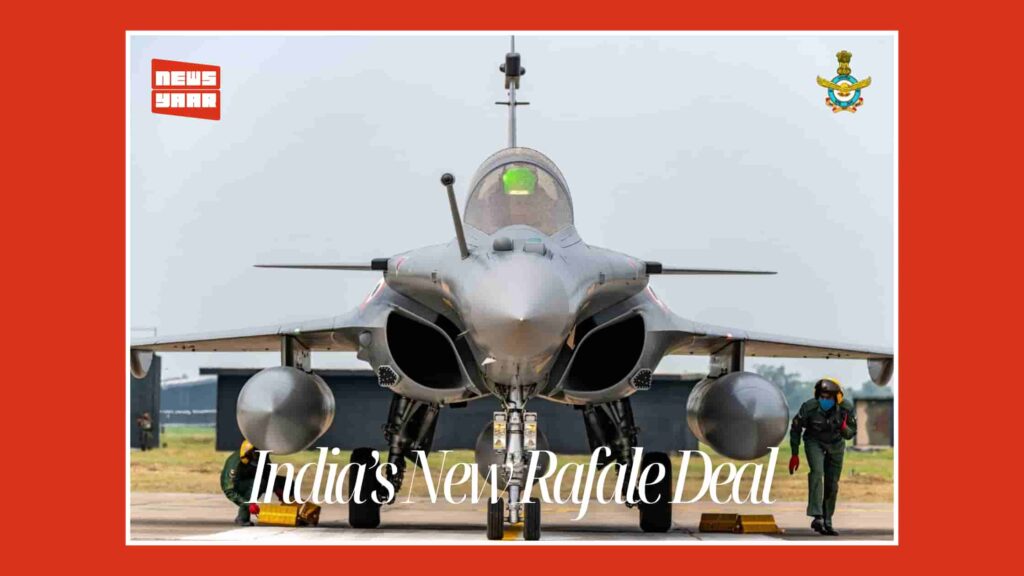
New Delhi is preparing for crucial high-level discussions with France this week on a proposal to acquire 114 additional Rafale fighter jets, a defence deal estimated at around $36–39 billion (approximately ₹3.25 trillion). If cleared, the agreement would become India’s largest-ever defence procurement, significantly boosting the combat capability of the Indian Air Force (IAF) and deepening strategic ties between the two countries.According to defence officials, the proposal will be reviewed at a senior-level Defence Ministry meeting after months of internal assessment by the IAF. The plan, formally known as the Statement of Case, must receive Defence Ministry approval before being sent to the Cabinet Committee on Security (CCS), the highest authority on defence decisions in India.The proposed acquisition comes at a critical time for the Indian Air Force, which continues to face a shortage of fighter squadrons. Several squadrons are operating below sanctioned strength, raising concerns over long-term operational readiness amid evolving regional security challenges.If approved, the deal would raise India’s total Rafale fleet to 176 aircraft, including the 36 Rafale jets already in service with the IAF and 26 Rafale-M jets contracted by the Indian Navy for aircraft carrier operations. India would then become one of the world’s largest operators of the Rafale platform.A key feature of the proposal is its strong Make in India component. Defence sources say over 30 per cent of the aircraft content would be indigenous, with most of the jets assembled domestically. Only 12 to 18 aircraft are expected to be delivered in “fly-away” condition for immediate operational use, while the rest would be produced in India in partnership with local industry.India is also seeking French approval to integrate indigenously developed weapons and electronic systems onto the Rafale. However, officials noted that the aircraft’s proprietary source codes would remain under French control, consistent with global defence norms.The deal is expected to significantly expand Dassault Aviation’s industrial footprint in India. Plans include enhanced maintenance, repair and overhaul (MRO) facilities and a proposed engine maintenance hub for Rafale’s M88 engines in Hyderabad, which could serve regional requirements as well. Indian private sector firms, including the Tata Group, are likely to play a major role in manufacturing and sustainment activities.The Rafale proposal comes amid offers from other global defence majors, including the United States’ F-35 stealth fighter and Russia’s Su-57. However, Indian officials have emphasised that proven operational performance and immediate readiness are key priorities. The Rafale’s advanced avionics, sensors and electronic warfare systems have reportedly performed strongly during recent IAF exercises.The talks follow the 38th India–France Strategic Dialogue, co-chaired by National Security Adviser Ajit Doval and French President Emmanuel Macron’s diplomatic adviser Emmanuel Bonne. Defence cooperation, technology partnerships and joint production were among the key issues discussed, setting the stage for an expected visit by President Macron to India.While the Rafale deal is still under consideration, defence analysts say it reflects India’s balanced approach, combining foreign technology with domestic manufacturing, to modernise its armed forces in an increasingly complex Indo-Pacific security environment.