


Bharat Innovates 2026: Showcasing India’s Deep-Tech Ambitions on the Global Stage
IntroductionAs countries around the world compete to lead the next wave of technological innovation, India has increasingly positioned itself not only as a hub for software and digital services but also as a growing centre for deep-tech research and entrepreneurship. Bharat Innovates 2026, held in Nice, France, marked an important step in that journey by providing Indian startups, researchers and academic institutions with a global platform to showcase indigenous technologies and build international partnerships.Organised under the Ministry of Education with strategic guidance from the Office of the Principal Scientific Adviser to the Government of India, Bharat Innovates 2026 brought together India’s innovation ecosystem—including startups, higher educational institutions, investors, industry leaders and policymakers—to demonstrate the country’s capabilities in emerging technologies. The initiative reflected India’s broader vision of transforming itself from a technology consumer into a global technology developer and exporter.What is Bharat Innovates 2026?Bharat Innovates 2026 is India’s first large-scale international deep-tech showcase designed to present the country’s most promising innovations before a global audience. The event featured around 120 carefully selected deep-tech startups, research institutions and universities working across strategic technology sectors.Unlike traditional startup exhibitions that primarily focus on fundraising, Bharat Innovates was conceived as a global accelerator to facilitate research collaborations, pilot projects, technology commercialisation, manufacturing partnerships and international market access. It also sought to strengthen links between Indian innovators and investors, industries, universities and governments from around the world. Why the Initiative MattersIndia has emerged as one of the world’s fastest-growing startup ecosystems, with thousands of technology companies working in areas such as artificial intelligence, biotechnology, space technology, robotics and semiconductor design. However, many deep-tech startups often face challenges in accessing international markets, research partnerships and long-term investments.Bharat Innovates 2026 was designed to bridge this gap by providing a dedicated international platform where Indian innovators could directly interact with global venture capital firms, multinational corporations, research organisations and government agencies.The initiative also highlights a shift in India’s innovation strategy. Instead of focusing only on information technology services, the country is increasingly investing in technologies that require advanced scientific research, intellectual property development and long-term industrial applications. Key Focus AreasThe event showcased innovations across a wide range of strategic sectors that are expected to shape the future global economy.Artificial Intelligence and machine learning emerged as major focus areas, with startups presenting solutions in healthcare diagnostics, language technologies, automation and industrial applications.Space technology formed another important segment, reflecting India’s growing capabilities following the success of missions such as Chandrayaan and Aditya-L1. Several startups demonstrated satellite technologies, earth observation solutions and launch-related innovations.Other sectors included:Semiconductor technologiesDefence and aerospaceBiotechnologyClimate and clean energyQuantum technologiesAdvanced manufacturingRobotics and automationAgritech and food securityHealthcare technologiesThe diversity of innovations reflected the growing maturity of India’s research and startup ecosystemIndia-France CollaborationOne of the defining aspects of Bharat Innovates 2026 was its role in strengthening technology cooperation between India and France.The event was inaugurated by Prime Minister Narendra Modi and French President Emmanuel Macron during the India-France Year of Innovation. Both leaders emphasised the importance of collaborative research, innovation-driven economic growth and stronger partnerships in emerging technologies.France has become an important strategic partner for India in areas such as defence, aerospace, artificial intelligence and clean energy. Bharat Innovates expanded this cooperation by creating opportunities for joint research projects, technology transfer and industrial collaboration between institutions from both countries. Opportunities for Indian StartupsFor participating startups, Bharat Innovates represented far more than an exhibition.The event provided opportunities to pitch technologies before global investors, establish commercial partnerships, explore international markets and collaborate with universities and research laboratories.Many startups working in advanced technologies often require long-term funding and access to specialised expertise rather than traditional venture capital alone. By bringing together investors, research institutions and industry leaders under one platform, Bharat Innovates aimed to accelerate the commercialisation of Indian innovations.The initiative also sought to encourage Indian startups to think globally from the early stages of product development instead of limiting themselves to domestic markets. Role of Higher Educational InstitutionsUniversities and research institutions formed a significant part of Bharat Innovates 2026.Premier institutions including the Indian Institutes of Technology (IITs), research laboratories and innovation centres showcased technologies developed through academic research. Projects ranged from healthcare solutions and advanced materials to artificial intelligence, defence technologies and sustainable engineering.The participation of academic institutions reflected the growing emphasis on translating scientific research into commercially viable technologies and supporting innovation-driven entrepreneurship within higher education.Supporting the Vision of Atmanirbhar BharatBharat Innovates also aligns closely with the Government of India’s vision of Atmanirbhar Bharat by promoting indigenous innovation in strategically important sectors.Rather than depending entirely on imported technologies, India is encouraging domestic research, intellectual property creation and advanced manufacturing capabilities.This approach has become particularly important in sectors such as semiconductors, defence equipment, artificial intelligence, cybersecurity and quantum technologies, where technological self-reliance is increasingly viewed as a strategic necessity.Through initiatives such as Bharat Innovates, the government aims to strengthen India’s position as both an innovation hub and a technology exporter.Challenges AheadWhile Bharat Innovates represents an important milestone, several challenges remain.Deep-tech startups typically require larger investments, longer development timelines and stronger research infrastructure compared to conventional technology startups. Commercialising advanced scientific innovations also involves regulatory approvals, manufacturing capabilities and sustained industry collaboration.Maintaining global competitiveness will require continued investment in research and development, stronger university-industry partnerships and policies that encourage innovation while supporting entrepreneurs through different stages of growth.Looking AheadBharat Innovates 2026 represents more than a single international event. It reflects India’s broader ambition to become a leading contributor to global technological advancement.As emerging technologies continue to reshape industries worldwide, initiatives that connect Indian researchers and startups with international partners are expected to play an increasingly important role in driving innovation-led economic growth.By providing a global platform for indigenous technologies, Bharat Innovates has the potential to strengthen India’s innovation ecosystem and accelerate the transition from research laboratories to commercial markets.ConclusionBharat Innovates 2026 marked a significant milestone in India’s efforts to establish itself as a global centre for deep-tech innovation. By bringing together startups, researchers, universities, investors and policymakers on an international platform, the initiative showcased the growing capabilities
VivaTech 2026 Paris: How Europe’s Biggest Technology Event Became a Global Platform for AI, Startups and Innovation

IntroductionAs artificial intelligence, deep-tech innovation and digital transformation continue to reshape economies worldwide, global technology events have become more than just exhibitions—they have evolved into platforms where governments, multinational corporations, startups and investors come together to define the future of innovation. Among these events, Viva Technology (VivaTech) has established itself as Europe’s largest startup and technology conference, attracting global attention for its focus on emerging technologies, entrepreneurship and international collaboration.The 10th edition of VivaTech, held from 17 to 20 June 2026 at Paris Expo Porte de Versailles in Paris, France, brought together thousands of startups, technology companies, policymakers, investors, researchers and innovators from across the world. Celebrating a decade since its inception, the event reflected the growing influence of technology in shaping industries, public policy and economic development. This year’s edition was particularly significant for India, which participated as the Official AI Partner Country, using the platform to showcase its rapidly expanding digital ecosystem, artificial intelligence capabilities and innovation-led growth strategy. What is VivaTech?Founded in 2016 by Publicis Groupe and Groupe Les Echos, VivaTech has grown into one of the world’s leading technology and startup events. Every year, it brings together entrepreneurs, investors, researchers, corporate executives, government leaders and students to discuss emerging technologies, showcase innovations and build business partnerships.Unlike consumer electronics exhibitions that primarily focus on product launches, VivaTech places equal emphasis on innovation, entrepreneurship, investment and public policy. It serves as a meeting point where startups interact directly with venture capital firms, governments collaborate with technology companies, and global leaders discuss issues ranging from artificial intelligence and cybersecurity to sustainability and digital regulation.Over the years, the event has hosted prominent global figures, including heads of state, CEOs of leading technology companies and Nobel laureates, making it one of the most influential technology forums in Europe. VivaTech 2026: Celebrating a Decade of InnovationThe 2026 edition marked the event’s 10th anniversary, making it one of the largest technology gatherings ever organised in Europe.According to the organisers, more than 180,000 visitors from over 170 countries attended the four-day event. The conference featured over 14,000 startups, thousands of investors, hundreds of international speakers and technology companies representing sectors ranging from artificial intelligence and robotics to healthcare, mobility, fintech and climate technology. The scale of participation demonstrated how VivaTech has evolved from a European startup conference into a truly global technology platform.Artificial Intelligence Dominates the ConversationArtificial Intelligence emerged as the defining theme of VivaTech 2026.Unlike previous years, where discussions largely focused on the possibilities of generative AI, this year’s conference reflected a more mature debate centred on practical implementation, regulation, cybersecurity, digital sovereignty and responsible deployment.Executives from major technology companies discussed how businesses are increasingly shifting from experimenting with AI to integrating it into everyday operations, including manufacturing, healthcare, finance, education and public administration.Another recurring topic was AI sovereignty—the ability of countries to develop and control their own AI infrastructure, cloud computing capabilities and digital ecosystems without excessive dependence on foreign technology providers. European leaders emphasised the importance of building indigenous AI capabilities while encouraging international collaboration. India’s Strong Presence at VivaTech 2026One of the highlights of the event was India’s participation as the Official AI Partner Country, reflecting its growing role in the global technology ecosystem.India showcased a wide range of innovations developed by startups, research institutions and technology companies. The country’s pavilion highlighted advancements in artificial intelligence, digital public infrastructure, semiconductor technologies, space technology, fintech, healthcare innovation and deep-tech research.The participation was coordinated by the India Trade Promotion Organisation (ITPO), with the objective of promoting India’s technological capabilities, attracting foreign investment and strengthening international partnerships in emerging technologies.Prime Minister Narendra Modi’s AddressPrime Minister Narendra Modi addressed the gathering during VivaTech 2026, presenting India as one of the world’s fastest-growing technology and innovation ecosystems.In his address, he highlighted initiatives such as Digital India, Startup India, the IndiaAI Mission, and the country’s expanding digital public infrastructure. He emphasised India’s large pool of skilled technology professionals, rapidly growing startup ecosystem and increasing investments in artificial intelligence.The Prime Minister also invited global technology companies and investors to collaborate with India in developing next-generation technologies, positioning the country as a preferred destination for innovation, research and digital transformation.Beyond AI: Technologies Shaping the FutureAlthough artificial intelligence dominated discussions, VivaTech 2026 showcased innovations across numerous technology sectors.Exhibitors presented developments in robotics, quantum computing, space technologies, advanced manufacturing, cybersecurity, biotechnology, climate technologies and digital healthcare.Several demonstrations focused on autonomous mobility, smart cities, industrial automation and sustainable technologies, reflecting the increasing convergence of digital and physical infrastructure.Large aerospace companies also showcased innovations in quantum navigation, AI-enabled defence systems and satellite technologies, highlighting how advanced technologies are reshaping industries beyond consumer applications.A Global Platform for StartupsStartups remained at the heart of VivaTech.Thousands of early-stage companies from around the world used the event to demonstrate products, connect with investors and establish partnerships with global corporations.For entrepreneurs, VivaTech provided access to venture capital firms, multinational companies and research institutions that can accelerate the commercialisation of innovative technologies.Several startup competitions and innovation awards were organised during the conference, recognising promising companies working in areas such as sustainability, artificial intelligence, luxury technology and enterprise solutions. Technology, Geopolitics and Digital SovereigntyOne of the defining characteristics of VivaTech 2026 was the growing intersection between technology and geopolitics.Discussions increasingly focused on issues such as semiconductor supply chains, cybersecurity, AI regulation, data protection and technological self-reliance.The conference highlighted how countries are now viewing technology not only as an economic driver but also as a strategic asset linked to national security and global competitiveness.This shift reflects broader international efforts to strengthen domestic capabilities in areas such as artificial intelligence, cloud computing, semiconductor manufacturing and critical digital infrastructure. Why VivaTech MattersOver the past decade, VivaTech has evolved into much more than an annual technology exhibition.For startups, it offers access to investors and international markets.For governments, it provides an opportunity to present national innovation strategies and attract foreign investment.For corporations, it serves as a platform to explore emerging technologies and identify future business opportunities.For researchers and universities, it facilitates collaboration with industry partners and encourages the commercialisation of
Modi at G7 Summit 2026: Maritime Security, Global Solidarity, and International Relations
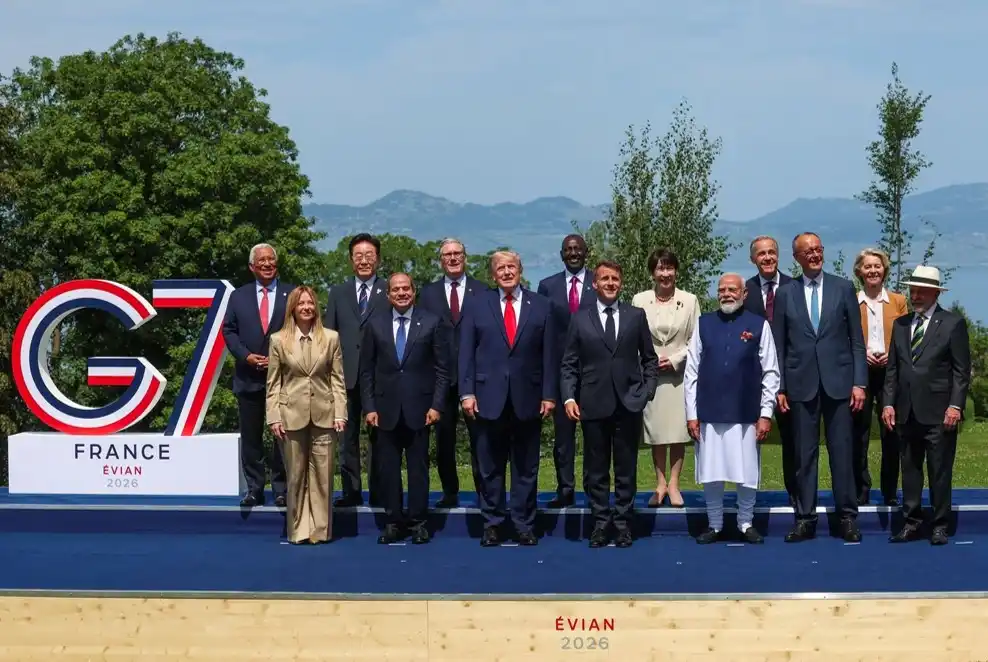
Prime Minister Narendra Modi delivered a powerful address at the 52nd G7 Summit in Evian-les-Bains, France, on Tuesday, June 16, 2026, voicing India’s firm concern over disruptions to maritime trade through the Strait of Hormuz and highlighting that several Indian civilians lost their lives during the West Asia conflict. Speaking at the outreach session on “Forging New Partnerships and Rebuilding International Solidarity,” Modi emphasized that lasting solutions to conflicts can only be achieved through dialogue, diplomacy, and international cooperation, while calling for the safety of seafarers who connect all nations through global maritime trade.The summit, held from June 15 to 17 on the shores of Lake Geneva, brings together leaders of France, Britain, Canada, Germany, Italy, Japan, and the United States alongside the European Union, with India invited as a partner country for its 13th participation and PM Modi’s 7th consecutive attendance. During his extensive diplomatic outreach on the sidelines, Modi held bilateral meetings with Canadian Prime Minister Mark Carney, British Prime Minister Keir Starmer, UAE President Sheikh Mohamed bin Zayed Al Nahyan, Kenyan President William Ruto, Egyptian President Abdel Fattah El-Sisi, Japanese Prime Minister Sanae Takaichi, and South Korean President Lee Jae-myung, while also exchanging greetings with U.S. President Donald Trump ahead of their scheduled bilateral meeting.Maritime Security and the Strait of Hormuz: India’s Core ConcernPM Modi’s remarks on the need to protect seafarers came amid growing anger in India over the deaths of three Indian crew members in a U.S. military attack on a merchant vessel off the coast of Oman last week. The U.S. Central Command said it had taken action against three vessels, Marivex on June 8, Settebello on June 9, and Jalveer on June 11, alleging that they were attempting to violate the U.S. blockade of Iranian ports. Modi raised this issue a day before his bilateral talks with President Trump, underscoring how conflicts in West Asia have disrupted global trade and caused loss of life.“We welcome the progress made in peace efforts in West Asia. This conflict has caused loss of life and property in our friendly countries in the region. Disruptions to maritime trade through the Strait of Hormuz have affected the global economy. Several Indian civilians have also lost their lives,” Modi said during his address. “It is our responsibility to ensure the safety of the seafarers who connect all nations through global maritime trade. We must ensure that maritime routes remain secure and that seafarers can perform their duties without fear,” he added.Modi’s concerns reflect India’s strategic dependence on the Strait of Hormuz, one of the world’s most critical maritime chokepoints for oil shipments and global commerce. As a major importer of energy and a nation with significant maritime trade volumes, disruptions in Hormuz directly impact India’s economic security, energy prices, and the safety of its nationals working in global shipping. The deaths of three Indian mariners in the U.S. strike have heightened domestic pressure on the government to address maritime security and protect Indian citizens abroad.Trust as the Ultimate Strategic Asset: Modi’s Vision for International RelationsIn his address, Modi underscored the importance of trust in international relations, saying that confidence among nations has become a more valuable strategic asset than minerals, technology, or markets. He argued that in an increasingly interconnected world, where energy, food, health, cyber, and economic security are closely linked, stronger international partnerships are essential for humanity’s progress and prosperity. Warning that trade and technology were being used to pursue narrow interests, Modi said such practices had contributed to a growing trust deficit in the international system.Modi wrote in an X post: “Shared my thoughts at the Outreach Session on ‘Forging New Partnerships and Rebuilding International Solidarity’ at the G7 Summit in Evian. In a world that is getting more interconnected and interdependent than ever before, this subject becomes all the more vital.” His emphasis on trust reflects India’s diplomatic philosophy that international cooperation must be founded on mutual respect, reciprocity, and shared interests rather than coercion or unilateralism.The trust deficit Modi highlighted is particularly relevant in the current global context, where geopolitical tensions, trade restrictions, technology bans, and security concerns have led nations to prioritize national interests over collective action. As the G7 discusses issues ranging from AI access to critical minerals supply chains, India’s call for trust-based partnerships offers an alternative framework that emphasizes inclusivity, cooperation, and shared prosperity for all nations, not just the wealthy few.Bilateral Outreach: Strengthening India’s Strategic PartnershipsIndia-Canada: Forward-Looking Strategic PartnershipDuring his meeting with Canadian Prime Minister Mark Carney, PM Modi and his counterpart welcomed the positive momentum in India-Canada relations and reaffirmed their commitment to building a forward-looking strategic partnership. The two leaders reviewed progress in economic cooperation, including commercial arrangements relating to Liquefied Natural Gas (LNG), Liquefied Petroleum Gas (LPG), and metallurgical coal. They expressed satisfaction over ongoing negotiations for a Comprehensive Economic Partnership Agreement, with both sides aiming to conclude the pact this year.The leaders also welcomed growing cooperation in science and technology, defence, finance, and migration. To further strengthen defence and security ties, the two countries agreed to launch negotiations on a General Security of Information Agreement. PM Modi expressed India’s support for Canada becoming a Dialogue Partner of the Indian Ocean Rim Association, and both leaders announced the establishment of Raisina Americas as a platform to enhance dialogue and cooperation.India-UK: Vision 2035 and Comprehensive Economic PartnershipDuring his meeting with British Prime Minister Keir Starmer, PM Modi reviewed progress in India-UK relations under Vision 2035. The two leaders welcomed cooperation across trade, defence, technology, education, and people-to-people ties, looking forward to the early implementation of the Comprehensive Economic and Trade Agreement. They expressed satisfaction over the strong education partnership, noting recent progress in establishing campuses of British universities in India, including the University of Liverpool in Bengaluru and the Universities of York and Bristol in Mumbai.The leaders exchanged views on regional and global developments and reaffirmed their commitment to further strengthening the India-UK Comprehensive Strategic Partnership, demonstrating how both nations are working to deepen their bilateral
India–France Mega 114 Rafale Deal and ‘Make in India’ Push: A Strategic Leap in Defence Cooperation
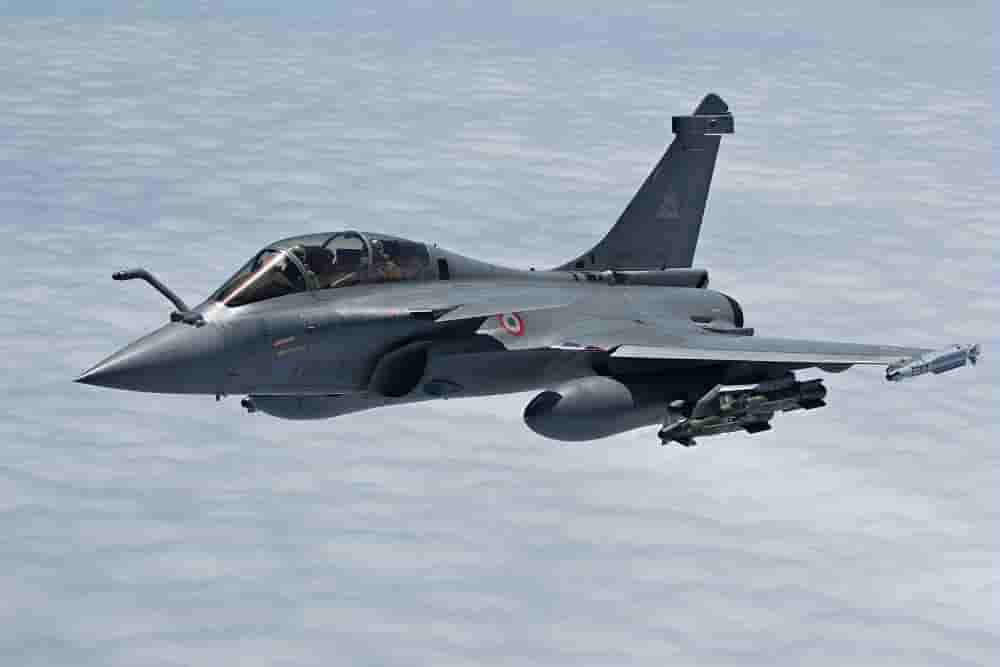
Image: Dassault AviationIndia and Dassault Aviation are on the verge of sealing one of the largest defence procurement deals in the country’s history — a proposed acquisition of 114 Rafale fighter jets from France, combining state-of-the-art military capability with a significant ‘Make in India’ manufacturing push. The deal, which has drawn international attention and strategic discussions, was strongly backed by Emmanuel Macron, the President of France, during his visit to India in February 2026.Background of the Proposed DealIndia has already inducted Rafale aircraft into the Indian Air Force (IAF), having signed an earlier contract for 36 Rafales in 2016 and subsequently ordered 26 naval variants for carrier operations. As geopolitical tensions and regional security challenges persist, New Delhi has sought to enhance its aerial combat capability with a substantially larger fleet of modern fighters.According to statements by French and Indian officials, the proposed deal for 114 additional Rafale jets is expected to be valued at an estimate of US $35–40 billion (approximately ₹3.25 lakh crore). These aircraft are intended to play a central role in bolstering the IAF’s fleet strength and addressing critical capability gaps as older aircraft retire and regional air power competition intensifies.Defence Acquisition Council and Deal ProgressThe Defence Acquisition Council (DAC), chaired by Defence Minister Rajnath Singh, has reportedly given initial clearance to the proposal, allowing it to proceed to advanced negotiations and eventual clearance by the Cabinet Committee on Security (CCS). This clearance was part of a broader defence procurement package that also included maritime reconnaissance aircraft and other hardware.While formal contract signing and commercial terms remain under negotiation, the deal is widely seen as a major strategic milestone in India’s defence modernization programme, addressing immediate operational needs while embedding long-term manufacturing objectives.Make in India: Local Production and Technology TransferA central feature of the proposed agreement is the ‘Make in India’ dimension, which envisages co-producing a large portion of the 114 jets on Indian soil. French President Macron reiterated that the deal would include Indian participation in production, defence cooperation and job creation in both countries, dismissing criticism of the arrangement and underlining its strategic benefits.Under current discussions:A portion of the jets — estimated to be around 18–20 aircraft — may be procured in fly-away condition directly from France in the near term.The remaining jets are likely to be manufactured in India, potentially with up to 60 per cent indigenous content through phased localisation, either in collaboration with an Indian partner or via joint ventures.This represents a significant deepening of India’s defence industrial base, though officials and industry sources have not confirmed the final identity of manufacturing partners, and key details are still being finalised.Strategic and Defence ImplicationsThe anticipated acquisition is framed in strategic terms by both governments:Enhancing Air Force Capability: The Rafale is a multirole fighter equipped for air superiority, ground attack, reconnaissance and nuclear delivery, contributing to a balanced and modern air combat force. The expanded fleet is intended to address IAF squadron strength shortfalls and maintain operational readiness across multiple theatres.Regional Security Dynamics: With evolving security concerns involving China and Pakistan, the reinforcement of the IAF’s combat fleet with advanced fighters strengthens India’s deterrence posture and military edge.Strategic Partnership with France: Beyond equipment acquisition, the deal is part of an increasingly broad defence and technology cooperation framework between India and France, extending into submarines, missile collaboration and aerospace industrial linkages.Make in India: Industrial and Employment OpportunitiesThe Make in India aspect of the deal is seen as a key step toward boosting the domestic defence industry. Local assembly and production of high-tech components are expected to generate employment, build skilled aerospace manufacturing capacities and reduce long-term dependency on imports. It may also pave the way for India to become a maintenance, repair and overhaul (MRO) hub for Rafale and other defence platforms.Some Indian leaders have also underscored the importance of including local production of weapons and systems that will equip the Rafale jets, emphasising co-development and integration of indigenous missiles and avionics — a request that has been formally communicated to French counterparts.Technology Transfer and LimitationsWhile co-production and local manufacturing are major objectives, defence analysts note that full transfer of certain core technologies — particularly avionics and software systems — remains a complex and sensitive area. Reports suggest that India may not initially receive access to all source codes for key systems such as AESA radar or electronic warfare suites, which could influence how quickly indigenous modifications can be integrated without French support.Ensuring meaningful technology transfer while safeguarding operational sovereignty and industrial capability will be a key focus of final negotiations.Economic and Industrial Wider ImpactThe 114-jet agreement — if formalised — would not only be one of India’s largest defence procurements ever but also a major industrial pact involving cross-border supply chains, joint ventures, and technology flows. It aligns with India’s broader goal of becoming a global defence manufacturing hub, attracting foreign investment and strengthening domestic aerospace expertise.Ongoing Developments and Next StepsThe deal’s progression is being watched closely by defence observers and strategic planners. Following the DAC’s endorsement and high-level political support from both governments, the next phase will involve commercial negotiations, final clearance by the Cabinet Committee on Security, and subsequent contract signing, expected in the coming months.The acquisition of 114 Rafale jets — as part of a comprehensive defence cooperation with France — is poised to shape India’s air power architecture for decades, while reinforcing strategic ties between New Delhi and Paris in an era of evolving global security challenges.
India AI Impact Summit 2026: Detailed Agenda for Global AI Action in New Delhi
New Delhi, February 9, 2026 – India gears up for the India AI Impact Summit 2026, set for February 16-20 at Bharat Mandapam, Pragati Maidan, New Delhi, the primary venue for the India AI Impact Summit 2026, which will host the main events on February 19-20.Hosted by the Ministry of Electronics and Information Technology (MeitY), this first Global South edition, billed by Union Minister Ashwini Vaishnaw as the “largest yet,” transitions AI discourse from vision to verifiable impact under the “Three Sutras”: People, Planet, and Progress.Some sources mention a broader program across February 16-20, potentially using additional Delhi venues like Sushma Swaraj Bhawan for side events, sessions, or exhibitions. Bharat Mandapam, one of India’s largest convention centers, was upgraded by NDMC for this flagship gathering. Chief Guests and Stellar LineupPrime Minister Narendra Modi serves as the Chief Guest, inaugurating on February 16 with a keynote and hosting a leaders’ dinner. Expected heads of government include representatives from Singapore, the UAE, and Brazil (15-20 total), plus 50+ ministers. Key speakers feature Google’s Sundar Pichai, Anthropic’s Dario Amodei, Microsoft’s Satya Nadella, and Indian luminaries like Nandan Nilekani (Infosys co-founder) and Ola’s Bhavish Aggarwal. Over 40 CEOs from Reliance, TCS, and global firms join, along with a Chinese delegation, signaling a thaw in collaboration. Event Schedule and Dialogues Feb 16: Inauguration, Modi address, CEO roundtable.Feb 17-18: Plenary sessions and seven “Chakras” (working groups) on core topics.Feb 19: Startup showcase (500+ ventures), AI model launches, bilateral dialogues.Feb 20: Closing with actionable declarations.Expect 500+ parallel sessions, hackathons, and exhibitions. Dialogues include G20-style tracks on AI ethics, public-private partnerships, and Global South priorities. Participating Governments in India AI Impact Summit 2026 The summit, hosted by India’s Ministry of Electronics and Information Technology (MeitY) under the IndiaAI Mission, expects involvement from over 100 countries. Key highlights:High-Level Representation: 15-20 heads of government and 50+ ministers confirmed, including from Singapore, UAE, Brazil, and others.China: Delegation attending after India’s formal invitation, signaling AI collaboration.Preceding Hosts: Builds on summits by UK (2023 Bletchley), South Korea (2024 Seoul), France (2025 Paris).Collaborators: NITI Aayog (India’s policy think tank), state governments like Uttarakhand (pre-summit host), and international bodies (ITU, World Economic Forum).Global Engagement: Multinational working groups across Chakras, with US, UK, EU, and ASEAN nations active in prep consultations. Key Topics and Seven ChakrasThe India AI Impact Summit 2026 is structured around three foundational “Sutras” (People, Planet, Progress) that guide its discussions, with seven interconnected “Chakras” (working groups) translating these into specific, actionable themes.Core SutrasPeople: Focuses on human-centric AI, including safeguarding rights, enhancing access to services (e.g., healthcare, education), building user trust, workforce reskilling amid job impacts, and ensuring equitable benefits across societies.Planet: Addresses sustainable AI deployment, such as energy-efficient models, responsible resource use (e.g., reducing GPU/data center power demands), and AI applications for climate action, environmental monitoring, and resilience.Progress: Emphasizes inclusive innovation, capacity-building, productivity gains in sectors like agriculture and manufacturing, economic growth, and bridging the AI divide for the Global South. Seven Chakras (Key Discussion Topics)These working groups, involving 100+ countries, cover:AI governance and ethical frameworks.Trust and safety protocols for AI models (e.g., bias mitigation, transparency).AI’s impact on work and future jobs.Sector-specific applications (healthcare, agriculture, industry).Innovation and scalable solutions.Sustainability and environmental integration.Equitable access, inclusion, and development outcomes.Sessions will also spotlight IndiaAI Mission launches, startup innovations, and global standards, prioritizing “on-ground” results over regulations. What to Expect in India AI Summit?MeitY leads with partners like NITI Aayog, NASSCOM, World Economic Forum, and ITU. Corporate backers include Google, Microsoft, NVIDIA (GPU focus), and Indian firms like Tata and Adani (data centers). Governments from US, UK, EU, and ASEAN collaborate. Attendees (10,000+), policymakers, researchers, startups, NGOs, can expect networking zones, live demos (e.g., edge AI), policy labs, and a “Global AI Talent Fair.” Launches include indigenous foundational models under the Rs 10,370 crore IndiaAI Mission. India’s Strategic Push Amid HurdlesEchoing Bletchley (2023), Seoul (2024), and Paris (2025), India’s summit prioritizes “on-ground” wins for 1.4 billion people, as per Secretary S. Krishnan. AI could add $500B to GDP (NASSCOM), but challenges like GPU imports persist—eased by US trade deals and data center tax holidays to 2047. Budget 2026-27 tweaks fund nuclear-powered AI infra, as Vaishnaw eyes energy self-reliance.Vaishnaw hailed “phenomenal” global buy-in, with NDMC upgrading venues. Beyond talks, expect MoUs on compute sharing, talent visas, and sustainable AI pacts, positioning India as an AI diplomacy hub.This summit promises not just dialogue, but deliverables: inclusive, green AI for humanity’s progress.Video credit: YT@/Digital India
India, France Hold High-Level Talks on $36–39 Billion Rafale Fighter Jet Deal
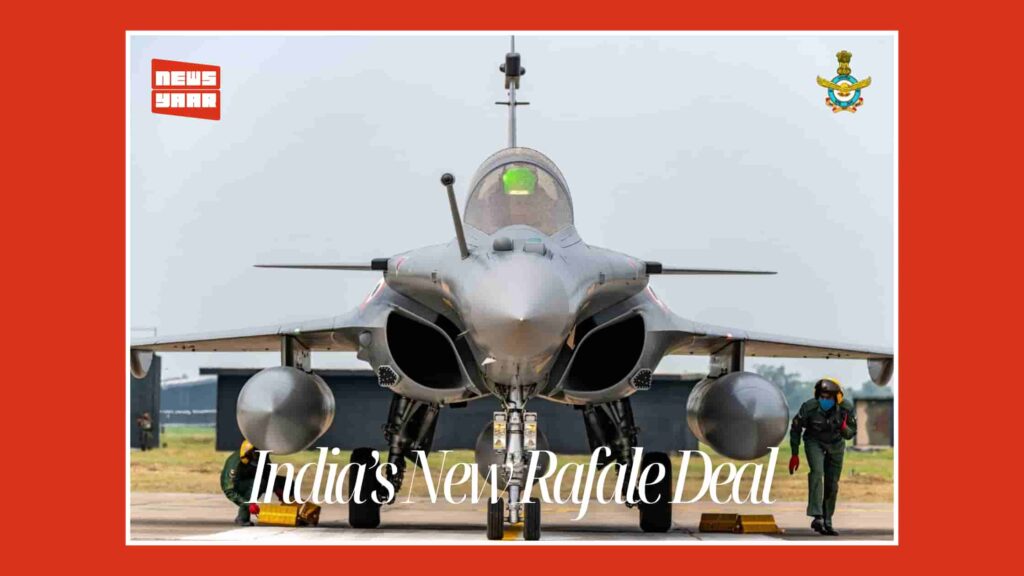
New Delhi is preparing for crucial high-level discussions with France this week on a proposal to acquire 114 additional Rafale fighter jets, a defence deal estimated at around $36–39 billion (approximately ₹3.25 trillion). If cleared, the agreement would become India’s largest-ever defence procurement, significantly boosting the combat capability of the Indian Air Force (IAF) and deepening strategic ties between the two countries.According to defence officials, the proposal will be reviewed at a senior-level Defence Ministry meeting after months of internal assessment by the IAF. The plan, formally known as the Statement of Case, must receive Defence Ministry approval before being sent to the Cabinet Committee on Security (CCS), the highest authority on defence decisions in India.The proposed acquisition comes at a critical time for the Indian Air Force, which continues to face a shortage of fighter squadrons. Several squadrons are operating below sanctioned strength, raising concerns over long-term operational readiness amid evolving regional security challenges.If approved, the deal would raise India’s total Rafale fleet to 176 aircraft, including the 36 Rafale jets already in service with the IAF and 26 Rafale-M jets contracted by the Indian Navy for aircraft carrier operations. India would then become one of the world’s largest operators of the Rafale platform.A key feature of the proposal is its strong Make in India component. Defence sources say over 30 per cent of the aircraft content would be indigenous, with most of the jets assembled domestically. Only 12 to 18 aircraft are expected to be delivered in “fly-away” condition for immediate operational use, while the rest would be produced in India in partnership with local industry.India is also seeking French approval to integrate indigenously developed weapons and electronic systems onto the Rafale. However, officials noted that the aircraft’s proprietary source codes would remain under French control, consistent with global defence norms.The deal is expected to significantly expand Dassault Aviation’s industrial footprint in India. Plans include enhanced maintenance, repair and overhaul (MRO) facilities and a proposed engine maintenance hub for Rafale’s M88 engines in Hyderabad, which could serve regional requirements as well. Indian private sector firms, including the Tata Group, are likely to play a major role in manufacturing and sustainment activities.The Rafale proposal comes amid offers from other global defence majors, including the United States’ F-35 stealth fighter and Russia’s Su-57. However, Indian officials have emphasised that proven operational performance and immediate readiness are key priorities. The Rafale’s advanced avionics, sensors and electronic warfare systems have reportedly performed strongly during recent IAF exercises.The talks follow the 38th India–France Strategic Dialogue, co-chaired by National Security Adviser Ajit Doval and French President Emmanuel Macron’s diplomatic adviser Emmanuel Bonne. Defence cooperation, technology partnerships and joint production were among the key issues discussed, setting the stage for an expected visit by President Macron to India.While the Rafale deal is still under consideration, defence analysts say it reflects India’s balanced approach, combining foreign technology with domestic manufacturing, to modernise its armed forces in an increasingly complex Indo-Pacific security environment.