


Prambanan Temple, Indonesia: Java’s Majestic Hindu Monument and a Living Bridge Between Civilizations
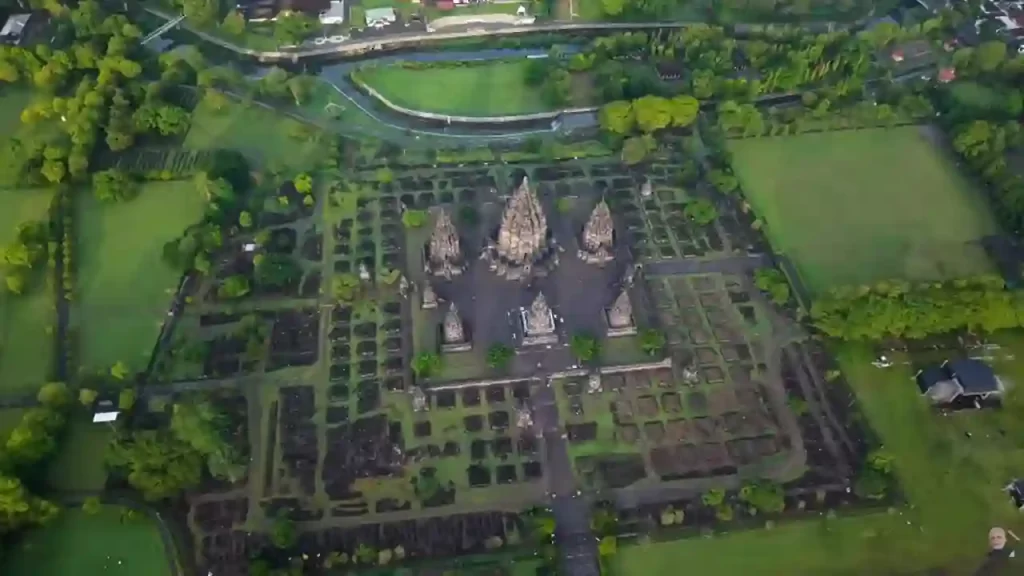
Prambanan Temple is one of Indonesia’s most remarkable historical treasures, a soaring 9th-century Hindu complex near Yogyakarta that still feels powerful even in ruins, not because it is perfectly preserved, but because it carries the grandeur of an ancient civilization in every carved stone and rising spire. As the largest Hindu temple complex in Indonesia and one of the most important in Southeast Asia, it stands today not only as a UNESCO World Heritage Site, but also as a symbol of the long cultural conversation between India and Indonesia.The recent visit by Indian Prime Minister Narendra Modi to Prambanan, alongside Indonesian President Prabowo Subianto, gave the temple renewed international attention, especially after the two leaders marked the beginning of India’s archaeological conservation and restoration project for the site. That gesture matters because Prambanan is more than a monument; it is a shared civilizational memory, built in stone and preserved through diplomacy, scholarship, and devotion.A Monument With Deep RootsPrambanan was built during the 9th and 10th centuries under the Sanjaya dynasty of the ancient Mataram Kingdom, at a time when Hinduism and Buddhism both shaped life on Java’s fertile plains. The temple was dedicated to the Hindu Trimurti, Shiva, Vishnu, and Brahma, and was designed as a sacred landscape rather than a single isolated shrine.What makes its origin story so fascinating is the way it reflects the cosmopolitan character of ancient Southeast Asia. Java was not a peripheral outpost of Indic culture; it was a place where Hindu ideas were absorbed, adapted, and given local artistic expression, creating a monument that feels both familiar and distinctly Indonesian. In that sense, Prambanan is not simply an import from India’s religious world, but a mature regional interpretation of it.Scale and StructureThe Prambanan Temple Compound is made up of several groups of buildings, including the main Prambanan temple complex as well as Sewu, Bubrah, and Lumbung temples. At the heart of the site once stood roughly 240 temples, large and small, spread across a landscape of nearly 40 hectares, making it one of the grandest religious complexes ever built in ancient Java.The central shrine arrangement is especially striking. Three main temples honor Shiva, Vishnu, and Brahma, with Shiva’s temple rising highest at around 47 metres and dominating the skyline with a verticality that immediately sets Prambanan apart from many other temple traditions in Asia. That upward sweep creates a sense of aspiration and sacred hierarchy, as if the entire complex is trying to lift the visitor’s gaze toward the divine.The Architecture & Carvings That SpeakThe first impression Prambanan gives is one of dramatic elegance. Unlike sprawling temple compounds that spread horizontally across a broad footprint, Prambanan rises sharply and symmetrically, with stone towers that create a powerful silhouette against the Javanese sky. This vertical design is not just beautiful; it reflects Hindu cosmology and the idea of sacred order expressed through geometry, elevation, and alignment.Inside the Shiva temple are chambers that house statues of Shiva, Durga, Ganesha, and the sage Agastya, reinforcing the temple’s theological depth and ritual purpose. Around the central shrines, rows of smaller pervara shrines once created a dense sacred field, and although many are now in ruins, their remains still help convey the scale and ambition of the original complex.One of Prambanan’s greatest artistic achievements is its relief sculpture. The temple galleries are decorated with finely carved bas-reliefs depicting episodes from the Ramayana, allowing visitors to move around the structure almost as if they are reading a sacred story in stone. That narrative quality gives the site a remarkable human texture. The carvings are not merely decorative; they function as theological instruction, cultural memory, and visual storytelling, connecting architecture to epic literature in a way that turns the temple into a living manuscript. Visitors traditionally walk clockwise around the corridors, following the sequence of scenes, which turns movement itself into an act of contemplation.Prambanan and BorobudurPrambanan is often discussed alongside Borobudur, the great Buddhist monument nearby, and the pairing is one of the most compelling features of Java’s cultural landscape. Where Borobudur represents the island’s Buddhist heritage, Prambanan reveals its Hindu legacy, and together they show that ancient Java was home to overlapping traditions rather than a single religious identity.That coexistence is historically important because it reminds us that Southeast Asian civilizations were deeply plural, creative, and interconnected. The two monuments, standing in the same broader region, make a powerful case for understanding heritage not as a fixed label, but as a layered record of exchange, adaptation, and local genius.UNESCO Recognition and PreservationPrambanan was designated a UNESCO World Heritage Site in 1991, a recognition that underlined both its architectural importance and its vulnerability. Like many ancient monuments, it has faced damage from age, weathering, and seismic events, which is why conservation has been central to its survival.India’s involvement in the current restoration effort is especially notable because the Archaeological Survey of India has a long history of heritage conservation in Southeast Asia, including documentation work at the Borobudur temple compounds. The Prambanan project is therefore part of a broader effort to preserve not just a structure, but a shared historical vocabulary that connects South and Southeast Asia across centuries.Why Prambanan Still MattersPrambanan matters today because it speaks to more than religion or tourism. It is a reminder that civilizations travel through architecture, that faith can become form, and that cultural influence often survives longest in stone. For Indonesia, it is a monument to the Hindu past that helped shape its early history; for India, it is a reminder of how widely Indic traditions once flowed and how deeply they were transformed abroad.It also matters because heritage diplomacy is not abstract. When leaders jointly restore a temple, they are not only protecting old walls; they are affirming a relationship between histories, publics, and identities. The plaque unveiled by Modi and Prabowo at Prambanan therefore carries meaning well beyond ceremony, because it ties preservation to friendship, scholarship, and mutual respect.ConclusionPrambanan Temple is one of Southeast Asia’s great cultural masterpieces, a place
Kerala’s ‘Kumbh Mela’ Revival at Thirunavaya: Spiritual Spectacle or Contested Rebranding?
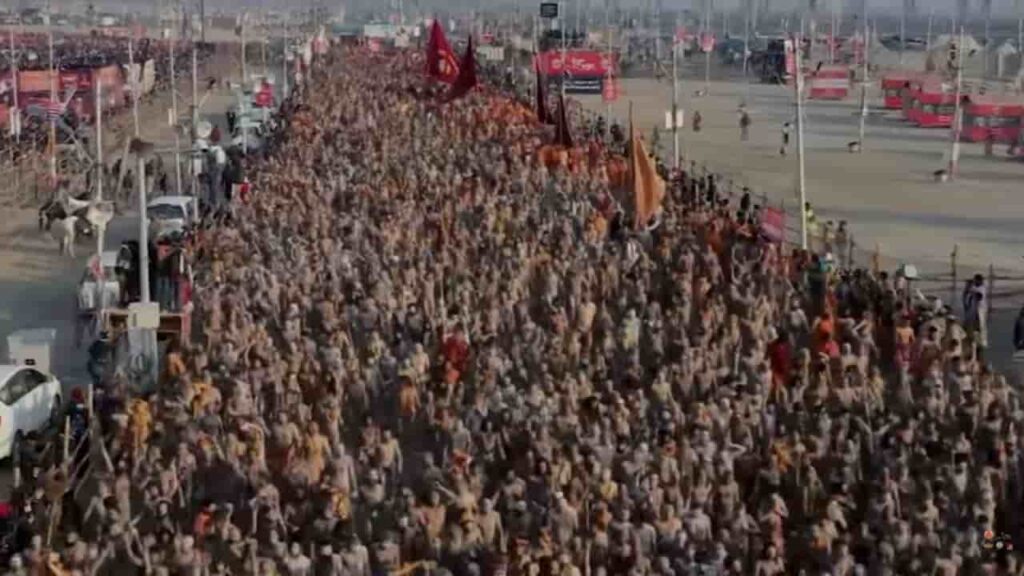
Thirunavaya’s Bharathapuzha (Nila) riverbanks hosted the Mahamagha Mahotsavam, dubbed Kerala’s Kumbh Mela, from January 18 to February 3, 2026, drawing over 3.5 lakh daily devotees at its peak. Organized by Varanasi’s Juna Akhada with Mohanji Foundation and Mata Amritanandamayi Math, the 17-day event peaked February 2-3 with Naga sanyasis’ arrival, blending Vedic dips, Nila aarti by Varanasi priests, and tribal rites, but sparked debate over history, politics, and ecology.Event Highlights and RitualsHeld at Trimurti Sangama (Brahma-Vishnu-Shiva temples triangle), the festival revived rituals absent for ~250-270 years:Holy Dips (Snana Mahotsavam): Believed to energize souls, equivalent to Ganga baths.Nila Aarti: 15-member Varanasi team’s evening fire rituals, evoking Kashi ghats.Inclusivity: Vedic yajnas, tantra, Paniya/Kattunayakan tribal practices alongside Brahmin rites; discourses, bhajans.Processions: Mahameru Rath Yatra from Tamil Nadu’s Trimurtimala; Naga sanyasis’ dips/meditations.Special trains stopped at Kuttipuram/Tirur; crowds from Kerala, Tamil Nadu, Andhra, and North India. Logistics: Parking/security robust; stays in Kottakkal/Perinthalmanna (accommodation scarce onsite).Phase/DateHighlights & SignificanceJan 18: Inaugural SnanaFestival launch; initial mass dips, poojas at Navamukunda Temple.Jan 19-22: Rathayatra PeriodChariot arrival; heightened dips amid processions, yajnas.Feb 2: Naga Sanyasi ArrivalAsh-smeared avadhoots’ ritual dips via special trains (Kuttipuram/Tirur stops); awe-inspiring for devotees.Feb 3: Mahamagha CulminationFinal peak snana; grand aarti, homams, festival close; max crowds for soul purification.Brahma Muhurta (4-5:30 AM) is ideal for dips; post-bath charity/meditation amplified merits. No exact parallels to Prayagraj’s Paush Purnima/Mauni Amavasya, but Feb 3 evoked “king of snans” vibe.Key Leaders and RolesThirunavaya’s Mahamagha event (Jan 18–Feb 3, 2026) drew key figures from Juna Akhada, Kerala mathas, and reformist lineages, blending north-south traditions. Led by Varanasi’s Juna Akhada with Mohanji Foundation and Mata Amritanandamayi Math, attendees included Naga sanyasis, Aghori babas, and matha heads for dips, aartis, and poojas.Leader/TitleAffiliation/RoleHighlightsMahamandaleshwar Swami Anandavanam BharatiJuna Akhada (Sabhapati); ex-SFI/journalist turned Mahamandaleshwar (2025 Maha Kumbh).Led inaugural Magha Snana (Jan 19); presided over all rituals; public face promoting “Kerala Kumbh.” Mata Amritanandamayi (Amma)Chief Patron (Mata Amritanandamayi Math).Symbolic patron since 2018 revivals; inclusivity focus. Acharya Mahamandaleshwar Avadheshananda Giri Ji MaharajJuna Akhada Supreme Head; Co-Chief Patron.Oversaw organizational revival.Swami Satyananda SaraswatiFoundation Managing Trustee; Shriramdas Mission National Gen Secy.Inaugural presence (Jan 18). Sri Shakti Shantanananda MaharshiShriramdas Mission; with Swami Satyananda.Day 1 ceremonies. Mooppil Swamis (Kerala Shankara Mathas)Thrissur Thekke (Vasudevananda Brahmanandabhuti), Kasaragod Idaneer (Sachidananda Bharathi), Thrissur Naduvil (Achyuta Bharathi), Thanur Thrikkaikattu (Narayana Brahmananda Theertha), Ilamura (Parthasarathy Bharathi).Special poojas (Jan 30); sanctified event. Acharyan Arun PrabhakarjiGayatri Gurukulam.Led Vedic chanting for Magha Snana. Ivarmatham Ramesh KorappathjiVedic ritual leader.Shmashana Shraddha (Jan 18). Naga Sanyasis & Aghori BabasJuna Akhada ashrams (Kashi/Varanasi).Arrived Feb 2 for dips/meditations; mystic draw.Additional ContextInaugural Dignitaries: Kerala Governor Rajendra Vishwanath Arlekar (Chief Guest, Dharmadhwaja hoisting Jan 19); Zamorin rep K.C. Dileep Raja Arikkara, Sudheer Namboothiri.Reformist Homage: Honored Adi Shankaracharya, Sree Narayana Guru, Chattampi Swamikal, Ayyankali, Ayya Vaikunda Swamikal, Swami Chinmayananda, Nijananda/Satchidananda Saraswati—inclusivity across sects.Coordination: Swami Chidanandapuri (earlier patron); BJP leaders/Seva Bharati volunteers supported.These figures amplified the event’s pan-Hindu appeal, drawing 3.5 lakh/day peaks despite historical debates.Historical Context: Mamankam vs. Kumbh RebrandRooted in medieval Mamankam (Maha-Makham, every 12 years till 1755), a Chera-era trade/political arena where Zamorin-Valluvakonathiri clashed via chaver suicide squads. Sites: Nilapadu Thara (Zamorin throne), Manikkinar well, Changampally Kalari. Legends tie to Parashurama’s yajna at Thavunur.Organizers (Sabhapati Swami Anandavanam Bharati, ex-SFI/journalist turned Mahamandaleshwar) frame as prehistoric Magha Mela revival—Bṛhaspati-led, post-Palazhi Mathanam myth. But historians diverge:Supporters (VV Haridas): River festival akin to Kumbh; Mamakam=Magha Utsavam.Critics (Rajan Gurukkal, KN Ganesh): Distinct—nakshatra (Makam) vs. Jupiter-Sun rāśi alignments; martial/multicultural (Muslim Kozhikotu Koya on platform, Mappila guards/traders), not purely religious. No Kerala Kumbh tradition; Hindutva overlay erases secular history.Revival attempts: 2016 (Thirur Dinesh), 2018+ (Swami Chidanandapuri, Amma); 2025 Juna Akhada scale-up. 2028 promises a fuller 12-year cycle.Controversies: Hindutva, Politics, EcologyRebranding Critique: Historians (Shibi Thekkeyil, PK Michael Tharakan) call it Hindutva appropriation, Brahminical north-Indian narrative overwriting Dravidian/secular Mamankam in Muslim-majority Malappuram (75%+ local Muslims). RSS visitors’ eyes “Hindu unity.”Permissions Clash: Jan 2026 stop-memo (river conservation/safety) resolved via Collector; TN denied TN-Kerala rathayatra stops—framed as anti-Hindu bias by Swami (communal remarks on LDF/UDF vs. Muslim events).Environmental Alarm: Drought-prone Bharathapuzha (dries summers; coliform pollution, sand-mining); NGOs (Re-Echo, Friends of Bharathapuzha) fear crowds exacerbate scarcity (444 water projects dependent). CPCB post-2025 Prayagraj report warns of pilgrim impacts. Organizers counter: Tradition reveres nature.State aid: Police (hundreds), Haritha Sena (waste), KSRTC buses, despite BJP gripes.Broader ImplicationsIn poll-bound Kerala, the event fuses local lore with pan-Indian Hindu revivalism, attracting lakhs yet polarizing: Devotees hail spiritual homecoming; critics see imported north-Indian violence/majoritarianism. As Bharathapuzha’s ecology strains, balancing faith and sustainability looms large for 2028’s sequel.
Jallikattu 2026: Dates, Venues, Significance and How to Experience Tamil Nadu’s Bull-Taming Celebration
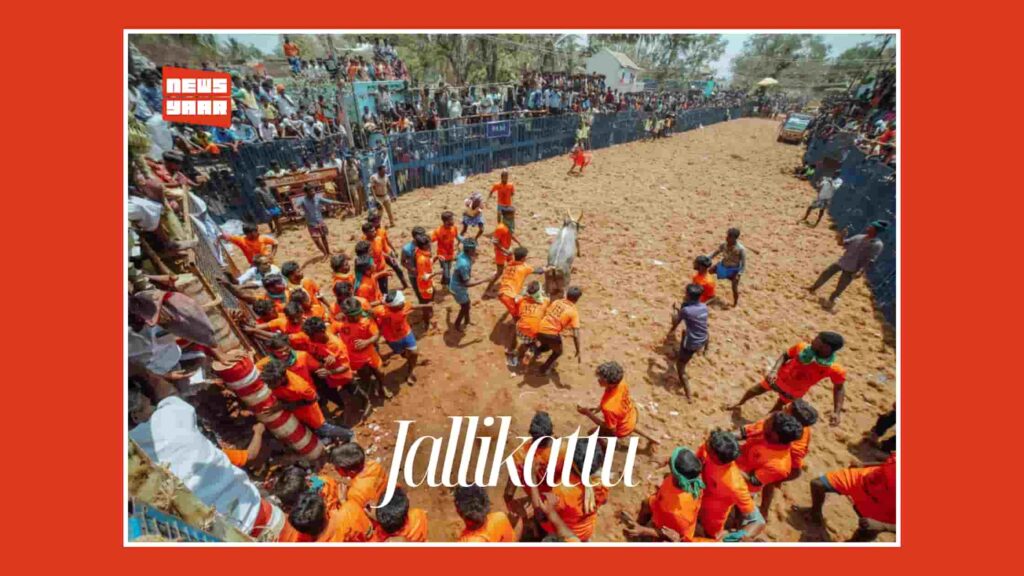
Jallikattu, a centuries-old bull-taming event deeply rooted in Tamil Nadu’s cultural fabric, is among India’s most iconic traditional sports. Celebrated as part of the Pongal harvest festival in January, Jallikattu blends sport, heritage and community identity, drawing enthusiastic participation from rural areas and spectators from across the state and beyond. What Is Jallikattu and Why It MattersJallikattu (also known as Sallikkattu or Manjuvirattu) is a traditional sport in which a bull, often of native breeds such as Pulikulam or Kangayam, is released into an open arena. Participants, known as tamers, attempt to grasp the bull’s hump and hold on long enough to bring the animal to a stop or cross a designated finish line. The sport is symbolic of valour, rural tradition and cattle conservation, traditionally practised in southern Tamil Nadu as part of Pongal celebrations. The sport also functions as a way for farming communities to maintain and honour native bull breeds, which are culturally and economically significant in agrarian life. When It Happens: Dates and DurationJallikattu events are typically held during the Pongal festival, which falls in mid-January each year. The main events are organised on Mattu Pongal day — the third day of the four-day Pongal celebration — with some competitions taking place before and after this date as part of the broader season. In recent seasons:The first Jallikattu of the year has been held as early as January 3 in districts such as Pudukottai. Major competitions like those in Avaniyapuram, Palamedu and Alanganallur are usually held between January 14 and 16, coinciding with Pongal festivities. Major Venues Where Jallikattu Is HeldJallikattu is organised in several traditional hotspots, particularly in southern Tamil Nadu:Avaniyapuram (Madurai district): One of the first and most popular stages of Jallikattu — often held on Pongal day — attracting hundreds of participants and thousands of spectators each year. Palamedu: Another historic venue with intense local participation. Alanganallur: Considered among the most famous Jallikattu arenas in the state with large crowd turnout. Suriyur (Trichy district): A permanent Jallikattu arena inaugurated recently to host this traditional sport during the season. Thatchankurichi (Pudukottai district): Hosts one of the opening events of the season, drawing participants from several districts. How to Reach and Experience JallikattuAir Travel:The nearest major airport for most Jallikattu venues is Madurai Airport (IXM), well connected to major Indian cities including Chennai, Bengaluru and Hyderabad. Rail Travel:Madurai Junction is the closest major railway station to Avaniyapuram, Palamedu and Alanganallur, with regular trains from key cities across India. Road Connectivity:Tamil Nadu’s road network links other districts such as Pudukottai, Tiruchirappalli and Theni to the Jallikattu venues. State buses, private taxis and shared vehicles are common options during the festival. What to Expect at the EventTraditional Spectacle:Each Jallikattu event begins with bulls being released from a designated enclosure (called vadivasal) into a field where tamers attempt to hold onto the animal’s hump or ride them. Success entails stopping or controlling the bull, which requires strength, skill and experience. Registration and Safety:Bull tamers and owners usually register with district authorities ahead of events, and bulls undergo veterinary checks to ensure fitness for participation. Medical and veterinary teams are typically stationed at arenas to handle injuries. Prizes and Recognition:In past years, winners have received significant prizes — including cars for top tamers and tractors or other awards for the best bulls — reflecting the prestige associated with the sport. Spectator Culture:Thousands of spectators, including local devotees and cultural tourists, gather at these arenas. Large crowds, local music and festive foods are part of the overall experience.Cultural and Historical SignificanceJallikattu’s origins date back over two millennia, with references to bull-taming activities in ancient Tamil literature. The sport is traditionally linked to the harvest festival of Pongal, where people express gratitude for agricultural bounty and honour livestock, which are central to rural livelihoods. Beyond sport, Jallikattu symbolizes community pride, bravery and rural identity. Despite controversies over animal welfare and safety in the past, it retains deep cultural resonance in Tamil Nadu and forms an integral part of the Pongal narrative.Visitor Tips and SafetyPlan Travel Early: January is peak season; book transport and accommodation well in advance.Stay Informed: Specific dates and registrations vary by district; check local administration notifications for schedules.Safety Precautions: While festive, Jallikattu involves large animals and crowds. Follow directions from officials and avoid entering restricted areas in arenas.Cultural Respect: The event is traditionally tied to local customs and community pride — respectful behaviour enhances the experience.In SummaryJallikattu is more than a sporting spectacle — it is a living tradition celebrated against the backdrop of harvest gratitude and local identity during the Pongal festival in Tamil Nadu. Combining cultural heritage, fierce competition and community participation, it offers an unforgettable experience for participants and spectators alike. With major venues such as Avaniyapuram, Palamedu and Alanganallur hosting events each January, the sport continues to draw attention both within India and abroad as an enduring symbol of Tamil rural culture.Video credit: YT@/Vikatan TV
Magh Mela 2026: A Floating City of Faith Takes Shape at Prayagraj
Prayagraj once again transforms into a living canvas of devotion, discipline, and tradition as Magh Mela 2026 unfolds along the sacred banks of the Triveni Sangam. What sets this year’s Magh Mela apart is not just the scale of participation but the quiet yet powerful stories emerging from within this month-long spiritual congregation. A City That Appears Overnight One of the most striking sights at Magh Mela 2026 is the temporary city that rises almost overnight. Thousands of tents, pontoon bridges, electric poles, and water pipelines form a fully functional settlement on the riverbed.This seasonal city accommodates saints, Kalpvasis, pilgrims, and visitors, operating with roads, hospitals, security posts, and community kitchens, all designed to vanish once the Mela concludes. Officials say this year’s infrastructure is more eco-conscious, with improved waste management, river protection measures, and plastic-free zones near the Sangam. Kalpvasis: Living a Month of Renunciation At the heart of Magh Mela are the Kalpvasis, devotees who observe strict vows for the entire month of Magh. Living on minimal possessions, sleeping on the ground, and eating simple food, they dedicate their days to prayer, scripture reading, and ritual bathing.Interestingly, Magh Mela 2026 has seen a rise in young Kalpvasis, including students and working professionals seeking spiritual discipline amid modern chaos. Many describe it as a “mental detox” from digital life. Spiritual Discourse Meets Modern Curiosity This year’s Mela has also become a space where ancient philosophy meets modern inquiry. Spiritual discourses by saints and scholars are drawing not only devotees but also researchers, photographers, and international visitors curious about India’s living traditions.Drone visuals of sunrise snan rituals and the glowing Sangam aarti have gone viral, bringing global attention to the quieter yet profound nature of Magh Mela compared to the Kumbh. Faith, Food, and Folk Traditions Beyond rituals, Magh Mela remains a cultural experience. Community kitchens serve hot khichdi, roti,s and tea to thousands daily. Folk singers narrate mythological stories, while small stalls sell handmade diyas, rudraksha beads, and religious texts.Despite the simplicity, there is a strong sense of order and mutual respect, a reminder of how faith can organise society without excess. Safety and Administration in Focus Authorities have deployed enhanced river patrols, medical camps, and crowd-monitoring systems. With lakhs expected over the coming weeks, officials stress that safety, sanitation, and accessibility remain top priorities. More Than a Gathering Magh Mela 2026 is not just about ritual bathing or religious observance. It is a rare social phenomenon where discipline, devotion, and community coexist, quietly proving that faith, when lived sincerely, still has the power to shape collective life in modern India.
Lohri 2026: What You Need to Know About Punjab’s Lohri
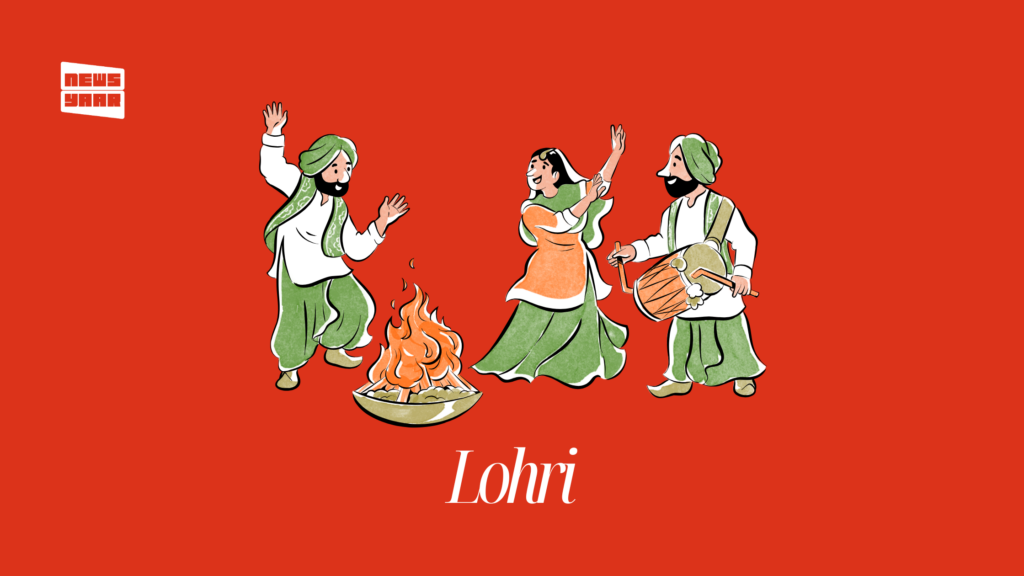
Lohri is one of the most vibrant and culturally rich festivals of North India, especially celebrated with great enthusiasm in Punjab, Haryana, Himachal Pradesh, and parts of Delhi.Observed every year on January 13, Lohri marks the end of winter and the arrival of longer days. Deeply rooted in Punjabi traditions, the festival is a celebration of warmth, harvest, community bonding, and gratitude. Why is Lohri celebrated? Lohri is closely associated with the harvest of rabi crops, particularly sugarcane and wheat. For farmers, it is a time to thank nature for a good harvest and pray for prosperity in the coming season.The festival also coincides with the solar movement before Makar Sankranti, symbolising the transition from cold, dark days to brighter and warmer times.Historically, Lohri is linked to folklore and legends, most notably the tale of Dulla Bhatti, remembered for helping young girls during difficult times. Folk songs sung around the bonfire often mention his bravery, keeping oral traditions alive across generations. The Bonfire: Heart of Lohri Celebrations The bonfire is the centrepiece of Lohri celebrations. Families and communities gather around it in the evening, offering rewri, gajak, peanuts, popcorn, and til to the fire. This ritual symbolises gratitude to the Sun God and the elements of nature.People walk around the fire, sing traditional songs, and offer prayers for happiness, good health, and abundance. The warmth of the fire reflects the spirit of togetherness that defines Lohri. Punjabi Traditions and Cultural Celebrations Lohri is incomplete without Punjabi folk music and dance. Men perform bhangra, while women dance gidda, dressed in colourful traditional attire. The beats of the dhol set the mood for celebration, turning villages and cities into lively cultural spaces.The festival holds special significance for newlyweds and newborns, as their first Lohri is celebrated with extra joy and rituals, symbolising new beginnings and blessings. More Than a Festival Lohri is more than just a seasonal celebration; it is a reflection of Punjabi identity, resilience, and joy. It brings people together, strengthens social bonds, and keeps cultural heritage alive in a rapidly modernising world.As Lohri approaches, the festival continues to remind communities of the importance of gratitude, unity, and celebrating life’s simple joys.
Makar Sankranti 2026: Know the Importance of the Festival
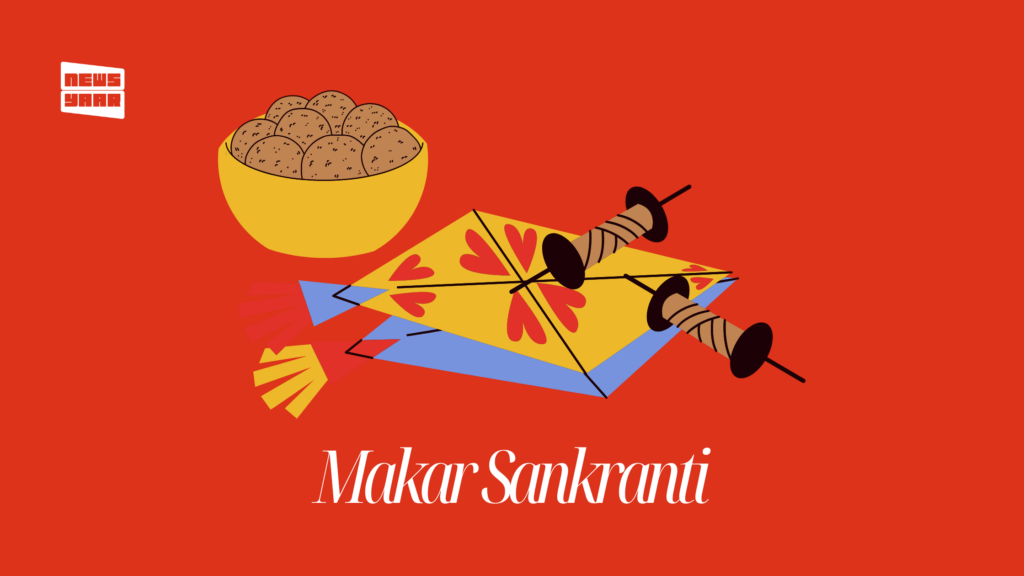
Makar Sankranti, one of India’s most widely celebrated harvest festivals, will be observed on January 14, 2026.Unlike many Hindu festivals that follow the lunar calendar, Makar Sankranti is based on the solar cycle, making its date largely fixed every year. The festival marks a significant event and holds deep cultural, spiritual, and agricultural importance across the country. Why Makar Sankranti Is Celebrated? Makar Sankranti signifies the Sun’s transition into the zodiac sign Capricorn (Makara). This movement marks the beginning of Uttarayan, the sun’s northward journey, which is considered highly auspicious in Hindu tradition.According to ancient beliefs, the period of Uttarayan symbolises light, positivity, and spiritual progress, while the previous phase, Dakshinayan, is associated with darkness and inactivity.The festival also marks the end of the winter solstice and the gradual lengthening of days, bringing warmth and renewed energy. Farmers across India celebrate it as a harvest festival, thanking nature for its bounty and welcoming a new agricultural cycle. Cultural Significance Across India Makar Sankranti is celebrated under different names in different regions, reflecting India’s cultural diversity.In Punjab, it is celebrated as Lohri, marked by bonfires and folk songs. Tamil Nadu observes it as Pongal, a four-day harvest festival. In Assam, it is known as Magh Bihu, while Gujarat celebrates with vibrant kite-flying festivals that fill the sky with colour.Despite regional variations, the essence of the festival remains the same: gratitude, renewal, and togetherness. Rituals and Traditions One of the most common rituals associated with Makar Sankranti is taking a holy dip in rivers such as the Ganga, Yamuna, and Godavari. It is believed that bathing on this day cleanses sins and brings spiritual merit.Another key tradition is the exchange of til (sesame) and jaggery sweets, symbolising unity, warmth, and harmony. The phrase “til-gud ghya ani god-god bola” reflects the spirit of speaking kindly and maintaining sweet relationships. Spiritual and Health Importance Makar Sankranti is not only spiritually significant but also aligned with seasonal health practices. Sesame seeds and jaggery, commonly consumed during this time, help generate warmth in the body and strengthen immunity during winter.Spiritually, the festival encourages people to move away from negativity and embrace discipline, charity, and self-reflection. Donating food, clothes, and essentials to the needy is considered highly auspicious. A Festival of Hope and Positivity As Makar Sankranti 2026 approaches, the festival serves as a reminder of the balance between nature, faith, and human life.It celebrates new beginnings, collective joy, and the timeless bond between tradition and daily living, making it one of the most meaningful festivals in India’s cultural calendar.