


Onam 2026: Kerala’s Harvest Festival of Flowers, Feasts, and the Return of King Mahabali
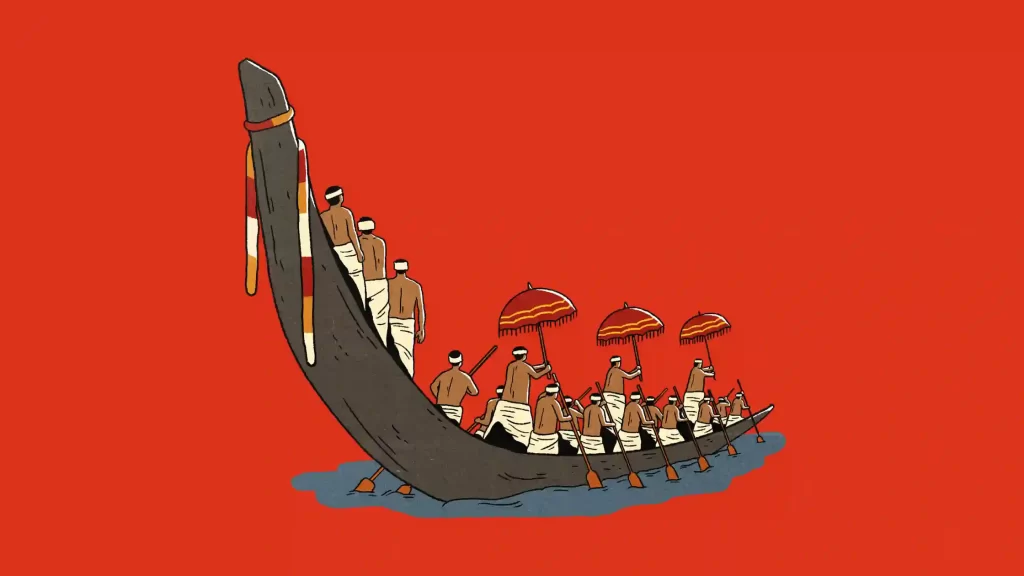
Onam is the kind of festival that transforms an entire state into a living celebration. In Kerala, the ten days of Onam turn homes, temples, backwaters, and public spaces into a vibrant tapestry of flowers, music, dance, and food, all centred around a simple but powerful idea: the annual return of a beloved king. For Malayalis, Onam is not just a religious observance; it is a cultural homecoming, a harvest thanksgiving, and a reminder of a golden age when prosperity, equality, and justice were said to define everyday life.In 2026, Onam celebrations begin with Atham on August 16 and culminate in Thiruvonam on August 26, with each of the ten days carrying its own rituals, preparations, and regional events. From the intricate flower rangolis known as Pookalam to the grand vegetarian feast called Sadhya, from snake boat races to tiger dances, Onam offers a rare combination of devotion, community, and spectacle that continues to draw both locals and travellers into its rhythm. The Legend That Gives Onam Its SoulAt the heart of Onam lies the story of King Mahabali, a ruler remembered not for conquest but for compassion. According to tradition, Mahabali governed with such fairness that there was no poverty, no crime, and no discrimination in his kingdom. His reign is recalled as a kind of utopia, a time when people lived in harmony and abundance. The legend goes that the gods, uneasy with Mahabali’s growing power and popularity, sought the help of Lord Vishnu. Vishnu descended to earth in the form of Vamana, a dwarf Brahmin, and approached the king during a ritual of charity. He asked for a piece of land that could be covered in three footsteps. Mahabali, known for his generosity, agreed without hesitation. Vamana then expanded to cosmic size, covering the earth with his first step and the heavens with his second. With nowhere left to place the third step, Mahabali offered his own head. Vishnu pressed down, sending the king to the underworld, but granted him a boon: Mahabali would be allowed to return once every year to visit his people. Onam is the celebration of that annual homecoming. This story is more than mythology. It encodes values that Kerala continues to cherish: humility before power, the dignity of keeping one’s word, and the ideal of a ruler who exists for his people rather than the other way around. The Ten Days Of Onam: From Atham To ThiruvonamOnam is not a single-day event but a ten-day festival, with each day marked by specific rituals and a growing sense of anticipation. The celebrations begin with Atham, when the first Pookalam is drawn and the public festivities, including processions like Athachamayam in some regions, are inaugurated. Over the next several days, Chithira, Chothi, Vishakham, Anizham, Thrikketta, Moolam, and Pooradam, homes are cleaned, new clothes (Onakkodi) are bought, Pookalam designs become larger and more intricate, and preparations for the Sadhya begin in earnest. In many places, cultural programmes, temple events, and local games start taking shape as the festival moves toward its climax. Uthradam, the day before Thiruvonam, is the main preparation day, when families finalise arrangements for the feast, complete the largest Pookalam, and ensure that everything is ready to welcome Mahabali. Thiruvonam itself is the principal day, when the king is believed to arrive, and when the full Sadhya, prayers, and family gatherings take centre stage. Pookalam: The Flower Carpet That Welcomes A KingIf there is one visual symbol of Onam, it is the Pookalam, the circular floral rangoli drawn at the entrance of homes. Beginning small on Atham, the design grows each day, with additional layers, colours, and complexity added as Thiruvonam approaches. Fresh flowers of different hues are arranged in patterns that range from traditional motifs to contemporary designs, turning courtyards into temporary galleries of colour. The Pookalam is not merely decorative. It is a ritual act of welcome, a way of preparing the home for Mahabali’s visit. It is also a communal activity: families work together, neighbours compare designs, and schools, offices, and public spaces organise competitions that turn the festival into a shared creative exercise.Onam Sadhya: The Feast That Defines The FestivalNo account of Onam is complete without the Sadhya, the elaborate vegetarian feast served on a banana leaf. The Sadhya is a culinary marathon, with dozens of dishes arranged in a specific order around a central serving of rice. Curries, stir-fried vegetables, pickles, thoran, avial, sambar, rasam, and various coconut-based preparations come together in a meal that is as much about balance and tradition as it is about taste. The feast culminates in payasam, the sweet dessert that exists in several forms. Palada Payasam, made with milk, sugar, and rice flakes, offers a creamy, delicate sweetness, while Ada Pradhaman, prepared with coconut milk and jaggery, brings a deeper, richer flavour and a dark brown hue. In many households, multiple varieties of payasam are served, each adding a different note to the ending of the meal. The Sadhya is also a social event. Families cook together, recipes are passed down through generations, and community feasts allow large groups to sit side by side on the floor, sharing food and conversation. In that sense, the Sadhya is not just a meal; it is a ritual of togetherness. Beyond Flowers And Food: Games, Dances, And BoatsOnam’s cultural life extends well beyond the home. Across Kerala, the festival is marked by traditional sports, performances, and public celebrations that turn towns and villages into stages. Vallamkali, the snake boat races, are among the most spectacular. Long, narrow boats manned by dozens of rowers race across rivers and backwaters to the rhythm of traditional songs and drums. The Aranmula Boat Race Pathanamthitta is particularly famous, drawing large crowds and embodying the spirit of teamwork and local pride. In Thrissur, Pulikali transforms the streets into a moving canvas. Performers paint their bodies like tigers and hunters, then dance through the town to the beat of percussion instruments, creating a vivid, almost carnivalesque spectacle that has become synonymous with Onam in that region. Traditional
Kerala Passes Nativity Card Bill to Prove State Residency Amid National Identity Debates
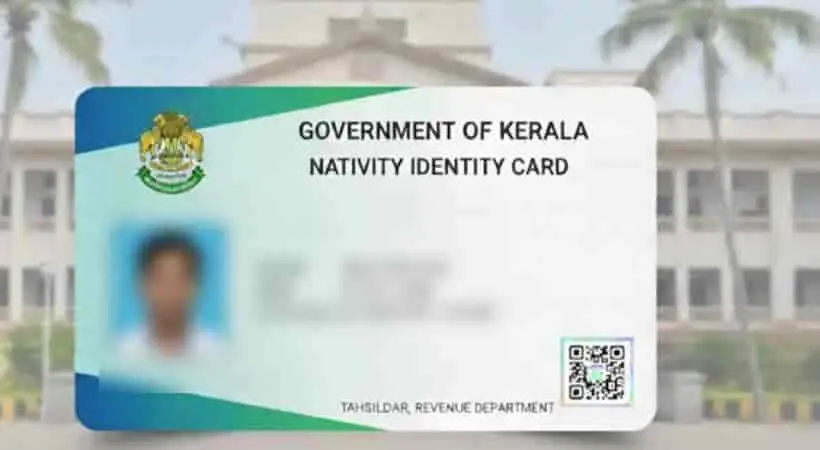
Thiruvananthapuram, February 23, 2026 – The Kerala Legislative Assembly has passed the Nativity Card Bill, introducing a new official document to help residents prove their connection to the state. This move comes as national discussions on identity and citizenship create tension across India.The Kerala Cabinet approved the bill on Wednesday, February 18, paving the way for its quick passage in the Assembly on Monday. Finance Minister K.N. Balagopal called it a “historic moment.” He said the card aims to protect minority communities and make it easier for people to prove their identity and residency without hassle.Chief Minister Pinarayi Vijayan highlighted this need last month. He stressed that no one in Kerala should struggle to show who they are or where they live, especially with ongoing national debates over citizenship rules.Who Qualifies for the Nativity Card?The government defines a “native of Kerala” simply and clearly:Someone born in Kerala.A person with at least one ancestor (like a parent or grandparent) born in the state.Individuals born outside Kerala if their parents were working elsewhere at the time, as long as they have not taken foreign citizenship.The Nativity Card will follow the same rules as the existing nativity certificate. It acts like an official ID to confirm long-term ties to Kerala.Opposition Boycotts, BJP CriticizesThe Congress-led United Democratic Front (UDF) boycotted the Assembly session. Balagopal accused them of skipping debates to stir controversy instead of joining the process. With no opposition present, the bill passed without discussion.The Bharatiya Janata Party (BJP) slammed the move as “dangerous separatist politics.” They worry it could divide people along state lines.Other Bills Passed on the Same DayThe Assembly also approved three other bills smoothly:Abkari (Amendment) Bill, 2026 (related to liquor laws).Kerala Advocates’ Clerks Welfare Fund (Amendment) Bill, 2026.Kerala Advocates’ Welfare Fund (Amendment) Bill, 2026.Subject committee reports were reviewed, and proposed changes were accepted.This Nativity Card is Kerala’s response to wider national issues on identity proofs. It seeks to simplify life for locals while sparking debate on state versus national priorities. More details will emerge as the government rolls it out.
Kerala Renamed as “Keralam”: History, Reasons, Constitutional Process and What It Means
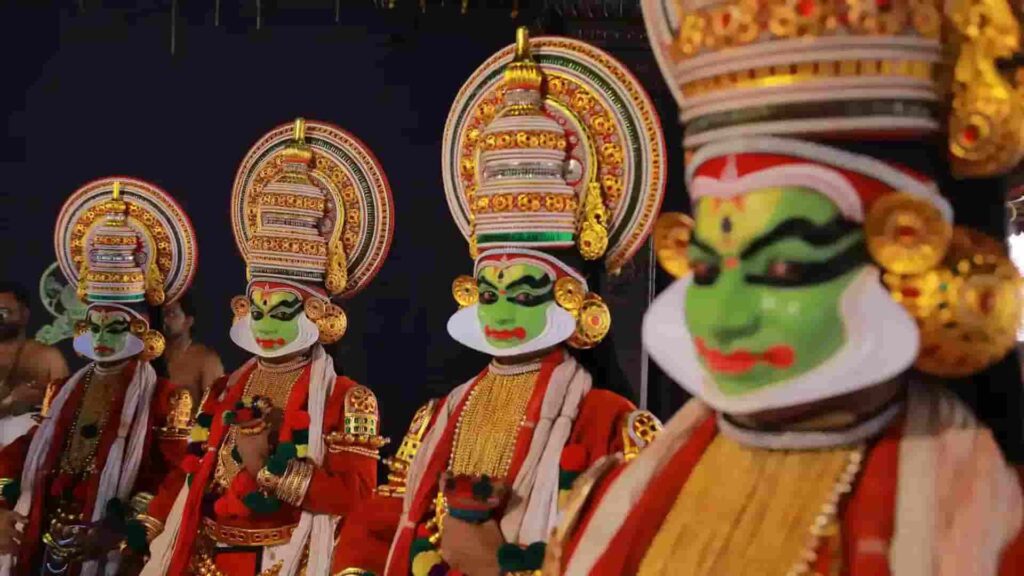
In a significant development reflecting linguistic identity and cultural heritage, the Union Cabinet of India approved a proposal to change the official name of the southern state of Kerala to “Keralam”. The decision marks a key constitutional step toward aligning the state’s official English name with the name used in the Malayalam language.The proposal was approved by the Union Cabinet on 24 February 2026 during a meeting chaired by the Prime Minister. The move sets in motion the formal constitutional process required to alter the name of an Indian state.The change has been described as a reflection of the linguistic identity of the people of the state, as “Keralam” is the name traditionally used in Malayalam to refer to the region.Background: Why the Name Change Was ProposedThe demand to change the official name from “Kerala” to “Keralam” has existed for several years. In Malayalam—the primary language spoken in the state—the region is commonly referred to as Keralam, not Kerala.Supporters of the change argued that the current name used in English does not fully reflect the linguistic and cultural identity of the state. They maintained that adopting “Keralam” as the official name would bring the constitutional name of the state in line with its traditional and linguistic identity.The Kerala Legislative Assembly formally took up the issue and passed resolutions requesting the Union government to initiate the renaming process.Kerala Assembly ResolutionsThe first major step toward the name change was taken by the Kerala Legislative Assembly. In August 2023, the Assembly adopted a resolution urging the Union government to change the state’s name from Kerala to Keralam.However, the resolution had to be passed again due to procedural reasons. On 24 June 2024, the Assembly unanimously passed another resolution requesting the central government to amend the Constitution and change the state’s name officially to Keralam.The resolution explained that the state has always been known as “Keralam” in Malayalam and that the name “Kerala” appears only in the First Schedule of the Constitution of India.It also pointed out that Indian states were reorganised on linguistic lines in 1956, and therefore the state’s constitutional name should reflect its linguistic identity.Union Cabinet ApprovalAfter receiving the request from the Kerala government, the proposal was examined by the Ministry of Home Affairs and other legal authorities.On 24 February 2026, the Union Cabinet approved the proposal to alter the name of the state from Kerala to Keralam.The Cabinet decision acknowledged the long-standing demand from the state government and noted that the change aligns with the name used in the Malayalam language.The approval was welcomed by several political leaders, who described it as a recognition of the cultural identity of the people of the state.Constitutional Procedure for Changing the Name of a StateChanging the name of an Indian state is not a simple administrative decision. It requires a formal constitutional process under Article 3 of the Constitution of India.The procedure involves several steps:State Resolution The process usually begins with a resolution passed by the state legislature requesting the name change.Union Cabinet Approval The proposal is examined by the Union government and approved by the Union Cabinet.Presidential Recommendation After Cabinet approval, the President of India refers the proposal to the concerned state legislature for its views.Introduction of a Bill in Parliament A bill—called the Kerala (Alteration of Name) Bill, 2026 in this case—will be introduced in Parliament.Parliamentary Approval Both houses of Parliament must pass the bill.Final Presidential Assent After the bill is passed, the President of India gives assent, making the name change official.Only after completing these steps will the state’s name be formally changed in the Constitution.Historical Context of Kerala’s FormationUnderstanding the renaming issue also requires looking at the historical formation of the state.Modern Kerala was created on 1 November 1956 under the States Reorganisation Act, which reorganised Indian states based on linguistic identity. Malayalam-speaking regions from the former princely states of Travancore and Cochin were merged with the Malabar district to form the state of Kerala.This day is celebrated annually as Kerala Piravi (Kerala Formation Day).The demand for a unified state for Malayalam speakers was part of the Aikya Kerala Movement, which sought to unite all Malayalam-speaking regions into a single administrative unit.Supporters of the name change argue that since the state was formed on linguistic grounds, its official name should also reflect the Malayalam form “Keralam.”Cultural and Linguistic SignificanceThe word “Keralam” has deep cultural and linguistic roots. It is the name used in Malayalam literature, historical texts, and everyday speech by residents of the state.In Malayalam grammar, “Keralam” is the natural form of the name, while “Kerala” is an anglicised version that became widely used in English during colonial and post-colonial administrative usage.Changing the official name is therefore seen as a way of reinforcing regional identity and preserving linguistic heritage.Political and Public ReactionsThe renaming proposal has generated both support and debate in political and public circles.Supporters argue that the change is a symbolic but meaningful recognition of the state’s linguistic identity. They believe it reflects the aspirations of the Malayali people and corrects a historical inconsistency between the constitutional name and the local usage.However, some critics have argued that the change is largely symbolic and does not address more pressing economic or social issues facing the state.Despite differing opinions, the move has sparked widespread discussion about linguistic identity, federalism, and the cultural representation of Indian states.What Happens NextFollowing the Union Cabinet’s approval, the next step is the introduction of the Kerala (Alteration of Name) Bill, 2026 in Parliament.If the bill is passed by both houses of Parliament and receives presidential assent, the name “Kerala” will be officially replaced by “Keralam” in the Constitution of India.Once the change takes effect, government documents, official records, and administrative references will gradually adopt the new name.ConclusionThe proposal to rename Kerala as Keralam represents more than a simple change in spelling. It reflects a broader discussion about language, identity, and the relationship between regional cultures and the constitutional framework of India.By aligning the state’s official name with its Malayalam usage, supporters believe the
Kerala’s ‘Kumbh Mela’ Revival at Thirunavaya: Spiritual Spectacle or Contested Rebranding?
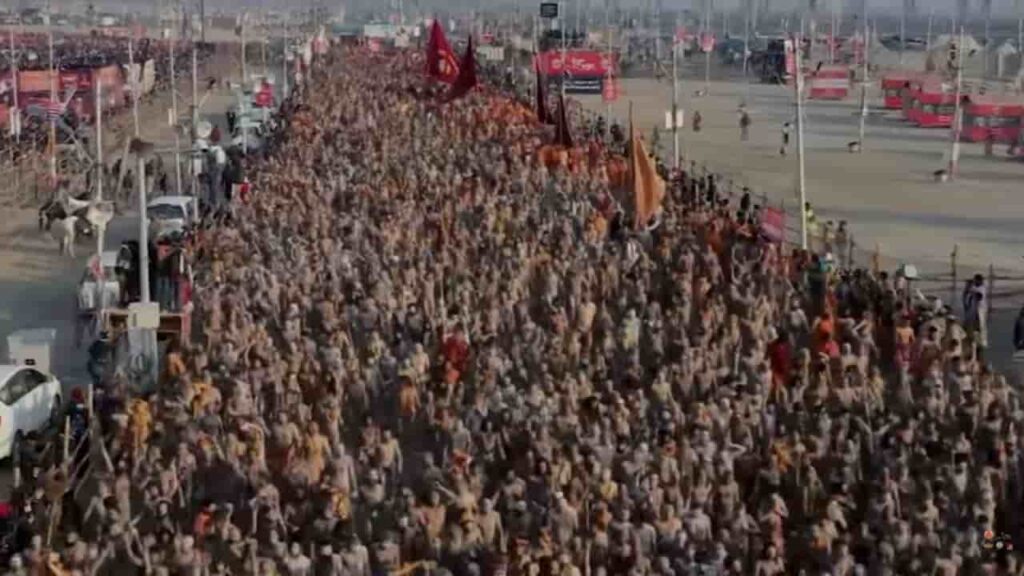
Thirunavaya’s Bharathapuzha (Nila) riverbanks hosted the Mahamagha Mahotsavam, dubbed Kerala’s Kumbh Mela, from January 18 to February 3, 2026, drawing over 3.5 lakh daily devotees at its peak. Organized by Varanasi’s Juna Akhada with Mohanji Foundation and Mata Amritanandamayi Math, the 17-day event peaked February 2-3 with Naga sanyasis’ arrival, blending Vedic dips, Nila aarti by Varanasi priests, and tribal rites, but sparked debate over history, politics, and ecology.Event Highlights and RitualsHeld at Trimurti Sangama (Brahma-Vishnu-Shiva temples triangle), the festival revived rituals absent for ~250-270 years:Holy Dips (Snana Mahotsavam): Believed to energize souls, equivalent to Ganga baths.Nila Aarti: 15-member Varanasi team’s evening fire rituals, evoking Kashi ghats.Inclusivity: Vedic yajnas, tantra, Paniya/Kattunayakan tribal practices alongside Brahmin rites; discourses, bhajans.Processions: Mahameru Rath Yatra from Tamil Nadu’s Trimurtimala; Naga sanyasis’ dips/meditations.Special trains stopped at Kuttipuram/Tirur; crowds from Kerala, Tamil Nadu, Andhra, and North India. Logistics: Parking/security robust; stays in Kottakkal/Perinthalmanna (accommodation scarce onsite).Phase/DateHighlights & SignificanceJan 18: Inaugural SnanaFestival launch; initial mass dips, poojas at Navamukunda Temple.Jan 19-22: Rathayatra PeriodChariot arrival; heightened dips amid processions, yajnas.Feb 2: Naga Sanyasi ArrivalAsh-smeared avadhoots’ ritual dips via special trains (Kuttipuram/Tirur stops); awe-inspiring for devotees.Feb 3: Mahamagha CulminationFinal peak snana; grand aarti, homams, festival close; max crowds for soul purification.Brahma Muhurta (4-5:30 AM) is ideal for dips; post-bath charity/meditation amplified merits. No exact parallels to Prayagraj’s Paush Purnima/Mauni Amavasya, but Feb 3 evoked “king of snans” vibe.Key Leaders and RolesThirunavaya’s Mahamagha event (Jan 18–Feb 3, 2026) drew key figures from Juna Akhada, Kerala mathas, and reformist lineages, blending north-south traditions. Led by Varanasi’s Juna Akhada with Mohanji Foundation and Mata Amritanandamayi Math, attendees included Naga sanyasis, Aghori babas, and matha heads for dips, aartis, and poojas.Leader/TitleAffiliation/RoleHighlightsMahamandaleshwar Swami Anandavanam BharatiJuna Akhada (Sabhapati); ex-SFI/journalist turned Mahamandaleshwar (2025 Maha Kumbh).Led inaugural Magha Snana (Jan 19); presided over all rituals; public face promoting “Kerala Kumbh.” Mata Amritanandamayi (Amma)Chief Patron (Mata Amritanandamayi Math).Symbolic patron since 2018 revivals; inclusivity focus. Acharya Mahamandaleshwar Avadheshananda Giri Ji MaharajJuna Akhada Supreme Head; Co-Chief Patron.Oversaw organizational revival.Swami Satyananda SaraswatiFoundation Managing Trustee; Shriramdas Mission National Gen Secy.Inaugural presence (Jan 18). Sri Shakti Shantanananda MaharshiShriramdas Mission; with Swami Satyananda.Day 1 ceremonies. Mooppil Swamis (Kerala Shankara Mathas)Thrissur Thekke (Vasudevananda Brahmanandabhuti), Kasaragod Idaneer (Sachidananda Bharathi), Thrissur Naduvil (Achyuta Bharathi), Thanur Thrikkaikattu (Narayana Brahmananda Theertha), Ilamura (Parthasarathy Bharathi).Special poojas (Jan 30); sanctified event. Acharyan Arun PrabhakarjiGayatri Gurukulam.Led Vedic chanting for Magha Snana. Ivarmatham Ramesh KorappathjiVedic ritual leader.Shmashana Shraddha (Jan 18). Naga Sanyasis & Aghori BabasJuna Akhada ashrams (Kashi/Varanasi).Arrived Feb 2 for dips/meditations; mystic draw.Additional ContextInaugural Dignitaries: Kerala Governor Rajendra Vishwanath Arlekar (Chief Guest, Dharmadhwaja hoisting Jan 19); Zamorin rep K.C. Dileep Raja Arikkara, Sudheer Namboothiri.Reformist Homage: Honored Adi Shankaracharya, Sree Narayana Guru, Chattampi Swamikal, Ayyankali, Ayya Vaikunda Swamikal, Swami Chinmayananda, Nijananda/Satchidananda Saraswati—inclusivity across sects.Coordination: Swami Chidanandapuri (earlier patron); BJP leaders/Seva Bharati volunteers supported.These figures amplified the event’s pan-Hindu appeal, drawing 3.5 lakh/day peaks despite historical debates.Historical Context: Mamankam vs. Kumbh RebrandRooted in medieval Mamankam (Maha-Makham, every 12 years till 1755), a Chera-era trade/political arena where Zamorin-Valluvakonathiri clashed via chaver suicide squads. Sites: Nilapadu Thara (Zamorin throne), Manikkinar well, Changampally Kalari. Legends tie to Parashurama’s yajna at Thavunur.Organizers (Sabhapati Swami Anandavanam Bharati, ex-SFI/journalist turned Mahamandaleshwar) frame as prehistoric Magha Mela revival—Bṛhaspati-led, post-Palazhi Mathanam myth. But historians diverge:Supporters (VV Haridas): River festival akin to Kumbh; Mamakam=Magha Utsavam.Critics (Rajan Gurukkal, KN Ganesh): Distinct—nakshatra (Makam) vs. Jupiter-Sun rāśi alignments; martial/multicultural (Muslim Kozhikotu Koya on platform, Mappila guards/traders), not purely religious. No Kerala Kumbh tradition; Hindutva overlay erases secular history.Revival attempts: 2016 (Thirur Dinesh), 2018+ (Swami Chidanandapuri, Amma); 2025 Juna Akhada scale-up. 2028 promises a fuller 12-year cycle.Controversies: Hindutva, Politics, EcologyRebranding Critique: Historians (Shibi Thekkeyil, PK Michael Tharakan) call it Hindutva appropriation, Brahminical north-Indian narrative overwriting Dravidian/secular Mamankam in Muslim-majority Malappuram (75%+ local Muslims). RSS visitors’ eyes “Hindu unity.”Permissions Clash: Jan 2026 stop-memo (river conservation/safety) resolved via Collector; TN denied TN-Kerala rathayatra stops—framed as anti-Hindu bias by Swami (communal remarks on LDF/UDF vs. Muslim events).Environmental Alarm: Drought-prone Bharathapuzha (dries summers; coliform pollution, sand-mining); NGOs (Re-Echo, Friends of Bharathapuzha) fear crowds exacerbate scarcity (444 water projects dependent). CPCB post-2025 Prayagraj report warns of pilgrim impacts. Organizers counter: Tradition reveres nature.State aid: Police (hundreds), Haritha Sena (waste), KSRTC buses, despite BJP gripes.Broader ImplicationsIn poll-bound Kerala, the event fuses local lore with pan-Indian Hindu revivalism, attracting lakhs yet polarizing: Devotees hail spiritual homecoming; critics see imported north-Indian violence/majoritarianism. As Bharathapuzha’s ecology strains, balancing faith and sustainability looms large for 2028’s sequel.
Mathrubhumi International Festival of Letters (MBIFL) 2026: A Global Platform for Literature, Ideas and Cultural Dialogue
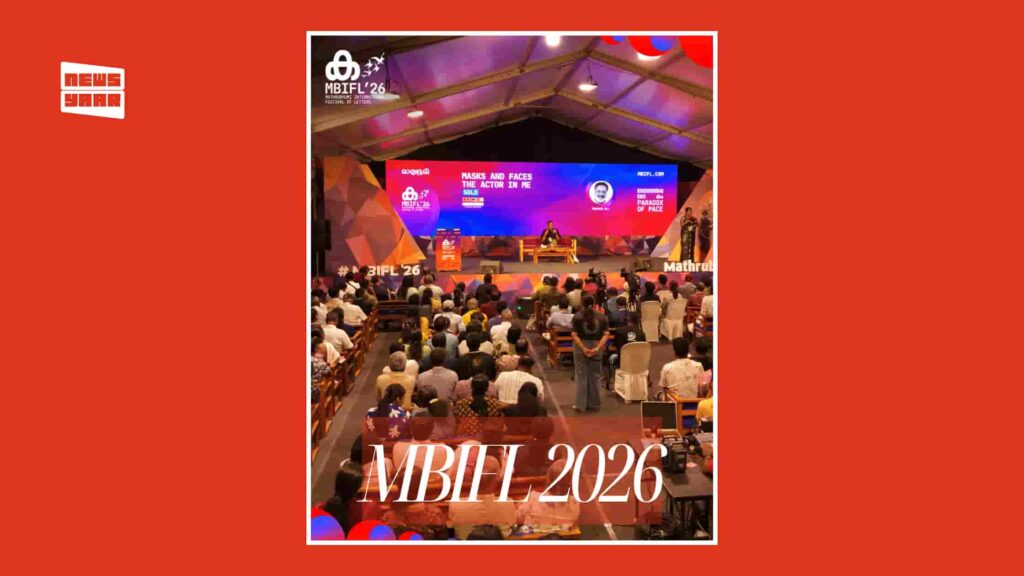
The Mathrubhumi International Festival of Letters (MBIFL) is one of India’s most prominent literary and cultural festivals, conceived as a forum where literature intersects with ideas, society, politics, art and contemporary global discourse. Since its inception, the festival has positioned itself not merely as a celebration of books, but as a festival of conversations, bringing together writers, thinkers, artists, translators, journalists and readers from across India and the world. Organisers and Vision MBIFL is organised by the Mathrubhumi Group, one of India’s oldest and most respected media and publishing houses, with a legacy rooted deeply in Kerala’s literary and socio-political history. Founded in 1923, Mathrubhumi has played a formative role in shaping public discourse in India through journalism, publishing and cultural initiatives. The festival is curated and managed by Mathrubhumi Books and Mathrubhumi Event Division, with the objective of creating a global intellectual space rooted in Indian linguistic and cultural traditions. The organisers have consistently emphasised inclusivity, multilingualism and critical dialogue as the core pillars of the festival. By hosting MBIFL annually in Kozhikode — a city historically known for its openness, trade links and literary heritage — the organisers aim to position Kerala as a global destination for literary exchange and cultural thought. What the Festival Represents Unlike conventional literature festivals focused primarily on book launches or author readings, MBIFL is designed as an idea-driven platform. The festival foregrounds: Literature as a tool for social and political reflection Dialogue between Indian languages and global literatures Translation as cultural mediation rather than mere linguistic conversion Intersections between literature, history, science, cinema, philosophy, environment and democracy The festival actively brings together voices from diverse backgrounds, ensuring representation across geographies, languages, disciplines and generations. MBIFL 2026: 7th Edition — Dates, Venue and Structure The 7th edition of the Mathrubhumi International Festival of Letters (MBIFL 2026) was held from January 29 to February 1, 2026, in Kozhikode (Calicut), Kerala. Spanning four days, the festival featured an extensive programme of discussions, author interactions, panel sessions, workshops and performances hosted across multiple venues in the city. These included auditoriums, cultural centres, academic institutions and public spaces, enabling broad public access. Key Highlights of MBIFL 2026 Global Participation:The 2026 edition featured a strong international presence, with writers, scholars and cultural commentators from Asia, Europe, Africa and the Americas participating alongside leading Indian authors and intellectuals. Multilingual Focus:A defining highlight of MBIFL 2026 was its continued emphasis on Indian languages, particularly Malayalam, alongside English and other global languages. Several sessions focused on translation, linguistic identity and the future of regional literatures in a globalised world. Thematic Conversations:The festival curated discussions around themes such as: Literature and democracy Memory, history and identity Climate change and ecological narratives Migration, borders and belonging The evolving role of storytelling in the digital age These sessions brought together novelists, poets, historians, journalists and activists, encouraging cross-disciplinary dialogue. Translation and Cultural Exchange:Special sessions were dedicated to translation as both a creative and political act, examining how stories move across languages and cultures and how translation shapes global literary circulation. Youth and Student Engagement:MBIFL 2026 placed strong emphasis on engaging young readers and writers through interactive workshops, campus-linked programmes and student-focused discussions, strengthening the festival’s outreach beyond elite literary circles. Performative and Artistic Elements:In addition to discussions, the festival featured poetry readings, literary performances and cultural presentations that blended literature with music, theatre and oral storytelling traditions. Public Access and Media Engagement Many sessions at MBIFL 2026 were open to the public, reinforcing the festival’s democratic ethos. Select discussions were also livestreamed, allowing national and international audiences to engage with the festival remotely. The event attracted significant attention from national and regional media, literary publications and cultural platforms, underlining its growing importance in India’s cultural calendar. Cultural Significance and Impact Over the years, MBIFL has emerged as a key cultural institution that bridges regional and global literary ecosystems. Its impact extends beyond the festival days, influencing reading cultures, translation initiatives and intellectual debates within and beyond Kerala. For Kozhikode, the festival has become a defining annual event, boosting cultural tourism and reinforcing the city’s identity as a centre of ideas, literature and dialogue. Why MBIFL Matters The Mathrubhumi International Festival of Letters stands out because it treats literature not as an isolated art form, but as a living, questioning practice deeply connected to society. In an era marked by polarisation and information overload, MBIFL’s insistence on dialogue, nuance and critical engagement gives it renewed relevance. The 7th edition in 2026 reaffirmed the festival’s role as a space where stories, ideas and languages meet — not to compete, but to converse.
Kerala Literature Festival 2026: A Celebration of Ideas in an Age of Change
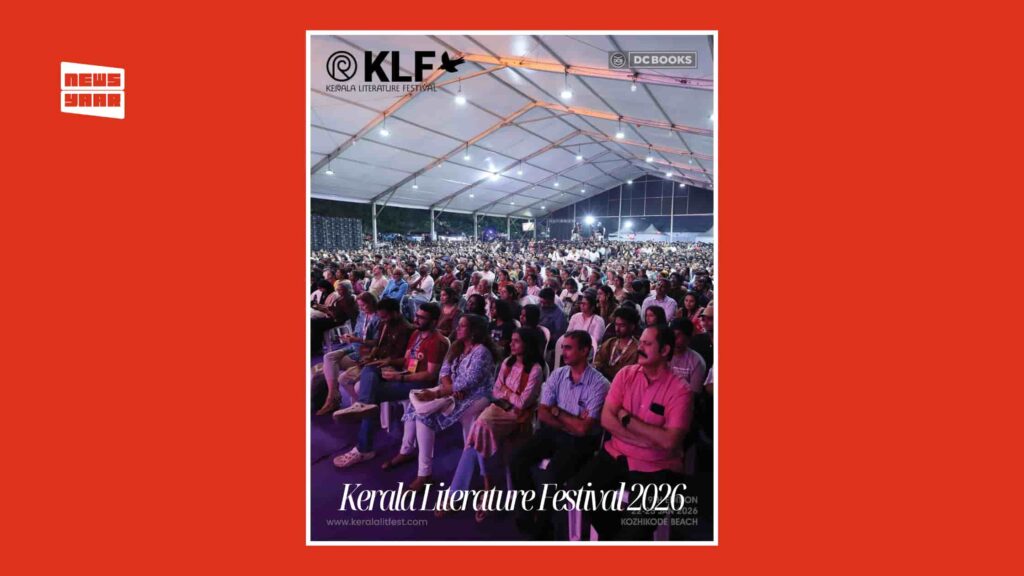
Kozhikode:As the world grapples with rapid political, social, and technological shifts, the Kerala Literature Festival (KLF) 2026 is set to offer a rare space for reflection, dialogue, and debate. Over the years, KLF has grown into a global literary landmark, known not just for books but for conversations that shape public thought.The 2026 edition is expected to bring together renowned authors, thinkers, journalists, and cultural voices from India and abroad. True to its spirit, the festival will explore themes ranging from free expression and identity to the climate crisis and the future of storytelling.What distinguishes KLF is its deep connection to Kerala’s intellectual traditions. Malayalam literature, regional storytelling, and indigenous voices continue to anchor the festival, ensuring global ideas remain rooted in local realities.With a growing emphasis on young writers, translation, and literature in the digital age, KLF 2026 is likely to focus on how stories evolve without losing their soul. More than a festival, KLF has become a cultural movement, one that celebrates dialogue, disagreement, and the enduring power of words.Key AttendeesNASA astronaut Sunita Williams delivered the keynote and inaugurated the event alongside Kerala Tourism Minister Mohammed Riyas, sharing insights on space resilience, leadership, and Earth’s fragility in packed sessions like “Dreams Reach Orbit.” Other luminaries included over 400 speakers from 17 countries, Nobel laureates, business leaders, authors, and activists. Besides Sunita Williams, prominent figures included Nobel Prize winners Abdulrazak Gurnah (Literature), Olga Tokarczuk (Literature), and Abhijit Banerjee (Economics).What to Expect at KLF 2026KLF 2026 will feature a mix of panel discussions, book launches, poetry readings, performances, film conversations, and interactive sessions. While global names draw attention, Malayalam literature and regional narratives will remain at the heart of the festival, reflecting Kerala’s deep-rooted intellectual and cultural traditions.A key focus this year is expected to be on youth participation, translation of regional works, and how literature adapts in the digital era. The festival’s open-access format continues to make it inclusive, allowing audiences from diverse backgrounds to engage directly with ideas and creators.Book Launches & AwardsA highlight was the launch of the Malayalam translation of Abhay K’s “Nalanda: How it Changed the World” by Benyamin, following a discussion on Nalanda’s legacy of Buddhism and debate.KLF announced shortlists for its Book of the Year Awards in fiction and nonfiction, with winners revealed during the festival; fiction included works like Vivek Shanbhag’s “Sakina’s Kiss,” while nonfiction featured Sunitha Krishnan’s memoir.Why KLF 2026 MattersAt a time when public discourse is increasingly polarised, KLF offers a rare space for thoughtful dialogue and disagreement. It celebrates literature not just as art, but as a tool for understanding society, questioning power, and imagining better futures.As Kozhikode prepares to host KLF 2026, the festival once again promises to be more than an event, it will be a meeting ground for ideas that shape culture, politics, and public thought.
International Theatre Festival of Kerala 2026: Thrissur Set to Transform into a Global Stage for Theatre

The 16th International Theatre Festival of Kerala (ITFoK) is set to take place from 25 January to 1 February 2026 in Thrissur city, Kerala, reaffirming its position as one of India’s most significant international cultural events. Organised by the Kerala Sangeetha Nataka Akademi under the Cultural Department of the Government of Kerala, the festival will bring together theatre practitioners, scholars and audiences from across the world to celebrate performance, dialogue and storytelling in its many forms.The week-long festival will be hosted across multiple venues in Thrissur, with the Kerala Sangeetha Nataka Akademi complex serving as the focal point. Key performance spaces will include the Murali Outdoor Theatre, K. T. Muhammed Regional Theatre, and other designated cultural venues across the city, transforming Thrissur into a vibrant, open stage for global theatre.Dates, Theme and StructureEvent: International Theatre Festival of Kerala (ITFoK) 2026 Edition: 16th Dates: 25 January to 1 February 2026 Venue: Thrissur, Kerala Organiser: Kerala Sangeetha Nataka Akademi, Government of KeralaThe 2026 edition will be presented under the theme “Voices in the Silence”, a concept that reflects theatre’s enduring ability to articulate unspoken realities through movement, dialogue, visual language and performance. The theme highlights ITFoK’s emphasis on theatre as both artistic expression and social commentary, especially in a time marked by global uncertainty, conflict and transformation.Performances and International ParticipationITFoK 2026 will feature 23 plays across approximately 46 performances, showcasing a carefully curated mix of international and Indian productions. Theatre groups from Argentina, Brazil, Armenia, Palestine, Slovakia, Spain, Japan and Denmark are scheduled to participate, presenting works that span classical theatre, contemporary experimentation and cross-cultural collaboration.Indian theatre will be represented by productions from Kerala, Rajasthan, Assam, Maharashtra and Tamil Nadu, offering audiences exposure to diverse linguistic traditions, regional aesthetics and evolving performance practices. The programme aims to place Indian theatre in dialogue with global narratives, encouraging comparative engagement and artistic exchange.Several international productions are expected to address themes such as identity, memory, political conflict, displacement and social change, reinforcing ITFoK’s reputation as a festival that privileges substance, experimentation and intellectual depth.Organisation and AccessibilitySince its inception in 2008, the International Theatre Festival of Kerala has grown into one of Asia’s most respected theatre festivals. The event is fully organised and curated by the Kerala Sangeetha Nataka Akademi, with institutional support from the state’s cultural machinery.For the 2026 edition, organisers have expanded the number of plays compared to previous years, reflecting renewed focus on diversity and scale. In addition to stage performances, the festival will also include cultural interactions, informal discussions and academic engagements, fostering dialogue between artists, scholars and audiences.While tickets are required for major performances, several associated programmes and discussions will remain open to the public, ensuring wider access and community participation.Cultural Importance of ITFoKThe International Theatre Festival of Kerala occupies a distinctive place in India’s cultural landscape. It functions not merely as a performance showcase, but as a space for cultural diplomacy, artistic exchange and critical reflection. By bringing global theatre traditions to a regional Indian audience, ITFoK contributes to expanding cultural literacy and deepening engagement with contemporary global issues.The festival also reinforces Thrissur’s identity as a cultural capital of Kerala, complementing the city’s long-standing association with classical arts, festivals and literary traditions. Each edition attracts theatre enthusiasts, students and visitors from across India, adding to the city’s cultural and intellectual vibrancy.Looking AheadAs ITFoK 2026 prepares to open on 25 January, expectations are high for a festival that continues to push the boundaries of performance while remaining rooted in dialogue and inclusivity. With its expanded programme, strong international presence and thematic focus on unheard voices, the festival is poised to reaffirm its relevance in both Indian and global theatre circuits.By sustaining conversations across borders, languages and artistic traditions, the International Theatre Festival of Kerala continues to position theatre as a living, evolving medium — one that reflects society, questions power and invites audiences to engage more deeply with the world around them.