


Zojila Tunnel: Asia’s Longest High-Altitude Road Link Burrowing Through Himalayan Fury
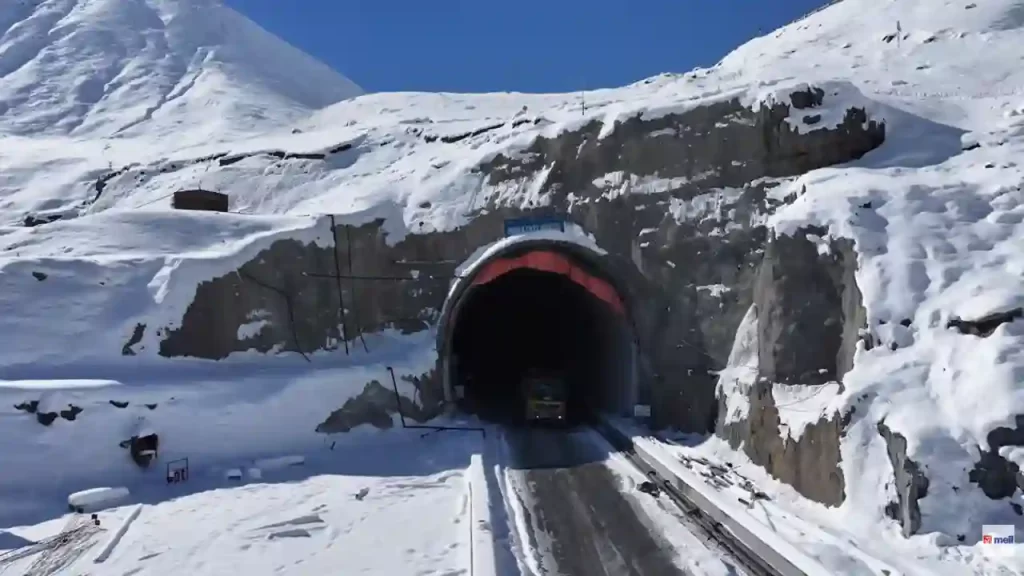
High in the snow-capped Himalayas, where blizzards rage and temperatures plunge to minus 25 degrees Celsius, workers are carving out one of India’s boldest engineering feats. The Zojila Tunnel, set to be Asia’s longest bidirectional highway tunnel at high altitude, promises to end Ladakh’s winter isolation forever. Stretching 13.15 kilometers under the notorious Zojila Pass, this horseshoe-shaped, single-tube, two-lane tunnel will connect Srinagar in Jammu & Kashmir to Drass in Ladakh’s Kargil district. As of April 2026, excavation stands at an impressive 90-95% complete, with just 1-1.25 kilometers left before the big breakthrough in April-May 2026. Led by Hyderabad’s Megha Engineering and Infrastructures Limited (MEIL), the Rs 6,809 crore project defies avalanches, rockfalls, and extreme cold to deliver year-round road access, a game-changer for civilians, soldiers, and the economy.The Perilous Zojila Pass: Why the Tunnel is a LifesaverZojila Pass sits at 11,578 feet (3,528 meters) on the Srinagar-Kargil-Leh highway – a narrow, twisting nightmare prone to heavy snow, landslides, and avalanches. For seven months each winter (October to April), it shuts down completely, stranding Ladakh. Army convoys crawl at 10-15 km/h; civilians face 3-4 hour ordeals over 40 km of ice. Fresh tragedies, like the March 2026 avalanche killing seven near Zero Point, highlight the urgency.The tunnel changes everything. Vehicles zip 13 km straight at safe speeds, slashing Srinagar-Leh travel by 3.5 hours (to about 11-12 hours total). No more seasonal blockades, apples, saffron, and tourists flow freely; troops rush heavy gear to borders with Pakistan and China. It’s strategic gold for India’s Line of Actual Control security.Drilling Through Hell: Progress Amid Sub-Zero BattlesWork kicked off in April 2021 after PM Modi laid the foundation in 2018. MEIL took over in 2020, beating initial Rs 12,000 crore estimates down to Rs 5,500-6,809 crore using smart tech. Divided into two parts:Part 1 (100% done): 17 km approach road from Sonamarg Tunnel to Zojila’s western portal – includes two mini-tunnels, seven avalanche shelters, snow galleries, and four bridges.Part 2 (Main Tunnel): 12 km excavated from both ends (Baltal in Kashmir, Minamarg in Ladakh). Concrete lining covers over 2 km already.Breakthrough ahead: Tunnellers meet mid-2026, then 8-10 fronts tackle finishing, safety gear. Full opening? February-May 2028, ahead of the old 2030 deadlines despite COVID, a 2024 militant attack, and brutal weather. 1,200 workers battle -18°C nights, snowdrifts, water ingress, and fragile geology using New Austrian Tunneling Method (NATM) – drill-blast-support cycles.Winter warrior mode: Heated camps with 24/7 power/hot water, on-site cabins, machine heaters. Recent snows (over a foot) didn’t stop them – teams clear paths round-the-clock.Engineering Marvel: Safe, Smart, and Storm-ProofSpain-designed with European/North American standards, the tunnel is not a basic bore:Specs: 7.57m high/wide, two lanes + 1.5m emergency walkway.Every 750m: 40m refuge bays for breakdowns.Tech wonders: SCADA smart system (CCTV, radio, UPS, ventilation); auto fire detection/suppression.Snow shield: 6 km of catch dams, blast walls, deflectors outside.Seismic savvy: Faces Zone V quakes, high winds; sensors monitor health.Union Minister Nitin Gadkari hailed it in Parliament: 70% done (earlier 2026 update), inviting Speaker Om Birla to see. Ladakh’s Chief Secretary reviewed in 2025: 12 km done, on the 2028 track.Boom for Ladakh: Tourism, Trade, and TroopsZojila Tunnel will transform Ladakh’s tourism from a short summer rush into a year-round magnet. Currently, Zojila Pass closes for 6-7 winter months due to blizzards, limiting visitors to June-September. The 13.15 km tunnel (Asia’s longest high-altitude bidirectional road tunnel) ensures all-weather access from Srinagar, slashing 40 km windy pass to 15-30 minutes smooth drive. Ladakh Lieutenant Governor Kavinder Gupta calls it a “dream project” for tourism boom.Year-Round Access Opens New SeasonsSnow blocks roads now, stranding tourists and locals. Tunnel means winter travel anytime:Winter Wonderland: Snow safaris, ice skating, frozen Pangong Lake views without risks.Shoulder Seasons (Oct-May): Off-peak hikes, photography – cheaper stays, fewer crowds.Travel time Srinagar-Leh drops 3.5 hours; Sonamarg-Minamarg from 4 hours to 40 minutes.This extends Ladakh’s tourist window, like Z-Morh Tunnel did for Sonamarg’s skiing.Easier, Safer Journeys Draw More VisitorsFrom India: Delhi-Leh road trip safer (no avalanches); buses/cars anytime.Adventure Boost: Bikers, SUVs access Nubra Valley, Tso Moriri easier.Pilgrims/Trekkers: Amarnath Yatra, Markha Valley treks less daunting.Fuel savings (shorter route) and comfort lure families, seniors, not just thrill-seekers.Economic Ripple: Jobs, Hotels, Local WinsVisitor Surge: Experts predict double tourists; Leh hotels full year-round.New Spots: Winter festivals, heli-skiing, cultural tours in Kargil/Drass.Local Gains: Homestays, guides, handicrafts boom; women-led enterprises grow.Leh businessman Farooq Misger: “More tourists will experience our beauty, boost economy.”Challenges Conquered, Finish Line in SightDelays? Yes, geology surprises, monsoons, terror hit. Cost savings? Rs 5,000+ crore via modern methods. MEIL’s CEO Harpal Singh: “Zero risk, maximum safety.” Workers’ grit shines, from engineers plotting blasts to laborers in snow gear.As drills echo under Zojila, Ladakh’s winter woes fade. This tunnel isn’t just concrete, it’s a lifeline, linking valleys to the world. By 2028, drive to Leh in comfort, watch border hawks soar safely.