


Mumbai-Pune Missing Link Now Open: World’s Widest Tunnel Ends Ghat Nightmares
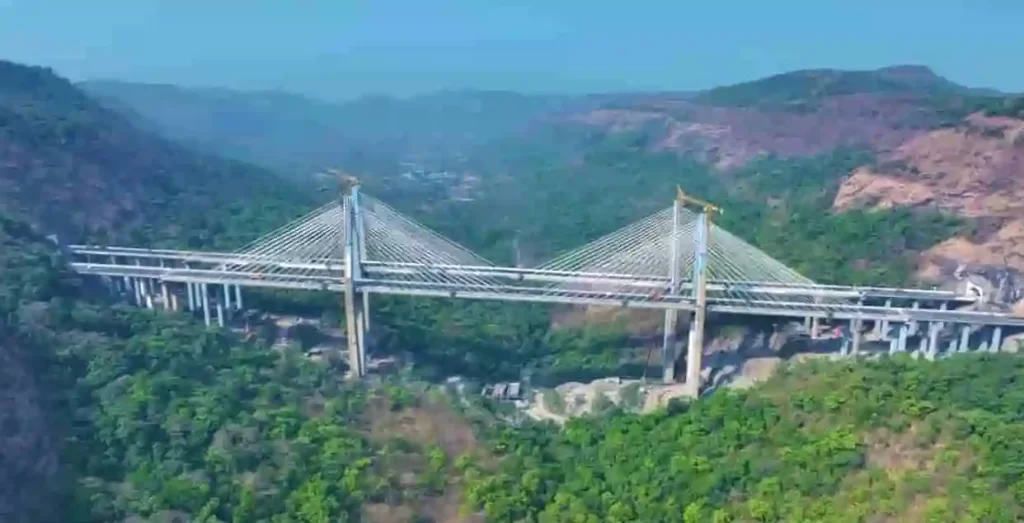
The Mumbai-Pune Expressway’s Missing Link opened on May 2, 2026. This 13.3-km engineering marvel now carries traffic smoothly. It skips the dangerous Khandala Ghat with its hairpin turns and traffic jams. The Maharashtra State Road Development Corporation (MSRDC) finished the project just in time for Maharashtra Day. Deputy Chief Minister Eknath Shinde cut the ribbon. Vehicles now zip through in 25-30 minutes less time. Safe speeds reach 120 km/h. The main tunnel holds a Guinness World Record as the widest highway tunnel on the planet. The old ghat section tortured drivers for years. Trucks clogged narrow lanes. Families slept in cars overnight. Ambulances crawled slowly. Landslides hit during monsoons. The new link brings huge relief. It starts at Khalapur toll plaza on the Mumbai side. It ends at Kusgaon near Lonavala and Sinhagad Institute. Total distance shortens by 6 km. Over 50,000 vehicles use the expressway daily. This bypass makes travel faster and safer for everyone.Stunning Engineering: Tunnels, Bridges, and Safety FeaturesThe Missing Link blends cuts, tunnels, viaducts, and flyovers. It features eight lanes with full access control. No more slow trucks in the way.Twin Tunnels Shine BrightTunnel 1 stretches 8.7 km long. Its internal width measures 23.5 meters. This makes it the world’s widest highway tunnel. Guinness confirmed the record after inspectors visited. Tunnel 2 runs 1.67 km. Both handle bidirectional traffic. Each side has four lanes plus shoulders and emergency areas. Fire-proof walls protect users. Jet fans ventilate air. CCTV watches every spot. SOS phones sit every 500 meters. Teams finished electrical and mechanical testing right before opening.Cable-Stayed Bridge Steals the ShowThis bridge spans 650 to 950 meters. Its deck sits 100-125 meters high. The pylon towers 183 meters total. It withstands winds up to 250 km/h. Workers erected the girder in March 2026. They completed 98% of the deck slab. It’s now Maharashtra’s tallest bridge of this type.Other Key PartsA 900-meter viaduct rises 60 meters high. Cut-and-cover tunnels ease tight spots. Flyovers speed up joins. Toll plazas at Khalapur, Talegaon, and Shedung got wider. Hazardous cargo bans keep tunnels safe. No heavy trucks or gas tankers allowed inside.ComponentLength/SizeStatus (May 2026)Key FactMain Tunnel8.7 km, 23.5m wideFully OpenGuinness World RecordEscape Tunnel1.67 kmFully OpenTop Safety FeatureCable Bridge650-950m, 183m tallFully OpenTallest in MaharashtraViaduct900mFully Open60m HighOverall Project13.3 km100% CompleteOpen Since May 1Long Road of Delays Ends in TriumphPlanning started in 2018 with a budget of Rs 6,695 crore. Delays piled up from weather, tough terrain, and COVID. Targets slipped from March 2024 to January 2025, then September and December 2025. Finally, April 30 marked civil works done. Trials followed quickly. MSRDC pushed 2,000 workers hard. Over 1,500 focused on tunnels alone. They worked round the clock.Recent chaos sped things up. Ram Navami traffic jams and tanker flips trapped thousands. MNS chief Raj Thackeray criticized slow work. Deputy CM Shinde ordered emergency plans. MSRDC MD Anilkumar Gaikwad promised action. “Civil works wrap by April 30; trials follow,” he said. The team delivered.Toll collection starts in 2030 for 15 years. It recovers costs over time. Slight toll hikes come with the expressway upgrade. Drivers agree the value beats the price.Relief Replaces Ghat Horror StoriesThe 19.8-km Khopoli-Khandala Ghat had 24 sharp bends. Narrow lanes mixed cars and trucks. Monsoon landslides closed roads often. Kids missed school. Patients reached hospitals late. Ambulances fought for space. One tanker crash blocked traffic for 32 hours. Families ran out of food and water.Now, the Missing Link changes everything. No more ghat climbs. Straighter inland paths replace twists. Safer barriers and lighting guide drivers. Higher speeds cut travel time. Pune-bound lanes opened first. Mumbai-bound finished the final 6 meters on time. Families cheer the smooth ride.Part of Maharashtra’s Road BoomThis project fits Deputy CM Devendra Fadnavis’ big infra plans. The Samruddhi Mahamarg sets records too. MSRDC leads India’s road revolution. The Missing Link connects futures. It saves time, cuts accidents, and boosts business. Trucks move goods faster. Tourists reach Lonavala easy. Daily commuters gain hours weekly.Two days after opening, drivers share joy online. No jams. Quick trips. Safe paths. The ghat nightmare fades. Concrete and steel reclaimed lives. Maharashtra celebrates a new era of fast, safe travel. The world’s widest tunnel proves Indian engineering rules the road.
Atal Setu: India’s Longest Sea Bridge Transforming Mumbai’s Connectivity
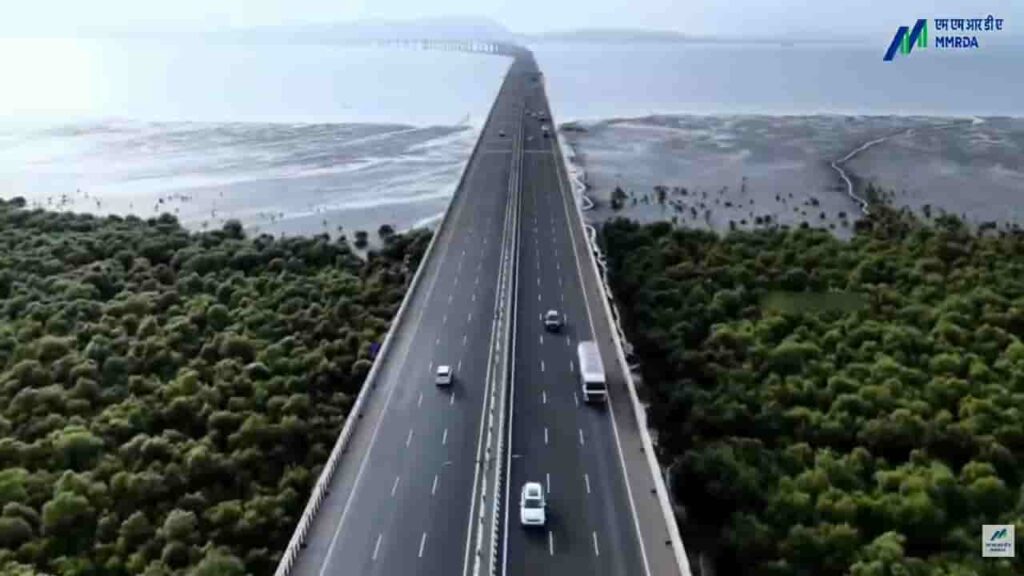
IntroductionThe Atal Setu, officially known as the Mumbai Trans Harbour Link, is one of India’s most remarkable infrastructure achievements. Connecting Mumbai with Navi Mumbai, this sea bridge has significantly transformed travel across the Mumbai Metropolitan Region.Inaugurated in January 2024, the project stands as India’s longest sea bridge and represents a major milestone in enhancing urban mobility, reducing congestion, and supporting economic growth in one of the country’s busiest regions.Project OverviewThe Atal Setu stretches approximately 21.8 kilometres, of which around 16.5 kilometres lies over the Arabian Sea. Developed by the Mumbai Metropolitan Region Development Authority, the bridge connects Sewri in Mumbai to Nhava Sheva in Navi Mumbai.Designed as a six-lane access-controlled expressway, the bridge allows high-speed travel and provides a direct link between South Mumbai and key areas such as:Navi MumbaiJawaharlal Nehru Port TrustNavi Mumbai International Airport (upcoming)This strategic alignment makes the bridge a critical infrastructure asset for both passenger and cargo movement.Need and Strategic ImportanceBefore the construction of Atal Setu, connectivity between Mumbai and Navi Mumbai relied heavily on longer routes via Thane or Vashi, often leading to heavy congestion and extended travel times.The bridge was conceptualised to:Provide a faster alternative routeReduce traffic burden on existing corridorsImprove connectivity to ports and upcoming infrastructure projectsIt is expected to reduce travel time between Sewri and Nhava Sheva from nearly two hours during peak traffic to about 20 minutes.Engineering Excellence and DesignSpecial materials and coatings were used to ensure durability and long-term performance.Intelligent Transport SystemsThe bridge is equipped with modern traffic management systems, including:Speed monitoring camerasEmergency response systemsSurveillance infrastructureThese features enhance safety and ensure smooth traffic flow.Safety RestrictionsTo maintain safety, certain categories of vehicles such as two-wheelers, auto-rickshaws, and tractors are restricted from using the bridge.Economic and Urban ImpactThe Atal Setu is expected to play a transformative role in the economic and urban development of the Mumbai Metropolitan Region.Boost to Logistics and TradeWith improved access to Jawaharlal Nehru Port Trust, India’s largest container port, the bridge enhances the efficiency of cargo transportation and logistics operations.Real Estate and Urban ExpansionThe project is expected to accelerate development in Navi Mumbai, making it a more attractive destination for residential and commercial investment.Airport ConnectivityThe bridge provides seamless access to the upcoming Navi Mumbai International Airport, strengthening regional connectivity.The Atal Setu is a testament to advanced engineering and modern construction techniques.Sea Bridge ConstructionBuilding a long bridge over open sea posed several challenges, including:Strong tidal currentsCorrosion due to saline conditionsEnvironmental constraintsEnvironmental ConsiderationsGiven its location over the sea, the project required careful environmental planning.Measures included:Minimising impact on marine ecosystemsMonitoring coastal biodiversityAdhering to environmental regulationsDespite these efforts, environmental concerns were raised during the planning and construction phases, particularly regarding potential effects on marine life.Challenges During ConstructionThe construction of Atal Setu involved multiple challenges:Working in deep-sea conditionsManaging logistics for large-scale constructionEnsuring minimal disruption to shipping routesDelays due to environmental clearances and pandemic-related disruptionsDespite these obstacles, the project was completed through coordinated efforts and advanced engineering solutions.Integration with Other Infrastructure ProjectsThe Atal Setu is part of a broader infrastructure network aimed at improving connectivity in the Mumbai region. It complements:Mumbai Coastal Road ProjectNavi Mumbai International AirportExisting highway and rail networksThis integrated approach enhances overall transport efficiency and supports regional growth.Final PerspectiveThe Atal Setu stands as a landmark achievement in India’s infrastructure development, symbolising innovation, scale, and ambition. By drastically reducing travel time and improving connectivity between Mumbai and Navi Mumbai, it has reshaped commuting patterns and opened new avenues for economic expansion.More than just a bridge, Atal Setu represents a critical link in India’s journey towards building world-class infrastructure that supports both urban growth and national development.