


Noida International Airport (Jewar Airport) Inauguration: A Transformational Push to India’s Aviation and Regional Growth
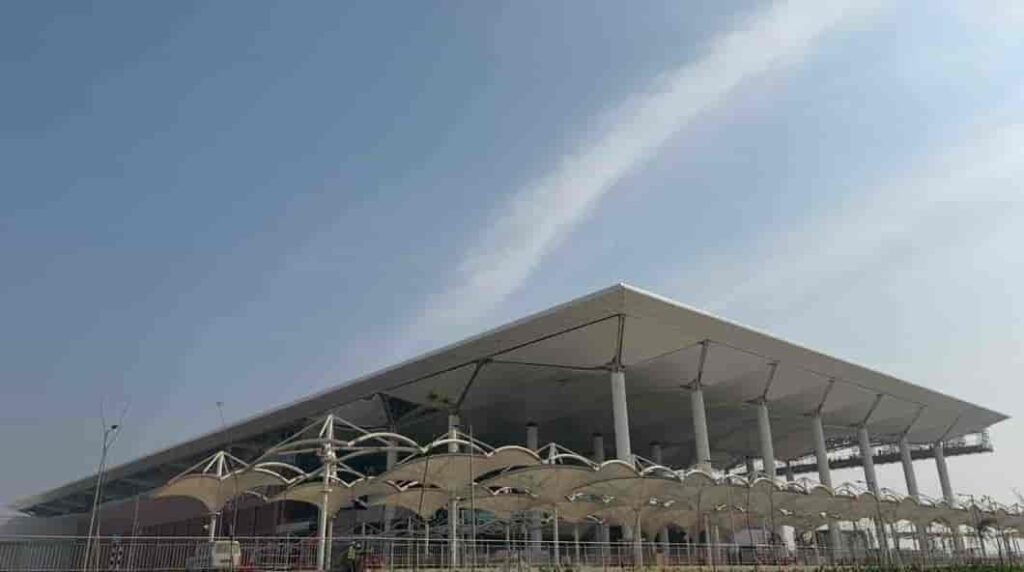
The inauguration of the Noida International Airport, widely known as Jewar Airport, marked a landmark moment in India’s aviation and infrastructure expansion. Positioned as one of the country’s largest and most ambitious greenfield airport projects, its launch has been seen as a strategic move to decongest existing aviation hubs and unlock new economic potential across northern India.Located in Jewar in Uttar Pradesh’s Gautam Buddha Nagar district, the airport has been developed to serve the rapidly growing travel demand of the National Capital Region (NCR), while also acting as a catalyst for industrial, logistical, and urban development in surrounding areas.Why India Needed a Second Major Airport in NCRFor years, the Indira Gandhi International Airport in Delhi has handled the bulk of air traffic in northern India. With passenger numbers steadily rising, the airport has been operating close to its maximum capacity, leading to congestion, delays, and operational strain.The idea of developing a second airport in the NCR was not just about expansion, but about redistributing aviation load and future-proofing infrastructure. The Noida International Airport was conceptualised to address these issues while supporting the long-term growth of one of India’s busiest urban corridors.Its location near the Yamuna Expressway provides strategic access not only to Delhi but also to key cities like Noida, Greater Noida, Ghaziabad, Agra, Mathura, and Aligarh. This makes it a regional hub rather than just an alternative airport.Scale, Design and Multi-Phase DevelopmentWhat sets the Noida International Airport apart is its scale and long-term vision. Unlike many existing airports that evolved through gradual expansion, this project has been planned from the outset as a multi-phase mega infrastructure development.In its first phase, the airport has been designed to handle around 12 million passengers annually, with a single runway and terminal. However, the long-term plan is far more ambitious. Once fully developed, the airport is expected to:Handle over 70 million passengers per yearOperate multiple runwaysInclude expansive cargo terminals and logistics parksSupport maintenance, repair, and overhaul (MRO) operationsThis phased approach ensures that the airport can scale alongside demand, making it a future-ready aviation hub.Focus on Sustainability and Modern InfrastructureOne of the defining aspects of the project is its emphasis on sustainability. The airport has been planned as an environmentally responsible infrastructure project, incorporating:Energy-efficient terminal designsWater conservation systemsReduced carbon footprint strategiesSustainable construction practicesGlobally, there has been increasing focus on green aviation infrastructure, and the Noida International Airport aligns with this shift by aiming to become one of the more eco-conscious airports in the region.Connectivity and Integration with Transport NetworksA major strength of the Jewar airport lies in its planned connectivity. The project is not being developed in isolation but as part of a larger, integrated transport ecosystem.The airport is expected to be connected through:The Yamuna Expressway and Eastern Peripheral ExpresswayProposed metro rail extensionsRegional Rapid Transit Systems (RRTS)High-speed rail links in the futureThis multi-modal integration will ensure seamless movement of passengers and goods, significantly reducing travel time and improving accessibility across the NCR and beyond.Economic Impact: A New Growth Engine for Uttar PradeshThe inauguration of the airport is expected to trigger a wave of economic activity in the region. Large infrastructure projects often act as growth multipliers, and Jewar is already witnessing rapid transformation.The airport is likely to:Generate thousands of direct and indirect employment opportunitiesBoost real estate demand in nearby areasAttract domestic and international investmentPromote development of logistics and warehousing hubsPlans for an aerotropolis—a city built around the airport—are also underway, which could include business districts, commercial centres, hotels, and industrial zones.This development is expected to strengthen Uttar Pradesh’s position as a major economic and industrial hub in northern India.Boost to Trade, Cargo and LogisticsBeyond passenger travel, the airport is expected to play a crucial role in cargo and logistics operations. With increasing demand for faster supply chains and export-oriented industries, the need for efficient cargo infrastructure has grown significantly.The Noida International Airport is being developed with dedicated cargo facilities, which will:Facilitate faster movement of goodsSupport export industries in the regionImprove connectivity for perishable and high-value goodsIts proximity to industrial clusters makes it particularly well-suited to serve as a logistics hub.Impact on Travel and Passenger ExperienceFor travellers, the airport is expected to bring noticeable improvements in convenience and efficiency. With reduced pressure on Delhi’s main airport, passengers can expect:Shorter wait timesBetter flight availabilityImproved travel experienceResidents of Noida, Greater Noida, and nearby regions will especially benefit, as they will no longer need to rely solely on Delhi for international travel.A Shift Towards Decentralised Urban DevelopmentThe development of the Jewar airport reflects a broader shift in India’s urban planning strategy—moving away from over-centralisation towards distributed growth models.By creating infrastructure hubs outside major metropolitan centres, the government aims to:Reduce pressure on existing citiesEncourage balanced regional developmentImprove quality of life in emerging urban zonesThe airport is expected to play a key role in shaping the future growth of the NCR, particularly in the Noida-Greater Noida belt.A Defining Moment in India’s Infrastructure StoryThe inauguration of the Noida International Airport is not just about adding another airport to the country’s aviation network. It represents a long-term vision for connectivity, economic expansion, and urban transformation.As air travel continues to grow in India, projects like Jewar airport will play a crucial role in ensuring that infrastructure keeps pace with demand. With its scale, strategic location, and integrated planning, the airport is poised to become one of the most important aviation hubs in the country in the coming years.In many ways, it signals how India is preparing for the next phase of growth—by investing in infrastructure that is not only large in scale but also forward-looking in design and impact.
Namo Bharat Rapid Rail: India’s Next-Generation Regional Transit System
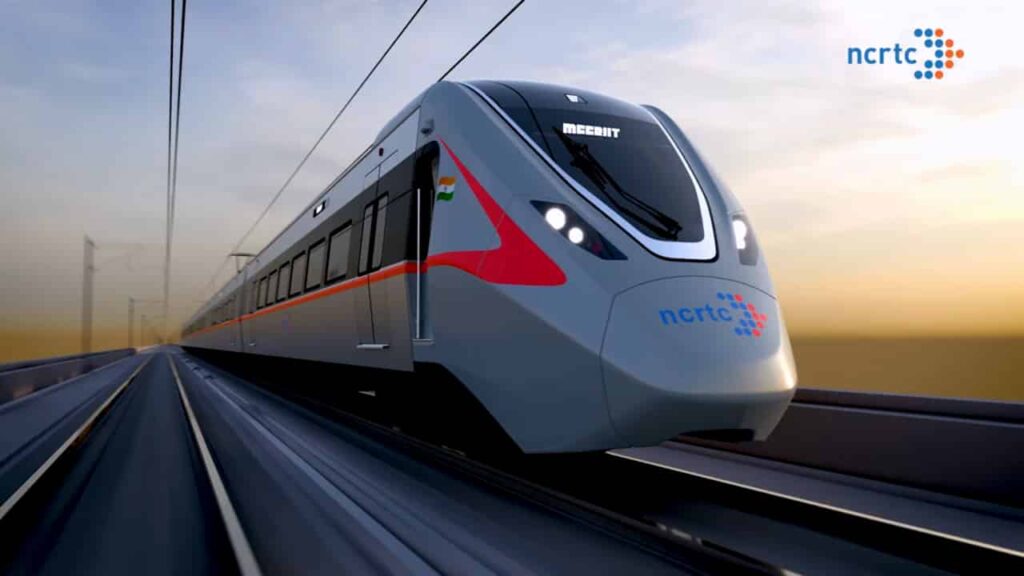
The Namo Bharat Rapid Rail, often referred to as India’s Vande Metro, represents a major leap in the country’s urban and regional mobility infrastructure. Designed to bridge the gap between metro systems and conventional railways, the project aims to provide fast, efficient, and comfortable connectivity between cities and their surrounding regions.Developed under the Regional Rapid Transit System (RRTS), the Namo Bharat trains are being positioned as a modern, high-speed transit solution to address increasing commuter demand in densely populated corridors.Concept and Vision Behind Namo BharatThe idea behind Namo Bharat Rapid Rail is to create a semi-high-speed, high-frequency transit system that connects major urban centres with nearby towns and cities. Unlike traditional trains, which often face delays and congestion, or metro systems limited to city boundaries, Namo Bharat is designed to operate across regions with greater speed and efficiency.The system has been implemented by the National Capital Region Transport Corporation (NCRTC), with a focus on improving connectivity in the National Capital Region (NCR) and eventually expanding to other parts of the country.Delhi–Meerut Corridor: The First Operational RouteThe first and most prominent corridor under the Namo Bharat Rapid Rail is the Delhi–Meerut RRTS Corridor, which has been developed as India’s inaugural regional rapid transit system.Spanning approximately 82 kilometres, the corridor connects Delhi, Ghaziabad, and Meerut, significantly reducing travel time between these cities. Once fully operational, the journey that earlier took several hours is expected to be completed in less than an hour.Sections of this corridor had already been opened in phases, marking the beginning of high-speed regional rail services in India.Speed, Technology and DesignThe Namo Bharat trains are engineered for speed, safety, and passenger comfort. They are capable of operating at speeds of up to 160 km/h, with a design speed of 180 km/h, placing them among the fastest commuter transit systems in the country.The trains feature:Fully air-conditioned coachesAutomatic doors and level boardingAdvanced signalling and train control systemsErgonomic seating and passenger information systemsThe system also uses modern technologies such as ETCS Level-2 signalling, ensuring efficient train operations and enhanced safety.How It Differs from Metro and Conventional RailWhile often compared to metro systems, Namo Bharat operates on a different scale and purpose. Metro rail systems are designed for intra-city travel with frequent stops, whereas Namo Bharat focuses on inter-city and regional connectivity with fewer stops and higher speeds.Compared to conventional railways, it offers:Faster travel timesDedicated tracks, reducing interference with other trainsHigher frequency of servicesImproved punctuality and reliabilityThis positions Namo Bharat as a hybrid solution, combining the efficiency of metro systems with the reach of railways.Vande Metro: A Parallel DevelopmentAlongside the Namo Bharat Rapid Rail, Indian Railways has also been working on the concept of Vande Metro, inspired by the success of Vande Bharat Express trains.The Vande Metro is aimed at enhancing short-distance intercity travel, particularly for routes of 100–250 kilometres. While still under development and rollout phases, it is expected to complement systems like Namo Bharat by offering modern, fast, and efficient services on existing railway tracks.Passenger Experience and AccessibilityA key focus of the Namo Bharat system is improving commuter experience. Stations are being developed with modern amenities, including escalators, lifts, ticketing automation, and seamless entry-exit systems.The trains also prioritise accessibility, with features designed for elderly passengers and persons with disabilities. Safety measures, surveillance systems, and real-time information displays further enhance the travel experience.Economic and Environmental ImpactThe introduction of Namo Bharat Rapid Rail is expected to have far-reaching economic and environmental benefits. By reducing travel time between cities, the system encourages regional economic integration and supports the growth of satellite towns.From an environmental perspective, the shift from road-based transport to high-capacity rail systems is expected to:Reduce traffic congestionLower carbon emissionsImprove air qualityThe project aligns with India’s broader goals of sustainable and green mobility.Expansion Plans and Future CorridorsFollowing the Delhi–Meerut corridor, additional RRTS corridors are being planned and developed, including routes connecting Delhi with Alwar and Panipat.These corridors aim to create a comprehensive regional transit network, transforming how people commute across the National Capital Region.A Transformational Shift in Urban MobilityThe Namo Bharat Rapid Rail marks a significant milestone in India’s infrastructure development, introducing a new category of high-speed regional transit. By combining speed, efficiency, and modern technology, it addresses long-standing challenges of urban congestion and intercity connectivity.As more corridors become operational, the system is expected to redefine daily commuting for millions, setting a new standard for public transport in India.
Delhi–Meerut RRTS Fully Operational: India’s First Regional Rapid Transit Corridor Becomes a Reality
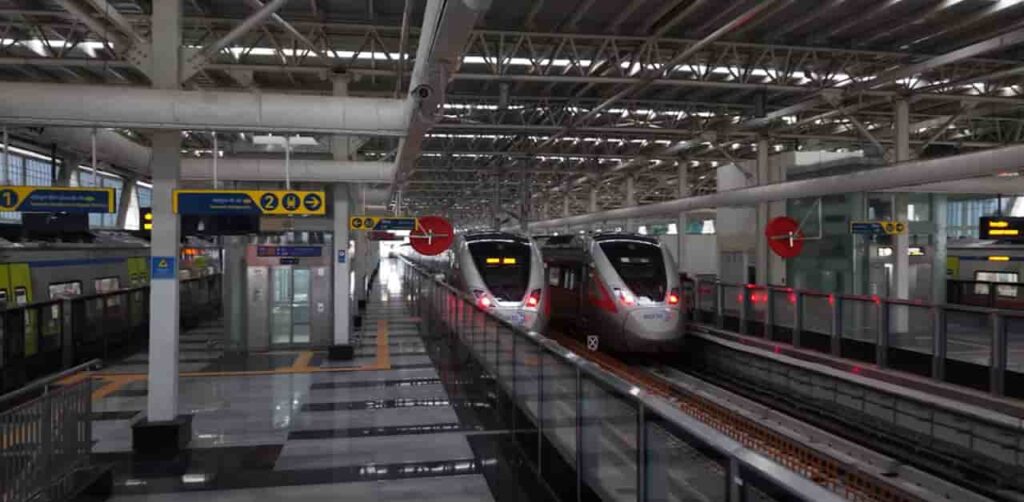
In a major milestone for India’s urban transport infrastructure, the full stretch of the Delhi–Meerut Regional Rapid Transit System (RRTS) has now been opened for public operations. Developed by the National Capital Region Transport Corporation (NCRTC), the corridor marks the country’s first semi-high-speed regional rail system, designed to significantly reduce travel time between Delhi and key cities in western Uttar Pradesh.The corridor connects Delhi, Ghaziabad, and Meerut, transforming daily commuting across the National Capital Region into a faster, more efficient experience.A High-Speed Alternative to Road TravelThe Delhi–Meerut RRTS corridor spans approximately 82 kilometres, making it one of the most advanced regional rail projects in the country. With trains designed to operate at a maximum speed of 180 km/h and an operational speed of around 160 km/h, the system drastically cuts down travel time.Commuters can now travel between Delhi and Meerut in less than one hour, compared to the earlier duration of over two to three hours by road, depending on traffic conditions. This is expected to ease congestion on highways and reduce dependence on private vehicles.Modern Stations and InfrastructureThe corridor includes over 20 strategically located stations, covering major residential, commercial, and transit hubs along the route. Key stations include:Sarai Kale Khan (Delhi)Anand ViharGhaziabadModinagarMeerut SouthMeerut CentralThese stations are equipped with modern facilities such as:Platform screen doorsAutomated ticketing systemsEscalators and elevatorsSeamless integration with metro and bus networksThe infrastructure has been designed keeping in mind accessibility, safety, and passenger comfort.Advanced Technology and Passenger ExperienceThe RRTS introduces a new standard of rail travel in India, combining speed with technology-driven convenience.Trains on the corridor are fully air-conditioned and feature:Ergonomic seatingDedicated luggage spaceOnboard information systemsWi-Fi connectivityCCTV surveillance for securityA separate premium coach has also been introduced, offering business-class-like seating and additional comfort for passengers willing to pay a higher fare.Integration with Urban Transport NetworksOne of the key advantages of the RRTS is its integration with existing urban transit systems. Stations such as Anand Vihar and Sarai Kale Khan connect with metro lines, railway stations, and bus terminals, enabling seamless last-mile connectivity.This multimodal approach is expected to encourage greater use of public transport and reduce traffic congestion in the region.Economic and Regional ImpactThe full operationalisation of the Delhi–Meerut RRTS corridor is expected to have far-reaching economic implications.Improved connectivity will:Boost real estate development along the corridorFacilitate faster movement of workforce between citiesEncourage business expansion beyond DelhiSupport balanced regional development in NCRCities like Ghaziabad and Meerut are likely to witness increased investment and urban growth as commuting becomes more convenient.Environmental BenefitsBy providing a fast and reliable alternative to road travel, the RRTS is also expected to contribute to environmental sustainability.Reduced vehicular traffic will lead to:Lower carbon emissionsDecreased fuel consumptionImproved air quality in the NCR regionThe project aligns with India’s broader goals of promoting sustainable and green mobility solutions.A New Era of Regional ConnectivityThe Delhi–Meerut RRTS is the first of several planned corridors under the regional rapid transit system network. Its successful implementation sets a benchmark for similar projects connecting other parts of the National Capital Region.With high-speed travel, modern infrastructure, and seamless connectivity, the corridor represents a significant leap in how intercity commuting is approached in India—bringing cities closer while improving quality of life for millions of daily commuters.