


From Power Corridors to Cultural Eternity: Yuge Yugeen Bharat Museum as World’s Largest by 2026
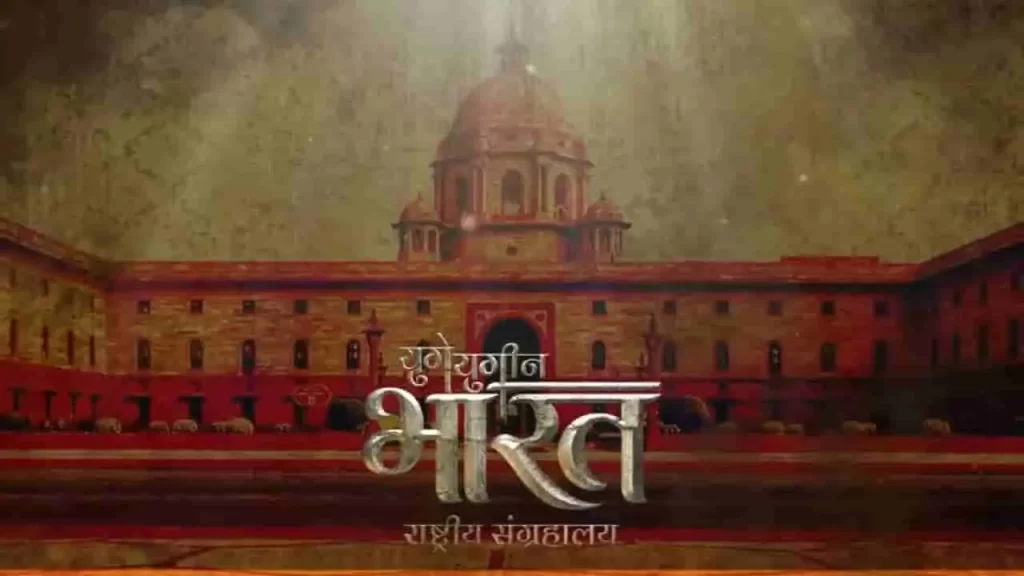
In a transformative pivot from colonial legacies to civilizational pride, India’s historic North and South Blocks on Raisina Hill are shedding their administrative mantle to birth the Yuge Yugeen Bharat Museum, poised to claim the title of the world’s largest museum. Spanning 1.55 lakh square meters (with over 80,000 sqm of display space across 950 rooms), this behemoth will chronicle 5,000 years of Bharat’s journey, from Indus Valley seals to modern manuscripts. The first gallery is expected to open in the North Block by late 2026, featuring 30 thematic spaces over three years and showcasing 80,000–1 lakh artefacts sourced from national vaults, state collections, and ASI treasures.Culture Secretary Vivek Aggarwal revealed to The Times of India: the inaugural “Time and Timelessness” gallery will spotlight 100 pivotal relics – think Indus Valley terracotta hourglasses (2500–1750 BCE), Mauryan edict pillars (3rd century BCE), Gupta Surya sculptures (5th century CE), the iconic 13th-century Konark Sun Wheel, and Chola Nataraja bronzes (10th–11th century CE) – offering a philosophical portal into India’s eternal ethos.Colonial Bastions Reborn: North-South Blocks’ Historic ShiftOnce the nerve center of British Viceregal power and post-Independence governance, these Edwin Lutyens-designed edifices witnessed the scars of Partition, Emergency deliberations, and triumphs such as the GST rollout, the abrogation of Article 370, and Swachh Bharat. For 95 years, South Block housed the PMO under 16 leaders from Nehru to Modi; Cabinet meetings echoed here until February 2026’s poignant finale.PM Modi’s February 13 dedication of the new PMO, rechristened ‘Seva Teerth’, alongside ‘Kartavya Bhavans’ signaled the epochal change. Ministries like Home, Finance, Personnel, External Affairs, and CBI have relocated to these tech-savvy, green workspaces on Kartavya Path, freeing the blocks for “adaptive reuse.” The Union Cabinet hailed it as a leap from “power-centric” rule to “service-oriented” Viksit Bharat, preserving architecture while infusing modern museology.Thematic Tapestry: 5,000 Years in 30 GalleriesCurated across eight zones, the museum weaves politics, art, spirituality, and innovation:Ancient Foundations: Indus artefacts from Kalibangan, Harappan seals.Classical Glory: Mauryan edicts, Gupta gold coins, Ajanta murals.Medieval Majesty: Chola bronzes, Vijayanagara scrolls, Mughal miniatures.Freedom to Future: INA trials, Constitution drafts, space tech replicas.Expect immersive audio-visuals, digital holograms, manuscripts, coins, and murals, all from a mapped pool of 20 lakh objects. Indo-French synergy elevates it: a December 2024 pact with France Museums Development pairs India’s heritage with Louvre-caliber expertise. Arcop Associates leads design under Thai architect Kulapat Yantrasast (Louvre redeveloper, LA’s Academy Museum), blending adaptive heritage with UNESCO/ICOM standards.Seamless Spectacle: Engineering Visitor DreamsAnticipating 10 million annual visitors (50,000 daily), accessibility reigns: ramps for PwD, seamless flows sans Raisina security snarls. A proposed underground tunnel – morphing into a subterranean cultural corridor- will link North-South Blocks, letting explorers glide between eras undetected. Restoration strips post-Independence partitions, reviving Lutyens’ grandeur amid sustainable tech. Culture Minister Gajendra Shekhawat eyes first verticals by 2027, eclipsing the Louvre’s footprint.FeatureYuge Yugeen BharatLouvre (Paris)Total Area1.55 lakh sqm~72,735 sqmDisplay Space80,000+ sqm~40,000 sqmArtefacts80,000–1 lakh~380,000 (38,000 displayed)Timeline Span5,000 years (Indus–Modern)10,000 years (global)Galleries30 across 8 zones35+ departmentsAnnual VisitorsProjected 10 million9.6 million (2024) Tourism Tsunami and Legacy LinkThis Central Vista crown jewel joins the PM Museum and digitised Archives, amplifying cultural mapping. Replacing Janpath’s National Museum, it repositions Delhi as a heritage hub, drawing global gazes to Raisina’s reinvention. As North Block readies its debut, Yuge Yugeen Bharat isn’t exhibiting; it’s Bharat’s soul, timeless and triumphant, inviting generations to reclaim their continuum.
18th Rozgar Mela: Massive Government Job Drive Connects Youth With Employment Opportunities
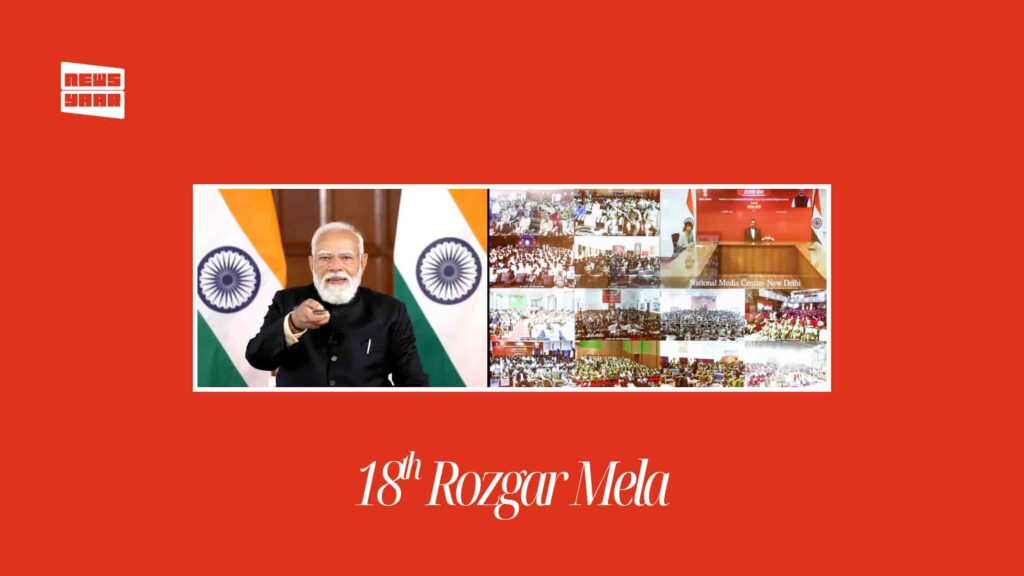
The 18th Rozgar Mela, one of India’s largest ongoing employment initiatives, was held on 24 January 2026 with events organised simultaneously across the country to provide job opportunities and appointment letters to young Indians. The flagship programme — aimed at accelerating government recruitment and linking the nation’s youth with jobs across ministries, departments and public sector units — witnessed widespread participation and engagement from newly appointed candidates. Prime Minister Narendra Modi addressed the 18th Rozgar Mela via video conferencing from New Delhi, speaking to appointees gathered at 45 locations nationwide. In his address, he described the initiative as a significant milestone for India’s youth and reiterated the government’s focus on employment creation, skill development and economic opportunity expansion for young Indians. When and Where It HappenedThe 18th Rozgar Mela took place on 24 January 2026, coinciding with a period of national significance that includes Parakram Diwas (on 23 January), National Voters’ Day (25 January) and the Republic Day celebrations on 26 January. The event was organised at 45 locations across India, allowing candidates from diverse regions to receive appointment letters and engage in related activities. The main address was delivered from New Delhi by the Prime Minister, while physical distribution of letters and events were held at designated Rozgar Mela venues in states across the country, including West Bengal, Nagaland, and other regions. Some centres, such as the Assam Rifles Training Centre in Dimapur, Nagaland, issued appointment letters to newly recruited candidates, reflecting the decentralised nature of the event. Key Highlights and Appointment DistributionOver 61,000 appointment letters were distributed to candidates selected for government jobs across ministries, departments and organisations, including departments such as Home Affairs, Health and Family Welfare, Higher Education, Financial Services, and others. The appointment letters were handed over through a combination of physical distribution at Rozgar Mela venuesand virtual interaction, connecting recipients across different states with the Prime Minister’s address. The event marks one of the largest single distributions of appointment letters under the Rozgar Mela scheme, with many of the new appointees beginning their careers in government service immediately following the mela. Reports from individual centres — such as Digberia in West Bengal — indicated that thousands of appointment letters were issued locally to freshly recruited personnel, including those selected for service in Central Armed Police Forces (CAPFs) and other government wings. Prime Minister’s Address and Core MessagesIn his address, Prime Minister Narendra Modi highlighted the symbolic importance of the Rozgar Mela and framed the distribution of appointment letters as an “invitation to nation building” for the youth. He noted that the year 2026 had begun with new opportunities and happiness for many young Indians who were now entering government service through the mela. The Prime Minister emphasised that connecting youth with skills and employment remains a priority of the government and that the Rozgar Mela had evolved into a key institutional mechanism over recent years, issuing over 11 lakh appointment letters since its inception as a mission-mode recruitment drive. In his remarks, the Prime Minister also positioned the Rozgar Mela within a larger economic and developmental narrative, highlighting India’s rapidly growing startup ecosystem, expanding opportunities in sectors such as animation, digital media and electronics, and the role of trade and mobility agreements in opening new opportunities for Indian youth globally. He pointed to India’s demographic advantage as one of the youngest countries in the world and underlined the government’s consistent efforts to create employment both domestically and internationally, reinforcing the event’s relevance as part of the broader agenda of economic empowerment and youth inclusion. Broader Impact of Rozgar MelasSince its launch, the Rozgar Mela programme has been a significant tool for mission-mode recruitment by the Centre, working to accelerate government hiring and ensure transparent, timely delivery of appointment letters. According to government figures, the Rozgar Mela initiative has facilitated the distribution of appointment letters in excess of 11 lakh across multiple editions, helping to place youth in positions within central ministries, departments and public sector undertakings nationwide. Union officials and youth representatives have lauded the Rozgar Mela as a platform that not only invites career opportunities but also encourages the next generation of public servants to contribute meaningfully to national development. Many candidates expressed gratitude and optimism after receiving their appointment letters, highlighting the personal and professional significance of the event. A Platform for Empowerment and National ServiceThe 18th Rozgar Mela reinforced its identity as a platform for youth employment generation, providing young Indians with direct entry points into government service while aligning with broader national goals of skill development, economic growth and public service excellence. By bringing thousands of new recruits into government employment, the event underscored the government’s commitment to expanding opportunities for work and career advancement for the nation’s youth. Looking ahead, future editions of the Rozgar Mela will continue to be watched closely as an indicator of the government’s progress in achieving large-scale, transparent employment generation across sectors and regions, particularly at a time when job creation remains a central public policy objective.
PM Modi Likely to Shift PMO to Seva Teerth, Marking Historic Transition from South Block
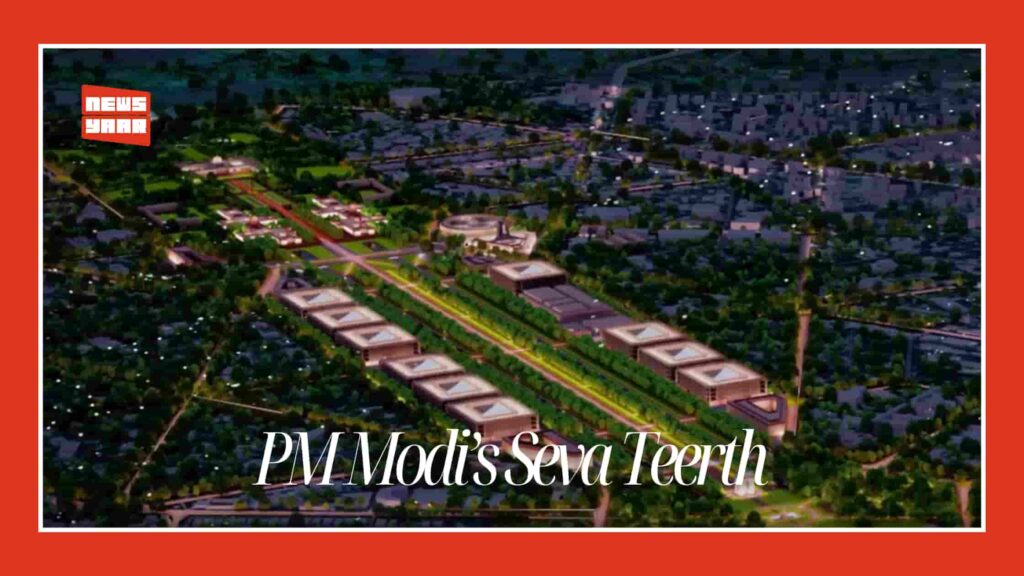
New Delhi: Prime Minister Narendra Modi is likely to shift his office to the newly constructed Seva Teerth complex near Raisina Hill after January 14, marking a historic transition in India’s administrative landscape. According to reports, the move is expected to coincide with Makar Sankranti and will formally end the Prime Minister’s Office’s long association with South Block, where it has functioned since Independence.The relocation is part of the ambitious Central Vista redevelopment project, aimed at modernising India’s core administrative infrastructure and bringing key decision-making bodies under one consolidated zone. What is Seva Teerth? Seva Teerth, officially known as the Executive Enclave, is located on Dara Shikoh Road, earlier called Dalhousie Road, in the heart of New Delhi, close to Raisina Hill. The complex has been designed as a secure and integrated administrative hub, reflecting the government’s vision of a more efficient and contemporary governance system.The Executive Enclave comprises three distinct buildings, each assigned to a crucial arm of national administration. Allocation of Offices Within the Complex Seva Teerth-1 has been designated to house the Prime Minister’s Office. The building includes office spaces, meeting rooms, and ceremonial areas, with a more expansive and formal layout reflecting the PMO’s national and international responsibilities.Seva Teerth-2 already houses the Cabinet Secretariat, which shifted there in September last year. Seva Teerth-3 will accommodate the National Security Council Secretariat and the office of the National Security Advisor, Ajit Doval. Once fully operational, the complex will bring together top-level decision-makers within proximity, facilitating smoother coordination on governance and national security matters. A Symbolic End to the South Block Era The move marks the end of an era for South Block, which has served as the seat of the Prime Minister’s Office since 1947. Over the decades, South Block became synonymous with executive authority and witnessed some of the most significant decisions in independent India’s history.Similarly, North Block, home to the Ministries of Home Affairs and Finance for decades, has also been vacated as part of the transition. Both ministries have already shifted to Kartavya Bhavan, another component of the Central Vista project.The Central Vista redevelopment seeks to address long-standing space constraints, outdated infrastructure, and the dispersal of ministries across Delhi. By consolidating offices, the government aims to improve efficiency, security, and inter-ministerial coordination, while also modernising buildings to meet present-day functional and technological requirements.Officials familiar with the project have said the new complexes are designed with advanced security features, sustainable infrastructure, and digital-ready facilities, aligning with India’s future governance needs. A New Chapter in Governance Once the Prime Minister formally begins work from Seva Teerth, it will mark a significant symbolic and functional shift in India’s administrative history. While South Block remains a powerful emblem of the past, Seva Teerth represents the government’s push toward a modern, centralised, and future-ready system of governance at the heart of the national capital.