


Teej: The Monsoon Festival That Celebrates Love, Faith, and the Rhythm of the Seasons
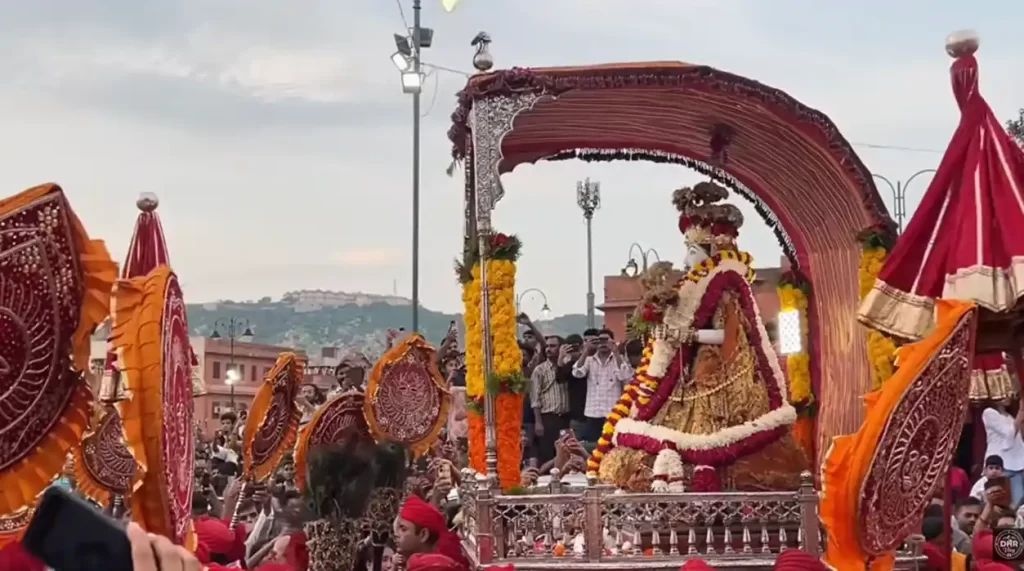
Teej arrives with the monsoon, carrying with it the scent of wet earth, the sight of women in bright green and red, and the sound of folk songs that seem as old as the rains themselves. It is a festival that belongs to the rhythm of the seasons as much as to the calendar of faith, marking not just a religious occasion but a moment when nature, devotion, and community come together in a single celebration. Though often associated primarily with married women who fast and pray for the well-being of their husbands, Teej is in many ways a wider celebration of love, fidelity, resilience, and new beginnings. It honours the divine union of Lord Shiva and Goddess Parvati, but it also speaks to human relationships, the cycles of life, and the hope that comes with the arrival of the rains after the heat of summer. The Three Faces of TeejTeej is not one single festival but a cluster of related observances that fall across the monsoon months, each with its own name, timing, and emphasis. The most widely known is Haryali Teej, which in 2026 falls on August 15, on the third day of the Shukla Paksha (bright fortnight) in the month of Shravan. This is the Teej most closely linked to the arrival of the monsoon and the greening of the landscape, and it is celebrated as a festival of nature as much as of devotion.About two weeks later comes Kajri Teej, also called Badi Teej, falls on the third day of the Krishna Paksha (dark fortnight). Its name evokes the dark clouds that bring rain, and its mood is slightly more introspective, with folk songs that often carry a note of longing and separation alongside devotion. The third major observance is Hartalika Teej, which in 2026 will fall in the Bhadon month on September 14. This version of Teej is tied to a specific legend in which Goddess Parvati’s female friends help her escape an unwanted marriage so that she can continue her penance and win Shiva as her consort. It is a story of agency, friendship, and spiritual determination, and it gives Hartalika Teej a distinct flavour within the larger Teej cycle.The Legend at The Heart of The FestivalAt the core of Teej lies the story of Shiva and Parvati, one of Hinduism’s most enduring divine couples. According to tradition, Parvati underwent 107 births and long years of penance before Shiva finally accepted her as his consort in her 108th birth. Haryali Teej is often linked to this moment of union, celebrating not just the marriage itself but the patience, devotion, and spiritual effort that led to it.Hartalika Teej, meanwhile, focuses on the episode where Parvati’s friends, the “hartalikas”, help her avoid an arranged match so that she can remain true to her own spiritual choice. In that sense, Teej is not only about marital harmony; it is also about the right to choose one’s path, the support of female friendship, and the power of sustained faith.How Teej is Observed?For many women, Teej begins early in the morning, ideally before sunrise, during the auspicious period known as Brahma Muhurat. The day is structured around puja, fasting, and ritual adornment. Those who observe the traditional vrat may abstain from food and sometimes even water, though modern guidance increasingly emphasises that the fast should be undertaken according to one’s faith and health, with alternatives for those who cannot follow a strict regimen. Dressing up is an important part of the celebration. Women wear festive clothes, often in green and red, and adorn themselves with solah shringar, the sixteen traditional forms of beautification that include items such as bangles, bindi, kajal, jewellery, and fragrant oils. This is not merely decorative; it is a ritual expression of marital identity, joy, and self-care, performed with a sense of occasion that the monsoon amplifies.Puja is performed during the shubh muhurat, with offerings made to Shiva and Parvati, and prayers offered for the long life, happiness, and well-being of husbands and families. In many communities, the fast is broken only after the evening puja, often with a small meal that respects the vrats’ dietary restrictions.The Colour Green and The Language of The MonsoonOne of the most distinctive features of Teej is its association with the colour green. Haryali Teej, in particular, is a celebration of the new greenery that the monsoon brings, and women often wear green clothes, decorate their homes with green bangles and leaves, and apply green accents in their makeup and accessories.This is not just aesthetic. Green, in this context, symbolises renewal, fertility, and the life-giving power of the rains. After the harsh heat of summer, the arrival of the monsoon feels like a kind of rebirth, and Teej becomes a way of marking that shift in the natural world through ritual, colour, and song.Songs, Swings, and CommunityTeej is also a festival of sound and movement. In many regions, women gather to sing folk songs that speak of love, separation, reunion, and devotion, their voices rising in patterns that have been passed down through generations. Swings are hung from trees or courtyards, and women take turns swaying on them, a simple act that becomes a symbol of joy, freedom, and the pleasure of the season. These gatherings are often as much about community as they are about religion. They offer a space for women to come together, share stories, support one another, and celebrate their own strength and resilience in a world that does not always make room for such expressions. In that sense, Teej is not only a festival of faith; it is a festival of womanhood.Faith, Health, and Modern PracticeIn recent years, there has been a growing emphasis on observing Teej in ways that are mindful of health and personal circumstance. Religious authorities and community leaders increasingly stress that the vrat should be undertaken willingly and with genuine faith, and that those who are unable to follow a strict fast should feel free to adopt alternatives rather than compromising their well-being. This
Jodhpur Airport’s New Terminal: A Royal Gateway for the Blue City
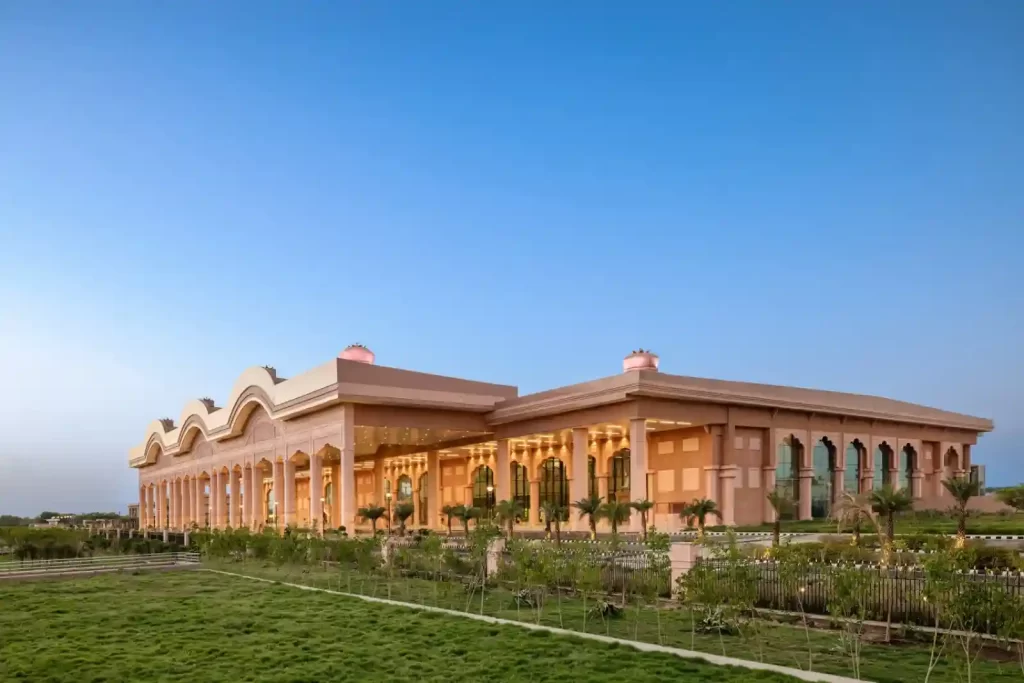
Jodhpur has always been a city that announces itself through its architecture. From the towering Mehrangarh Fort to the indigo-washed lanes of the old city, the built environment here tells a story of heritage, resilience, and royal grandeur. Now, that story has a new chapter: the newly inaugurated passenger terminal at Jodhpur Airport, a structure that manages to feel both thoroughly modern and unmistakably Rajasthani, turning a functional infrastructure project into a civic landmark that honours the city’s identity. Inaugurated by Prime Minister Narendra Modi on July 4, 2026, the new terminal replaces an older facility that had become a bottleneck for a city whose tourism and business travel were growing faster than its airport could handle. The previous setup was designed for around four lakh passengers annually; the new building, spread over 23,000–25,000 square metres (about 2.52 lakh sq ft), is engineered to handle two million passengers a year and up to 1,500 during peak hours, giving Jodhpur an airport that matches its aspirations as the gateway to Western Rajasthan. Why Jodhpur Needed a New TerminalFor years, Jodhpur Airport operated as a civil enclave within a military airfield, an arrangement that worked when passenger numbers were modest but began to strain under the weight of rising demand. The old terminal’s limited capacity meant congested check-in areas, constrained baggage handling, and restricted scope for adding more flights or larger aircraft, which in turn capped the city’s connectivity and tourism potential. The new terminal changes that equation. With 20 check-in counters, six aerobridges, and upgraded security and baggage-handling systems, it allows airlines to operate more smoothly and scale up frequency without the operational friction that comes from working in a cramped facility. Both Air India and IndiGo have already moved their operations to the new building, signalling that the airport is ready for a busier, more connected future. Architecture That Feels Like JodhpurWhat makes this terminal stand out is not just its capacity, but the way it looks and feels. Designed by the architecture firm STHAPATI, the building draws heavily from Jodhpur and Rajasthan’s heritage, translating royal motifs into a contemporary transportation hub. The grand entrance is marked by a rounded, ridged roof canopy inspired by palace architecture, while the façade features multifoil arches, carved columns, domes, and jharokhas that echo the region’s historic gateways and forts. At the centre of the façade sits a kalash, a sacred pot on a lotus base, a symbol traditionally associated with welcome and new beginnings in Indian architecture. For a building defined by arrivals and departures, the choice is both poetic and purposeful, rooting the journey in a sense of place before passengers even step inside. Inside, the sense of place continues through curated murals, regional artworks, and craft-inspired interventions developed with local artists. Peacock motifs, scenes from royal courts, and other elements from Rajasthani painting and decorative arts appear throughout, turning the terminal into a kind of gallery that introduces travellers to the essence of Marwar as soon as they land. Sustainability and Smart DesignThe terminal is not just aesthetically distinctive; it is also designed to be efficient. Passive environmental strategies, energy-efficient systems, and resource-monitoring technologies have been integrated to reduce operational demand while enhancing passenger comfort. Energy simulations indicate that the building consumes more than 50% less energy than the benchmark for comparable airport terminals, a significant achievement for a structure of this scale. Water conservation measures and green building practices are part of the design as well, with the project aiming for a 5-Star GRIHA rating. In a desert region where resource management is critical, this focus on sustainability ensures that the terminal’s growth does not come at the expense of environmental responsibility. Retail and Passenger ExperienceThe passenger experience extends beyond check-in and security into the retail and lounge areas, where the brief was clear: the retail should feel like Jodhpur, not like every other airport. Orchid Ent Outfit, led by entrepreneur Dhruv Jain, has been awarded the master retail concession and is developing a curated mix of national brands and local Marwari craft, ensuring that the shopping experience reflects the region’s identity rather than a generic airport template. This approach matters because airports are often the first and last impression a city leaves on a traveller. By embedding local craft, art, and design into the retail ecosystem, Jodhpur’s terminal turns a routine transit point into a cultural introduction, reinforcing the city’s brand as a destination worth exploring. Connectivity and Regional ImpactThe new terminal is expected to significantly boost tourism, trade, and employment in the region by enabling more flights, better connectivity, and a smoother travel experience. Jodhpur is already a key hub for Western Rajasthan, with tourists using it as a base for visits to Jaisalmer, Bikaner, and the Thar Desert. A modern airport strengthens that role, making it easier for domestic and international travellers to access the region without relying solely on road or rail. The inauguration also coincided with the launch of a modified UDAN (Ude Desh ka Aam Nagrik) scheme, which allocates around ₹28,840 crore over the next decade to enhance regional air connectivity. For a state like Rajasthan, where distances between cities are large and road travel can be time-consuming, improved aviation links can be a game-changer for business, tourism, and access to services. A Terminal That Feels Like a GiftFor Jodhpur, the new terminal is more than an infrastructure upgrade; it is a statement that the city’s growth is being taken seriously at the national level. Chief Minister Bhajanlal Sharma called it a “significant gift” to Rajasthan, while Deputy Chief Minister Diya Kumari highlighted the employment and connectivity benefits that will follow. At the same time, the terminal sets a benchmark for how regional airports in India can be designed, not as interchangeable glass boxes, but as structures that reflect local culture, climate, and craft while meeting modern operational standards. In that sense, Jodhpur’s new terminal is not just for Jodhpur; it is a model for how India’s smaller cities can build airports that feel like home. ConclusionJodhpur Airport’s new terminal is a rare example of
Pachpadra Refinery: India’s Most Delayed, Most Contested, and Most Important Energy Project
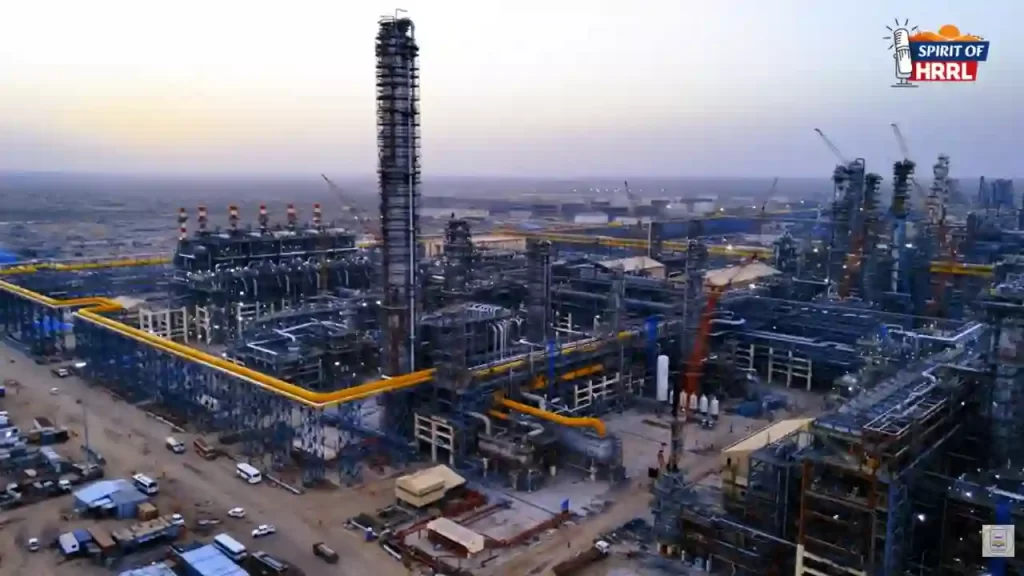
IntroductionFor over a decade, the Pachpadra refinery in Rajasthan’s Balotra district has been India’s most politically freighted infrastructure project — a facility that has had two foundation stones laid by two different prime ministers from two different parties, a cost that nearly doubled before a single barrel was processed, and an inauguration that was stopped one day before it was to happen by a fire that broke out in the Crude Distillation Unit.It is also, when you set aside the politics and the delays and the drama, one of the most consequential energy projects India has built in a generation.HPCL Rajasthan Refinery Limited, known as HRRL, is a 9 million metric tonnes per annum greenfield refinery-cum-petrochemical complex with 2.4 million metric tonnes per annum petrochemical production capacity, located in Pachpadra, Balotra district, Rajasthan. It is India’s first greenfield integrated refinery-cum-petrochemical complex, built at an estimated cost of nearly Rs 80,000 crore. It is spread across 4,400.4 acres of land in the Thar desert, operated by HPCL Rajasthan Refinery Limited, with HPCL holding 74 percent and the Government of Rajasthan holding 26 percent.When it becomes fully operational, it will be the first major refinery India has built from scratch since the 1990s — and the first one specifically designed to process the heavy, waxy crude oil that sits beneath Rajasthan’s Barmer basin, one of India’s most significant onshore oil reserves.The Origin Story: A Project That Belongs to Every PartyThe Pachpadra refinery’s political genealogy is unusual even by Indian standards. No single government can claim it. Every government has tried to.The story begins not with a foundation stone but with oil. The discovery of the Mangala oilfield in Barmer — the largest onshore oil discovery in India in more than 22 years at the time — created an obvious question: why is all this crude being pumped out of Rajasthan and sent to refineries in Gujarat and Maharashtra? Why is Rajasthan not refining its own oil?The project was first conceptualised under the Congress government. On September 18, 2013, then Congress president Sonia Gandhi laid the first foundation stone for the project, with an initial estimated cost of Rs 43,129 crore. The Ashok Gehlot government in Rajasthan was a co-signatory, and the project carried the political imprimatur of both the state and central Congress establishments.Then came 2014. The Congress lost the general election, Vasundhara Raje’s BJP government came to power in Rajasthan, and a project associated with the Congress went into the freezer — not officially abandoned, but quietly deprioritised. The joint venture structure was complicated, the land acquisition was incomplete, and the financing arrangements required renegotiation.Four years later, the BJP arrived to claim the project as its own. On January 16, 2018, Prime Minister Narendra Modi laid a second foundation stone for the same project, which now had two foundation stones from rival parties. Modi declared that the refinery would be ready by 2022 and would change the economic landscape of Rajasthan. He was wrong about 2022. He was not wrong about the economic landscape.The Project: What Is Actually Being BuiltThe refinery is operated by HPCL Rajasthan Refinery Limited, with HPCL holding 74 percent and the Government of Rajasthan holding 26 percent. An MoU for the project was signed between the state government and HPCL on April 18, 2017.The facility is not simply a refinery. The integrated nature of the project — combining refining with a large-scale petrochemical complex on the same site — is what makes it distinct from existing Indian refineries and from the original 2013 design.The refinery has a capacity of 9 million metric tonnes per annum of refining and 2.4 million metric tonnes per annum of petrochemical production. The Scheduled Commercial Operation Date is July 1, 2026.The petrochemical capacity is particularly significant. India is one of the world’s largest importers of petrochemical products — the plastic resins, synthetic fibres, rubber, adhesives, and industrial chemicals that feed into every sector of manufacturing. A domestic integrated complex reduces that import dependence and creates a foundation for downstream manufacturing investment in Rajasthan.The crude feedstock for the refinery will be Mangala crude from the Barmer basin — heavy and waxy crude that requires specialised handling including insulated pipelines and dedicated processing units. The Mangala field, discovered in January 2004, is the largest onshore oil discovery in India in more than two decades. It sits directly in Rajasthan’s backyard, and Pachpadra was designed specifically to process it, eliminating the need to transport it all the way to coastal refineries in Gujarat.HRRL is an important project considering the growing energy needs and petrochemical requirements of the country, thereby reducing the country’s dependence on imports, which will result in saving foreign exchange. The project will also contribute towards industrialisation of a backward area, usage of locally available Mangala crude and help promote India as a refining hub.The Cost: From Rs 43,129 Crore to Rs 79,459 CroreThe most uncomfortable aspect of the Pachpadra story is its cost trajectory. The initial estimated cost of the refinery was Rs 43,129 crore, and the work was scheduled to be completed by October 31, 2022. During the previous state government’s tenure, the project cost increased to Rs 72,937 crore by June 2, 2023. HPCL Rajasthan Refinery Limited submitted a proposal for a second revision of the refinery’s cost to the state government on July 24, 2025.The total project cost has been revised to Rs 79,459 crore. The Union Cabinet approved the revised cost on April 8, 2026 — just twelve days before the inauguration fire.That escalation — from Rs 43,129 crore to Rs 79,459 crore — represents an 84 percent increase from the original estimate. Several factors contributed to it: the construction delays caused by land acquisition disputes and coordination failures during the political transitions between Congress and BJP governments in both Rajasthan and at the centre; Covid-19 disruptions that halted construction for an extended period; global commodity price inflation that drove up the cost of steel, cement, and equipment; and the expansion of the petrochemical complex beyond the
Dhanda Nyoliwala’s Electrifying Jaipur Concert Celebrates Haryanvi Culture
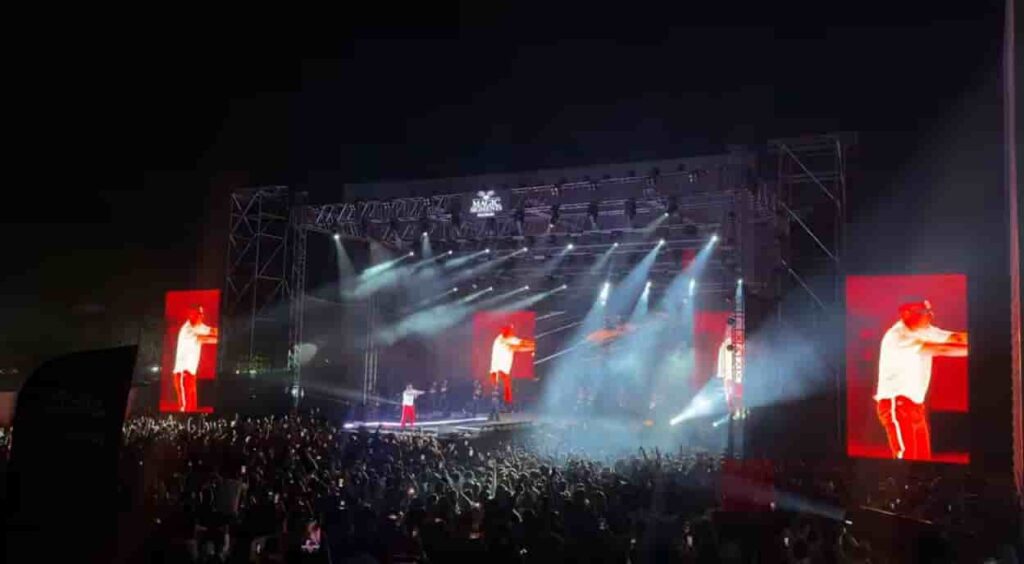
The city of Jaipur recently witnessed an energetic musical celebration as Haryanvi rapper Dhanda Nyoliwala brought his powerful stage presence to Rajasthan with a high-octane live concert that highlighted regional music and cultural identity. The concert turned into an unforgettable cultural spectacle when actor Randeep Hooda joined him on stage, transforming the performance into a vibrant celebration of Haryanvi pride and artistic expression.Held as part of Nyoliwala’s ongoing music tour, the Jaipur show attracted a large crowd of fans who gathered to experience the rising popularity of Haryanvi rap and contemporary regional music. The event stood out not only for its high-energy performances but also for the deeper cultural message it carried—showcasing the language, rhythm, and identity of Haryana on a wider national platform.A Celebration of Haryanvi Identity Through MusicDhanda Nyoliwala has rapidly emerged as one of the most recognizable voices in the Haryanvi independent music scene. Known for his distinctive rap style that blends modern hip-hop beats with raw Haryanvi dialect and storytelling, his performances often reflect everyday life, regional pride, and cultural authenticity.At the Jaipur concert, Nyoliwala performed several of his popular tracks that resonate strongly with young audiences across northern India. His music, often characterized by bold lyrics and energetic rhythms, created an electrifying atmosphere as the crowd enthusiastically sang along to his verses.The concert formed part of a broader effort by regional artists to bring local music traditions into mainstream entertainment spaces. Over the past few years, Haryanvi music has gained significant attention beyond its home state, and performers like Nyoliwala are playing a key role in pushing the genre to national and global audiences.Randeep Hooda’s Surprise Appearance on StageOne of the most memorable moments of the evening came when actor Randeep Hooda made a surprise appearance on stage alongside Dhanda Nyoliwala. Known for proudly representing his Haryanvi roots, Hooda’s presence added a new dimension to the performance and was met with loud cheers from the audience.As Nyoliwala delivered his signature rap verses infused with Haryanvi flavour, Hooda joined him in an energetic performance that blended cinema and music. The actor matched the rhythm with spirited dance moves and traditional Haryanvi expressions, creating an atmosphere that felt both authentic and celebratory.For many fans, this moment symbolised a rare and powerful collaboration between regional music and mainstream cinema. Hooda’s participation was not merely a celebrity cameo but a personal expression of cultural pride, reflecting his long-standing commitment to promoting Haryanvi language and traditions.A Cultural Spectacle Beyond a ConcertWhat began as a musical performance gradually transformed into a larger cultural event. The stage showcased a blend of contemporary rap and traditional Haryanvi spirit, creating a fusion that resonated strongly with the audience.Observers noted that the chemistry between Dhanda Nyoliwala and Randeep Hooda felt natural and spontaneous. Both artists share deep connections to Haryana’s culture, and their collaboration reflected a shared desire to bring regional voices to broader audiences.During the performance, Hooda embraced the lively atmosphere by dancing in classic Haryanvi style while Nyoliwala continued delivering his powerful rap sequences. The combination of music, cultural expression, and stage energy created a memorable experience for fans attending the concert.Audience Response and Social Media BuzzThe Jaipur concert quickly became a trending topic on social media as clips from the event circulated widely online. Videos capturing Hooda’s surprise entry and his energetic participation alongside Nyoliwala generated significant excitement among fans.Audience members described the show as one of the most vibrant musical events in Jaipur in recent months. The crowd’s enthusiastic response demonstrated the growing popularity of regional music genres that reflect local identity while appealing to younger listeners.The concert also highlighted how regional artists are increasingly using live performances to strengthen their connection with audiences beyond their home states.Growing Influence of Haryanvi MusicThe Jaipur concert underscored a broader trend in the Indian music industry: the rising influence of regional languages and independent artists. While Punjabi music has long enjoyed national popularity, Haryanvi music has recently begun carving its own space in mainstream entertainment.Artists like Dhanda Nyoliwala represent a new generation of performers who combine local storytelling with global musical influences such as hip-hop and rap. Their music resonates strongly with young audiences who connect with its authenticity and cultural roots.Collaborations with well-known public figures like Randeep Hooda further help amplify this cultural movement, bringing greater visibility to regional art forms.A Moment of Cultural PrideBeyond the music and entertainment, the Jaipur concert served as a reminder of how art and performance can celebrate identity and heritage. By bringing together contemporary rap and cinematic charisma, Dhanda Nyoliwala and Randeep Hooda created a moment that felt both entertaining and meaningful.The event reflected a growing confidence among regional artists who are proudly presenting their language and traditions to wider audiences. As more musicians and performers continue to explore these cultural roots, concerts like the one in Jaipur demonstrate the evolving landscape of India’s music scene—where regional voices are gaining recognition and influence far beyond their local origins.
Barefoot Warriors of the Thar: The 725-Km Fight to Save Rajasthan’s Sacred Sands
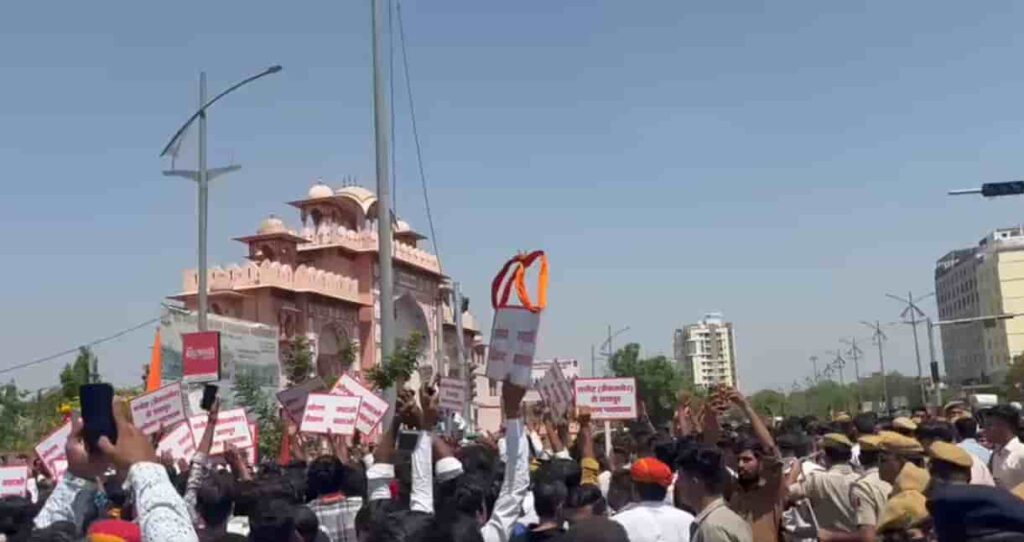
In the blazing heart of Rajasthan’s Thar Desert, where the sun scorches the earth and mirages dance on endless dunes, a remarkable movement is in making. It’s the Oran Bachao Yatra, a massive 725-kilometer barefoot march from Jaisalmer to Jaipur. Started on January 21, 2026, at the holy Tanot Rai Mata Temple (just 30 km from the Pakistan border), this isn’t just a protest. It’s a pilgrimage of faith, culture, and survival. Hundreds of villagers, farmers, camel herders, women, children as young as 10, and elders up to 75 – walk daily under the relentless sun. They shout slogans like “Oran bachao, gochar bachao!” (Save the Oran, save the pastures!) and sing bhajans at night. Why? To stop solar companies from swallowing sacred “Oran” lands that hold their gods, animals, and future.What Exactly is Oran? A Desert LifelineImagine patches of green in a sea of sand – that’s Oran. In western Rajasthan, especially Jaisalmer and Barmer, villages have set aside these lands for centuries. No one farms here. No trees get cut. They’re holy spots for folk gods like Ramdevji, Pabuji, and local deities. Khejri trees (Rajasthan’s state tree) provide life-saving shade and fodder. Ponds catch rainwater, keeping groundwater alive. Rare wildlife thrives: Great Indian Bustards (near extinction), chinkaras (deer), foxes, jackals, pelicans, cranes, and desert birds.Oran isn’t “waste” land, it’s the desert’s beating heart. It supports livestock (key for herders), stops soil erosion, and fights climate change. After 15 years of local struggles, only 300,000 bighas (about 75,000 hectares) are officially registered as Oran in the revenue records. But 2.5 million more bighas across Jaisalmer alone are at risk – labeled “gair mumkin” (uncultivable) or “banjar” (barren) by officials. Without protection, they’re easy prey for “development.”Solar Dreams vs. Desert Reality: The Spark of AngerRajasthan leads India in solar power, with over 22,000 MW installed, and 41,000 hectares more for new projects. Great for clean energy! But locals cry foul. Governments (Congress earlier, now the current one) hand over the Oran lands to companies. Examples: 745 hectares allotted in Jaisalmer’s Ramgarh tehsil recently. Trees uprooted, ponds filled, temples demolished. Leader Sumer Singh Sawanta of Team Oran fumes: “Cows’ grazing spots and deity lands vanish overnight.”Past betrayals sting. Officials once promised fixes in three months, but nothing happened. Herders lose pastures, so animals starve, forcing migration. Biodiversity crumbles: No Bustards means lost eco-tourism. Water tables drop without ponds. Women, remembering 1730’s Amrita Devi Bishnoi (who hugged Khejri trees to death against choppers), now lead the charge. It’s not anti-development, it’s a call for sustainable growth.The Epic Journey: Feet on Fire, Hearts AblazeDay by day, the yatra moves. Sunrise prayers at temples kick off barefoot walks. Drums beat, flags wave. They cover villages, explaining Oran’s role in water, forests, faith, and food. By evening: Chaupals (village squares) for bhajans, songs to gods give strength. “This fuels us,” says marcher Harish Dhandev.Covered 400 km so far! Highlights: Jodhpur stop. Shiv Sena MLA Ravindra Singh Bhati joined, carrying Sawanta on his shoulders for 1.5 km. Massive rally at Rajput Sabha Bhawan, then march to Collectorate. Hundreds submitted a memorandum demanding 17,562 bighas registered in Jaisalmer. Mahant Satyamani warned: “Public anger boils – protect forests now!”Bhopal Singh, 35: “We’ve met collectors everywhere, woken villages.” No full-time politicians walk, but support grows from all sides. Multi-state backing shows it’s bigger than party lines.Voices from the Sands: Real Stories, Raw PassionSumer Singh Sawanta (Team Oran leader): “Govt tests our patience. Temples razed, wrong! Both parties did this.”Mahant Satyamani: “Issue orders fast. Register grazing lands, people are furious.”Harish Dhandev: “Kids to grannies join. We love progress, but save our heritage first.”Women marchers: Echo Amrita Devi, carrying water pots as symbols of life-giving Orans.Why This Matters – A Wake-Up for IndiaOran Bachao isn’t local; it’s a green alert. Solar boom is vital against climate change, but at what cost? Lose Orans, lose desert balance: Herders flee, wildlife vanishes, culture fades. This yatra revives folk pride, unites faiths, and empowers women.
Maru Mahotsav 2026: Know Jaisalmer’s Rich Legacy & Culture
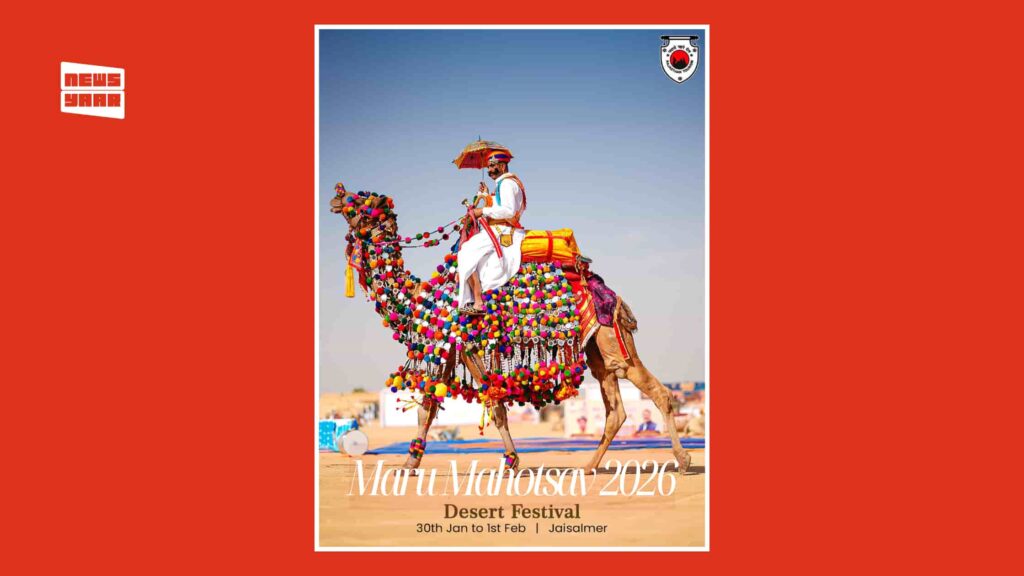
Three-day festival draws thousands of domestic and international tourists to experience Rajasthan’s vibrant traditions Jaisalmer: The Maru Mahotsav 2026, also known as Desert Festival, currently underway at Jaisalmer’s Shaheed Poonam Singh Stadium, has transformed the Golden City into a vibrant cultural hub, bringing together locals, artists, and tourists to celebrate the rich heritage of Rajasthan’s Thar Desert. The three-day festival, which commenced on January 30 and will conclude on February 1, showcases the colorful traditions, folk music, dance performances, and cultural contests that define the desert region’s unique identity. Set against the backdrop of Jaisalmer’s iconic golden sandstone architecture and vast dunes, the event has attracted visitors from across India and around the world. Cultural Competitions Crown New Winners The festival featured several prestigious cultural competitions on its opening day. Manish Panwar was crowned “Maru Shri 2026,” fulfilling what he described as a childhood dream. “I participated in the competition, and I have won… This was my childhood dream,” Panwar told ANI, visibly emotional about his achievement. Kusum Panwar from Bikaner won the coveted “Miss Moomal 2026” title, expressing her pride in representing Rajasthan’s cultural heritage. “This program is held to move our culture forward… I just wanted to participate in this,” she said, highlighting the festival’s role in preserving traditional values. Taj, who secured the “Mrs. Jaisalmer 2026” crown, shared her excitement: “I got very excited when my name was announced… I am very happy.” The competitions also included traditional events such as turban-tying contests and mustache competitions, reflecting the region’s distinctive cultural practices. A Global Cultural Attraction The Maru Mahotsav has emerged as a significant tourist attraction, drawing both domestic and international visitors. Lucia, a tourist from Brazil, expressed her delight at experiencing the desert celebrations. “This festival is amazing. We are very happy here,” she said, echoing the sentiments of numerous international attendees who have traveled to witness Jaisalmer’s cultural spectacle. Festival Highlights and Events The festival’s packed schedule offers something for everyone. Visitors have been treated to mesmerizing folk music and dance performances, including the traditional Ghoomar dance. Thrilling camel races and camel polo matches showcase the desert animal’s central role in regional culture and history. The Art & Craft Bazaar has been a major attraction, featuring traditional Rajasthani handicrafts, textiles, and artworks, allowing visitors to take home authentic pieces of desert culture. A Food Festival offers attendees the opportunity to savor authentic Rajasthani cuisine, from dal baati churma to ker sangri. Modern elements blend seamlessly with tradition at the festival. Evening performances have included a spectacular drone show, combining cutting-edge technology with traditional festivities. Cultural evenings feature performances by renowned artists, creating magical moments under the desert sky. Cultural Preservation and Tourism The Maru Mahotsav serves a dual purpose, preserving Rajasthan’s rich cultural heritage while boosting tourism in the region. The festival provides a platform for local artists and performers to showcase their talents, ensuring that traditional art forms continue to thrive in the modern era. The event also offers visitors unique experiences, such as folk art exhibitions at historic sites like Kuldhara and Khaba Fort, where the Mandana Art Exhibit displays intricate Rajasthani folk paintings. Musical performances at Khuri Sand Dunes create an authentic desert atmosphere, allowing tourists to experience the region’s musical heritage in its natural setting. Grand Finale Awaits As the festival approaches its conclusion on February 1, organizers have planned a spectacular grand finale. The final evening will feature a magnificent fireworks display that will illuminate the desert sky, providing a fitting end to the three-day celebration of Rajasthani culture. The Maru Mahotsav 2026 has once again proven that Jaisalmer remains one of India’s most captivating cultural destinations, where ancient traditions meet modern celebrations in the heart of the Thar Desert.
Jaipur Literature Festival 2026 Reinforces Jaipur’s Global Cultural Identity
The Jaipur Literature Festival (JLF) 2026 concluded earlier this month, reaffirming its status as the world’s largest free literary gathering and one of India’s most influential cultural events. Held at the historic Diggi Palace in Jaipur, the five-day festival brought together authors, poets, thinkers, artists and performers from across the world, transforming the Pink City into a vibrant hub of ideas, debate and artistic expression. Over the years, JLF has grown beyond a literary festival into a cultural phenomenon, and its 2026 edition once again reflected that evolution by blending literature with music, dance, storytelling and public discourse. When and Where JLF 2026 Took Place The Jaipur Literature Festival 2026 was held from January 15 to January 19, 2026, at Diggi Palace, a heritage venue in the heart of Jaipur. The centrally located venue allowed easy access for both domestic and international visitors and offered a unique setting where historical architecture met contemporary dialogue. What Is the Jaipur Literature Festival? Founded in 2006, the Jaipur Literature Festival is an annual celebration of books, ideas and free speech. Known for its open-access format, the festival brings together voices from diverse backgrounds including fiction and non-fiction writers, historians, journalists, poets, philosophers, economists, policymakers and artists. JLF has earned global recognition for encouraging open debate, cultural exchange and intellectual engagement while remaining accessible to the general public. Key Highlights of JLF 2026 The 2026 edition featured a packed programme of panel discussions, book launches, readings and conversations covering themes such as global politics, history, climate change, gender, technology, identity and contemporary society. Prominent Indian and international authors shared stages with emerging voices, creating a balance between established thought leadership and new perspectives. One of the defining features of JLF 2026 was its emphasis on cross-cultural dialogue. Sessions explored the intersection of literature with global events, regional narratives and evolving social realities. Music, Dance and Cultural Performances Beyond literature, JLF 2026 offered an immersive cultural experience. The Jaipur Music Stage attracted large crowds with performances by celebrated Indian and international artists. From folk and classical music to contemporary fusion and independent bands, the music programme added a festive dimension to the event. Dance performances, spoken-word poetry and visual storytelling further enriched the festival, making it appealing not just to readers but to cultural enthusiasts and tourists alike. Tourism and Economic Impact The festival significantly boosted tourism in Jaipur, with hotels, local markets and heritage sites witnessing increased footfall throughout the event. Visitors combined festival attendance with sightseeing, exploring Jaipur’s forts, bazaars and culinary offerings. Cultural tourism linked to JLF continues to play an important role in promoting Rajasthan as a destination for heritage-driven experiences, especially among international travellers. How Visitors Reached Jaipur Jaipur is well connected by air, rail and road, making it easily accessible for festival attendees. By Air: Jaipur International Airport connects the city with major Indian cities and select international destinations. By Rail: Jaipur Junction serves as a major railhead with frequent trains from Delhi, Mumbai, Kolkata and other metros. By Road: National highways and state transport buses connect Jaipur with Delhi, Agra, Udaipur and other key cities. Local transport options including cabs, autos and app-based services made commuting to Diggi Palace convenient during the festival. Why JLF Matters The Jaipur Literature Festival continues to stand out for its commitment to free expression, inclusivity and cultural dialogue. At a time when public discourse globally is often polarised, JLF provides a rare platform for nuanced conversations and respectful exchange of ideas. As one participating author noted during the festival, “Jaipur remains one of the few places where literature still feels like a public celebration rather than a closed-door conversation.” Conclusion As Jaipur Literature Festival 2026 came to a close, it left behind more than just packed auditoriums and headline sessions. The festival once again demonstrated how literature, music and culture can coexist as powerful tools of connection, drawing people across borders, languages and generations. By turning Jaipur into a living canvas of ideas and creativity, JLF 2026 reinforced the city’s position as a global cultural destination and highlighted the enduring relevance of literature in shaping conversations that extend far beyond the festival grounds.
Udaipur Turns Wedding Capital as Netra Mantena–Vamsi Gadiraju’s Lavish Nuptials Take Over Social Media

Udaipur: For three days, Udaipur wasn’t just the City of Lakes, it was the epicentre of India’s most talked-about wedding. The wedding of Netra Mantena and Vamsi Gadiraju transformed the historic Rajasthani city into a high-profile celebration zone, drawing massive attention on social media and setting new benchmarks for destination weddings in India.From celebrity performances and royal venues to viral dance reels, the Mantena–Gadiraju wedding dominated Instagram and YouTube feeds, momentarily eclipsing memories of other high-profile celebrity weddings. What began as a private family celebration quickly turned into a nationwide spectacle, with every function unfolding like a curated visual extravaganza.While the wedding brought them into the public spotlight, the families behind the celebration are no strangers to success. Netra Mantena is the daughter of NRI pharmaceutical entrepreneur Rama Raju Mantena, Chairman and CEO of Ingenus Pharmaceuticals. Originally from Vijayawada, Andhra Pradesh, Mantena built his business across the US, Switzerland and India after moving abroad in the 1980s.The groom, Vamsi Gadiraju, is a tech entrepreneur and the co-founder and Chief Technology Officer of Superorder, a platform that enables multi-location restaurants to manage delivery and takeaway operations more efficiently. In 2024, Gadiraju and his co-founder, Raghav Poddar, earned a spot on the prestigious Forbes 30 Under 30 list under the Food and Drink category.The destination wedding unfolded entirely in Udaipur, with the city witnessing heightened security arrangements, restricted access around key tourist zones, and luxury hotels booked exclusively for guests. Reports suggested limited access to Lake Pichola during the celebrations, underlining the scale of the event.Chartered flights ferried guests, while traditional folk performances blended seamlessly with modern entertainment, offering a fusion of royal heritage and contemporary luxury.The wedding festivities were hosted across some of Udaipur’s most iconic landmarks. The main wedding ceremony took place at Jagmandir Island Palace, the 17th-century marble palace located in the middle of Lake Pichola. The sangeet was hosted at Zenana Mahal within the City Palace complex, while the haldi ceremony unfolded at the opulent Taj Lake Palace.The celebrations continued with grand party nights at The Leela Palace, which also hosted the reception. Each venue showcased elaborate décor inspired by royal aesthetics, adding to the fairytale-like appeal of the celebrations.Clips of choreographed dance performances, celebrity sightings and behind-the-scenes moments flooded social platforms, turning the wedding into a viral phenomenon. Industry observers note that the event reflects a growing trend of ultra-luxury destination weddings in India that blend heritage venues with global-scale production.As the celebrations concluded, the Mantena–Gadiraju wedding left behind more than memories, it set social media abuzz, boosted Udaipur’s image as a global wedding destination, and reaffirmed India’s enduring love for grand, larger-than-life weddings.
Historic Army Day Parade in Jaipur: A Public Spectacle of Pride

Jaipur is up for a historic celebration as the 78th Army Day Parade & is set to take place on January 15, 2026.The event along Mahal Road in Jagatpura is one of the most inclusive tributes to the Indian Army.Army Day is observed every year on January 15 to honour Field Marshal Kodandera M. Cariappa, who became the first Indian Commander-in-Chief of the Indian Army in 1949 following independence.A Parade Like Never BeforeAuthorities have organised open rehearsals on January 9, 11, and 13, allowing thousands of residents to witness military precision, disciplined marching contingents, and displays of modern weapons well ahead of the main parade.Public enthusiasm has been palpable, with crowds gathering early along Mahal Road to watch tanks, missile systems, and advanced defence technologies.Patriotism on DisplayOfficials have emphasised the parade’s role in reinforcing civil-military harmony and national pride. Thousands of audiences, including school and college students, women’s groups, ex-servicemen, and families, are expected to attend under a registration system implemented by the Rajasthan government.The excitement has translated into public participation during rehearsals, with residents capturing performances on mobile phones and cheering the march-past and military bands. More Than a Parade: The Final InsightsAlongside the main event, Jaipur will host a variety of complementary programs, including a “Know Your Army” exhibition, which showcases armoured vehicles, missile systems, and interactive displays aimed at deepening public awareness of India’s defence forces.A special evening event, Shaurya Sandhya 2026, featuring cultural performances, light and sound shows, and a tribute to families of martyrs, will take place as part of the broader celebration.The 78th Army Day Parade stands as a celebration of military tradition and discipline, but also as a powerful symbol of national unity, pride, and collective respect for the service of the Indian Army.Video credit: DD News