


Bharat Innovates 2026: Showcasing India’s Deep-Tech Ambitions on the Global Stage
IntroductionAs countries around the world compete to lead the next wave of technological innovation, India has increasingly positioned itself not only as a hub for software and digital services but also as a growing centre for deep-tech research and entrepreneurship. Bharat Innovates 2026, held in Nice, France, marked an important step in that journey by providing Indian startups, researchers and academic institutions with a global platform to showcase indigenous technologies and build international partnerships.Organised under the Ministry of Education with strategic guidance from the Office of the Principal Scientific Adviser to the Government of India, Bharat Innovates 2026 brought together India’s innovation ecosystem—including startups, higher educational institutions, investors, industry leaders and policymakers—to demonstrate the country’s capabilities in emerging technologies. The initiative reflected India’s broader vision of transforming itself from a technology consumer into a global technology developer and exporter.What is Bharat Innovates 2026?Bharat Innovates 2026 is India’s first large-scale international deep-tech showcase designed to present the country’s most promising innovations before a global audience. The event featured around 120 carefully selected deep-tech startups, research institutions and universities working across strategic technology sectors.Unlike traditional startup exhibitions that primarily focus on fundraising, Bharat Innovates was conceived as a global accelerator to facilitate research collaborations, pilot projects, technology commercialisation, manufacturing partnerships and international market access. It also sought to strengthen links between Indian innovators and investors, industries, universities and governments from around the world. Why the Initiative MattersIndia has emerged as one of the world’s fastest-growing startup ecosystems, with thousands of technology companies working in areas such as artificial intelligence, biotechnology, space technology, robotics and semiconductor design. However, many deep-tech startups often face challenges in accessing international markets, research partnerships and long-term investments.Bharat Innovates 2026 was designed to bridge this gap by providing a dedicated international platform where Indian innovators could directly interact with global venture capital firms, multinational corporations, research organisations and government agencies.The initiative also highlights a shift in India’s innovation strategy. Instead of focusing only on information technology services, the country is increasingly investing in technologies that require advanced scientific research, intellectual property development and long-term industrial applications. Key Focus AreasThe event showcased innovations across a wide range of strategic sectors that are expected to shape the future global economy.Artificial Intelligence and machine learning emerged as major focus areas, with startups presenting solutions in healthcare diagnostics, language technologies, automation and industrial applications.Space technology formed another important segment, reflecting India’s growing capabilities following the success of missions such as Chandrayaan and Aditya-L1. Several startups demonstrated satellite technologies, earth observation solutions and launch-related innovations.Other sectors included:Semiconductor technologiesDefence and aerospaceBiotechnologyClimate and clean energyQuantum technologiesAdvanced manufacturingRobotics and automationAgritech and food securityHealthcare technologiesThe diversity of innovations reflected the growing maturity of India’s research and startup ecosystemIndia-France CollaborationOne of the defining aspects of Bharat Innovates 2026 was its role in strengthening technology cooperation between India and France.The event was inaugurated by Prime Minister Narendra Modi and French President Emmanuel Macron during the India-France Year of Innovation. Both leaders emphasised the importance of collaborative research, innovation-driven economic growth and stronger partnerships in emerging technologies.France has become an important strategic partner for India in areas such as defence, aerospace, artificial intelligence and clean energy. Bharat Innovates expanded this cooperation by creating opportunities for joint research projects, technology transfer and industrial collaboration between institutions from both countries. Opportunities for Indian StartupsFor participating startups, Bharat Innovates represented far more than an exhibition.The event provided opportunities to pitch technologies before global investors, establish commercial partnerships, explore international markets and collaborate with universities and research laboratories.Many startups working in advanced technologies often require long-term funding and access to specialised expertise rather than traditional venture capital alone. By bringing together investors, research institutions and industry leaders under one platform, Bharat Innovates aimed to accelerate the commercialisation of Indian innovations.The initiative also sought to encourage Indian startups to think globally from the early stages of product development instead of limiting themselves to domestic markets. Role of Higher Educational InstitutionsUniversities and research institutions formed a significant part of Bharat Innovates 2026.Premier institutions including the Indian Institutes of Technology (IITs), research laboratories and innovation centres showcased technologies developed through academic research. Projects ranged from healthcare solutions and advanced materials to artificial intelligence, defence technologies and sustainable engineering.The participation of academic institutions reflected the growing emphasis on translating scientific research into commercially viable technologies and supporting innovation-driven entrepreneurship within higher education.Supporting the Vision of Atmanirbhar BharatBharat Innovates also aligns closely with the Government of India’s vision of Atmanirbhar Bharat by promoting indigenous innovation in strategically important sectors.Rather than depending entirely on imported technologies, India is encouraging domestic research, intellectual property creation and advanced manufacturing capabilities.This approach has become particularly important in sectors such as semiconductors, defence equipment, artificial intelligence, cybersecurity and quantum technologies, where technological self-reliance is increasingly viewed as a strategic necessity.Through initiatives such as Bharat Innovates, the government aims to strengthen India’s position as both an innovation hub and a technology exporter.Challenges AheadWhile Bharat Innovates represents an important milestone, several challenges remain.Deep-tech startups typically require larger investments, longer development timelines and stronger research infrastructure compared to conventional technology startups. Commercialising advanced scientific innovations also involves regulatory approvals, manufacturing capabilities and sustained industry collaboration.Maintaining global competitiveness will require continued investment in research and development, stronger university-industry partnerships and policies that encourage innovation while supporting entrepreneurs through different stages of growth.Looking AheadBharat Innovates 2026 represents more than a single international event. It reflects India’s broader ambition to become a leading contributor to global technological advancement.As emerging technologies continue to reshape industries worldwide, initiatives that connect Indian researchers and startups with international partners are expected to play an increasingly important role in driving innovation-led economic growth.By providing a global platform for indigenous technologies, Bharat Innovates has the potential to strengthen India’s innovation ecosystem and accelerate the transition from research laboratories to commercial markets.ConclusionBharat Innovates 2026 marked a significant milestone in India’s efforts to establish itself as a global centre for deep-tech innovation. By bringing together startups, researchers, universities, investors and policymakers on an international platform, the initiative showcased the growing capabilities
Mumbai Hits Play: India’s First Musical Road Belts Out ‘Jai Ho’ – Your Drive Just Got an Oscar-Worthy Soundtrack!
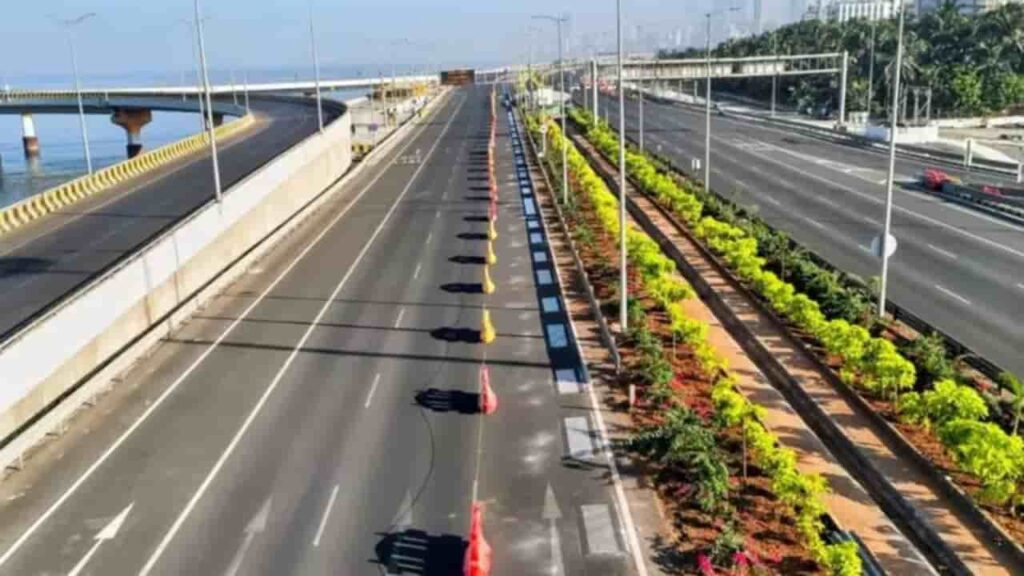
Picture this: You’re cruising out of Mumbai’s swanky Coastal Road tunnel, windows up, AC humming, when suddenly… thrum-thrum-TA-DA! A.R. Rahman’s Oscar-winning Jai Ho explodes from your tires. No speakers, no playlist – just pure road magic! On February 11, 2026, the Brihanmumbai Municipal Corporation (BMC) flipped the switch on India’s first musical road, a 500-meter groove-fest on the northbound stretch from Nariman Point to Worli. Maharashtra CM Devendra Fadnavis and Deputy CM Eknath Shinde cut the ribbon, but let’s be real – the real stars are the rumble strips stealing the show. A ₹7.5 crore stretch of asphalt grooves that’s got drivers ditching Spotify for tire-tarmac tunes. Is it gimmick, genius, or both? Let’s dive deep into the beats, tech, trivia, and tips that make this road India’s freshest jam.How This Asphalt Symphony Works Forget pothole symphonies of despair. This ₹7.5 crore wonder uses Hungarian-engineered rumble strips, think tiny grooves laser-cut into the asphalt at ninja-level precision. Hit 60-80 kmph (that’s your sweet spot, speed demons), and your tires “strum” the road like guitar strings. Vibrations bounce inside your car (hello, natural resonator!), birthing Jai Ho’s triumphant beats. Too slow? Silence. Too fast? Chaos. Just right? You’re Slumdog Millionaire’s dancing hero.Signboards scream warnings 500m, 100m, and 60m ahead (even in the tunnel): “Slow to 70-80 kmph for Jai Ho!” – BMC’s sneaky genius for safer speeds. Pro tip: Early mornings or late evenings = lighter traffic, clearer tunes. Windows up? Still slaps.Not Just Gimmick – A Global Groove GangMumbai joins an elite club: Japan kicked it off in 2007 (Asphaltophone vibes from Denmark’s 1990s artists), with Hungary, South Korea, UAE, USA, China, and more grooving along. Mumbai’s twist? Oscar swagger via Rahman. “It’s engineering meets entertainment,” BMC boasts, and honestly, who wouldn’t merge lanes for melody?Why You’ll Ditch Spotify for This StretchBucket-List Drive: Northbound only, post-tunnel joyride – perfect Instagram reel fodder (tag your co-pilot’s jaw-drop).Safety Sneak: Tunes tempt ideal speeds, cutting rash-driving blues.Mumbai Flex: Coastal Road’s tunnel-to-sea views + free concert? Peak city swagger.Fun fact: Sound stays inside your vehicle – no blaring for neighbors. Celebs, your move – Virat, Deepika, ready for a Jai Ho cruise?Next time you’re Mumbai-bound, skip the aux cord. Let the road sing. Jai Ho indeed – India’s drive game just leveled up! The Magic Under the Tires: How Rumble Strips Remix RahmanNo speakers, no speakers, just pure physics playing DJ. Picture rumble strips on steroids: Precisely engineered grooves (depths and spacings calculated to millimeter perfection) etched into the asphalt divider-adjacent lane. Cruise at the “Goldilocks speed” of 60-80 kmph (BMC’s sweet spot: 70kmph for crystal-clear Jai Ho), and your tires “strum” the ridges like a sitar. Friction sparks vibrations that resonate through your chassis, your car becomes a natural echo chamber, birthing sound waves tuned to Rahman’s triumphant melody.Science Breakdown: Narrower grooves = higher pitches (that TA-DA! hook); wider ones rumble low bass. Speed too low? Muted hum. Zoom past 80? Cacophony. Windows up? Still slaps – sound’s trapped inside for your private gig.Safety Symphony: BMC’s ulterior motive? Nudge safe speeds on the high-speed Coastal Road. Signage screams from 500m, 100m, and 60m ahead (tunnel inklings too): “Maintain 70-80 kmph for Jai Ho!” It’s behavioral engineering disguised as fun – fewer accidents, one catchy chorus at a time.Cost & Specs: ₹7.5 crore for 500m of melodic mastery. Northbound only (Breach Candy exit vibes), audible solely in-vehicle, no neighborhood noise wars.Early birds report goosebumps: “Felt like Rahman remixed my engine!” quips a tester. Rainy days? Tunes hold (grooves drain fast). Pro drive hack: Early mornings/late evenings = traffic-light serenades.Mumbai Joins the Global Groove Parade: Musical Roads Around the WorldIndia’s debut steals from a quirky international playlist. Japan pioneered in 2007 (Honda’s Fukuoka “Melody Road” played anime OSTs), sparking a wave:Hungary: Tech blueprint here – traffic-calming tunes (Mumbai adapted theirs).South Korea/UAE: K-pop/Arabic hits for highways.USA/China/Iran/Russia/Turkey: From California’s “Honda Sounds” to Tehran’s Persian pops.Roots trace to Denmark’s 1990s Asphaltophone, artists Steen Krarup Jensen and Jakob Freud-Magnus vibing pavement poetry. Mumbai elevates: Jai Ho’s global Oscar cred (2009 Best Original Song) nods Bollywood’s soft power. Fun global nugget: Japan’s roads “sing” only at exact speeds, stray, and it’s static city!Why Mumbai? Coastal Road’s Perfect StageThis isn’t random tarmac, it’s the poster child for BMC’s infrastructure glow-up. The Coastal Road (Nariman Point-Worli sea-link shortcut) slashes commute hell, dodging Marine Drive snarls. Post-tunnel emergence? Epic: Arabian Sea sunsets + surprise soundtrack = Insta-gold. BMC’s vision: Blend utility (speed enforcement) with wow-factor (tourist trap). Travel buffs: Hit lighter hours – dawn cruises amplify sea breeze + Jai Ho euphoria.Beyond the Buzz: Real Impact and Reader RoadmapCeleb Bait?: Expect Bollywood cameos, Coastal Road’s elite lane screams influencer flex.Eco Angle: Grooves sip minimal asphalt; no lights/power draw.Expansion Tease: BMC eyes more stretches – patriotic anthems next?Your Play-by-Play Guide:Enter Northbound: Nariman Point → Worli tunnel.Spot Signs: Gear down to 60-80 kmph.Exit Tunnel: Jai Ho drops – film it (safely!).Best Time: 6-9 AM/7-10 PM – queue-free vibes.Pit Stops: Worli Sea Face for post-tune selfies.Critics yawn “gimmick,” but riders rave: “Engineering poetry!” In a pothole-plagued nation, Mumbai’s dropping beats, not bombs. Next time you’re Mumbai-bound, skip the aux cord. Let the road sing. Jai Ho indeed – India’s drive game just leveled up!
NASA Astronaut Sunita Williams Retires After Nearly Three Decades of Spaceflight Service
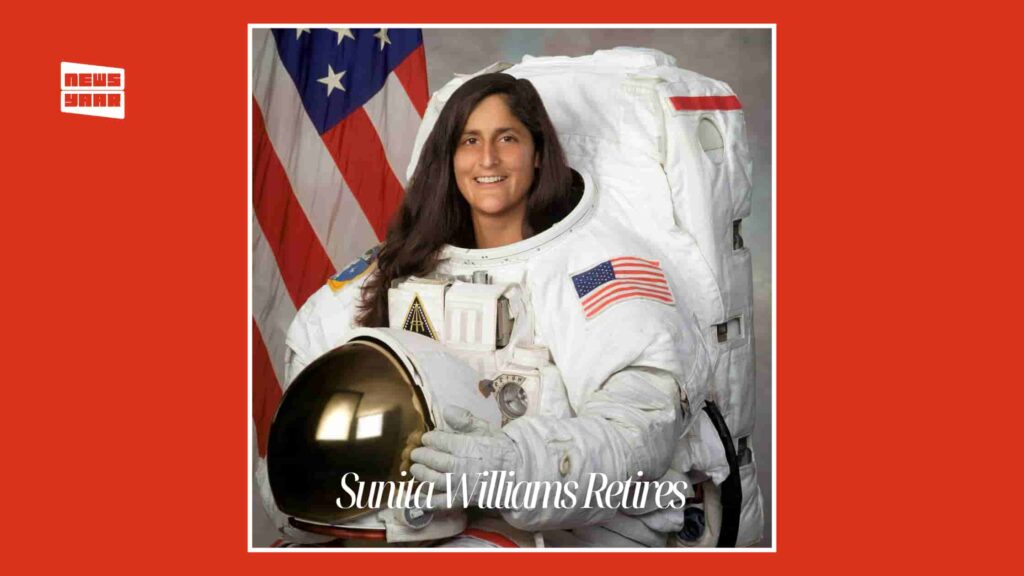
NASA astronaut Sunita “Suni” Williams has formally retired after a distinguished 27-year career with the United States space agency, closing a chapter that spans some of the most significant phases of modern human spaceflight — from the Space Shuttle programme to the International Space Station (ISS) and the emergence of commercial crew missions. NASA announced her retirement in late 2025, acknowledging Williams’ extensive contributions to space exploration, mission leadership, astronaut training and long-duration human spaceflight operations. Early Life and Professional Background Born on September 19, 1965, Sunita Williams is of Indian-Slovenian descent and grew up in the United States. She graduated from the United States Naval Academy with a degree in physical science and later earned a master’s degree in engineering management from the Florida Institute of Technology. Before joining NASA, Williams served as a commissioned officer in the US Navy, where she became a helicopter pilot and later a test pilot, flying more than 30 aircraft types. Her operational and technical experience in aviation played a key role in her selection as an astronaut. Selection as NASA Astronaut Williams was selected as part of NASA’s 1998 astronaut class, one of the agency’s most competitive intakes. She underwent extensive training in spacecraft systems, robotics, spacewalks, Russian language and survival operations — a reflection of NASA’s increasingly international mission structure at the time. Her training coincided with the early assembly years of the International Space Station, positioning her at the forefront of long-duration orbital missions. Space Missions and Time in Orbit Over the course of her career, Williams flew on three space missions, spending a cumulative 608 days in space, making her one of NASA’s most experienced astronauts in terms of time spent in orbit. Her first spaceflight came in 2006 aboard Space Shuttle Discovery (STS-116), where she joined Expedition 14 and later Expedition 15 aboard the ISS. During this mission, she played a major role in station construction and systems maintenance. Williams returned to the ISS in 2012 as part of Expedition 32, later assuming command during Expedition 33, becoming one of the few astronauts — and one of the few women — to lead the orbiting laboratory. Record-Breaking Spacewalks One of Williams’ most notable achievements was her contribution to extravehicular activity (EVA). She conducted nine spacewalks, accumulating over 62 hours outside the ISS — a record for the most spacewalk time logged by a woman astronaut at the time. Her spacewalks involved complex tasks such as station assembly, repair of external systems, installation of scientific instruments and upgrades to power and cooling infrastructure critical to ISS operations. Leadership and Scientific Contributions As Commander of the ISS, Williams was responsible for crew safety, operational coordination, scientific mission execution and liaison with ground teams across multiple countries. Her tenure coincided with an intensive research phase aboard the station, with experiments spanning human physiology, material science, fluid dynamics and Earth observation. NASA officials have consistently cited her leadership style, operational discipline and technical proficiency as instrumental in sustaining continuous human presence aboard the ISS. Role in Commercial Crew and Training In the latter part of her career, Williams supported NASA’s transition toward commercial crew programmes, contributing to astronaut training, mission evaluations and operational readiness planning. Her experience across different spacecraft platforms made her a valuable resource during this transitional period. She was also involved in mentoring younger astronauts and supporting mission simulations, ensuring continuity of institutional knowledge within NASA’s astronaut corps. Retirement and Post-Service Benefits Williams retired at the age of 60, making her eligible for federal retirement benefits based on years of service. According to public disclosures, retired NASA astronauts receive pensions under standard US federal employee retirement systems, along with healthcare and post-service benefits. While she has not announced formal post-retirement plans, retired astronauts often continue contributing through education, public engagement, advisory roles, research collaborations and private-sector aerospace initiatives. Legacy and Impact Sunita Williams’ retirement marks the end of a career that bridged multiple eras of US space exploration. Her achievements place her among the most accomplished astronauts in NASA history, particularly in the areas of long-duration missions, spacewalk operations and international cooperation aboard the ISS. Her career has also held symbolic importance for aspiring scientists and engineers worldwide, particularly in India and among the global Indian diaspora, where her achievements have long been followed with pride. As NASA prepares for future missions to the Moon, Mars and beyond, Williams’ contributions remain embedded in the operational foundations of long-duration human spaceflight.
Alaknanda: Indian Astronomers Discover a Milky Way–Like Galaxy from the Universe’s Youth
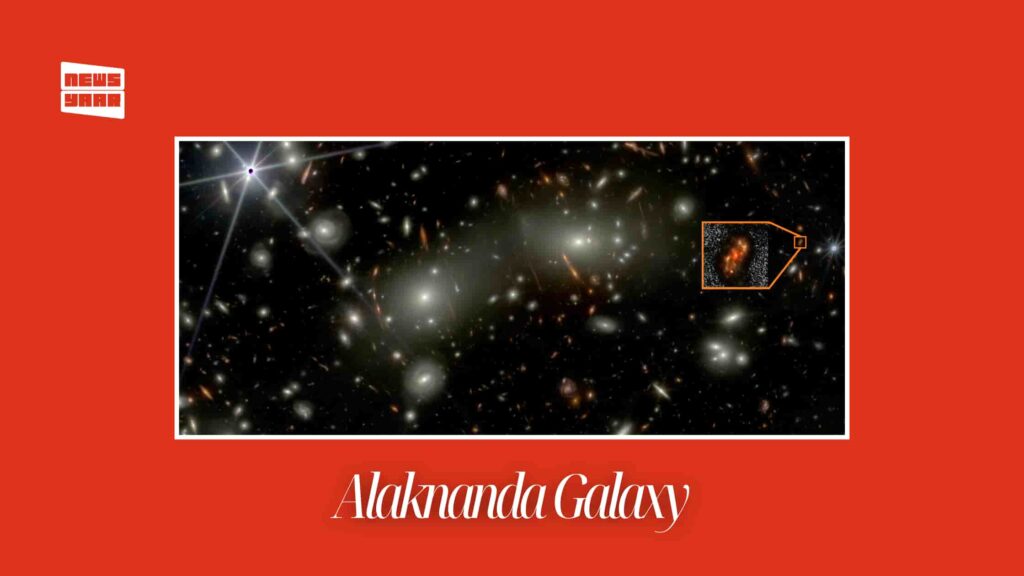
Indian astronomers have made a discovery that could rewrite prevailing theories of galaxy formation, after identifying a massive, well-structured spiral galaxy dating back nearly 12 billion years. Named Alaknanda, after the Himalayan river, the galaxy was observed when the Universe was only about 1.5 billion years old, just 10% of its current age of 13.8 billion years.The discovery was made using data from the James Webb Space Telescope (JWST) by Rashi Jain, a PhD researcher at the National Centre for Radio Astrophysics (NCRA), part of the Tata Institute of Fundamental Research in Pune, under the supervision of Professor Yogesh Wadadekar. Their findings were published in the prestigious European journal Astronomy and Astrophysics in November.What makes Alaknanda extraordinary is its structure. According to current models, galaxies that formed so soon after the Big Bang were expected to be small, irregular, and chaotic, still assembling their mass through violent mergers. Instead, Alaknanda appears as a fully formed spiral galaxy, complete with a central bulge and two symmetric spiral arms, remarkably similar to the Milky Way.Ms Jain discovered the galaxy while analysing nearly 70,000 objects captured by JWST. “There was only one grand-design spiral galaxy in the entire dataset,” she said. Spanning around 30,000 light-years, Alaknanda shows classic spiral features, including a distinctive “beads-on-a-string” pattern, clusters of stars aligned along its spiral arms, commonly seen in nearby mature galaxies.Professor Wadadekar admitted his initial reaction was disbelief. “It’s astonishing how such a large galaxy with spiral arms could have existed just 1.5 billion years after the Big Bang,” he said. Scientists estimate that Alaknanda had already formed nearly 10 billion times the mass of the Sun in stars, while also developing a stable rotating disc, an achievement that should have taken much longer according to existing cosmic timelines.The implications of this discovery are significant. It suggests that some galaxies in the early Universe evolved far more rapidly and efficiently than previously thought. The presence of such an organised structure so early challenges assumptions about the pace of star formation, the role of dark matter, and the mechanisms that lead to spiral arm formation.For Indian astronomy, the finding marks a major milestone, showcasing the country’s growing role in cutting-edge space research enabled by global observatories like JWST. For cosmology as a whole, Alaknanda opens new questions about how order emerged so quickly from the apparent chaos of the early Universe, and whether other such hidden spirals are waiting to be found.
Madhavi Latha: The Engineer Behind the World’s Highest Rail Bridge
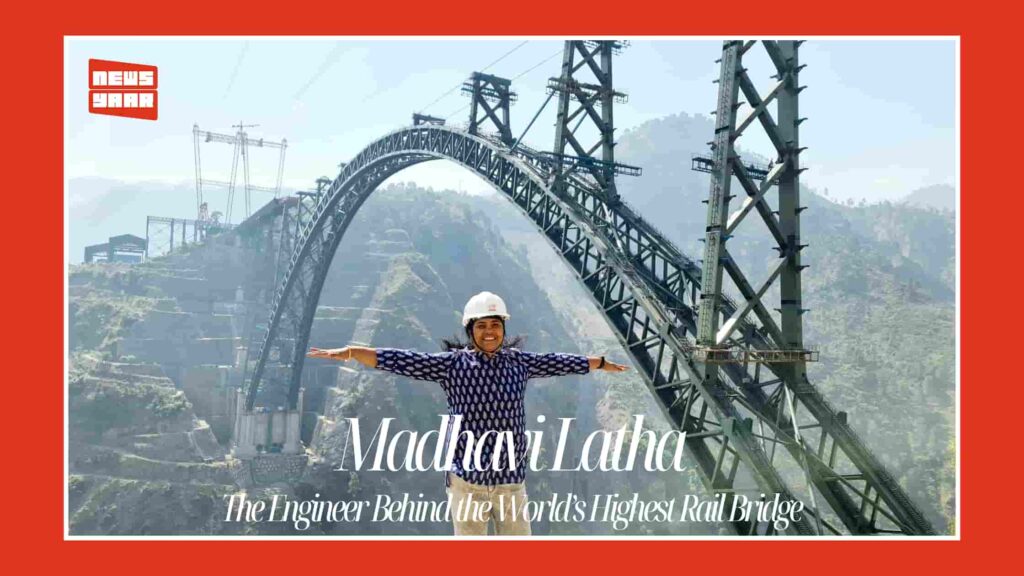
When the Chenab Rail Bridge, the world’s highest railway bridge, stands tall amid the rugged Himalayas, it represents more than an engineering marvel. It tells the story of Dr. G. Madhavi Latha, the engineer whose expertise and vision played a pivotal role in turning an impossible idea into reality. She has also been awarded the NDTV Science Icon of the Year Award.Towering at 359 metres above the Chenab River in Jammu and Kashmir, the bridge is higher than the Eiffel Tower and is one of India’s most ambitious infrastructure projects. Designed to withstand extreme winds, earthquakes, and challenging geological conditions, the Chenab Bridge is a symbol of modern India’s engineering strength, and Dr. Madhavi Latha was at the heart of it.A professor at IIT Madras, Dr. Madhavi Latha, served as the geotechnical consultant for the project. Her role was crucial: the bridge stands in a highly seismic zone with fragile rock formations and unpredictable terrain. Traditional construction methods were not enough. Innovative geotechnical solutions were required to stabilise slopes, design foundations, and ensure long-term safety in one of the most hostile environments imaginable.Dr. Latha and her team worked extensively on slope stabilisation, foundation design, and rock reinforcement, addressing landslide risks and geological uncertainties. What made the challenge even greater was the remoteness of the site, harsh weather conditions, and limited accessibility. Despite these obstacles, her scientific approach and practical problem-solving ensured that the bridge could safely support high-speed trains while enduring nature’s extremes.Beyond its technical brilliance, Dr. Madhavi Latha’s contribution carries deep symbolic value. In a field traditionally dominated by men, her leadership and expertise have made her an inspiration for young engineers across India. She has often spoken about how the project demanded patience, collaboration, and unwavering commitment, qualities as critical as technical knowledge.The Chenab Rail Bridge is a vital link in the Udhampur–Srinagar–Baramulla Rail Line (USBRL) project, aimed at improving connectivity, mobility, and development in Jammu and Kashmir. Its completion marks a major milestone in India’s infrastructure journey.Dr. Madhavi Latha’s story reminds us that behind every iconic structure lies human effort, intellect, and resilience. As trains begin to cross the world’s highest rail bridge, they carry with them not just passengers, but the legacy of an engineer who redefined what was possible.