


Tesla’s India Entry: Retail Expansion and Customer Response So Far
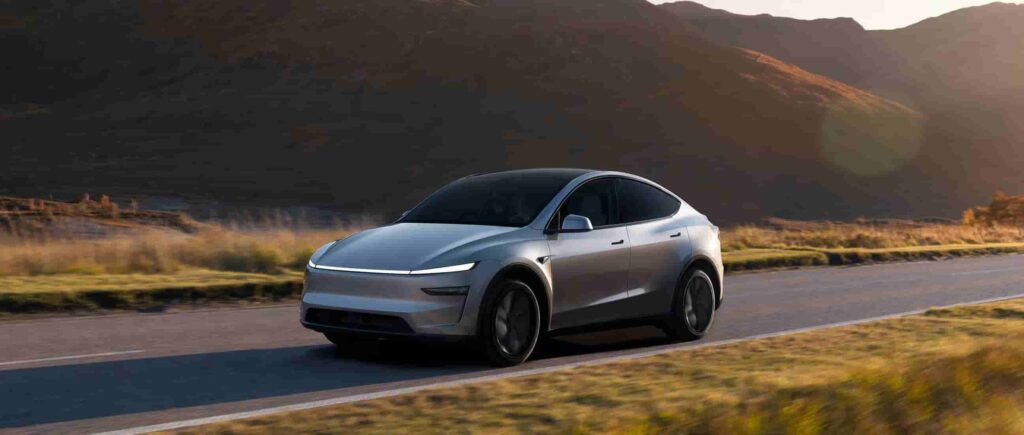
Tesla’s long-anticipated entry into India finally materialised in 2025, marking a significant moment for the country’s evolving electric vehicle (EV) ecosystem. After years of discussions around import duties, localisation, and policy frameworks, the company adopted a measured, retail-first approach, choosing to test the market before committing to large-scale manufacturing.A Strategic Entry into a Price-Sensitive MarketTesla officially began its India journey with the launch of the Model Y, positioning it in the premium electric SUV segment. However, unlike other automakers that localised production early, Tesla opted to import vehicles as completely built units (CBUs).This decision has directly impacted pricing. Due to India’s high import duties on electric vehicles, the Model Y has been priced upwards of ₹60 lakh, placing it firmly in the luxury bracket. In a market where the majority of car buyers operate within a much lower price range, Tesla’s initial strategy clearly targets high-net-worth individuals and early adopters rather than the mass market.Retail Expansion Through Experience CentresA defining feature of Tesla’s India entry is its direct-to-consumer retail model, which eliminates traditional dealerships. The company opened its first experience centre in Mumbai’s Bandra-Kurla Complex (BKC), one of the country’s most premium commercial hubs.These experience centres are designed not just as showrooms but as brand spaces, allowing customers to interact with Tesla’s technology, design, and ecosystem. Expansion plans have focused on metro cities such as Delhi and Bengaluru, where demand for premium electric vehicles is relatively higher.Tesla’s retail approach aligns with its global strategy—maintaining control over customer experience while integrating online bookings and minimal physical sales infrastructure.Building the Charging EcosystemRecognising that infrastructure is key to EV adoption, Tesla has also begun laying the groundwork for its charging network in India. The company has introduced its fast-charging Supercharger technology in select urban locations, enabling quicker turnaround times for users.However, the broader challenge remains. India’s EV charging infrastructure is still developing, with uneven availability across regions. While metro cities are gradually improving, range anxiety and accessibility continue to influence customer decisions.Tesla’s approach, therefore, appears incremental—expanding infrastructure in tandem with demand rather than investing aggressively upfront.Early Sales Trends and Market RealityInitial data suggests that Tesla’s entry has generated strong curiosity but limited scale in actual sales.In the months following its launch:The company recorded a few hundred initial ordersBookings crossed the 1,000 mark over timeActual registrations remained relatively low compared to overall EV sales in IndiaThis gap between interest and conversion highlights a key reality: while Tesla enjoys strong brand recall, pricing and infrastructure constraints are slowing adoption.Customer Response: Aspirational Yet CautiousCustomer response to Tesla in India has been a mix of excitement and hesitation.On the positive side, the brand continues to carry significant aspirational value. For many consumers, owning a Tesla is associated with innovation, sustainability, and global status. Demand has been particularly visible in metro cities like Mumbai, Delhi, and Bengaluru, where premium vehicle buyers are more concentrated.At the same time, several concerns have emerged. The high price point remains the biggest barrier, limiting Tesla’s reach to a niche segment. Additionally, buyers are still evaluating practical aspects such as charging convenience, service network availability, and long-term maintenance.As a result, while interest levels remain high, purchase decisions are being made cautiously.Competitive Landscape and Market PositioningTesla’s entry has come at a time when India’s EV market is already witnessing rapid growth, led primarily by domestic and mid-range players.Companies like Tata Motors have established dominance in the affordable EV segment, while brands such as MG Motor and Hyundai are strengthening their presence in the mid-premium category.In this landscape, Tesla currently operates as a luxury niche player, rather than a volume-driven competitor.Policy Environment and the Manufacturing QuestionA critical factor shaping Tesla’s future in India is government policy. The Indian government has introduced incentives for global EV manufacturers, including reduced import duties, provided companies commit to local manufacturing investments.So far, Tesla has not announced a concrete manufacturing facility in India, choosing instead to evaluate market conditions through imports. This decision has kept costs high but allows the company flexibility in its early stages.However, industry experts widely agree that local manufacturing will be essential for Tesla to scale meaningfully in India.The Road AheadTesla’s India journey is still in its early phase. Its current strategy reflects caution—focusing on brand establishment, limited retail expansion, and gradual infrastructure development.Going forward, the company’s growth will depend on several key factors:Introduction of more affordable modelsExpansion of charging infrastructureStrengthening of after-sales and service networksClarity on local manufacturing plansConclusionTesla’s entry into India has been significant, not for its immediate scale but for its symbolic and strategic impact on the EV ecosystem. It has reinforced the premium electric vehicle segment and contributed to increasing consumer awareness around EV technology.However, the initial response also underlines the realities of the Indian market—price sensitivity, infrastructure gaps, and strong domestic competition.For now, Tesla remains an aspirational brand with limited reach. Whether it can transition into a mainstream player will depend on how effectively it adapts to India’s unique market dynamics in the coming years.