


Toyota Urban Cruiser Ebella: Toyota’s Sleek Entry into India’s Electric SUV Market
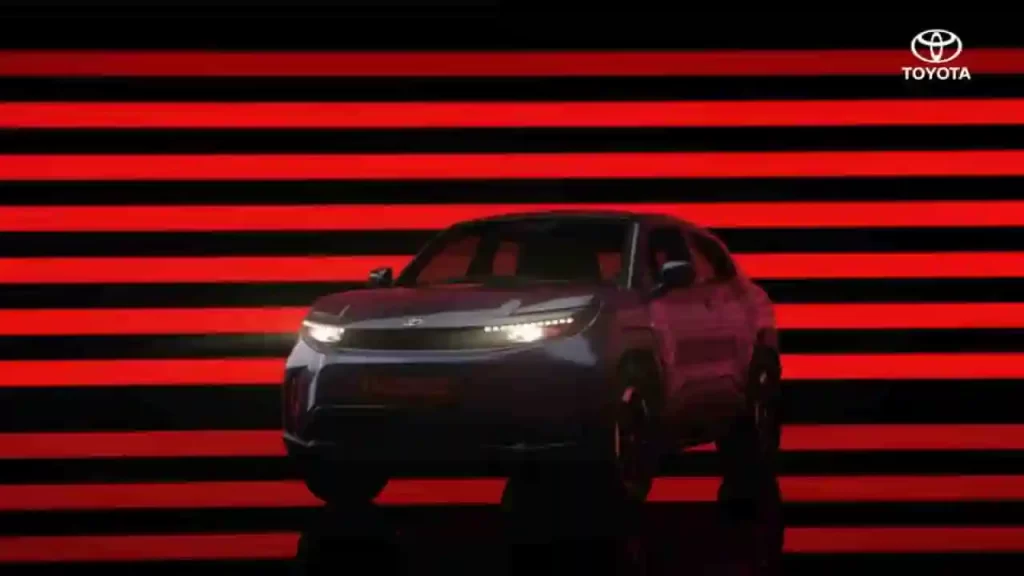
Toyota has unveiled the Urban Cruiser Ebella, a stylish new compact electric SUV that marks the company’s bold step into India’s fast-growing EV segment. This vehicle is essentially a rebadged version of the Maruti Suzuki e-Vitara, sharing the same core engineering, specifications, and features. What sets the Ebella apart is its modern, premium styling that gives it a sleek and urban appeal, making it feel distinct from its Suzuki sibling. Bookings are already open across three variants, E1, E2, and E3, with prices expected to start around Rs 18-21 lakh and a launch slated for April 15, 2026. Toyota aims to attract buyers who value reliability and peace of mind in an EV still new to many Indian families.Striking Design and Premium Touches Tailored for Urban DriversThe Urban Cruiser Ebella stands out with its unique front fascia, which looks far more sophisticated than the e-Vitara’s. It features sharp triangular headlights paired with segmented eyebrow-like daytime running lamps that create a modern, aggressive look. Gloss-black trim accents the slim vertical air intakes and a subtle silver skid plate, giving the nose a clean, premium vibe. While the side profile shares elements like generous body cladding, C-pillar-mounted rear door handles, a sloping roofline, and 18-inch aero-optimised alloy wheels wrapped in 225/55-section tyres, the overall stance feels more refined and city-ready.At the rear, the tail-lamps keep a similar shape to the e-Vitara but sport a different LED signature for a fresh identity. Toyota offers nine colour choices to suit every taste: five monotone shades, including Bluish Black, Cafe White, Enticing Silver, Gaming Grey, and Sportin Red, plus four dual-tone options with a black roof, like Cafe White, Enticing Silver, Land Breeze Green, and Sportin Red. These details make the Ebella look less rugged and more polished, appealing to buyers who want an EV that blends seamlessly into urban lifestyles without drawing unnecessary attention. Note some minor panel gaps around the bonnet, a remnant of its shared hard points, but Toyota’s smoother surface treatment elevates the premium perception.Spacious, Feature-Packed Cabin with Toyota’s Signature PolishInside, the Ebella mirrors the e-Vitara’s practical layout, which prioritises everyday usability over flashy novelty. The cabin feels spacious for a compact SUV, with good rear-seat flexibility and modern ergonomics that make long drives comfortable. Toyota adds its own touch through polished material finishes, lifestyle-oriented colour themes, and a subtle shift toward premium vibes rather than utility alone. Key highlights across variants include a 10.25-inch infotainment touchscreen with wireless Apple CarPlay and Android Auto, a 10.1-inch digital driver’s display, a fixed panoramic glass roof, a powered driver’s seat, a JBL sound system, a 360-degree camera, Level 2 ADAS, automatic climate control, ventilated front seats, and ambient lighting.While outright space lags slightly behind rivals like the Hyundai Creta Electric, nothing essential is missing. Toyota’s proprietary infotainment software and badges reinforce trust. The design avoids extravagance, focusing on balanced completeness that reassures families switching from petrol cars. Insulation under the bonnet further quiets the cabin, and an Acoustic Vehicle Alerting System (AVAS) gently warns pedestrians at low speeds without disturbing occupants.Powerful Dual-Battery Options with Impressive Range and Smart Driving ModesThe Ebella comes with two lithium-iron-phosphate (LFP) battery choices for durability and safety: a 49kWh pack delivering 144hp and a larger 61kWh unit in the E3 variant, pumping out 172-174 BHP with 193Nm of torque. Both power a front-mounted permanent magnet synchronous motor with front-wheel drive. ARAI-certified ranges are 440km for the smaller battery and a strong 543km for the 61kWh version, making it competitive for city-highway use.Power delivery is smooth and linear, with no gear jerks or engine noise for a refined EV experience. It crawls at 7km/h in Drive mode without throttle input. Three driving modes cater to every scenario: Normal balances power and efficiency for mixed use; Eco tones down throttle response for maximum range and city comfort; Sport sharpens acceleration for quick overtakes but drains battery faster. A Snow Mode enhances traction on slippery surfaces. The 61kWh E3’s power-to-weight ratio of 95 BHP/ton and torque-to-weight of 106 Nm/ton make it punchy enough to surge past ICE cars at lights, cruising triple-digit speeds effortlessly.Real-world tests over 60km with aggressive driving showed ~450km estimated range from 90-92% charge, though ownership reviews will confirm. Road and wind noise stay controlled at legal speeds, with minimal NVH for serene drives.Adjustable Regen, Fast Charging, and Ownership PerksRegenerative braking offers three levels, adjustable via touchscreen after stopping—no steering paddles, which feels like a miss. Even max regen requires brakes to halt fully, lacking true one-pedal driving. Toyota includes a 7.2kW wall box charger, with DC fast charging hitting 10-80% in 45 minutes.Ownership shines with an 8-year battery warranty, 60% assured buy-back value for resale confidence, and Battery-as-a-Service (BaaS) to cut upfront costs by leasing the battery. This targets urban commuters, undercutting rivals like MG’s similar model. Charging apps ease range anxiety, but Toyota reminds: charge where you park.Balanced Ride, Handling, and Braking for Everyday ConfidenceThe suspension uses MacPherson struts with a front stabiliser and rear multi-link, paired with 18-inch wheels. It’s firmer than average, transmitting medium bumps into the cabin and feeling busy at low speeds or crashy over large ones. Dropping tyre pressure from 36 PSI to 32 PSI could soften it. Straight-line stability impresses, with controlled body roll in corners at legal speeds. Grip from 225mm tyres suffices.Electric power steering is light in traffic, weighing up on highways but feeling nervous at speed with inconsistent feedback. Ventilated disc brakes front and rear deliver confident stops without drama.Toyota’s Smart Strategy in a Crowded EV ArenaThe Ebella leverages the Toyota-Maruti partnership for quick, localised production and exports. Priced Rs 19-24 lakh, it rivals the Hyundai Creta Electric, Mahindra BE 6, Vinfast VF6, Tata Curvv EV, MG ZS EV, and ironically, the e Vitara. Toyota banks on its reliability badge over spectacle, perfect for cautious first-time EV buyers wary of battery life and resale.While the name “Ebella” draws COVID-era jokes (echoing Toyota’s old Corona), it prioritises trust over flair. In India’s uncertain EV market, this dependable, no-drama SUV could steadily “infect” the