


Modi’s Australia Visit Signals a New, Deeper Phase in India–Australia Ties
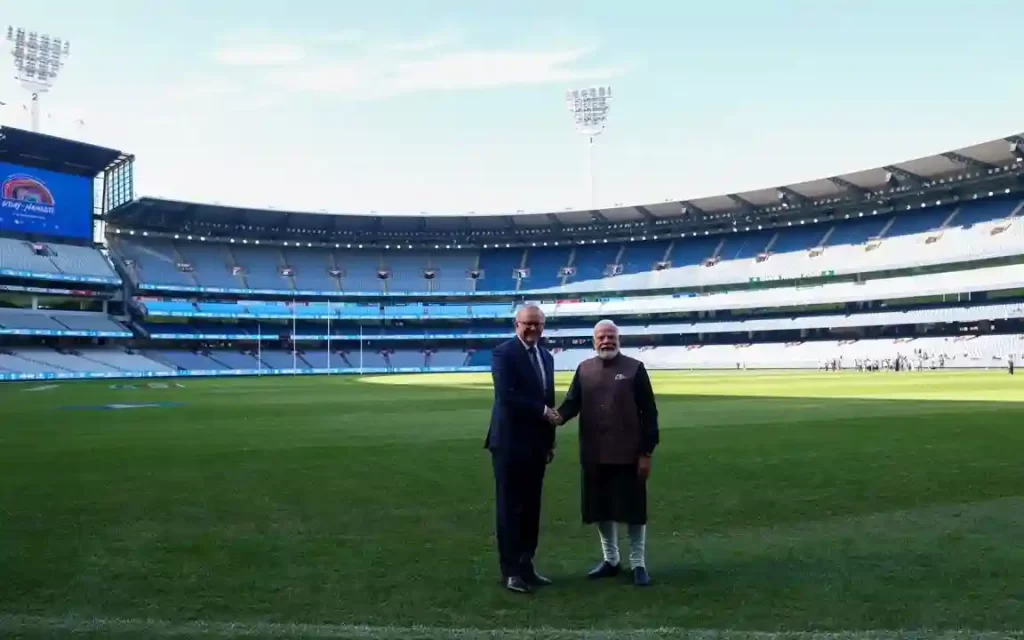
Prime Minister Narendra Modi’s July 2026 visit to Australia has given fresh momentum to a partnership that is now clearly moving beyond symbolism and into institutionally grounded cooperation. The visit produced a wide set of outcomes across defence, energy, critical technologies, education, skills, maritime security, culture, and the Indo-Pacific, underscoring how far India and Australia have come from the uneven and often cautious relationship of earlier decades. What stands out most is not simply the number of agreements signed, but the coherence of the overall package. Defence, energy security, supply chains, education, and regional strategy were all treated as interconnected priorities, reflecting a relationship that is becoming more resilient, more practical, and more difficult to derail. A Relationship Built on TrustThis was Modi’s third visit to Australia, and that in itself is historically significant. It reflects a diplomatic rhythm that has become more regular and more substantive, with both countries now willing to engage at a high level even when the broader global environment is uncertain. The summit’s central message was clear: India and Australia are no longer relying on ad hoc engagement. Instead, they are building a partnership that can absorb disagreements, manage differences, and still keep expanding in strategically important areas. Defence Cooperation DeepensThe most important strategic outcome was the Joint Declaration on Defence and Security Cooperation, which renews and expands earlier bilateral frameworks and places greater emphasis on interoperability, maritime domain awareness, counter-terrorism, HADR, cyber security, defence-industrial collaboration, and professional military education. The declaration also supports a more regular defence dialogue, including an annual defence ministers’ mechanism, which should help the two sides move from broad strategic alignment to more structured operational cooperation. In a region where maritime competition and security uncertainty are growing, that kind of institutionalisation matters.A parallel Maritime Security Collaboration Roadmap further strengthens coordination on information sharing, capability development, and operational planning. The MoU between the Indian Coast Guard and Australia’s Maritime Border Command adds a practical layer to this effort by linking maritime law-enforcement and border-protection agencies directly.Energy Security and Nuclear CooperationEnergy security emerged as another major pillar of the visit. The two countries issued a joint statement reaffirming cooperation on reliable, affordable, and sustainable energy, while also highlighting the importance of resilience in the face of geopolitical disruptions. The most notable breakthrough came with the finalisation of the administrative arrangement under the civil nuclear agreement, which clears the path for Australian uranium exports to India for peaceful use under IAEA safeguards. That step carries both practical and symbolic weight, because it reflects a new level of trust and helps India diversify its uranium supply sources. Technology, Supply Chains, and the Future EconomyThe summit also launched the Australia–India Partnership for Cyber, Critical Technologies, Supply Chains (PACTS), signalling that both countries want to cooperate more closely in the technological domains that will shape economic competitiveness and national security in the coming years. PACTS builds on earlier cyber and critical technology arrangements, but it goes further by linking digital resilience, supply-chain diversification, and defence-related innovation. That makes it one of the most forward-looking outcomes of the visit, especially at a time when trusted technology partnerships are becoming central to global strategy. Education, Skills, and People-to-People TiesEducation and skills cooperation formed a major part of the summit’s practical agenda. The visit included the issuance of a Letter of Intent to Flinders University for a campus in Bengaluru and a Letter of Approval to Victoria University to operate in Gurugram, reinforcing the growing role of Australian higher education in India. The two sides also advanced vocational cooperation through a new agreement between India’s regulators and Australia’s skills authority, along with a Centre of Excellence in Mining and Mining Equipment, Technology and Services at NSTI Bhubaneswar. These are the kinds of arrangements that create long-term institutional links rather than one-off announcements.Culture and HeritageThe visit also included a meaningful cultural dimension. Australia’s voluntary repatriation of Indian antiquities, including Nandi, a Bhadrakali trident, and a six-headed Skanda, underscored how heritage cooperation is becoming an important part of the bilateral relationship.The broader emphasis on heritage restitution, along with parallel work on human remains and cultural exchange, shows that the relationship is now capable of accommodating not just strategic interests but also historical and moral concerns.A Shared Indo-Pacific VisionRegionally, the two leaders reaffirmed support for a free, open, rules-based Indo-Pacific and emphasized the importance of UNCLOS, ASEAN centrality, IORA, the Pacific Islands Forum, and the Quad. They also condemned terrorism, voiced concern about instability in the Middle East, Ukraine, and Myanmar, and stressed the need for diplomacy, restraint, and adherence to international law. This regional alignment is important because it gives the partnership strategic depth. India and Australia are not merely coordinating bilaterally; they are also trying to shape a regional order that supports stability, maritime security, and economic resilience.Why This Visit MattersThe real significance of Modi’s Australia visit is that it shows how much the relationship has matured. Earlier phases were marked by distrust, interruptions, and political hesitations, but the present phase is defined by continuity, institutional trust, and an expanding set of shared interests. That shift matters because it makes the partnership more durable. Agreements on defence, energy, technology, education, and regional security now sit within a broader framework of cooperation that appears strong enough to withstand domestic political changes and strategic pressure.ConclusionModi’s July 2026 visit to Australia should be seen as more than a successful diplomatic tour. It was a signal that India–Australia ties have entered a deeper, more consequential phase, one in which both sides are investing in mechanisms that can support long-term cooperation rather than short-term headlines. From defence and maritime security to uranium exports, universities, and cultural repatriation, the visit delivered a broad and carefully balanced set of outcomes. Taken together, they point to a partnership that is increasingly built on trust, institutional depth, and a shared understanding of what stability and prosperity in the Indo-Pacific require
Trump’s China Visit: Big on Pageantry, Short on Specifics, Long on Consequence
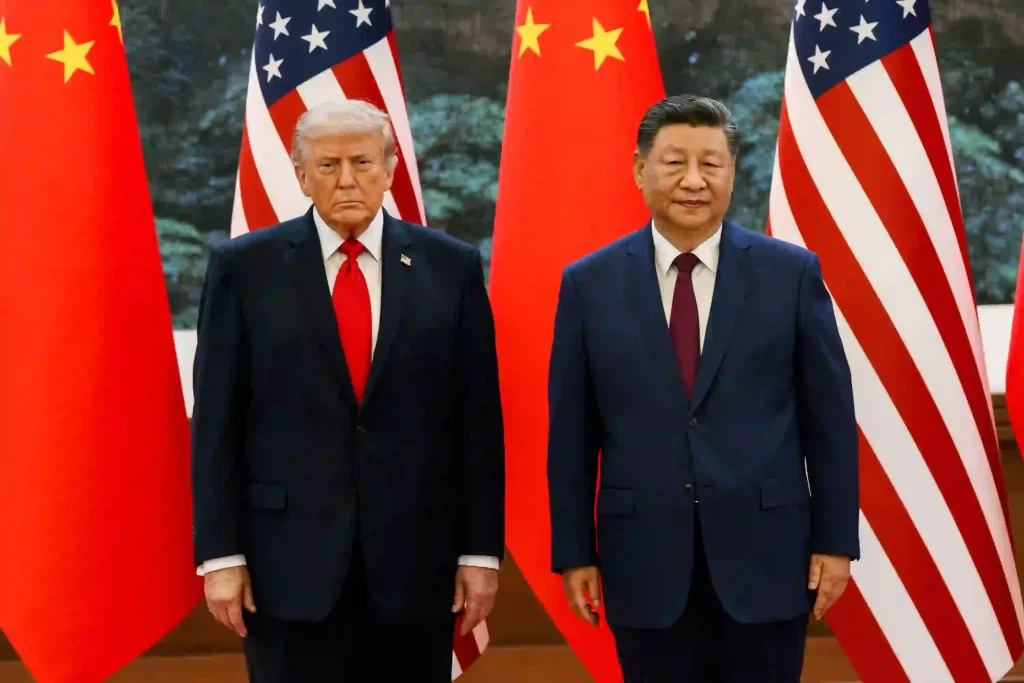
IntroductionFor three days in May 2026, the most consequential bilateral relationship in the world was conducted in person, on Chinese soil, for the first time in nearly nine years. President Donald Trump’s state visit to China — the first by an American president since his own November 2017 trip during his first term — was equal parts diplomatic theatre and strategic test, wrapped in the symbolism of Zhongnanhai gardens, Peking duck, and the careful grammar of superpower summitry.Trump called the trip “incredible,” but while it was big on pageantry, it fell short on concrete agreements. Still, Trump hailed business deals for American companies and farmers, while Chinese leader Xi Jinping touted a new era for the stability of China-US relations.The gap between those two descriptions — one transactional, one strategic — captures the essential character of what happened in Beijing. Enough was accomplished to make the visit a diplomatic success by the standards of the moment. Not enough was accomplished to resolve the crises that brought both leaders to the table.The Road to Beijing: How the Visit Was MadeThe roots of this visit go back to the Busan Summit of October 30, 2025, held on the sidelines of a regional gathering in South Korea. Trump and Xi held their first meeting during Trump’s second presidency at the Busan Summit. At the meeting, Trump announced plans to visit China in April of the following year and invited Xi to visit the United States at an appropriate time.The April timeline did not hold. The state visit was planned for the first week of April, but the meeting was postponed to May due to the 2026 Iran war. The conflict that had closed the Strait of Hormuz and sent oil prices to record highs became both the reason for delay and the dominant agenda item when the visit finally happened.The diplomatic preparation was extensive. On April 16, Defense Secretary Pete Hegseth announced that Beijing had provided high-level assurances to the White House that it would not send weapons to Iran, explicitly ruling out the potential transfer of surface-to-air missiles to the Iranian military. Hegseth attributed this breakthrough to the “strong and direct relationship” between President Trump and Xi Jinping. Secretary of State Marco Rubio had met Chinese Foreign Minister Wang Yi in February and held a further phone call on April 30 to prepare the ground for the summit.The Chinese Foreign Ministry confirmed Trump would pay a state visit to China from May 13 to 15 at President Xi Jinping’s invitation. It marked the first visit to China by an American president in almost nine years, coming at a time of heightened bilateral tensions over a range of issues, including trade, technology, and defence, and intersecting with a precarious US-Iran ceasefire and a dual blockade of the Strait of Hormuz that was driving up energy prices and weighing on global economic growth.The Arrival: Red Carpets and 300 Waving ChildrenBeijing rolled out the literal and figurative red carpet for Trump as he arrived in China on Wednesday evening local time. Three hundred Chinese children dressed in blue and white uniforms waved American and Chinese flags as Trump descended the steps of Air Force One. He was also joined on the tarmac by his son, Eric Trump, and daughter-in-law, Lara Trump.Trump was greeted at the airport by Chinese Vice President Han Zheng, Chinese Ambassador to the US Xie Feng, Executive Vice Foreign Minister Ma Zhaoxu, and US Ambassador to China David Perdue, as well as a military honour guard, a military band, and around 300 Chinese students waving Chinese and American flags. Trump and his entourage then boarded a motorcade to the Four Seasons Beijing Hotel.The visual grammar of this welcome was deliberate. Han Zheng, as China’s Vice President, is a figure of considerable standing, and his presence on the tarmac signalled the importance Beijing attached to the visit. The children chanting in Mandarin “Welcome, welcome, enthusiastically welcome” was choreography, but choreography that conveyed a message: China wanted this summit to succeed, or at least to be seen to succeed.The last time Trump visited Beijing — in November 2017 during his first term — he was given a tour of the Forbidden City and a dinner inside it, an honour granted to no other foreign leader since 1949. It remains to be seen whether this trip matched the pomp and circumstance of last time, but already there were significant events on Trump’s schedule: a welcome ceremony, a tour of the Temple of Heaven, a UNESCO World Heritage Site, and a state banquet.The Summit: The Great Hall, the Temple, and ZhongnanhaiAt 10 AM, Trump arrived at the Great Hall of the People, where he was greeted by Xi Jinping and received an opening ceremony featuring the national anthems of the United States and China, after which they inspected troops of the People’s Liberation Army and then greeted children waving Chinese and American flags.The formal bilateral meetings between Trump and Xi took place across two days, with the agenda covering trade and economic relations, the Iran war and the Strait of Hormuz, Taiwan, North Korea, rare earths and technology, and the broader structure of the bilateral relationship.On the final day, Trump headed back to the US after having lunch with Xi at Zhongnanhai, a rare visit to the Beijing compound where top Chinese officials live and work. Xi said it was meant to reciprocate Trump’s hosting him at Mar-a-Lago during his first term. “It means that China attaches great importance to this visit by President Trump to China,” said one analyst who attended the dinner banquet. “It also reflects the positive personal relationship between the two leaders.”At their last meeting, the two leaders toured the gardens at Zhongnanhai, with Trump admiring the roses. “These are the most beautiful roses anyone’s ever seen,” Trump said. Xi said he would share some Chinese rose seeds for Trump to have planted in the White House Rose Garden.The menu of the state banquet was circulated online afterward. It included cold
South Korean President Lee Jae Myung Ushers in New Era of India–ROK Partnership
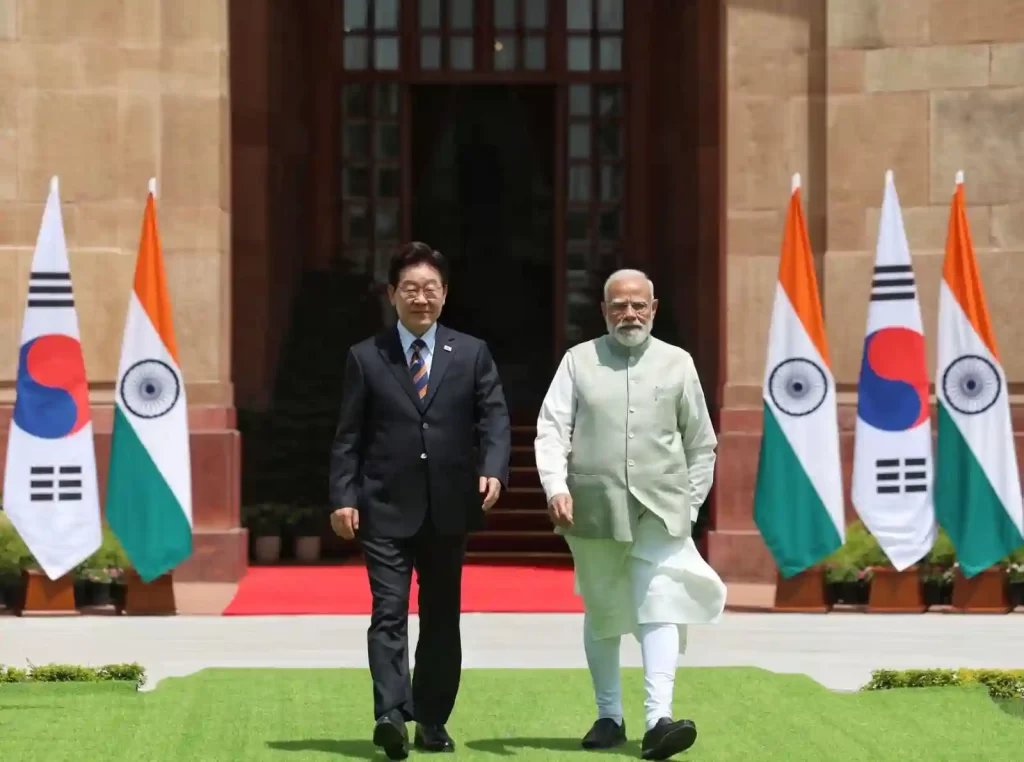
South Korean President Lee Jae Myung arrived in New Delhi on April 19, 2026, for a historic three-day state visit marking the first time a South Korean head of state has visited India in eight years. At Prime Minister Narendra Modi’s invitation, President Lee traveled with First Lady Kim Hea Kyung and nearly 200 business executives, including chairs of Samsung, Hyundai, LG, POSCO, and HD Hyundai. The visit centers on elevating the India–ROK Special Strategic Partnership across trade, technology, defense, and maritime cooperation. Both leaders agreed to nearly double bilateral trade from $27 billion to $50 billion by 2030 while launching a comprehensive five-year strategic roadmap for 2026–2030.President Lee described India as no longer just a consumer market but a key country driving global production. He called this visit a turning point, transforming a trusted partnership into a futuristic one spanning chips, ships, talent, technology, entertainment, and energy. The outcome includes 25 substantive agreements anchored in a Joint Strategic Vision that institutionalizes annual summits and creates structured cooperation mechanisms.The Preface: Economic Cooperation Economic cooperation forms the heart of the visit, with both countries setting an ambitious target of nearly doubling bilateral trade from $27 billion to $50 billion by 2030. At the joint press conference, President Lee stated that they aim to increase annual trade volume to around $50 billion within four years. Both sides agreed to fast-track an upgrade of the Comprehensive Economic Partnership Agreement (CEPA) to address non-tariff barriers and boost services exports.Modi announced the establishment of a Korean Industrial Township to ease market entry for Korean small and medium enterprises. President Lee expressed surprise that only 700 Korean companies are currently present in India, suggesting this figure could realistically be ten times higher. Both sides launched the India–Korea Financial Forum and an Economic Security Dialogue to support these goals, facilitating cross-border investment and supply chain resilience.Shipbuilding Emerges as Flagship CooperationShipbuilding emerged as the most significant flagship area with both sides adopting a Comprehensive Framework for Partnership on Shipbuilding, Shipping, and Maritime Logistics. In the headline commercial agreement, HD Korea Shipbuilding and Offshore Engineering, supported by India’s Maritime Development Fund, will develop a large greenfield shipyard in southern India. This facility will focus on block fabrication and construct a new dry dock for large specialized vessels.The partnership combines India’s labor, land, and strategic location with South Korea’s advanced technology and design expertise. Together, they can compete with Chinese shipyards dominating global orders. The shipyard will create thousands of jobs while building India’s capacity to construct vessels for defense, commercial, and research purposes. Technology transfer will enable Indian yards to move from repair work to complex vessel construction.Technology and Defense Cooperation DeepenBoth leaders launched the India–Korea Digital Bridge, combining India’s AI and engineering talent with South Korea’s semiconductor fabrication and precision manufacturing. NPCI International and the Korea Financial Telecommunications and Clearings Institute signed an MoU for the phased integration of digital payment systems, enabling seamless cross-border payments between India’s UPI and South Korea’s digital infrastructure.On defense, both sides reinvigorated the 2020 MoU on Defence Industry Cooperation with the K9-Vajra howitzer joint venture serving as a model. A Korea–India Defence Accelerator (KIND-X) was launched to connect businesses, incubators, investors, defense startups, and universities. ISRO and the Korea Aerospace Administration (KASA) agreed to form a Joint Working Group and held an India–ROK Space Day in Bengaluru, discussing satellite development and launch services.Indo-Pacific Strategic Convergence Strengthens SecurityBoth countries reaffirmed their commitment to a free, open, and rules-based Indo-Pacific. South Korea joined the India-led Indo-Pacific Oceans Initiative (IPOI), signaling growing strategic engagement beyond economic interests. Both sides agreed to hold the inaugural Defence and Foreign Affairs 2+2 Dialogue at the vice-ministerial level to coordinate security policies.President Lee described the two nations as the most ideal partners for comprehensive cooperation, promoting mutual growth and innovation in an era of uncertainty. Modi added that in this period of global tensions, India and Korea together convey a message of peace and stability. This strategic convergence addresses shared concerns about North Korea’s nuclear program, China’s maritime assertiveness, and supply chain vulnerabilities.Five-Year Roadmap Provides Clear DirectionThe visit produced 25 outcomes anchored in the Joint Strategic Vision for 2026–2030. Both sides launched an Industrial Cooperation Committee, chaired by respective industry ministers, to monitor implementation and resolve bottlenecks. Ministerial dialogues will expand across finance, science, technology, energy, and environment sectors.The roadmap includes specific targets for trade, investment, and technology transfer. Both countries are committed to increasing two-way investment to $20 billion by 2030. Student exchange programs will increase to 10,000 annually by 2030. The 2028–29 Year of India–Korea Friendship will celebrate shared heritage while promoting modern connections through film festivals, art exhibitions, and sports tournaments.Partnership Positions as Asia’s Consequential Middle-Power AlliancePresident Lee’s visit establishes a clear five-year direction integrating economic scale, industrial capability, and strategic coordination. With a structured roadmap, $50 billion trade target, and deepened cooperation across shipbuilding, semiconductors, and defense, the relationship ranks among Asia’s most consequential middle-power partnerships. This partnership demonstrates how democracies can cooperate effectively without formal alliances.The structured outcomes ensure accountability and measurable progress. Annual summits provide opportunities to review achievements while ministerial committees maintain momentum between leadership visits. The India–Korea partnership now has institutional depth that withstands political changes in either country, attracting long-term investment and facilitating multi-year projects.As Asia’s economic center of gravity shifts, India and South Korea position themselves as complementary powers driving innovation and growth. Their partnership combines India’s demographic strength and digital capabilities with South Korea’s technological mastery and industrial efficiency. Together they represent a model of South–South cooperation benefiting both nations while contributing to global stability. The visit marks not just a diplomatic event but a turning point shaping Asia’s future for generations.
Estonia President’s Official Visit to India: A Milestone in Bilateral Engagement
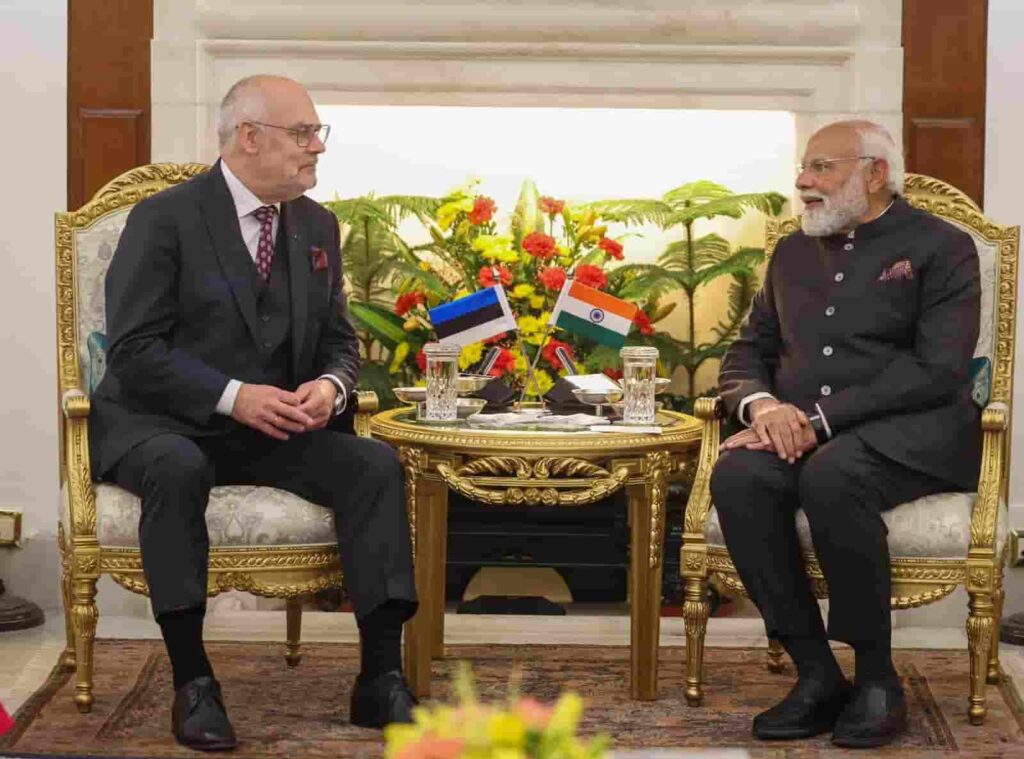
President Alar Karis, the Head of State of Estonia, concluded a significant official visit to India on February 19, 2026, underscoring deepening ties between the two countries across diplomacy, trade, digital cooperation, education and cultural exchange. The discussions and engagements during the visit reflected shared democratic values, mutual interest in technology-led growth and a growing emphasis on people-to-people links.This visit marked a high-profile diplomatic engagement that elevated relations between India and Estonia — both of which are democracies with strong commitments to digital innovation, open governance and strategic multilateral cooperation.Official Welcoming and High-Level MeetingsPresident Alar Karis was received at Rashtrapati Bhavan by President of India Smt. Droupadi Murmu, in a ceremony that reaffirmed the importance both nations place on their bilateral relationship. The ceremonial reception, followed by formal talks, set the tone for substantive discussions on a broad agenda of cooperation.In their meeting, President Murmu and President Karis reviewed ongoing collaboration, expressed satisfaction with the growing momentum of bilateral ties, and identified new avenues for future engagement. Both leaders spoke of shared democratic principles, respect for sovereignty, and the potential for deeper cooperation in emerging sectors.Strategic and Technology CooperationEstonia is known globally for its success in digital governance, cybersecurity and e-services, and these areas took centre stage during the visit. India and Estonia discussed cooperation in:Digital infrastructure and e-governance modelsCybersecurity partnershipsData governance frameworksDigital economy initiativesIndia shared its experience with large-scale programs such as Aadhaar and DigiLocker, while Estonia showcased best practices from its e-Estonia ecosystem — widely regarded as one of the most advanced digital societies in the world.Both sides expressed interest in knowledge exchange and joint initiatives that could benefit public service delivery, innovation pipelines and digital skill development.Economic and Trade EngagementBilateral trade and economic cooperation were key components of the discussions. While overall trade volume between India and Estonia has remained modest compared to India’s larger European partners, both nations affirmed a desire to broaden commercial links.Estonian companies operating in fields such as information technology, clean energy solutions, precision engineering and logistics services were identified as potential partners for deeper engagement with Indian enterprises. Similarly, Indian firms were encouraged to explore opportunities in the Estonian market, particularly in high-technology and service sectors.Both countries agreed on the need to further institutionalise trade facilitation mechanisms, reduce barriers and foster business dialogue through joint economic forums.Education, Culture and People-to-People LinksThe Presidents highlighted the importance of educational and cultural exchanges as core pillars of bilateral engagement. India and Estonia reaffirmed their commitment to expanding academic collaborations, student mobility programs and cultural showcases that deepen understanding between their citizens.Emphasis was placed on supporting:University partnershipsResearch collaboration in science and technologyStudent exchange schemesCultural festivals and artistic collaborationsThese initiatives were seen as vital for building stronger long-term ties, especially among young professionals, innovators and academics.Multilateral Cooperation and Shared ValuesIndia and Estonia also explored cooperation at the United Nations and other multilateral forums. Both countries reiterated their commitment to democratic norms, rule of law, peaceful resolution of disputes and inclusive development.There was agreement on enhancing joint efforts on global issues such as climate change, sustainable development, digital governance norms, and secure cyberspace regulations.Joint Statement and Future RoadmapAt the conclusion of the visit, both leaders issued a joint statement reaffirming their intent to broaden cooperation across multiple domains, including:Digital transformation and cybersecurityEconomic and trade linkagesEducation and cultural exchangeMultilateral engagement and strategic dialogueThe statement also expressed mutual respect for each other’s development models and acknowledged the importance of continued high-level visits and institutional dialogue mechanisms.Significance of the VisitPresident Karis’s visit to India in February 2026 carries strategic significance on several fronts. India’s engagement with Estonia — a small but highly innovative member of the European Union — reflects New Delhi’s broader approach to building partnerships based on shared technological and governance priorities rather than solely on scale.For Estonia, strengthening ties with India provides enhanced access to one of the world’s fastest-growing major economies and offers opportunities to participate in collaborative initiatives in technology, education and strategic innovation. Estonia’s expertise in digital governance was highlighted as a complementary asset to India’s own digital transformation journey.The visit also reaffirmed that India’s foreign policy priorities extend beyond traditional geopolitical partnerships to include innovative, technology-driven countries positioned for long-term global impact.As bilateral engagement moves forward, both sides signalled their intention to operationalise the discussions through focussed working groups, expert exchanges and public-private cooperation platforms that translate high-level commitments into actionable outcomes.President Karis’s visit, therefore, stands out not merely as ceremonial diplomacy but as a visit that helped articulate a forward-looking India-Estonia partnership in the digital age — one rooted in shared values, mutual respect and practical collaboration.
India–Chile Trade Deal: Deepening Economic Engagement Between South Asia and South America
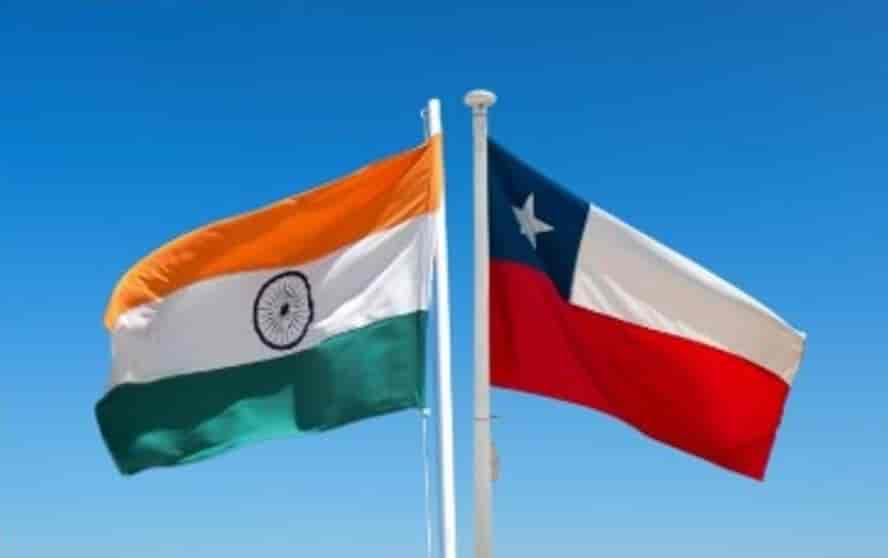
India and Chile have nurtured a stable and steadily expanding trade relationship over the past two decades, anchored in the India–Chile Preferential Trade Agreement (PTA) and moving toward a more comprehensive economic partnership. The evolving framework of cooperation reflects both countries’ strategic interests in expanding market access, diversifying export baskets, and strengthening bilateral economic integration within a globalised trade environment. Historical Background: From Framework to Preferential TradeThe roots of formal trade cooperation between India and Chile date back to the Framework Agreement on Economic Cooperation signed in January 2005, which laid the foundation for deeper commercial ties. Following this, after four rounds of negotiations, the India–Chile Preferential Trade Agreement (PTA) was finalised and signed on March 8, 2006 and came into force in India on September 11, 2007 and in Chile on August 17, 2007. The PTA was subsequently notified to the World Trade Organization (WTO) in January 2009, underlining its legitimacy and integration into global trade rules. Under the original 2006 PTA, both countries agreed to provide fixed tariff preferences on a selected list of goods to encourage bilateral trade. India initially offered tariff concessions ranging from 10% to 50% on 178 tariff lines at the detailed eight-digit product level to Chile, while Chile reciprocated with concessions on 296 tariff lines, some of which carried preferences of up to 100%. Expansion and Current Trade RegimeRecognising the need to broaden the agreement’s scope, India and Chile agreed in 2016 to expand the PTA, which came into effect on May 16, 2017, after ratification by both sides. Under the expanded framework:Chile offered preferential duty reductions on 1,798 goods — with margins of preference (MoP) between 30% and 100% — granting Indian exporters enhanced access to the Chilean market.India reciprocated with tariff concessions on 1,031 products at the eight-digit classification level, providing MoPs between 10% and 100% on items ranging from processed foods and raw materials to industrial and manufacturing inputs. The expanded PTA covers sectors such as agriculture and allied goods, chemicals, pharmaceuticals, textiles and apparel, machinery and equipment, processed foods, leather products, and various industrial commodities. This broader coverage has significantly improved market access for Indian businesses and diversified the range of products traded between the two countries. Trade Flows and Economic SignificanceChile is one of India’s key trading partners in Latin America, ranking among the top destinations for Indian exports and sources of imports. According to data for the fiscal year 2023–24, bilateral trade between India and Chile reached approximately US$2.45 billion, with India exporting goods worth about US$1.1 billion and importing nearly US$1.35 billion, reflecting a modest trade deficit for India. Chile’s top exports to India include copper ore and concentrates, iodine, lithium compounds, molybdenum ores, and chemicals, while Indian exports to Chile comprise transport equipment, pharmaceuticals, textiles, engineering goods, plastic and leather products, and handicrafts. Trade experts note that the India–Chile trade relationship remains well-balanced compared with other Latin American partners and continues to deepen despite global economic fluctuations. The diversity of export and import baskets illustrates the complementary aspects of both economies, offering opportunities for further expansion. Towards a Comprehensive Economic PartnershipWhile the PTA has provided a stable framework for tariff concessions, policymakers in both countries have recognised that a broader and more robust trade agreement could unlock greater economic potential. To this end, India and Chile have embarked on negotiations for a Comprehensive Economic Partnership Agreement (CEPA), which aims to expand beyond tariff reductions to cover emerging areas of bilateral cooperation.In May 2025, India and Chile signed the Terms of Reference (ToR) for CEPA, signalling their intent to elevate the trade relationship to a full-fledged free trade agreement (FTA). The CEPA negotiations build upon the existing PTA and foresee expanded cooperation in key sectors such as digital services, investment promotion and protection, small and medium enterprises (MSMEs), critical minerals, and broader goods and services trade. The first round of CEPA talks was concluded in May 2025, followed by subsequent negotiation rounds aimed at finalising the agreement text. Both sides have identified that including digital services and critical minerals — particularly Chile’s rich reserves of lithium and copper — could add significant strategic value to the CEPA framework, benefiting sectors such as clean energy, electronics and high-technology industries. Strategic and Geopolitical DimensionsThe India–Chile trade engagement is more than a commercial arrangement. Chile is a founding member of the Pacific Alliance, and India is an observer member, positioning the PTA and prospective CEPA as gateways to deeper engagement with broader Latin American markets. Strengthening trade ties with Chile aligns with India’s global economic outreach strategy, which seeks to diversify export markets, attract foreign investment, and secure supply chains for critical resources. For Indian exporters, Chile offers access to a strategically located South American market with strong linkages to other regional economies. For Chile, India presents opportunities in one of the fastest-growing large economies, with demand for products ranging from pharmaceuticals to engineering goods and textiles.Challenges and Future ProspectsWhile the expanded PTA has facilitated greater market access, the trade relationship still faces challenges such as addressing non-tariff barriers, improving logistics integration, and enhancing investment flows. The CEPA negotiations are seen as a necessary next step, aiming to resolve such issues and elevate economic cooperation to a more comprehensive level.Both governments have expressed optimism that a concluded CEPA will not only expand bilateral trade volumes but also attract greater investment in sectors such as information technology, renewable energy, critical minerals, and services, while supporting MSMEs, innovation ecosystems, and job growth in both countries. Conclusion: A Growing PartnershipThe India–Chile trade deal — rooted in a preferential trade agreement since 2007 and evolving towards a Comprehensive Economic Partnership Agreement — represents a significant chapter in India’s trade diplomacy with Latin America. Through phased tariff concessions, portfolio diversification, and ongoing negotiations to deepen economic cooperation, the two countries are forging a trade relationship that blends traditional commerce with emerging sectoral opportunities.As negotiations continue and potential CEPA outcomes take shape, the India–Chile economic partnership stands poised to expand not only in value but also in strategic scope, reflecting a shared vision of inclusive,
Brazil President Lula in India: A Friendly Visit for Talks on AI, Trade, and More
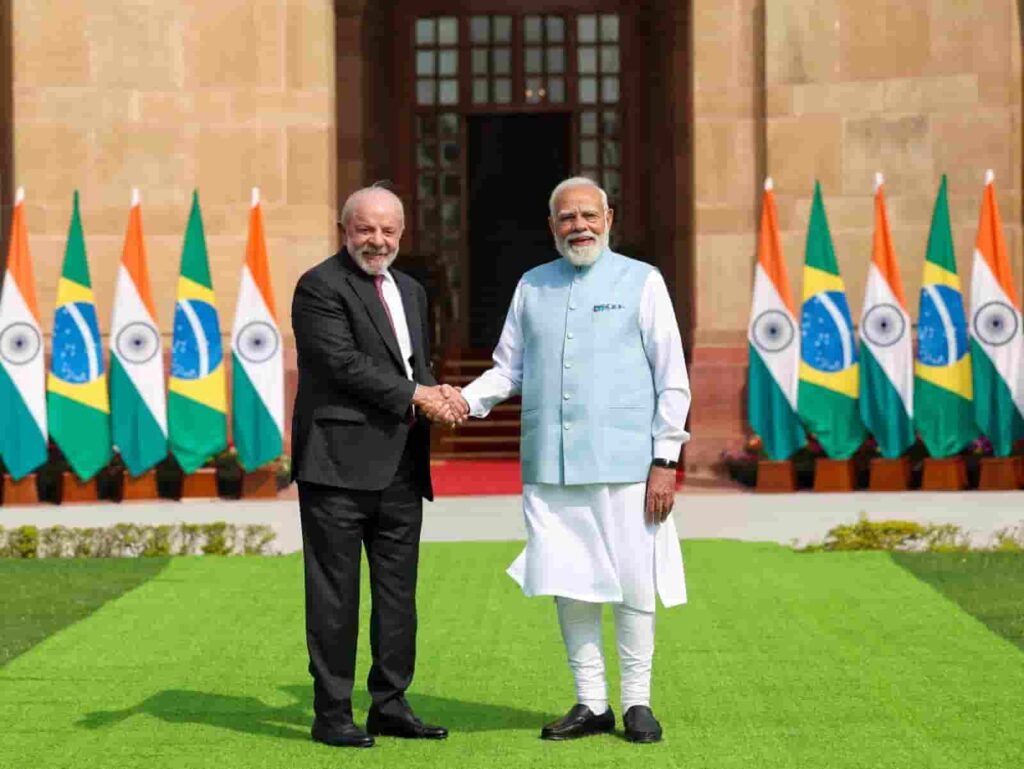
Brazil’s President Luiz Inácio Lula da Silva landed in New Delhi on February 18, 2026, for a five-day state visit. He said “Namaste, India!” on social media and shared a video of his warm traditional welcome. This is his sixth trip to India, invited by Prime Minister Narendra Modi. Lula will stay until February 22. The visit focuses on stronger ties between the two countries, with key events like the AI Impact Summit and meetings with top Indian leaders. Lula got a nice welcome at the airport from Minister of State for External Affairs Pabitra Margherita. He is here with about 14 ministers and many top CEOs from Brazilian companies. They will meet Indian leaders and join a Business Forum to talk business. India and Brazil already trade a lot, $15 billion in 2025. Brazil is India’s biggest trade partner in Latin America. What Will Happen During the Visit The visit has a full schedule. On February 19-20, Lula will join the 2nd AI Impact Summit. This event brings leaders together to discuss how AI can help countries grow fairly. India and Brazil both care about smartly using tech. President Droupadi Murmu will meet Lula and host a banquet for him. Vice President C.P. Radhakrishnan and External Affairs Minister S. Jaishankar will also call on him. The big meeting is on February 21. Prime Minister Modi will sit down with Lula to review all parts of their relationship. They will talk about trade, defense, energy, farming, health, and new areas like AI and space. Modi will host lunch for Lula. The leaders will also share ideas on world issues like UN changes, climate change, terrorism, and problems facing the Global South. Strong Ties Between India and Brazil India and Brazil have been close friends since 1948. They became Strategic Partners in 2006. Both are big democracies with shared values. They work together in BRICS, where India is the chair right now. Trade is growing fast. Brazil sells things like soybeans and oil to India. India sends pharma, chemicals, and auto parts to Brazil. They cooperate in defense, green energy, critical minerals for batteries, and Digital Public Infrastructure, like India’s UPI. Both push for UN reforms and fight climate change. Lula first came to India in 2004 as a Republic Day guest. He was here last for the G20 in 2023. Modi visited Brazil in July 2025, the first Indian PM’s state visit there in 57 years. They met again at the G20 in November 2025. Why This Visit Matters This trip will help both countries plan. Business leaders want more deals in trade and investment. Ministers will talk on energy, health, and tech. The CEOs’ forum shows how companies from both sides see big chances. Lula said the visit is about “strengthening ties, deepening partnerships, and discussing AI’s future.” For India, it boosts the BRICS and the Global South work. Brazil gets a stronger link to Asia’s top economy. People-to-people links are good too, yoga in Brazil, Brazilian culture in India. Both leaders want more cooperation on big world problems.
PM Narendra Modi’s Malaysia Visit: Strengthening Strategic Partnership, Economic Cooperation and Cultural Ties
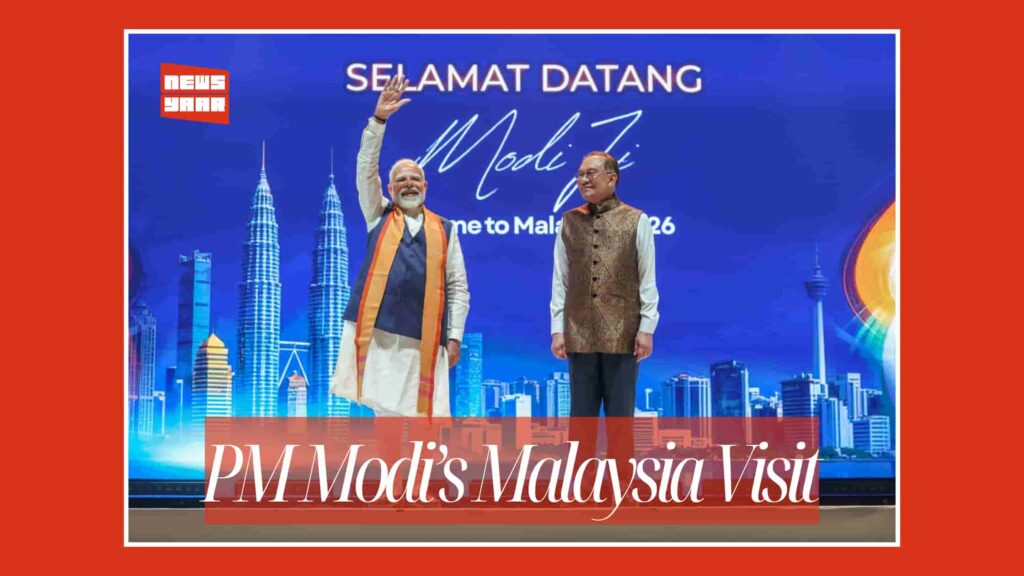
Prime Minister Narendra Modi concluded a substantive and forward-looking official visit to Malaysia, reinforcing a deepening partnership between the two nations across political, economic, security and cultural spheres. The visit — the first by an Indian Prime Minister to Malaysia in several years — was marked by high-level engagements, the signing of multiple agreements and robust discussions on shared priorities in the Indo-Pacific context, trade expansion, connectivity and people-to-people linkages.The Malaysian leg of PM Modi’s trip underscored New Delhi’s commitment to cultivating regional cooperation in Southeast Asia, building on historical ties rooted in shared democratic values, cultural exchange and economic complementarities.High-Level Bilateral Talks and Strategic DialogueAt the heart of the visit were comprehensive talks between PM Narendra Modi and Malaysian Prime Minister Anwar Ibrahim. The leaders reaffirmed their commitment to elevating the bilateral relationship to a strategic partnership reflective of converging interests in peace, security and prosperity in the region.Discussions focused on a broad agenda, including deeper cooperation in defence and security, counter-terrorism efforts, cyber security collaboration, climate resilience, digital transformation and health systems strengthening. Both leaders emphasised the importance of safeguarding freedom of navigation, upholding international law and advancing regional stability in the face of evolving global challenges.PM Modi and PM Anwar also exchanged views on enhancing cooperation within multilateral frameworks, including the United Nations, ASEAN (Association of Southeast Asian Nations) and the Indian Ocean Rim Association (IORA), highlighting India and Malaysia’s shared interest in promoting a rules-based global order.A Comprehensive Package of AgreementsA key highlight of the visit was the signing of six significant bilateral agreements and memoranda of understanding (MoUs), expanding collaboration across strategic sectors:MoU on Economic Partnership – aimed at boosting bilateral trade, investment flows and cooperation in priority sectors such as technology, manufacturing and services.Agreement on Defence Cooperation – providing a framework for joint exercises, training, information sharing and capacity building in defence and security.MoU on Connectivity – facilitating improved air, sea and digital linkages to enhance mobility for business, tourism and cultural exchange.Agreement on Energy Cooperation – focusing on renewable energy collaboration, energy security and technical exchange in clean technologies.MoU on Innovation and Digital Transformation – promoting cooperation in emerging technologies, digital governance and start-up ecosystems.Cultural Exchange Protocol – designed to further deepen people-to-people connections and collaboration in arts, education, language and heritage preservation. These agreements reflect a multi-sectoral expansion of the bilateral agenda, providing a structured roadmap for cooperation in areas critical to growth, innovation and regional integration.Economic Engagement and Trade PromotionEconomic cooperation formed a central pillar of the visit. India and Malaysia committed to further strengthening trade relations, which have grown steadily over the past decade. Both sides resolved to work toward removing structural bottlenecks, diversifying trade baskets and enhancing business connectivity.PM Modi highlighted India’s interest in attracting greater Malaysian investment in sectors such as infrastructure, semiconductors, digital technologies and renewable energy. Similarly, Malaysia expressed its intent to expand investment in India’s manufacturing and services sectors.Both leaders also discussed operationalising joint initiatives to support micro, small and medium enterprises (MSMEs), harnessing complementarities between India’s growing innovation ecosystem and Malaysia’s advanced industrial base.Shared Values and Cultural LinkagesA particularly resonant aspect of the visit was the emphasis on shared cultural heritage. PM Modi and PM Anwar reflected on the longstanding historical connections between India and Malaysia, rooted in centuries of trade, migration and cultural exchange.In a visible celebration of this shared legacy, PM Modi spoke warmly about India and Malaysia’s mutual affection for Tamil culture, which has enduring influence in both societies — in language, literature, arts and performance traditions. Recognition of these cultural affinities served as a reminder that the bilateral partnership extends beyond geo-political imperatives to deep human and historical bonds.Diaspora and People-to-People BondsThe Indian diaspora in Malaysia, one of the largest overseas Indian communities, was an explicit focus of PM Modi’s engagements. The Prime Minister interacted with diaspora representatives, acknowledging their contributions to Malaysia’s economic and social fabric while affirming India’s continued commitment to their welfare and aspirations.Both sides agreed to enhance cooperation in education, skill development, cultural exchange programmes and youth engagement to encourage future generations to build meaningful cross-border linkages.Defence, Security and Regional CooperationDefence cooperation discussions highlighted shared concerns regarding emerging security challenges in the Indo-Pacific. Both India and Malaysia reaffirmed their commitment to enhancing interoperability through joint training, maritime exercises and information exchange mechanisms.In addition, the leaders discussed counter-terrorism cooperation, focusing on intelligence sharing, capacity building and collaborative frameworks to prevent radicalisation, cyber threats and transnational criminal activities.Climate Action and Sustainable DevelopmentIn line with global climate imperatives, the visit also spotlighted cooperation on climate resilience and sustainable development. India and Malaysia reiterated their commitment to implementing the Paris Agreement goals and enhancing collaboration in renewable energy, sustainable urbanisation, water management and disaster response mechanisms.Both nations agreed to share best practices in technology deployment for climate mitigation and adaptation, recognising the shared vulnerabilities of the Asian region to climate change impacts.Joint Statement and Forward AgendaIn the joint statement issued at the conclusion of the visit, India and Malaysia articulated a shared vision for a robust, equitable and forward-looking partnership. The statement highlighted mutual respect for sovereignty, adherence to international law, and cooperation in multilateral platforms.Both countries resolved to pursue deeper engagement through structured policy dialogues, frequent exchanges at ministerial and working group levels and proactive collaboration in regional and global forums.Media, Public Reception and Global AttentionPM Modi’s visit received widespread media coverage in both India and Malaysia, with detailed reporting on bilateral talks, public events and ceremonial functions. Analysts from strategic affairs institutes and media houses underscored the visit’s significance in the broader context of contemporary geopolitics, especially in the evolving Indo-Pacific order.Indian media emphasised the correlation between enhanced India-Malaysia cooperation and India’s broader Act East Policy, which seeks to deepen ties with Southeast Asian nations for mutual economic, cultural and strategic benefit.Why This Visit MattersThis official visit is significant on multiple counts:It reinforces a mature bilateral partnership rooted in mutual respect and shared interests across strategic, economic and cultural domains.The agreements inked — especially in defence, energy, connectivity
National Startup Day 2026: India Celebrates a Decade of Entrepreneurial Transformation
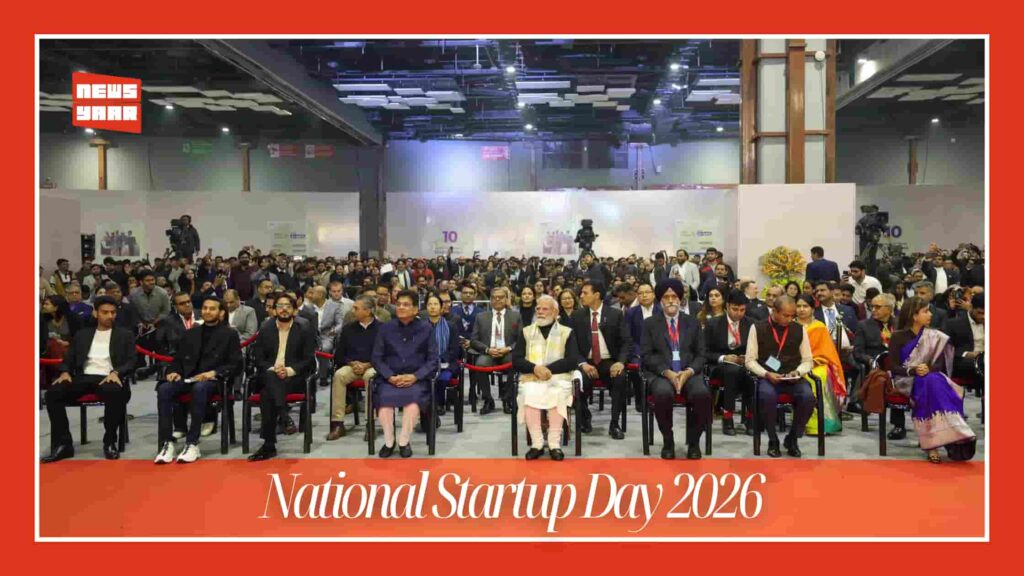
New Delhi, 16 January 2026: India marked National Startup Day 2026 with grand celebrations highlighting ten years of the government’s Startup India initiative and its transformative impact on the nation’s innovation landscape. The event drew founders, investors, policymakers, and ecosystem leaders from across the country to reflect on the journey of entrepreneurship and chart the path ahead.At a flagship event held in New Delhi, Prime Minister Narendra Modi joined startup founders and industry stakeholders to commemorate the milestone. Addressing the gathering, he emphasized the courage and innovative spirit of India’s youth, calling startups engines of economic growth and societal change. His remarks underscored how risk–taking and problem-solving have become mainstream within the entrepreneurial community.Over the past decade since the launch of Startup India, more than 200,000 startups have been recognised across sectors such as technology, healthcare, climate solutions, logistics, fintech, and education. These ventures have collectively generated millions of jobs and helped India emerge as one of the world’s largest and most dynamic startup ecosystems.The celebrations showcased a broad shift in the startup narrative—from chasing rapid valuations to focusing on sustainable growth and real-world impact. Industry experts highlighted that Indian startups are increasingly building deep-tech and AI-driven solutions tailored to local challenges, with a rising emphasis on climate tech, healthcare innovation, and sovereign AI platforms.A notable trend highlighted during the day was the geographical diversification of entrepreneurship. Recent data suggests that over half of registered startups now originate from Tier-2 and Tier-3 cities, signalling a decentralisation of innovation beyond traditional metropolitan hubs.Panel discussions and keynote sessions throughout the event brought to light how startups are contributing to India’s economic resilience, job creation, and technological advancement. Speakers also discussed policy priorities for the next decade, including a renewed push into manufacturing, deep-tech research, and global market expansion.Celebrations were not limited to New Delhi alone. Across states and regions, local startup communities hosted meetups, pitch events, and mentoring sessions, reinforcing a nationwide commitment to empowering entrepreneurs.As National Startup Day 2026 concluded, the startup ecosystem stood not only proud of its achievements over the last ten years but also energized for future challenges, firmly anchored in innovation, inclusivity, and impact.