


America’s Proposed Greenland Acquisition: Strategic Ambitions and Arctic Stakes
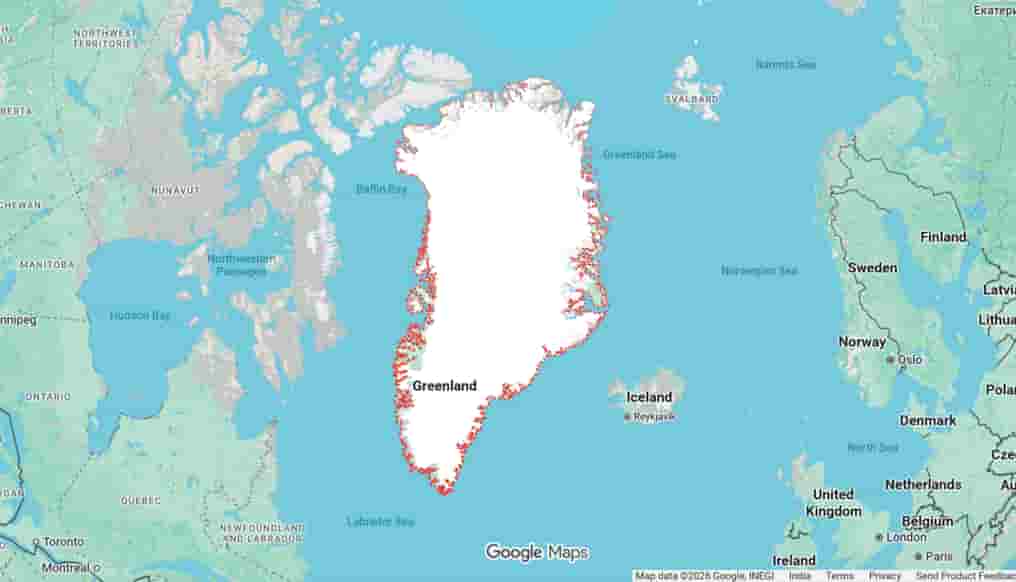
In a development that has attracted international attention and debate, the United States’ proposal to acquire Greenland — an autonomous territory of the Kingdom of Denmark — has re-emerged as a subject of strategic and geopolitical significance. Although the plan has not advanced to a formal purchase or agreement, the discussions reflect broader shifts in global power dynamics, Arctic geopolitics and resource competition in the High North.Background: What Is Greenland and Why It MattersGreenland, the world’s largest island, is an autonomous territory within the Kingdom of Denmark. It has a small population of around 56,000 people, predominantly Inuit, and exercises internal self-government, with defence and foreign policy matters managed by Copenhagen. The island’s geopolitical importance has grown dramatically in recent years due to its strategic location in the Arctic Circle, potential natural resources, and its role in global climate science.The Arctic region — long seen as remote and marginal — has become a theatre of international competition as climate change reduces sea ice cover, opening new shipping routes and access to untapped natural resources such as hydrocarbons, rare earth minerals and critical metals.The U.S. Proposal and Renewed DiscussionsThe idea of the United States acquiring Greenland first entered public consciousness in 1946, when Washington offered to purchase the island from Denmark — an offer Denmark rejected. More recently, in early 2025, the topic resurfaced in official remarks tied to U.S. strategic assessments in the Arctic region.On January 9, 2025, comments by U.S. officials sparked media attention by reiterating the historical suggestion of an acquisition and linking Greenland to contemporary strategic priorities. The U.S. reiterated that maintaining security, stability and freedom of navigation in the Arctic was critical, given increasing interest from global powers including Russia and China. However, no formal acquisition negotiations have taken place, and no treaty or transaction is under legal consideration.Why the Idea Has Re-EmergedThere are several factors that explain why the Greenland acquisition proposal has resurfaced: Strategic Location Greenland’s location astride key North Atlantic and Arctic approaches gives it enormous strategic value. Military and intelligence establishments see relevance in monitoring and controlling northern sea lanes, especially as ice melt accelerates. Resource Potential The island is believed to hold significant reserves of minerals, hydrocarbons and rare earth elements — materials crucial for advanced technologies, clean energy transitions, and defence manufacturing. Many of these resources remain largely undeveloped. Arctic Competition As Arctic ice retreats, the region is attracting investment and geopolitical interest from Russia — which already operates extensive military infrastructure in the Arctic — and from China, which has described itself as a “near-Arctic state” and has increased scientific expeditions and commercial interest in the region.In this context, a secure Arctic partnership is viewed by some U.S. policymakers as a way to check rival influence and reinforce alliances in the North Atlantic.Denmark and Greenland’s ResponseOfficials in Denmark and Greenland have objected to the notion of a territorial sale. Both Copenhagen and Nuuk (Greenland’s capital) have emphasised that any talk of acquisition is not under active negotiation and that Greenland’s autonomy and right to self-determination are paramount.Danish leaders have reiterated that Greenland is not for sale, and the notion of transfer of sovereignty to any other country is not on the diplomatic agenda. Greenland’s government has also emphasised its constitutional status and the importance of cooperation with external partners on mutually agreed terms rather than unilateral transactions.Domestic Debate in the United StatesWithin the U.S., the comments on Greenland have sparked discussion rather than policy action. Some defence and foreign policy analysts argue that the notion is symbolic rather than practical, serving as a reminder of strategic priorities in the Arctic rather than a concrete acquisition plan.Others point out that the U.S. already maintains strong strategic access to Greenland through Thule Air Base, a critical component of North American aerospace defence. Located in northwest Greenland, the base is integral to early-warning radar systems and missile tracking, and its presence reflects existing U.S. strategic interests without the need for sovereignty.International ReactionInternational observers, including strategic analysts and Arctic nations, have largely regarded the acquisition proposal as speculative rather than imminent. Canada, Russia and other Arctic Council members traditionally work through multilateral forums to address security, environmental protection and indigenous community rights in the region.Global media coverage has framed the idea as more of a strategic talking point than an actionable policy initiative, emphasising that any shift in sovereignty would require consent from Denmark and Greenland, constitutional changes, and a fundamentally altered approach to international law.Legal and Constitutional ConsiderationsUnder international law, the transfer of territory requires clear consent from the governing state and, increasingly, the affected population. Greenlanders themselves have expanded roles in their own governance under the 2009 Self-Government Act, which affirms that decisions about significant changes to sovereignty would necessitate consultation and approval from Greenland’s parliament and people.Additionally, Denmark’s constitutional framework does not allow significant cession of territory without legislative and likely referendum approval, making any acquisition a highly complex legal undertaking.What This Means for Arctic PolicyWhile the idea of a Greenland acquisition remains speculative, it highlights how the Arctic has risen in strategic importance. The U.S. and allied countries have renewed focus on:Arctic security cooperation through NATO and bilateral partnershipsScientific collaboration on climate research and environmental monitoringInvestment in infrastructure that supports commercial and defence logisticsEngagement with indigenous and local governance structuresThe Arctic Council — a multilateral forum including Arctic states such as Canada, Denmark, Finland, Iceland, Norway, Russia, Sweden and the U.S. — continues to be the primary platform for addressing regional cooperation on environmental protection, sustainable development and shared scientific objectives.Conclusion: Symbolic Signal or Strategic Shift?The renewed mention of a Greenland acquisition is best understood not as an active diplomatic negotiation but as a symbolic signal of U.S. strategic priorities in the High North. It underscores the increasing salience of the Arctic as climate change alters geography, resources and commercial access.For now, Greenland’s sovereignty remains with Denmark, and discussions about acquisition do not constitute formal policy. But the debate reflects broader anxieties and interests about the Arctic’s future
India-US Trade Deal 2026: Comprehensive Framework, Key Terms and Strategic Implications
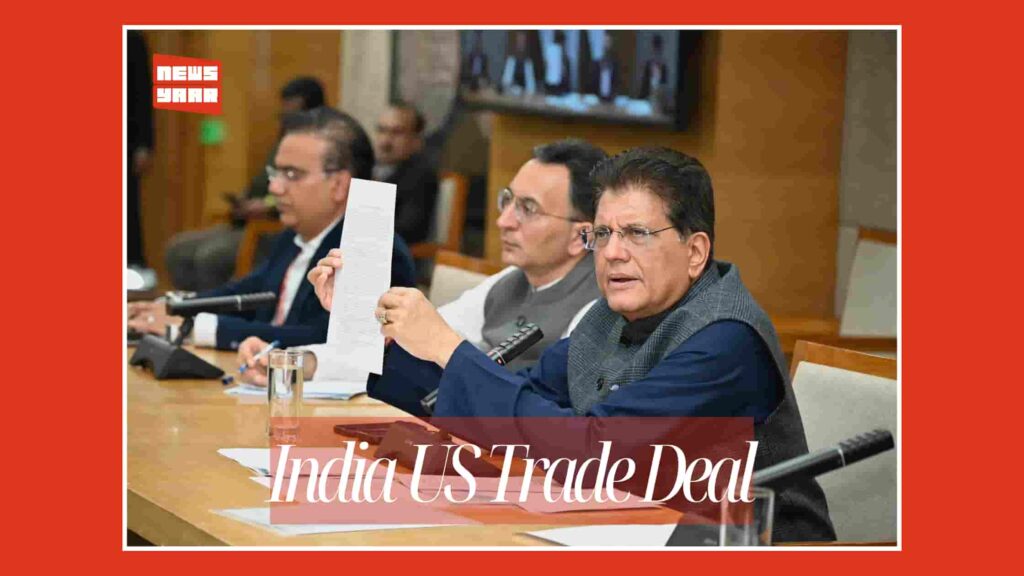
India and the United States have announced a framework for an interim trade agreement aimed at deepening economic ties, expanding market access, and strengthening bilateral cooperation on trade and investment. The trade deal represents progress in long-running negotiations between the two largest democracies and is viewed by New Delhi and Washington as a step toward a broader Bilateral Trade Agreement (BTA). The framework was unveiled following discussions between Prime Minister Narendra Modi and U.S. President Donald J. Trump, who first launched formal talks on a comprehensive India-U.S. trade arrangement in February 2025. Interim Framework OverviewUnder the interim framework, both countries have agreed to substantial tariff reductions and preferential market access commitments, while also embedding safeguards for politically sensitive and strategic sectors in their respective economies. The agreement stops short of a full free-trade agreement but sets out structured commitments that could be built upon in future negotiations. According to the joint statement issued by India and the U.S., the interim agreement emphasises mutual and reciprocal market access, rule-based trade enhancement, and sustained cooperation in areas of economic interest. It also commits both sides to work on non-tariff barriers to facilitate smoother trade flows. Tariff Reductions and Market AccessOne of the central features of the deal is reduction of mutually imposed tariffs on a wide range of goods:The United States will reduce its **reciprocal tariffs on Indian exports to 18 per cent from previous levels that reached up to 50 per cent on certain products, significantly improving access to the U.S. market. Tariffs will also be entirely eliminated for select Indian exports, including generic pharmaceuticals, gems and diamonds, and aircraft parts. India has agreed to eliminate or reduce tariffs on all U.S. industrial goods and a broad spectrum of American food and agricultural products, including dried distillers’ grains (DDGs), red sorghum for animal feed, tree nuts, fresh and processed fruits, soybean oil, wine and spirits. The reciprocal tariff arrangement is expected to open up significant opportunities for Indian exporters in traditional and emerging sectors, while also making a range of American products more competitive within India’s markets.Agriculture and Sensitive Sector ProtectionsA major concern throughout negotiations has been safeguarding India’s agricultural and rural economy, which supports a vast portion of the population. Commerce and Industry Minister Piyush Goyal has repeatedly emphasised that the deal will fully protect sensitive agricultural and dairy products from tariff concessions. Products explicitly shielded include:Staple crops such as maize, wheat, rice and soyaDairy and poultry products including milk, cheese and meatOther items critical to rural livelihoods such as ethanol (fuel), tobacco and certain vegetablesThese protections are intended to prevent adverse impacts on the livelihoods of farmers, smallholder producers and rural communities, who form the backbone of India’s agricultural economy. At the same time, India has offered zero-duty access for its farm products entering the U.S. market, including items such as spices, tea, coffee, coconut and coconut oil, cashew nuts, certain fruits like mangoes, bananas and pineapples, bakery products and vegetable waxes. This is expected to enhance export earnings for agricultural producers and MSMEs. Sectoral Gains and Strategic OutcomesThe interim framework includes sectoral provisions designed to boost trade and cooperation across diverse industries:Pharmaceuticals and Medical Devices: Zero tariffs on generic drugs and improved regulatory alignment are expected to bolster India’s strong position in the U.S. pharmaceutical market. Aerospace and Defence: Eliminating tariffs on aircraft parts and securing Section 232 exemptions are expected to benefit aerospace trade and support defence and commercial aircraft manufacturing. Manufacturing and ICT Goods: Commitments to address non-tariff barriers and streamline standards are expected to facilitate trade in information and communication technology (ICT) products and select machinery. Auto Components and Heavy Industry: The agreement anticipates tariff rate quotas for auto parts and preferential access for certain manufactured goods, enhancing industrial trade cooperation. Combined, these measures aim to reduce supply chain friction, attract investment, and support India’s Make in Indiainitiative by integrating domestic production more closely with global value chains.Energy and Long-term Procurement CommitmentsAs part of the broader economic engagement, India has signalled intentions to import approximately USD 500 billion worth of goods from the United States over the next five years. These imports include energy products such as crude oil, liquefied natural gas (LNG) and liquefied petroleum gas (LPG), along with aircraft and aircraft parts, technology products, precious metals and coking coal. These procurement commitments align with India’s strategy of diversifying its energy sources and deepening strategic economic ties with the U.S. . Expected Economic ImpactCommerce Minister Goyal has described the interim framework as a “historic and equitable agreement” that could potentially open a US$ 30 trillion market for Indian exporters. This expanded access is expected to deliver significant benefits for micro, small and medium enterprises (MSMEs), artisans, agricultural producers and women- and youth-led businesses by removing tariff barriers in the U.S. market. Key economic gains envisaged include:Boost to Indian exports in textiles, leather and footwear, plastic and rubber products, organic chemicals, home decor, artisanal goods and select machinery. Increased competitiveness for Indian pharmaceutical and aerospace sectors through zero tariff access. Enhancement of India’s MSME ecosystem through sustained preferential access and reduced non-tariff barriers. Political and Analytical PerspectivesThe trade framework has drawn both support and criticism within India. Proponents highlight its potential to create jobs, expand market reach for diverse sectors and attract foreign direct investment. Several state leaders have welcomed the deal as a step forward for economic growth and industrial development. Critics — including farmer unions and opposition figures — argue that the framework lacks sufficient detail and may expose certain sectors to unfair competition, particularly if tariff reductions are asymmetric. Concerns have been raised about the long-term impact on domestic agriculture and industrial policies. Why the Deal MattersThe interim India-U.S. trade deal is significant on multiple fronts:It marks a milestone in trade relations between the world’s two largest democracies, anchoring economic cooperation alongside strategic and defense ties. It represents a shift in India’s trade policy, balancing openness with protection for sensitive sectors while pursuing broader market access. For the United States, it strengthens economic engagement with a high-growth market and supports bilateral cooperation on technology, supply chains and industrial standards. The interim framework is
Sergio Gor Takes Charge as U.S. Ambassador to India: What His Appointment Means for India-US Trade Relations

Sergio Gor formally assumed his role as the United States Ambassador to India on Monday, signalling a fresh chapter in the bilateral relationship between the two democracies.Gor, a close associate of U.S. President Donald Trump, addressed the press ahead of taking office and outlined his vision for strengthening cooperation between Washington and New Delhi.Ambassador Gor’s appointment comes at a time when diplomatic ties between India and the United States have faced several challenges, from disagreements over trade to tensions related to global geopolitical issues. Yet his arrival has sparked cautious optimism among policymakers and analysts on both sides of the aisle.A Personal Message of Partnership and CollaborationIn his public remarks upon taking charge, Ambassador Gor underscored India’s importance to the United States. He stated that no country is more “essential” to American strategic interests than India, highlighting shared values and mutual goals in areas like trade, security, technology, and regional stability.Gor also referenced the strong personal rapport between President Trump and Prime Minister Narendra Modi, describing their friendship as “real” and pivotal for future cooperation. This emphasis on interpersonal diplomacy signals an attempt to soften recent strains and build momentum for collaborative action.Reports indicate that one of Gor’s early initiatives will be to invite India to participate in the Pax Silica initiative, a U.S.-led multilateral forum focused on mineral security and advanced technologies such as artificial intelligence. Participation in this forum could broaden India’s role in global tech and strategic discussions.Trade Talks and Economic ExpectationsEconomists and trade experts have weighed in on the potential impact of Ambassador Gor’s appointment on economic ties. India and the U.S. are actively working on a bilateral trade agreement aimed at reducing tariff barriers and promoting deeper economic engagement.ABC News and Politico Pro reports highlighted that one of the ambassador’s priorities will be expanding trade ties despite ongoing tensions related to Russian oil and global energy dynamics. As such, Gor’s role will not only be diplomatic but also deeply economic.A Reset in Relations?Analysts from The Assam Tribune and ETV Bharat have described Ambassador Gor’s messages as signalling a reset in diplomatic outreach. By stressing mutual respect and partnership, he appears intent on building a stronger, more resilient relationship that can withstand geopolitical pressure.With his first address and public engagements in India, Sergio Gor has laid the groundwork for renewed strategic dialogue. As bilateral initiatives, the world will be watching closely to see how India and the United States navigate their partnership in 2026 and beyond.Video credit: ANI