


Mumbai Water Metro: Sailing to Ease Traffic and Revive Island City’s Waterways
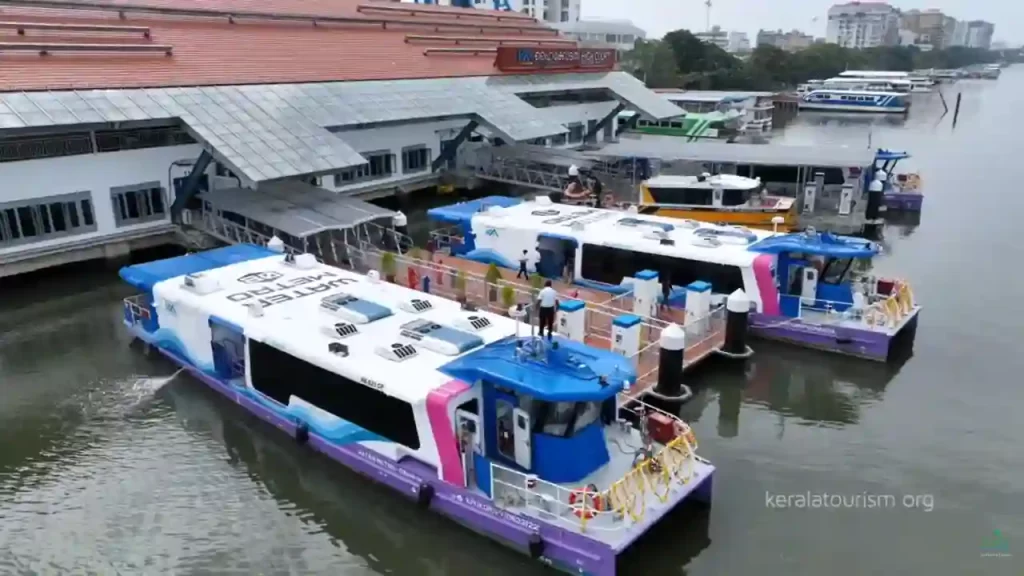
Mumbai, India’s bustling financial hub built on seven islands, faces daily chaos from overcrowded trains, jammed roads, and rising seas of cars. Commuters waste hours in gridlock, while ferries, once a lifeline, faded after failed tries like 1990s hovercrafts and a short-lived Belapur-Gateway run. Enter the Mumbai Water Metro: an ambitious 36-route network across the Mumbai Metropolitan Region (MMR) to ferry up to 18 million passengers yearly. Chief Minister Devendra Fadnavis gave in-principle nod on March 17, 2026, calling it a “coastal transport revolution.” Modelled on Kerala’s hit Kochi system, this Rs 6,592-crore plan taps Mumbai’s 340 km of waterways for scenic, green rides, slashing commute times, boosting tourism, and building shipyards.A Vision to Turn Tides on CongestionMumbai’s locals pack 75 lakh daily; roads choke with 40 lakh vehicles. Water Metro offers breezy escapes: 21 initial routes over 125-340 km (Phase 1: 215 km new + 125 km upgraded), with 25-44 terminals. Daily riders: 44,000; yearly: 18 million, rising to 75 million by 2031. Electric ferries zip between islands, bypassing potholes for sea views of Marine Drive, Bandra-Worli Sea Link.Fadnavis envisions it as the world’s largest water transport network, easing suburban rail pressure (already 1.6 crore water passengers yearly). Ports Minister Nitesh Rane: Start Mumbai city core, expand MMR, linking to Navi Mumbai Airport in 40 minutes from Gateway jetty.Key Routes: From Commutes to CruisesPhase 1 spotlights high-demand hops (6-10 initially):City Core: Nariman Point-Worli-Bandra-Juhu-Versova (coastal buzz).North Links: Versova-Madh, Marve-Manori, Gorai-Borivali (beaches, suburbs).Harbour Hops: Gateway-Mandwa, Belapur-Elephanta (tourist gems).Creek Crossings: Thal-Khanderi, Vasai Creek, Thane Creek, Ulhas River.Airport Express: Gateway to Navi Mumbai International Airport.Outer Reaches: Vasai-Kalyan-Kalher-Bandra-Vashi-Nariman Point.Later: Ro-Pax (car ferries), tourism circuits to Vasai Fort, bird sanctuaries, and parks. Fixed schedules like metro: Peak-hour frequency, digital tickets, rail-metro links.Green Fleet and Smart Tech for Smooth Sails207 vessels mix electrics (zero emissions), hydrofoils (fast), hovercrafts, hybrids, handling 3.5m tides. Private ops under PPP: Govt funds Rs 3,436 crore (civils, safety, jetties); privates Rs 3,156 crore (boats). Operations Control Centre at Kalher (Bhiwandi), backup Fountain Junction (Mira-Bhayandar); dedicated boatyard for local builds.Phases roll steadily:Phase 1 (by 2029): Rs 1,500 crore core network.Phase 2 (2030): Expansion.Phase 3 (2036): Full glory.Kochi Metro Rail Ltd’s DPR (submitted early 2026) guides; the consultant will be appointed in 4 months, then clearances, tenders.Kochi Model: Mumbai’s Fare GuideMumbai Water Metro ticket costs are not yet finalized, as the project is in planning (DPR stage, rollout eyed December 2026 onward). Officials aim for affordable fares like Kochi’s model (its blueprint), to beat past flops from high prices. Expect Rs 10-50 per short hop (e.g., 5-10 km), scaling with distance, cheaper than taxis (Rs 200+), on par with buses (Rs 10-30), and scenic vs. trains. Daily passes, monthly options, and UPI/app tickets planned.Kochi Water Metro (Mumbai’s inspiration) sets the benchmark:Single journey: Rs 20 minimum to Rs 40-50 maximum (e.g., Vytilla-High Court: Rs 40; Fort Kochi: Rs 40).Kochi1 Card: Rechargeable smart card (metro+water), 20% discount.Passes:Pass TypeCostValidityWeeklyRs 1807 daysMonthlyRs 60030 daysQuarterlyRs 1,50090 daysPast Flops to Future Wins: Learning from Waves1990s hovercrafts sank on costs; 2024 Belapur-Gateway fizzled on low uptake. This time? Affordable fares (Rs 20-50?), eco-focus, integration fix it. Kochi’s success (78 boats, 5 lakh riders/month) proves demand; Mumbai’s waterways are unused despite island roots.Hurdles and HorizonsEco-clearances, tides, and monsoons challenge, but tidal-proof jetties and weather-resilient boats are ready. By 2036, imagine: Skip Virar trains, sail Versova-Bandra in 20 minutes; tourists yacht Worli sunsets. Mumbai sails again, cleaner, calmer, connected.
Sagarmala Project: Transforming India’s Maritime Infrastructure and Coastal Economy
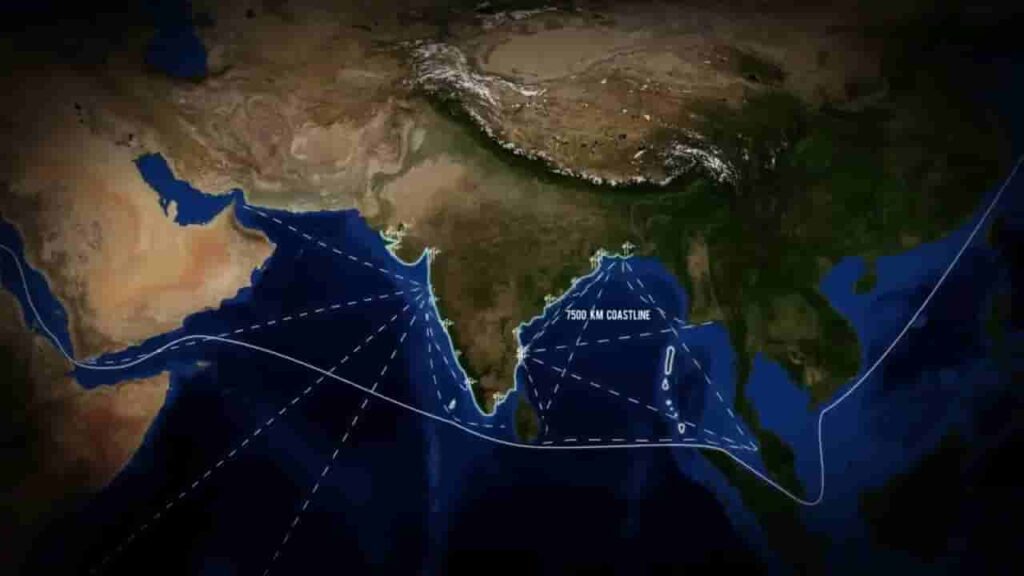
IntroductionThe Sagarmala Programme is one of the Government of India’s flagship initiatives aimed at harnessing the country’s vast coastline and maritime potential to drive economic growth. Launched with the vision of port-led development, the project seeks to modernise ports, improve logistics efficiency, and promote industrialisation along coastal regions.With over 7,500 km of coastline and strategic access to major international trade routes, India has long had the potential to become a global maritime hub. The Sagarmala Programme was designed to unlock this potential by integrating ports with hinterland connectivity and industrial development.Background and VisionIndia’s logistics sector has historically faced challenges such as high transportation costs, inefficiencies in port operations, and inadequate connectivity between ports and inland regions. Recognising these gaps, the Sagarmala Programme was introduced to create a more efficient and cost-effective logistics ecosystem.The core vision of Sagarmala is to reduce logistics costs for both domestic and international trade while boosting exports and generating employment. By focusing on port-led industrialisation, the initiative aims to transform coastal areas into economic growth centres.Key Pillars of the Sagarmala ProgrammeThe Sagarmala Project is built around four key pillars, each addressing a specific aspect of maritime and logistics development.Port Modernisation and New Port DevelopmentOne of the primary objectives is to upgrade existing ports and develop new ones to handle increasing cargo volumes. This includes improving port infrastructure, adopting advanced technologies, and enhancing operational efficiency.Major ports across India are being modernised to reduce turnaround time for ships and improve cargo handling capacity, making them globally competitive.Port Connectivity EnhancementEfficient connectivity between ports and inland regions is critical for seamless movement of goods. Under Sagarmala, significant investments have been made in road, rail, and inland waterways connectivity.Projects include:Dedicated freight corridorsRail links to portsNational highways connecting industrial clustersThese developments aim to ensure faster and more cost-effective transportation of goods.Port-Led IndustrialisationA major focus of the programme is the development of industrial clusters near ports. These include:Coastal Economic Zones (CEZs)Industrial corridorsPort-based manufacturing unitsBy locating industries closer to ports, the project reduces logistics costs and enhances export competitiveness. This approach also encourages foreign investment and boosts manufacturing under initiatives like “Make in India.”Coastal Community DevelopmentSagarmala also emphasises the socio-economic development of coastal communities. The programme includes initiatives for:Skill development in maritime sectorsEmployment generationFisheries and aquaculture developmentThis ensures that local populations benefit directly from the project’s growth opportunities.Implementation and ScaleThe Sagarmala Programme encompasses hundreds of projects across various sectors, making it one of the largest infrastructure initiatives in the country.It is being implemented by multiple agencies, including:Ministry of Ports, Shipping and WaterwaysState governmentsPrivate sector stakeholdersProjects range from port modernisation and connectivity improvements to industrial zone development and urban infrastructure in coastal regions.Economic SignificanceThe Sagarmala Project is expected to have a far-reaching impact on India’s economy.Reduction in Logistics CostsOne of the biggest advantages is the potential reduction in logistics costs, which have traditionally been higher in India compared to global standards. Efficient ports and better connectivity will make Indian goods more competitive in international markets.Boost to Trade and ExportsImproved port infrastructure and faster cargo handling will facilitate higher trade volumes, strengthening India’s position in global supply chains.Employment GenerationThe programme is expected to create millions of jobs, both directly and indirectly, across sectors such as shipping, logistics, manufacturing, and fisheries.Environmental and Social ConsiderationsGiven the scale of the project, environmental sustainability has been a key concern.Efforts have been made to:Promote green port initiativesReduce carbon emissionsEnsure sustainable coastal developmentHowever, concerns have also been raised regarding the impact of industrialisation on fragile coastal ecosystems, including mangroves and marine biodiversity.Balancing economic growth with environmental protection remains a critical challenge for the programme.Progress and AchievementsSince its launch, significant progress has been made under the Sagarmala Programme. Several port modernisation projects have been completed, and connectivity infrastructure has been strengthened.Cargo handling capacity at major ports has increased, and turnaround times have improved, reflecting enhanced efficiency. Industrial projects in coastal regions are also gradually taking shape.Challenges and the Road AheadDespite its progress, the Sagarmala Project faces several challenges:Land acquisition issuesEnvironmental clearancesCoordination between multiple agenciesFunding and timely execution of projectsAddressing these challenges will be essential to ensure the programme achieves its full potential.Final PerspectiveThe Sagarmala Programme represents a strategic shift in India’s approach to infrastructure and economic development. By leveraging its coastline and maritime strengths, the country aims to build a robust logistics network and emerge as a global trade hub.At its core, the project is not just about ports—it is about creating an integrated ecosystem that connects industries, communities, and markets, driving long-term growth and development across the nation.