


World Economic Forum 2026: Global Leaders Converge in Davos Amid Major Economic and Geopolitical Challenges
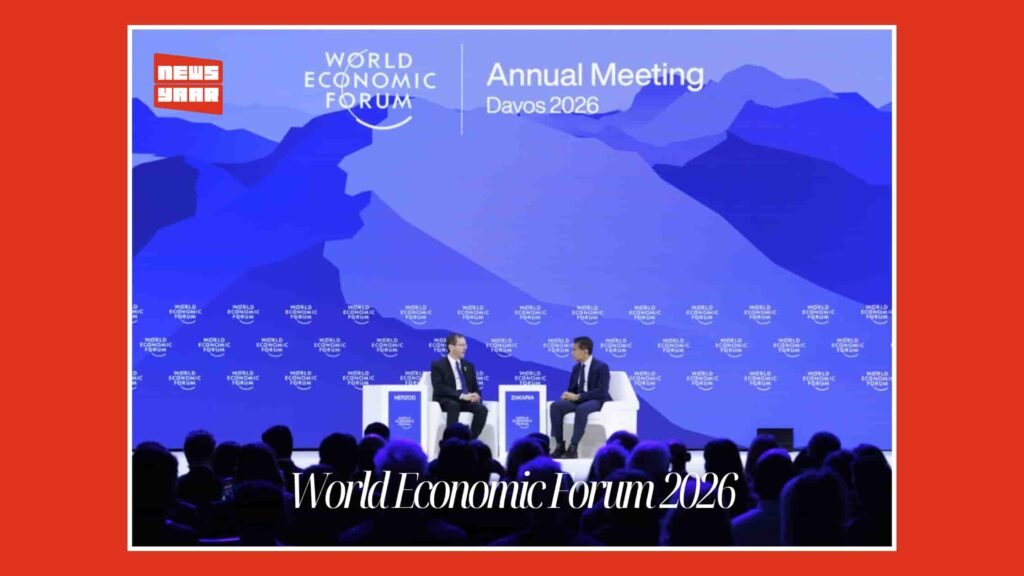
The World Economic Forum (WEF) Annual Meeting 2026 took place from January 19 to 23 in Davos-Klosters, Switzerland, bringing together leaders from government, business, international organisations and civil society to discuss the most pressing global issues of the moment. Now in its 56th year, the forum — commonly referred to simply as “Davos” — is a flagship platform for public-private cooperation on economic policy, technology governance, sustainability and global security.The meeting’s official theme, “A Spirit of Dialogue,” underscored a widely recognised need for renewed cooperation in an era marked by geopolitical tensions, slowing economic growth, technological disruption and environmental risk. Organisers, delegates and analysts alike framed the discussions around the idea that dialogue — even amid disagreement — is essential for addressing interconnected global challenges. Scale of Participation and Global Profile The WEF 2026 drew thousands of participants from over 100 countries, including government ministers, heads of state, central bankers, chief executives of major corporations, academics and representatives of international institutions. The meeting’s scale and diversity reflect its enduring role as a central venue for high-level engagement on global policy priorities.Among the most notable attendees was United States President Donald Trump, whose presence drew significant media attention and marked a return to Davos for a leader of his stature. Delegations also included major European figures, leaders from Asia, Africa and Latin America, and senior representatives from international organisations and think tanks. Economic Priorities and Global Growth Concerns Economic issues formed a core pillar of the 2026 agenda. Discussions highlighted uneven global growth, persistent inflationary pressures and heightened uncertainty in financial markets. Organisers and speakers emphasised that sluggish expansions in major economies, coupled with high debt levels, pose risks to stability and investment confidence.According to WEF research and policy discussions at Davos, cooperation on economic policy, trade facilitation and investment frameworks remains essential to navigate these headwinds. Investments in human capital, innovation and sustainable growth models were also highlighted as central to unlocking new sources of economic opportunity. Technology, Innovation and Governance Technological advancement — particularly artificial intelligence (AI) — was a prominent topic throughout the meeting. Delegates debated how to harness innovation responsibly while addressing associated risks such as workforce displacement, data protection, ethical use cases and the broader social impact of AI deployment.Speakers noted the absence of globally coordinated regulatory frameworks for emerging technologies, emphasising the need for international dialogue to manage both the opportunities and risks of rapid digital transformation. Geopolitics and International Security Geopolitical tensions and international security issues shaped several panels and bilateral discussions. The ongoing conflict in Ukraine, instability in parts of the Middle East, and great-power competition in regions such as the Indo-Pacific were recurring themes.In this context, world leaders discussed the importance of resilient supply chains, energy security and strategic partnerships while acknowledging that geopolitical fragmentation continues to complicate efforts toward shared economic and diplomatic goals.A particularly high-profile moment at the forum involved exchanges around NATO and Arctic security, with debates over territorial issues such as the strategic role of Greenland drawing media attention and highlighting how security concerns intersect with economic and environmental priorities. Climate, Sustainability and Emerging Risks Climate change and sustainable development remained central to Davos discussions, but delegates acknowledged the gap between global climate commitments and action on the ground. Energy transition strategies, climate finance for developing economies and nature-based risk frameworks were all debated, often in conjunction with economic policy and innovation priorities.A distinctive focus this year was on water systems and planetary stability, with experts warning that imbalances in the global water cycle — including drought, flood extremes and freshwater scarcity — require urgent collective action. These discussions, sometimes referred to as part of the “Blue Davos” agenda, highlighted water as a foundational element of global resilience. Outcomes and Forward Agenda Unlike treaty negotiations or binding international agreements, the World Economic Forum does not issue enforceable resolutions. Instead, its role is to shape the global conversation, build networks of cooperation and catalyse voluntary initiatives. At the conclusion of the 2026 meeting, several partnerships, memoranda of understanding and investment dialogues were announced, particularly in areas such as clean energy, digital infrastructure and sustainable finance.For example, global and regional delegations highlighted collaborative efforts to expand green growth and industrial innovation, reflecting businesses and states seeking resilient growth pathways amid global uncertainty.Beyond formal sessions, the informal interactions in Davos — from bilateral talks between heads of state to private sector strategy meetings — often influence policy choices throughout the year. These engagements are frequently cited by governments and corporations as contributing to priority setting and risk assessment in economic and geopolitical planning. Why World Economic Forum 2026 Matters The World Economic Forum Annual Meeting remains significant because it brings together diverse decision-makers at a time when coordination on global issues has become more fragmented. As geopolitical tensions rise and economic risks persist, forums like Davos offer a rare structured environment where dialogues between competing interests can occur.In 2026, the emphasis on dialogue — even amid disagreement on trade, security, technology and climate policy — reflected a shared recognition that global challenges cannot be addressed in isolation. While the outcomes of Davos are not always immediately visible, the convergence of leaders and ideas continues to shape international conversations and influence public and private sector strategies in the months and years that follow.
Iran in Crisis: Economic Collapse Triggers Unprecedented Nationwide Protests
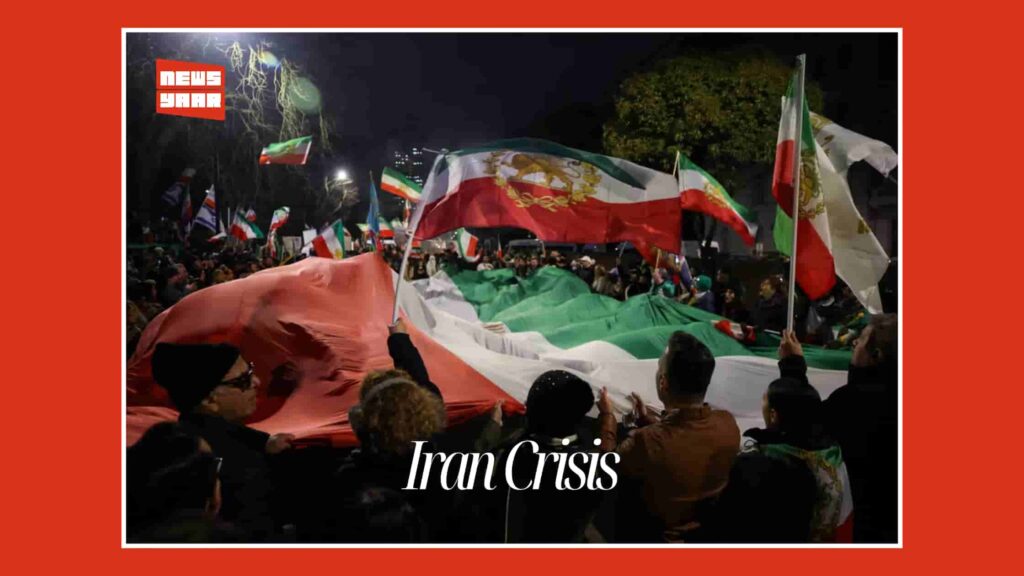
Iran is facing one of the most intense periods of civil unrest in decades as nationwide protests continue to spread, driven by a deepening economic crisis, rampant inflation, a collapsing currency and widespread public dissatisfaction with the government. The demonstrations, which began in late December 2025, have quickly escalated into the largest wave of unrest since the 1979 Islamic Revolution, encompassing cities across all 31 provinces and challenging the country’s political status quo. What Sparked the Protests? The immediate trigger was Iran’s economic meltdown, particularly the freefall of the Iranian rial. On 29 December 2025, the rial plummeted to historic lows of roughly 1.45 million to 1 US dollar on unofficial markets, eroding citizens’ purchasing power and fuelling anger among merchants, workers, students and ordinary families. Inflation soared past 40 per cent, with food prices, basic goods and essential services becoming increasingly unaffordable. By late 2025, staples such as rice, fruits, vegetables and meat rose dramatically in price, compounding daily hardship for households already strained by rising costs and stagnant wages. How the Unrest Spread The unrest began in Tehran’s historic Grand Bazaar, where shopkeepers closed their businesses in protest of the economic conditions and the deteriorating currency. From there, demonstrations rapidly spread nationwide to cities including Isfahan, Shiraz, Mashhad, Tabriz, Kermanshah, Hamadan and Qeshm, among others, with protests intensifying and crossing demographic lines. What began as an economic protest quickly adopted broader political dimensions, with many demonstrators chanting anti-government slogans and demanding structural reform. In some areas, slogans connected economic hardship to broader critiques of the political leadership and foreign policy priorities. Scale and Intensity of the Protests According to independent human rights organisations and local news agencies, the unrest has been widespread and intense: Protests have taken place in hundreds of locations across all 31 provinces. National internet and phone networks were shut down in early January 2026 in an attempt to curb information flow and limit coordination among demonstrators. Participation expanded from shopkeepers to students, labourers, youth and urban professionals. Government Response and Crackdown The Iranian government’s response has been forceful. Security forces, including the Islamic Revolutionary Guard Corps (IRGC) and paramilitary Basij units, have been deployed to disperse crowds and quell unrest. Independent reporting suggests that live ammunition, tear gas and mass arrests have been used in some cities. Information about casualties and arrests remains difficult to verify due to restricted media access and the internet blackout, but human rights groups have reported thousands of deaths. Human Rights Activists News Agency (HRANA) has documented a death toll exceeding 4,500, including protesters, bystanders and minors, although exact numbers vary by source and verification difficulty remains high due to restricted access. Economic Roots of the Crisis Iran’s economic woes did not arise overnight. While the rial’s collapse provided the immediate spark, deeper structural factors have been building over years: Sanctions: The re-imposition and intensification of international sanctions, particularly after the collapse of the 2015 nuclear deal and renewed restrictions in late 2025, severely restricted Iran’s oil revenue, foreign currency inflows and economic flexibility. Inflation and Currency Devaluation: Chronic inflation — estimated at 40 – 48 per cent by late 2025 — has eroded savings and suppressed wage value, while the currency’s steep devaluation made imports costlier and further strained purchasing power. Economic Mismanagement: Analysts also point to long-standing internal policy challenges, including fiscal mismanagement, restricted private sector growth and a reliance on state subsidies that have not kept pace with rising living costs. Water and Basic Services Shortages: Iran is simultaneously grappling with severe water scarcity, drought and utility shortages, particularly in major cities like Tehran and Mashhad, compounding public frustration with daily life hardships. Broader Political and Social Dimensions While economics was the initial spark, the protests have taken on a broader political character. Some crowds have shifted from purely economic grievances to explicit critiques of the current political system, including calls against the ruling structure and leadership priorities. In parallel, regional geopolitics and recent tensions — including Iran’s confrontations with the United States and Israel — have influenced internal narratives. Government figures have at times attributed unrest to foreign interference, though such claims lack independent verification and are rejected by many protesters. Human Impact and Daily Hardship For ordinary Iranians, the cost of living crisis has tangible consequences: food staples have become unaffordable for many families, small businesses face collapse, and unemployment and wage stagnation leave once-stable households struggling to make ends meet. The internet shutdown has had a severe impact on daily life and business activity, particularly for enterprises reliant on digital platforms — from online commerce to social communications — deepening economic pain even for sectors not directly tied to protests. International and Geopolitical Repercussions Iran’s internal turmoil has attracted global attention, with world powers monitoring the situation closely amid concerns about regional stability. Western governments have called for restraint and respect for human rights, while some leaders have hinted at diplomatic or economic pressure options should violence escalate further. Meanwhile, Tehran has emphasised sovereignty and condemned what it describes as external interference. The interplay between domestic unrest and external diplomatic pressure adds a complex layer to an already volatile situation. What This Means for Iran’s Future The combination of economic collapse, popular protest and political confrontation places Iran at a critical juncture. Unlike past protest waves that were episodic or confined to symbolic issues, the current unrest is rooted in widespread economic despair affecting broad segments of society. If the government cannot swiftly stabilise the economy and respond to popular demands, the protests could evolve into a longer-term movement with profound implications for Iran’s internal governance, social cohesion and regional posture. Key Facts at a Glance Protests began: Dec 28, 2025, in Tehran’s Grand Bazaar; spread nationwide. Primary causes: Currency collapse, inflation, rising food costs, economic mismanagement and sanctions. Inflation: Above ~42 % in late 2025. Currency: Iranian rial fell to record lows (~1.45 million to $1). Spread: Protests now reported from all 31 provinces. Government response: Heavy crackdowns, mass arrests, internet
Why Gold and Silver Prices Are Rising: Key Reasons Behind the Metals Surge
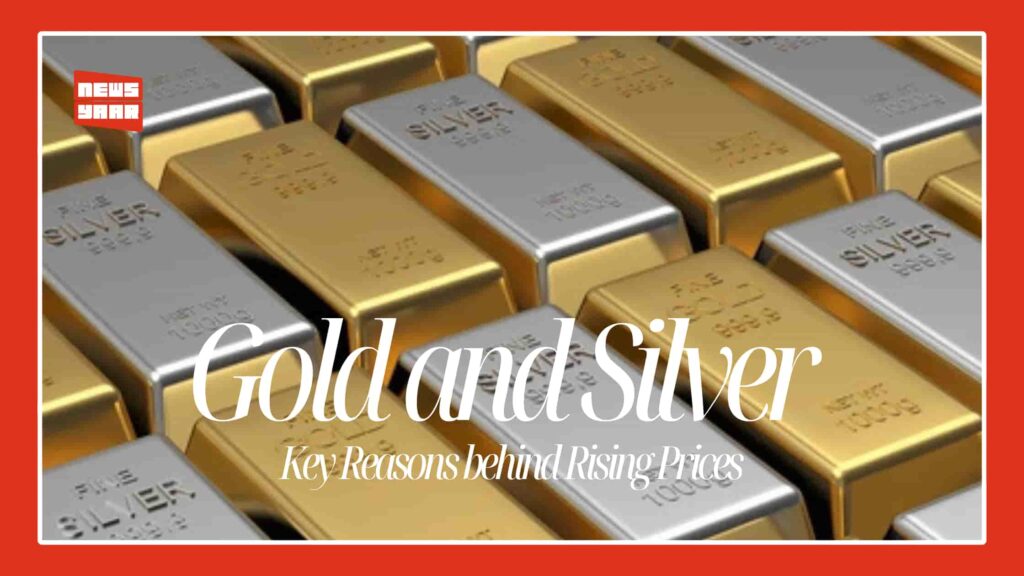
As global markets continue to face uncertainty, gold and silver prices have been witnessing a steady upward trend, reinforcing their long-standing status as safe-haven assets.From geopolitical tensions to economic slowdowns, multiple factors are pushing investors toward precious metals, making gold and silver increasingly attractive in both domestic and international markets. Safe-Haven Demand Amid Global Uncertainty One of the primary reasons behind the rising prices of gold and silver is growing global uncertainty. Ongoing geopolitical conflicts, trade tensions, and instability in key regions have made investors cautious about riskier assets like equities. In such times, precious metals are seen as a store of value, leading to higher demand and, consequently, rising prices. Inflation and Currency Fluctuations Persistent inflation across major economies has also played a crucial role. When inflation erodes the purchasing power of money, investors turn to gold and silver as hedges against rising prices.Additionally, fluctuations in major currencies, particularly the US dollar, influence metal prices. A weaker dollar often makes gold and silver cheaper for global buyers, boosting demand. Central Bank Policies and Interest Rates Monetary policies adopted by central banks worldwide significantly impact precious metal markets. Expectations of interest rate cuts or a pause in tightening cycles make non-yielding assets like gold and silver more attractive.When interest rates remain low or are expected to decline, investors are less inclined toward fixed-income instruments and more inclined toward commodities. Industrial Demand for Silver While gold is largely driven by investment and jewellery demand, silver benefits from strong industrial usage as well.Silver is a key component in sectors such as electronics, renewable energy, electric vehicles, and solar panel manufacturing. With the global push toward green energy and technological advancement, industrial demand for silver has grown, contributing to its price rise. Strong Domestic Demand and Festive Buying In countries like India, cultural and festive demand also plays an important role. Weddings, festivals, and traditional investments lead to consistent buying of gold and silver, especially during auspicious periods. Rising demand during these seasons often adds upward pressure on prices.With India being one of the world’s largest consumers of gold, any movement in international prices quickly reflects in local bullion markets. Conclusion The growing prices of gold and silver reflect a complex mix of global economic trends, investor sentiment, and industrial demand.Whether for investment, jewellery, or industrial use, precious metals remain central to financial strategies in uncertain times. As markets evolve, gold and silver are expected to continue shining as reliable assets in diversified portfolios.
New York Gets Indian-Origin Mayor Zohran Mamdani: A Historic Moment in Global Politics
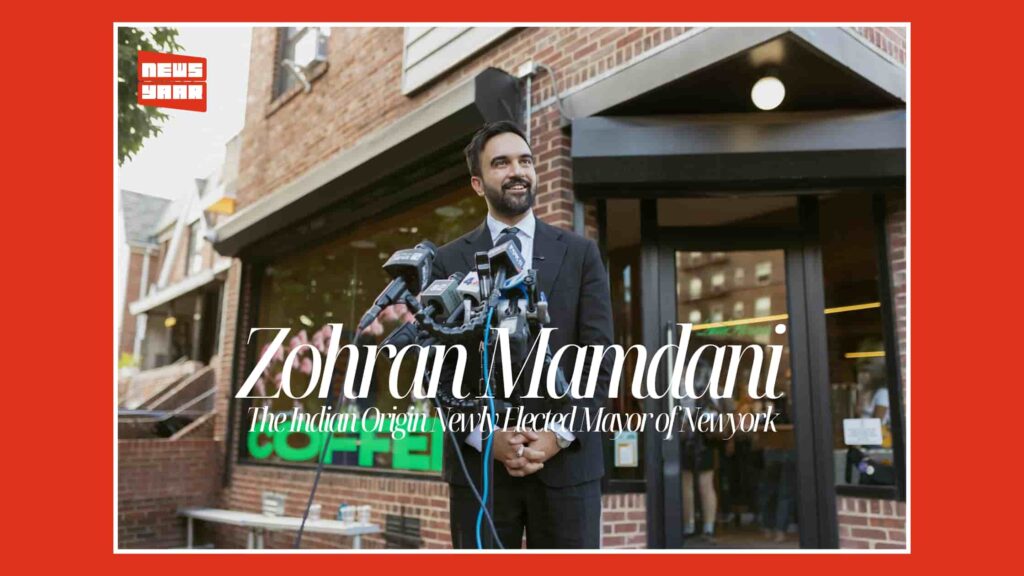
In a historic political shift that has captured international attention, Zohran Kwame Mamdani has been sworn in as the 112th mayor of New York City, becoming the first Indian-origin, South Asian, and Muslim leader to hold the post in one of the world’s most influential cities.Mamdani, aged 34, officially took the oath on January 1, 2026, succeeding Eric Adams after an electrifying election victory in November 2025. His swearing-in ceremony took place in a symbolic location. At this historic Old City Hall subway station, he took the oath on two Qur’ans, including one belonging to his grandfather, highlighting both his faith and multicultural identity.Born in Kampala, Uganda, in 1991 to Indian heritage parents, acclaimed filmmaker Mira Nair and academic Mahmood Mamdani, Zohran moved to the United States as a child and grew up in New York City. He attended top local schools before graduating from Bowdoin College. Mamdani began his political career in the New York State Assembly, representing Queens, and quickly established a reputation as a progressive and community-focused leader.Mamdani’s election is seen as a major milestone for representation and diversity in American politics. As both the first Muslim and first South Asian mayor of New York City, his victory resonates far beyond municipal boundaries, symbolizing how multicultural identities are increasingly shaping the political landscapes of major Western democracies.His campaign platform focused heavily on critical issues such as affordability, public transit, and social infrastructure. Promises included fare-free city buses, universal public childcare, expanded affordable housing, and city-run grocery stores, initiatives aimed at addressing the deep economic challenges facing millions of city residents. Public response to Mamdani’s progressive agenda It turned out to be mixed. While a recent poll showed that a majority of New Yorkers support his democratic socialist policies, concerns remain among some voters about the financial feasibility of his ambitious reforms and potential budget deficits.Cultural celebrations followed his inauguration, including a block party near City Hall and Punjabi music echoing through parts of the city, reflecting pride in his heritage and the diverse identity of New York itself.As Mamdani begins his term, the world watches to see whether his blend of progressive policy, grassroots leadership, and global heritage will chart a new path for urban governance in the 21st century and what his success might mean for emerging leaders from diverse backgrounds.Video credit: Zohran Mamdani’s Youtube