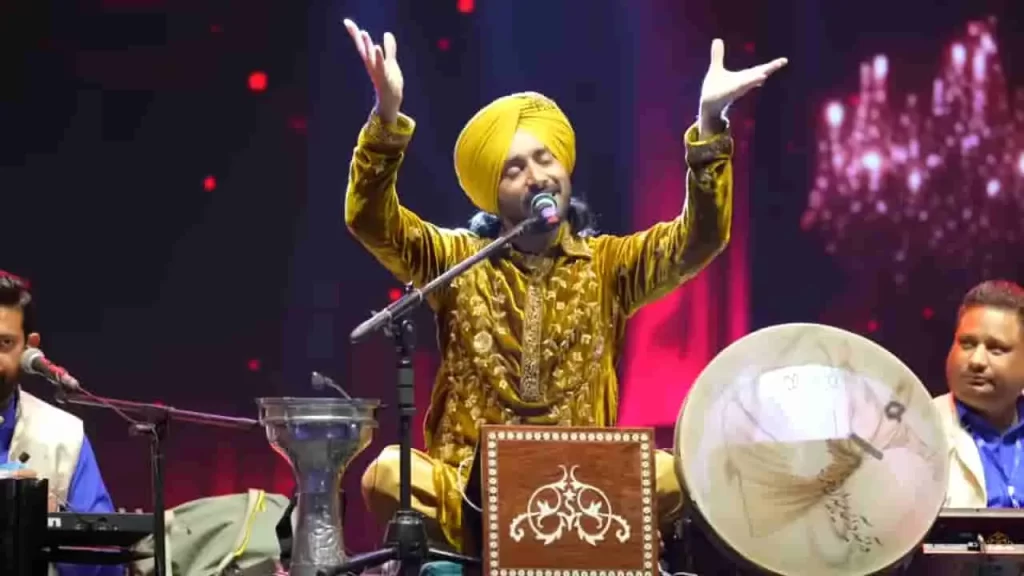
The film Ek Din emerged as a quiet yet emotionally resonant addition to contemporary cinema, offering a narrative that moves away from spectacle and instead focuses on the subtleties of human relationships. Built around the idea that a single day can alter perspectives and reopen buried emotions, the film presents a deeply personal and introspective story that unfolds with restraint and realism.
Positioned as a character-driven drama, Ek Din does not rely on conventional cinematic highs but instead draws strength from its writing, performances, and its ability to capture the complexity of emotions in everyday life.
Plot Overview and Narrative Structure
At its core, Ek Din is structured around a limited timeframe, with the story unfolding over the course of a single day. This narrative choice allows the film to intensify emotional interactions between characters while maintaining a sense of immediacy and realism.
The story typically revolves around two individuals—often with a shared past—who cross paths after a long time. As the day progresses, conversations that begin casually gradually evolve into deeper reflections on their relationship, life choices, and the paths they did or did not take.
Rather than presenting a linear or event-heavy storyline, the film leans heavily on dialogue and silence, using both as tools to reveal character depth. Flashbacks or emotional references to the past are subtly woven into the present, giving viewers insight into the history that shapes the characters’ current state of mind.
Exploration of Themes
One of the strongest aspects of Ek Din is its thematic depth. The film explores multiple layers of human emotion without overt dramatization, making it relatable and thought-provoking.
A central theme is timing in relationships—how circumstances, decisions, and missed opportunities can influence the course of people’s lives. The narrative reflects on the idea that love alone is not always enough; timing often determines whether relationships flourish or fade.
The film also delves into unspoken emotions, highlighting how individuals often carry unresolved feelings over time. Through subtle interactions, the story portrays the weight of words left unsaid and the emotional burden of “what ifs.”
Another key theme is the passage of time and its transformative effect on people. Characters in the film are shown to have evolved, yet certain emotions remain unchanged, creating a contrast between who they were and who they have become.
Characterisation and Performances
The effectiveness of Ek Din largely depends on its characters, who are portrayed with nuance and authenticity. The film avoids exaggerated character arcs, instead presenting individuals who feel real and grounded.
Performances are intentionally restrained, allowing emotions to surface naturally. Small gestures, pauses in conversation, and expressions carry significant meaning, often conveying more than dialogue itself.
The chemistry between the lead characters plays a crucial role in sustaining the narrative. Their interactions—sometimes warm, sometimes awkward—reflect the complexity of reconnecting after time and distance.
Direction and Storytelling Style
The direction of Ek Din adopts a minimalistic and observational approach. The filmmaker allows scenes to unfold at their own pace, without rushing emotional beats. This slow-burn style may not appeal to all audiences, but it effectively immerses viewers in the characters’ emotional journeys.
The storytelling relies heavily on realism, avoiding melodrama while still delivering emotional impact. By focusing on everyday moments, the film creates a sense of intimacy that draws the audience closer to the narrative.
Cinematography and Visual Language
Visually, Ek Din complements its narrative with a simple yet effective aesthetic. The cinematography often uses natural lighting and real locations, reinforcing the film’s grounded tone.
Close-up shots and intimate framing are frequently employed to capture subtle emotional shifts. The camera lingers on expressions and silences, allowing viewers to interpret the underlying emotions.
The visual language of the film aligns with its thematic core—quiet, reflective, and deeply personal.
Music and Sound Design
The background score in Ek Din is understated, serving to enhance rather than dominate the narrative. Music is used sparingly, often appearing at key emotional moments to support the storytelling.
Silence, in many instances, becomes a powerful tool. The absence of sound amplifies the emotional weight of scenes, making conversations and pauses more impactful.
Reception and Audience Perspective
Ek Din has been appreciated primarily by audiences who prefer content-driven cinema. Its realistic portrayal of relationships and emotions has resonated with viewers who seek depth and relatability in storytelling.
Critically, the film has been noted for its ability to engage without relying on dramatic plot devices. While it may not cater to mainstream expectations of entertainment, it has carved a space among films that prioritise narrative and emotional authenticity.
Place in Contemporary Cinema
In the current cinematic landscape, where large-scale productions often dominate, Ek Din represents a growing segment of films that focus on intimate storytelling. It reflects a shift towards narratives that explore human emotions with subtlety rather than exaggeration.
Such films contribute to diversifying the industry, offering audiences stories that are closer to real life and personal experiences.
Ek Din ultimately stands as a reminder of how fleeting moments can carry lasting significance. By focusing on a single day and the emotions it holds, the film captures the essence of relationships shaped by time, choices, and thewords that remain unspoken, leaving the audience with a lingering sense of reflection long after the story concludes.
Video Credit: Aamir Khan Talkies