


Asha Bhosle (1933 – 2026): The Voice That Defined Eight Decades of Indian Music
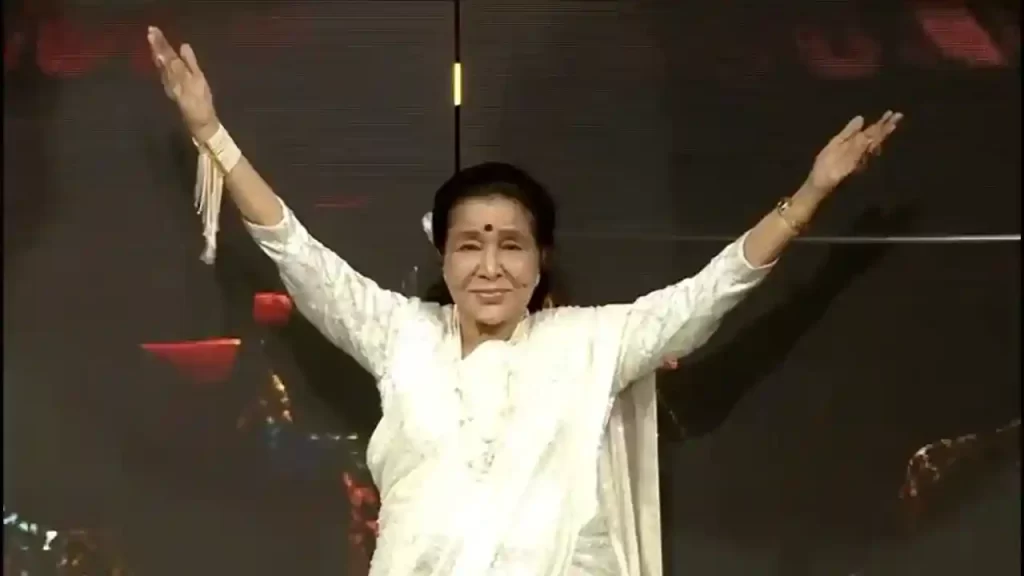
IntroductionIndia fell silent on the morning of April 12, 2026, when the news arrived that Asha Bhosle had died. She was 92 years old. For most of those 92 years, she had been singing — for films, for concerts, for studios, for the world. She leaves behind more than 12,000 recorded songs in over 20 Indian languages, a Guinness World Record as the most recorded artist in music history, and a voice so indelibly woven into the fabric of Indian life that generations who never saw her perform can still hum her melodies from memory.She was born Asha Mangeshkar on September 8, 1933, in Sangli, in what was then the Bombay Presidency of British India. She died in Mumbai’s Breach Candy Hospital, where she had been admitted the previous day following extreme exhaustion and a pulmonary chest infection. Dr Pratit Samdani from Breach Candy Hospital confirmed that she passed away due to multiple organ failure.Her son Anand Bhosle, speaking to ANI and PTI, confirmed her death and said: “My mother passed away today. People can pay their last respects to her at 11 AM tomorrow at Casa Grande, Lower Parel, where she lived. Her last rites will be performed at 4 PM tomorrow at Shivaji Park.” Her last rites were performed with full state honours at Shivaji Park on April 13, 2026.Early Life: Born Into Music, Thrown Into StruggleAsha Bhosle was born into one of India’s most extraordinary musical families. Her father, Dinanath Mangeshkar, was a classical singer and theatre actor of considerable repute in Maharashtra. When he died in 1942, Asha was just eight years old. The family, with no income, relocated from Pune to Kolhapur and then to Mumbai. Her elder sister Lata Mangeshkar, barely in her teens, began singing for films to support the family. Asha followed.She made her singing debut as a child, appearing in the Marathi film Majha Bal in 1943 singing Chala Chala Nav Bala. She also made an early onscreen acting appearance in Badi Maa in 1945. But the defining break that determined the shape of her life came not from music, but from a decision that shattered the family.At the age of 16, Asha eloped with Ganpatrao Bhosle, who was 31 years old and Lata Mangeshkar’s personal secretary. The Mangeshkar family cast her out after this incident. The marriage was troubled and abusive. In her biography, Bhosle described traumatic experiences from those years, including being forced out of her home while pregnant and, at one point, attempting suicide. The couple had three children: Hemant, Varsha, and Anand. The marriage ended in divorce in 1960.She emerged from those years alone, raising three children, with no family support structure, and with the most competitive female voice in Indian film music, her own elder sister Lata Mangeshkar, already firmly established as the dominant playback singer in Bollywood. In any other career, that context would have defined the ceiling. Asha Bhosle turned it into a foundation.Building an Identity: O. P. Nayyar and the Bold Voice of the 1950sThe early years of Asha Bhosle’s professional career were marked by work that was, by her own description, whatever she could get. She sang devotional songs, film numbers, minor assignments. The industry treated her largely as an alternative to her sister, to be used when Lata was unavailable.That changed when she began working with music director O. P. Nayyar, who first encountered her in 1952 at the recording of Chham Chhama Chham. Nayyar had a different aesthetic from the dominant classical-influenced style of the era. He wanted something bolder, more rhythmic, more modern. He saw in Asha’s slightly husky, earthier timbre precisely the voice that could carry the kind of songs he wanted to compose.Nayyar never worked with Lata Mangeshkar. That decision, almost unique in the industry of that era, gave Asha Bhosle an entire musical landscape to herself. Under his direction, she found her distinct identity: a voice that could be playful, flirtatious, mischievous, and deeply sensual, in ways that the more classically constrained female singing of the era rarely permitted.Her breakout came with B. R. Chopra’s Naya Daur in 1957. She became a regular presence in Chopra’s subsequent films, with major songs in Gumrah in 1963, Waqt in 1965, Hamraaz in 1967, and Dhund in 1973.In 1954, Raj Kapoor signed her to sing Nanhe Munne Bachche in Boot Polish with Mohammed Rafi, which brought her wider recognition. Across the mid-to-late 1950s and the 1960s, she was establishing herself as one of the most versatile voices in Hindi cinema.The R. D. Burman Era: A Partnership That Redefined Indian Popular MusicIf Asha Bhosle’s early career established her as a distinctive voice, her collaboration with music director Rahul Dev Burman, known universally as R. D. Burman or Pancham, transformed her into a legend.She first met R. D. Burman when she was already a mother of two and he was still in school, having dropped out of the tenth grade to pursue music. She would call him Bubs. Their first collaboration came with the 1958 film Chalti Ka Naam Gaadi, a comedy classic. What followed over the next three decades was one of the most creative partnerships in the history of Indian popular music. D. Burman’s compositions were unlike anything Indian film music had heard before. He incorporated Latin rhythms, Afro-Caribbean music, jazz, rock, and experimental orchestration. He required a voice that could carry all of it without flinching. Asha Bhosle not only kept pace but pushed those ideas further.The songs from this collaboration read like a catalogue of India’s most loved film music moments. Piya Tu Ab To Aaja from Caravan in 1971 was an extraordinary fusion of blues and Indian idiom. Chura Liya Hai Tumne Jo Dil Ko from Yaadon Ki Baaraat in 1973 with Mohammed Rafi became one of the most beloved duets in Hindi film history. Yeh Mera Dil from Don in 1978 brought a disco sensibility to Hindi film music that no one had attempted before. Duniya Mein Logon Ko from Apna Desh, Hum Kisise
Ek Din Movie: A Reflective Tale of Love, Timing and the Weight of Unsaid Emotions

The film Ek Din emerged as a quiet yet emotionally resonant addition to contemporary cinema, offering a narrative that moves away from spectacle and instead focuses on the subtleties of human relationships. Built around the idea that a single day can alter perspectives and reopen buried emotions, the film presents a deeply personal and introspective story that unfolds with restraint and realism.Positioned as a character-driven drama, Ek Din does not rely on conventional cinematic highs but instead draws strength from its writing, performances, and its ability to capture the complexity of emotions in everyday life.Plot Overview and Narrative StructureAt its core, Ek Din is structured around a limited timeframe, with the story unfolding over the course of a single day. This narrative choice allows the film to intensify emotional interactions between characters while maintaining a sense of immediacy and realism.The story typically revolves around two individuals—often with a shared past—who cross paths after a long time. As the day progresses, conversations that begin casually gradually evolve into deeper reflections on their relationship, life choices, and the paths they did or did not take.Rather than presenting a linear or event-heavy storyline, the film leans heavily on dialogue and silence, using both as tools to reveal character depth. Flashbacks or emotional references to the past are subtly woven into the present, giving viewers insight into the history that shapes the characters’ current state of mind.Exploration of ThemesOne of the strongest aspects of Ek Din is its thematic depth. The film explores multiple layers of human emotion without overt dramatization, making it relatable and thought-provoking.A central theme is timing in relationships—how circumstances, decisions, and missed opportunities can influence the course of people’s lives. The narrative reflects on the idea that love alone is not always enough; timing often determines whether relationships flourish or fade.The film also delves into unspoken emotions, highlighting how individuals often carry unresolved feelings over time. Through subtle interactions, the story portrays the weight of words left unsaid and the emotional burden of “what ifs.”Another key theme is the passage of time and its transformative effect on people. Characters in the film are shown to have evolved, yet certain emotions remain unchanged, creating a contrast between who they were and who they have become.Characterisation and PerformancesThe effectiveness of Ek Din largely depends on its characters, who are portrayed with nuance and authenticity. The film avoids exaggerated character arcs, instead presenting individuals who feel real and grounded.Performances are intentionally restrained, allowing emotions to surface naturally. Small gestures, pauses in conversation, and expressions carry significant meaning, often conveying more than dialogue itself.The chemistry between the lead characters plays a crucial role in sustaining the narrative. Their interactions—sometimes warm, sometimes awkward—reflect the complexity of reconnecting after time and distance.Direction and Storytelling StyleThe direction of Ek Din adopts a minimalistic and observational approach. The filmmaker allows scenes to unfold at their own pace, without rushing emotional beats. This slow-burn style may not appeal to all audiences, but it effectively immerses viewers in the characters’ emotional journeys.The storytelling relies heavily on realism, avoiding melodrama while still delivering emotional impact. By focusing on everyday moments, the film creates a sense of intimacy that draws the audience closer to the narrative.Cinematography and Visual LanguageVisually, Ek Din complements its narrative with a simple yet effective aesthetic. The cinematography often uses natural lighting and real locations, reinforcing the film’s grounded tone.Close-up shots and intimate framing are frequently employed to capture subtle emotional shifts. The camera lingers on expressions and silences, allowing viewers to interpret the underlying emotions.The visual language of the film aligns with its thematic core—quiet, reflective, and deeply personal.Music and Sound DesignThe background score in Ek Din is understated, serving to enhance rather than dominate the narrative. Music is used sparingly, often appearing at key emotional moments to support the storytelling.Silence, in many instances, becomes a powerful tool. The absence of sound amplifies the emotional weight of scenes, making conversations and pauses more impactful.Reception and Audience PerspectiveEk Din has been appreciated primarily by audiences who prefer content-driven cinema. Its realistic portrayal of relationships and emotions has resonated with viewers who seek depth and relatability in storytelling.Critically, the film has been noted for its ability to engage without relying on dramatic plot devices. While it may not cater to mainstream expectations of entertainment, it has carved a space among films that prioritise narrative and emotional authenticity.Place in Contemporary CinemaIn the current cinematic landscape, where large-scale productions often dominate, Ek Din represents a growing segment of films that focus on intimate storytelling. It reflects a shift towards narratives that explore human emotions with subtlety rather than exaggeration.Such films contribute to diversifying the industry, offering audiences stories that are closer to real life and personal experiences.Ek Din ultimately stands as a reminder of how fleeting moments can carry lasting significance. By focusing on a single day and the emotions it holds, the film captures the essence of relationships shaped by time, choices, and thewords that remain unspoken, leaving the audience with a lingering sense of reflection long after the story concludes.Video Credit: Aamir Khan Talkies
BAFTA Awards 2026: A Landmark Celebration of Global Cinema, Storytelling and Artistic Excellence
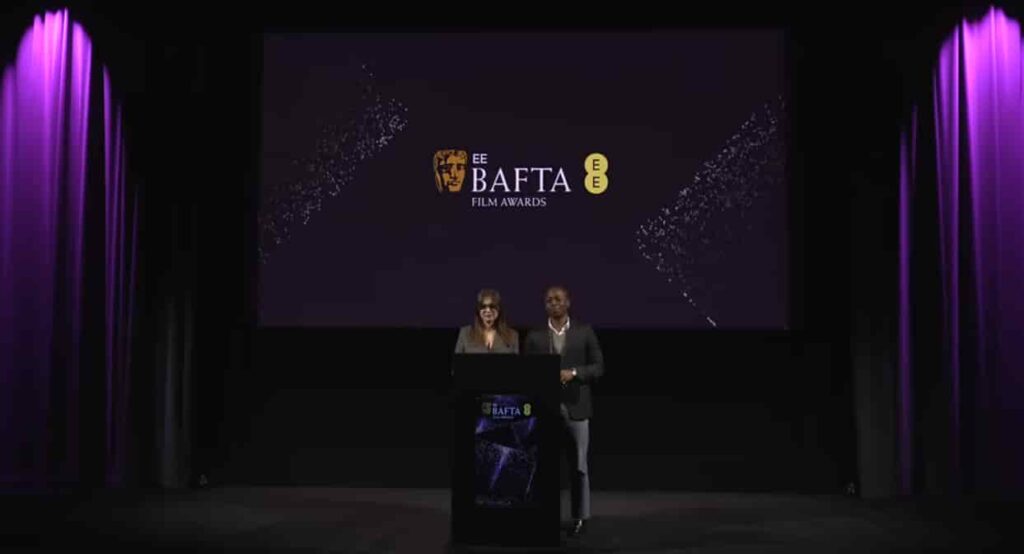
The 2026 edition of the BAFTA Awards, organised by the British Academy of Film and Television Arts, stood out as one of the most closely watched events in the international film calendar. Held in London, the ceremony brought together leading actors, filmmakers, and creators from across the world, recognising excellence in cinema across a wide spectrum of categories.Over the years, the BAFTA Awards have built a reputation not just as a British honour, but as a global benchmark for cinematic achievement. The 2026 ceremony continued that tradition, reflecting both the scale of mainstream cinema and the depth of independent storytelling.A Crucial Moment in the Awards SeasonThe BAFTA Awards have consistently held a significant position in the global awards circuit, often seen as a key indicator ahead of the Academy Awards. As a result, the outcomes of the ceremony were closely analysed by industry experts, critics, and audiences alike.Films that received recognition at BAFTA often gained momentum in the awards season, influencing both public perception and industry conversations. The 2026 edition was no different, as it highlighted performances and productions that had already generated strong critical buzz.Films and Performances That Defined the YearThe awards celebrated a diverse mix of films, ranging from large-scale productions to nuanced, character-driven narratives. The Best Film category, along with awards for direction, acting, and screenplay, showcased the evolving nature of storytelling in global cinema.Actors who delivered layered, emotionally resonant performances were recognised, reflecting a shift toward more grounded and realistic portrayals on screen. At the same time, directors who experimented with form, structure, and narrative style were also acknowledged, indicating a growing acceptance of creative risk-taking within the industry.The acting categories remained among the most discussed, with winners being chosen not only for their popularity but for the depth and authenticity they brought to their roles.Recognition Beyond the MainstreamOne of the defining aspects of the 2026 BAFTA Awards was its continued focus on recognising films beyond mainstream commercial success. Independent films and international productions found a place alongside major studio releases, underlining the Academy’s commitment to diverse storytelling.This broader representation ensured that cinema from different cultures and regions received visibility on a global platform. It also reflected changing audience preferences, where viewers are increasingly engaging with content beyond language and geographical boundaries.Technical Brilliance and CraftsmanshipWhile acting and direction often dominate headlines, the BAFTA Awards also placed strong emphasis on the technical aspects of filmmaking. Categories such as cinematography, editing, sound design, production design, and visual effects highlighted the collaborative effort behind every film.The 2026 ceremony saw recognition for projects that demonstrated innovation in visual storytelling, whether through advanced technology or meticulous attention to detail. These awards reinforced the idea that cinema is as much about craft as it is about performance.Representation and Industry ShiftsIn recent years, the BAFTA Awards have undergone significant changes to improve inclusivity and representation, and the 2026 edition reflected those efforts. The nominations and winners included a wider range of voices, backgrounds, and perspectives, indicating a gradual shift within the industry.This evolution has been driven by ongoing discussions around diversity, access, and equal opportunity in filmmaking. By recognising talent from varied backgrounds, BAFTA has continued to position itself as an institution that adapts to the changing realities of global cinema.The Red Carpet and Cultural ImpactBeyond the awards themselves, the BAFTA ceremony remained a major cultural event. The red carpet saw the presence of leading global celebrities, filmmakers, and emerging talent, making it a focal point for fashion, public appearances, and media coverage.The event generated significant attention across social media platforms, with moments from the ceremony being widely shared and discussed. From acceptance speeches to unexpected wins, the BAFTA Awards once again became a talking point far beyond the film industry.Influence on Global CinemaRecognition at the BAFTA Awards often extends beyond the night of the ceremony. Winning or even being nominated can elevate a film’s global reach, increase its audience base, and enhance its critical standing.For filmmakers, the awards serve as validation of their work, while for audiences, they act as a guide to some of the most impactful films of the year. The 2026 edition continued this trend, shaping conversations around cinema and influencing viewing choices worldwide.The BAFTA Awards 2026 ultimately reflected a year of cinema that was both expansive and introspective—balancing large productions with intimate storytelling, and tradition with innovation. By bringing together talent from across the world and recognising excellence in all aspects of filmmaking, the ceremony once again reinforced its role as a defining platform in the global film industry.
Grammy Awards 2026: Historic Wins, Major Moments and Full Winners List

The 68th Annual Grammy Awards — the most prestigious honours in the global music industry — were held on February 1, 2026, at the Crypto.com Arena in Los Angeles, California, celebrating outstanding achievements in music released between August 31, 2024, and August 30, 2025. The ceremony was broadcast live on CBS and streamed on Paramount+, marking the final year on these platforms before the broadcast moves to new partners under a long-term agreement beginning in 2027. South African comedian Trevor Noah hosted the event for the sixth and final time, closing a defining chapter in Grammy hosting history. The Grammys are presented annually by the Recording Academy, recognising excellence in recordings, performances, compositions and technical artistry across widespread genres. This year’s event drew major global attention for its historic milestones, genre diversity and broad musical representation spanning rap, pop, Latin, R&B, rock, country and international music. Big Night, Big Winners: Major Awards and Historic FirstsOne of the most notable outcomes of the 2026 ceremony was the Album of the Year award going to Bad Bunny for Debí Tirar Más Fotos, marking the first time a primarily Spanish-language album has won the Grammys’ most coveted prize. The triumph was widely viewed as a cultural milestone, illustrating the expanding global influence of Latin urban music. Record of the Year, which honours the performance and production of a single recording, went to “luther” by Kendrick Lamar and SZA, highlighting one of the year’s most acclaimed songs. Song of the Year, awarded to songwriters, was won by Billie Eilish and Finneas O’Connell for “Wildflower”. Meanwhile, Olivia Dean was named Best New Artist, acknowledging a breakthrough year in her career. Leadership in Nominations and AwardsRap powerhouse Kendrick Lamar led all nominees with nine nominations heading into the night, tying with artists such as Lady Gaga, Jack Antonoff and producer Cirkut in multiple categories. Lamar went on to capture five Grammy wins, the most of any artist at the ceremony, including Best Rap Album for GNX and a second consecutive win for Record of the Year. His victories also extended his standing as the most awarded rapper in Grammy history, surpassing previous record holders through sustained artistic excellence. Full Winners Snapshot: Major CategoriesWhile the Grammys encompass 95 categories covering both popular and specialised areas, the following represents a condensed overview of key awards and winners from the 2026 ceremony:Album of the Year — Debí Tirar Más Fotos (Bad Bunny)Record of the Year — “luther” (Kendrick Lamar & SZA)Song of the Year — “Wildflower” (Billie Eilish & Finneas)Best New Artist — Olivia DeanBest Pop Vocal Album — Mayhem (Lady Gaga)Best Pop Solo Performance — “Messy” (Lola Young)Best Pop Duo/Group Performance — “Defying Gravity” (Cynthia Erivo & Ariana Grande)Best Rap Album — GNX (Kendrick Lamar)Best R&B Album — MUTT (Leon Thomas)Best Rock Album — Songs of a Lost World (The Cure)Best Country Solo Performance — “Bad As I Used to Be” (Chris Stapleton)Best African Music Performance — “Water” (Tyla)(Other winners and full lists are available from Recording Academy sources.) Diverse Recognition Across GenresThe 2026 Grammys celebrated genre diversity and global music influence. Lady Gaga secured wins in both Best Pop Vocal Album and Best Dance Pop Recording for Abracadabra, while artists like Tyler, The Creator and Turnstile were recognised in rock and alternative categories. R&B and hip-hop saw standout wins for Kehlani and Leon Thomas, reinforcing the continued crossover appeal of those genres. Latin, African and reggae music also featured in winners’ circles, reflecting the Recording Academy’s broader emphasis on inclusivity within music’s evolving landscape. Notable moments also emerged outside typical categories; the documentary Music by John Williams, produced by Steven Spielberg and collaborators, earned a win for Best Music Film, crowning him an EGOT recipient — an artist who has collectively won an Emmy, Grammy, Oscar and Tony Award. Additionally, the song “Golden” from KPop Demon Hunters captured Best Song Written for Visual Media, marking a landmark moment for Korean pop integration into major Grammy recognition. Performances, Red Carpet and Broader Cultural ImpactThe 2026 ceremony featured a lineup of performances and presentations spanning multiple music styles and eras. High-profile artists such as Lady Gaga, Justin Bieber, Sabrina Carpenter and others took to the stage, bridging mainstream pop with experimental and genre-blending sounds. The red carpet was equally vibrant, with nominees and attendees showcasing fashion and expression that added to the cultural resonance of the event. While the Grammys are inherently competitive, the 2026 edition was marked by artist statements and moments that transcended music alone, with some performers using their acceptance speeches to touch on social commentary and advocacy, underlining the intersection of art and contemporary issues.Why the 2026 Grammys MatterThe 68th Annual Grammy Awards reaffirmed the ceremony’s position as a bellwether for global music trends, celebrating both commercial success and artistic innovation. From Bad Bunny’s historic Spanish-language Album of the Year to Kendrick Lamar’s record-setting achievements, the event highlighted the industry’s dynamic evolution and the broadening reach of diverse musical voices.As the music world looks ahead, the 2026 Grammys will be remembered for its blend of historic wins, genre-crossing recognition and cultural expression — a testament to the ever-expanding landscape of global music.Video credit: YT@/Recording Academy / GRAMMYsVideo credit: YT@/Recording Academy / GRAMMYs
Dhurandhar’s Box Office Success: Ranveer Singh Starrer Rewrites Hindi Cinema Records

Aditya Dhar’s Dhurandhar, starring Ranveer Singh and Akshaye Khanna, has emerged as one of the biggest box office success stories in Indian cinema, continuing its remarkable theatrical run well into its seventh week. Released on December 5, the film has not only sustained audience interest but has also rewritten multiple box office benchmarks, particularly for single-language Hindi releases.After a historic opening week collection of ₹207.25 crore, Dhurandhar witnessed an even stronger performance in its second week, amassing a staggering ₹253.25 crore. While collections naturally dipped in the following weeks, the film maintained impressive momentum, earning ₹172 crore in week three, followed by ₹106.5 crore in week four.Even in weeks five and six, when most films faded out, Dhurandhar managed respectable figures of ₹51.25 crore and ₹26.35 crore respectively.What has surprised trade analysts is the film’s resilience in week seven.Despite beginning the week with its lowest single-day collection, early estimates indicate a strong Saturday surge, pushing the week-seven total to approximately ₹4.75 crore in just two days. This places Dhurandhar among the top three highest seventh-week collections in Hindi cinema history, behind only Stree 2 and Chhaava.Domestically, the film’s net collection now stands at an estimated ₹821.35 crore, making it the highest-earning Hindi-only release ever. Its all-India gross has climbed to around ₹985 crore, bringing it within touching distance of the coveted ₹1,000 crore milestone. This achievement positions *Dhurandhar* alongside cinematic giants like KGF: Chapter 2, Baahubali 2, and Pushpa 2 in the list of India’s highest-grossing films.Internationally, the film has performed exceptionally well, particularly in North America and other overseas markets, contributing approximately ₹293 crore. With this, Dhurandhar’s worldwide box office total has reached an estimated ₹1,278.8 crore, further cementing its blockbuster status.Despite competition from newer releases and multilingual films, Dhurandhar has held its ground, often outperforming fresh titles at the box office. The sustained success has also amplified anticipation for Dhurandhar Part 2, officially slated for a March 19 release, as confirmed by director Aditya Dhar.With its blend of strong storytelling, mass appeal, and repeat value, Dhurandhar stands as a defining theatrical phenomenon of modern Bollywood, setting new standards for box office longevity and scale.