


Ek Din Movie: A Reflective Tale of Love, Timing and the Weight of Unsaid Emotions
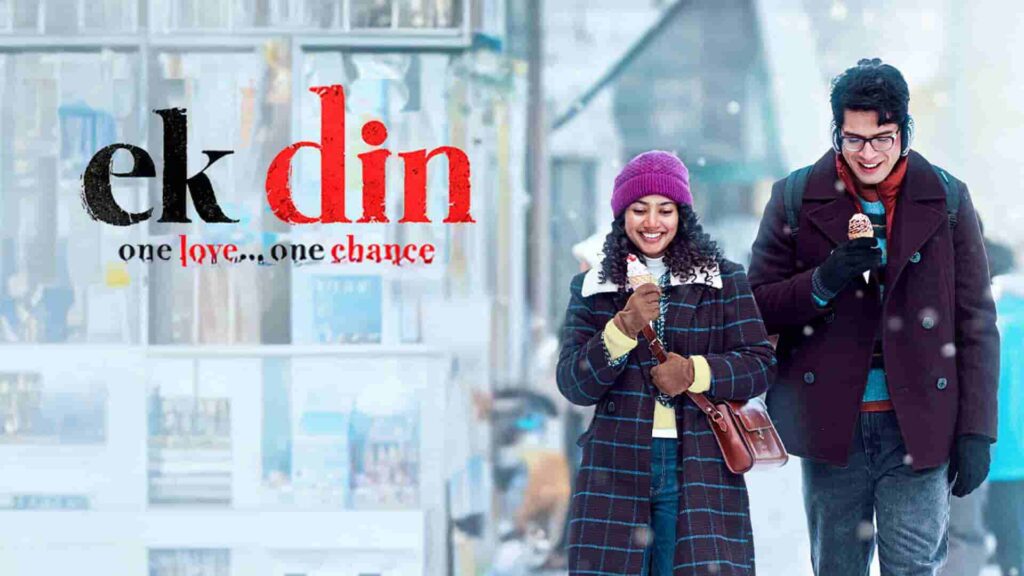
The film Ek Din emerged as a quiet yet emotionally resonant addition to contemporary cinema, offering a narrative that moves away from spectacle and instead focuses on the subtleties of human relationships. Built around the idea that a single day can alter perspectives and reopen buried emotions, the film presents a deeply personal and introspective story that unfolds with restraint and realism.Positioned as a character-driven drama, Ek Din does not rely on conventional cinematic highs but instead draws strength from its writing, performances, and its ability to capture the complexity of emotions in everyday life.Plot Overview and Narrative StructureAt its core, Ek Din is structured around a limited timeframe, with the story unfolding over the course of a single day. This narrative choice allows the film to intensify emotional interactions between characters while maintaining a sense of immediacy and realism.The story typically revolves around two individuals—often with a shared past—who cross paths after a long time. As the day progresses, conversations that begin casually gradually evolve into deeper reflections on their relationship, life choices, and the paths they did or did not take.Rather than presenting a linear or event-heavy storyline, the film leans heavily on dialogue and silence, using both as tools to reveal character depth. Flashbacks or emotional references to the past are subtly woven into the present, giving viewers insight into the history that shapes the characters’ current state of mind.Exploration of ThemesOne of the strongest aspects of Ek Din is its thematic depth. The film explores multiple layers of human emotion without overt dramatization, making it relatable and thought-provoking.A central theme is timing in relationships—how circumstances, decisions, and missed opportunities can influence the course of people’s lives. The narrative reflects on the idea that love alone is not always enough; timing often determines whether relationships flourish or fade.The film also delves into unspoken emotions, highlighting how individuals often carry unresolved feelings over time. Through subtle interactions, the story portrays the weight of words left unsaid and the emotional burden of “what ifs.”Another key theme is the passage of time and its transformative effect on people. Characters in the film are shown to have evolved, yet certain emotions remain unchanged, creating a contrast between who they were and who they have become.Characterisation and PerformancesThe effectiveness of Ek Din largely depends on its characters, who are portrayed with nuance and authenticity. The film avoids exaggerated character arcs, instead presenting individuals who feel real and grounded.Performances are intentionally restrained, allowing emotions to surface naturally. Small gestures, pauses in conversation, and expressions carry significant meaning, often conveying more than dialogue itself.The chemistry between the lead characters plays a crucial role in sustaining the narrative. Their interactions—sometimes warm, sometimes awkward—reflect the complexity of reconnecting after time and distance.Direction and Storytelling StyleThe direction of Ek Din adopts a minimalistic and observational approach. The filmmaker allows scenes to unfold at their own pace, without rushing emotional beats. This slow-burn style may not appeal to all audiences, but it effectively immerses viewers in the characters’ emotional journeys.The storytelling relies heavily on realism, avoiding melodrama while still delivering emotional impact. By focusing on everyday moments, the film creates a sense of intimacy that draws the audience closer to the narrative.Cinematography and Visual LanguageVisually, Ek Din complements its narrative with a simple yet effective aesthetic. The cinematography often uses natural lighting and real locations, reinforcing the film’s grounded tone.Close-up shots and intimate framing are frequently employed to capture subtle emotional shifts. The camera lingers on expressions and silences, allowing viewers to interpret the underlying emotions.The visual language of the film aligns with its thematic core—quiet, reflective, and deeply personal.Music and Sound DesignThe background score in Ek Din is understated, serving to enhance rather than dominate the narrative. Music is used sparingly, often appearing at key emotional moments to support the storytelling.Silence, in many instances, becomes a powerful tool. The absence of sound amplifies the emotional weight of scenes, making conversations and pauses more impactful.Reception and Audience PerspectiveEk Din has been appreciated primarily by audiences who prefer content-driven cinema. Its realistic portrayal of relationships and emotions has resonated with viewers who seek depth and relatability in storytelling.Critically, the film has been noted for its ability to engage without relying on dramatic plot devices. While it may not cater to mainstream expectations of entertainment, it has carved a space among films that prioritise narrative and emotional authenticity.Place in Contemporary CinemaIn the current cinematic landscape, where large-scale productions often dominate, Ek Din represents a growing segment of films that focus on intimate storytelling. It reflects a shift towards narratives that explore human emotions with subtlety rather than exaggeration.Such films contribute to diversifying the industry, offering audiences stories that are closer to real life and personal experiences.Ek Din ultimately stands as a reminder of how fleeting moments can carry lasting significance. By focusing on a single day and the emotions it holds, the film captures the essence of relationships shaped by time, choices, and thewords that remain unspoken, leaving the audience with a lingering sense of reflection long after the story concludes.Video Credit: Aamir Khan Talkies
The Dreamy Udaipur Wedding of Vijay Deverakonda and Rashmika Mandanna

Some love stories quietly unfold away from the spotlight and then suddenly bloom into something magical. That is exactly how the romance between Vijay Deverakonda and Rashmika Mandanna captured millions of hearts. After years of rumours, friendship, and an undeniable on-screen chemistry that fans adored, the beloved couple finally tied the knot in a dreamy destination wedding in the royal city of Udaipur on 26 February 2026.The wedding, fondly called the “VIROSH wedding” by fans (a combination of Vijay and Rashmika), became one of the most talked-about celebrity unions of the year. Set against the romantic backdrop of Rajasthan’s palaces and lakes, the ceremony was intimate yet breathtakingly elegant.A Love Story Years in the MakingThe journey of Vijay and Rashmika began on film sets. The two actors first starred together in the blockbuster Telugu film Geetha Govindam and later reunited for Dear Comrade. Their on-screen chemistry quickly turned them into one of the most loved pairs in Indian cinema.Over the years, rumours about their relationship frequently surfaced, but both actors kept their personal lives private. Their bond, however, was always visible in interviews, public appearances, and social media interactions.In October 2025, the couple reportedly got engaged in a private ceremony in Hyderabad attended by close family members.After months of anticipation from fans, they announced their wedding plans with a heartfelt note, calling their union “The Wedding of VIROSH.”A Royal Destination Wedding in UdaipurChoosing Udaipur as their wedding destination added a touch of timeless romance to the celebrations. Known as the “City of Lakes,” Udaipur has become one of India’s most popular locations for grand celebrity weddings.The couple hosted their wedding festivities at a luxurious heritage resort in the city, surrounded by scenic hills, palaces, and serene lake views. The venue was booked exclusively for their celebrations, ensuring privacy for the couple and their families.Unlike many extravagant celebrity weddings filled with hundreds of guests, Vijay and Rashmika opted for a close-knit and intimate ceremony, attended mainly by family members, close friends, and a few colleagues from the film industry.Wedding Festivities: Days of CelebrationThe celebrations began two days before the wedding and were filled with music, laughter, and heartfelt moments.Pre-Wedding CelebrationsThe wedding festivities kicked off on February 24 with fun activities for family and friends. Guests enjoyed poolside gatherings, intimate dinners, and playful events that reflected the couple’s fun-loving personalities.One of the highlights of the pre-wedding events was a friendly cricket match playfully named the “VIROSH Premier League.”Friends of the groom also performed energetic dance numbers during the sangeet night, many of them dancing to Vijay’s popular film songs.Haldi and MehendiThe Haldi ceremony took place on the morning before the wedding. The atmosphere was cheerful and colourful as family members applied turmeric paste to the bride and groom, blessing them for their new life together.Later in the evening, the Mehendi ceremony brought even more colour to the celebrations. Rashmika’s hands were adorned with intricate henna designs while guests enjoyed music and traditional performances.Decorations for these events included delicate paper flowers and personalised décor featuring the couple’s affectionate nicknames.A Wedding That Honoured Two CulturesOne of the most beautiful aspects of the ceremony was how it honoured the cultural roots of both families.The wedding included two traditional ceremonies: A Telugu Hindu ceremony reflecting Vijay’s heritage • A Kodava ceremony honouring Rashmika’s roots from CoorgThe rituals symbolised the union of two cultures and two families.During the ceremony, several meaningful traditions were performed, including the sacred ritual where the couple places cumin and jaggery paste on each other’s heads—a ritual symbolising the inseparable bond between husband and wife.The Bride and Groom’s Stunning Wedding LooksRashmika Mandanna looked radiant as a bride in a richly embroidered traditional saree featuring shades of rust, red, and gold. The outfit was designed with intricate temple motifs and antique gold embroidery that reflected Indian craftsmanship.She paired the saree with heavy temple jewellery and a traditional veil, completing a look that was both regal and graceful.Vijay Deverakonda matched her elegance in a classic ivory dhoti ensemble paired with a vermilion angavastram. His outfit reflected traditional South Indian wedding attire while maintaining a royal aesthetic.Together, the couple looked every bit like royalty on their big day.Emotional Family MomentsLike every wedding, the ceremony was filled with emotional moments.One touching highlight was when Vijay’s mother welcomed Rashmika into the family by presenting her with heirloom bangles, symbolising acceptance and blessings for the new bride.Guests described the atmosphere as warm, emotional, and filled with joy as the couple exchanged vows and began their new journey together.The Grand Reception in HyderabadAlthough the wedding in Udaipur was private, the couple planned a grand reception in Hyderabad on March 4, 2026, where friends from the film industry, political leaders, and celebrities gathered to celebrate the newlyweds.The reception quickly became a glamorous event attended by prominent personalities from the Telugu film industry and beyond.Fans also got their first glimpse of the couple together after the wedding during public appearances and meet-and-greet events.The Internet’s Favorite CouplePhotos from the wedding spread rapidly across social media, with fans celebrating the union of the beloved couple.Their wedding pictures became some of the most liked celebrity posts online, with fans showering the pair with love and blessings.For years, fans had affectionately called them “VIROSH,” and the wedding felt like the happy ending everyone had been waiting for.A New Chapter BeginsAfter years of friendship, partnership, and unwavering support for each other’s careers, Vijay Deverakonda and Rashmika Mandanna finally began a new chapter as husband and wife.Their wedding was not just a grand celebrity celebration but a heartfelt union that blended love, culture, tradition, and simplicity.From the lakes of Udaipur to the hearts of millions of fans across the world, the VIROSH wedding became a moment of pure celebration—a reminder that sometimes the most beautiful love stories are the ones that quietly grow over time before blossoming into something unforgettable.
SS Rajamouli’s Varanasi: Inside the Making of India’s Most Anticipated Cinematic Epic

When filmmaker S.S. Rajamouli announces a new project, it is no longer treated as just another film launch — it becomes a national and global cinema event. His upcoming film, widely known as Varanasi (also referred to in industry circles as SSMB29), has already generated extraordinary anticipation, years ahead of its release. The excitement stems not only from its scale, but from the creative forces, thematic ambition and cultural resonance that underpin the project.The Film and Its Creative BackgroundVaranasi is directed by S.S. Rajamouli, India’s most internationally recognised filmmaker, whose previous works Baahubali and RRR redefined the global perception of Indian cinema. The story is written by V. Vijayendra Prasad, Rajamouli’s father and long-time collaborator, known for crafting mythologically rooted narratives that blend emotion, scale and philosophical depth.The film is produced by K.L. Narayana under Sri Durga Arts, with S.S. Karthikeya also attached as producer. Music is composed by M.M. Keeravani, whose long association with Rajamouli culminated in an Academy Award for Naatu Naatu. This core creative team — often described as Rajamouli’s “inner circle” — has consistently delivered landmark cinema, making expectations for Varanasi exceptionally high.Why the Title ‘Varanasi’ MattersThe title itself carries immense symbolic weight. Varanasi, one of the world’s oldest continuously inhabited cities, is deeply embedded in India’s spiritual, philosophical and civilisational consciousness. Often described as a city where life, death, time and faith intersect, Varanasi provides fertile ground for storytelling that transcends linear narratives.While the makers have remained deliberately guarded about plot specifics, official material and early promotional cues indicate that the film draws heavily from Indian mythology, metaphysics and the idea of time as a cyclical force rather than a linear one. This aligns closely with Rajamouli’s filmmaking philosophy — using spectacle not as an end in itself, but as a vessel for larger cultural and emotional ideas.Mahesh Babu in the Lead: A Career-Defining RoleAt the centre of Varanasi is Mahesh Babu, one of Telugu cinema’s biggest stars, making his first collaboration with Rajamouli. This casting alone has amplified anticipation to unprecedented levels. Known for his restrained screen presence and mass appeal, Mahesh Babu is expected to be presented in a radically transformed avatar.According to official descriptions, he plays Rudra, a character whose journey forms the backbone of the narrative. While the exact contours of the role remain undisclosed, Rajamouli has indicated that the character arc is unlike anything Mahesh Babu has portrayed before — both physically and emotionally. Industry observers widely view this as a potential turning point in the actor’s career, positioning him firmly on a global stage.A Global Cast and Pan-Indian VisionAdding to the film’s reach is the inclusion of Priyanka Chopra Jonas, marking her return to Indian cinema in a major theatrical project. Her casting reinforces the film’s global ambition and cross-cultural appeal. Prithviraj Sukumaran is also part of the ensemble, reportedly in a pivotal role, further strengthening the film’s pan-Indian credentials.Rajamouli has consistently emphasised that Varanasi is not confined to a single industry or linguistic identity. The film is being mounted as a pan-Indian and international release, with plans for multiple language versions to ensure broad accessibility.Scale, Technology and Cinematic AmbitionFrom a production standpoint, Varanasi is among the most ambitious Indian films ever attempted. The project is being designed for large-format theatrical experiences, with the makers openly discussing premium visual presentation and immersive storytelling. Extensive pre-production work, advanced visual effects planning and long-term scheduling reflect Rajamouli’s methodical approach to scale.Rather than relying purely on spectacle, the filmmaker has repeatedly stated that technology will serve the story — a principle that has defined his previous successes.Why the Hype Is UnmatchedThe anticipation around Varanasi is driven by several converging factors:Rajamouli’s global credibility following the international success of RRRA mythologically rooted narrative anchored in one of India’s most symbolically powerful citiesMahesh Babu’s transformation in a role crafted specifically for a global audienceA creative team with a proven track record of delivering culturally resonant blockbustersLong-term planning and secrecy, which has only fuelled public curiosityEarly promotional events and visual teasasers have already drawn massive crowds and online engagement, indicating that audience interest is not limited to traditional fan bases.More Than a FilmVaranasi is shaping up to be more than a cinematic release — it represents a broader moment in Indian cinema’s evolution. By blending mythology, philosophy, action and global storytelling grammar, Rajamouli appears poised to once again challenge how Indian stories are told and received worldwide.As production progresses and details gradually emerge, Varanasi continues to stand at the intersection of expectation and ambition — a film that many believe could redefine the scale, scope and global positioning of Indian cinema in the years to come.Video credit: YT@/T-SeriesVideo credit: YT@/T-Series
Dhurandhar’s Box Office Success: Ranveer Singh Starrer Rewrites Hindi Cinema Records

Aditya Dhar’s Dhurandhar, starring Ranveer Singh and Akshaye Khanna, has emerged as one of the biggest box office success stories in Indian cinema, continuing its remarkable theatrical run well into its seventh week. Released on December 5, the film has not only sustained audience interest but has also rewritten multiple box office benchmarks, particularly for single-language Hindi releases.After a historic opening week collection of ₹207.25 crore, Dhurandhar witnessed an even stronger performance in its second week, amassing a staggering ₹253.25 crore. While collections naturally dipped in the following weeks, the film maintained impressive momentum, earning ₹172 crore in week three, followed by ₹106.5 crore in week four.Even in weeks five and six, when most films faded out, Dhurandhar managed respectable figures of ₹51.25 crore and ₹26.35 crore respectively.What has surprised trade analysts is the film’s resilience in week seven.Despite beginning the week with its lowest single-day collection, early estimates indicate a strong Saturday surge, pushing the week-seven total to approximately ₹4.75 crore in just two days. This places Dhurandhar among the top three highest seventh-week collections in Hindi cinema history, behind only Stree 2 and Chhaava.Domestically, the film’s net collection now stands at an estimated ₹821.35 crore, making it the highest-earning Hindi-only release ever. Its all-India gross has climbed to around ₹985 crore, bringing it within touching distance of the coveted ₹1,000 crore milestone. This achievement positions *Dhurandhar* alongside cinematic giants like KGF: Chapter 2, Baahubali 2, and Pushpa 2 in the list of India’s highest-grossing films.Internationally, the film has performed exceptionally well, particularly in North America and other overseas markets, contributing approximately ₹293 crore. With this, Dhurandhar’s worldwide box office total has reached an estimated ₹1,278.8 crore, further cementing its blockbuster status.Despite competition from newer releases and multilingual films, Dhurandhar has held its ground, often outperforming fresh titles at the box office. The sustained success has also amplified anticipation for Dhurandhar Part 2, officially slated for a March 19 release, as confirmed by director Aditya Dhar.With its blend of strong storytelling, mass appeal, and repeat value, Dhurandhar stands as a defining theatrical phenomenon of modern Bollywood, setting new standards for box office longevity and scale.