


Ramayana Live-Action: Namit Malhotra’s Epic Film Rivals Avatar and Lord of the Rings
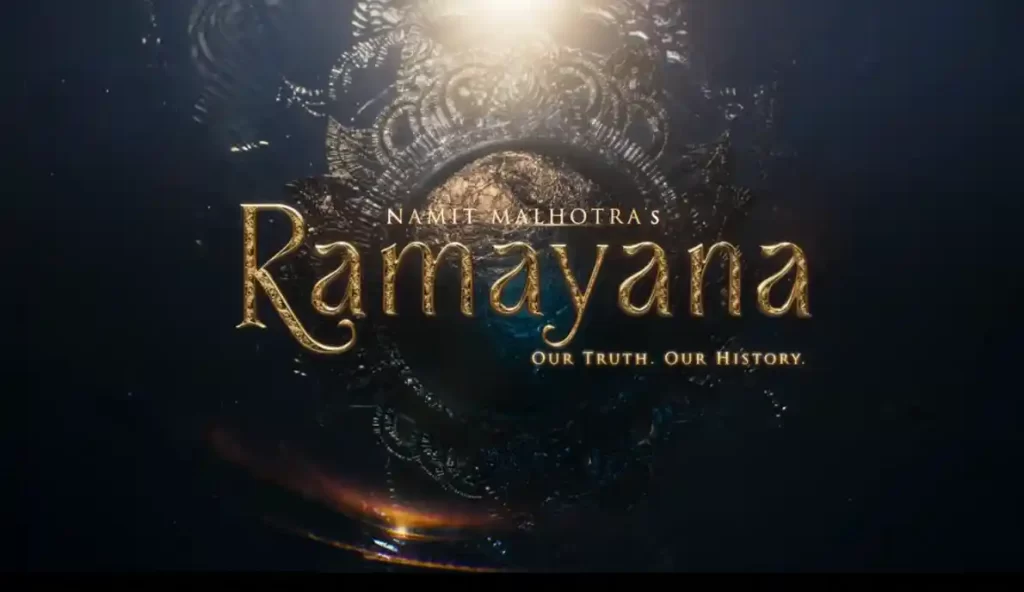
The Ramayana, one of the world’s oldest and most revered epics, tells the timeless tale of Lord Rama’s exile, Sita’s abduction by Ravana, the heroic quest with Hanuman and Lakshman, and the ultimate triumph of dharma over adharma. For generations, it has inspired art, dance, TV serials like Ramanand Sagar’s 1987 classic, and animated films. Now, producer Namit Malhotra is elevating it to unprecedented cinematic heights with a live-action, two-part magnum opus directed by Nitesh Tiwari. Billed as India’s most ambitious film ever, with a staggering Rs 4,000 crore budget for Parts 1 and 2, Ramayana aims to stand “shoulder to shoulder” with Hollywood titans like James Cameron’s Avatar trilogy and Peter Jackson’s The Lord of the Rings. Malhotra revealed this in a candid Collider interview, emphasizing its narrative precedence – “Avatar” stems from Sanskrit “Avatara,” Rama as Vishnu’s seventh incarnation. Shooting across India’s jungles, sets rivaling RRR’s scale, the film hits IMAX worldwide: Part 1 Diwali 2026, Part 2 2027. Amid VFX backlash to the first-look teaser, Malhotra assured fans: thousands of artists are refining for reverence.Producer’s Bold Vision: Blending Epic Scale with Emotional DepthNamit Malhotra, founder of Oscar-winning VFX powerhouse DNEG (8 Academy Awards), draws parallels deliberately. “Ramayana precedes global epics,” he told Collider. “It gives Lord of the Rings’ spectacle, massive armies, Lanka’s grandeur, but Avatar’s heart: Rama’s journey of duty, love, sacrifice.” Every rupee weaves into storytelling: CGI Lanka palaces, flying Pushpaka Vimana, golden deer illusions, ocean-spanning Ram Setu. Budget dwarfs Baahubali 2 (Rs 250cr), matches Avatar 2’s VFX heft.Co-produced with Yash’s Monster Mind Creations and Prime Focus, it’s a passion project. Malhotra: “A story etched in billions’ souls demands utmost care.” First-look (LA event) showed ethereal Ranbir as Ram, but “dodgy VFX” memes hit, green screens, odd deer. Response: “Overwhelming, humbling. We’re listening, pouring efforts to honor it.”Stellar Cast: Divine Roles for Powerhouse StarsTiwari (Dangal’s emotional punch, Chhichhore’s heart) helms a dream ensemble:Ranbir Kapoor (Lord Ram/Parshurama): Post-Animal intensity channels Rama’s calm valor; double role adds depth (Parshurama’s axe challenge).Sai Pallavi (Sita): Dravidian grace embodies devoted wife, forest exile resilience.Yash (Ravana): KGF’s magnetic menace perfect for scholarly demon-king.Sunny Deol (Hanuman): Gadar’s raw power for leaping monkey-god.Ravi Dubey (Lakshman): TV’s dutiful brother fits loyal sibling.Others: Kajal Aggarwal (Mandodari), Rakul Preet Singh (Surpanakha), Arun Govil (Dashrath?), Kunal Kapoor, Adinath Kothare, Sheeba Chaddha, Indira Krishnan.Music: A.R. Rahman x Hans Zimmer (Bollywood debut), Lanka war anthems, Rama-Sita duets promise chills.Massive Production: Rs 4,000 Crore Gamble on Indian GrandeurIndia’s priciest film eclipses Adipurush (Rs 600cr). DNEG’s wizardry crafts Lanka’s golden spires, vanara armies, and magical weapons. Sets in Hyderabad mimic Ayodhya; Mumbai studios host VFX marathons. Global IMAX eyes West, like RRR’s Oscar buzz.Challenges: Reverence vs. commerce. Padmaavat-style protests loom if deviations offend. Budget risks: VFX overruns are common (Adipurush backlash). Malhotra vows fixes: “Artists energized for best.”Cultural Stakes: Retelling a Sacred SagaRamayana – Valmiki’s 24,000-verse Sanskrit poem – shapes Hindu ethos. Ramanand Sagar’s 1980s TV version united 800 million viewers. Animated Uttara Ramayan followed. Malhotra honors roots: No dilution, devotion first. The teaser evoked nostalgia, but the CGI deer sparked “AI cheap” jabs, team iterating.Diwali 2026 clash: Bollywood heavyweights. Success? Franchise potential – Mahabharata next?Global Ambition: India’s Answer to Western EpicsMalhotra positions it universally: Rama’s dharma resonates like Frodo’s quest, Neytiri’s bond. “Fundamental structure,” he says. With DNEG’s pedigree (Dune, Tenet), Ramayana eyes Oscars – VFX, Score nods.For 1.4 billion devotees and global audiences, it’s more: Cultural pride on the world stage. Ranbir’s Ram carries a legacy, father Rishi Kapoor’s devotion adds layers. As shooting wraps, anticipation builds. Will it soar like winged Pushpak, or falter?Video: YT/@SonyPicturesEntertainment
Ponniyin Selvan – II: A Grand Historical Saga Concludes in Cinematic Glory
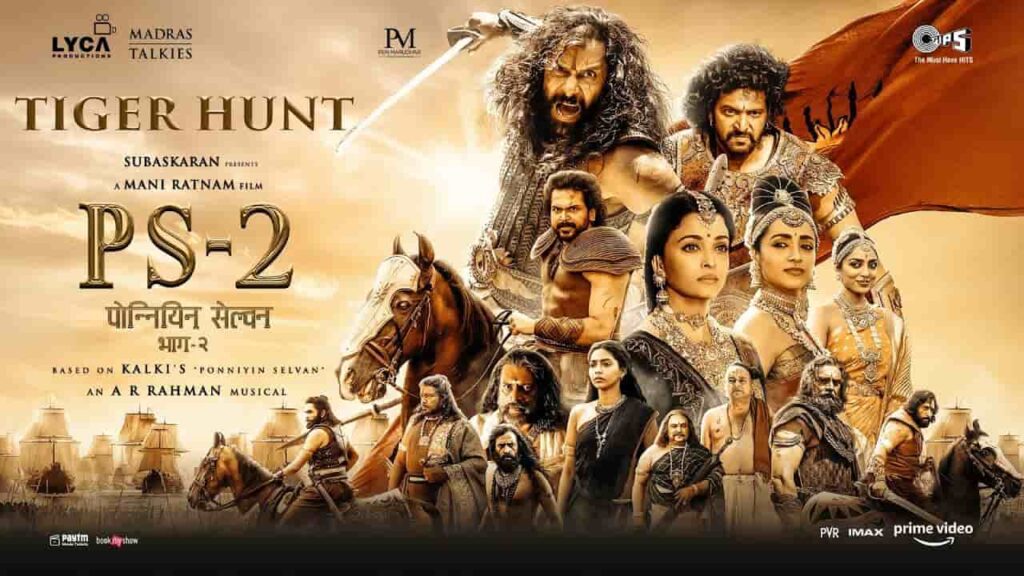
Ponniyin Selvan: II marked the powerful conclusion to one of Indian cinema’s most ambitious historical epics, directed by acclaimed filmmaker Mani Ratnam. Released in April 2023, the film served as the second instalment of the two-part adaptation of Ponniyin Selvan, a celebrated Tamil literary work that chronicles the rise of the Chola dynasty.With its rich storytelling, intricate political drama, and visually stunning presentation, the film brought together history, emotion, and spectacle in a way that resonated strongly with audiences across the country.Continuing the Saga of the CholasPicking up from where the first part left off, Ponniyin Selvan – II delved deeper into the power struggles, conspiracies, and personal conflicts within the Chola empire. The narrative revolved around the journey of Prince Arulmozhi Varman, who would later become the great Rajaraja Chola I, and the complex political dynamics surrounding his ascension.The film explored themes of loyalty, betrayal, love, and ambition, weaving together multiple character arcs into a cohesive and engaging storyline. Unlike the first part, which focused on setting up the world and its characters, the second instalment provided emotional closure and resolution to the long-standing conflicts.Stellar Cast and PerformancesThe film featured a strong ensemble cast, including Vikram, Aishwarya Rai Bachchan, Jayam Ravi, Karthi, and Trisha Krishnan.Each actor brought depth and intensity to their roles. Vikram’s portrayal of Aditya Karikalan stood out for its emotional complexity, while Aishwarya Rai Bachchan’s dual role added layers of mystery and intrigue to the narrative. Jayam Ravi, as Arulmozhi Varman, delivered a composed and dignified performance, embodying the qualities of a future king.Visual Grandeur and Cinematic ExcellenceOne of the defining aspects of Ponniyin Selvan – II was its visual scale. From grand palaces to expansive battle sequences, the film captured the richness of the Chola era with remarkable attention to detail.The cinematography and production design played a crucial role in bringing the historical setting to life, while the music composed by A. R. Rahman added emotional depth and grandeur to the storytelling. The background score, in particular, enhanced the intensity of key moments throughout the film.Adaptation of a Literary ClassicAdapting Ponniyin Selvan, a novel deeply rooted in Tamil culture and history, was a challenging task. The story spans multiple volumes and features a wide array of characters and subplots.Mani Ratnam’s approach focused on simplifying the narrative while retaining its essence. The second part, in particular, balanced political intrigue with emotional storytelling, ensuring that even audiences unfamiliar with the original novel could follow the plot.Box Office Performance and ReceptionUpon its release, Ponniyin Selvan – II received a strong response from both critics and audiences. It was praised for its storytelling, performances, and technical excellence.The film performed well at the box office, especially in South India, and contributed to the growing success of large-scale historical films in Indian cinema. While some viewers felt the narrative required familiarity with the first part, the overall reception remained largely positive.Cultural and Cinematic ImpactPonniyin Selvan – II is not just a film but a significant cultural milestone. It brought renewed attention to Tamil literature and history, introducing a wider audience to the legacy of the Chola dynasty.The film also demonstrated the potential of Indian cinema to produce large-scale historical epics that can compete with global productions in terms of scale and storytelling.Bringing together history, literature, and cinematic craft, Ponniyin Selvan – II successfully concluded a story that had been cherished for decades. With its blend of political drama, emotional depth, and visual spectacle, the film left a lasting impression and reinforced its place as one of the most notable historical films in Indian cinema.
Ek Din Movie: A Reflective Tale of Love, Timing and the Weight of Unsaid Emotions

The film Ek Din emerged as a quiet yet emotionally resonant addition to contemporary cinema, offering a narrative that moves away from spectacle and instead focuses on the subtleties of human relationships. Built around the idea that a single day can alter perspectives and reopen buried emotions, the film presents a deeply personal and introspective story that unfolds with restraint and realism.Positioned as a character-driven drama, Ek Din does not rely on conventional cinematic highs but instead draws strength from its writing, performances, and its ability to capture the complexity of emotions in everyday life.Plot Overview and Narrative StructureAt its core, Ek Din is structured around a limited timeframe, with the story unfolding over the course of a single day. This narrative choice allows the film to intensify emotional interactions between characters while maintaining a sense of immediacy and realism.The story typically revolves around two individuals—often with a shared past—who cross paths after a long time. As the day progresses, conversations that begin casually gradually evolve into deeper reflections on their relationship, life choices, and the paths they did or did not take.Rather than presenting a linear or event-heavy storyline, the film leans heavily on dialogue and silence, using both as tools to reveal character depth. Flashbacks or emotional references to the past are subtly woven into the present, giving viewers insight into the history that shapes the characters’ current state of mind.Exploration of ThemesOne of the strongest aspects of Ek Din is its thematic depth. The film explores multiple layers of human emotion without overt dramatization, making it relatable and thought-provoking.A central theme is timing in relationships—how circumstances, decisions, and missed opportunities can influence the course of people’s lives. The narrative reflects on the idea that love alone is not always enough; timing often determines whether relationships flourish or fade.The film also delves into unspoken emotions, highlighting how individuals often carry unresolved feelings over time. Through subtle interactions, the story portrays the weight of words left unsaid and the emotional burden of “what ifs.”Another key theme is the passage of time and its transformative effect on people. Characters in the film are shown to have evolved, yet certain emotions remain unchanged, creating a contrast between who they were and who they have become.Characterisation and PerformancesThe effectiveness of Ek Din largely depends on its characters, who are portrayed with nuance and authenticity. The film avoids exaggerated character arcs, instead presenting individuals who feel real and grounded.Performances are intentionally restrained, allowing emotions to surface naturally. Small gestures, pauses in conversation, and expressions carry significant meaning, often conveying more than dialogue itself.The chemistry between the lead characters plays a crucial role in sustaining the narrative. Their interactions—sometimes warm, sometimes awkward—reflect the complexity of reconnecting after time and distance.Direction and Storytelling StyleThe direction of Ek Din adopts a minimalistic and observational approach. The filmmaker allows scenes to unfold at their own pace, without rushing emotional beats. This slow-burn style may not appeal to all audiences, but it effectively immerses viewers in the characters’ emotional journeys.The storytelling relies heavily on realism, avoiding melodrama while still delivering emotional impact. By focusing on everyday moments, the film creates a sense of intimacy that draws the audience closer to the narrative.Cinematography and Visual LanguageVisually, Ek Din complements its narrative with a simple yet effective aesthetic. The cinematography often uses natural lighting and real locations, reinforcing the film’s grounded tone.Close-up shots and intimate framing are frequently employed to capture subtle emotional shifts. The camera lingers on expressions and silences, allowing viewers to interpret the underlying emotions.The visual language of the film aligns with its thematic core—quiet, reflective, and deeply personal.Music and Sound DesignThe background score in Ek Din is understated, serving to enhance rather than dominate the narrative. Music is used sparingly, often appearing at key emotional moments to support the storytelling.Silence, in many instances, becomes a powerful tool. The absence of sound amplifies the emotional weight of scenes, making conversations and pauses more impactful.Reception and Audience PerspectiveEk Din has been appreciated primarily by audiences who prefer content-driven cinema. Its realistic portrayal of relationships and emotions has resonated with viewers who seek depth and relatability in storytelling.Critically, the film has been noted for its ability to engage without relying on dramatic plot devices. While it may not cater to mainstream expectations of entertainment, it has carved a space among films that prioritise narrative and emotional authenticity.Place in Contemporary CinemaIn the current cinematic landscape, where large-scale productions often dominate, Ek Din represents a growing segment of films that focus on intimate storytelling. It reflects a shift towards narratives that explore human emotions with subtlety rather than exaggeration.Such films contribute to diversifying the industry, offering audiences stories that are closer to real life and personal experiences.Ek Din ultimately stands as a reminder of how fleeting moments can carry lasting significance. By focusing on a single day and the emotions it holds, the film captures the essence of relationships shaped by time, choices, and thewords that remain unspoken, leaving the audience with a lingering sense of reflection long after the story concludes.Video Credit: Aamir Khan Talkies
Shatak: A Gritty Narrative Exploring Power, Morality and Consequences
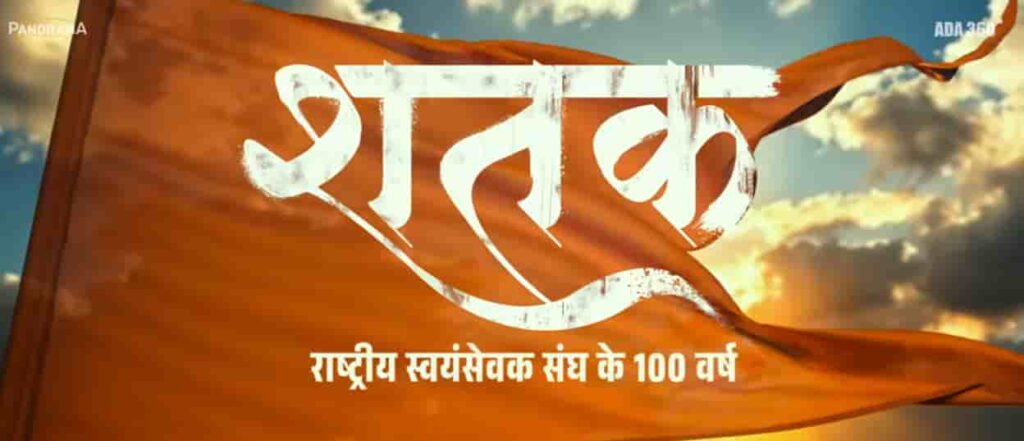
The film Shatak emerged as a notable addition to the evolving landscape of Indian cinema, drawing attention for its intense narrative, grounded storytelling, and strong thematic focus. Positioned within the space of serious, content-driven films, Shatak moved away from conventional commercial formulas and instead centred on a story shaped by conflict, moral dilemmas, and human vulnerability.At a time when audiences have increasingly shown interest in layered narratives, the film stood out for its attempt to blend realism with dramatic tension, creating a story that unfolds gradually while keeping viewers engaged.Plot and Narrative ApproachShatak followed a storyline rooted in themes of power, justice, and personal choices. Rather than relying on fast-paced spectacle, the film adopted a more measured narrative style, allowing the story to develop through character interactions and situational conflicts.The plot revolved around individuals caught in circumstances that tested their ethics and resilience. As the narrative progressed, it explored how decisions—often taken under pressure—shaped the course of events, leading to consequences that were both personal and far-reaching.The storytelling avoided excessive dramatization, instead focusing on authenticity and emotional depth, which gave the film a grounded tone.Performances and CharacterisationOne of the defining strengths of Shatak lay in its performances. The cast delivered restrained yet impactful portrayals, allowing the characters to feel real and relatable.Rather than relying on exaggerated expressions, the performances were marked by subtlety—expressing conflict, tension, and emotion through controlled acting. This approach aligned well with the film’s overall tone, enhancing its credibility.Each character contributed meaningfully to the narrative, ensuring that the story remained cohesive and immersive.Direction and Cinematic TreatmentThe direction of Shatak reflected a clear focus on storytelling over spectacle. The filmmaker adopted a realistic visual style, using natural settings, minimalistic framing, and controlled pacing to build the film’s atmosphere.The use of lighting, background score, and camera work supported the narrative without overpowering it. Instead of dramatic visual flourishes, the film relied on quiet intensity, allowing scenes to unfold organically.This restrained approach helped maintain consistency in tone, making the film more engaging for audiences seeking content-driven cinema.Themes and Social UndertonesAt its core, Shatak explored themes that resonate beyond the immediate storyline. Issues such as power dynamics, ethical conflict, and the consequences of individual actions were central to the film’s narrative.The story also touched upon broader social realities, subtly reflecting the complexities of systems and institutions. By doing so, the film moved beyond entertainment, offering viewers a perspective on real-world challenges.The layered storytelling encouraged audiences to interpret the narrative in their own way, adding to its depth.Audience Reception and ImpactFollowing its release, Shatak generated discussion among viewers who appreciated its serious tone and storytelling approach. While it may not have followed the structure of mainstream commercial films, it found its audience among those who prefer meaningful and thought-provoking cinema.The film contributed to the growing trend of content-focused projects in the Indian film industry, where storytelling and performance are given precedence over scale.Position in Contemporary CinemaShatak reflected a broader shift in audience preferences, where viewers are increasingly open to films that challenge traditional formats. Its emphasis on realism, character depth, and thematic exploration placed it within the category of films that prioritise substance over spectacle.In a cinematic environment that continues to evolve, such films play an important role in expanding the scope of storytelling and encouraging experimentation.Shatak ultimately stood as a film driven by its narrative strength and emotional depth—one that relied on storytelling, performances, and realism to leave a lasting impression rather than conventional cinematic formulae.Video Credit: Panorama Studios