


Mahindra XUV 3XO EV Launch: Affordable Electric SUV for Indian Roads

Mahindra & Mahindra has expanded its electric vehicle portfolio with the launch of the Mahindra XUV 3XO EV in India, underlining its strategic push into electrified mobility. The electric variant of the popular sub-compact SUV was unveiled with prices starting at ₹13.89 lakh (ex-showroom) for the base AX5 variant, while the top-end AX7L is priced at around ₹14.96 lakh, positioning it as one of the most accessible electric SUVs in the Indian market. Powertrain, Performance, and RangePowered by a 39.4 kWh battery pack paired with a single electric motor, the XUV 3XO EV produces 110 kW of power and 310 Nm of torque, enabling brisk performance and responsiveness tailored for everyday driving. The SUV delivers a claimed real-world range of up to 285 km on a single charge, making it suitable for urban and peri-urban commutes.Mahindra rates the electric SUV’s 0–100 km/h sprint at around 8.3 seconds, a performance figure that rivals or surpasses many competitors in the segment. Quick DC fast-charging capability allows the battery to be charged from 0 to 80% in around 50 minutes using a 50 kW charger.Features, Safety, and ConnectivityThe XUV 3XO EV arrives with a strong feature set that includes Level 2 Advanced Driver Assistance Systems (ADAS) in the top variant, offering adaptive cruise control, lane assist, forward collision warning, and autonomous emergency braking, enhancing both safety and convenience.Interior features include a panoramic sunroof, dual-zone automatic climate control, and premium infotainment with Harman Kardon audio systems in higher trims. Mahindra’s Adrenox connected tech provides over 80 connected car features, including built-in Alexa support, remote vehicle control, and onboard navigation.Additional comfort amenities include passive keyless entry, electronic parking brake, wireless Android Auto and Apple CarPlay, and a 360-degree surround-view camera, making the 3XO EV a compelling package for urban families and EV adopters. Market Impact: The Final Review The launch of the XUV 3XO EV builds on the success of the ICE XUV 3XO lineup, which has sold nearly 1.8 lakh units since its debut. With deliveries slated to begin from February 23, 2026, Mahindra is betting that the combination of value pricing, daily usability, and advanced tech will attract first-time EV buyers and strengthen its foothold in India’s electrifying automotive landscape.With rapid growth in EV adoption driven by government incentives and expanding charging infrastructure, the XUV 3XO EV is poised to be a key contender in the mass-market electric SUV segment, challenging rivals like the Tata Nexon EV and MG Windsor EV.Video credit: Mahindra
Mahindra XUV 7XO Debut Launch: What do we know?

Mahindra & Mahindra has officially launched the Mahindra XUV 7XO in India, marking a significant update to its popular mid-size SUV lineup. Positioned as the modern successor to the long-running XUV700 nameplate, the new 7XO blends refreshed design, advanced technology, and enhanced comfort to meet growing customer expectations in the highly competitive SUV segment.Priced from around ₹13.66 lakh (ex-showroom), the XUV 7XO aims to deliver premium SUV experiences at an accessible price point. Early bookings opened recently, with select high-end variants scheduled to begin deliveries in mid-January 2026 and others expected in the first quarter of the year.Design, Comfort, and Premium FeaturesOne of the most noticeable upgrades in the XUV 7XO is its triple-screen cabin layout, which includes separate displays for the driver, central infotainment, and front passenger. This bold interior move signals Mahindra’s push toward a more connected and tech-rich environment, rivaling offerings in both compact and mid-size segments.The SUV also boasts several premium creature comforts, such as ventilated seats, a panoramic sunroof, wireless charging, and a 16-speaker Harman Kardon audio system with immersive sound. Exterior enhancements include modern LED lighting, refreshed grille styling, and connected taillights that give the 7XO a more contemporary and assertive road presence. Performance and SafetyUnder the hood, the XUV 7XO continues with proven engine options, including a 2.0-litre turbo petrol unit (around 200 hp) and a 2.2-litre diesel engine (about 185 hp). Both engines are offered with manual and automatic options, while the diesel variant can be had with all-wheel drive, a feature appreciated by SUV buyers seeking versatility.Safety features have also been elevated, with Level 2 Advanced Driver Assistance Systems (ADAS), including lane-keeping assist and adaptive cruise control, as standard or optional depending on the variant. The inclusion of a 540-degree camera system enhances parking and off-road confidence, while a 5-star safety rating reinforces Mahindra’s commitment to occupant protection. Market Position and OutlookWith the launch of the XUV 7XO, Mahindra is doubling down on its SUV leadership in India, blending affordability with premium technology and comfort. The new SUV looks set to rival key competitors such as the Tata Safari, MG Hector, and Hyundai Alcazar, especially among buyers seeking a value-driven yet feature-packed package.In essence, the 7XO represents a major step for Mahindra’s mid-size SUV strategy, modernising one of its best-selling models to meet evolving customer expectations in the fast-growing SUV market.Video credit: Mahindra
Why Gold and Silver Prices Are Rising: Key Reasons Behind the Metals Surge

As global markets continue to face uncertainty, gold and silver prices have been witnessing a steady upward trend, reinforcing their long-standing status as safe-haven assets.From geopolitical tensions to economic slowdowns, multiple factors are pushing investors toward precious metals, making gold and silver increasingly attractive in both domestic and international markets. Safe-Haven Demand Amid Global Uncertainty One of the primary reasons behind the rising prices of gold and silver is growing global uncertainty. Ongoing geopolitical conflicts, trade tensions, and instability in key regions have made investors cautious about riskier assets like equities. In such times, precious metals are seen as a store of value, leading to higher demand and, consequently, rising prices. Inflation and Currency Fluctuations Persistent inflation across major economies has also played a crucial role. When inflation erodes the purchasing power of money, investors turn to gold and silver as hedges against rising prices.Additionally, fluctuations in major currencies, particularly the US dollar, influence metal prices. A weaker dollar often makes gold and silver cheaper for global buyers, boosting demand. Central Bank Policies and Interest Rates Monetary policies adopted by central banks worldwide significantly impact precious metal markets. Expectations of interest rate cuts or a pause in tightening cycles make non-yielding assets like gold and silver more attractive.When interest rates remain low or are expected to decline, investors are less inclined toward fixed-income instruments and more inclined toward commodities. Industrial Demand for Silver While gold is largely driven by investment and jewellery demand, silver benefits from strong industrial usage as well.Silver is a key component in sectors such as electronics, renewable energy, electric vehicles, and solar panel manufacturing. With the global push toward green energy and technological advancement, industrial demand for silver has grown, contributing to its price rise. Strong Domestic Demand and Festive Buying In countries like India, cultural and festive demand also plays an important role. Weddings, festivals, and traditional investments lead to consistent buying of gold and silver, especially during auspicious periods. Rising demand during these seasons often adds upward pressure on prices.With India being one of the world’s largest consumers of gold, any movement in international prices quickly reflects in local bullion markets. Conclusion The growing prices of gold and silver reflect a complex mix of global economic trends, investor sentiment, and industrial demand.Whether for investment, jewellery, or industrial use, precious metals remain central to financial strategies in uncertain times. As markets evolve, gold and silver are expected to continue shining as reliable assets in diversified portfolios.
What Happened in Parliament’s Winter Session 2025: Key Takeaways
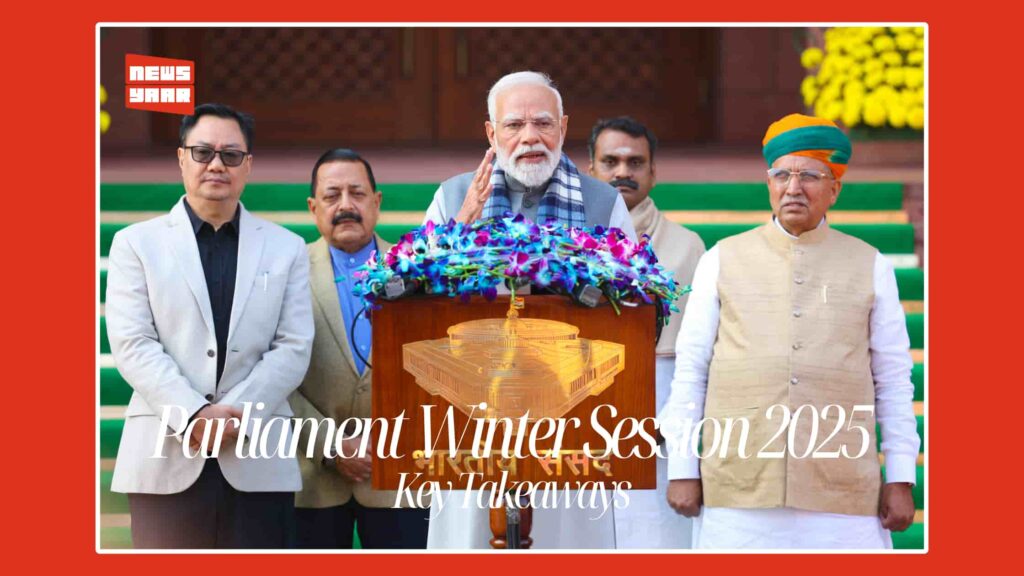
The Winter Session of the Indian Parliament, held from December 1 to December 19, 2025, concluded this week with both Houses, Lok Sabha and Rajya Sabha, adjourned sine die after a packed legislative agenda and spirited debates. Across 15 sittings in each house, lawmakers debated, deliberated, and passed several bills with far-reaching implications for India’s governance, economy, and social fabric. Legislative Activity and Major Bills PassedOne of the most significant outcomes of the session was the passage of eight key bills covering agriculture and rural employment, economic reforms, financial legislation, and sectoral development.At the forefront was the Viksit Bharat Guarantee for Rozgar and Ajeevika Mission (Gramin) Act, 2025, popularly known as the VB-G RAM G Bill. This legislation replaces the two-decade-old MGNREGA framework with a revised rural employment guarantee, offering 125 days of statutory work to eligible rural households and aligning with the government’s Viksit Bharat 2047 goals.Another cornerstone was the Sustainable Harnessing and Advancement of Nuclear Energy for Transforming India (SHANTI) Bill, 2025, which opens up the previously state-controlled civil nuclear sector to private participation and foreign investment, a structural shift in India’s energy policy.The Sabka Bima Sabki Raksha (Amendment of Insurance Laws) Bill, 2025, also gained Parliamentary approval, raising the FDI cap in the insurance sector from 74% to 100% and aiming to attract global capital, deepen insurance penetration, and enhance consumer choice.Other bills passed included the Appropriation (No. 4) Bill, 2025, authorising additional government spending for the current fiscal cycle, and the Repealing and Amending Bill, 2025, which repeals outdated laws and amends several existing statutes to streamline legal frameworks.Taxation adjustments were addressed through the Central Excise (Amendment) Bill, 2025, and the Manipur Goods and Services Tax (Second Amendment) Bill, 2025, while the Health Security and National Security Cess Bill, 2025, sought to replace the compensation cess on pan masala with a broader cess aimed at funding health and security needs. Debates and Political DynamicsThe session saw intense political exchanges. The VB-G RAM G Bill, in particular, sparked opposition protests, with several parliamentarians objecting to the repeal of MGNREGA and the shift in funding arrangements. There were heated interventions in both Houses as lawmakers debated the future of rural employment schemes.Apart from legislative business, members also spotlighted social issues, national song Vande Mataram discussions, and challenges such as air pollution and infrastructure concerns, reflecting Parliament’s role as a platform for diverse public concerns. Session TakeawaysThe 2025 Winter Session underscored the government’s push towards economic reforms, rural employment restructuring, and opening strategic sectors like nuclear energy. Increased insurance sector liberalisation and the repeal of obsolete laws additionally signal a legislative drive toward modernisation.Yet, the session’s political temperature also highlighted the contentious nature of major reforms, with opposition parties raising questions about their socio-economic impacts.As Parliament adjourned, it left behind both substantive legislative change and an ongoing debate on India’s policy priorities in the years ahead.Video credit: Sansad TV
PM Modi Inaugurates Rashtra Prerna Sthal in Lucknow: Atal Bihari Vajpayee’s 101st Birth Anniversary
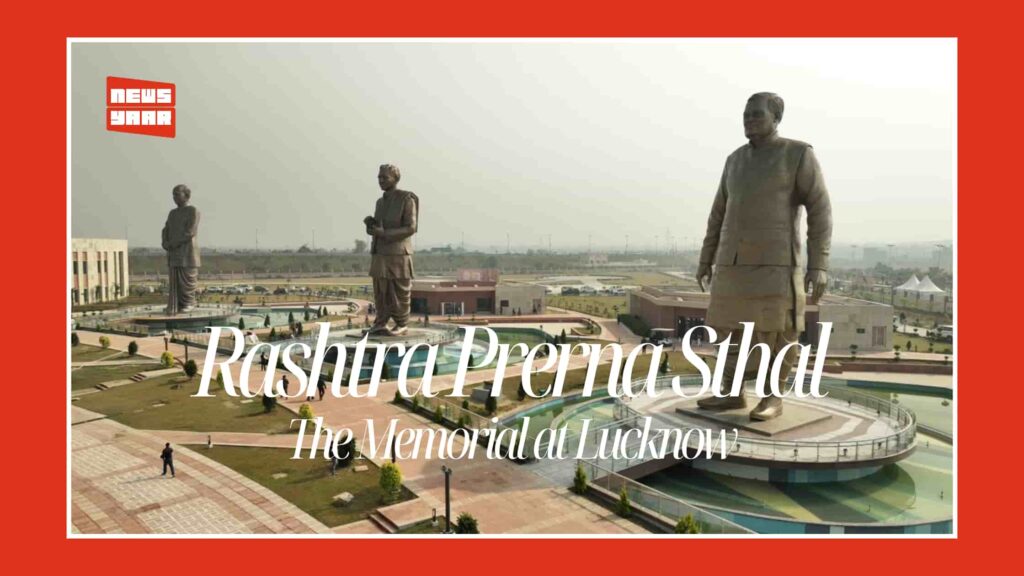
Prime Minister Narendra Modi inaugurated the Rashtra Prerna Sthal in Lucknow, Uttar Pradesh, on Wednesday, a national memorial dedicated to the life, ideals, and legacy of former Prime Minister Atal Bihari Vajpayee. The inauguration coincided with Vajpayee’s 101st birth anniversary, marking December 25 as a day of national remembrance and inspiration.Symbol of Unity, Self-Respect and ServiceAddressing the gathering, the Prime Minister said the Rashtra Prerna Sthal symbolises a vision that guided India towards self-respect, unity, and service. He emphasised that the spirit of Sabka Prayas, collective effort, would play a crucial role in achieving the goal of a developed India.Extending Christmas greetings to the people of India and the world, the Prime Minister acknowledged that millions of Christian families a-cross the country were celebrating the festival. He expressed hope that the occasion would bring happiness, peace, and goodwill to all.Highlighting the significance of December 25, Prime Minister Modi paid tribute to several eminent personalities born on this day, including Bharat Ratna Atal Bihari Vajpayee, Bharat Ratna Mahamana Madan Mohan Malaviya, and Maharaja Bijli Pasi. He said their contributions strengthened India’s unity, cultural identity, and nation-building efforts.The Prime Minister noted that the Rashtra Prerna Sthal has been developed on land that previously housed a massive garbage dump spanning over 30 acres. Over the past three years, the area has been completely cleared and transformed into a modern national memorial. He congratulated the workers, planners, and the Uttar Pradesh government for converting a neglected site into a space of inspiration and national pride.Ideals That Continue to Guide the NationRemembering to the contributions of Dr Syama Prasad Mookerjee, Pandit Deendayal Upadhyaya, and Atal Bihari Vajpayee, the Prime Minister said their ideals continue to guide the nation. He recalled Dr Mookerjee’s role in strengthening India’s unity and said the abrogation of Article 370 ensured the full implementation of the Constitution in Jammu and Kashmir.He further highlighted Pandit Deendayal Upadhyaya’s philosophy of Antyodaya, stating that it has been strengthened through the saturation of welfare schemes to ensure benefits reach every eligible citizen without discrimination. Over the past decade, crores of people have received houses, toilets, tap water connections, electricity, free ration, and healthcare, he said.The Prime Minister also spoke about the expansion of social security coverage, which has increased from around 25 crore beneficiaries before 2014 to nearly 95 crore people today. He cited schemes such as the Pradhan Mantri Jeevan Jyoti Bima Yojana and Pradhan Mantri Suraksha Bima Yojana as key contributors.Recalling Atal Bihari Vajpayee’s tenure, the Prime Minister credited his government with laying the foundation for digital identity, telecom reforms, highway expansion, and metro connectivity. He noted that India is now the world’s second-largest mobile phone manufacturer, with Uttar Pradesh emerging as the leading manufacturing state.Final insights Highlighting Uttar Pradesh’s transformation, he said the state is now known for development, infrastructure, and tourism, with projects such as expressways, defence manufacturing corridors, and the Ram Mandir in Ayodhya shaping its new identity.The event was attended by Uttar Pradesh Governor Anandiben Patel, Chief Minister Yogi Adityanath, Union Ministers Rajnath Singh and Pankaj Chaudhary, along with other dignitaries.Video credit: Narendra Modi
New York Gets Indian-Origin Mayor Zohran Mamdani: A Historic Moment in Global Politics
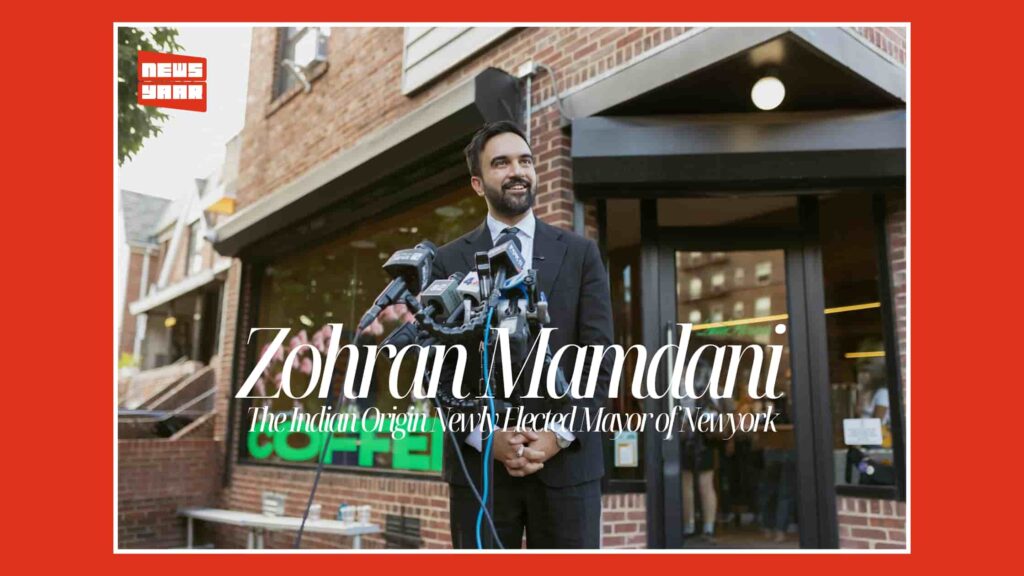
In a historic political shift that has captured international attention, Zohran Kwame Mamdani has been sworn in as the 112th mayor of New York City, becoming the first Indian-origin, South Asian, and Muslim leader to hold the post in one of the world’s most influential cities.Mamdani, aged 34, officially took the oath on January 1, 2026, succeeding Eric Adams after an electrifying election victory in November 2025. His swearing-in ceremony took place in a symbolic location. At this historic Old City Hall subway station, he took the oath on two Qur’ans, including one belonging to his grandfather, highlighting both his faith and multicultural identity.Born in Kampala, Uganda, in 1991 to Indian heritage parents, acclaimed filmmaker Mira Nair and academic Mahmood Mamdani, Zohran moved to the United States as a child and grew up in New York City. He attended top local schools before graduating from Bowdoin College. Mamdani began his political career in the New York State Assembly, representing Queens, and quickly established a reputation as a progressive and community-focused leader.Mamdani’s election is seen as a major milestone for representation and diversity in American politics. As both the first Muslim and first South Asian mayor of New York City, his victory resonates far beyond municipal boundaries, symbolizing how multicultural identities are increasingly shaping the political landscapes of major Western democracies.His campaign platform focused heavily on critical issues such as affordability, public transit, and social infrastructure. Promises included fare-free city buses, universal public childcare, expanded affordable housing, and city-run grocery stores, initiatives aimed at addressing the deep economic challenges facing millions of city residents. Public response to Mamdani’s progressive agenda It turned out to be mixed. While a recent poll showed that a majority of New Yorkers support his democratic socialist policies, concerns remain among some voters about the financial feasibility of his ambitious reforms and potential budget deficits.Cultural celebrations followed his inauguration, including a block party near City Hall and Punjabi music echoing through parts of the city, reflecting pride in his heritage and the diverse identity of New York itself.As Mamdani begins his term, the world watches to see whether his blend of progressive policy, grassroots leadership, and global heritage will chart a new path for urban governance in the 21st century and what his success might mean for emerging leaders from diverse backgrounds.Video credit: Zohran Mamdani’s Youtube
India’s DHRUV64: The First 1 GHz, 64-Bit Dual-Core Microprocessor
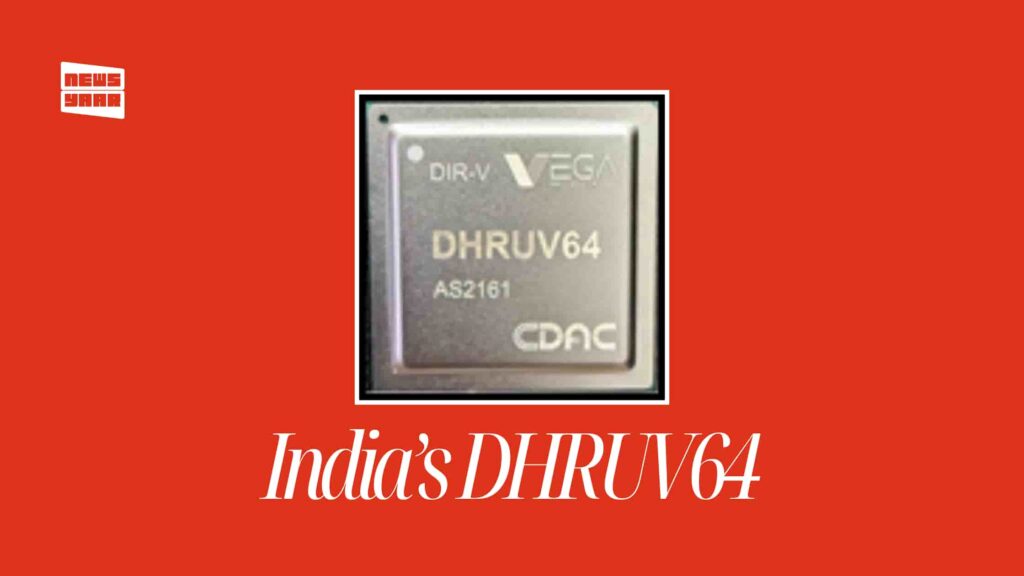
In a landmark moment for India’s semiconductor ambitions, the Centre for Development of Advanced Computing (C-DAC) has unveiled DHRUV64, the country’s first 1 GHz, 64-bit dual-core microprocessor.Developed under the government’s Microprocessor Development Programme and showcased as part of the Digital India RISC-V (DIR-V) initiative, DHRUV64 represents a major stride toward self-reliance in advanced chip design and computing technology. A Milestone in Indigenous Chip DesignDHRUV64 is built on an open-source RISC-V architecture, an increasingly popular set of instructions that allows chip designers to innovate without costly licensing fees from foreign companies.Operating at a clock speed of 1.0 GHz with dual processing cores and 64-bit capability, it brings India into the realm of gigahertz-class embedded processors, a class previously dominated by global players.Unlike earlier academic or specialised chips, DHRUV64 is designed for broader strategic and commercial applications, including industrial automation, automotive electronics, 5G infrastructure, consumer devices, and Internet of Things (IoT) systems. It supports modern operating systems, integrates with diverse hardware systems, and provides multitasking efficiency suited for a range of real-world deployments. How Does It Matter?India currently consumes roughly 20 percent of the world’s microprocessors, yet historically has relied heavily on imports for core computing technology.Developing a homegrown processor like DHRUV64 is significant not only for technological sovereignty but also for enhancing security, reducing supply-chain vulnerabilities, and building local expertise in semiconductor design.By creating a platform that domestic startups, researchers, and established companies can build upon, DHRUV64 is expected to boost innovation across the electronics ecosystem and support cheaper prototyping and product development.It also provides a foundation for a growing pipeline of skilled chip design professionals, further energising India’s tech sector.A Step Toward Aatmanirbhar Bharat in TechnologyDHRUV64 marks a continuation of India’s journey toward an Aatmanirbhar (self-reliant) semiconductor ecosystem. The chip follows earlier indigenous designs such as SHAKTI, AJIT, VIKRAM, and THEJAS64, and sits alongside future variants like Dhanush and Dhanush+ in the development pipeline.While India still relies on global fabrication technologies for manufacturing, the design and strategic deployment of processors like DHRUV64 signal a slow but steady shift toward autonomous capabilities in core computing technologies, a critical competitiveness marker in the global tech landscape.
Special Intensive Revision: Why Electoral Rolls Are Being Rechecked
Every democracy depends on a simple but powerful foundation: the right list of voters. To protect that foundation, election authorities periodically undertake an exercise known as the Special Intensive Revision (SIR) of the electoral rolls process that may appear routine on paper but carries deep significance for free and fair elections.Unlike regular updates, which happen continuously through the year, a Special Intensive Revision is a focused, time-bound effort to comprehensively verify and correct voter lists in a particular area. It is usually undertaken ahead of major elections or when concerns arise about inaccuracies, duplication, or demographic changes that may affect electoral integrity.At its core, SIR is about accuracy and inclusion. Over time, electoral rolls naturally become outdated. People move homes, migrate for work, change names, or pass away. New voters turn 18 and become eligible, while others may no longer meet the criteria to remain on the list. If these changes are not addressed systematically, voter rolls risk becoming cluttered with errorspotentially disenfranchising genuine voters or allowing misuse.The Special Intensive Revision seeks to address this by going beyond desk-based corrections. Booth Level Officers (BLOs) are often tasked with physical verification, visiting households to confirm voter details. Citizens are encouraged to check their entries, submit claims for inclusion, request corrections, or file objections against incorrect listings. Draft rolls are published, feedback is invited, and final rolls are prepared only after this public scrutiny.This participatory nature is what makes SIR especially important. It places responsibility not just on election officials, but also on voters themselves. A clean electoral roll is not created in isolation relies on citizens taking the time to verify their information and report inaccuracies.In recent years, SIR exercises have gained added relevance due to increased urban migration and rapid population shifts. Cities expand, rural populations relocate, and entire neighbourhoods transform within a few years. Without intensive revision, voter lists may fail to reflect these realities, leading to confusion on polling day and, in some cases, allegations of unfair practices.Technology has also reshaped how SIR is conducted. Digital databases, online forms, and mobile applications have made it easier for voters to check their status and submit requests. However, physical verification remains a critical component, particularly in areas with limited digital access. The balance between technology and on-ground outreach ensures that no voter is left out due to the digital divide.Critics sometimes raise concerns that intensive revisions could lead to wrongful deletions if not handled carefully. Election authorities, therefore, emphasise transparency and due process. Deletions are not meant to be arbitrary; they follow clear guidelines, documented verification, and opportunities for appeal. The goal is correction, not exclusion.From a democratic standpoint, SIR serves as a preventive measure. Clean electoral rolls reduce disputes, build trust in the election process, and strengthen the credibility of outcomes. When voters see their details accurately reflected, confidence in the system grows. When political parties operate with the same verified data, the playing field becomes more level.Ultimately, the Special Intensive Revision is not just an administrative exercise; it is a democratic safeguard. It reminds citizens that voting rights come with civic responsibility, and that democracy requires regular maintenance, not blind faith.As elections approach in different parts of the country, SIR exercises will continue to play a quiet but crucial role behind the scenes. Their success depends on meticulous execution by officials and active participation by voters. In that partnership lies the assurance that every legitimate voice is counted and counted correctly.Video credit: Election Commission of India
Sanchar Saathi App: How India Is Empowering Citizens Against Telecom Fraud

Understanding the Sanchar Saathi InitiativeSanchar Saathi is a government-backed digital initiative aimed at protecting telecom users from fraud, identity theft, and the misuse of mobile connections. The app aims to bring transparency and control directly into the hands of citizens.Why the App Was Needed?India has witnessed a sharp rise in cyber fraud, fake SIM usage, and unauthorised mobile connections. Many users were unaware of the number of numbers issued in their name, making them vulnerable to misuse.Key Features Explained SimplyThe Sanchar Saathi app allows users to check mobile connections linked to their Aadhaar, block lost or stolen phones, and report suspected fraud. These features reduce dependency on telecom offices and speed up action.How It Helps Ordinary UsersFor common citizens, the app provides peace of mind. Users can instantly identify unknown connections, prevent misuse, and take quick corrective steps without technical knowledge.The launch of Sanchar Saathi reflects the government’s broader focus on digital safety and citizen empowerment. It aligns with initiatives aimed at securing India’s rapidly expanding digital ecosystem.Final WordsAs awareness grows, Sanchar Saathi could become a key tool in fighting telecom fraud nationwide. Experts believe regular updates and public education will determine its long-term success.
Aravalli Issue: The Slow Disappearance of India’s Oldest Mountain Range
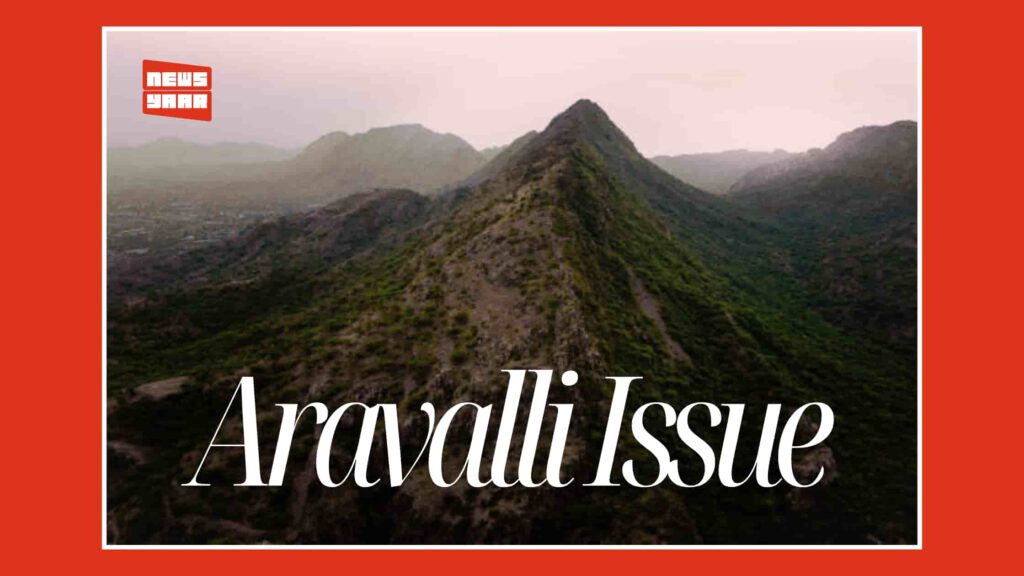
Stretching across Rajasthan, Haryana, and Delhi, the Aravalli range is among the oldest mountain systems in the world. For centuries, it has acted as a natural shield against desertification, helped regulate groundwater, and supported diverse ecosystems.Yet today, the Aravallis are facing an existential threat, one that has intensified following a recent Supreme Court judgement. What Triggered the Current Aravalli Debate? The Aravalli issue has resurfaced as a major public concern after the Supreme Court approved a new, stricter definition of the Aravalli Hills. According to this ruling, only landforms rising 100 metres or more above the local relief will now qualify as Aravallis. This reclassification effectively removes legal protection from over 90% of areas that were previously considered part of the Aravalli range.The judgment has sparked widespread criticism from environmentalists, scientists, and civil society groups, who argue that the decision ignores geological realities and decades of conservation efforts. Protests and public campaigns have since emerged, demanding stronger protection for the fragile ecosystem. Mining, Construction, and Urban Pressure Even before the judgment, the Aravallis were under severe pressure from illegal mining, real estate development, and deforestation. The new definition is feared to further open vast stretches of land to mining and construction, particularly around the National Capital Region (NCR), where urban expansion is already aggressive.Experts warn that narrowing the legal definition provides a loophole that could legitimize activities earlier deemed illegal, accelerating environmental degradation. Impact on Climate and Water Resources The consequences of Aravalli degradation are far-reaching. The range plays a crucial role in groundwater recharge, especially in semi-arid regions. Its destruction has been linked to declining water tables, rising temperatures, dust storms, and worsening air pollution across North India.Environmentalists caution that weakening protections could worsen climate vulnerability in cities like Delhi, Gurugram, and Jaipur. Legal Battles and Policy Challenges Over the years, multiple court orders and environmental regulations sought to safeguard the Aravallis. However, ambiguous land classifications, conflicting state policies, and weak enforcement have consistently diluted these protections.The recent Supreme Court ruling has further complicated the legal landscape, prompting calls for a review and clearer conservation-focused policies. What Needs to Be Done? Experts stress that protecting the Aravallis requires scientifically sound definitions, stronger enforcement, and coordinated policy action across states. Public participation and transparency are equally critical.As protests grow louder, the debate is no longer just environmental; it is about sustainable development and the future of millions who depend on this ancient mountain range.