


Volvo EX60: The AI-Powered Electric SUV Revolutionizing Safe and Smart Driving
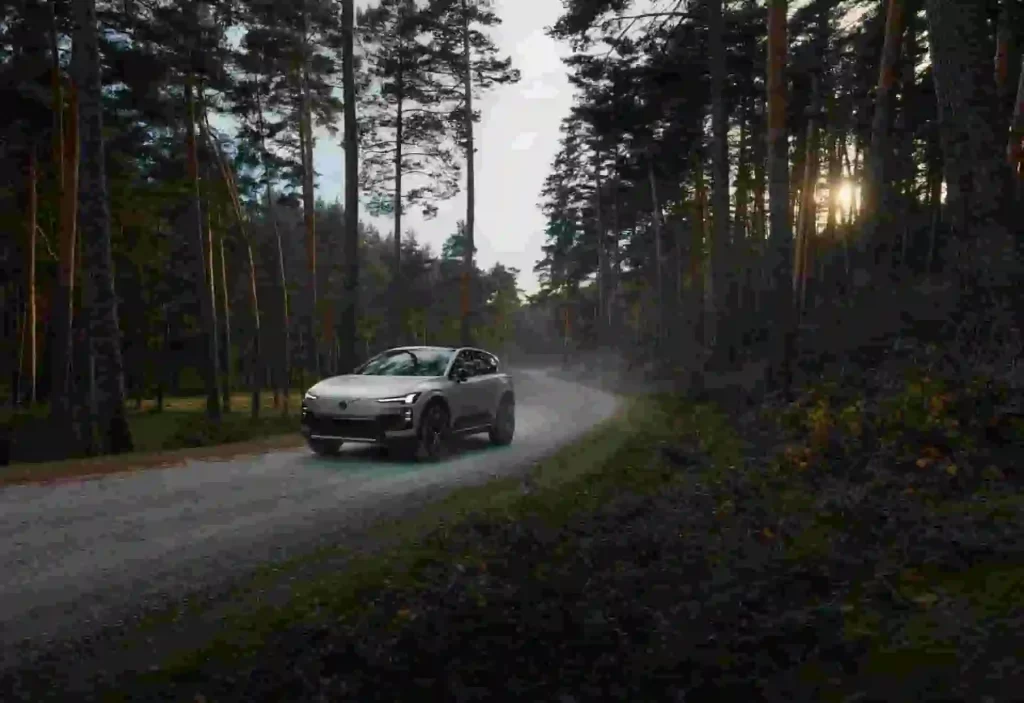
Volvo Cars is gearing up for a major launch with the all-new EX60, a fully electric mid-size SUV set to debut globally on January 21, 2026. This vehicle replaces the popular petrol-powered XC60 and enters the world’s largest EV segment as Volvo’s most intelligent and technologically advanced car yet. Built on the new SPA3 electric platform, the EX60 promises up to 810km of WLTP range in its top all-wheel-drive version, ultra-fast charging, and groundbreaking AI integration with Google’s Gemini assistant. It combines human-centric design, massive computing power, and continuous learning to make driving safer, easier, and more enjoyable. The full reveal will livestream on Volvo’s site and YouTube.Sleek Design Inspired by Volvo Heritage with Electric FlairThe EX60 draws from Volvo’s iconic style, resembling a larger version of the bold EX30. Its front features the signature “Thor’s Hammer” LED daytime running lights above sleek LED headlights. A closed-off grille suits its EV nature, flanked by vertically stacked LED fog lamps and a black scuff plate on the bumper. Smooth side surfaces include subtle character lines on wheel arches and doors, sculpted creases, black cladding, and innovative illuminated wing grip handles on the window line instead of traditional ones. Wheel sizes span 20 to 22 inches, with wider rear wheels for better traction.At the rear, slim LED taillights connect via a black strip on the tailgate, complemented by thick cladding and a thin silver bumper accent. Two themes, “Bright” with silver accents or “Dark” with black finishes, add personalization. A rugged Cross Country variant ups ground clearance by 20mm, adds stainless steel skid plates, matte black cladding, Frost Green paint, unique interiors, and adaptive air suspension with off-road mode. Overall, the EX60 looks handsome, boxy yet modern, with big wheels and ample space, blending family practicality with premium EV appeal.Luxurious Cabin Brimming with Cutting-Edge Tech and ComfortThe interior emphasizes natural, high-end materials, generous storage, split-fold rear seats, and a Bowers & Wilkins stereo with speakers in the four main headrests. A large free-standing touchscreen handles infotainment with integrated climate controls and a physical scroller for easy navigation. Expect a digital driver’s display, multi-zone climate control, wireless charger, powered and ventilated seats, panoramic roof, and Level 2 ADAS. Multi-adaptive seatbelts use real-time sensor data to adjust tension based on speed, crash direction, and occupant needs for superior protection.Gemini AI and HuginCore: A Car That Talks, Learns, and EvolvesThe EX60 launches as the first Volvo with Google’s Gemini AI assistant, enabling natural, hands-free conversations, no memorized commands needed. Ask it to find a hotel address in your email, check if luggage fits in the trunk, or brainstorm road trip ideas. It handles multi-turn chats, staying personalized and integrated to keep eyes on the road. Gemini will evolve via updates to use cameras for real-world queries.Powering this is HuginCore, Volvo’s new core system (named after Norse mythology’s thoughtful bird), encompassing electrical architecture, core computer, zone controllers, and software. It’s a true software-defined vehicle that learns from global Volvo fleet data like accidents and near-misses. The Superset tech stack delivers over-the-air (OTA) updates, making the car smarter over time. Chief Engineering Officer Anders Bell calls it “discreet yet cutting-edge tech” blending Volvo’s in-house innovations with Google, NVIDIA, and Qualcomm.Massive Processing Power for Seamless, Responsive ExperienceThe EX60 boasts unprecedented computing: Qualcomm’s next-gen Snapdragon Cockpit Platform for top-tier processing, Snapdragon Auto Connectivity for ultra-responsive 4G/5G (with 4 years unlimited data), and NVIDIA DRIVE AGX Orin SoC on DriveOS for accelerated AI. It handles 250 trillion operations per second, ensuring lag-free screens, instant maps, sharp voice recognition, and smooth everything. Sensors give 360-degree awareness to anticipate dangers, enabling advanced driver aids.Powertrain Lineup: Epic Range, Blistering Speed, and Rapid ChargingThree battery options (83kWh, 95kWh, 117kWh) power versatile configs on the 800V SPA3 platform:P6 RWD (83kWh): 374 PS, 480 Nm, 620km range, 0-100km/h in 5.9s.P10 AWD (95kWh): 510 PS, 710 Nm, 660km range, 0-100km/h in 4.6s.P12 AWD (117kWh): 680 PS, 790 Nm, 810km range, 0-100km/h in 3.9s.All top 180km/h, with passive or semi-active suspension. Add 340km in 10 minutes via 400kW DC charger (10-80% under 20 mins); 22kW AC supported. A “cell-to-body” battery integrates cells directly into the structure for lightness (2,115-2,330kg curb weight) and strength. One Cross Country trim available.Safety-First DNA with Real-Time Learning and Adaptive FeaturesVolvo’s legendary safety shines: reinforced cage, advanced restraints, and HuginCore’s sensor fusion for proactive risk avoidance. It processes surroundings in real-time, drawing fleet-wide insights to improve. Adaptive belts, a wide sensor array, and AI aids reduce stress. OTA updates ensure it stays ahead.Volvo’s Game-Changer in the Crowded EV ArenaThe EX60 eyes Tesla Model Y, BMW iX3, Audi Q6 e-tron, Hyundai Ioniq 5, Porsche e-Macan, and Mercedes EQE SUV. CEO Håkan Samuelsson says it “removes all obstacles to going electric” with range, charging, price, and smarts. Born electric on SPA3, it’s lighter and future-proof. Availability starts in Europe/US soon after reveal; India unclear, but rivals would position it as premium. This isn’t just an SUV, it’s a thinking, evolving companion for safer, smarter mobility.
Toyota Urban Cruiser Ebella: Toyota’s Sleek Entry into India’s Electric SUV Market
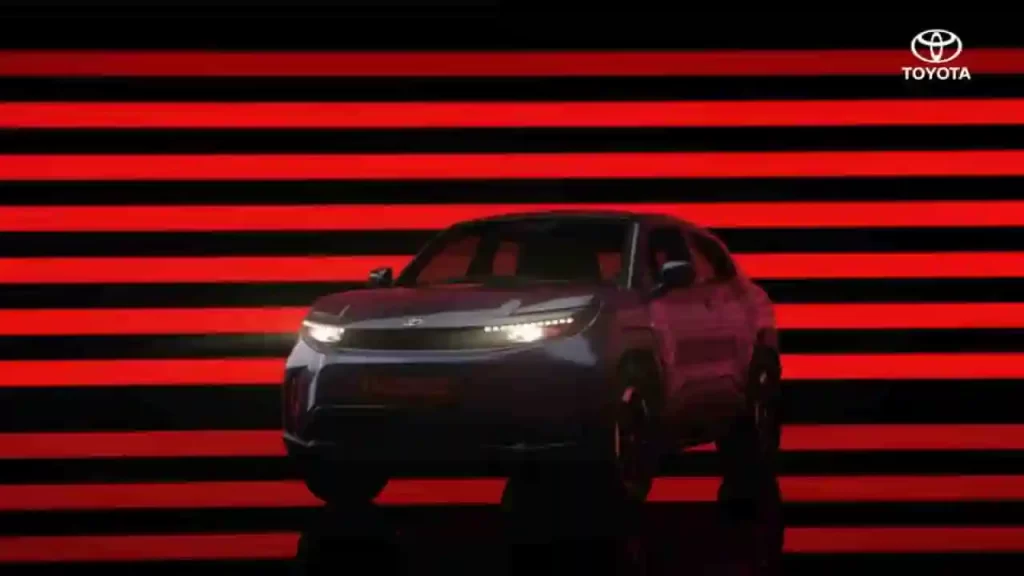
Toyota has unveiled the Urban Cruiser Ebella, a stylish new compact electric SUV that marks the company’s bold step into India’s fast-growing EV segment. This vehicle is essentially a rebadged version of the Maruti Suzuki e-Vitara, sharing the same core engineering, specifications, and features. What sets the Ebella apart is its modern, premium styling that gives it a sleek and urban appeal, making it feel distinct from its Suzuki sibling. Bookings are already open across three variants, E1, E2, and E3, with prices expected to start around Rs 18-21 lakh and a launch slated for April 15, 2026. Toyota aims to attract buyers who value reliability and peace of mind in an EV still new to many Indian families.Striking Design and Premium Touches Tailored for Urban DriversThe Urban Cruiser Ebella stands out with its unique front fascia, which looks far more sophisticated than the e-Vitara’s. It features sharp triangular headlights paired with segmented eyebrow-like daytime running lamps that create a modern, aggressive look. Gloss-black trim accents the slim vertical air intakes and a subtle silver skid plate, giving the nose a clean, premium vibe. While the side profile shares elements like generous body cladding, C-pillar-mounted rear door handles, a sloping roofline, and 18-inch aero-optimised alloy wheels wrapped in 225/55-section tyres, the overall stance feels more refined and city-ready.At the rear, the tail-lamps keep a similar shape to the e-Vitara but sport a different LED signature for a fresh identity. Toyota offers nine colour choices to suit every taste: five monotone shades, including Bluish Black, Cafe White, Enticing Silver, Gaming Grey, and Sportin Red, plus four dual-tone options with a black roof, like Cafe White, Enticing Silver, Land Breeze Green, and Sportin Red. These details make the Ebella look less rugged and more polished, appealing to buyers who want an EV that blends seamlessly into urban lifestyles without drawing unnecessary attention. Note some minor panel gaps around the bonnet, a remnant of its shared hard points, but Toyota’s smoother surface treatment elevates the premium perception.Spacious, Feature-Packed Cabin with Toyota’s Signature PolishInside, the Ebella mirrors the e-Vitara’s practical layout, which prioritises everyday usability over flashy novelty. The cabin feels spacious for a compact SUV, with good rear-seat flexibility and modern ergonomics that make long drives comfortable. Toyota adds its own touch through polished material finishes, lifestyle-oriented colour themes, and a subtle shift toward premium vibes rather than utility alone. Key highlights across variants include a 10.25-inch infotainment touchscreen with wireless Apple CarPlay and Android Auto, a 10.1-inch digital driver’s display, a fixed panoramic glass roof, a powered driver’s seat, a JBL sound system, a 360-degree camera, Level 2 ADAS, automatic climate control, ventilated front seats, and ambient lighting.While outright space lags slightly behind rivals like the Hyundai Creta Electric, nothing essential is missing. Toyota’s proprietary infotainment software and badges reinforce trust. The design avoids extravagance, focusing on balanced completeness that reassures families switching from petrol cars. Insulation under the bonnet further quiets the cabin, and an Acoustic Vehicle Alerting System (AVAS) gently warns pedestrians at low speeds without disturbing occupants.Powerful Dual-Battery Options with Impressive Range and Smart Driving ModesThe Ebella comes with two lithium-iron-phosphate (LFP) battery choices for durability and safety: a 49kWh pack delivering 144hp and a larger 61kWh unit in the E3 variant, pumping out 172-174 BHP with 193Nm of torque. Both power a front-mounted permanent magnet synchronous motor with front-wheel drive. ARAI-certified ranges are 440km for the smaller battery and a strong 543km for the 61kWh version, making it competitive for city-highway use.Power delivery is smooth and linear, with no gear jerks or engine noise for a refined EV experience. It crawls at 7km/h in Drive mode without throttle input. Three driving modes cater to every scenario: Normal balances power and efficiency for mixed use; Eco tones down throttle response for maximum range and city comfort; Sport sharpens acceleration for quick overtakes but drains battery faster. A Snow Mode enhances traction on slippery surfaces. The 61kWh E3’s power-to-weight ratio of 95 BHP/ton and torque-to-weight of 106 Nm/ton make it punchy enough to surge past ICE cars at lights, cruising triple-digit speeds effortlessly.Real-world tests over 60km with aggressive driving showed ~450km estimated range from 90-92% charge, though ownership reviews will confirm. Road and wind noise stay controlled at legal speeds, with minimal NVH for serene drives.Adjustable Regen, Fast Charging, and Ownership PerksRegenerative braking offers three levels, adjustable via touchscreen after stopping—no steering paddles, which feels like a miss. Even max regen requires brakes to halt fully, lacking true one-pedal driving. Toyota includes a 7.2kW wall box charger, with DC fast charging hitting 10-80% in 45 minutes.Ownership shines with an 8-year battery warranty, 60% assured buy-back value for resale confidence, and Battery-as-a-Service (BaaS) to cut upfront costs by leasing the battery. This targets urban commuters, undercutting rivals like MG’s similar model. Charging apps ease range anxiety, but Toyota reminds: charge where you park.Balanced Ride, Handling, and Braking for Everyday ConfidenceThe suspension uses MacPherson struts with a front stabiliser and rear multi-link, paired with 18-inch wheels. It’s firmer than average, transmitting medium bumps into the cabin and feeling busy at low speeds or crashy over large ones. Dropping tyre pressure from 36 PSI to 32 PSI could soften it. Straight-line stability impresses, with controlled body roll in corners at legal speeds. Grip from 225mm tyres suffices.Electric power steering is light in traffic, weighing up on highways but feeling nervous at speed with inconsistent feedback. Ventilated disc brakes front and rear deliver confident stops without drama.Toyota’s Smart Strategy in a Crowded EV ArenaThe Ebella leverages the Toyota-Maruti partnership for quick, localised production and exports. Priced Rs 19-24 lakh, it rivals the Hyundai Creta Electric, Mahindra BE 6, Vinfast VF6, Tata Curvv EV, MG ZS EV, and ironically, the e Vitara. Toyota banks on its reliability badge over spectacle, perfect for cautious first-time EV buyers wary of battery life and resale.While the name “Ebella” draws COVID-era jokes (echoing Toyota’s old Corona), it prioritises trust over flair. In India’s uncertain EV market, this dependable, no-drama SUV could steadily “infect” the
Royal Enfield Flying Flea C6: The Bullet Goes Electric
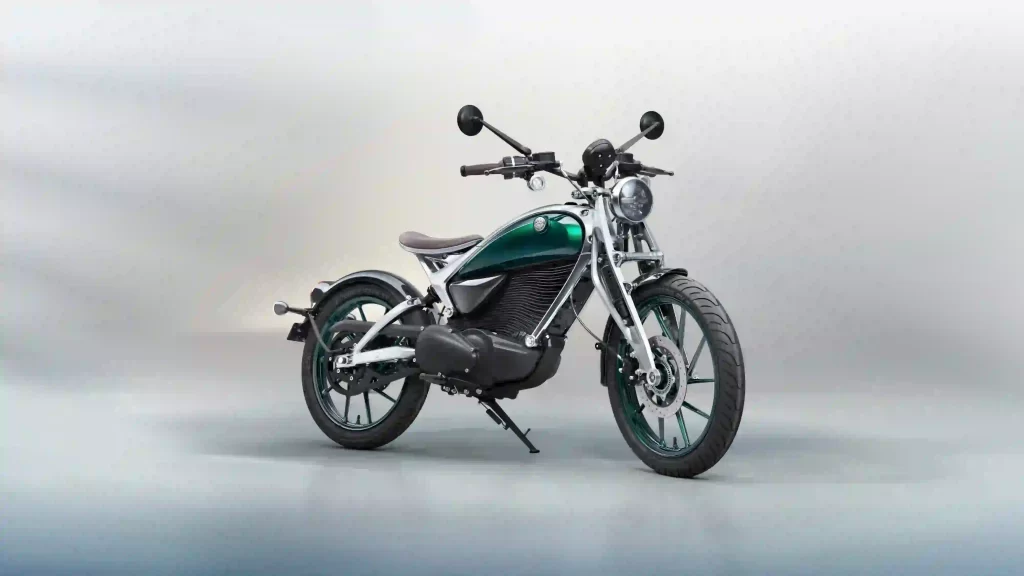
Royal Enfield has been making motorcycles since 1901. In 125 years, every single one of them ran on petrol. That changed on April 10, 2026, when the company officially launched the Flying Flea C6 — its first electric motorcycle — at a dedicated showroom in Jayanagar, Bengaluru. Bookings opened at noon, with deliveries set to begin by the end of May.Speaking at the launch, CEO B. Govindarajan said: “We are excited to introduce the Flying Flea C6, marking our first step into electric motorcycling in our 125th year. This is not just about going electric — it is about creating a new category of urban mobility that is rooted in experience, not just specifications or numbers.”The Name and the History Behind ItThe Royal Enfield Flying Flea takes its name from the 125cc, single-cylinder motorcycle used by British army paratroopers in World War II. Designed to be dropped behind enemy lines, it delivered messages between troops when radio communications were not possible. Royal Enfield has resurrected the name for a motorcycle that shares the original’s core qualities: lightweight, narrow, urban, and now silent.Design and BuildThe C6 was first shown at EICMA 2024 in Milan and has remained largely unchanged from concept to production — a sign that Royal Enfield meant what it showed.The standout visual feature is the forged aluminium girder fork, a suspension setup rarely seen on modern motorcycles that gives the C6 a distinct neo-retro silhouette. The bike is built on an all-new cage frame made from forged aluminium, keeping weight in check. The battery casing is magnesium. The result is a kerb weight of just 124 kilograms — the lightest Royal Enfield ever built. For context, the Classic 350 weighs around 195 kg.The C6 is available in two colours: Storm Black and Flea Green.Performance and RangeThe C6 carries a 3.91 kWh lithium-ion battery paired with a permanent magnet synchronous motor producing 15.4 kW peak power and 60 Nm of torque, with drive going to the rear wheel via a belt drive. Claimed IDC range is 154 km, with a 0-60 kmph time of 3.7 seconds and a top speed of 115 kmph.Realistically, Indian media testing puts urban range at closer to 100 to 110 km in mixed city conditions — adequate for daily commuting, but this is clearly a city machine, not a tourer.A full charge takes 2 hours and 16 minutes, while a 20 to 80 percent top-up takes about 65 minutes from a standard 16A home socket. Riders can also choose between Rapid, Standard, and Trickle charging speeds via the mobile app.TechnologyThe C6 brings features Royal Enfield has never offered before. It is the first Royal Enfield to get traction control and cornering ABS. A 3.5-inch circular TFT touchscreen with a Qualcomm Snapdragon processor powers Google Maps navigation, SMS and call alerts, and music control. Under the tank panel sits a 15W wireless phone charger plus a 27W USB-C port. Five riding modes — City, Rain, Highway, Sport, and Custom — are available, along with a bidirectional crawl mode, hill-start assist, keyless ignition, tip-over alert with location sharing, and over-the-air software updates.PriceThe Flying Flea C6 is priced at Rs 2.79 lakh ex-showroom. Customers can also opt for Battery-as-a-Service, which brings the price down to Rs 1.99 lakh, with a monthly subscription covering battery usage and maintenance.At Rs 2.79 lakh, it costs more than every 350cc Royal Enfield currently on sale. The premium is justified by materials, technology, and the fact that this is genuinely a new kind of product — but it is a premium nonetheless, and buyers need to weigh that honestly.What’s NextFlying Flea is Royal Enfield’s dedicated EV sub-brand, and the C6 is only its first product. The Flying Flea S6, a scrambler variant built on the same platform, is expected to follow later in 2026, likely around EICMA in November. The first Flying Flea showroom outside India is planned to open in Paris in 2026.The C6 is not trying to replace what Royal Enfield has built over 125 years. It is an opening statement — carefully made, deliberately positioned, and aimed at a new kind of rider. Whether that rider exists in sufficient numbers to justify the ambition is a question only the market can answer. The wait for that answer begins today.Key SpecDetailMotorPMSM, 15.4 kW / 60 NmBattery3.91 kWh lithium-ionClaimed Range154 km IDCTop Speed115 kmph0-60 kmph3.7 secondsWeight124 kgSeat Height823 mmGround Clearance207 mmFull Charge2 hrs 16 minsPrice (Outright)Rs 2.79 lakh ex-showroomPrice (BaaS)Rs 1.99 lakh ex-showroomColoursStorm Black, Flea GreenFirst DeliveriesEnd of May 2026, Bengaluru
MG Majestor Launched: India’s New Flagship SUV Redefines Luxury Off-Roading
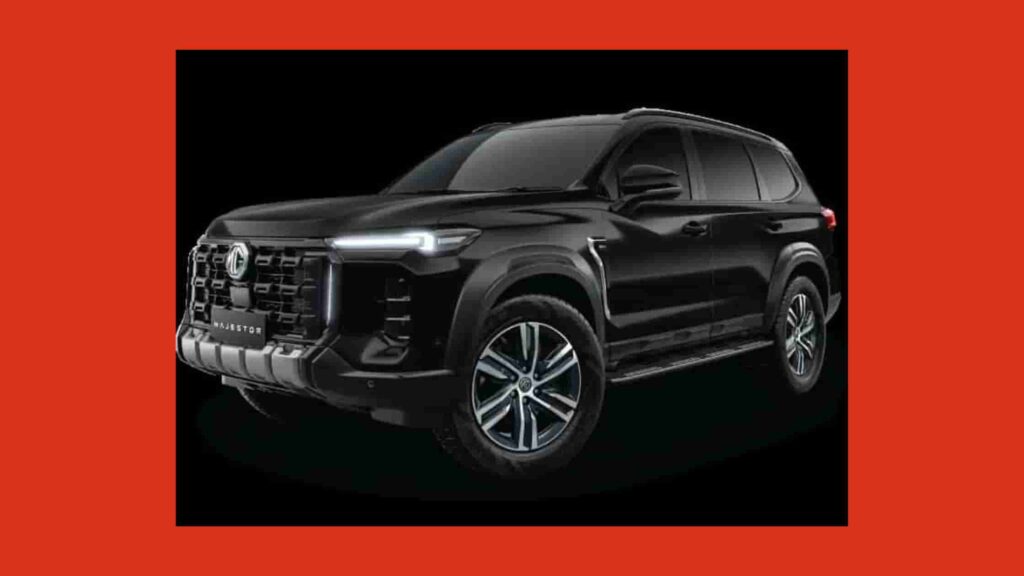
JSW MG Motor India unveiled the Majestor, its bold D+ segment body-on-frame flagship SUV, positioning it above the Gloster to challenge the Toyota Fortuner and Jeep Meridian. Launched on February 12, 2026, bookings opened at ₹41,000, with test drives starting in April and deliveries starting in May; early birds get a 5-year unlimited km warranty, RSA, and labor-free service.Aggressive Design and DimensionsThe Majestor draws from the global Maxus D90, boasting a muscular stance with a mosaic matrix grille, vertical LED headlamps, hammer-shaped DRLs, and sharp bonnet lines. Sides feature cladding, 19-inch dual-tone alloys, ORVM blinkers; rear has connected LED taillamps, twin exhausts, and ‘Majesty’ badge.Available in Metallic Black, Pearl White, Concrete Grey, and Metallic Ash; ground clearance hits 219mm, with water wading of 810mm for rugged prowess.Premium, Tech-Loaded CabinInside, soft-touch two-tone materials shine with a 12.3-inch touchscreen infotainment (Apple CarPlay/Android Auto), a matching digital cluster, a gesture tailgate (up to 1,350L boot), panoramic sunroof, dual wireless chargers, ambient lighting, and i-Smart connectivity.Front seats offer ventilation, heating, and massage; 6/7-seater options with captain chairs in the 6-seater for luxury.Interior HighlightsMG Majestor offers a premium, tech-forward interior in a black-themed cabin (Smoky Ebony or black-grey scheme) with soft-touch materials, leatherette upholstery, and a modern layout, distinguishing it from the Gloster. The cabin features dual 12.3-inch screens: touchscreen infotainment with wireless Apple CarPlay/Android Auto, and a digital driver’s display. Key amenities include a panoramic sunroof (Savvy trim), 64-color ambient lighting, gesture-controlled tailgate (up to 1,350L boot space), dual wireless chargers, 220V second-row outlet, sunglass holder, illuminated scuff plates, and front center armrest storage.Front seats (ventilated, heated, multi-mode massage, memory, 12-way power adjustable in top trims) prioritize luxury; the second row offers captain chairs (6-seater) or a bench (7-seater) with dedicated AC, armrest, and cupholders.Audio upgrades to 12-speaker JBL Studio in Savvy variants; three-zone climate control, piano black elements, and LED cabin lights enhance ambiance.Exterior ColorsAvailable across Sharp and Savvy trims (no dual-tone noted): Pearl White, Metal Black (or Black Metal), Concrete Grey, Metal Ash (or Black Ash).Color OptionNotesPearl WhitePremium monotone shine Metal Black / Black MetalBold, aggressive vibe Concrete GreyUrban rugged appeal Metal Ash / Black AshMatte-like sophistication Powertrain and Off-Road CapabilityA 2.0L twin-turbo diesel (215hp, 478Nm) pairs with ZF 8-speed auto, shared from Gloster top-spec. M-Hub terrain system provides 10 off-road modes, triple diff locks, and crawl control for superior handling.Suspension: Likely dual-helix front, five-link rear; RWD/AWD variants; all-disc brakes ensure confident stops.Variants and PricingThree trims: Sharp 4×2, Savvy 4×2, Savvy 4×4 (6/7-seaters). Ex-showroom: ₹39.50-45 lakh (some estimates ₹40-46 lakh; Sharp 7STR 2WD ~₹40-45 lakh).VariantDrivetrainKey HighlightsEst. Price (Ex-Showroom)Sharp 4x2RWDBase luxury, 7STR option₹39.50 lakh Savvy 4x2RWDEnhanced features₹41-43 lakh Savvy 4x4AWDOff-road focus, top spec₹43.25 lakhAdvanced Safety SuiteLevel-2 ADAS leads: Adaptive cruise, AEB, lane departure warning, blind-spot monitor, forward collision warning, driver fatigue alert. Plus 6 airbags, ESC, TCS, hill hold/descent, 360° camera, ISOFIX, overspeed/seatbelt alerts.Rivals and Market EdgeTargets Fortuner (diesel off-roader), Kodiaq/Tayron R-Line (petrol premium), Meridian (value diesel). Majestor’s ADAS, massage seats, 10 modes, and warranty perks aim to disrupt the luxury-off-road blend at competitive pricing.
Tesla’s India Entry: Retail Expansion and Customer Response So Far
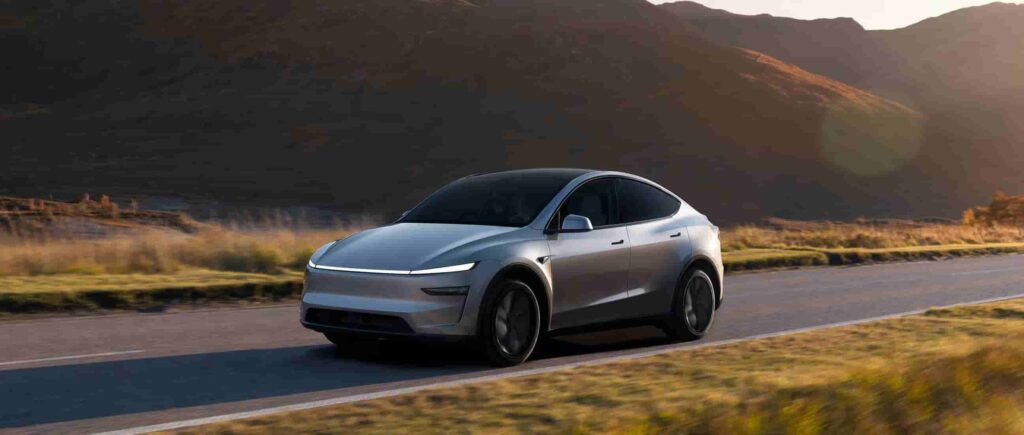
Tesla’s long-anticipated entry into India finally materialised in 2025, marking a significant moment for the country’s evolving electric vehicle (EV) ecosystem. After years of discussions around import duties, localisation, and policy frameworks, the company adopted a measured, retail-first approach, choosing to test the market before committing to large-scale manufacturing.A Strategic Entry into a Price-Sensitive MarketTesla officially began its India journey with the launch of the Model Y, positioning it in the premium electric SUV segment. However, unlike other automakers that localised production early, Tesla opted to import vehicles as completely built units (CBUs).This decision has directly impacted pricing. Due to India’s high import duties on electric vehicles, the Model Y has been priced upwards of ₹60 lakh, placing it firmly in the luxury bracket. In a market where the majority of car buyers operate within a much lower price range, Tesla’s initial strategy clearly targets high-net-worth individuals and early adopters rather than the mass market.Retail Expansion Through Experience CentresA defining feature of Tesla’s India entry is its direct-to-consumer retail model, which eliminates traditional dealerships. The company opened its first experience centre in Mumbai’s Bandra-Kurla Complex (BKC), one of the country’s most premium commercial hubs.These experience centres are designed not just as showrooms but as brand spaces, allowing customers to interact with Tesla’s technology, design, and ecosystem. Expansion plans have focused on metro cities such as Delhi and Bengaluru, where demand for premium electric vehicles is relatively higher.Tesla’s retail approach aligns with its global strategy—maintaining control over customer experience while integrating online bookings and minimal physical sales infrastructure.Building the Charging EcosystemRecognising that infrastructure is key to EV adoption, Tesla has also begun laying the groundwork for its charging network in India. The company has introduced its fast-charging Supercharger technology in select urban locations, enabling quicker turnaround times for users.However, the broader challenge remains. India’s EV charging infrastructure is still developing, with uneven availability across regions. While metro cities are gradually improving, range anxiety and accessibility continue to influence customer decisions.Tesla’s approach, therefore, appears incremental—expanding infrastructure in tandem with demand rather than investing aggressively upfront.Early Sales Trends and Market RealityInitial data suggests that Tesla’s entry has generated strong curiosity but limited scale in actual sales.In the months following its launch:The company recorded a few hundred initial ordersBookings crossed the 1,000 mark over timeActual registrations remained relatively low compared to overall EV sales in IndiaThis gap between interest and conversion highlights a key reality: while Tesla enjoys strong brand recall, pricing and infrastructure constraints are slowing adoption.Customer Response: Aspirational Yet CautiousCustomer response to Tesla in India has been a mix of excitement and hesitation.On the positive side, the brand continues to carry significant aspirational value. For many consumers, owning a Tesla is associated with innovation, sustainability, and global status. Demand has been particularly visible in metro cities like Mumbai, Delhi, and Bengaluru, where premium vehicle buyers are more concentrated.At the same time, several concerns have emerged. The high price point remains the biggest barrier, limiting Tesla’s reach to a niche segment. Additionally, buyers are still evaluating practical aspects such as charging convenience, service network availability, and long-term maintenance.As a result, while interest levels remain high, purchase decisions are being made cautiously.Competitive Landscape and Market PositioningTesla’s entry has come at a time when India’s EV market is already witnessing rapid growth, led primarily by domestic and mid-range players.Companies like Tata Motors have established dominance in the affordable EV segment, while brands such as MG Motor and Hyundai are strengthening their presence in the mid-premium category.In this landscape, Tesla currently operates as a luxury niche player, rather than a volume-driven competitor.Policy Environment and the Manufacturing QuestionA critical factor shaping Tesla’s future in India is government policy. The Indian government has introduced incentives for global EV manufacturers, including reduced import duties, provided companies commit to local manufacturing investments.So far, Tesla has not announced a concrete manufacturing facility in India, choosing instead to evaluate market conditions through imports. This decision has kept costs high but allows the company flexibility in its early stages.However, industry experts widely agree that local manufacturing will be essential for Tesla to scale meaningfully in India.The Road AheadTesla’s India journey is still in its early phase. Its current strategy reflects caution—focusing on brand establishment, limited retail expansion, and gradual infrastructure development.Going forward, the company’s growth will depend on several key factors:Introduction of more affordable modelsExpansion of charging infrastructureStrengthening of after-sales and service networksClarity on local manufacturing plansConclusionTesla’s entry into India has been significant, not for its immediate scale but for its symbolic and strategic impact on the EV ecosystem. It has reinforced the premium electric vehicle segment and contributed to increasing consumer awareness around EV technology.However, the initial response also underlines the realities of the Indian market—price sensitivity, infrastructure gaps, and strong domestic competition.For now, Tesla remains an aspirational brand with limited reach. Whether it can transition into a mainstream player will depend on how effectively it adapts to India’s unique market dynamics in the coming years.
Yamaha XSR 155 Price Increased and New Colours Introduced
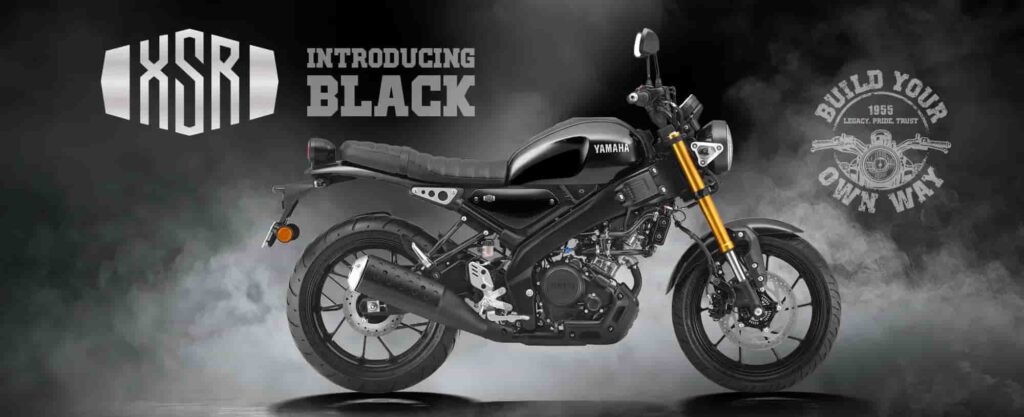
The neo-retro motorcycle segment in India has been gaining popularity among young riders and enthusiasts who seek a blend of classic styling and modern performance. Strengthening its position in this category, Yamaha has revised the pricing of its modern-retro roadster Yamaha XSR 155 while also introducing a new colour option for the model in India.The update comes only a few months after the motorcycle’s launch in the Indian market. With the revision, the pricing of the bike now varies depending on the colour option selected, marking a shift from the earlier uniform pricing across all variants. Along with the price increase, Yamaha has also expanded the colour lineup with a new Metallic Black shade, giving customers more choices in terms of styling.Price Revision of Yamaha XSR 155When the Yamaha XSR 155 was initially launched in India, all colour variants were priced uniformly at ₹1,49,990 (ex-showroom, Delhi). However, the company has now revised the pricing structure, resulting in different prices depending on the chosen colour scheme.The revised price list is as follows:Colour VariantNew Price (Ex-Showroom Delhi)Price IncreaseMetallic Blue₹1,49,990No changeVivid Red₹1,52,990₹3,000Metallic Grey₹1,56,990₹7,000Greyish Green Metallic₹1,58,990₹9,000Metallic Black (New)₹1,58,990New colourAmong the available options, Metallic Blue remains the most affordable variant, while the Greyish Green Metallic and the newly introduced Metallic Black sit at the top of the price range.The highest price increase in the updated lineup is ₹9,000, which applies to the Greyish Green Metallic variant.Introduction of the New Metallic Black ColourOne of the major highlights of the update is the introduction of a Metallic Black colour scheme, which was previously absent in the XSR 155’s colour lineup. With this addition, the motorcycle is now available in five colour options in India.The new Metallic Black variant features an all-black finish across the fuel tank, body panels, and other components, giving the bike a more aggressive and premium appearance. The darker colour scheme is complemented by subtle branding and design elements that highlight the retro-modern character of the motorcycle.Interestingly, the Metallic Black version also features gold-finished upside-down front forks, similar to the Metallic Blue variant. These gold forks create a strong visual contrast with the black bodywork, further enhancing the bike’s premium aesthetic.This colour option has been introduced largely in response to customer demand, as many riders had expressed interest in a darker, more understated variant of the motorcycle.Design and StylingThe Yamaha XSR 155 is known for its neo-retro styling, which combines vintage design elements with modern engineering. The motorcycle follows Yamaha’s “Faster Sons” design philosophy, inspired by classic bikes from the brand’s heritage lineup.Some of the key design highlights include:Round LED headlampSculpted teardrop-shaped fuel tankMinimalistic body panelsSingle-piece tuck-and-roll seatRetro-inspired side panelsModern alloy wheels and LED lightingThese elements allow the XSR 155 to maintain a classic roadster appearance while incorporating modern performance features.Engine and PerformanceDespite the pricing revision and new colour addition, Yamaha has not introduced any mechanical changes to the motorcycle. The XSR 155 continues to be powered by the same engine and hardware that it debuted with in India.The motorcycle is equipped with a 155cc liquid-cooled single-cylinder engine featuring Yamaha’s Variable Valve Actuation (VVA) technology. The engine produces 18.1 bhp of power and 14.2 Nm of peak torque, paired with a six-speed gearbox and assist-and-slipper clutch.This engine setup is derived from the same platform used in Yamaha’s popular performance models such as the R15 and MT-15.Features and HardwareThe XSR 155 is equipped with several modern features that complement its retro styling. Some of the key hardware and technological features include:Deltabox frame for improved stabilityUpside-down (USD) front forksRear monoshock suspensionFront and rear disc brakes with dual-channel ABSLED lighting systemDigital instrument consoleBluetooth connectivity supportAssist and slipper clutchThe motorcycle weighs approximately 137 kg and features a 10-litre fuel tank, making it suitable for both city riding and occasional long-distance touring.Market Position and CompetitionThe Yamaha XSR 155 occupies a unique position in India’s motorcycle market as a modern-retro roadster in the 150-160cc category. It appeals to riders who want the styling of classic motorcycles without compromising on modern performance and reliability.While it does not have a direct competitor in the same segment, it competes indirectly with motorcycles such as:Retro-styled roadsters in the entry-level segmentLightweight performance bikes in the 150-200cc categoryIts closest competitors include models in the lifestyle roadster segment, where design, brand identity, and riding experience play a major role in purchase decisions.SummaryThe latest update to the Yamaha XSR 155 brings two key changes for the Indian market: a price revision across several colour variants and the introduction of a new Metallic Black colour scheme. The updated pricing now ranges from ₹1.49 lakh to ₹1.58 lakh (ex-showroom) depending on the colour chosen.While the motorcycle remains mechanically unchanged, the addition of the new colour and revised pricing structure provides buyers with more styling options while maintaining the bike’s modern-retro appeal. With its distinctive design, reliable engine platform, and premium styling elements, the XSR 155 continues to strengthen Yamaha’s presence in India’s growing neo-retro motorcycle segment.
Mercedes-Benz Launches V-Class Luxury MPV in India
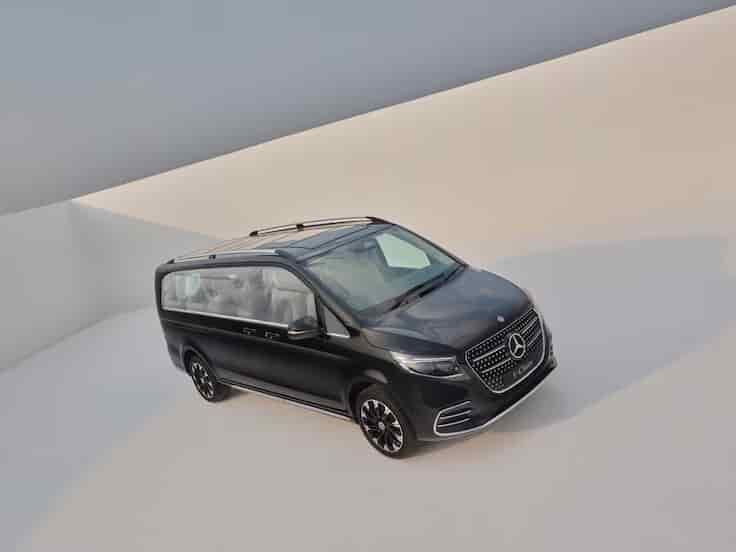
German luxury carmaker Mercedes-Benz has officially launched the Mercedes-Benz V-Class luxury MPV in India at a starting price of ₹1.40 crore (ex-showroom). The vehicle marks the return of the V-Class to the Indian market after a gap of nearly four years, strengthening the company’s presence in the premium multi-purpose vehicle segment.The V-Class is designed primarily as a high-end chauffeur-driven vehicle that combines the practicality of an MPV with the comfort and luxury typically associated with executive sedans. With spacious interiors, advanced technology, and powerful engine options, the vehicle targets business executives, celebrities, and large families seeking premium travel experiences.Price and AvailabilityThe newly launched V-Class is priced at ₹1.40 crore (ex-showroom) for both petrol and diesel variants in India. The model will be offered in a single, well-equipped trim level, and bookings have already begun across Mercedes-Benz dealerships nationwide. Deliveries are expected to start by the end of March 2026.The luxury MPV will be locally assembled at Mercedes-Benz’s Chakan manufacturing facility in Pune, which helps the company maintain competitive pricing in the premium segment.With this launch, Mercedes-Benz aims to capture a share of India’s growing luxury MPV market.Exterior Design and DimensionsThe V-Class features a bold and sophisticated exterior design that reflects Mercedes-Benz’s modern styling language. The front fascia includes a large illuminated grille with the iconic three-pointed star emblem, complemented by sleek LED headlamps and sporty AMG-line bumpers.The vehicle is notable for its large dimensions, which translate into a highly spacious cabin. Key measurements include:Length: 5140 mmWidth: 1928 mmHeight: 1880 mmWheelbase: 3430 mmThese proportions give the MPV a strong road presence while ensuring generous legroom and comfort for passengers, particularly in the rear rows.The V-Class also features 18-inch alloy wheels, chrome detailing, roof rails, and electric sliding doors, all of which enhance both functionality and visual appeal.Interior and Luxury FeaturesOne of the biggest highlights of the V-Class is its premium interior. Designed to resemble a luxury lounge on wheels, the cabin offers exceptional comfort and flexibility.The MPV is available in four-seat and six-seat seating configurations, allowing buyers to customize the layout according to their needs. The second and third rows can also be rearranged to create different seating arrangements.Key interior features include:Dual 12.3-inch digital displays for infotainment and instrumentationPremium Burmester sound system64-colour ambient lightingThree-zone automatic climate controlWireless smartphone connectivity and chargingPowered and ventilated seatsPremium leather upholsteryRear climate vents and window blindsThe cabin is available in two interior colour themes—black and a dual-tone black-and-beige combination—further enhancing its premium feel.Engine and PerformanceThe V-Class is offered with two engine options in India, providing customers with both petrol and diesel choices.The petrol variant is powered by a 2.0-litre turbocharged engine producing around 228–248 bhp, while the diesel version features a 2.0-litre turbo-diesel engine generating approximately 233 bhp. Both engines are paired with a 9-speed automatic transmission for smooth and refined performance.The addition of a petrol engine marks a significant update compared to earlier versions of the V-Class sold in India.Technology and SafetyThe luxury MPV is equipped with a wide range of advanced technology and safety features designed to enhance both comfort and security.Important safety and driver-assistance features include:Multiple airbags360-degree camera systemAdaptive driver assistance systemsAdvanced braking systemsElectronic stability controlThese features ensure that the V-Class meets modern safety standards while offering a smooth and secure driving experience.Colour OptionsThe V-Class is offered in five exterior colour options, allowing buyers to choose from a range of sophisticated finishes. The available shades include:Sodalite BlueObsidian BlackRock Crystal WhiteHigh-Tech SilverAlpine GreyThese colour choices reflect the vehicle’s premium positioning and appeal to customers seeking elegant styling.Competition in the Luxury MPV SegmentWith the launch of the V-Class, Mercedes-Benz has re-entered India’s luxury MPV segment. The vehicle competes with other high-end people movers such as:Toyota VellfireLexus LMMG M9These models cater to customers who prioritize comfort, space, and premium features over traditional sedan or SUV designs.Growing Demand for Luxury MPVs in IndiaThe launch of the V-Class reflects the increasing demand for luxury MPVs in India. Many affluent buyers now prefer spacious vehicles that offer lounge-like seating arrangements and chauffeur-driven comfort.Luxury MPVs are particularly popular among corporate executives, celebrities, and large families who require both space and premium amenities for long-distance travel.By bringing back the V-Class, Mercedes-Benz aims to capitalize on this growing market and expand its presence in India’s premium automotive segment.SummaryThe launch of the Mercedes-Benz V-Class at ₹1.40 crore marks the brand’s return to the luxury MPV segment in India. With its spacious cabin, high-end technology, powerful engine options, and premium interior features, the V-Class is designed to deliver an executive-level travel experience.Locally assembled in Pune and offered with both petrol and diesel engines, the luxury MPV competes with vehicles such as the Toyota Vellfire and Lexus LM. With increasing demand for chauffeur-driven luxury vehicles in India, the V-Class is expected to strengthen Mercedes-Benz’s position in the country’s high-end automotive market.
Nissan Introduces ‘Gravite’ Edition, Reinforces Push in India’s Compact SUV Segment
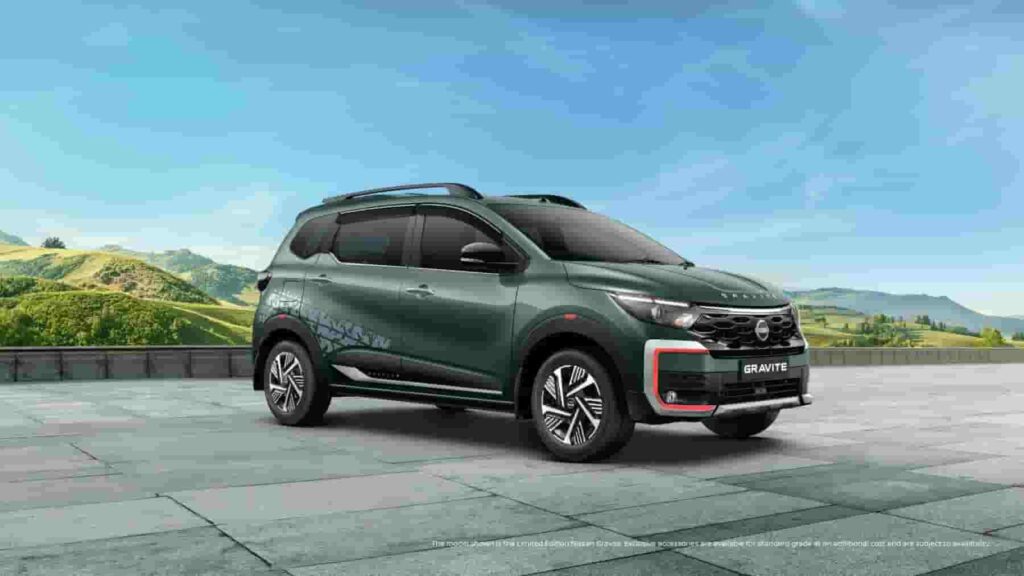
Image: Nissan IndiaNissan has introduced the Gravite as part of its India product strategy, signalling a renewed focus on strengthening its presence in the highly competitive compact SUV space. The launch comes at a time when demand for compact, feature-rich urban SUVs continues to outpace other passenger vehicle segments, driven by younger buyers and first-time car owners upgrading from hatchbacks.The Gravite has been positioned as a newly introduced edition rather than an entirely new nameplate, aligning with Nissan’s approach of refreshing and repackaging its offerings to remain competitive without altering the underlying platform. Company officials have indicated that the edition is aimed at enhancing visual appeal, perceived premiumness and feature value, while retaining the mechanical fundamentals that have already found acceptance in the Indian market.Context of the LaunchNissan’s India portfolio has undergone a gradual recalibration over the past few years, with the company focusing on fewer but more strategically positioned products. The introduction of the Gravite edition is seen as part of this recalibrated approach — offering customers something distinct within an existing framework, while keeping costs and production complexity under control.Industry observers note that such editions are often aimed at sustaining showroom interest and responding to evolving consumer preferences without the risks associated with full model overhauls.Design and PositioningVisually, the Gravite is understood to place emphasis on styling differentiation and interior presentation, elements that increasingly influence purchase decisions in the compact SUV category. The edition is intended to appeal to buyers seeking a more premium look and feel, especially in urban markets where design and brand perception play a significant role.Rather than altering the vehicle’s size, structure or mechanical layout, the focus remains on enhancing desirability through cosmetic and feature-level updates, ensuring the vehicle continues to meet regulatory norms and cost expectations.Powertrain and Mechanical ContinuityFrom a mechanical standpoint, Nissan has retained the existing engine and transmission options associated with its compact SUV lineup. This continuity reflects a broader industry trend, where manufacturers prioritise reliability, fuel efficiency and compliance over frequent mechanical changes, particularly in price-sensitive segments.By maintaining proven powertrain configurations, Nissan is also aiming to reassure customers on long-term ownership costs, service familiarity and resale value.Market Competition and StrategyThe Gravite enters an intensely contested segment dominated by established players from both Indian and global manufacturers. Compact SUVs have emerged as one of the most crowded categories in the passenger vehicle market, with buyers expecting a blend of road presence, technology, comfort and efficiency at competitive price points.Nissan’s strategy with the Gravite appears to be value reinforcement rather than reinvention — sharpening the product’s appeal through targeted updates while leveraging its existing dealer network and manufacturing base.
New Tata Punch EV: What Has Changed, How the Battery Options Work, and Why Tata Is Repositioning Its Entry-Level Electric SUV
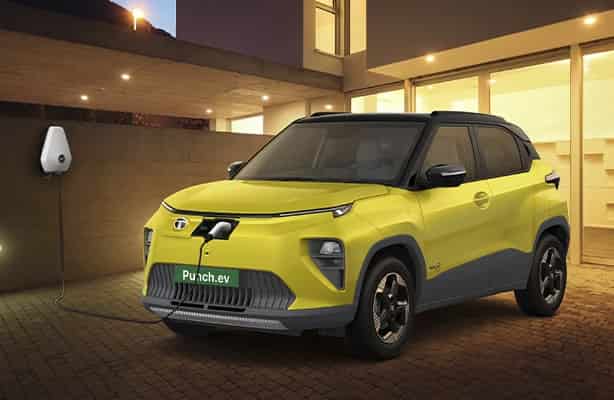
Image: TATA MotorsTata Motors has rolled out an updated version of the Tata Punch EV, strengthening its position in India’s fast-evolving electric vehicle market. The update is not a cosmetic refresh alone; it is part of a broader strategy to make electric mobility more flexible, more affordable at entry, and less intimidating for first-time EV buyers.The Punch EV continues to sit at the entry level of Tata’s electric portfolio, below the Nexon EV, but the latest changes indicate a clear effort to address two persistent concerns among buyers: range anxiety and long-term battery ownership costs.Battery Options Explained: Which Variant Gets WhatA key update in the new Punch EV is the clearer separation of battery options across variants, allowing buyers to choose based on usage rather than paying for excess capacity upfront.The model is offered with two battery pack choices:A smaller battery pack, aimed primarily at city users with predictable daily commutes.A larger battery pack, intended for buyers who want extended real-world range and greater flexibility for longer drives.Each battery option is tied to specific variants rather than being freely configurable. This helps Tata streamline pricing while guiding buyers toward a battery size that realistically matches their needs. The smaller battery is positioned as a practical urban solution, while the larger pack targets customers transitioning fully away from internal combustion vehicles.Range, Performance and Urban FocusWhile Tata continues to quote competitive certified range figures, the company’s emphasis with the Punch EV remains on real-world usability rather than headline numbers. The vehicle is engineered for:Daily city commutesStop-start traffic efficiencyPredictable charging cyclesThe electric motor output and tuning are designed to prioritise smooth acceleration and ease of driving rather than outright performance, aligning with the Punch EV’s role as an everyday compact SUV.Design Updates and Cabin ChangesVisually, the updated Punch EV receives subtle exterior revisions rather than a complete redesign. The front fascia, lighting elements and alloy wheel designs have been refreshed to align with Tata’s newer EV design language, giving the car a slightly more premium and contemporary look without altering its familiar proportions.Inside the cabin, the focus is on technology and ease of use. Updates include:A larger touchscreen infotainment system in higher variantsAn improved digital instrument clusterConnected-car features that allow users to monitor vehicle status remotelyThe cabin layout continues to emphasise space efficiency, upright seating and practicality, which have been strong selling points of the Punch platform.Lifetime Battery Warranty: Addressing Long-Term EV AnxietyOne of the most significant announcements with the new Punch EV is the introduction of a lifetime battery warranty under Tata’s Battery Assurance and Support System (BAAS).This move directly addresses concerns around:Battery degradation over timeReplacement costs after warranty expiryResale value of electric vehiclesBy offering long-term battery coverage, Tata Motors is attempting to reduce psychological barriers for buyers who are hesitant about EV ownership beyond the first few years.Dual Loan Scheme: How It WorksTo further improve affordability, Tata has introduced a dual-loan financing structure. Under this system:One loan covers the vehicle excluding the batteryA second, separate loan is taken for the battery packThis structure lowers the initial loan amount for the car itself and can result in reduced monthly EMIs, especially for buyers opting for the larger battery. It also provides flexibility for future financing and ownership decisions.Market Positioning and CompetitionThe Punch EV operates in a highly competitive and rapidly expanding segment. Tata Motors already leads India’s EV market, and the updated Punch EV is designed to:Attract first-time EV buyersServe as a second car for urban householdsOffer a safer and more robust alternative to smaller city EVsIts closest competition comes from compact electric offerings and upcoming entry-level EVs, but Tata’s advantage lies in its charging ecosystem, brand trust, and after-sales network.Why the Updated Punch EV MattersThe changes to the Punch EV reflect a broader shift in India’s EV market. Buyers are no longer asking only about range; they are asking about ownership clarity, long-term costs, and reliability. By restructuring battery options, offering lifetime warranty coverage and introducing flexible financing, Tata Motors is redefining what an entry-level electric SUV can offer.The Punch EV is no longer positioned merely as the cheapest way into Tata’s EV lineup. Instead, it is being presented as a thoughtfully engineered, long-term urban mobility solution.
Maruti Suzuki e-Vitara Launched: India’s EV Game-Changer Hits Roads at ₹10.99 Lakh BaaS
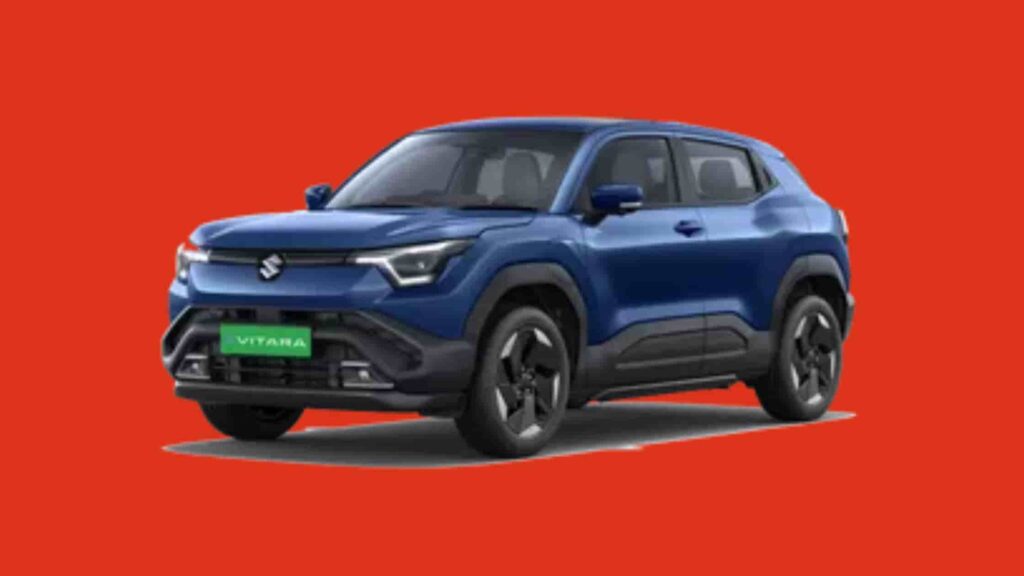
Maruti Suzuki, India’s top carmaker, has electrified the SUV segment with the e Vitara launch, deliveries underway at an introductory Battery-as-a-Service (BaaS) price of ₹10.99 lakh + ₹3.99/km battery EMI (49kWh Delta trim), undercutting rivals like Tata Curvv EV and Mahindra BE 6 while offering up to 543km range.Pricing & Ownership RevolutionBookings from ₹21,000 open now (full list pending); offers valid till March 31, 2026. BaaS splits costs (dual-loan), with e Flex matching existing EMI for upgrades. Assured buybacks shine:3-yr/45,000km: 60% value4-yr/60,000km: 50% valueTrims: Delta (49kWh, 440km ARAI), Zeta/Alpha (61kWh, 543km). WLTP: 344-461km real-world.Powertrain & PerformanceMaruti Suzuki e-Vitara packs two LFP battery options and efficient motors into its HEARTECT-e platform, delivering strong performance for urban and highway EV duties.HEARTECT-e platform (60%+ high-tensile steel) with LFP packs:49kWh: 142hp FWD, 189Nm61kWh: 172hp FWD/300Nm 4WD (ALLGRIP-e)Motor & DrivetrainPermanent Magnet Synchronous Motors (PMSM) with integrated eAxle:49kWh FWD: 142hp (105.8kW), 193Nm torque.61kWh FWD: 172-174hp (128kW), 193Nm.61kWh ALLGRIP-e AWD: Dual motors (~181hp total), up to 300Nm, grip for monsoons/hills.Top speed: 160kmph; 0-100kmph ~9 secs (tested). Regen braking, single-speed auto gearbox ensures smooth one-pedal efficiency; 5-star Bharat NCAP body shields packs.Safety & Features Standouts5-star Bharat NCAP with Level-2 ADAS (AEB, Lane Keep, Adaptive Cruise, Blind Spot), 7 airbags (knee incl.), Suzuki Connect (60+ features). Dual 10.1-inch screens, ventilated seats, panoramic sunroof, 18-inch alloys, 10 colors (4 dual-tone).Ecosystem Edge: NEXA Exclusives1,500+ EV-ready centers, trained managers.₹250 cr investment for 1L chargers by 2030.8-yr/1.6L km battery warranty; 3-yr vehicle (extend to 8 yrs).Delhi-Chandigarh: 63 chargers demo range confidence.Exports: 13,000 units to 28 countries post-Aug 2025 Gujarat plant ramp-up (Toyota collab).Competitive PositioningMaruti eyes mass EV adoption amid 2% market share (Jan 2026 debut post-Auto Expo 2025 eVX concept). Vs Hyundai Creta EV/MG Windsor: BaaS affordability, vast network win for first-timers. CEO Hisashi Takeuchi: “e Vitara mirrors Maruti reliability for EV peace-of-mind.” Book at NEXA; expect 50,000+ annual sales, scaling India’s green shift.