
Image: Nissan India
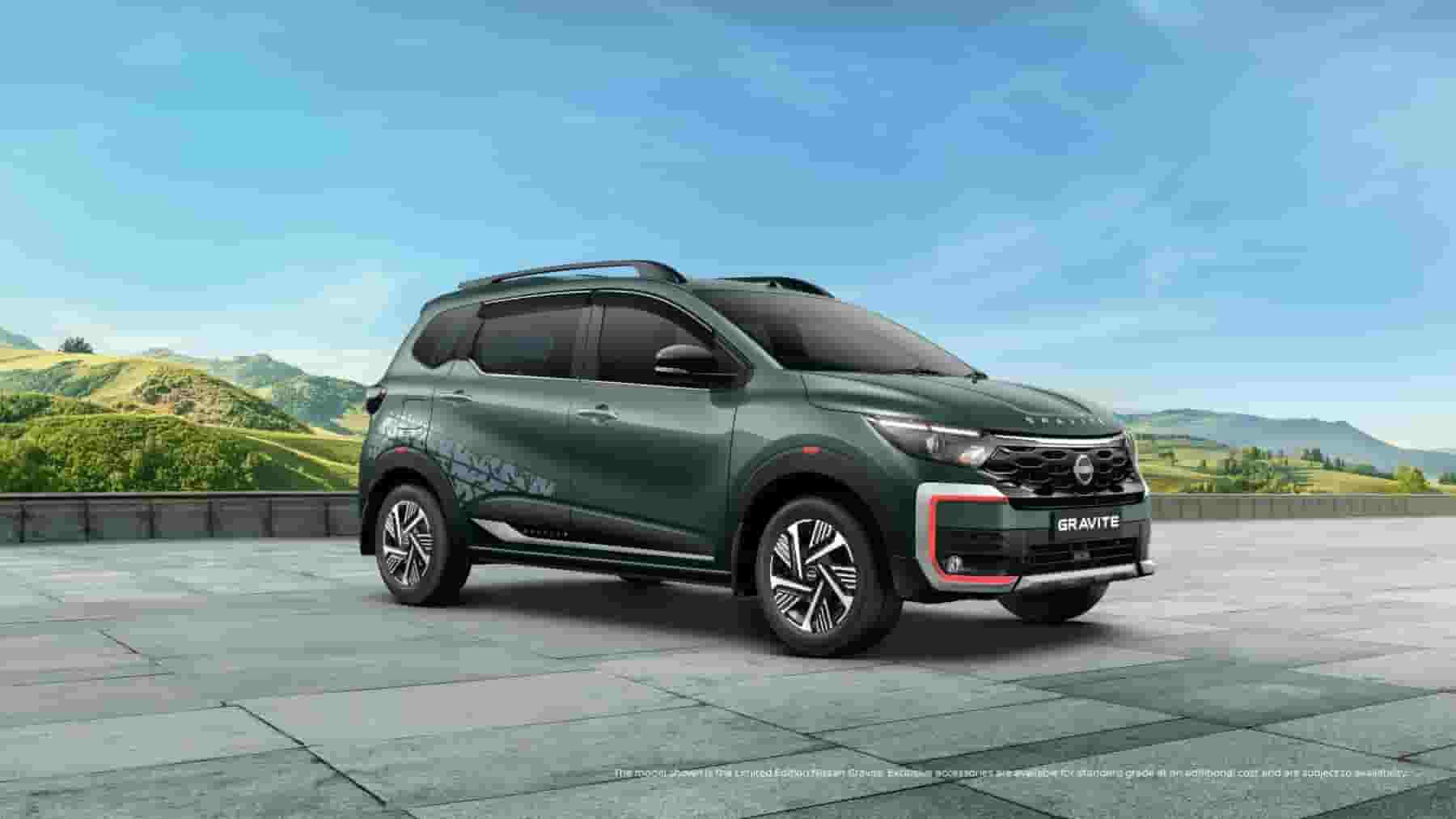
Nissan has introduced the Gravite as part of its India product strategy, signalling a renewed focus on strengthening its presence in the highly competitive compact SUV space. The launch comes at a time when demand for compact, feature-rich urban SUVs continues to outpace other passenger vehicle segments, driven by younger buyers and first-time car owners upgrading from hatchbacks.
The Gravite has been positioned as a newly introduced edition rather than an entirely new nameplate, aligning with Nissan’s approach of refreshing and repackaging its offerings to remain competitive without altering the underlying platform. Company officials have indicated that the edition is aimed at enhancing visual appeal, perceived premiumness and feature value, while retaining the mechanical fundamentals that have already found acceptance in the Indian market.
Context of the Launch
Nissan’s India portfolio has undergone a gradual recalibration over the past few years, with the company focusing on fewer but more strategically positioned products. The introduction of the Gravite edition is seen as part of this recalibrated approach — offering customers something distinct within an existing framework, while keeping costs and production complexity under control.
Industry observers note that such editions are often aimed at sustaining showroom interest and responding to evolving consumer preferences without the risks associated with full model overhauls.
Design and Positioning
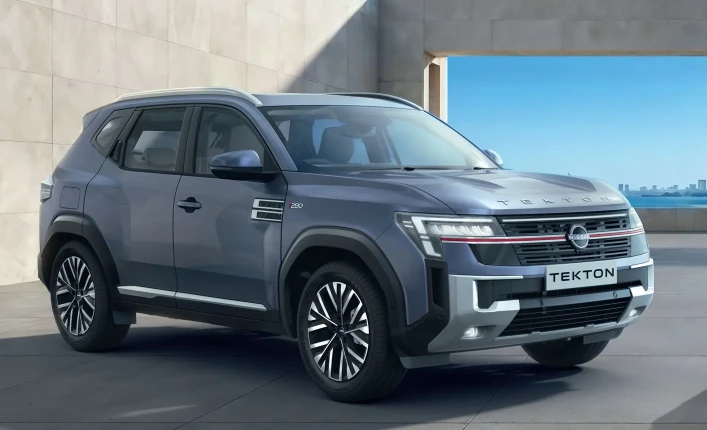
Visually, the Gravite is understood to place emphasis on styling differentiation and interior presentation, elements that increasingly influence purchase decisions in the compact SUV category. The edition is intended to appeal to buyers seeking a more premium look and feel, especially in urban markets where design and brand perception play a significant role.
Rather than altering the vehicle’s size, structure or mechanical layout, the focus remains on enhancing desirability through cosmetic and feature-level updates, ensuring the vehicle continues to meet regulatory norms and cost expectations.
Powertrain and Mechanical Continuity
From a mechanical standpoint, Nissan has retained the existing engine and transmission options associated with its compact SUV lineup. This continuity reflects a broader industry trend, where manufacturers prioritise reliability, fuel efficiency and compliance over frequent mechanical changes, particularly in price-sensitive segments.
By maintaining proven powertrain configurations, Nissan is also aiming to reassure customers on long-term ownership costs, service familiarity and resale value.
Market Competition and Strategy
The Gravite enters an intensely contested segment dominated by established players from both Indian and global manufacturers. Compact SUVs have emerged as one of the most crowded categories in the passenger vehicle market, with buyers expecting a blend of road presence, technology, comfort and efficiency at competitive price points.