


Sergio Gor Takes Charge as U.S. Ambassador to India: What His Appointment Means for India-US Trade Relations
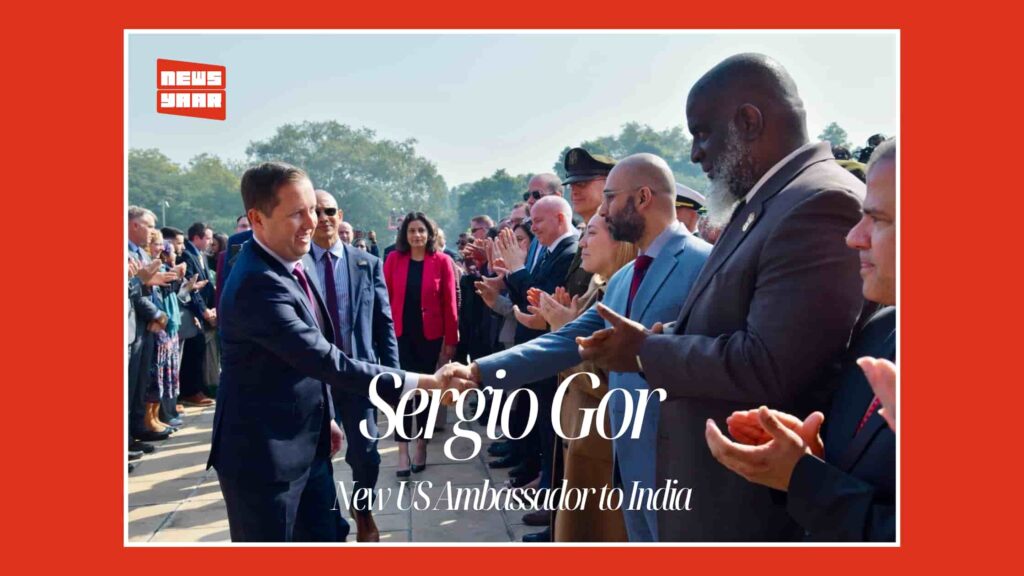
Sergio Gor formally assumed his role as the United States Ambassador to India on Monday, signalling a fresh chapter in the bilateral relationship between the two democracies.Gor, a close associate of U.S. President Donald Trump, addressed the press ahead of taking office and outlined his vision for strengthening cooperation between Washington and New Delhi.Ambassador Gor’s appointment comes at a time when diplomatic ties between India and the United States have faced several challenges, from disagreements over trade to tensions related to global geopolitical issues. Yet his arrival has sparked cautious optimism among policymakers and analysts on both sides of the aisle.A Personal Message of Partnership and CollaborationIn his public remarks upon taking charge, Ambassador Gor underscored India’s importance to the United States. He stated that no country is more “essential” to American strategic interests than India, highlighting shared values and mutual goals in areas like trade, security, technology, and regional stability.Gor also referenced the strong personal rapport between President Trump and Prime Minister Narendra Modi, describing their friendship as “real” and pivotal for future cooperation. This emphasis on interpersonal diplomacy signals an attempt to soften recent strains and build momentum for collaborative action.Reports indicate that one of Gor’s early initiatives will be to invite India to participate in the Pax Silica initiative, a U.S.-led multilateral forum focused on mineral security and advanced technologies such as artificial intelligence. Participation in this forum could broaden India’s role in global tech and strategic discussions.Trade Talks and Economic ExpectationsEconomists and trade experts have weighed in on the potential impact of Ambassador Gor’s appointment on economic ties. India and the U.S. are actively working on a bilateral trade agreement aimed at reducing tariff barriers and promoting deeper economic engagement.ABC News and Politico Pro reports highlighted that one of the ambassador’s priorities will be expanding trade ties despite ongoing tensions related to Russian oil and global energy dynamics. As such, Gor’s role will not only be diplomatic but also deeply economic.A Reset in Relations?Analysts from The Assam Tribune and ETV Bharat have described Ambassador Gor’s messages as signalling a reset in diplomatic outreach. By stressing mutual respect and partnership, he appears intent on building a stronger, more resilient relationship that can withstand geopolitical pressure.With his first address and public engagements in India, Sergio Gor has laid the groundwork for renewed strategic dialogue. As bilateral initiatives, the world will be watching closely to see how India and the United States navigate their partnership in 2026 and beyond.Video credit: ANI
PM Modi’s Inspiring Speech on National Youth Day at Viksit Bharat Young Leaders Dialogue 2026

PM Modi addresses Young Indians on National Youth Day. It is officially celebrated on 12th January every year.PM delivered the speech on concluding session of Viksit Bharat Young Leaders Dialogue 2026, a public event that was organised especially for the Youths of the nation. Video credit: @Youtube/Narendra Modi
Lohri 2026: What You Need to Know About Punjab’s Lohri
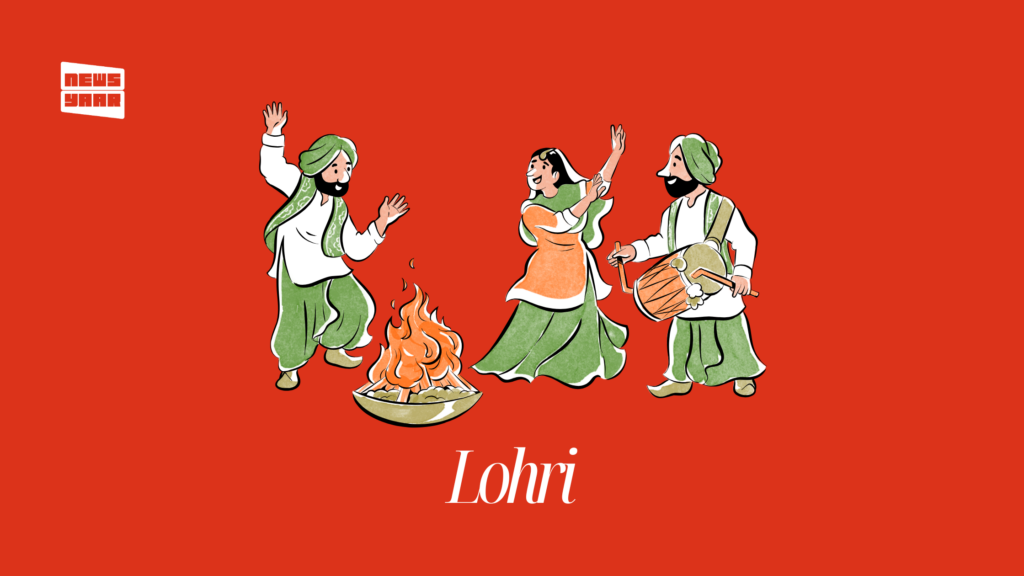
Lohri is one of the most vibrant and culturally rich festivals of North India, especially celebrated with great enthusiasm in Punjab, Haryana, Himachal Pradesh, and parts of Delhi.Observed every year on January 13, Lohri marks the end of winter and the arrival of longer days. Deeply rooted in Punjabi traditions, the festival is a celebration of warmth, harvest, community bonding, and gratitude. Why is Lohri celebrated? Lohri is closely associated with the harvest of rabi crops, particularly sugarcane and wheat. For farmers, it is a time to thank nature for a good harvest and pray for prosperity in the coming season.The festival also coincides with the solar movement before Makar Sankranti, symbolising the transition from cold, dark days to brighter and warmer times.Historically, Lohri is linked to folklore and legends, most notably the tale of Dulla Bhatti, remembered for helping young girls during difficult times. Folk songs sung around the bonfire often mention his bravery, keeping oral traditions alive across generations. The Bonfire: Heart of Lohri Celebrations The bonfire is the centrepiece of Lohri celebrations. Families and communities gather around it in the evening, offering rewri, gajak, peanuts, popcorn, and til to the fire. This ritual symbolises gratitude to the Sun God and the elements of nature.People walk around the fire, sing traditional songs, and offer prayers for happiness, good health, and abundance. The warmth of the fire reflects the spirit of togetherness that defines Lohri. Punjabi Traditions and Cultural Celebrations Lohri is incomplete without Punjabi folk music and dance. Men perform bhangra, while women dance gidda, dressed in colourful traditional attire. The beats of the dhol set the mood for celebration, turning villages and cities into lively cultural spaces.The festival holds special significance for newlyweds and newborns, as their first Lohri is celebrated with extra joy and rituals, symbolising new beginnings and blessings. More Than a Festival Lohri is more than just a seasonal celebration; it is a reflection of Punjabi identity, resilience, and joy. It brings people together, strengthens social bonds, and keeps cultural heritage alive in a rapidly modernising world.As Lohri approaches, the festival continues to remind communities of the importance of gratitude, unity, and celebrating life’s simple joys.
Makar Sankranti 2026: Know the Importance of the Festival
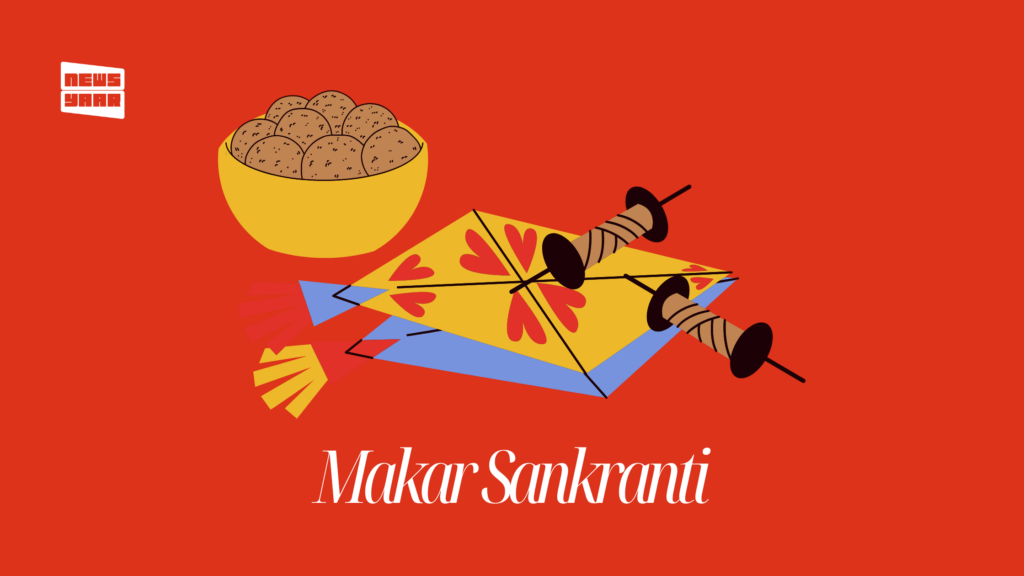
Makar Sankranti, one of India’s most widely celebrated harvest festivals, will be observed on January 14, 2026.Unlike many Hindu festivals that follow the lunar calendar, Makar Sankranti is based on the solar cycle, making its date largely fixed every year. The festival marks a significant event and holds deep cultural, spiritual, and agricultural importance across the country. Why Makar Sankranti Is Celebrated? Makar Sankranti signifies the Sun’s transition into the zodiac sign Capricorn (Makara). This movement marks the beginning of Uttarayan, the sun’s northward journey, which is considered highly auspicious in Hindu tradition.According to ancient beliefs, the period of Uttarayan symbolises light, positivity, and spiritual progress, while the previous phase, Dakshinayan, is associated with darkness and inactivity.The festival also marks the end of the winter solstice and the gradual lengthening of days, bringing warmth and renewed energy. Farmers across India celebrate it as a harvest festival, thanking nature for its bounty and welcoming a new agricultural cycle. Cultural Significance Across India Makar Sankranti is celebrated under different names in different regions, reflecting India’s cultural diversity.In Punjab, it is celebrated as Lohri, marked by bonfires and folk songs. Tamil Nadu observes it as Pongal, a four-day harvest festival. In Assam, it is known as Magh Bihu, while Gujarat celebrates with vibrant kite-flying festivals that fill the sky with colour.Despite regional variations, the essence of the festival remains the same: gratitude, renewal, and togetherness. Rituals and Traditions One of the most common rituals associated with Makar Sankranti is taking a holy dip in rivers such as the Ganga, Yamuna, and Godavari. It is believed that bathing on this day cleanses sins and brings spiritual merit.Another key tradition is the exchange of til (sesame) and jaggery sweets, symbolising unity, warmth, and harmony. The phrase “til-gud ghya ani god-god bola” reflects the spirit of speaking kindly and maintaining sweet relationships. Spiritual and Health Importance Makar Sankranti is not only spiritually significant but also aligned with seasonal health practices. Sesame seeds and jaggery, commonly consumed during this time, help generate warmth in the body and strengthen immunity during winter.Spiritually, the festival encourages people to move away from negativity and embrace discipline, charity, and self-reflection. Donating food, clothes, and essentials to the needy is considered highly auspicious. A Festival of Hope and Positivity As Makar Sankranti 2026 approaches, the festival serves as a reminder of the balance between nature, faith, and human life.It celebrates new beginnings, collective joy, and the timeless bond between tradition and daily living, making it one of the most meaningful festivals in India’s cultural calendar.
Historic Army Day Parade in Jaipur: A Public Spectacle of Pride

Jaipur is up for a historic celebration as the 78th Army Day Parade & is set to take place on January 15, 2026.The event along Mahal Road in Jagatpura is one of the most inclusive tributes to the Indian Army.Army Day is observed every year on January 15 to honour Field Marshal Kodandera M. Cariappa, who became the first Indian Commander-in-Chief of the Indian Army in 1949 following independence.A Parade Like Never BeforeAuthorities have organised open rehearsals on January 9, 11, and 13, allowing thousands of residents to witness military precision, disciplined marching contingents, and displays of modern weapons well ahead of the main parade.Public enthusiasm has been palpable, with crowds gathering early along Mahal Road to watch tanks, missile systems, and advanced defence technologies.Patriotism on DisplayOfficials have emphasised the parade’s role in reinforcing civil-military harmony and national pride. Thousands of audiences, including school and college students, women’s groups, ex-servicemen, and families, are expected to attend under a registration system implemented by the Rajasthan government.The excitement has translated into public participation during rehearsals, with residents capturing performances on mobile phones and cheering the march-past and military bands. More Than a Parade: The Final InsightsAlongside the main event, Jaipur will host a variety of complementary programs, including a “Know Your Army” exhibition, which showcases armoured vehicles, missile systems, and interactive displays aimed at deepening public awareness of India’s defence forces.A special evening event, Shaurya Sandhya 2026, featuring cultural performances, light and sound shows, and a tribute to families of martyrs, will take place as part of the broader celebration.The 78th Army Day Parade stands as a celebration of military tradition and discipline, but also as a powerful symbol of national unity, pride, and collective respect for the service of the Indian Army.Video credit: DD News
Mahindra XUV 7XO Debut Launch: What do we know?

Mahindra & Mahindra has officially launched the Mahindra XUV 7XO in India, marking a significant update to its popular mid-size SUV lineup. Positioned as the modern successor to the long-running XUV700 nameplate, the new 7XO blends refreshed design, advanced technology, and enhanced comfort to meet growing customer expectations in the highly competitive SUV segment.Priced from around ₹13.66 lakh (ex-showroom), the XUV 7XO aims to deliver premium SUV experiences at an accessible price point. Early bookings opened recently, with select high-end variants scheduled to begin deliveries in mid-January 2026 and others expected in the first quarter of the year.Design, Comfort, and Premium FeaturesOne of the most noticeable upgrades in the XUV 7XO is its triple-screen cabin layout, which includes separate displays for the driver, central infotainment, and front passenger. This bold interior move signals Mahindra’s push toward a more connected and tech-rich environment, rivaling offerings in both compact and mid-size segments.The SUV also boasts several premium creature comforts, such as ventilated seats, a panoramic sunroof, wireless charging, and a 16-speaker Harman Kardon audio system with immersive sound. Exterior enhancements include modern LED lighting, refreshed grille styling, and connected taillights that give the 7XO a more contemporary and assertive road presence. Performance and SafetyUnder the hood, the XUV 7XO continues with proven engine options, including a 2.0-litre turbo petrol unit (around 200 hp) and a 2.2-litre diesel engine (about 185 hp). Both engines are offered with manual and automatic options, while the diesel variant can be had with all-wheel drive, a feature appreciated by SUV buyers seeking versatility.Safety features have also been elevated, with Level 2 Advanced Driver Assistance Systems (ADAS), including lane-keeping assist and adaptive cruise control, as standard or optional depending on the variant. The inclusion of a 540-degree camera system enhances parking and off-road confidence, while a 5-star safety rating reinforces Mahindra’s commitment to occupant protection. Market Position and OutlookWith the launch of the XUV 7XO, Mahindra is doubling down on its SUV leadership in India, blending affordability with premium technology and comfort. The new SUV looks set to rival key competitors such as the Tata Safari, MG Hector, and Hyundai Alcazar, especially among buyers seeking a value-driven yet feature-packed package.In essence, the 7XO represents a major step for Mahindra’s mid-size SUV strategy, modernising one of its best-selling models to meet evolving customer expectations in the fast-growing SUV market.Video credit: Mahindra
Messi gets a Luxury Watch: Anant Ambani Richard Mille Watch Moment Goes Viral Online

In a moment that blended global sport, luxury, and Indian business legacy, Anant Ambani’s reported gift of an ultra-luxury Richard Mille watch to football legend Lionel Messi has set social media and lifestyle circles abuzz.The gesture, understated yet powerful, reflects the growing intersection of sports icons and global elite branding.Lionel Messi, widely regarded as one of the greatest footballers of all time, is no stranger to luxury watches. However, the Richard Mille timepiece gifted to him stands apart, not just for its craftsmanship but also for what it represents. Richard Mille watches are known for their aerospace-grade materials and limited production, making them symbols of exclusivity rather than mere accessories.The watch reportedly belongs to Richard Mille’s ultra-high-end collection, a brand long associated with elite athletes including Rafael Nadal, Lewis Hamilton, and Charles Leclerc.Messi himself has often been seen wearing rare timepieces, but this particular gift has drawn attention due to its association with Anant Ambani, the youngest son of industrialist Mukesh Ambani.Online Reactions to the News Online reactions to the news have been swift and divided, while many admire the elegance of the exchange, others see it as a reflection of how luxury brands and elite personalities operate in a shared ecosystem of influence. Regardless, the moment has undeniably captured attention worldwide.Sources close to the development suggest the gift was a mark of admiration and mutual respect, highlighting Messi’s impact on global sport and his inspirational journey from Rosario to football immortality.The Ambani family has frequently been associated with major international sporting events, athletes, and cultural icons, reinforcing India’s rising presence on the global luxury and influence map.In an era where gestures often speak louder than statements, this exchange between Anant Ambani and Lionel Messi stands as a symbol of global connection, where sport, luxury, and legacy converge seamlessly.
What Happened in Parliament’s Winter Session 2025: Key Takeaways
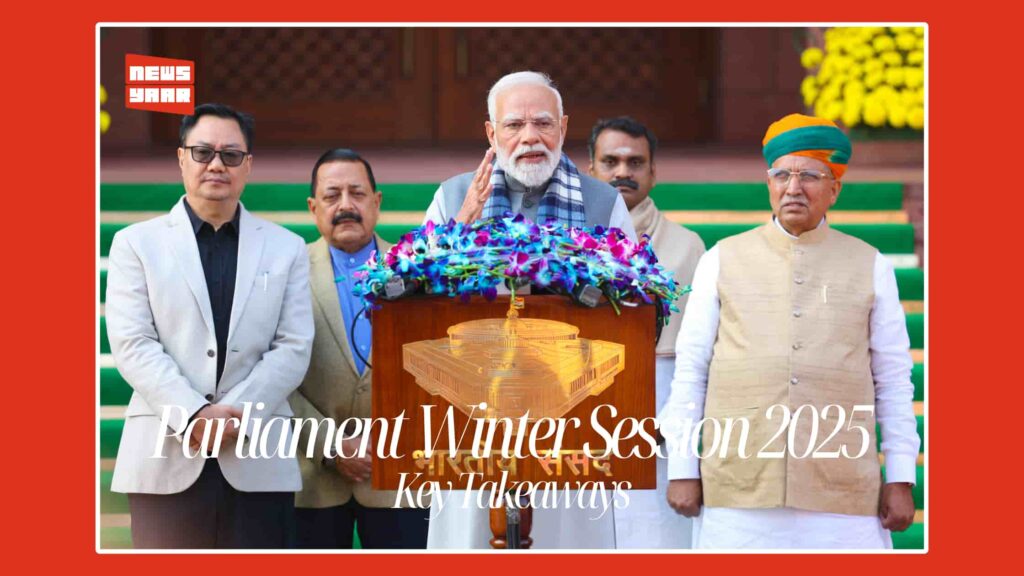
The Winter Session of the Indian Parliament, held from December 1 to December 19, 2025, concluded this week with both Houses, Lok Sabha and Rajya Sabha, adjourned sine die after a packed legislative agenda and spirited debates. Across 15 sittings in each house, lawmakers debated, deliberated, and passed several bills with far-reaching implications for India’s governance, economy, and social fabric. Legislative Activity and Major Bills PassedOne of the most significant outcomes of the session was the passage of eight key bills covering agriculture and rural employment, economic reforms, financial legislation, and sectoral development.At the forefront was the Viksit Bharat Guarantee for Rozgar and Ajeevika Mission (Gramin) Act, 2025, popularly known as the VB-G RAM G Bill. This legislation replaces the two-decade-old MGNREGA framework with a revised rural employment guarantee, offering 125 days of statutory work to eligible rural households and aligning with the government’s Viksit Bharat 2047 goals.Another cornerstone was the Sustainable Harnessing and Advancement of Nuclear Energy for Transforming India (SHANTI) Bill, 2025, which opens up the previously state-controlled civil nuclear sector to private participation and foreign investment, a structural shift in India’s energy policy.The Sabka Bima Sabki Raksha (Amendment of Insurance Laws) Bill, 2025, also gained Parliamentary approval, raising the FDI cap in the insurance sector from 74% to 100% and aiming to attract global capital, deepen insurance penetration, and enhance consumer choice.Other bills passed included the Appropriation (No. 4) Bill, 2025, authorising additional government spending for the current fiscal cycle, and the Repealing and Amending Bill, 2025, which repeals outdated laws and amends several existing statutes to streamline legal frameworks.Taxation adjustments were addressed through the Central Excise (Amendment) Bill, 2025, and the Manipur Goods and Services Tax (Second Amendment) Bill, 2025, while the Health Security and National Security Cess Bill, 2025, sought to replace the compensation cess on pan masala with a broader cess aimed at funding health and security needs. Debates and Political DynamicsThe session saw intense political exchanges. The VB-G RAM G Bill, in particular, sparked opposition protests, with several parliamentarians objecting to the repeal of MGNREGA and the shift in funding arrangements. There were heated interventions in both Houses as lawmakers debated the future of rural employment schemes.Apart from legislative business, members also spotlighted social issues, national song Vande Mataram discussions, and challenges such as air pollution and infrastructure concerns, reflecting Parliament’s role as a platform for diverse public concerns. Session TakeawaysThe 2025 Winter Session underscored the government’s push towards economic reforms, rural employment restructuring, and opening strategic sectors like nuclear energy. Increased insurance sector liberalisation and the repeal of obsolete laws additionally signal a legislative drive toward modernisation.Yet, the session’s political temperature also highlighted the contentious nature of major reforms, with opposition parties raising questions about their socio-economic impacts.As Parliament adjourned, it left behind both substantive legislative change and an ongoing debate on India’s policy priorities in the years ahead.Video credit: Sansad TV
New York Gets Indian-Origin Mayor Zohran Mamdani: A Historic Moment in Global Politics
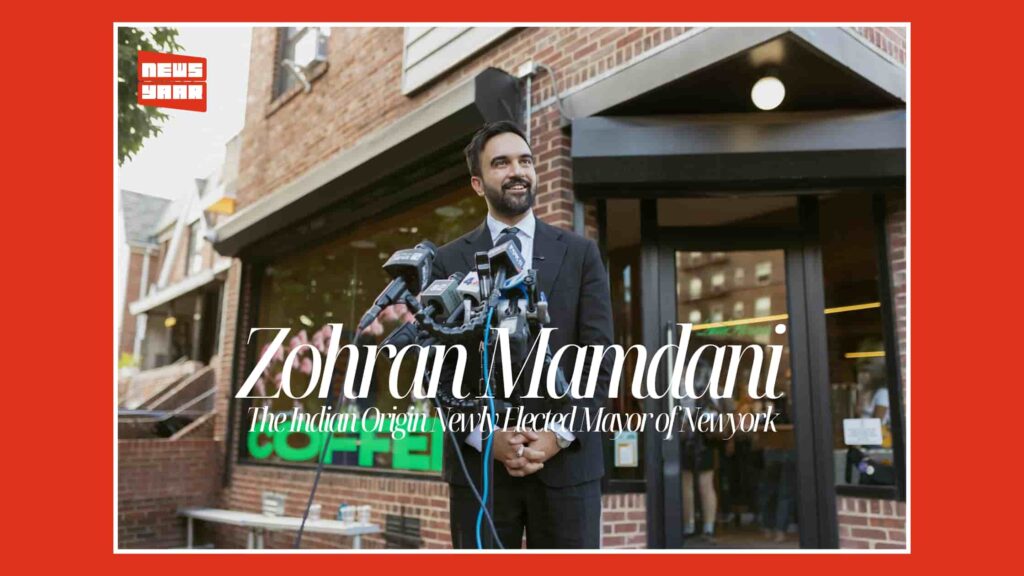
In a historic political shift that has captured international attention, Zohran Kwame Mamdani has been sworn in as the 112th mayor of New York City, becoming the first Indian-origin, South Asian, and Muslim leader to hold the post in one of the world’s most influential cities.Mamdani, aged 34, officially took the oath on January 1, 2026, succeeding Eric Adams after an electrifying election victory in November 2025. His swearing-in ceremony took place in a symbolic location. At this historic Old City Hall subway station, he took the oath on two Qur’ans, including one belonging to his grandfather, highlighting both his faith and multicultural identity.Born in Kampala, Uganda, in 1991 to Indian heritage parents, acclaimed filmmaker Mira Nair and academic Mahmood Mamdani, Zohran moved to the United States as a child and grew up in New York City. He attended top local schools before graduating from Bowdoin College. Mamdani began his political career in the New York State Assembly, representing Queens, and quickly established a reputation as a progressive and community-focused leader.Mamdani’s election is seen as a major milestone for representation and diversity in American politics. As both the first Muslim and first South Asian mayor of New York City, his victory resonates far beyond municipal boundaries, symbolizing how multicultural identities are increasingly shaping the political landscapes of major Western democracies.His campaign platform focused heavily on critical issues such as affordability, public transit, and social infrastructure. Promises included fare-free city buses, universal public childcare, expanded affordable housing, and city-run grocery stores, initiatives aimed at addressing the deep economic challenges facing millions of city residents. Public response to Mamdani’s progressive agenda It turned out to be mixed. While a recent poll showed that a majority of New Yorkers support his democratic socialist policies, concerns remain among some voters about the financial feasibility of his ambitious reforms and potential budget deficits.Cultural celebrations followed his inauguration, including a block party near City Hall and Punjabi music echoing through parts of the city, reflecting pride in his heritage and the diverse identity of New York itself.As Mamdani begins his term, the world watches to see whether his blend of progressive policy, grassroots leadership, and global heritage will chart a new path for urban governance in the 21st century and what his success might mean for emerging leaders from diverse backgrounds.Video credit: Zohran Mamdani’s Youtube
Clascoterone Breakthrough Boosts Hair Growth by Up to 539%, Offering New Hope Against Baldness

After decades of limited progress in male-pattern baldness treatment, new clinical data released this month have generated a wave of optimism in the dermatology and biotech communities.Clascoterone 5% topical solution, developed by Irish-based Cosmo Pharmaceuticals, has shown remarkably strong results in late-stage clinical trials, including up to a 539% relative improvement in hair count compared with placebo in one study.The results, drawn from two identically designed Phase III trials named SCALP-1 and SCALP-2, represent the largest late-stage clinical program ever conducted for a topical hair-loss treatment. Together, these studies enrolled 1,465 men across the United States and Europe with androgenetic alopecia, the most common form of hair loss worldwide.In SCALP-1, participants using clascoterone showed a 5.39-fold (539%) relative increase in target-area hair count compared with those receiving a placebo vehicle. The second trial demonstrated a 1.68-fold (168%) improvement over placebo. Both results met strict statistical significance thresholds. Why This Matters? Male-pattern baldness, or androgenetic alopecia (AGA), affects a huge portion of the global population, with some estimates suggesting over 1 billion men are impacted. Current treatment options include oral medication like finasteride and topical minoxidil.Clascoterone works differently. Instead of interfering with the hormone system-wide, it blocks dihydrotestosterone (DHT) locally at the hair follicle, the hormone widely understood to shrink hair roots and trigger thinning in genetically predisposed individuals. By acting directly on the scalp with minimal systemic absorption, clascoterone aims to reduce common side effect concerns associated with oral treatments.Early patient-reported outcomes also supported the objective findings, with many users noting visible regrowth and satisfaction, an encouraging sign that the statistical benefits translated into meaningful change for subjects in the trials. Safety and the Path Ahead Safety data from the trials are promising. Incidences of treatment-emergent adverse events were comparable to placebo, indicating a favorable tolerability profile.Cosmo Pharmaceuticals is now completing an additional 12-month safety and durability study, expected by spring 2026, after which it plans parallel regulatory submissions to U.S. and European authorities.If approved, clascoterone could become the first novel topical hair-loss mechanism in over 30 years, a milestone many clinicians have long awaited.While not a guaranteed “cure,” these results may reshape the therapeutic landscape for millions struggling with hair loss and could launch a new era of effective, topical solutions.