


Met Gala 2026 Celebrates Costume Art with Bold Stars and Epic Looks

The Met Gala 2026 took place on Monday, May 4, 2026, at the Metropolitan Museum of Art in New York City. This glamorous event raised funds for the museum’s Costume Institute. Stars from music, film, sports, and fashion gathered on the red carpet. The theme was “Costume Art,” tied to a new exhibit of the same name. Guests interpreted the dress code “Fashion is Art” with creative outfits. Co-chairs Beyoncé, Nicole Kidman, Venus Williams, and Anna Wintour led the night. The steps looked like mossy bricks in a lush garden, setting a dramatic scene.Broadway star Joshua Henry opened the carpet with a lively performance. He sang “I Wanna Dance With Somebody” with a band and dancers. The energy matched the night’s artistic vibe. The exhibit opens to the public on May 10 and runs until January 10, 2027. It fills the new 12,000-square-foot Condé Nast Galleries. Hundreds of pieces mix fashion, art, and sculpture. They explore the dressed body across history, from ancient times to today. Curator Andrew Bolton calls it a celebration of the body’s beauty, flaws, and diversity. Sections cover the naked body, abstract body, aging body, and pregnant body. Designers like Rei Kawakubo and Riccardo Tisci feature prominently.Star-Studded Co-Chairs Set the ToneBeyoncé returned after 10 years, stunning in a custom Olivier Rousteing gown. It featured an embellished skeleton design with a giant feathered cape in cream and dust blue. She wore a diamond crown as “Queen Bey.” Beyoncé arrived with husband Jay-Z and daughter Blue Ivy, who at 14 became one of the youngest guests ever. She told reporters it felt great to be back with her family. Nicole Kidman, Venus Williams, and Anna Wintour co-chaired, too. Wintour wore a feathery custom Chanel look. It marked her first Gala since stepping down as American Vogue’s editor-in-chief. She has co-chaired nearly every year since 1995.Host committee members included Anthony Vaccarello and Zoë Kravitz. Other big names were Sabrina Carpenter, Doja Cat, Naomi Osaka, Madonna, Rihanna, and Bad Bunny. Serena Williams, Katy Perry, Heidi Klum, and Cardi B turned heads. Some went bold, referencing famous artists or artworks. Rihanna arrived fashionably late with A$AP Rocky, closing the carpet as tradition demands. She sparkled in a custom Maison Margiela gown by Glenn Martens, covered in thousands of jewels and beads. Rocky wore a custom Chanel with a pink coat and black satin lapels. Naomi Osaka stunned in a Robert Wun white sculptural dress. It had exaggerated shoulders, red feathers, a matching headpiece, and two-toned red gloves. A similar piece sits in the exhibit. Katy Perry and Heidi Klum went nearly unrecognizable with theme-driven transformations.Sabrina Carpenter, Kylie Jenner, Hailey Bieber, Kendall Jenner, Gigi Hadid, and Margot Robbie posed dramatically. Cher, SZA, and Bad Bunny brought unique flair. Indian attendees shone too. Filmmaker Karan Johar debuted, earning a witty Amul ad tribute. Isha Ambani wore a structured gold tissue sari by Gaurav Gupta, styled by Anaita Shroff Adjania. It evoked Raja Ravi Varma’s paintings, like Padmini, the Lotus Lady. The pallu arched over her head like a sculpture. A mango purse nodded to Varma’s “Woman Holding a Fruit.” Critics debated the look of Bhavitha Mandava’s Chanel outfit, but the night buzzed with creativity.Exhibit Blends Fashion and Fine Art”Costume Art” pairs clothing with art from the Met’s vast collection. It spans 5,000 years, showing how dress adorns, protects, and depicts the body. Garments by Mariano Fortuny and Charles James mix with sculptures and portraits. Custom mannequins highlight diverse bodies often ignored in fashion. The new galleries, designed by Paterson Rich Office, sit near the Great Hall. Condé Montrose Nast sponsors it. Past exhibits like “Sleeping Beauties” (2024) and “Superfine: Tailoring Black Style” (2025) drew millions. This one promises fresh talks on body, art, and style.The Gala raised millions for the Institute. Cameras captured every step, but no photos inside. Live streams from Vogue and others covered arrivals. It remains fashion’s biggest night, blending spectacle, culture, and charity.Indian Stars Bring Ravi Varma VibesRaja Ravi Varma’s influence appeared strongly. Known as the Father of Modern Indian Art, his sari-clad women shaped how India sees femininity. His lithographs spread globally. Isha Ambani’s look fixed the drape in suspension, like his poised figures. Fashion nods to his archive in cinema and ads. Karan Johar’s debut added Bollywood flair. Amul’s topical ad celebrated him with humor. Indian presence grows each year, mixing heritage with high fashion.The 2026 Met Gala proved fashion equals art. Stars turned the carpet into a canvas. From Beyoncé’s skeleton queen to Ambani’s sculpted sari, creativity ruled. The exhibit invites deeper looks at the dressed body. Fashion’s Oscars delivered again, leaving us eager for next year.
Mumbai-Pune Missing Link Now Open: World’s Widest Tunnel Ends Ghat Nightmares
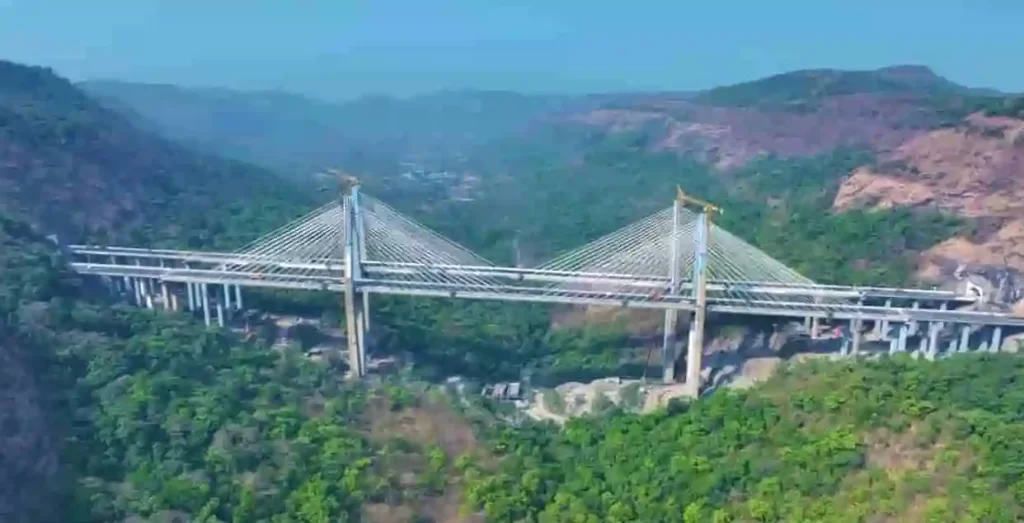
The Mumbai-Pune Expressway’s Missing Link opened on May 2, 2026. This 13.3-km engineering marvel now carries traffic smoothly. It skips the dangerous Khandala Ghat with its hairpin turns and traffic jams. The Maharashtra State Road Development Corporation (MSRDC) finished the project just in time for Maharashtra Day. Deputy Chief Minister Eknath Shinde cut the ribbon. Vehicles now zip through in 25-30 minutes less time. Safe speeds reach 120 km/h. The main tunnel holds a Guinness World Record as the widest highway tunnel on the planet. The old ghat section tortured drivers for years. Trucks clogged narrow lanes. Families slept in cars overnight. Ambulances crawled slowly. Landslides hit during monsoons. The new link brings huge relief. It starts at Khalapur toll plaza on the Mumbai side. It ends at Kusgaon near Lonavala and Sinhagad Institute. Total distance shortens by 6 km. Over 50,000 vehicles use the expressway daily. This bypass makes travel faster and safer for everyone.Stunning Engineering: Tunnels, Bridges, and Safety FeaturesThe Missing Link blends cuts, tunnels, viaducts, and flyovers. It features eight lanes with full access control. No more slow trucks in the way.Twin Tunnels Shine BrightTunnel 1 stretches 8.7 km long. Its internal width measures 23.5 meters. This makes it the world’s widest highway tunnel. Guinness confirmed the record after inspectors visited. Tunnel 2 runs 1.67 km. Both handle bidirectional traffic. Each side has four lanes plus shoulders and emergency areas. Fire-proof walls protect users. Jet fans ventilate air. CCTV watches every spot. SOS phones sit every 500 meters. Teams finished electrical and mechanical testing right before opening.Cable-Stayed Bridge Steals the ShowThis bridge spans 650 to 950 meters. Its deck sits 100-125 meters high. The pylon towers 183 meters total. It withstands winds up to 250 km/h. Workers erected the girder in March 2026. They completed 98% of the deck slab. It’s now Maharashtra’s tallest bridge of this type.Other Key PartsA 900-meter viaduct rises 60 meters high. Cut-and-cover tunnels ease tight spots. Flyovers speed up joins. Toll plazas at Khalapur, Talegaon, and Shedung got wider. Hazardous cargo bans keep tunnels safe. No heavy trucks or gas tankers allowed inside.ComponentLength/SizeStatus (May 2026)Key FactMain Tunnel8.7 km, 23.5m wideFully OpenGuinness World RecordEscape Tunnel1.67 kmFully OpenTop Safety FeatureCable Bridge650-950m, 183m tallFully OpenTallest in MaharashtraViaduct900mFully Open60m HighOverall Project13.3 km100% CompleteOpen Since May 1Long Road of Delays Ends in TriumphPlanning started in 2018 with a budget of Rs 6,695 crore. Delays piled up from weather, tough terrain, and COVID. Targets slipped from March 2024 to January 2025, then September and December 2025. Finally, April 30 marked civil works done. Trials followed quickly. MSRDC pushed 2,000 workers hard. Over 1,500 focused on tunnels alone. They worked round the clock.Recent chaos sped things up. Ram Navami traffic jams and tanker flips trapped thousands. MNS chief Raj Thackeray criticized slow work. Deputy CM Shinde ordered emergency plans. MSRDC MD Anilkumar Gaikwad promised action. “Civil works wrap by April 30; trials follow,” he said. The team delivered.Toll collection starts in 2030 for 15 years. It recovers costs over time. Slight toll hikes come with the expressway upgrade. Drivers agree the value beats the price.Relief Replaces Ghat Horror StoriesThe 19.8-km Khopoli-Khandala Ghat had 24 sharp bends. Narrow lanes mixed cars and trucks. Monsoon landslides closed roads often. Kids missed school. Patients reached hospitals late. Ambulances fought for space. One tanker crash blocked traffic for 32 hours. Families ran out of food and water.Now, the Missing Link changes everything. No more ghat climbs. Straighter inland paths replace twists. Safer barriers and lighting guide drivers. Higher speeds cut travel time. Pune-bound lanes opened first. Mumbai-bound finished the final 6 meters on time. Families cheer the smooth ride.Part of Maharashtra’s Road BoomThis project fits Deputy CM Devendra Fadnavis’ big infra plans. The Samruddhi Mahamarg sets records too. MSRDC leads India’s road revolution. The Missing Link connects futures. It saves time, cuts accidents, and boosts business. Trucks move goods faster. Tourists reach Lonavala easy. Daily commuters gain hours weekly.Two days after opening, drivers share joy online. No jams. Quick trips. Safe paths. The ghat nightmare fades. Concrete and steel reclaimed lives. Maharashtra celebrates a new era of fast, safe travel. The world’s widest tunnel proves Indian engineering rules the road.
Strait of Hormuz Crisis: Why This Narrow Waterway Controls Global Oil and Sparks Economic Chaos
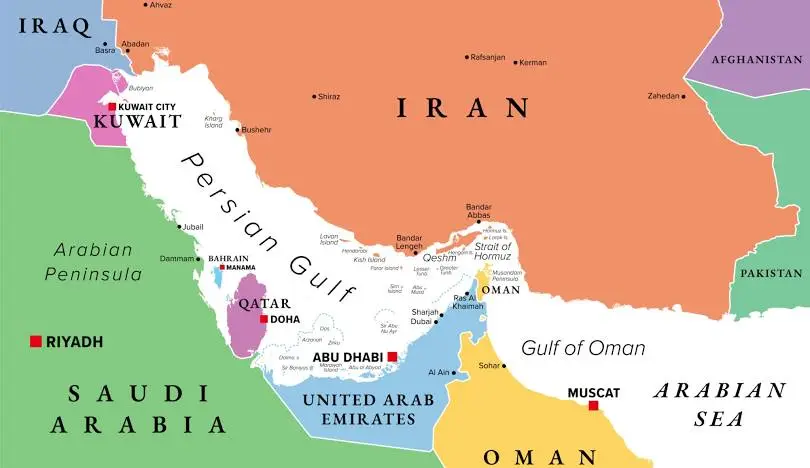
A tense new threat hangs over world trade. Iran has warned it will “set fire” to any ships passing through the Strait of Hormuz and block all oil exports from the region. This comes after US and Israeli strikes on Iran starting February 28, 2026. Already, oil prices have jumped, ships are avoiding the area, and experts fear big problems for countries like India, China, and Japan. Let’s explain this vital sea route in simple terms, what it is, why it matters, and what happens if it closes.What is the Strait of Hormuz?The Strait of Hormuz is a narrow waterway between Iran (north) and Oman/UAE (south). At its narrowest, it’s just 33 km (21 miles) wide, with shipping lanes only about 3 km (2 miles) each way. It connects the Persian Gulf to the Arabian Sea and the open ocean.Size: Deep enough for giant oil tankers; the busiest oil chokepoint in the world.Daily traffic: Around 3,000 ships per month; 20 million barrels of oil per day (20% of global supply).Value: Nearly $600 billion in oil/gas trade yearly.Big producers like Saudi Arabia, Iraq, Kuwait, Qatar, the UAE, and Iran send oil here. Most goes to Asia (84% crude oil).Why is It So Important for World Trade?This strait is like a busy highway for energy, with no good shortcuts. Without it:Global oil: 20-27% of all seaborne oil (14-20 million barrels/day). LNG (gas): 20% of world supply, mostly Qatar to Europe/Asia.Other goods: 1/3 of global fertilizer trade (hits farming/food prices).Top destinations (2024-2025 data):CountryOil ShareWhy It HurtsChina5.4M b/d (27%)90% of Iran’s oil goes here; factories are slow. India1.6-2.1M b/dHalf of India’s oil imports; fuel/food prices rise. Japan/S. Korea1.6-2.1M eachPower plants, cars affected. Europe/USSmaller but key LNGGas bills up. Saudi leads exports: 5.5M b/d (38%). Iran: 1.7M b/d ($67B/year)Current Crisis: Threats, Attacks, and Shipping StoppedIran’s General Sardar Jabbari said no “single drop of oil” leaves. After US/Israel missiles sank Iranian warships and hit tankers:Ships flee: Hapag-Lloyd/CMA CGM paused transits; 150+ tankers stranded.Prices soar: Brent crude hit $82/bbl (up 10%); could reach $100+ if blocked long.reuters+1Ports shut: Dubai’s Jebel Ali fire from missile debris.Insurance skyrockets: Supertanker to China: $400K (doubled).UKMTO warns of “miscalculation” near military ships. Flows dropped to 4M b/d (from 16-20M).How Could Iran Close It—and Can They?UN rules give coastal control up to 12 nautical miles, covering the strait fully (Iran/Oman waters).Iran’s options:Mine: Fast boats/subs drop them, hard to clear.Missiles/drones: From IRGC navy boats/subs.Attacks: On tankers/warships.But risky: US Navy could strike back (1980s “Tanker War” escorts won). Trump vows to destroy Iran’s navy.Economic Impact: Higher Prices EverywhereShort block: Oil $80-90/bbl. Month-long: $100+; gas surges 130%.Consumers: Petrol, diesel, heating 20-50%.India/Asia: Factories slow; inflation hits food/transport.Gulf hurt too: Saudi/UAE lose exports (economies rely 70% on oil).Ripple effect: Airlines, plastics, fertilizers cost more—global goods pricier.OPEC+: Boost 206K b/d April, but tiny vs 20M gap.Worst case: Sunk tanker = eco-disaster, months closed.What Happens Next?Short-term: Ships wait; prices are high for days/weeks.India: Stockpiles activated; seeks other suppliers.Global: OPEC output up, but war drags = recession risk.The Strait of Hormuz isn’t just water; it’s the world’s energy lifeline. Iran’s threat tests whether one narrow gap can choke global trade. Eyes on ships, missiles, and oil pumps.
Israel–America and Iran War: Global Impact on Trade, Travel, Economy and Lives at Risk
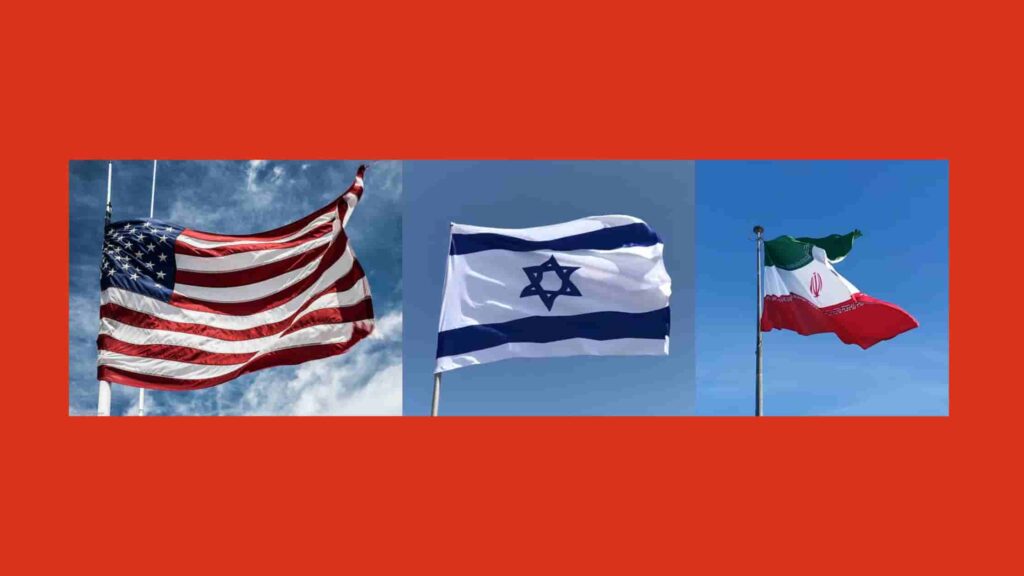
The escalating conflict involving Israel, the United States, and Iran has rapidly transformed into one of the most serious geopolitical crises of the 21st century. What began as targeted military operations has now evolved into a broader regional confrontation with global consequences. The war has not only destabilised the Middle East but has also created significant ripple effects across global trade, financial markets, aviation routes, energy supply chains, and international security.A turning point in the conflict came with the death of Iran’s Supreme Leader, Ayatollah Ali Khamenei, which dramatically intensified the geopolitical situation and reshaped the power dynamics within Iran and across the Middle East.Background of the ConflictTensions between Iran, Israel, and the United States have existed for decades, primarily due to ideological differences, nuclear ambitions, and regional power struggles. Israel has consistently viewed Iran’s nuclear and missile programmes as an existential threat to its national security, while Iran has strongly opposed U.S. military presence and Israeli influence in the region.These tensions reached a breaking point when coordinated military strikes were carried out against Iranian targets. The operation targeted strategic facilities, military installations, and high-level leadership structures in Iran. The strikes were designed to weaken Iran’s military capabilities and disrupt its command network.However, instead of de-escalating tensions, the attacks triggered large-scale retaliation from Iran, rapidly expanding the conflict across the Middle East.Death of Ali Khamenei and Its ImpactOne of the most dramatic developments in the war was the death of Iran’s Supreme Leader Ali Khamenei, who had ruled the Islamic Republic since 1989. He was killed during a targeted strike on Iranian leadership facilities during the early phase of the conflict.Khamenei was the most powerful figure in Iran’s political and religious system. As Supreme Leader, he held ultimate authority over the armed forces, intelligence agencies, judiciary, and major political decisions of the country. His influence shaped Iran’s domestic governance as well as its foreign policy for more than three decades.His death sent shockwaves through Iran and the wider Middle East. The Iranian government declared national mourning and vowed strong retaliation against Israel and the United States. The Islamic Revolutionary Guard Corps (IRGC) intensified military operations and pledged to continue resistance against what it described as foreign aggression.The assassination of a sitting supreme leader during wartime is extremely rare in modern international politics. Instead of weakening Iran’s political system, the event strengthened nationalist sentiment within the country and intensified calls for retaliation.Leadership Transition in IranFollowing Khamenei’s death, Iran’s Assembly of Experts appointed Mojtaba Khamenei, the son of the late leader, as the new Supreme Leader. This marked a controversial and historic transition, as the leadership appeared to move toward a dynastic style of succession within the Islamic Republic.Mojtaba Khamenei had long been considered an influential figure behind the scenes in Iranian politics, particularly within religious and military circles. However, his appointment sparked debate both inside and outside Iran regarding the future direction of the country’s political system.The leadership transition has also influenced the ongoing war, as the new leadership seeks to demonstrate strength and maintain internal stability while confronting external military pressure.Escalation of Military ConflictFollowing the initial strikes and leadership assassination, Iran launched large-scale missile and drone attacks targeting Israeli territory and American military installations across the region. Military bases in the Persian Gulf, naval facilities, and intelligence infrastructure became potential targets.The conflict also spread beyond Iran and Israel. Tensions intensified in neighbouring regions, including Lebanon, Syria, and the Persian Gulf, raising fears of a wider regional war involving multiple countries.Air defence systems across the Middle East were activated, and military forces in several countries were placed on high alert.Impact on Global Energy MarketsOne of the most immediate consequences of the war has been disruption to global energy markets. The Middle East remains one of the world’s most critical energy-producing regions, and any instability in this area directly affects global oil supply.A major concern during the conflict has been the security of the Strait of Hormuz, a narrow waterway through which nearly one-fifth of the world’s oil supply passes. Any threat to shipping in this region has the potential to disrupt global energy flows.As tensions increased, oil prices surged significantly due to fears of supply disruptions. Higher energy prices have direct implications for transportation, manufacturing, agriculture, and electricity generation around the world.Countries that rely heavily on imported oil are particularly vulnerable to such price shocks.Disruption of Global Trade and ShippingThe war has also affected international trade routes. The Middle East serves as a critical junction connecting Asia, Europe, and Africa, making it central to global shipping and logistics.Increased military activity and security risks in maritime corridors have forced shipping companies to reroute vessels or delay operations. Insurance costs for ships travelling through the region have also risen sharply due to heightened risk.Because the majority of global trade is transported by sea, disruptions in these strategic routes can quickly affect supply chains worldwide. Industries dependent on global shipping—including electronics, manufacturing, energy, and agriculture—are already facing logistical challenges.Economic Consequences WorldwideThe conflict has also created volatility in global financial markets. Investors often react strongly to geopolitical uncertainty, leading to fluctuations in stock markets and currency values.Rising energy prices are likely to contribute to inflation in many economies. Higher fuel costs affect transportation, manufacturing, and food production, which ultimately increases the cost of living for consumers.Economists have warned that prolonged geopolitical tensions could slow global economic growth while simultaneously increasing inflationary pressure.Developing economies may face the most severe challenges because they rely heavily on imported energy and international trade.Impact on Aviation and International TravelThe war has also disrupted global aviation routes. Much of the airspace above the Middle East lies along major flight corridors connecting Europe, Asia, and Africa.Airlines have had to reroute flights to avoid conflict zones, which increases flight durations and fuel costs. In some cases, flights have been cancelled or delayed due to security concerns.Travel advisories have been issued by multiple governments warning citizens about travelling to conflict-affected regions. Tourism industries across several Middle Eastern countries have already begun experiencing economic
PM Modi’s Mann Ki Baat E-133 | 26th April, 2026
PM Modi’s Mann Ki Baat E-133 | 26th April, 2026 Video: YT/@NaMo
TVK and Actor Vijay: How a New Political Entry Challenged DMK Ahead of Tamil Nadu Elections
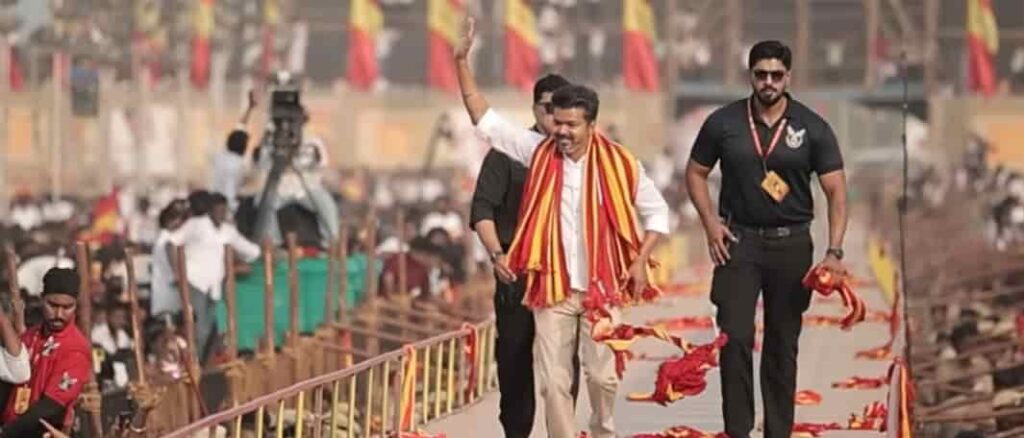
The political landscape of Tamil Nadu saw a noticeable shift after actor Vijay formally entered active politics with the launch of his party, Tamilaga Vettri Kazhagam (TVK). His entry came at a time when the state’s politics had largely been dominated by established players like the ruling Dravida Munnetra Kazhagam (DMK) led by Chief Minister M. K. Stalin.While the DMK continued to hold a strong organisational and electoral position, Vijay’s political move introduced a fresh layer of competition, particularly among younger voters and first-time participants in the electoral process.From Cinema Influence to Political MobilisationVijay’s transition into politics did not come abruptly. Over the years, his fan clubs had actively participated in social work, gradually building a grassroots presence across Tamil Nadu. This network later became the foundation for TVK’s early organisational structure.When Tamilaga Vettri Kazhagam was formally announced, it marked a shift from indirect public influence to structured political participation. Vijay positioned the party around governance issues, accountability, and people-centric policies, attempting to create a distinct space separate from traditional Dravidian party narratives.How TVK Positioned Itself Against the DMKInstead of direct confrontation in its initial phase, TVK adopted a measured approach in shaping its political messaging. Vijay raised concerns around governance efficiency, employment opportunities, and the need for greater transparency, which indirectly placed the party in contrast with the ruling DMK government.The focus remained on:Youth employment and skill developmentEducation and equitable accessAdministrative accountabilityAnti-corruption positioningThis approach allowed TVK to build a narrative without immediately engaging in aggressive political attacks.Youth Connect and Grassroots EnergyOne of the most defining aspects of Vijay’s political entry was the scale of youth engagement it generated. His popularity translated into strong mobilisation, particularly in urban and semi-urban regions.Fan clubs, which had earlier functioned as cultural and social groups, were reorganised into local-level political units. This gave TVK an initial advantage in terms of visibility and outreach, especially on digital platforms where Vijay already had a strong following.The party’s messaging resonated with a section of voters looking for alternatives outside the traditional political framework.The DMK’s Continued DominanceDespite the emergence of TVK, the DMK retained its stronghold, backed by a well-established cadre system, governance record, and welfare-driven policies. Under M. K. Stalin’s leadership, the party continued to emphasise its development initiatives and administrative stability.Rather than reacting aggressively to Vijay’s entry, the DMK maintained its focus on governance and voter outreach, relying on its long-standing political base.Challenges Faced by TVKWhile Vijay’s entry generated significant attention, translating popularity into electoral success remained a complex task.TVK faced key challenges such as:Converting fan following into consistent voter supportBuilding a structured party organisation across constituenciesEstablishing policy depth beyond campaign messagingCompeting with deeply rooted political networksThese factors highlighted the difference between public popularity and electoral viability in a state with a strong political legacy.A Shift in Political ConversationEven without immediate electoral outcomes, Vijay’s political entry influenced the broader political discourse in Tamil Nadu. It brought renewed focus on youth participation, governance expectations, and the role of new-age leadership in state politics.The presence of TVK added a third dimension to what had traditionally been a bipolar contest, making the political environment more competitive and dynamic.Vijay’s move from cinema to politics, through Tamilaga Vettri Kazhagam, did not just introduce a new party—it reshaped conversations around leadership, representation, and voter expectations in Tamil Nadu. While the DMK continued to hold its ground, the emergence of TVK ensured that the political landscape was no longer as predictable as before, setting the stage for a more contested and evolving electoral environment.
NGT Greenlights Great Nicobar Mega-Project: Strategic Lifeline or Ecological Gamble?
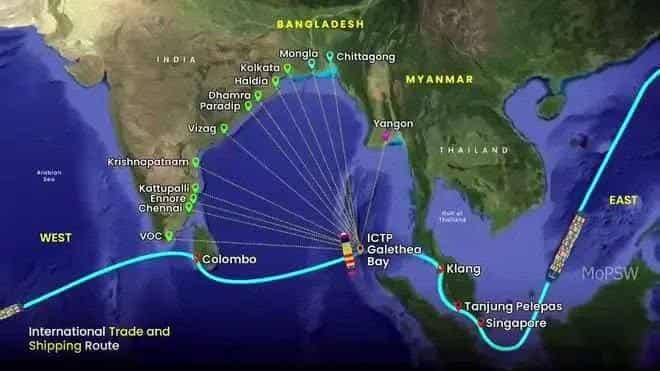
In a landmark ruling, the National Green Tribunal (NGT) on February 16, 2026, upheld environmental clearances for the ₹81,000-92,000 crore Great Nicobar Island development, dismissing petitions citing “strategic importance” and “adequate safeguards,” paving the way for India’s ambitious Bay of Bengal hub amid fierce eco-debates.Project Blueprint: Four Pillars of TransformationSpanning 166 sq km on the 910 sq km island (India’s southernmost at Indira Point), led by Andaman and Nicobar Islands Integrated Development Corp Ltd (ANIIDCO) and NITI Aayog:Dual-Use Airport: Greenfield civil-military strip east of Galathea Bay (4.2 sq km, displacing 379 families); runway north-south over the sea for surveillance near the Six Degree Channel, cutting Port Blair response time by 500+ km; eyes Singapore/Vietnam routes.Transshipment Port: Galathea Bay ICTP challenges Colombo’s monopoly; Leatherback turtle nesting site concerns flagged.Integrated Township: Residential/commercial/tourism/logistics/defense zones; power plant (450 MVA gas-solar).Population Boom: From 6,500 to 3.25L by 2040, 13-15L by 2075, 1L+ jobs projected.NGT bench (Justice Prakash Shrivastava) relied on HPC (ex-secy Leena Nandan) findings: No ICRZ violations, strict compliance mandated.Strategic Imperative in Indo-Pacific Chessboard9km from Sumatra, hugging Malacca Strait trade lanes (80% of India’s oil), Great Nicobar bolsters QUAD/Andaman chain vs. China’s String of Pearls. Dual-use airport enables fighter ops, quick IOR response; port slashes foreign transshipment reliance (₹50,000 cr savings/yr est.). Eco-tourism/scientific hubs eyed, with DPR noting minimal low-alt hill flights.Key Directives on Construction & CoastlineNo Erosion or Shoreline Changes: All activities, including foreshore development, must prevent erosion or adverse coastal alterations across project areas and nearby islands.Preserve Sandy Beaches: Absolute protection for turtle/bird nesting sites, no loss permitted, recognizing their role as natural barriers.Wildlife & Species ProtectionEnvironmental clearance conditions explicitly shield:Leatherback sea turtles (Galathea Bay nesting).Nicobar megapode, saltwater crocodiles, robber crabs, Nicobar macaques, and endemic birds.Long-term monitoring is required for forests, coral reefs, and water quality.Compliance & Tribal MeasuresBinding EC Conditions: Government must enforce all original safeguards without violation at any stage, HPC verified adequacy.Tribal Safeguards: Resettlement honoring pre-tsunami patterns; restricted construction access; include Tribal Councils (Great/Little Nicobar) per Forest Rights Act 2006.Ongoing OversightIndependent ecological audits are mandated.Violations trigger penalties/remediation.NGT emphasized these as non-negotiable for the ₹81,000 cr airport/port/township push on 130 sq km forest land.Ecological & Social StormForest/Wildlife Hit: 130 sq km diversion (14% island), ~1M trees felled; Great Nicobar Biosphere Reserve impacts, Shompen/Nicobarese tribes (84 sq km land) at risk.Critics Cry Foul: Petitions highlighted turtle bays, river deltas; NGT deems safeguards (e.g., no CRZ breaches) sufficient.Population Pressure: 6.5L by 2050 strains fragile marine/forest ecosystems.ANIIDCO insists on mitigation: Site grading, sea-path flights. NGT: “Strategic needs outweigh; monitor compliance.NGT safeguards for the Great Nicobar project aim to protect the vulnerable Shompen tribe—a Particularly Vulnerable Tribal Group (PVTG) of ~200 semi-nomadic hunter-gatherers—primarily by enforcing spatial, surveillance, and legal isolation from project activities, though critics argue enforcement gaps persist.Core Spatial & Access ProtectionsNo Habitat Disturbance: Project explicitly bans encroachment into Shompen settlements, core zones (Galathea/Alexandrina Rivers), or traditional foraging areas—130 sq km forest diversion excludes their 84 sq km reserve.greentribunal+1Geo-Fencing & Surveillance: Towers and restricted entry zones encircle tribal habitats to prevent outsider contact, minimizing disease transmission risks (past epidemics decimated PVTGs like Jarawas).Oversight & Welfare MandatesDepartment of Tribal Welfare (DTW) Lead: Monitors safety, provisions (non-invasive food at Campbell Bay hospital), and rights under Andaman & Nicobar (Protection of Aboriginal Tribes) Regulation 1956, no exploitation of reserve resources by non-tribals.NCST Consultation: Article 338A(9) compliance verified; Forest Rights Act 2006 gram sabha inclusion for PVTGs, though implementation historically lags (“Nil” FRA progress reported).Isolation Protocols: No permanent non-tribal/Govt residences in reserve; temporary camps only for welfare/research; cross-infection barriers in healthcare.Legal & Compliance BackboneNGT/HPC upheld 2022 EC conditions as “adequate”: Independent audits, penalties for violations, tribal council involvement (Great/Little Nicobar). Pre-tsunami resettlement patterns honored; Shompen rights (hunting under Wildlife Act amendment) preserved.Lingering ConcernsAnthropologists warn of indirect threats (fragmented forests, population influx to 3L+ by 2040, disrupting semi-nomadic life); NGT mandates monitoring but lacks PVTG-specific veto power, compliance now pivotal for ~181 Shompen across 56 households.Path ForwardClears legal logjam post-2022 EC; HPC revisited 2023 concerns. Investments (₹1L cr+) promise jobs/hotels but hinge on tribal consent, monitoring.As “India’s Hong Kong,” Great Nicobar eyes global tourism map, balancing security surge with island fragility.
America’s Proposed Greenland Acquisition: Strategic Ambitions and Arctic Stakes
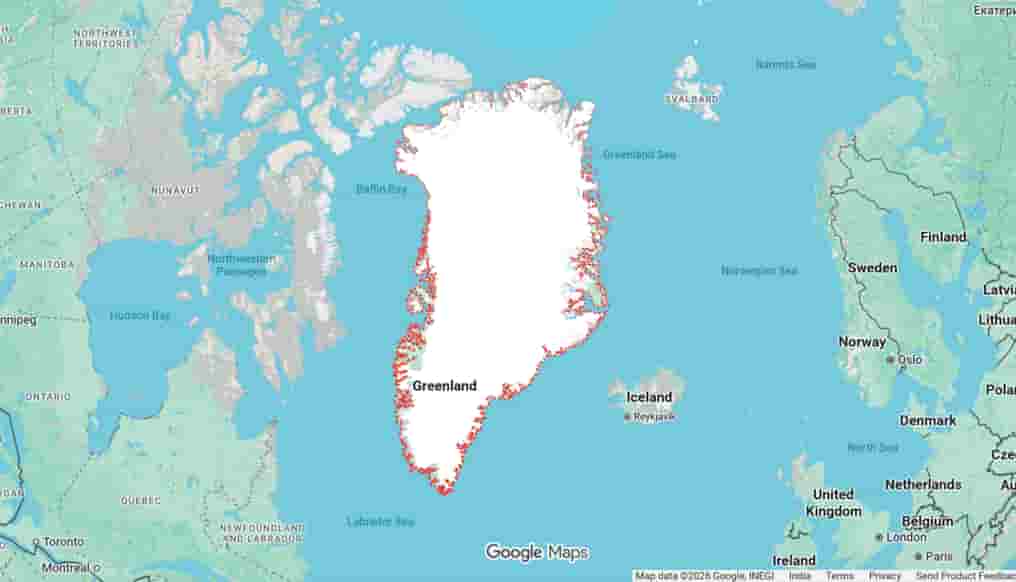
In a development that has attracted international attention and debate, the United States’ proposal to acquire Greenland — an autonomous territory of the Kingdom of Denmark — has re-emerged as a subject of strategic and geopolitical significance. Although the plan has not advanced to a formal purchase or agreement, the discussions reflect broader shifts in global power dynamics, Arctic geopolitics and resource competition in the High North.Background: What Is Greenland and Why It MattersGreenland, the world’s largest island, is an autonomous territory within the Kingdom of Denmark. It has a small population of around 56,000 people, predominantly Inuit, and exercises internal self-government, with defence and foreign policy matters managed by Copenhagen. The island’s geopolitical importance has grown dramatically in recent years due to its strategic location in the Arctic Circle, potential natural resources, and its role in global climate science.The Arctic region — long seen as remote and marginal — has become a theatre of international competition as climate change reduces sea ice cover, opening new shipping routes and access to untapped natural resources such as hydrocarbons, rare earth minerals and critical metals.The U.S. Proposal and Renewed DiscussionsThe idea of the United States acquiring Greenland first entered public consciousness in 1946, when Washington offered to purchase the island from Denmark — an offer Denmark rejected. More recently, in early 2025, the topic resurfaced in official remarks tied to U.S. strategic assessments in the Arctic region.On January 9, 2025, comments by U.S. officials sparked media attention by reiterating the historical suggestion of an acquisition and linking Greenland to contemporary strategic priorities. The U.S. reiterated that maintaining security, stability and freedom of navigation in the Arctic was critical, given increasing interest from global powers including Russia and China. However, no formal acquisition negotiations have taken place, and no treaty or transaction is under legal consideration.Why the Idea Has Re-EmergedThere are several factors that explain why the Greenland acquisition proposal has resurfaced: Strategic Location Greenland’s location astride key North Atlantic and Arctic approaches gives it enormous strategic value. Military and intelligence establishments see relevance in monitoring and controlling northern sea lanes, especially as ice melt accelerates. Resource Potential The island is believed to hold significant reserves of minerals, hydrocarbons and rare earth elements — materials crucial for advanced technologies, clean energy transitions, and defence manufacturing. Many of these resources remain largely undeveloped. Arctic Competition As Arctic ice retreats, the region is attracting investment and geopolitical interest from Russia — which already operates extensive military infrastructure in the Arctic — and from China, which has described itself as a “near-Arctic state” and has increased scientific expeditions and commercial interest in the region.In this context, a secure Arctic partnership is viewed by some U.S. policymakers as a way to check rival influence and reinforce alliances in the North Atlantic.Denmark and Greenland’s ResponseOfficials in Denmark and Greenland have objected to the notion of a territorial sale. Both Copenhagen and Nuuk (Greenland’s capital) have emphasised that any talk of acquisition is not under active negotiation and that Greenland’s autonomy and right to self-determination are paramount.Danish leaders have reiterated that Greenland is not for sale, and the notion of transfer of sovereignty to any other country is not on the diplomatic agenda. Greenland’s government has also emphasised its constitutional status and the importance of cooperation with external partners on mutually agreed terms rather than unilateral transactions.Domestic Debate in the United StatesWithin the U.S., the comments on Greenland have sparked discussion rather than policy action. Some defence and foreign policy analysts argue that the notion is symbolic rather than practical, serving as a reminder of strategic priorities in the Arctic rather than a concrete acquisition plan.Others point out that the U.S. already maintains strong strategic access to Greenland through Thule Air Base, a critical component of North American aerospace defence. Located in northwest Greenland, the base is integral to early-warning radar systems and missile tracking, and its presence reflects existing U.S. strategic interests without the need for sovereignty.International ReactionInternational observers, including strategic analysts and Arctic nations, have largely regarded the acquisition proposal as speculative rather than imminent. Canada, Russia and other Arctic Council members traditionally work through multilateral forums to address security, environmental protection and indigenous community rights in the region.Global media coverage has framed the idea as more of a strategic talking point than an actionable policy initiative, emphasising that any shift in sovereignty would require consent from Denmark and Greenland, constitutional changes, and a fundamentally altered approach to international law.Legal and Constitutional ConsiderationsUnder international law, the transfer of territory requires clear consent from the governing state and, increasingly, the affected population. Greenlanders themselves have expanded roles in their own governance under the 2009 Self-Government Act, which affirms that decisions about significant changes to sovereignty would necessitate consultation and approval from Greenland’s parliament and people.Additionally, Denmark’s constitutional framework does not allow significant cession of territory without legislative and likely referendum approval, making any acquisition a highly complex legal undertaking.What This Means for Arctic PolicyWhile the idea of a Greenland acquisition remains speculative, it highlights how the Arctic has risen in strategic importance. The U.S. and allied countries have renewed focus on:Arctic security cooperation through NATO and bilateral partnershipsScientific collaboration on climate research and environmental monitoringInvestment in infrastructure that supports commercial and defence logisticsEngagement with indigenous and local governance structuresThe Arctic Council — a multilateral forum including Arctic states such as Canada, Denmark, Finland, Iceland, Norway, Russia, Sweden and the U.S. — continues to be the primary platform for addressing regional cooperation on environmental protection, sustainable development and shared scientific objectives.Conclusion: Symbolic Signal or Strategic Shift?The renewed mention of a Greenland acquisition is best understood not as an active diplomatic negotiation but as a symbolic signal of U.S. strategic priorities in the High North. It underscores the increasing salience of the Arctic as climate change alters geography, resources and commercial access.For now, Greenland’s sovereignty remains with Denmark, and discussions about acquisition do not constitute formal policy. But the debate reflects broader anxieties and interests about the Arctic’s future
Estonia President’s Official Visit to India: A Milestone in Bilateral Engagement
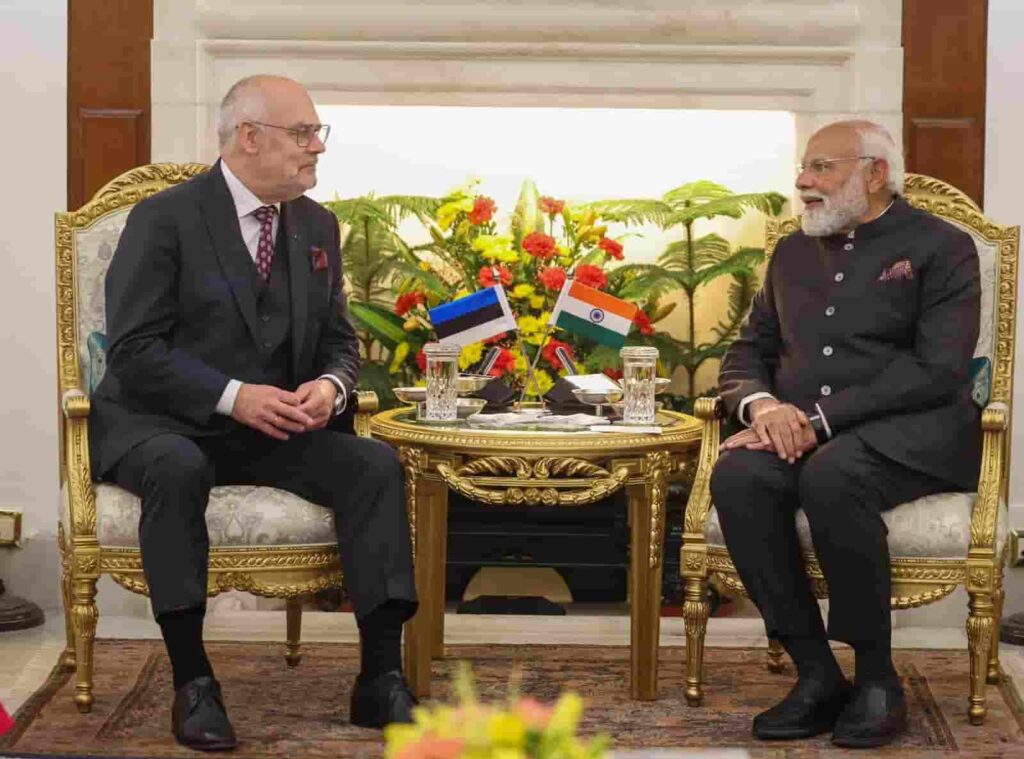
President Alar Karis, the Head of State of Estonia, concluded a significant official visit to India on February 19, 2026, underscoring deepening ties between the two countries across diplomacy, trade, digital cooperation, education and cultural exchange. The discussions and engagements during the visit reflected shared democratic values, mutual interest in technology-led growth and a growing emphasis on people-to-people links.This visit marked a high-profile diplomatic engagement that elevated relations between India and Estonia — both of which are democracies with strong commitments to digital innovation, open governance and strategic multilateral cooperation.Official Welcoming and High-Level MeetingsPresident Alar Karis was received at Rashtrapati Bhavan by President of India Smt. Droupadi Murmu, in a ceremony that reaffirmed the importance both nations place on their bilateral relationship. The ceremonial reception, followed by formal talks, set the tone for substantive discussions on a broad agenda of cooperation.In their meeting, President Murmu and President Karis reviewed ongoing collaboration, expressed satisfaction with the growing momentum of bilateral ties, and identified new avenues for future engagement. Both leaders spoke of shared democratic principles, respect for sovereignty, and the potential for deeper cooperation in emerging sectors.Strategic and Technology CooperationEstonia is known globally for its success in digital governance, cybersecurity and e-services, and these areas took centre stage during the visit. India and Estonia discussed cooperation in:Digital infrastructure and e-governance modelsCybersecurity partnershipsData governance frameworksDigital economy initiativesIndia shared its experience with large-scale programs such as Aadhaar and DigiLocker, while Estonia showcased best practices from its e-Estonia ecosystem — widely regarded as one of the most advanced digital societies in the world.Both sides expressed interest in knowledge exchange and joint initiatives that could benefit public service delivery, innovation pipelines and digital skill development.Economic and Trade EngagementBilateral trade and economic cooperation were key components of the discussions. While overall trade volume between India and Estonia has remained modest compared to India’s larger European partners, both nations affirmed a desire to broaden commercial links.Estonian companies operating in fields such as information technology, clean energy solutions, precision engineering and logistics services were identified as potential partners for deeper engagement with Indian enterprises. Similarly, Indian firms were encouraged to explore opportunities in the Estonian market, particularly in high-technology and service sectors.Both countries agreed on the need to further institutionalise trade facilitation mechanisms, reduce barriers and foster business dialogue through joint economic forums.Education, Culture and People-to-People LinksThe Presidents highlighted the importance of educational and cultural exchanges as core pillars of bilateral engagement. India and Estonia reaffirmed their commitment to expanding academic collaborations, student mobility programs and cultural showcases that deepen understanding between their citizens.Emphasis was placed on supporting:University partnershipsResearch collaboration in science and technologyStudent exchange schemesCultural festivals and artistic collaborationsThese initiatives were seen as vital for building stronger long-term ties, especially among young professionals, innovators and academics.Multilateral Cooperation and Shared ValuesIndia and Estonia also explored cooperation at the United Nations and other multilateral forums. Both countries reiterated their commitment to democratic norms, rule of law, peaceful resolution of disputes and inclusive development.There was agreement on enhancing joint efforts on global issues such as climate change, sustainable development, digital governance norms, and secure cyberspace regulations.Joint Statement and Future RoadmapAt the conclusion of the visit, both leaders issued a joint statement reaffirming their intent to broaden cooperation across multiple domains, including:Digital transformation and cybersecurityEconomic and trade linkagesEducation and cultural exchangeMultilateral engagement and strategic dialogueThe statement also expressed mutual respect for each other’s development models and acknowledged the importance of continued high-level visits and institutional dialogue mechanisms.Significance of the VisitPresident Karis’s visit to India in February 2026 carries strategic significance on several fronts. India’s engagement with Estonia — a small but highly innovative member of the European Union — reflects New Delhi’s broader approach to building partnerships based on shared technological and governance priorities rather than solely on scale.For Estonia, strengthening ties with India provides enhanced access to one of the world’s fastest-growing major economies and offers opportunities to participate in collaborative initiatives in technology, education and strategic innovation. Estonia’s expertise in digital governance was highlighted as a complementary asset to India’s own digital transformation journey.The visit also reaffirmed that India’s foreign policy priorities extend beyond traditional geopolitical partnerships to include innovative, technology-driven countries positioned for long-term global impact.As bilateral engagement moves forward, both sides signalled their intention to operationalise the discussions through focussed working groups, expert exchanges and public-private cooperation platforms that translate high-level commitments into actionable outcomes.President Karis’s visit, therefore, stands out not merely as ceremonial diplomacy but as a visit that helped articulate a forward-looking India-Estonia partnership in the digital age — one rooted in shared values, mutual respect and practical collaboration.
Spanish President Pedro Sánchez’s Official Visit to India: Strengthening Strategic Partnership
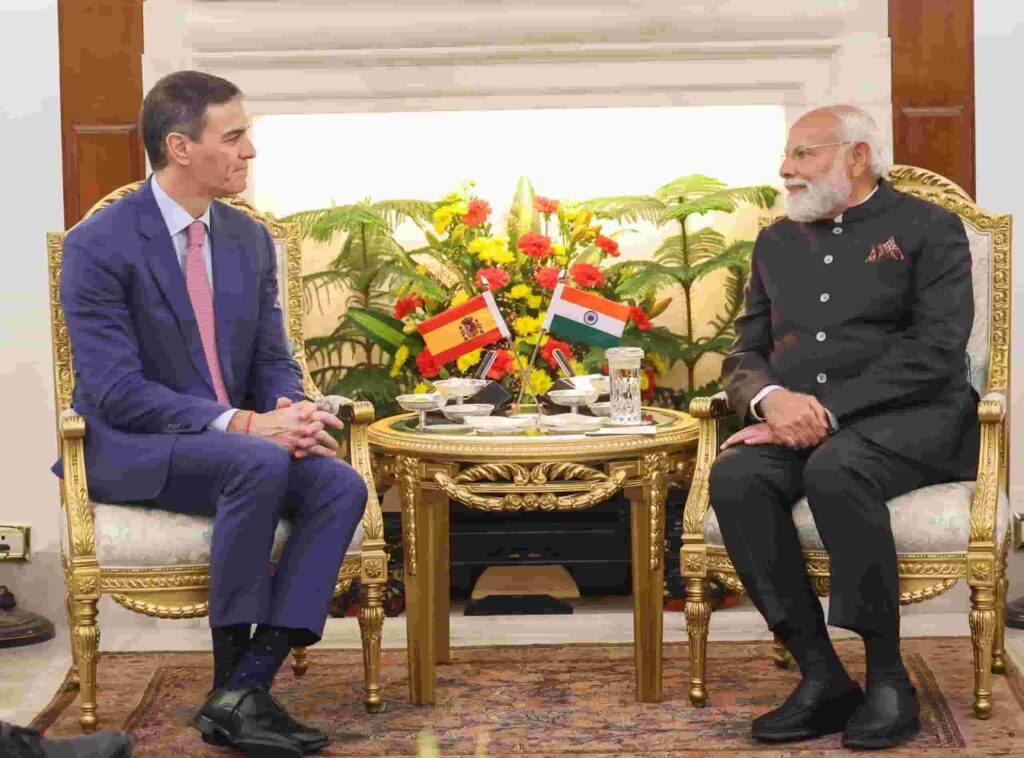
Spanish President Pedro Sánchez — President of the Government of Spain — paid an official visit to India from October 27 to 29, 2024, in a significant diplomatic engagement aimed at reinforcing bilateral ties across strategic, economic, technological and cultural domains. The visit, marked by high-level interactions with senior Indian leadership including Prime Minister Narendra Modi, underscored the evolving partnership between the two democracies in the contexts of trade, innovation, climate cooperation and global governance.This visit was the first by a Spanish head of government to India in nearly a decade, reflecting a renewed momentum in bilateral engagement driven by converging geopolitical priorities, deepening economic interdependence and shared commitments to multilateral cooperation.Arrival and Official EngagementsPresident Sánchez arrived in India on October 27, 2024, ahead of his participation in the AI Impact Summit hosted in New Delhi — an event that convened global leaders, industry experts and policymakers to discuss the future of artificial intelligence (AI), regulation frameworks and its socio-economic potential. Spanish participation in the summit signalled Spain’s interest in India’s emerging digital and technological leadership.On arrival, President Sánchez was received by senior Indian officials and engaged immediately in discussions that set the tone for substantive bilateral dialogues over the next three days.High-Level Meetings with Indian LeadershipA central component of the visit was the official meeting between President Sánchez and Prime Minister Narendra Modi at [official venue – e.g., Hyderabad House / Raisina Hill precinct]. The leaders held wide-ranging talks on issues of bilateral and global importance, reaffirming a shared vision for cooperation based on democratic values, economic partnership and sustainable development.Both leaders emphasised strengthening strategic dialogue mechanisms and enhancing cooperation in key sectors such as defence, manufacturing, green technologies, digital economy and renewable energy. They underscored the importance of elevating the India–Spain relationship into a comprehensive strategic partnership, reflecting growing political trust and mutual respect.Economic and Trade PrioritiesEconomic cooperation formed a major pillar of the visit. With bilateral trade between India and Spain having expanded over the years, both sides reiterated their intent to deepen economic engagement. Discussions focused on:Expanding trade in goods and servicesEnhanced cooperation in advanced manufacturing and innovation ecosystemsInvestment facilitation and market access for strategic sectorsTechnology partnerships in areas such as AI, mobility, health tech and clean energy solutionsPresident Sánchez and Indian counterparts acknowledged that both economies benefit from complementary industrial strengths — Spain’s advanced manufacturing and engineering capabilities and India’s growing services and technology base. They expressed optimism that targeted collaborations could accelerate investment flows and create employment opportunities in both countries.AI Impact Summit ParticipationPresident Sánchez’s participation at the AI Impact Summit underscored both nations’ interest in shaping global discourse on artificial intelligence. In his address, the Spanish leader emphasised the need for ethical, human-centric AI frameworks, equitable access to technological benefits, robust data protection standards and collaboration across nations in AI governance. The summit provided a platform for exchange of ideas on how emerging technologies can be responsibly deployed for societal benefit.Spanish delegations also engaged with Indian industry leaders, startups, research institutions and academic observers during the summit, fostering cross-border collaborations in cutting-edge research and innovation ecosystems.Defence, Security and Strategic CooperationDefence cooperation featured prominently in the discussions. Spain and India reviewed existing defence ties and explored expanded collaboration in key areas such as aerospace, naval systems, dual-use technologies and defence manufacturing partnerships. Both sides expressed interest in boosting joint research initiatives and expanding defence trade under frameworks that promote technology sharing and co-development.Security cooperation, particularly in areas such as counter-terrorism, cybersecurity and maritime security, was also prioritised. The leaders reiterated the importance of multilateral cooperation in addressing global security challenges, including in forums such as the United Nations and other international platforms.Climate Change, Renewable Energy and SustainabilityClimate action and sustainable development emerged as another key theme. India and Spain committed to enhancing cooperation on climate resilience, renewable energy deployment and green hydrogen ecosystems. Spain’s experience in wind and solar technologies aligns with India’s ambitious green energy transition targets, including the expansion of renewable capacity and sustainable urbanisation initiatives.Both sides also reaffirmed their support for multilateral climate goals under the Paris Agreement and emphasised collaborative approaches to climate finance, clean technology transfer and sustainable infrastructure development.Cultural and People-to-People ExchangesDuring his visit, President Sánchez highlighted the cultural bonds between India and Spain, noting that people-to-people ties — including tourism, academic exchange, arts and cultural collaborations — form a vital dimension of the bilateral relationship. Spain’s historical heritage and contemporary cultural vibrancy continue to find resonance with Indian audiences, even as Indian art, literature and cinema increasingly gain prominence in Spanish cultural spaces.Joint Communiqué and Future CooperationAt the conclusion of the visit, both countries released a joint communiqué outlining agreed priorities and a roadmap for future cooperation. Key commitments included:Regular high-level political consultationsEnhanced trade and investment facilitation measuresCooperative initiatives in technology, defence, climate and sustainable developmentStrengthened academic, cultural and scientific exchangesSignificance and ImpactPresident Pedro Sánchez’s visit to India in late 2024 marked a multipartite reaffirmation of the India–Spain relationship at a time of global geopolitical realignment. The emphasis on technology cooperation — particularly through Spain’s active role at the AI Impact Summit — hinted at a widening scope of cooperation beyond traditional diplomatic and defence dimensions.For India, deepening ties with Spain — a European Union member with strong global integration — adds momentum to its broader engagement strategy with Europe, aligning with India’s goals of diversifying partnerships in trade, innovation, and sustainable development.For Spain, stronger engagement with India opens pathways for Spanish companies in India’s fast-growing markets and reinforces Madrid’s diplomatic reach in Asia. Both nations signalled that their cooperation would be pragmatic, forward-looking and anchored in mutual interests.The visit has, therefore, been widely seen as a milestone moment in India–Spain ties — steering the relationship from transactional engagement toward a broader strategic partnership that spans economics, technology, culture and global governance cooperation.