


India’s Upcoming State Elections 2026: High Stakes Showdowns Across Key States
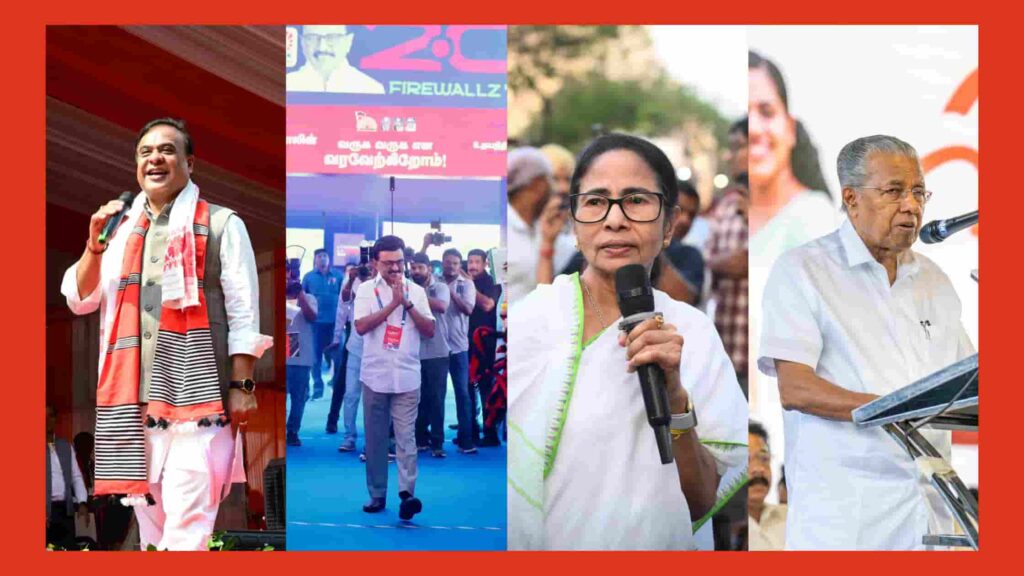
As 2026 unfolds as a major electoral year in India, several state assemblies are set to go to polls, with political parties gearing up for high-profile battles that will shape regional and national political dynamics ahead of the 2029 general elections. The Election Commission of India has already intensified preparations, including voter-roll revisions and finalisation of electoral lists, as competition rises among alliances and regional players.Key States and Territories Headed to the PollsFive major state and union territory elections are scheduled in March–April 2026, with official dates expected to be announced by the Election Commission in mid-March. These elections are critical tests for both national and regional parties.Assam — All 126 seats of the Legislative Assembly will be contested on completion of the incumbent government’s term.Tamil Nadu — Polling is expected for all 234 assembly seats before the current assembly’s term ends in May.West Bengal — Elections for the 294-member Legislative Assembly are due in March–April, with the term ending in May.Kerala — The assembly polls will take place after the final electoral roll of 2.69 crore voters was released, reflecting sustained preparations.Puducherry — The Union Territory’s 30 assembly seats will also be in contention, completing the cycle of polls in these regions.Assam 2026: Ruling NDA Faces Consolidated OppositionThe Assam Legislative Assembly election is expected to be held in March–April 2026 for all 126 seats, with the incumbent National Democratic Alliance (NDA) led by Chief Minister Himanta Biswa Sarma seeking a fresh mandate.The NDA — comprising the Bharatiya Janata Party (BJP), Asom Gana Parishad (AGP), United People’s Party Liberal (UPPL) and Bodoland People’s Front (BPF) — has shown relative unity ahead of the polls, with party leaders asserting strong confidence. Opposition groupings, led by the Indian National Congress and regional allies (such as the All India United Democratic Front), are contesting seat-sharing arrangements and campaign strategies to consolidate anti-incumbency sentiment.Assam’s election context is shaped by issues of development, identity politics, border security and infrastructure spending, with parties highlighting governance records and local socio-economic priorities to appeal to voters.Tamil Nadu: Major Showdown Between AlliancesThe 2026 Tamil Nadu Assembly election will see all 234 assembly seats contested as the incumbent Dravida Munnetra Kazhagam-led Secular Progressive Alliance government, led by M. K. Stalin, seeks re-election. The principal challengers will be the National Democratic Alliance (NDA), driven by a All India Anna Dravida Munnetra Kazhagam-BJP alliance, and various regional fronts.Seat-sharing discussions are underway months ahead of the polls, with significant negotiations involving major allies such as the Manithaneya Makkal Katchi and other partners.Tamil Nadu’s electorate of over 56.7 million voters will decide on governance related to economic growth, social welfare, infrastructure, education and employment issues.West Bengal: TMC, BJP and Opposition Contest in a High-Profile PollWest Bengal is poised for a closely watched assembly election for all 294 seats, likely to be held between March and April 2026. While detailed polling dates are awaited, the polls are expected to be a litmus test of regional party strength against national contenders.The All India Trinamool Congress (TMC) continues to consolidate support amidst challenges from the NDA and other opposition parties. The election outcome in West Bengal will play a crucial role in demonstrating political momentum for various alliances ahead of national elections.Kerala: Assembly Polls With Nuanced Electoral DynamicsKerala’s assembly polls, set for April–May 2026, will see all 140 legislative seats contested. The election environment has been shaped by demographic shifts, as reflected in Kerala’s newly published voter list of over 2.69 crore electors, with women outnumbering men and inclusive representation of third gender and persons with disabilities.Political parties are focusing on traditional issues of social welfare, employment and public services, with rising discussions around state identity and cultural assertions ahead of the elections. Political observers note that regional alliances and local narratives will be significant in shaping voter preferences.Puducherry: Assembly Race in a Union TerritoryPuducherry’s assembly polls, involving 30 seats, are also scheduled for 2026, marking a critical electoral contest in the Union Territory. The small but strategically important electorate has often seen closely contested elections between national and regional fronts.Voter List Revision and PreparationsAcross these states, the Election Commission has undertaken final media roll updates and voter list preparations to ensure clean and updated electoral rolls ahead of the polls. For example, voter list revisions in Tamil Nadu resulted in significant updates to the final electoral roll, impacting millions of names.Rajya Sabha Elections and Legislative ImplicationsIn addition to assembly polls, the **biennial elections to the Rajya Sabha will be held on March 16, 2026, to fill 37 seats across ten states whose members’ terms expire in April. The schedule includes notification on February 26, nomination deadlines on March 5, scrutiny on March 6 and counting on March 16.This phase of Rajya Sabha elections is expected to influence parliamentary arithmetic and party strength in the Upper House ahead of future legislative sessions.Political Stakes and Broader ImpactThe 2026 state elections are critical for political parties as they seek to secure influence ahead of the general elections, projected for 2029. States like Assam, Tamil Nadu, West Bengal, Kerala and Puducherry are not only regional power centres but also reflect broader national narratives around governance, development and coalition politics.Parties are deploying extensive campaign strategies, alliance negotiations and policy platforms tailored to local priorities. Analysts indicate that the outcomes of these polls will not just determine regional governance but also shape political momentum, alliances and discourse on national priorities in the coming years.
Brazil President Lula in India: A Friendly Visit for Talks on AI, Trade, and More
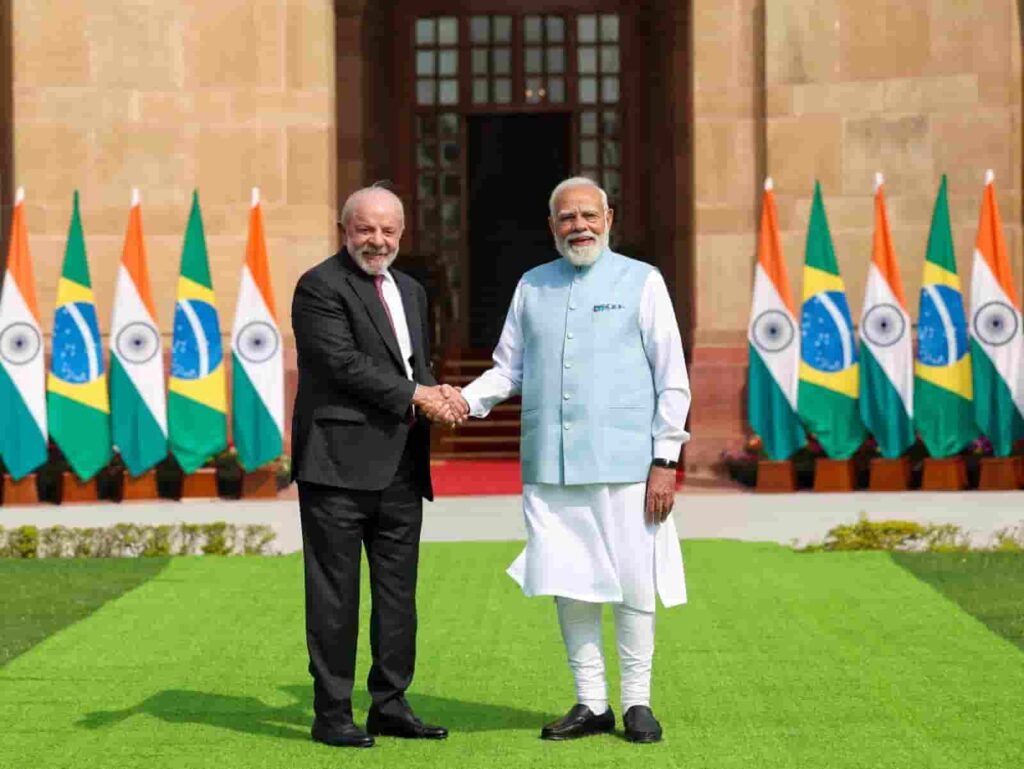
Brazil’s President Luiz Inácio Lula da Silva landed in New Delhi on February 18, 2026, for a five-day state visit. He said “Namaste, India!” on social media and shared a video of his warm traditional welcome. This is his sixth trip to India, invited by Prime Minister Narendra Modi. Lula will stay until February 22. The visit focuses on stronger ties between the two countries, with key events like the AI Impact Summit and meetings with top Indian leaders. Lula got a nice welcome at the airport from Minister of State for External Affairs Pabitra Margherita. He is here with about 14 ministers and many top CEOs from Brazilian companies. They will meet Indian leaders and join a Business Forum to talk business. India and Brazil already trade a lot, $15 billion in 2025. Brazil is India’s biggest trade partner in Latin America. What Will Happen During the Visit The visit has a full schedule. On February 19-20, Lula will join the 2nd AI Impact Summit. This event brings leaders together to discuss how AI can help countries grow fairly. India and Brazil both care about smartly using tech. President Droupadi Murmu will meet Lula and host a banquet for him. Vice President C.P. Radhakrishnan and External Affairs Minister S. Jaishankar will also call on him. The big meeting is on February 21. Prime Minister Modi will sit down with Lula to review all parts of their relationship. They will talk about trade, defense, energy, farming, health, and new areas like AI and space. Modi will host lunch for Lula. The leaders will also share ideas on world issues like UN changes, climate change, terrorism, and problems facing the Global South. Strong Ties Between India and Brazil India and Brazil have been close friends since 1948. They became Strategic Partners in 2006. Both are big democracies with shared values. They work together in BRICS, where India is the chair right now. Trade is growing fast. Brazil sells things like soybeans and oil to India. India sends pharma, chemicals, and auto parts to Brazil. They cooperate in defense, green energy, critical minerals for batteries, and Digital Public Infrastructure, like India’s UPI. Both push for UN reforms and fight climate change. Lula first came to India in 2004 as a Republic Day guest. He was here last for the G20 in 2023. Modi visited Brazil in July 2025, the first Indian PM’s state visit there in 57 years. They met again at the G20 in November 2025. Why This Visit Matters This trip will help both countries plan. Business leaders want more deals in trade and investment. Ministers will talk on energy, health, and tech. The CEOs’ forum shows how companies from both sides see big chances. Lula said the visit is about “strengthening ties, deepening partnerships, and discussing AI’s future.” For India, it boosts the BRICS and the Global South work. Brazil gets a stronger link to Asia’s top economy. People-to-people links are good too, yoga in Brazil, Brazilian culture in India. Both leaders want more cooperation on big world problems.
India AI Impact Summit 2026: Detailed Agenda for Global AI Action in New Delhi
New Delhi, February 9, 2026 – India gears up for the India AI Impact Summit 2026, set for February 16-20 at Bharat Mandapam, Pragati Maidan, New Delhi, the primary venue for the India AI Impact Summit 2026, which will host the main events on February 19-20.Hosted by the Ministry of Electronics and Information Technology (MeitY), this first Global South edition, billed by Union Minister Ashwini Vaishnaw as the “largest yet,” transitions AI discourse from vision to verifiable impact under the “Three Sutras”: People, Planet, and Progress.Some sources mention a broader program across February 16-20, potentially using additional Delhi venues like Sushma Swaraj Bhawan for side events, sessions, or exhibitions. Bharat Mandapam, one of India’s largest convention centers, was upgraded by NDMC for this flagship gathering. Chief Guests and Stellar LineupPrime Minister Narendra Modi serves as the Chief Guest, inaugurating on February 16 with a keynote and hosting a leaders’ dinner. Expected heads of government include representatives from Singapore, the UAE, and Brazil (15-20 total), plus 50+ ministers. Key speakers feature Google’s Sundar Pichai, Anthropic’s Dario Amodei, Microsoft’s Satya Nadella, and Indian luminaries like Nandan Nilekani (Infosys co-founder) and Ola’s Bhavish Aggarwal. Over 40 CEOs from Reliance, TCS, and global firms join, along with a Chinese delegation, signaling a thaw in collaboration. Event Schedule and Dialogues Feb 16: Inauguration, Modi address, CEO roundtable.Feb 17-18: Plenary sessions and seven “Chakras” (working groups) on core topics.Feb 19: Startup showcase (500+ ventures), AI model launches, bilateral dialogues.Feb 20: Closing with actionable declarations.Expect 500+ parallel sessions, hackathons, and exhibitions. Dialogues include G20-style tracks on AI ethics, public-private partnerships, and Global South priorities. Participating Governments in India AI Impact Summit 2026 The summit, hosted by India’s Ministry of Electronics and Information Technology (MeitY) under the IndiaAI Mission, expects involvement from over 100 countries. Key highlights:High-Level Representation: 15-20 heads of government and 50+ ministers confirmed, including from Singapore, UAE, Brazil, and others.China: Delegation attending after India’s formal invitation, signaling AI collaboration.Preceding Hosts: Builds on summits by UK (2023 Bletchley), South Korea (2024 Seoul), France (2025 Paris).Collaborators: NITI Aayog (India’s policy think tank), state governments like Uttarakhand (pre-summit host), and international bodies (ITU, World Economic Forum).Global Engagement: Multinational working groups across Chakras, with US, UK, EU, and ASEAN nations active in prep consultations. Key Topics and Seven ChakrasThe India AI Impact Summit 2026 is structured around three foundational “Sutras” (People, Planet, Progress) that guide its discussions, with seven interconnected “Chakras” (working groups) translating these into specific, actionable themes.Core SutrasPeople: Focuses on human-centric AI, including safeguarding rights, enhancing access to services (e.g., healthcare, education), building user trust, workforce reskilling amid job impacts, and ensuring equitable benefits across societies.Planet: Addresses sustainable AI deployment, such as energy-efficient models, responsible resource use (e.g., reducing GPU/data center power demands), and AI applications for climate action, environmental monitoring, and resilience.Progress: Emphasizes inclusive innovation, capacity-building, productivity gains in sectors like agriculture and manufacturing, economic growth, and bridging the AI divide for the Global South. Seven Chakras (Key Discussion Topics)These working groups, involving 100+ countries, cover:AI governance and ethical frameworks.Trust and safety protocols for AI models (e.g., bias mitigation, transparency).AI’s impact on work and future jobs.Sector-specific applications (healthcare, agriculture, industry).Innovation and scalable solutions.Sustainability and environmental integration.Equitable access, inclusion, and development outcomes.Sessions will also spotlight IndiaAI Mission launches, startup innovations, and global standards, prioritizing “on-ground” results over regulations. What to Expect in India AI Summit?MeitY leads with partners like NITI Aayog, NASSCOM, World Economic Forum, and ITU. Corporate backers include Google, Microsoft, NVIDIA (GPU focus), and Indian firms like Tata and Adani (data centers). Governments from US, UK, EU, and ASEAN collaborate. Attendees (10,000+), policymakers, researchers, startups, NGOs, can expect networking zones, live demos (e.g., edge AI), policy labs, and a “Global AI Talent Fair.” Launches include indigenous foundational models under the Rs 10,370 crore IndiaAI Mission. India’s Strategic Push Amid HurdlesEchoing Bletchley (2023), Seoul (2024), and Paris (2025), India’s summit prioritizes “on-ground” wins for 1.4 billion people, as per Secretary S. Krishnan. AI could add $500B to GDP (NASSCOM), but challenges like GPU imports persist—eased by US trade deals and data center tax holidays to 2047. Budget 2026-27 tweaks fund nuclear-powered AI infra, as Vaishnaw eyes energy self-reliance.Vaishnaw hailed “phenomenal” global buy-in, with NDMC upgrading venues. Beyond talks, expect MoUs on compute sharing, talent visas, and sustainable AI pacts, positioning India as an AI diplomacy hub.This summit promises not just dialogue, but deliverables: inclusive, green AI for humanity’s progress.Video credit: YT@/Digital India
India-US Trade Deal 2026: Comprehensive Framework, Key Terms and Strategic Implications
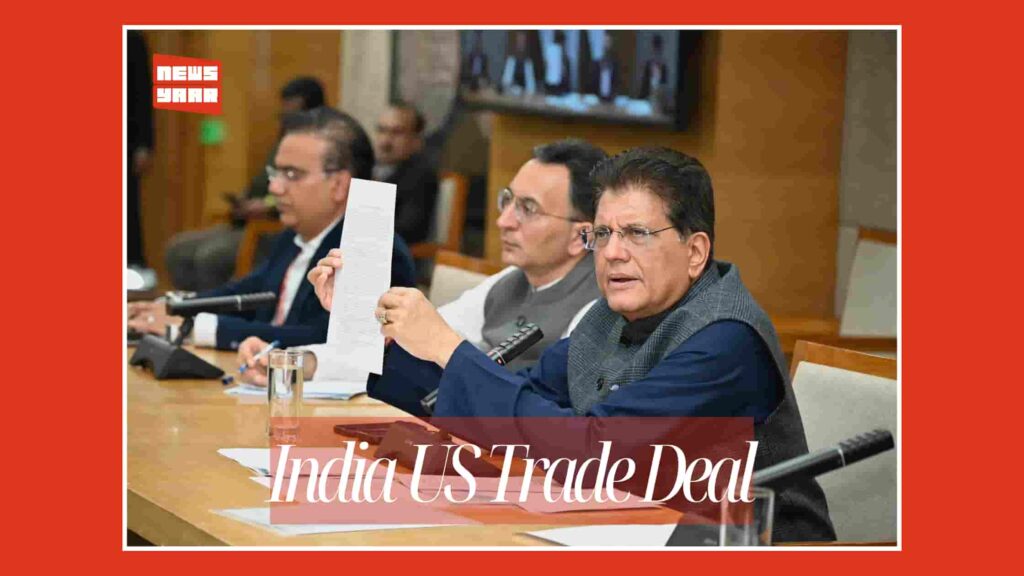
India and the United States have announced a framework for an interim trade agreement aimed at deepening economic ties, expanding market access, and strengthening bilateral cooperation on trade and investment. The trade deal represents progress in long-running negotiations between the two largest democracies and is viewed by New Delhi and Washington as a step toward a broader Bilateral Trade Agreement (BTA). The framework was unveiled following discussions between Prime Minister Narendra Modi and U.S. President Donald J. Trump, who first launched formal talks on a comprehensive India-U.S. trade arrangement in February 2025. Interim Framework OverviewUnder the interim framework, both countries have agreed to substantial tariff reductions and preferential market access commitments, while also embedding safeguards for politically sensitive and strategic sectors in their respective economies. The agreement stops short of a full free-trade agreement but sets out structured commitments that could be built upon in future negotiations. According to the joint statement issued by India and the U.S., the interim agreement emphasises mutual and reciprocal market access, rule-based trade enhancement, and sustained cooperation in areas of economic interest. It also commits both sides to work on non-tariff barriers to facilitate smoother trade flows. Tariff Reductions and Market AccessOne of the central features of the deal is reduction of mutually imposed tariffs on a wide range of goods:The United States will reduce its **reciprocal tariffs on Indian exports to 18 per cent from previous levels that reached up to 50 per cent on certain products, significantly improving access to the U.S. market. Tariffs will also be entirely eliminated for select Indian exports, including generic pharmaceuticals, gems and diamonds, and aircraft parts. India has agreed to eliminate or reduce tariffs on all U.S. industrial goods and a broad spectrum of American food and agricultural products, including dried distillers’ grains (DDGs), red sorghum for animal feed, tree nuts, fresh and processed fruits, soybean oil, wine and spirits. The reciprocal tariff arrangement is expected to open up significant opportunities for Indian exporters in traditional and emerging sectors, while also making a range of American products more competitive within India’s markets.Agriculture and Sensitive Sector ProtectionsA major concern throughout negotiations has been safeguarding India’s agricultural and rural economy, which supports a vast portion of the population. Commerce and Industry Minister Piyush Goyal has repeatedly emphasised that the deal will fully protect sensitive agricultural and dairy products from tariff concessions. Products explicitly shielded include:Staple crops such as maize, wheat, rice and soyaDairy and poultry products including milk, cheese and meatOther items critical to rural livelihoods such as ethanol (fuel), tobacco and certain vegetablesThese protections are intended to prevent adverse impacts on the livelihoods of farmers, smallholder producers and rural communities, who form the backbone of India’s agricultural economy. At the same time, India has offered zero-duty access for its farm products entering the U.S. market, including items such as spices, tea, coffee, coconut and coconut oil, cashew nuts, certain fruits like mangoes, bananas and pineapples, bakery products and vegetable waxes. This is expected to enhance export earnings for agricultural producers and MSMEs. Sectoral Gains and Strategic OutcomesThe interim framework includes sectoral provisions designed to boost trade and cooperation across diverse industries:Pharmaceuticals and Medical Devices: Zero tariffs on generic drugs and improved regulatory alignment are expected to bolster India’s strong position in the U.S. pharmaceutical market. Aerospace and Defence: Eliminating tariffs on aircraft parts and securing Section 232 exemptions are expected to benefit aerospace trade and support defence and commercial aircraft manufacturing. Manufacturing and ICT Goods: Commitments to address non-tariff barriers and streamline standards are expected to facilitate trade in information and communication technology (ICT) products and select machinery. Auto Components and Heavy Industry: The agreement anticipates tariff rate quotas for auto parts and preferential access for certain manufactured goods, enhancing industrial trade cooperation. Combined, these measures aim to reduce supply chain friction, attract investment, and support India’s Make in Indiainitiative by integrating domestic production more closely with global value chains.Energy and Long-term Procurement CommitmentsAs part of the broader economic engagement, India has signalled intentions to import approximately USD 500 billion worth of goods from the United States over the next five years. These imports include energy products such as crude oil, liquefied natural gas (LNG) and liquefied petroleum gas (LPG), along with aircraft and aircraft parts, technology products, precious metals and coking coal. These procurement commitments align with India’s strategy of diversifying its energy sources and deepening strategic economic ties with the U.S. . Expected Economic ImpactCommerce Minister Goyal has described the interim framework as a “historic and equitable agreement” that could potentially open a US$ 30 trillion market for Indian exporters. This expanded access is expected to deliver significant benefits for micro, small and medium enterprises (MSMEs), artisans, agricultural producers and women- and youth-led businesses by removing tariff barriers in the U.S. market. Key economic gains envisaged include:Boost to Indian exports in textiles, leather and footwear, plastic and rubber products, organic chemicals, home decor, artisanal goods and select machinery. Increased competitiveness for Indian pharmaceutical and aerospace sectors through zero tariff access. Enhancement of India’s MSME ecosystem through sustained preferential access and reduced non-tariff barriers. Political and Analytical PerspectivesThe trade framework has drawn both support and criticism within India. Proponents highlight its potential to create jobs, expand market reach for diverse sectors and attract foreign direct investment. Several state leaders have welcomed the deal as a step forward for economic growth and industrial development. Critics — including farmer unions and opposition figures — argue that the framework lacks sufficient detail and may expose certain sectors to unfair competition, particularly if tariff reductions are asymmetric. Concerns have been raised about the long-term impact on domestic agriculture and industrial policies. Why the Deal MattersThe interim India-U.S. trade deal is significant on multiple fronts:It marks a milestone in trade relations between the world’s two largest democracies, anchoring economic cooperation alongside strategic and defense ties. It represents a shift in India’s trade policy, balancing openness with protection for sensitive sectors while pursuing broader market access. For the United States, it strengthens economic engagement with a high-growth market and supports bilateral cooperation on technology, supply chains and industrial standards. The interim framework is
Grammy Awards 2026: Historic Wins, Major Moments and Full Winners List

The 68th Annual Grammy Awards — the most prestigious honours in the global music industry — were held on February 1, 2026, at the Crypto.com Arena in Los Angeles, California, celebrating outstanding achievements in music released between August 31, 2024, and August 30, 2025. The ceremony was broadcast live on CBS and streamed on Paramount+, marking the final year on these platforms before the broadcast moves to new partners under a long-term agreement beginning in 2027. South African comedian Trevor Noah hosted the event for the sixth and final time, closing a defining chapter in Grammy hosting history. The Grammys are presented annually by the Recording Academy, recognising excellence in recordings, performances, compositions and technical artistry across widespread genres. This year’s event drew major global attention for its historic milestones, genre diversity and broad musical representation spanning rap, pop, Latin, R&B, rock, country and international music. Big Night, Big Winners: Major Awards and Historic FirstsOne of the most notable outcomes of the 2026 ceremony was the Album of the Year award going to Bad Bunny for Debí Tirar Más Fotos, marking the first time a primarily Spanish-language album has won the Grammys’ most coveted prize. The triumph was widely viewed as a cultural milestone, illustrating the expanding global influence of Latin urban music. Record of the Year, which honours the performance and production of a single recording, went to “luther” by Kendrick Lamar and SZA, highlighting one of the year’s most acclaimed songs. Song of the Year, awarded to songwriters, was won by Billie Eilish and Finneas O’Connell for “Wildflower”. Meanwhile, Olivia Dean was named Best New Artist, acknowledging a breakthrough year in her career. Leadership in Nominations and AwardsRap powerhouse Kendrick Lamar led all nominees with nine nominations heading into the night, tying with artists such as Lady Gaga, Jack Antonoff and producer Cirkut in multiple categories. Lamar went on to capture five Grammy wins, the most of any artist at the ceremony, including Best Rap Album for GNX and a second consecutive win for Record of the Year. His victories also extended his standing as the most awarded rapper in Grammy history, surpassing previous record holders through sustained artistic excellence. Full Winners Snapshot: Major CategoriesWhile the Grammys encompass 95 categories covering both popular and specialised areas, the following represents a condensed overview of key awards and winners from the 2026 ceremony:Album of the Year — Debí Tirar Más Fotos (Bad Bunny)Record of the Year — “luther” (Kendrick Lamar & SZA)Song of the Year — “Wildflower” (Billie Eilish & Finneas)Best New Artist — Olivia DeanBest Pop Vocal Album — Mayhem (Lady Gaga)Best Pop Solo Performance — “Messy” (Lola Young)Best Pop Duo/Group Performance — “Defying Gravity” (Cynthia Erivo & Ariana Grande)Best Rap Album — GNX (Kendrick Lamar)Best R&B Album — MUTT (Leon Thomas)Best Rock Album — Songs of a Lost World (The Cure)Best Country Solo Performance — “Bad As I Used to Be” (Chris Stapleton)Best African Music Performance — “Water” (Tyla)(Other winners and full lists are available from Recording Academy sources.) Diverse Recognition Across GenresThe 2026 Grammys celebrated genre diversity and global music influence. Lady Gaga secured wins in both Best Pop Vocal Album and Best Dance Pop Recording for Abracadabra, while artists like Tyler, The Creator and Turnstile were recognised in rock and alternative categories. R&B and hip-hop saw standout wins for Kehlani and Leon Thomas, reinforcing the continued crossover appeal of those genres. Latin, African and reggae music also featured in winners’ circles, reflecting the Recording Academy’s broader emphasis on inclusivity within music’s evolving landscape. Notable moments also emerged outside typical categories; the documentary Music by John Williams, produced by Steven Spielberg and collaborators, earned a win for Best Music Film, crowning him an EGOT recipient — an artist who has collectively won an Emmy, Grammy, Oscar and Tony Award. Additionally, the song “Golden” from KPop Demon Hunters captured Best Song Written for Visual Media, marking a landmark moment for Korean pop integration into major Grammy recognition. Performances, Red Carpet and Broader Cultural ImpactThe 2026 ceremony featured a lineup of performances and presentations spanning multiple music styles and eras. High-profile artists such as Lady Gaga, Justin Bieber, Sabrina Carpenter and others took to the stage, bridging mainstream pop with experimental and genre-blending sounds. The red carpet was equally vibrant, with nominees and attendees showcasing fashion and expression that added to the cultural resonance of the event. While the Grammys are inherently competitive, the 2026 edition was marked by artist statements and moments that transcended music alone, with some performers using their acceptance speeches to touch on social commentary and advocacy, underlining the intersection of art and contemporary issues.Why the 2026 Grammys MatterThe 68th Annual Grammy Awards reaffirmed the ceremony’s position as a bellwether for global music trends, celebrating both commercial success and artistic innovation. From Bad Bunny’s historic Spanish-language Album of the Year to Kendrick Lamar’s record-setting achievements, the event highlighted the industry’s dynamic evolution and the broadening reach of diverse musical voices.As the music world looks ahead, the 2026 Grammys will be remembered for its blend of historic wins, genre-crossing recognition and cultural expression — a testament to the ever-expanding landscape of global music.Video credit: YT@/Recording Academy / GRAMMYsVideo credit: YT@/Recording Academy / GRAMMYs
Union Budget 2026–27: Government Raises Capex, Boosts Defence, Maintains Fiscal Consolidation Path
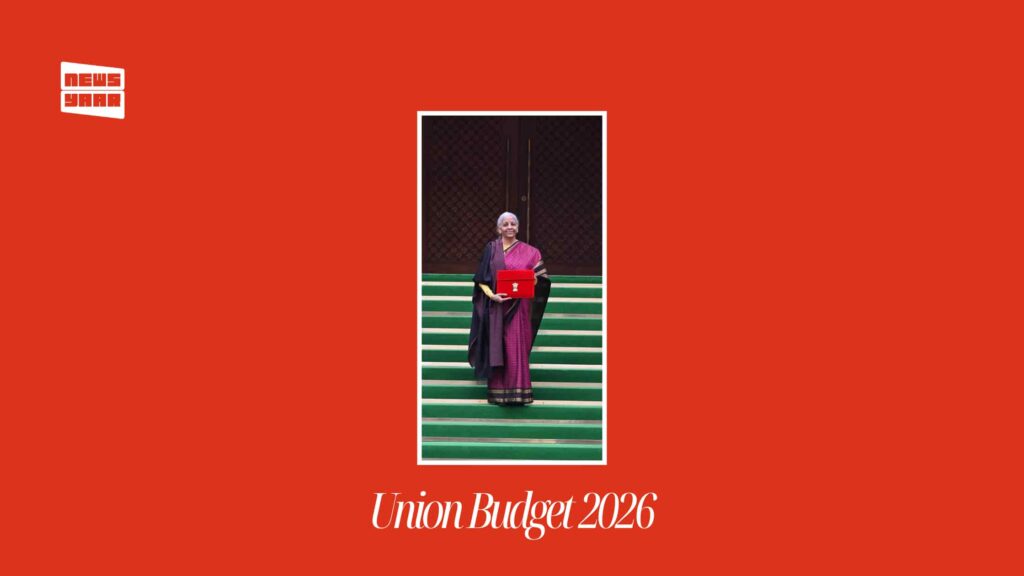
The Union Budget for 2026–27, presented by Finance Minister Nirmala Sitharaman in Parliament on Saturday, has laid out a comprehensive fiscal roadmap aimed at sustaining economic growth, strengthening infrastructure, enhancing national security and maintaining fiscal discipline amid global uncertainty. The Budget pegs the total expenditure of the Union government at ₹53.5 lakh crore for FY27, marking a sharp increase from the revised estimate of about ₹49.6 lakh crore in FY26. The increase reflects the government’s continued emphasis on public investment, defence preparedness and social sector spending. According to Budget documents, total receipts excluding borrowings are estimated at ₹36.5 lakh crore, while gross tax revenue is projected at ₹44.04 lakh crore, up from ₹42.7 lakh crore in the current financial year. Net tax receipts to the Centre are estimated at ₹28.7 lakh crore after devolution to states. To bridge the gap between receipts and expenditure, the Centre has proposed gross market borrowings of ₹17.2 lakh crore, with net market borrowings pegged at ₹11.7 lakh crore for 2026–27. Fiscal Deficit and Debt Position The government has projected the fiscal deficit at 4.3 per cent of GDP for FY27, marginally lower than the previous year, signalling a continued commitment to fiscal consolidation. The debt-to-GDP ratio is estimated at 55.6 per cent, compared with around 56.1 per cent in FY26, indicating a gradual reduction in sovereign debt levels. Finance Minister Sitharaman said the government remains focused on balancing growth imperatives with macroeconomic stability, even as it scales up spending on infrastructure and security. Capital Expenditure at Record High Capital expenditure has once again emerged as a central pillar of the Budget. The government has allocated ₹12.2 lakh crore towards capital expenditure in FY27, compared to ₹11.2 lakh crore in FY26. At 4.4 per cent of GDP, capex remains at its highest level in over a decade. The enhanced allocation will support investments in roads, railways, ports, urban infrastructure, logistics and digital connectivity, with the aim of crowding in private investment and improving long-term productivity. The Ministry of Road Transport and Highways has been allocated around ₹3.09 lakh crore, while Indian Railways has received ₹2.81 lakh crore, continuing the focus on network expansion, modernisation and safety. Defence Allocation Sees Major Jump Defence spending witnessed one of the most significant increases in the Union Budget. The total defence allocation for FY27 has been pegged at ₹7.84 lakh crore, up from ₹6.81 lakh crore in FY26. Of this, capital outlay stands at ₹2.19 lakh crore, reflecting a strong push towards military modernisation and indigenous defence manufacturing. Revenue expenditure, including pensions and operational costs, has been placed at ₹5.54 lakh crore. Within the capital budget, allocations include ₹63,733 crore for aircraft and aero engines, ₹25,023 crore for naval platforms, and enhanced funding for missiles, armoured vehicles and advanced defence technologies. Taxation: Stability and Simplification The Budget has maintained status quo on personal income tax slabs, providing stability to taxpayers. The government reiterated its commitment to simplifying tax administration and reducing litigation. The Finance Minister confirmed that the new Income Tax Act, 2025, which aims to replace the Income Tax Act of 1961, will come into effect from April 1, 2026, introducing clearer language and streamlined procedures. On the indirect tax front, customs duties were rationalised to support domestic manufacturing by reducing duties on selected capital goods and raw materials, while levies on certain imported luxury items were increased. Ministry-wise Allocations Among all ministries, the Ministry of Finance received the largest allocation at approximately ₹19.72 lakh crore, primarily towards interest payments, subsidies and transfers. The Ministry of Home Affairs has been allocated around ₹2.55 lakh crore, while the Ministry of Consumer Affairs, Food and Public Distribution received ₹2.39 lakh crore, reflecting continued support for food security and subsidies. The Ministry of Education has been allocated about ₹1.39 lakh crore, with increased funding for school education, higher education and skill development. The Ministry of Health and Family Welfare has received approximately ₹1.06 lakh crore, aimed at strengthening public healthcare infrastructure and services. Agriculture and Rural Economy Agriculture and rural development remain key focus areas. The Budget continues support for minimum support price (MSP) operations, irrigation projects and agri-infrastructure development. Allocations for rural employment schemes and farmer welfare programmes have been maintained to support rural incomes and consumption. MSMEs, Employment and Industry To support job creation and small businesses, the government expanded credit guarantee schemes for micro, small and medium enterprises (MSMEs) and announced measures to ease access to institutional finance. Skill development programmes received higher allocations to align workforce capabilities with emerging industry needs. The manufacturing and export sectors are expected to benefit from infrastructure investments, stable tax policies and continued incentives under production-linked incentive (PLI) schemes. Green Growth and Energy Transition The Budget reaffirmed India’s commitment to sustainable development, with increased allocations for renewable energy, green hydrogen, electric mobility and climate-resilient infrastructure. Incentives for electric vehicles and clean energy projects were extended to support the transition to a low-carbon economy. Market Borrowing and Revenue Outlook The government expects improved tax buoyancy, supported by steady economic growth and compliance measures. Gross tax revenue growth is projected to support higher spending without significantly widening the deficit. Bond markets are expected to closely track the government’s borrowing programme and fiscal trajectory in the coming months. Overall Assessment The Union Budget 2026–27 presents a calibrated approach focused on infrastructure-led growth, defence preparedness, fiscal prudence and inclusive development. By sustaining high public investment while gradually lowering the fiscal deficit, the government aims to support economic momentum amid global headwinds. While the immediate impact will be seen in infrastructure activity and defence manufacturing, the broader effects of the Budget are expected to unfold through higher private investment, job creation and improved economic resilience in the years ahead.
India Energy Week 2026: Mapping India’s Energy Transition in a Fragmented World
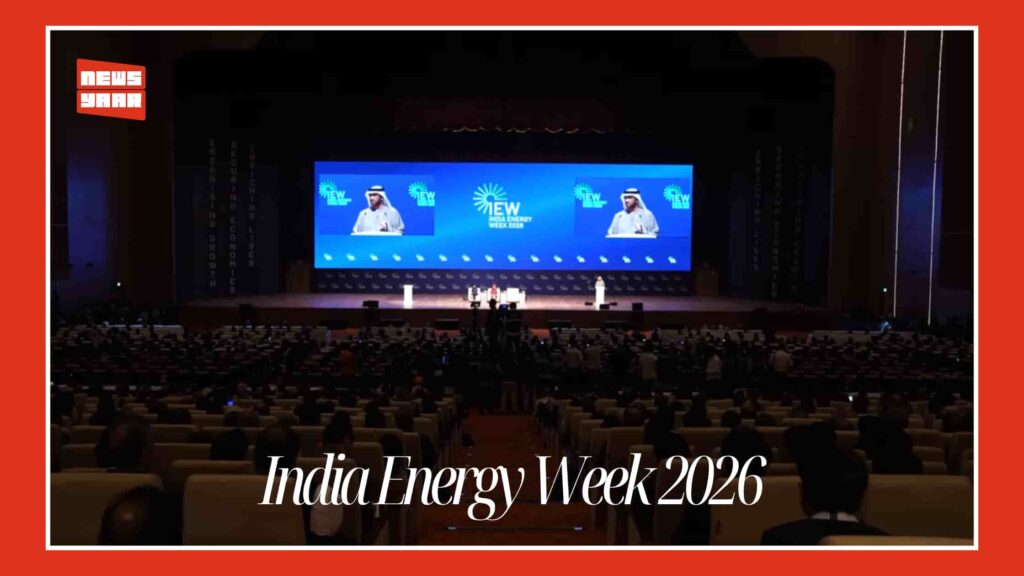
New Delhi: India Energy Week (IEW) 2026 emerged as a pivotal platform for India to articulate its energy priorities at a time when global energy systems are undergoing rapid transition amid geopolitical uncertainty, climate imperatives and shifting technology landscapes. Bringing together policymakers, industry leaders, innovators and global stakeholders, the event reinforced India’s ambition to position itself as a key driver of the global energy transition while safeguarding energy security and affordability.Held with a sharp focus on collaboration and execution, India Energy Week 2026 underscored the idea that India’s energy journey will be defined not by a single fuel or technology, but by a balanced, multi-pathway approach.Why India Energy Week MattersIndia Energy Week is designed as India’s flagship international energy forum, aimed at bridging dialogue between government, global energy companies, clean-tech innovators and investors. As one of the world’s fastest-growing energy consumers, India sits at the centre of global energy conversations, both as a market and as a solutions provider.With India targeting net-zero emissions by 2070, while simultaneously meeting the needs of a growing population and industrial base, the event plays a crucial role in aligning policy intent with industry execution. IEW 2026 continued this mandate by spotlighting policy clarity, investment opportunities and technological pathways across conventional and clean energy sectors.Central Themes and Focus AreasIndia Energy Week 2026 revolved around a few clear pillars:Energy Security in an Uncertain World: Discussions highlighted the need for diversified supply chains, domestic production and strategic reserves to shield economies from global disruptions.Accelerating the Clean Energy Transition: Renewable energy, green hydrogen, biofuels and energy storage were central to conversations, with India positioning itself as a scalable clean-energy hub rather than just a consumer of imported technologies.Technology, Innovation and Digitalisation: Artificial intelligence, smart grids and digital monitoring systems were presented as key enablers for improving efficiency, reducing losses and optimising energy distribution.Just and Inclusive Transition: Policymakers stressed that India’s energy shift must remain affordable and inclusive, ensuring that growth, employment and access are not compromised in the pursuit of sustainability.Key Highlights from India Energy Week 2026A major highlight of IEW 2026 was the strong participation from both domestic and global energy players across oil & gas, renewables, power, hydrogen and emerging technologies. The event featured:Policy Dialogues: Senior government representatives outlined India’s evolving energy roadmap, emphasising reforms, infrastructure expansion and investor-friendly frameworks.Investment Conversations: India showcased opportunities across upstream and downstream energy, renewable manufacturing, electric mobility and green hydrogen ecosystems, reinforcing confidence in long-term capital deployment.Hydrogen and Bioenergy Push: India’s ambitions under the National Green Hydrogen Mission were discussed in detail, alongside progress in ethanol blending and bioenergy adoption to reduce import dependence.Energy Transition Showcases: Technology exhibitions and innovation zones demonstrated advancements in storage solutions, clean fuels and digital energy platforms.Global and Domestic Voices on the Same StageIndia Energy Week 2026 featured participation from a wide range of stakeholders, including senior Indian ministers, global energy executives, international organisations and climate experts. The presence of global industry leaders reinforced India’s growing relevance in shaping future energy markets.International delegates engaged in dialogues on climate finance, technology transfer and collaborative innovation, while Indian public sector enterprises and private companies presented transition-ready business models aligned with sustainability goals.Strategic Significance for IndiaThe significance of India Energy Week 2026 lies in its timing and context. As global energy systems face volatility, from supply disruptions to policy shifts, India is positioning itself as a stable, predictable and scalable energy partner.The event highlighted India’s dual strength:Its ability to anchor traditional energy markets responsibly, andIts growing leadership in renewables and low-carbon solutions.By aligning policy, capital and innovation under one platform, IEW 2026 strengthened India’s narrative as a country that is not choosing between growth and sustainability, but integrating both.Looking Ahead: The Final Insights While India Energy Week 2026 focused heavily on ideas, partnerships and vision, the underlying message was clear: execution will define success. The emphasis on infrastructure readiness, regulatory clarity and market depth suggests a shift from aspirational announcements to delivery-oriented outcomes.As India advances towards becoming a $5 trillion economy, energy will remain at the core of its growth story. India Energy Week 2026 reaffirmed that India’s approach, pragmatic, inclusive and forward-looking, could well serve as a blueprint for other emerging economies navigating similar transitions.In a world searching for balanced energy solutions, India is increasingly positioning itself not just as a participant, but as a shaper of the global energy future.
Oscar Nominations 2026 Announced: ‘Sinners’ Makes History With Record 16 Nods

Beverly Hills: The nominations for the 98th Academy Awards were officially announced on Thursday, January 22, 2026, setting the stage for one of the most competitive Oscar races in recent memory. Actors Lewis Pullman and Danielle Brooks revealed the nominees early morning in Beverly Hills, California. The Academy Awards ceremony will take place on March 15, 2026, and will be hosted by Conan O’Brien, airing live on ABC and streaming on Hulu. ‘Sinners’ Dominates the 2026 Oscar Race Ryan Coogler’s ambitious horror drama Sinners emerged as the biggest standout, securing a record-breaking 16 nominations, the highest ever for a single film. Set in 1930s Mississippi, the film stars Michael B. Jordan in a dual role as twins Smoke and Stack, earning him his first-ever Oscar nomination. The film received nominations across major categories, including Best Picture, Best Director, Best Original Screenplay, and multiple acting and technical categories, cementing its place as the frontrunner this year. Close behind is One Battle After Another, which picked up 13 nominations, including Best Picture and Best Actor for Leonardo DiCaprio. First-Time Nominees Shine The 2026 nominations also spotlight a strong wave of first-time acting nominees. Among them are Jacob Elordi (Frankenstein), Delroy Lindo and Wunmi Mosaku (Sinners), Teyana Taylor (One Battle After Another), and several cast members from the Norwegian drama Sentimental Value, including Elle Fanning, Renate Reinsve, and Stellan Skarsgård. Key Oscar Nominations 2026 Best Picture Bugonia F1 Frankenstein Hamnet Marty Supreme One Battle After Another The Secret Agent Sentimental Value Sinners Train Dreams Best Actor (Leading Role) Timothée Chalamet – Marty Supreme Leonardo DiCaprio – One Battle After Another Ethan Hawke – Blue Moon Michael B. Jordan – Sinners Wagner Moura – The Secret Agent Best Actress (Leading Role) Jessie Buckley – Hamnet Rose Byrne – If I Had Legs I’d Kick You Kate Hudson – Song Sung Blue Renate Reinsve – Sentimental Value Emma Stone – Bugonia Best Director Chloé Zhao – Hamnet Josh Safdie – Marty Supreme Paul Thomas Anderson – One Battle After Another Joachim Trier – Sentimental Value Ryan Coogler – Sinners Best Animated Feature Arco Elio KPop Demon Hunters Little Amélie or the Character of Rain Zootopia 2 Best International Feature Film The Secret Agent (Brazil) It Was Just an Accident (France) Sentimental Value (Norway) Sirāt (Spain) The Voice of Hind Rajab (Tunisia) Technical Excellence and Global Storytelling Films like Avatar: Fire and Ash, Frankenstein, and F1 dominated technical categories such as visual effects, sound, costume design, and production design. Meanwhile, documentaries tackling global politics, war, and social change found strong representation in both feature and short documentary categories. Looking Ahead to Oscar Night With blockbuster franchises, intimate international dramas, and politically charged narratives competing side by side, the 2026 Oscars promise a ceremony that reflects both cinematic ambition and cultural relevance. As the countdown to March 15 begins, all eyes will be on whether Sinners can convert its historic nominations into equally historic wins, or if a dark horse emerges on Hollywood’s biggest night.
India-EU Free Trade Agreement Explained: What It Means for Trade, Economy and Strategic Partnerships
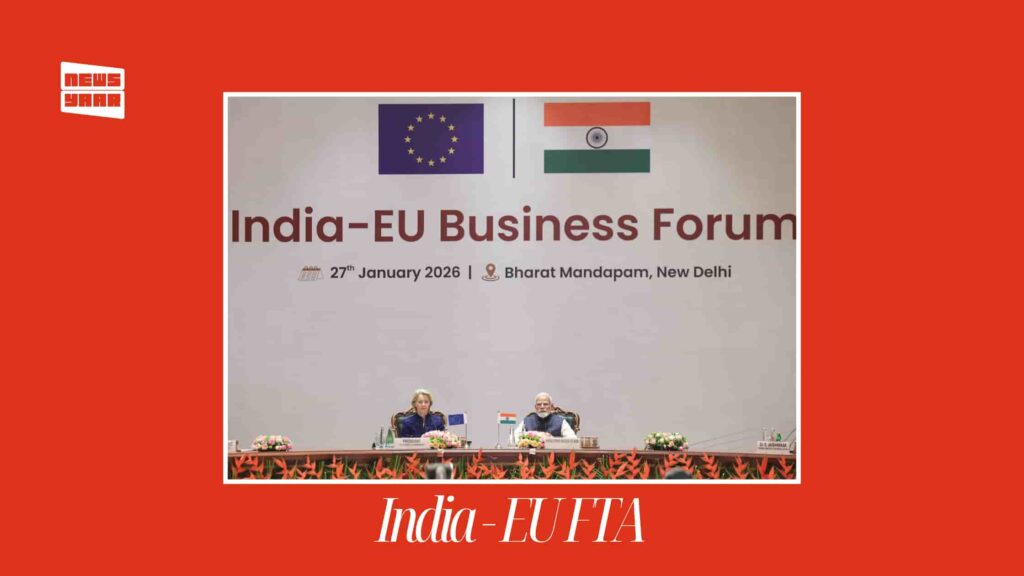
India and the European Union (EU) are advancing free trade agreement (FTA) negotiations aimed at expanding economic ties between one of the world’s fastest-growing major economies and the bloc comprising 27 European nations. The India-EU FTA, also known as the EU-India Trade and Investment Agreement (TIA), is expected to be one of the most significant trade pacts of the decade, with potential to reshape global trade flows, boost exports, and deepen strategic cooperation between two large economic partners. What Is the India-EU FTA? The India-EU Free Trade Agreement is a planned comprehensive trade deal designed to facilitate the reduction or elimination of tariffs, address non-tariff barriers, and expand market access for goods and services between India and the EU. Unlike a simple tariff agreement, the FTA also aims to cover investment protection, digital trade, intellectual property, rules of origin, services, government procurement and sustainable development — making it a high-ambition, high-standards agreement. Negotiations for the trade pact have been ongoing for over a decade, reflecting both the complexity of aligning regulatory frameworks and the growing economic significance of the India-EU relationship. While some rounds of talks were stalled or slowed due to differences on specific issues, recent developments indicate renewed momentum and a political commitment from both sides to conclude the deal. Why the India-EU FTA Is Important An India-EU FTA holds strategic economic importance for both partners: Expanding Trade and Market Access:The EU is among India’s largest trading partners, with two-way trade exceeding $130 billion in recent years. Economic modelling suggests that a successful FTA could significantly raise the volume of bilateral trade by eliminating tariffs on key products such as textiles, automobiles, engineering goods, pharmaceuticals, chemicals and agricultural products. Export Competitiveness and Targets:India has set ambitious export targets — including achieving $14 trillion in exports by 2030. An FTA with the EU could provide preferential market access that boosts India’s export competitiveness in key sectors, helping it approach those targets sooner. Reductions in tariff barriers and streamlined standards would make Indian goods more competitive in European markets. Investment and Economic Cooperation:Beyond goods, the FTA could strengthen services trade and investment flows, particularly in sectors where India has global strength, such as IT and professional services. It also presents opportunities for EU investors in India’s manufacturing, infrastructure and clean energy sectors. Strategic and Geopolitical Alignment:The India-EU FTA is also seen through a geopolitical lens, strengthening economic ties at a time when global trade dynamics are shifting. Deeper integration with the EU can provide India diversification from traditional trade partners and reduce dependence on any single market. Key Issues and Areas of Negotiation Negotiating an ambitious trade deal between two large economies involves complex discussions. Key areas under negotiation include: Tariff Reductions and Market Access:India is seeking lower tariffs on goods such as automobiles and textiles, while the EU is pushing for tariff cuts on agricultural products, dairy and alcoholic beverages. The pace and scope of tariff liberalisation remain a central challenge. Services and Regulatory Cooperation:The EU places significant emphasis on services trade, including professional services, digital trade and data flows. India continues to seek greater access for its services exports while ensuring data protection and regulatory balance. Rules of Origin and Supply Chains:Both sides aim to include clear and predictable rules of origin, which determine how products qualify for preferential tariff treatment under the FTA. This is critical for supply chain integration and ensuring that Indian and EU manufacturers can benefit from the agreement. Sustainable Development and Labour Standards:The EU typically includes provisions on environmental protection, labour rights and sustainability in its trade agreements. India has pushed for similar commitments but within its developmental context, seeking flexibility on implementation timelines. Agriculture and Food Products:Agricultural market access has been a contentious area, with the EU seeking greater access for its dairy and other farm products, while India aims to safeguard the interests of its agricultural producers and small farmers. Impact on Indian Economy and Industries If successfully concluded, the India-EU FTA could produce a range of economic impacts: Boost to Exports:Reduced tariffs and smoother market access could help Indian exporters increase shipments of textiles, pharmaceuticals, chemicals, automotive components, machinery and engineering goods — sectors that have already registered strong growth in recent years. Improved Competitiveness:By aligning standards and reducing trade costs, the FTA could help Indian industries become more competitive globally, attracting foreign investment and encouraging technology transfer. Services Sector Growth:India’s services sector, particularly IT and business process management services, is expected to gain from improved access to EU markets. The agreement could address regulatory barriers that currently limit the full potential of services exports. Investment Flows:With clear investment protections and dispute resolution mechanisms, an FTA could drive greater EU investment into Indian sectors such as renewable energy, infrastructure, healthcare and manufacturing — sectors critical to India’s economic transformation. Regional and Global Implications The India-EU FTA has strategic implications beyond immediate bilateral trade: Diversification of Trade Relations:For India, the pact offers diversification in a global context where trade tensions and supply chain vulnerabilities have increased interest in forging deeper partnerships outside traditional markets. Competitive Response:Neighbouring countries and trading blocs are closely watching the negotiations. In some cases, like Pakistan, there is concern that closer India-EU economic ties could shift regional trade dynamics and erode competitive advantages in certain areas. Alignment with Global Standards:By negotiating with the EU — a bloc known for high regulatory standards — India could accelerate its own reforms in areas such as intellectual property, digital trade, quality standards and sustainability frameworks. What Comes Next Discussions on the India-EU FTA have gained pace in recent months, with officials from both sides underscoring the importance of reaching an agreement that is “balanced, comprehensive and forward-looking.” While the timeline remains uncertain and depends on resolving differences in key areas, sources indicate that negotiators are working toward finalising an outline that could pave the way for conclusion in the coming years. Both policymakers and businesses are closely monitoring developments. Indian industry bodies have urged the government to secure a
World Economic Forum 2026: Global Leaders Converge in Davos Amid Major Economic and Geopolitical Challenges
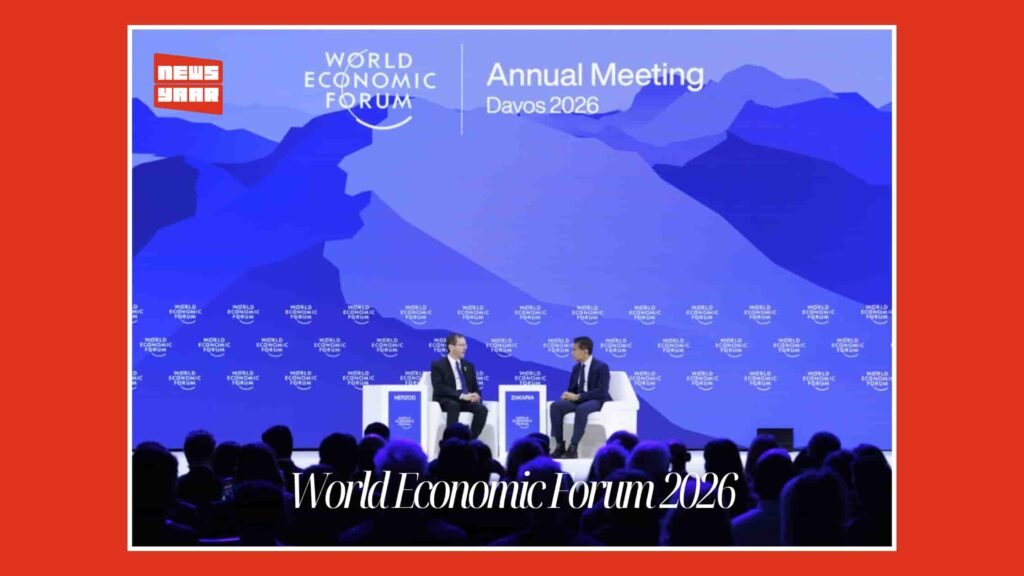
The World Economic Forum (WEF) Annual Meeting 2026 took place from January 19 to 23 in Davos-Klosters, Switzerland, bringing together leaders from government, business, international organisations and civil society to discuss the most pressing global issues of the moment. Now in its 56th year, the forum — commonly referred to simply as “Davos” — is a flagship platform for public-private cooperation on economic policy, technology governance, sustainability and global security.The meeting’s official theme, “A Spirit of Dialogue,” underscored a widely recognised need for renewed cooperation in an era marked by geopolitical tensions, slowing economic growth, technological disruption and environmental risk. Organisers, delegates and analysts alike framed the discussions around the idea that dialogue — even amid disagreement — is essential for addressing interconnected global challenges. Scale of Participation and Global Profile The WEF 2026 drew thousands of participants from over 100 countries, including government ministers, heads of state, central bankers, chief executives of major corporations, academics and representatives of international institutions. The meeting’s scale and diversity reflect its enduring role as a central venue for high-level engagement on global policy priorities.Among the most notable attendees was United States President Donald Trump, whose presence drew significant media attention and marked a return to Davos for a leader of his stature. Delegations also included major European figures, leaders from Asia, Africa and Latin America, and senior representatives from international organisations and think tanks. Economic Priorities and Global Growth Concerns Economic issues formed a core pillar of the 2026 agenda. Discussions highlighted uneven global growth, persistent inflationary pressures and heightened uncertainty in financial markets. Organisers and speakers emphasised that sluggish expansions in major economies, coupled with high debt levels, pose risks to stability and investment confidence.According to WEF research and policy discussions at Davos, cooperation on economic policy, trade facilitation and investment frameworks remains essential to navigate these headwinds. Investments in human capital, innovation and sustainable growth models were also highlighted as central to unlocking new sources of economic opportunity. Technology, Innovation and Governance Technological advancement — particularly artificial intelligence (AI) — was a prominent topic throughout the meeting. Delegates debated how to harness innovation responsibly while addressing associated risks such as workforce displacement, data protection, ethical use cases and the broader social impact of AI deployment.Speakers noted the absence of globally coordinated regulatory frameworks for emerging technologies, emphasising the need for international dialogue to manage both the opportunities and risks of rapid digital transformation. Geopolitics and International Security Geopolitical tensions and international security issues shaped several panels and bilateral discussions. The ongoing conflict in Ukraine, instability in parts of the Middle East, and great-power competition in regions such as the Indo-Pacific were recurring themes.In this context, world leaders discussed the importance of resilient supply chains, energy security and strategic partnerships while acknowledging that geopolitical fragmentation continues to complicate efforts toward shared economic and diplomatic goals.A particularly high-profile moment at the forum involved exchanges around NATO and Arctic security, with debates over territorial issues such as the strategic role of Greenland drawing media attention and highlighting how security concerns intersect with economic and environmental priorities. Climate, Sustainability and Emerging Risks Climate change and sustainable development remained central to Davos discussions, but delegates acknowledged the gap between global climate commitments and action on the ground. Energy transition strategies, climate finance for developing economies and nature-based risk frameworks were all debated, often in conjunction with economic policy and innovation priorities.A distinctive focus this year was on water systems and planetary stability, with experts warning that imbalances in the global water cycle — including drought, flood extremes and freshwater scarcity — require urgent collective action. These discussions, sometimes referred to as part of the “Blue Davos” agenda, highlighted water as a foundational element of global resilience. Outcomes and Forward Agenda Unlike treaty negotiations or binding international agreements, the World Economic Forum does not issue enforceable resolutions. Instead, its role is to shape the global conversation, build networks of cooperation and catalyse voluntary initiatives. At the conclusion of the 2026 meeting, several partnerships, memoranda of understanding and investment dialogues were announced, particularly in areas such as clean energy, digital infrastructure and sustainable finance.For example, global and regional delegations highlighted collaborative efforts to expand green growth and industrial innovation, reflecting businesses and states seeking resilient growth pathways amid global uncertainty.Beyond formal sessions, the informal interactions in Davos — from bilateral talks between heads of state to private sector strategy meetings — often influence policy choices throughout the year. These engagements are frequently cited by governments and corporations as contributing to priority setting and risk assessment in economic and geopolitical planning. Why World Economic Forum 2026 Matters The World Economic Forum Annual Meeting remains significant because it brings together diverse decision-makers at a time when coordination on global issues has become more fragmented. As geopolitical tensions rise and economic risks persist, forums like Davos offer a rare structured environment where dialogues between competing interests can occur.In 2026, the emphasis on dialogue — even amid disagreement on trade, security, technology and climate policy — reflected a shared recognition that global challenges cannot be addressed in isolation. While the outcomes of Davos are not always immediately visible, the convergence of leaders and ideas continues to shape international conversations and influence public and private sector strategies in the months and years that follow.