


Chenab Bridge: India’s Engineering Marvel Over the Himalayas
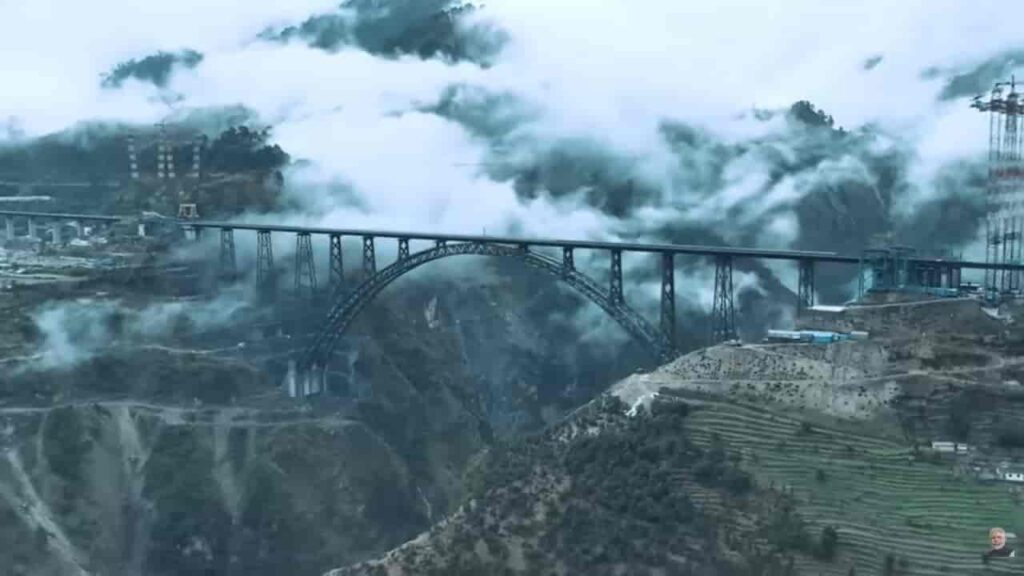
The Chenab Bridge, built across the Chenab River in the Union Territory of Jammu and Kashmir, stands as one of the most remarkable feats of modern engineering in India. Constructed as part of the ambitious Udhampur–Srinagar–Baramulla Rail Link (USBRL), the bridge has gained global attention for its height, design complexity, and strategic importance.Often described as a symbol of India’s infrastructural progress in difficult terrain, the Chenab Bridge is now recognized as the world’s highest railway bridge, surpassing even iconic structures like the Eiffel Tower in height from its base.Location and Strategic ImportanceThe Chenab Bridge is located between Bakkal and Kauri in the Reasi district of Jammu and Kashmir, spanning the deep gorge of the Chenab River. The region is known for its rugged Himalayan terrain, seismic sensitivity, and challenging weather conditions, making construction extremely demanding.The bridge is a crucial component of the USBRL project, which aims to provide all-weather rail connectivity to the Kashmir Valley, linking it with the rest of India. This connectivity is expected to significantly improve:Transportation and logisticsTourism and economic activityStrategic and defence mobility in the regionRecord-Breaking Height and StructureThe Chenab Bridge stands at an astonishing height of 359 metres above the riverbed, making it the highest railway bridge in the world. For perspective, it is about 35 metres taller than the Eiffel Tower.The total length of the bridge is approximately 1,315 metres, and it is designed as a steel arch bridge, a structure chosen specifically to withstand the extreme conditions of the region.Engineering and Design FeaturesThe bridge has been designed to endure some of the harshest environmental and geological challenges. Key features include:High Wind ResistanceThe structure is capable of withstanding wind speeds of up to 260 km/h, ensuring safety even in extreme weather conditions.Seismic SafetyGiven that the region falls in a high seismic zone, the bridge has been engineered to withstand earthquakes of significant magnitude, making it structurally resilient.Blast-Proof DesignConsidering its strategic importance, the bridge has been designed with blast-resistant features, adding an additional layer of security.LongevityThe structure has an estimated lifespan of over 120 years, reflecting the durability of materials and engineering precision used in its construction.Construction ChallengesBuilding the Chenab Bridge was not just an engineering task but a logistical and environmental challenge.The remote and mountainous location made transportation of materials extremely difficult.Extreme temperatures, landslides, and high winds frequently disrupted construction work.Specialised equipment and techniques were required to construct the massive steel arch over a deep gorge.Advanced technologies such as cable cranes, incremental launching, and precision welding were used to complete the structure.The project involved collaboration between Indian Railways and several international engineering firms, highlighting the global scale of expertise required.Role in the USBRL ProjectThe Indian Railways has undertaken the USBRL project to connect Kashmir via rail for the first time in history. The Chenab Bridge is considered the most critical and iconic segment of this project.Once fully operational, the rail link is expected to:Reduce travel time between Jammu and SrinagarProvide reliable connectivity in all seasonsBoost regional integration and developmentEconomic and Social ImpactThe completion of the Chenab Bridge is expected to have far-reaching effects:Tourism Boost: Easier access to Kashmir could significantly increase tourist inflow.Trade and Commerce: Improved logistics will benefit local businesses and industries.Employment Opportunities: Infrastructure development will generate jobs in the region.Regional Connectivity: It will reduce isolation and improve access to essential services.A Symbol of Modern IndiaBeyond its technical specifications, the Chenab Bridge represents a broader narrative of India’s infrastructural ambition and capability. Constructed in one of the most challenging terrains in the world, it reflects the country’s ability to execute large-scale projects with precision and resilience.It also stands as a testament to the dedication of engineers, workers, and planners who turned a seemingly impossible vision into reality.The Chenab Bridge is not just a railway structure—it is a landmark achievement that has redefined engineering possibilities in India, while playing a pivotal role in connecting the Kashmir Valley to the national railway network.
Namo Bharat Rapid Rail: India’s Next-Generation Regional Transit System
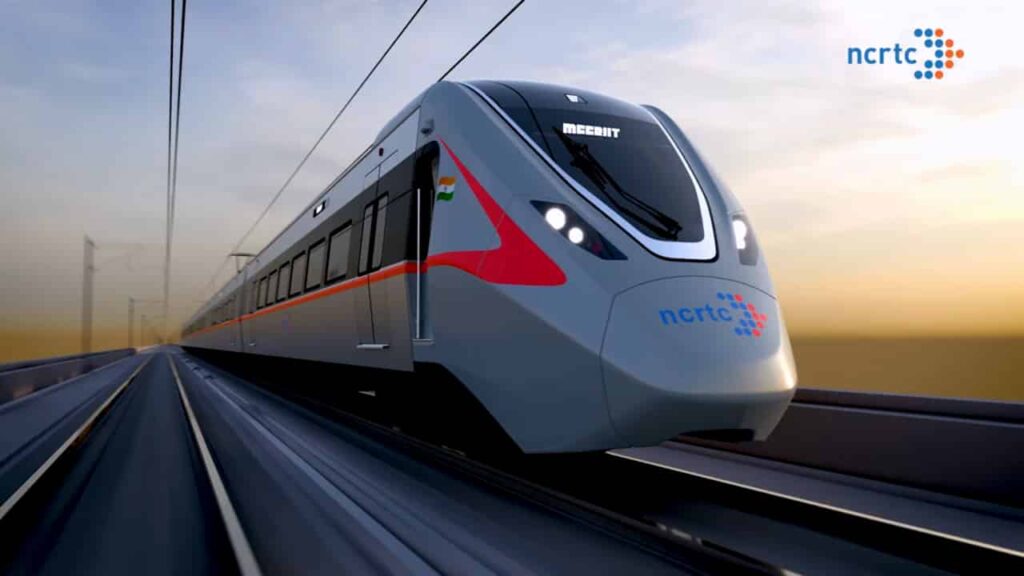
The Namo Bharat Rapid Rail, often referred to as India’s Vande Metro, represents a major leap in the country’s urban and regional mobility infrastructure. Designed to bridge the gap between metro systems and conventional railways, the project aims to provide fast, efficient, and comfortable connectivity between cities and their surrounding regions.Developed under the Regional Rapid Transit System (RRTS), the Namo Bharat trains are being positioned as a modern, high-speed transit solution to address increasing commuter demand in densely populated corridors.Concept and Vision Behind Namo BharatThe idea behind Namo Bharat Rapid Rail is to create a semi-high-speed, high-frequency transit system that connects major urban centres with nearby towns and cities. Unlike traditional trains, which often face delays and congestion, or metro systems limited to city boundaries, Namo Bharat is designed to operate across regions with greater speed and efficiency.The system has been implemented by the National Capital Region Transport Corporation (NCRTC), with a focus on improving connectivity in the National Capital Region (NCR) and eventually expanding to other parts of the country.Delhi–Meerut Corridor: The First Operational RouteThe first and most prominent corridor under the Namo Bharat Rapid Rail is the Delhi–Meerut RRTS Corridor, which has been developed as India’s inaugural regional rapid transit system.Spanning approximately 82 kilometres, the corridor connects Delhi, Ghaziabad, and Meerut, significantly reducing travel time between these cities. Once fully operational, the journey that earlier took several hours is expected to be completed in less than an hour.Sections of this corridor had already been opened in phases, marking the beginning of high-speed regional rail services in India.Speed, Technology and DesignThe Namo Bharat trains are engineered for speed, safety, and passenger comfort. They are capable of operating at speeds of up to 160 km/h, with a design speed of 180 km/h, placing them among the fastest commuter transit systems in the country.The trains feature:Fully air-conditioned coachesAutomatic doors and level boardingAdvanced signalling and train control systemsErgonomic seating and passenger information systemsThe system also uses modern technologies such as ETCS Level-2 signalling, ensuring efficient train operations and enhanced safety.How It Differs from Metro and Conventional RailWhile often compared to metro systems, Namo Bharat operates on a different scale and purpose. Metro rail systems are designed for intra-city travel with frequent stops, whereas Namo Bharat focuses on inter-city and regional connectivity with fewer stops and higher speeds.Compared to conventional railways, it offers:Faster travel timesDedicated tracks, reducing interference with other trainsHigher frequency of servicesImproved punctuality and reliabilityThis positions Namo Bharat as a hybrid solution, combining the efficiency of metro systems with the reach of railways.Vande Metro: A Parallel DevelopmentAlongside the Namo Bharat Rapid Rail, Indian Railways has also been working on the concept of Vande Metro, inspired by the success of Vande Bharat Express trains.The Vande Metro is aimed at enhancing short-distance intercity travel, particularly for routes of 100–250 kilometres. While still under development and rollout phases, it is expected to complement systems like Namo Bharat by offering modern, fast, and efficient services on existing railway tracks.Passenger Experience and AccessibilityA key focus of the Namo Bharat system is improving commuter experience. Stations are being developed with modern amenities, including escalators, lifts, ticketing automation, and seamless entry-exit systems.The trains also prioritise accessibility, with features designed for elderly passengers and persons with disabilities. Safety measures, surveillance systems, and real-time information displays further enhance the travel experience.Economic and Environmental ImpactThe introduction of Namo Bharat Rapid Rail is expected to have far-reaching economic and environmental benefits. By reducing travel time between cities, the system encourages regional economic integration and supports the growth of satellite towns.From an environmental perspective, the shift from road-based transport to high-capacity rail systems is expected to:Reduce traffic congestionLower carbon emissionsImprove air qualityThe project aligns with India’s broader goals of sustainable and green mobility.Expansion Plans and Future CorridorsFollowing the Delhi–Meerut corridor, additional RRTS corridors are being planned and developed, including routes connecting Delhi with Alwar and Panipat.These corridors aim to create a comprehensive regional transit network, transforming how people commute across the National Capital Region.A Transformational Shift in Urban MobilityThe Namo Bharat Rapid Rail marks a significant milestone in India’s infrastructure development, introducing a new category of high-speed regional transit. By combining speed, efficiency, and modern technology, it addresses long-standing challenges of urban congestion and intercity connectivity.As more corridors become operational, the system is expected to redefine daily commuting for millions, setting a new standard for public transport in India.
Kumar Bhaskar Varma Bridge Over Brahmaputra River: Strengthening Connectivity in Assam
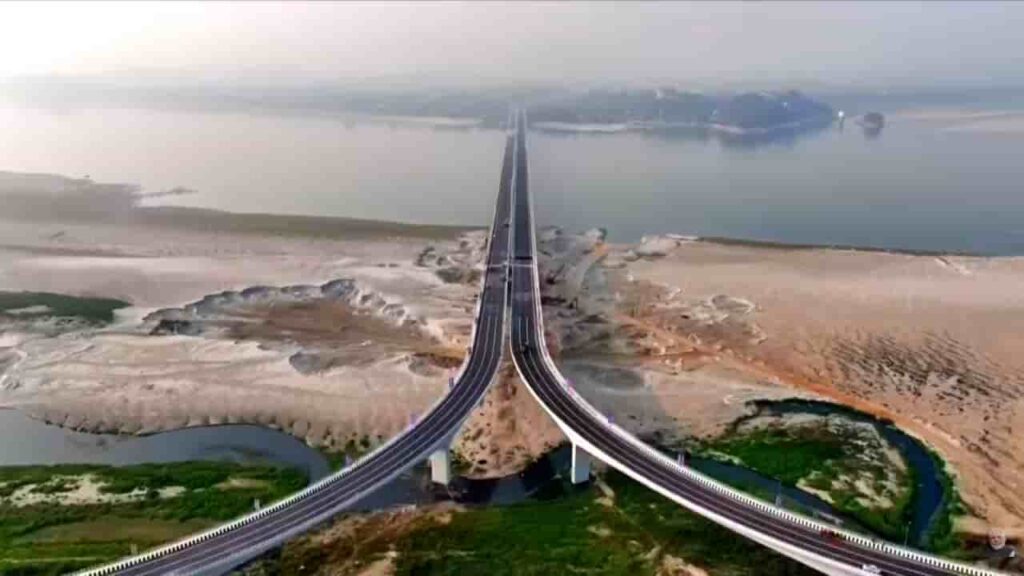
The construction and development of the Kumar Bhaskar Varma Bridge over the Brahmaputra River marks a significant step in enhancing connectivity across Assam. Named after the ancient ruler Kumar Bhaskar Varma, the bridge stands as both an infrastructure milestone and a tribute to the region’s historical legacy.Strategically located, the bridge connects the north and south banks of the Brahmaputra, addressing long-standing challenges of transportation in one of India’s most geographically complex regions.Strategic Location and ImportanceThe Kumar Bhaskar Varma Bridge is being developed near Tezpur, a crucial urban centre in Assam. The Brahmaputra, known for its vast width and unpredictable flow, has historically posed a barrier to seamless connectivity between regions on either side.By linking key districts across the river, the bridge is expected to significantly reduce travel time and improve accessibility for both passengers and goods transport. It will serve as an important alternative route to existing crossings, easing pressure on older bridges and ferry services.Enhancing Regional ConnectivityConnectivity has long been a challenge in Assam, particularly in areas separated by the Brahmaputra. The new bridge aims to transform this by providing:Faster inter-district travelImproved access to healthcare and education facilitiesBetter connectivity for rural and semi-urban areasStrengthened road networks linking national highwaysThe bridge will play a vital role in integrating remote regions with major economic centres, thereby supporting inclusive development.Boost to Trade and Economic ActivityThe project is expected to have a strong economic impact on the region. Assam’s economy relies heavily on agriculture, tea production, and small-scale industries, all of which depend on efficient transportation.With improved connectivity:Movement of goods will become faster and more cost-effectiveTrade between northern and southern Assam will increaseLocal businesses will gain better access to marketsTourism in nearby regions will receive a boostThe bridge is also likely to support cross-border trade routes in the broader Northeast region.Engineering and Infrastructure SignificanceConstructing a bridge over the Brahmaputra is a complex engineering challenge due to the river’s strong currents, shifting channels, and seasonal flooding. The Kumar Bhaskar Varma Bridge reflects advancements in modern engineering techniques designed to withstand such conditions.The structure is expected to feature:Multiple spans to accommodate the river’s widthHigh load-bearing capacity for heavy vehiclesDurable materials suited for flood-prone conditionsSafety features for all-weather usageSuch infrastructure is crucial for ensuring year-round connectivity in a region often affected by monsoon disruptions.Social and Developmental ImpactBeyond economic benefits, the bridge will have a meaningful social impact. Improved connectivity often translates into better quality of life for local communities.Residents will experience:Easier access to hospitals and emergency servicesGreater educational opportunitiesEnhanced mobility for daily commutingReduced isolation of remote areasFor many communities, the bridge represents not just infrastructure, but improved access to essential services and opportunities.Cultural and Historical SignificanceNaming the bridge after Kumar Bhaskar Varma adds a cultural dimension to the project. He was a prominent ruler of the ancient Kamarupa kingdom and is remembered for his contributions to the region’s history.The naming reflects an effort to connect modern development with historical identity, preserving regional pride while moving forward with infrastructure growth.Toward a More Connected NortheastThe Kumar Bhaskar Varma Bridge is part of a broader push by the government to improve infrastructure across Northeast India. Enhanced connectivity is seen as a key driver for economic growth, national integration, and strategic development in the region.As Assam continues to expand its transport network, projects like this bridge are expected to play a central role in shaping the state’s future—bringing regions closer, improving mobility, and unlocking new opportunities across sectors.
Mumbai Hits Play: India’s First Musical Road Belts Out ‘Jai Ho’ – Your Drive Just Got an Oscar-Worthy Soundtrack!
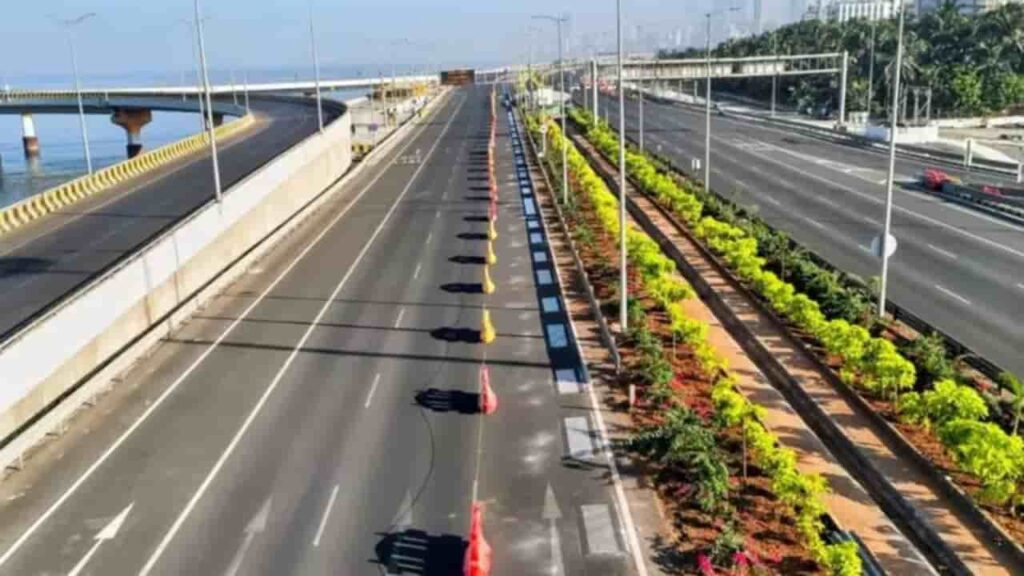
Picture this: You’re cruising out of Mumbai’s swanky Coastal Road tunnel, windows up, AC humming, when suddenly… thrum-thrum-TA-DA! A.R. Rahman’s Oscar-winning Jai Ho explodes from your tires. No speakers, no playlist – just pure road magic! On February 11, 2026, the Brihanmumbai Municipal Corporation (BMC) flipped the switch on India’s first musical road, a 500-meter groove-fest on the northbound stretch from Nariman Point to Worli. Maharashtra CM Devendra Fadnavis and Deputy CM Eknath Shinde cut the ribbon, but let’s be real – the real stars are the rumble strips stealing the show. A ₹7.5 crore stretch of asphalt grooves that’s got drivers ditching Spotify for tire-tarmac tunes. Is it gimmick, genius, or both? Let’s dive deep into the beats, tech, trivia, and tips that make this road India’s freshest jam.How This Asphalt Symphony Works Forget pothole symphonies of despair. This ₹7.5 crore wonder uses Hungarian-engineered rumble strips, think tiny grooves laser-cut into the asphalt at ninja-level precision. Hit 60-80 kmph (that’s your sweet spot, speed demons), and your tires “strum” the road like guitar strings. Vibrations bounce inside your car (hello, natural resonator!), birthing Jai Ho’s triumphant beats. Too slow? Silence. Too fast? Chaos. Just right? You’re Slumdog Millionaire’s dancing hero.Signboards scream warnings 500m, 100m, and 60m ahead (even in the tunnel): “Slow to 70-80 kmph for Jai Ho!” – BMC’s sneaky genius for safer speeds. Pro tip: Early mornings or late evenings = lighter traffic, clearer tunes. Windows up? Still slaps.Not Just Gimmick – A Global Groove GangMumbai joins an elite club: Japan kicked it off in 2007 (Asphaltophone vibes from Denmark’s 1990s artists), with Hungary, South Korea, UAE, USA, China, and more grooving along. Mumbai’s twist? Oscar swagger via Rahman. “It’s engineering meets entertainment,” BMC boasts, and honestly, who wouldn’t merge lanes for melody?Why You’ll Ditch Spotify for This StretchBucket-List Drive: Northbound only, post-tunnel joyride – perfect Instagram reel fodder (tag your co-pilot’s jaw-drop).Safety Sneak: Tunes tempt ideal speeds, cutting rash-driving blues.Mumbai Flex: Coastal Road’s tunnel-to-sea views + free concert? Peak city swagger.Fun fact: Sound stays inside your vehicle – no blaring for neighbors. Celebs, your move – Virat, Deepika, ready for a Jai Ho cruise?Next time you’re Mumbai-bound, skip the aux cord. Let the road sing. Jai Ho indeed – India’s drive game just leveled up! The Magic Under the Tires: How Rumble Strips Remix RahmanNo speakers, no speakers, just pure physics playing DJ. Picture rumble strips on steroids: Precisely engineered grooves (depths and spacings calculated to millimeter perfection) etched into the asphalt divider-adjacent lane. Cruise at the “Goldilocks speed” of 60-80 kmph (BMC’s sweet spot: 70kmph for crystal-clear Jai Ho), and your tires “strum” the ridges like a sitar. Friction sparks vibrations that resonate through your chassis, your car becomes a natural echo chamber, birthing sound waves tuned to Rahman’s triumphant melody.Science Breakdown: Narrower grooves = higher pitches (that TA-DA! hook); wider ones rumble low bass. Speed too low? Muted hum. Zoom past 80? Cacophony. Windows up? Still slaps – sound’s trapped inside for your private gig.Safety Symphony: BMC’s ulterior motive? Nudge safe speeds on the high-speed Coastal Road. Signage screams from 500m, 100m, and 60m ahead (tunnel inklings too): “Maintain 70-80 kmph for Jai Ho!” It’s behavioral engineering disguised as fun – fewer accidents, one catchy chorus at a time.Cost & Specs: ₹7.5 crore for 500m of melodic mastery. Northbound only (Breach Candy exit vibes), audible solely in-vehicle, no neighborhood noise wars.Early birds report goosebumps: “Felt like Rahman remixed my engine!” quips a tester. Rainy days? Tunes hold (grooves drain fast). Pro drive hack: Early mornings/late evenings = traffic-light serenades.Mumbai Joins the Global Groove Parade: Musical Roads Around the WorldIndia’s debut steals from a quirky international playlist. Japan pioneered in 2007 (Honda’s Fukuoka “Melody Road” played anime OSTs), sparking a wave:Hungary: Tech blueprint here – traffic-calming tunes (Mumbai adapted theirs).South Korea/UAE: K-pop/Arabic hits for highways.USA/China/Iran/Russia/Turkey: From California’s “Honda Sounds” to Tehran’s Persian pops.Roots trace to Denmark’s 1990s Asphaltophone, artists Steen Krarup Jensen and Jakob Freud-Magnus vibing pavement poetry. Mumbai elevates: Jai Ho’s global Oscar cred (2009 Best Original Song) nods Bollywood’s soft power. Fun global nugget: Japan’s roads “sing” only at exact speeds, stray, and it’s static city!Why Mumbai? Coastal Road’s Perfect StageThis isn’t random tarmac, it’s the poster child for BMC’s infrastructure glow-up. The Coastal Road (Nariman Point-Worli sea-link shortcut) slashes commute hell, dodging Marine Drive snarls. Post-tunnel emergence? Epic: Arabian Sea sunsets + surprise soundtrack = Insta-gold. BMC’s vision: Blend utility (speed enforcement) with wow-factor (tourist trap). Travel buffs: Hit lighter hours – dawn cruises amplify sea breeze + Jai Ho euphoria.Beyond the Buzz: Real Impact and Reader RoadmapCeleb Bait?: Expect Bollywood cameos, Coastal Road’s elite lane screams influencer flex.Eco Angle: Grooves sip minimal asphalt; no lights/power draw.Expansion Tease: BMC eyes more stretches – patriotic anthems next?Your Play-by-Play Guide:Enter Northbound: Nariman Point → Worli tunnel.Spot Signs: Gear down to 60-80 kmph.Exit Tunnel: Jai Ho drops – film it (safely!).Best Time: 6-9 AM/7-10 PM – queue-free vibes.Pit Stops: Worli Sea Face for post-tune selfies.Critics yawn “gimmick,” but riders rave: “Engineering poetry!” In a pothole-plagued nation, Mumbai’s dropping beats, not bombs. Next time you’re Mumbai-bound, skip the aux cord. Let the road sing. Jai Ho indeed – India’s drive game just leveled up!
Government Announces 7 New Bullet Train Corridors in India: A Transformative Push for High-Speed Connectivity
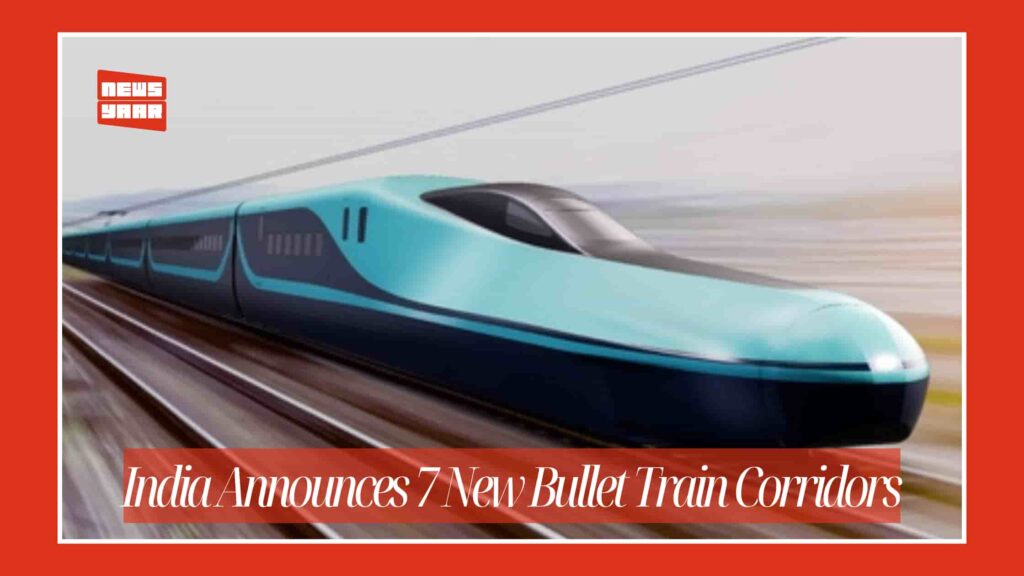
In a landmark expansion of India’s rail infrastructure, the Government of India has announced the development of seven new high-speed rail corridors — popularly referred to as bullet train routes — as part of the Union Budget 2026–27. The ambitious initiative aims to transform inter-city travel by significantly reducing travel times, boosting economic growth and enhancing connectivity between major urban and economic hubs across the country.Announcement and Policy ContextUnion Finance Minister Nirmala Sitharaman unveiled the corridors during her Budget 2026–27 speech in Parliament, categorising them as “growth connectors” that will promote environmentally sustainable passenger transport systems across India’s rail network. These high-speed corridors complement the Mumbai–Ahmedabad High-Speed Rail Corridor (MAHSR) — India’s first bullet train project — and build on the government’s broader infrastructure and mobility agenda.Railway Minister Ashwini Vaishnaw has confirmed that detailed preparations are underway, with Detailed Project Reports (DPRs) being finalized and pre-construction activities initiated through the National High Speed Rail Corporation Limited (NHSRCL). The government is focused on fast-tracking implementation and standardising high-speed rail system development nationwide.Proposed Bullet Train Corridors: Routes and ConnectivityThe announcement includes seven high-speed rail corridors that will link key cities and regions across India. These corridors are expected to span nearly 4,000 km and strategically connect major economic, industrial and cultural centres. The routes identified are:Mumbai–Pune High-Speed Rail Corridor — strengthening connectivity within Maharashtra’s economic belt.Pune–Hyderabad High-Speed Rail Corridor — linking western and southern economic hubs.Hyderabad–Bengaluru High-Speed Rail Corridor — a major southern technology and industry link.Hyderabad–Chennai High-Speed Rail Corridor — connecting southern metros with coastal economic zones.Chennai–Bengaluru High-Speed Rail Corridor — improving travel between two major southern cities.Delhi–Varanasi High-Speed Rail Corridor — enhancing northern connectivity with Uttar Pradesh’s cultural capital.Varanasi–Siliguri High-Speed Rail Corridor — extending high-speed reach toward eastern India and gateway regions.Collectively, these corridors aim to connect financial hubs, technology clusters, manufacturing centres and emerging cities with modern high-speed rail infrastructure.Strategic Goals and Economic RationaleGovernment officials have described the new corridors as not just transport projects but growth engines that will:Reduce travel times drastically between key city pairs (for example, a bullet train between Mumbai and Pune could reduce travel to under an hour), enhancing convenience and productivity.Stimulate regional economic development by creating linked urban-industrial corridors that attract investment, tourism and job creation.Support environmental sustainability by offering cleaner and more energy-efficient alternatives to road and air travel.Drive technology and manufacturing growth by enabling high-speed rail ecosystem development, including engineering, signalling, rolling stock and systems integration.Union Minister Ashwini Vaishnaw has emphasised that the initiative will contribute toward India becoming 100 per cent self-reliant (Atmanirbhar) in high-speed rail technologies, with a focus on leveraging indigenous manufacturing and innovation wherever feasible.Implementation and TimelineWhile the Mumbai–Ahmedabad corridor is already under construction and expected to begin phased operations starting 2027 for the Surat–Bilimora section and full completion by 2029, the new seven corridors are in the pre-construction and planning stage.Officials have indicated that preparation of DPRs, alignment finalisation, land acquisition and contract documentation will be prioritised over the coming months, with work expected to begin once these foundational studies are complete. Dedicated field teams for each corridor will support expedited project execution.Broader Impact on Indian Railways and MobilityThe seven new bullet train corridors represent a shift toward world-class rail mobility in India, aligning with global best practices in high-speed transportation. Once operational, these corridors are expected to:Enhance national connectivity across key economic belts in the west, south, north and east.Reduce congestion on existing air and road networks by providing faster, reliable alternatives.Boost tourism by enabling easy access to major cultural and heritage destinations.Encourage urban transformation through transit-oriented development along high-speed rail alignments.Looking Ahead: A New Era of Rail TravelThe announcement of seven additional bullet train corridors marks a transformational phase for Indian Railways, moving the nation closer to a widespread high-speed rail network that complements existing infrastructure and accelerates economic integration. By linking metropolitan centres and regional hubs with modern, efficient rail travel, the government aims to redefine mobility in India and position the country as a global leader in high-speed rail development.Summary of the New Bullet Train CorridorsRouteRegionStrategic RoleMumbai–PuneWestEconomic mobility in MaharashtraPune–HyderabadWest–SouthIndustrial and technology linkageHyderabad–BengaluruSouthConnects major IT & innovation hubsHyderabad–ChennaiSouthCoastal economic corridorChennai–BengaluruSouthSouthern metro connectivityDelhi–VaranasiNorthLinks capital with cultural heartlandVaranasi–SiliguriNorth–EastGateway to eastern region
Guwahati’s New Airport Terminal Marks a Turning Point for Assam and the Northeast
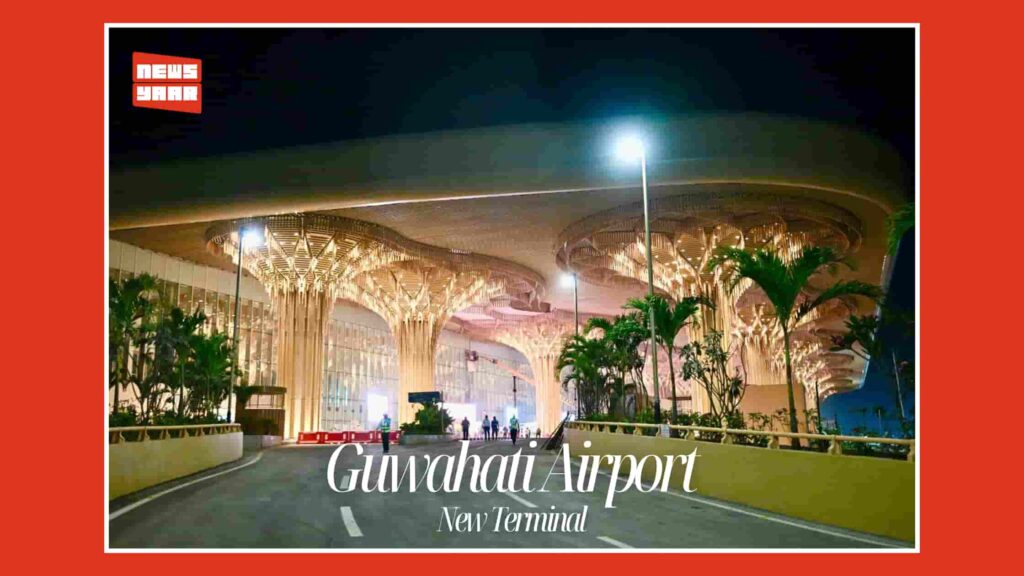
The inauguration of the new terminal at Lokpriya Gopinath Bordoloi International Airport (LGBIA) in Guwahati marks one of the most significant infrastructure upgrades in Assam in recent years, expanding the airport’s capacity and reinforcing its role as the Northeast’s primary aviation gateway. The terminal was inaugurated by Prime Minister Narendra Modi and is designed to handle over 13 million passengers annually, nearly doubling the airport’s earlier capacity of around 6 million passengers per year. Built at an estimated cost of Rs 1,200 crore, the expansion reflects a broader push to modernise transport infrastructure across eastern and northeastern India. What Has Changed at LGBIA The new terminal adds substantial scale and modern facilities to the airport: Terminal area expanded to approximately 167,000 square metres Designed to handle both domestic and international passengers Equipped with 64 check-in counters, automated baggage handling systems and expanded security lanes Integrated energy-efficient systems and passenger-friendly layouts to reduce congestion during peak travel hours With the upgrade, LGBIA now ranks among the larger airports in eastern India, both in terms of passenger handling and operational capacity. A Cultural Statement Alongside Infrastructure Unlike many airport expansions that focus purely on efficiency, Guwahati’s new terminal places visible emphasis on regional identity. Architectural elements draw from Assamese culture, with bamboo-inspired design features, local motifs and open spaces that reflect the state’s natural landscape. The installation of an 80-foot statue of Lokpriya Gopinath Bordoloi, Assam’s first Chief Minister, further anchors the project in historical and cultural context. The symbolism is deliberate — positioning the airport not only as a transport hub, but as a representation of Assam’s legacy and aspirations. Why the Expansion Was Necessary Passenger traffic at Guwahati airport has grown steadily over the past decade, driven by: Rising tourism to Assam and neighbouring states Increased business travel linked to infrastructure and energy projects Growing defence and logistics movement in the region Despite this growth, the airport’s infrastructure struggled to keep pace, often leading to congestion and delays. The new terminal addresses these constraints and prepares LGBIA for future demand, particularly as air connectivity to smaller northeastern cities improves. Strategic Importance Beyond Assam LGBIA functions as the main aviation hub for the entire Northeast, serving travellers from Arunachal Pradesh, Meghalaya, Nagaland, Mizoram and parts of Manipur. Improved capacity and passenger experience in Guwahati directly impact accessibility for the wider region. The airport also plays a role in India’s Act East policy, strengthening connectivity with Southeast Asia through potential international routes. Enhanced infrastructure makes Guwahati better positioned to support future cross-border travel and trade. Economic Impact and Future Plans The expansion is expected to generate ripple effects across multiple sectors: Tourism and hospitality, with increased visitor footfall Cargo and perishables transport, supporting regional agriculture and exports Employment in airport operations, ground handling and allied services Additionally, plans for a Maintenance, Repair and Overhaul (MRO) facility at Guwahati signal long-term ambitions to develop aviation-related services in the region, reducing dependence on metro cities for aircraft servicing. Why This Matters Now Guwahati’s new airport terminal arrives at a moment when the Northeast is no longer on the margins of India’s growth story. Infrastructure investment, regional stability and economic activity have reached a point where connectivity is no longer optional — it is essential. This expansion is not simply about accommodating more passengers. It reflects a broader recognition that Assam and the Northeast require infrastructure that matches their strategic, economic and cultural significance. As air travel continues to shape how regions connect with the rest of the country and the world, Lokpriya Gopinath Bordoloi International Airport stands as a clear signal that the Northeast’s gateway is finally being built at scale.
PM Modi Likely to Shift PMO to Seva Teerth, Marking Historic Transition from South Block

New Delhi: Prime Minister Narendra Modi is likely to shift his office to the newly constructed Seva Teerth complex near Raisina Hill after January 14, marking a historic transition in India’s administrative landscape. According to reports, the move is expected to coincide with Makar Sankranti and will formally end the Prime Minister’s Office’s long association with South Block, where it has functioned since Independence.The relocation is part of the ambitious Central Vista redevelopment project, aimed at modernising India’s core administrative infrastructure and bringing key decision-making bodies under one consolidated zone. What is Seva Teerth? Seva Teerth, officially known as the Executive Enclave, is located on Dara Shikoh Road, earlier called Dalhousie Road, in the heart of New Delhi, close to Raisina Hill. The complex has been designed as a secure and integrated administrative hub, reflecting the government’s vision of a more efficient and contemporary governance system.The Executive Enclave comprises three distinct buildings, each assigned to a crucial arm of national administration. Allocation of Offices Within the Complex Seva Teerth-1 has been designated to house the Prime Minister’s Office. The building includes office spaces, meeting rooms, and ceremonial areas, with a more expansive and formal layout reflecting the PMO’s national and international responsibilities.Seva Teerth-2 already houses the Cabinet Secretariat, which shifted there in September last year. Seva Teerth-3 will accommodate the National Security Council Secretariat and the office of the National Security Advisor, Ajit Doval. Once fully operational, the complex will bring together top-level decision-makers within proximity, facilitating smoother coordination on governance and national security matters. A Symbolic End to the South Block Era The move marks the end of an era for South Block, which has served as the seat of the Prime Minister’s Office since 1947. Over the decades, South Block became synonymous with executive authority and witnessed some of the most significant decisions in independent India’s history.Similarly, North Block, home to the Ministries of Home Affairs and Finance for decades, has also been vacated as part of the transition. Both ministries have already shifted to Kartavya Bhavan, another component of the Central Vista project.The Central Vista redevelopment seeks to address long-standing space constraints, outdated infrastructure, and the dispersal of ministries across Delhi. By consolidating offices, the government aims to improve efficiency, security, and inter-ministerial coordination, while also modernising buildings to meet present-day functional and technological requirements.Officials familiar with the project have said the new complexes are designed with advanced security features, sustainable infrastructure, and digital-ready facilities, aligning with India’s future governance needs. A New Chapter in Governance Once the Prime Minister formally begins work from Seva Teerth, it will mark a significant symbolic and functional shift in India’s administrative history. While South Block remains a powerful emblem of the past, Seva Teerth represents the government’s push toward a modern, centralised, and future-ready system of governance at the heart of the national capital.
Adani–Embraer Tie-Up Signals a New Chapter in India’s Commercial Aircraft Manufacturing

India is set to make a landmark entry into commercial aircraft manufacturing as the Adani Group partners with Brazilian aerospace major Embraer to assemble regional passenger jets in the country. This development marks the first time India will host a final assembly line for commercial fixed-wing aircraft, placing it among a select group of nations with such advanced aerospace capabilities. The collaboration is widely seen as a significant boost to the government’s Make in India programme and a major step towards building a self-reliant aviation ecosystem.Under the partnership, Embraer’s widely used regional jets, designed for short- to medium-haul routes and seating between 70 and 146 passengers, will be assembled in India through a final assembly line operated by Adani Aerospace. While details regarding the exact location, investment size, and production timeline have not yet been formally announced, industry sources indicate that a comprehensive announcement is expected at the Hyderabad Air Show scheduled later in January 2026. Once operational, the facility will enable aircraft to be assembled, tested, and delivered from Indian soil.The timing of the partnership is particularly significant given India’s rapidly expanding aviation market. India is currently the world’s fastest-growing civil aviation market, with domestic airlines having placed orders for more than 1,800 aircraft to meet rising passenger demand. Until now, the country has depended almost entirely on global manufacturers for commercial aircraft imports. The establishment of a final assembly line is expected to reduce this dependence, generate skilled employment, and catalyse the growth of an indigenous aerospace manufacturing ecosystem.Government officials have indicated that policy support and fiscal incentives may be extended to airlines that place orders for aircraft assembled in India. Such incentives are likely to be structured on a declining basis as order volumes increase, helping the programme gain early traction while encouraging long-term sustainability. The success of this initiative is also expected to strengthen India’s case as a viable global manufacturing hub for high-value aviation products.Beyond commercial aircraft assembly, the Adani Group is positioning itself as a comprehensive aviation services provider. The group has already announced plans to expand into aircraft engine maintenance, repair and overhaul (MRO) services, as well as passenger-to-freighter conversions. By consolidating its aviation assets, including Indamer and Air Works, Adani aims to create a large integrated MRO platform serving both civilian and defence customers. This broader approach is expected to complement the aircraft assembly line by supporting lifecycle services and long-term operational needs.For Embraer, the partnership represents a strategic expansion in one of its fastest-growing markets. The Brazilian manufacturer has operated in India since 2005 and currently has close to 50 aircraft in the country serving the Indian Air Force, government agencies, business jet operators and regional airline Star Air. In October 2025, Embraer strengthened its commitment by opening an office in New Delhi to support its commercial aviation, defence, services and emerging urban air mobility segments.Industry experts believe the Adani–Embraer collaboration could have wider implications for the global aviation industry. By demonstrating the viability of commercial aircraft assembly in India, the project may encourage larger manufacturers such as Airbus and Boeing to consider setting up similar facilities in the country. If successful, the initiative could redefine India’s role in the global aerospace value chain and mark the beginning of a new era in domestic aircraft manufacturing.
INSV Kaundinya: India’s Engine-Less Ancient-Style Ship on Historic Voyage to Oman

India’s Indian Naval Sailing Vessel INSV Kaundinya, a traditionally built engineless ship, is currently on a historic transoceanic voyage from Porbandar in Gujarat to Muscat in Oman. This journey, retracing ancient Indian Ocean trade routes, highlights India’s efforts to revive and celebrate its centuries-old maritime heritage. What Is INSV Kaundinya? INSV Kaundinya is a stitched-plank sailing vessel constructed using an ancient Indian shipbuilding technique that dates back at least to the early centuries of the Common Era. Unlike modern ships powered by engines and metal fastenings, the vessel relies entirely on wind and sails and is built by stitching wooden planks together using coir rope made from coconut fibre, sealed with natural resins, cotton and oils to make it seaworthy. The design draws inspiration from depictions of ships in Ajanta cave paintings and descriptions found in ancient texts. These historic visual sources guided naval architects and traditional craftsmen in recreating the ship, even in the absence of surviving blueprints. How Was the Ship Built? The INSV Kaundinya project was initiated through a collaboration between the Indian Ministry of Culture, the Indian Navy, and Goa-based shipbuilders Hodi Innovations, with support from academic institutions like IIT Madras for scientific validation and hydrodynamic testing. Construction milestones include: Keel laid: September 12, 2023 Launch: February 2025 Formal induction into Indian Navy: May 21, 2025 at the Karwar naval base in Karnataka Commissioning ceremony: Attended by senior officials and cultural leaders, the induction underscored both maritime heritage and national pride. INSV Kaundinya measures around 19.6 metres in length and 6.5 metres in width, with a draft of about 3.33 metres. The ship’s hull incorporates motifs from India’s ancient maritime traditions, including symbolic figures and design elements that reflect civilisational seafaring legacy. The Maiden Overseas Voyage: Porbandar to Muscat The ship embarked on its maiden transoceanic voyage on December 29, 2025, departing from Porbandar in Gujarat— a historic port on India’s western coast. Crewed by approximately 15 sailors and four officers, the vessel retraced an ancient maritime corridor that once connected India with Oman and other parts of West Asia. INSV Kaundinya’s skipper for the expedition is Commander Vikas Sheoran, with Commander Y Hemant Kumarserving as Officer-in-Charge, having been involved with the project since its early stages. The journey took about 17 days at sea, with the ship navigating solely by wind and sail power across the Arabian Sea. On January 14, 2026, INSV Kaundinya reached Muscat, Oman, where it was welcomed at the Port Sultan Qaboos by officials from both countries. Significance of the Voyage The voyage of INSV Kaundinya is more than a naval expedition. It symbolizes: India’s rich maritime heritage and centuries-old seafaring traditions Revival of ancient shipbuilding techniques in a modern context A diplomatic and cultural link between India and Oman, celebrating shared historical ties spanning thousands of years Reinforcement of regional cooperation and maritime diplomacy in the Indian Ocean region The expedition also coincides with the 70th anniversary of diplomatic relations between India and Oman, highlighting deepening cooperation in maritime and cultural domains. Cultural and Historical Context The vessel’s name — Kaundinya — evokes the legendary Indian mariner Kaundinya, believed to have sailed to Southeast Asia in the early centuries of the Common Era. According to historical accounts from Southeast Asia, Kaundinya’s voyage and subsequent marriage to a local princess helped establish early Indianised kingdoms in regions such as present-day Cambodia and Vietnam, underscoring India’s ancient maritime connectivity. The design of the ship itself draws on shipbuilding knowledge evident in ancient art and archaeological references, including mural paintings and iconographic sources from India’s early history. Modern Enhancements for an Ancient Vessel While INSV Kaundinya follows traditional construction methods, modern technologies have been integrated for safety and communication. For instance, the ship uses Eutelsat OneWeb satellite communications to maintain connectivity with land-based teams and share updates during its voyage — a blend of ancient technique and contemporary innovation. What Comes Next After completing necessary maintenance in Oman, the vessel is expected to begin its return journey to India. The Indian Navy has indicated that this historic expedition will not only contribute to cultural diplomacy but also provide insights into ancient navigation methods and inspire future maritime heritage projects.
First Vande Bharat Sleeper Train to Run Between Guwahati and Howrah: Route, Features, Speed and Fare
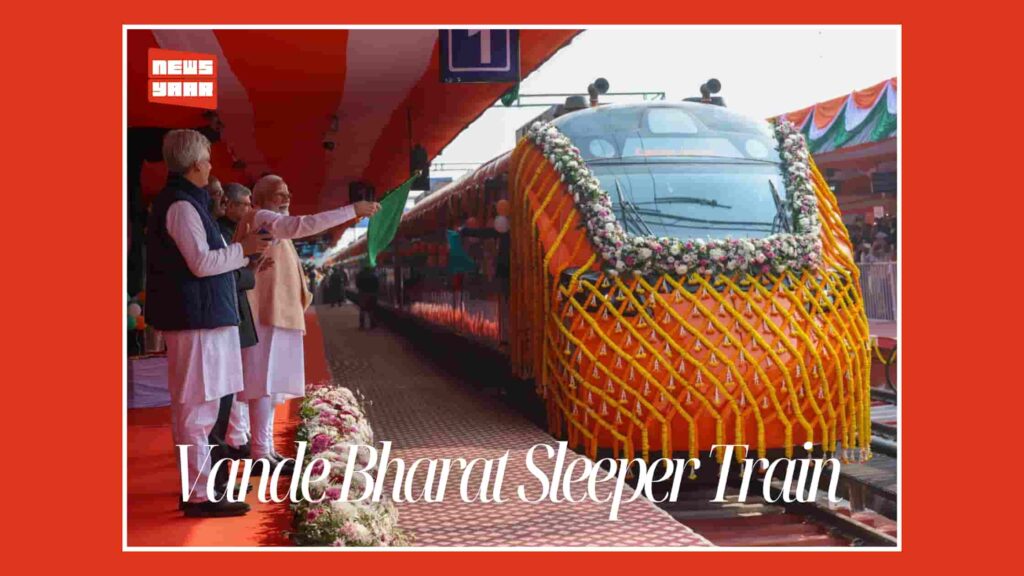
India has launched its first Vande Bharat sleeper train, marking a major milestone in the modernisation of long-distance rail travel. The new service will operate between Guwahati and Howrah, providing an overnight, high-speed connection between the Northeast and eastern India.Prime Minister Narendra Modi flagged off the sleeper variant of the Vande Bharat train from Malda Town in West Bengal, while the return Guwahati–Howrah service was inaugurated virtually. The launch signals the expansion of the Vande Bharat network beyond short daytime routes into long-haul overnight travel.Guwahati–Howrah Vande Bharat Sleeper Train RouteThe Vande Bharat sleeper train connects Howrah in West Bengal with Kamakhya Junction in Guwahati, one of the most important railway hubs in Assam. Designed as an overnight service, the train aims to offer faster, safer and more comfortable travel on a busy inter-state corridor.According to official estimates, the new service is expected to reduce travel time by nearly two and a half hours compared to existing trains on the route.Speed and Operational CapacityThe sleeper Vande Bharat train has been engineered for a top speed of 180 kilometres per hour. However, its operational speed is expected to range between 120 and 130 kilometres per hour, in line with current track conditions and safety protocols.Despite this, railway officials say the train will significantly improve journey efficiency and punctuality on the Guwahati–Howrah sector.Designed for Overnight ComfortUnlike the earlier Vande Bharat chair car services, this train has been specifically developed for long overnight journeys. It is fully air-conditioned and offers three classes of accommodation.Passenger comfort has been prioritised through ergonomically designed berths and a modern suspension system that ensures a smoother ride. Updated linens and improved onboard hygiene systems have also been introduced to enhance the travel experience.Safety and Automation FeaturesThe train is equipped with advanced safety systems, including the indigenous Kavach automatic train protection technology. Comprehensive onboard surveillance systems have been installed to improve passenger security.In addition, automated sliding doors remain closed while the train is in motion and open only when it reaches a station, adding an extra layer of safety and efficiency.Local Cuisine on BoardCatering services are included in the ticket price and have been designed to reflect regional food preferences. Passengers travelling from Guwahati to Howrah will be served Assamese cuisine, while those on the return journey can expect Bengali dishes.The initiative mirrors airline-style meal services and aims to offer passengers a more personalised travel experience.Ticket Fare and ClassesThe Guwahati–Howrah Vande Bharat sleeper train offers three classes of travel. Expected one-way fares are:3AC: Around Rs 2,3002AC: Approximately Rs 3,0001AC: Close to Rs 3,600The pricing positions the train in the premium segment while remaining competitive with existing long-distance rail services.Boost to Connectivity and TourismRailway authorities believe the introduction of the Vande Bharat sleeper train will strengthen connectivity between West Bengal and Assam. Faster overnight travel is expected to benefit business travellers, tourists and pilgrims, while also supporting economic activity across the region.With this launch, Indian Railways has indicated that sleeper variants of the Vande Bharat platform will play a key role in the future of long-distance rail travel in the country.Video credit: YT@/NaMo