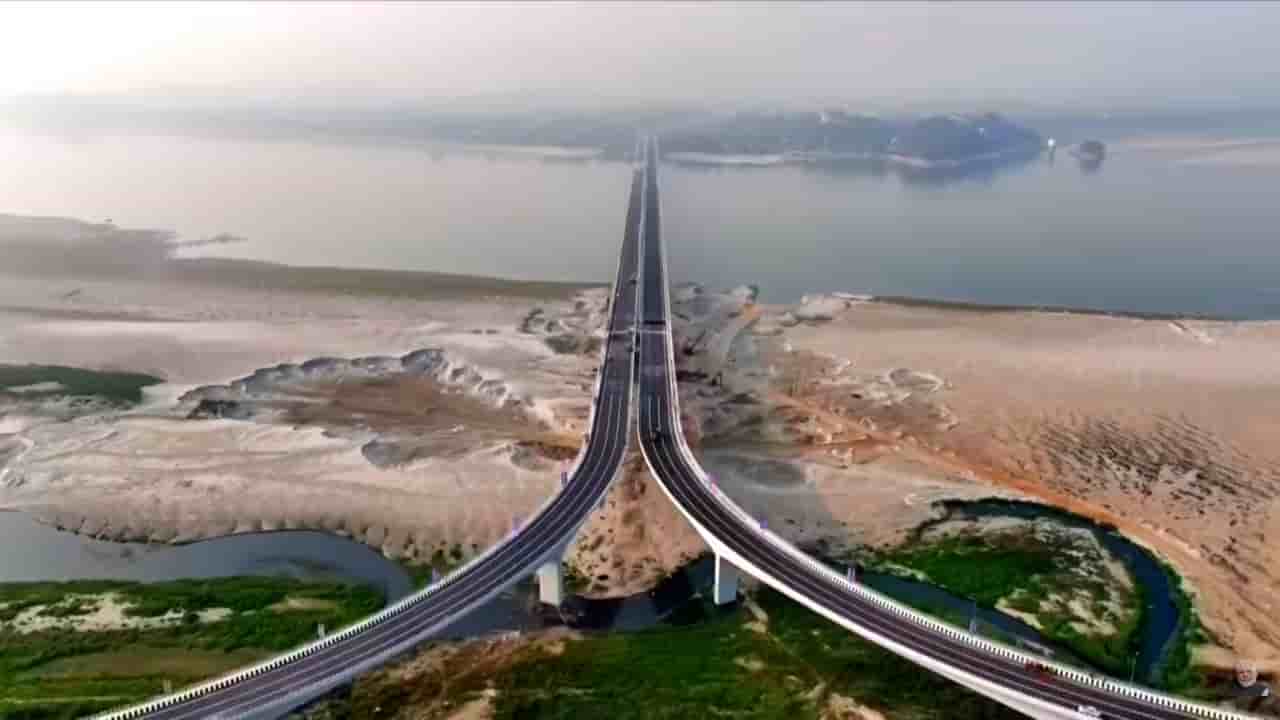
The construction and development of the Kumar Bhaskar Varma Bridge over the Brahmaputra River marks a significant step in enhancing connectivity across Assam. Named after the ancient ruler Kumar Bhaskar Varma, the bridge stands as both an infrastructure milestone and a tribute to the region’s historical legacy.
Strategically located, the bridge connects the north and south banks of the Brahmaputra, addressing long-standing challenges of transportation in one of India’s most geographically complex regions.
Strategic Location and Importance
The Kumar Bhaskar Varma Bridge is being developed near Tezpur, a crucial urban centre in Assam. The Brahmaputra, known for its vast width and unpredictable flow, has historically posed a barrier to seamless connectivity between regions on either side.
By linking key districts across the river, the bridge is expected to significantly reduce travel time and improve accessibility for both passengers and goods transport. It will serve as an important alternative route to existing crossings, easing pressure on older bridges and ferry services.
Enhancing Regional Connectivity
Connectivity has long been a challenge in Assam, particularly in areas separated by the Brahmaputra. The new bridge aims to transform this by providing:
- Faster inter-district travel
- Improved access to healthcare and education facilities
- Better connectivity for rural and semi-urban areas
- Strengthened road networks linking national highways
The bridge will play a vital role in integrating remote regions with major economic centres, thereby supporting inclusive development.
Boost to Trade and Economic Activity
The project is expected to have a strong economic impact on the region. Assam’s economy relies heavily on agriculture, tea production, and small-scale industries, all of which depend on efficient transportation.
With improved connectivity:
- Movement of goods will become faster and more cost-effective
- Trade between northern and southern Assam will increase
- Local businesses will gain better access to markets
- Tourism in nearby regions will receive a boost
The bridge is also likely to support cross-border trade routes in the broader Northeast region.
Engineering and Infrastructure Significance
Constructing a bridge over the Brahmaputra is a complex engineering challenge due to the river’s strong currents, shifting channels, and seasonal flooding. The Kumar Bhaskar Varma Bridge reflects advancements in modern engineering techniques designed to withstand such conditions.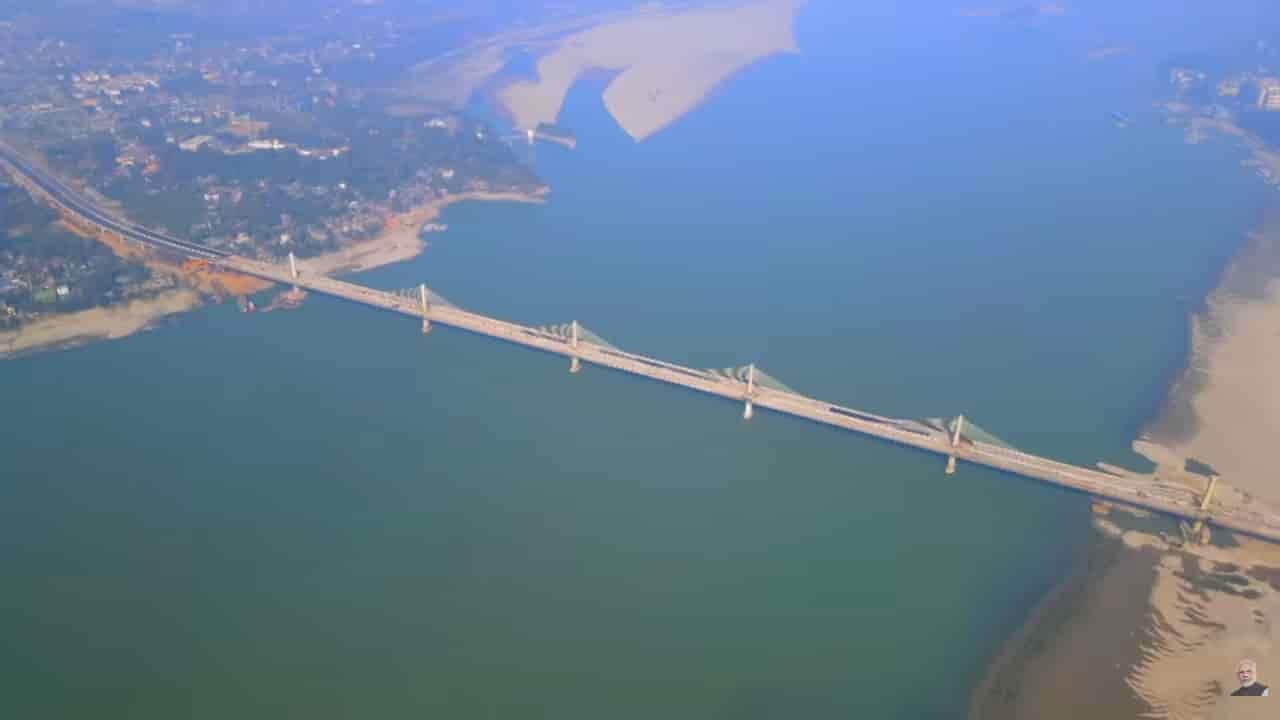
The structure is expected to feature:
- Multiple spans to accommodate the river’s width
- High load-bearing capacity for heavy vehicles
- Durable materials suited for flood-prone conditions
- Safety features for all-weather usage
Such infrastructure is crucial for ensuring year-round connectivity in a region often affected by monsoon disruptions.
Social and Developmental Impact
Beyond economic benefits, the bridge will have a meaningful social impact. Improved connectivity often translates into better quality of life for local communities.
Residents will experience:
- Easier access to hospitals and emergency services
- Greater educational opportunities
- Enhanced mobility for daily commuting
- Reduced isolation of remote areas
For many communities, the bridge represents not just infrastructure, but improved access to essential services and opportunities.
Cultural and Historical Significance
Naming the bridge after Kumar Bhaskar Varma adds a cultural dimension to the project. He was a prominent ruler of the ancient Kamarupa kingdom and is remembered for his contributions to the region’s history.
The naming reflects an effort to connect modern development with historical identity, preserving regional pride while moving forward with infrastructure growth.
Toward a More Connected Northeast
The Kumar Bhaskar Varma Bridge is part of a broader push by the government to improve infrastructure across Northeast India. Enhanced connectivity is seen as a key driver for economic growth, national integration, and strategic development in the region.
As Assam continues to expand its transport network, projects like this bridge are expected to play a central role in shaping the state’s future—bringing regions closer, improving mobility, and unlocking new opportunities across sectors.