


Sonamarg Tunnel: A Key Milestone in Jammu and Kashmir’s All-Weather Connectivity
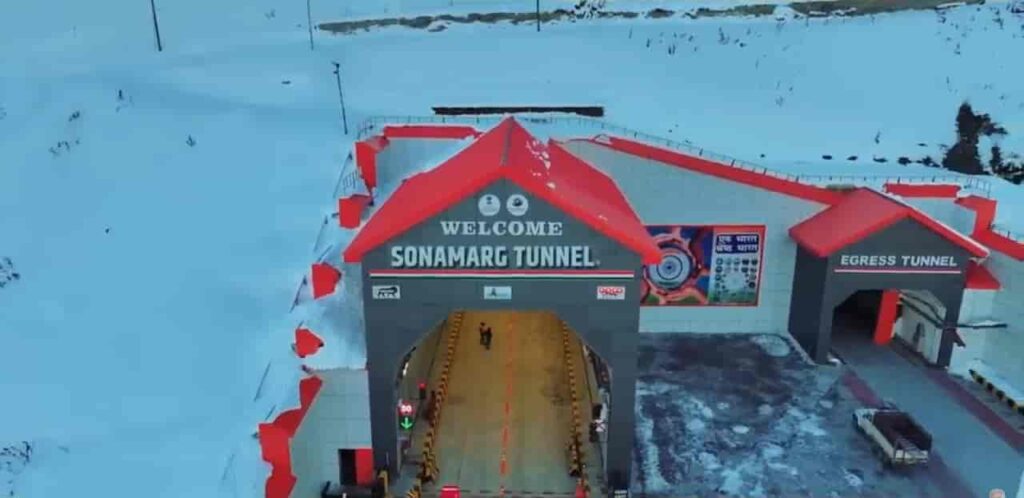
The Sonamarg Tunnel, officially known as the Z-Morh Tunnel, marked a significant step in improving infrastructure in Jammu and Kashmir. Built along the strategic Srinagar–Leh highway, the tunnel has addressed one of the region’s long-standing challenges—seasonal isolation of Sonamarg due to extreme weather conditions.For decades, Sonamarg remained cut off during winters as heavy snowfall and avalanches made the route unsafe and often impassable. The opening of this tunnel has fundamentally changed that reality, ensuring smoother, safer, and uninterrupted connectivity.Overcoming a Long-Standing Connectivity ChallengeLocated between Gagangir and Sonamarg, the tunnel bypasses a particularly vulnerable stretch of road that was notorious for landslides, avalanches, and sharp turns. This stretch, often referred to as the “Z-Morh” due to its winding shape, posed serious risks to travellers and frequently led to prolonged road closures.With the tunnel now operational, the dependency on weather conditions has been significantly reduced. What was once a seasonal route has now been transformed into an all-weather corridor, ensuring that Sonamarg remains accessible throughout the year.Engineering in Extreme TerrainConstructing the tunnel in the Himalayan region was a complex and demanding task. The area is characterised by fragile geology, sub-zero temperatures, and unpredictable weather patterns, all of which posed challenges during construction.The tunnel stretches approximately 6.5 kilometres and has been designed as a modern, two-lane passage capable of handling bi-directional traffic efficiently. Advanced tunnelling techniques were used to cut through the mountainous terrain, while maintaining structural stability and safety.In addition to the main tunnel, extensive work was carried out on approach roads and protective structures to safeguard the route from avalanches and falling debris.Safety and Modern InfrastructureThe Sonamarg Tunnel has been equipped with several modern safety systems to ensure a secure travel experience. Continuous ventilation ensures air quality inside the tunnel, while surveillance systems allow real-time monitoring of traffic movement.Emergency response mechanisms, including escape routes and communication systems, have been integrated into the design. These features are particularly important given the tunnel’s location in a remote and high-altitude region, where immediate external assistance may not always be available.Boost to Tourism and Local EconomyOne of the most immediate impacts of the tunnel has been on tourism. Sonamarg, often called the “Meadow of Gold,” is one of the most scenic destinations in Jammu and Kashmir, but its accessibility was limited to a few months each year.With year-round connectivity now possible, the region is expected to witness a steady increase in tourist inflow. This will directly benefit local businesses, including hotels, transport operators, and small vendors who rely heavily on seasonal tourism.The tunnel has also improved the movement of goods and services, contributing to better economic stability for local communities.Strategic Importance and Connectivity to LadakhBeyond tourism, the tunnel plays a crucial role in enhancing connectivity towards Ladakh. The Srinagar–Leh highway is of significant strategic importance, particularly for defence movement and logistics.By ensuring smoother and more reliable access along this route, the Sonamarg Tunnel strengthens both civilian and strategic mobility in the region. It also complements larger infrastructure projects such as the Zojila Tunnel, which aims to further enhance all-weather connectivity between Srinagar and Leh.Transforming Travel in the RegionThe experience of travelling to Sonamarg has changed considerably with the opening of the tunnel. Journeys that were once uncertain and weather-dependent have become more predictable and safer.Reduced travel time, improved road safety, and uninterrupted access have collectively enhanced the overall connectivity of the region. This shift is expected to play a long-term role in integrating remote areas with mainstream economic and social networks.The Sonamarg Tunnel stands as a testament to India’s growing capability in executing complex infrastructure projects in challenging terrains. By addressing both connectivity and safety concerns, it has not only improved access to a key tourist destination but also contributed to the broader goal of regional development in Jammu and Kashmir.
Kumar Bhaskar Varma Bridge Over Brahmaputra River: Strengthening Connectivity in Assam
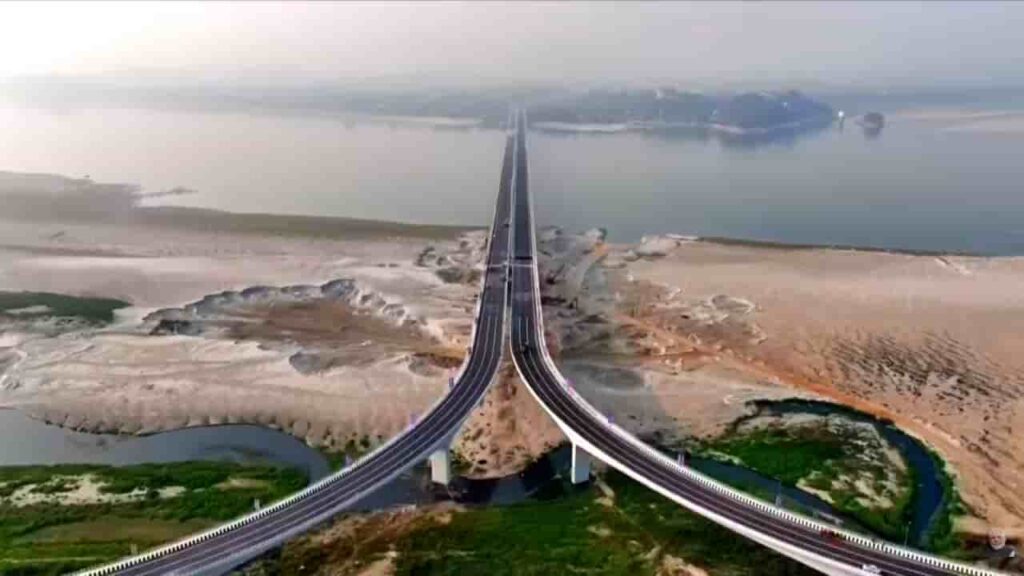
The construction and development of the Kumar Bhaskar Varma Bridge over the Brahmaputra River marks a significant step in enhancing connectivity across Assam. Named after the ancient ruler Kumar Bhaskar Varma, the bridge stands as both an infrastructure milestone and a tribute to the region’s historical legacy.Strategically located, the bridge connects the north and south banks of the Brahmaputra, addressing long-standing challenges of transportation in one of India’s most geographically complex regions.Strategic Location and ImportanceThe Kumar Bhaskar Varma Bridge is being developed near Tezpur, a crucial urban centre in Assam. The Brahmaputra, known for its vast width and unpredictable flow, has historically posed a barrier to seamless connectivity between regions on either side.By linking key districts across the river, the bridge is expected to significantly reduce travel time and improve accessibility for both passengers and goods transport. It will serve as an important alternative route to existing crossings, easing pressure on older bridges and ferry services.Enhancing Regional ConnectivityConnectivity has long been a challenge in Assam, particularly in areas separated by the Brahmaputra. The new bridge aims to transform this by providing:Faster inter-district travelImproved access to healthcare and education facilitiesBetter connectivity for rural and semi-urban areasStrengthened road networks linking national highwaysThe bridge will play a vital role in integrating remote regions with major economic centres, thereby supporting inclusive development.Boost to Trade and Economic ActivityThe project is expected to have a strong economic impact on the region. Assam’s economy relies heavily on agriculture, tea production, and small-scale industries, all of which depend on efficient transportation.With improved connectivity:Movement of goods will become faster and more cost-effectiveTrade between northern and southern Assam will increaseLocal businesses will gain better access to marketsTourism in nearby regions will receive a boostThe bridge is also likely to support cross-border trade routes in the broader Northeast region.Engineering and Infrastructure SignificanceConstructing a bridge over the Brahmaputra is a complex engineering challenge due to the river’s strong currents, shifting channels, and seasonal flooding. The Kumar Bhaskar Varma Bridge reflects advancements in modern engineering techniques designed to withstand such conditions.The structure is expected to feature:Multiple spans to accommodate the river’s widthHigh load-bearing capacity for heavy vehiclesDurable materials suited for flood-prone conditionsSafety features for all-weather usageSuch infrastructure is crucial for ensuring year-round connectivity in a region often affected by monsoon disruptions.Social and Developmental ImpactBeyond economic benefits, the bridge will have a meaningful social impact. Improved connectivity often translates into better quality of life for local communities.Residents will experience:Easier access to hospitals and emergency servicesGreater educational opportunitiesEnhanced mobility for daily commutingReduced isolation of remote areasFor many communities, the bridge represents not just infrastructure, but improved access to essential services and opportunities.Cultural and Historical SignificanceNaming the bridge after Kumar Bhaskar Varma adds a cultural dimension to the project. He was a prominent ruler of the ancient Kamarupa kingdom and is remembered for his contributions to the region’s history.The naming reflects an effort to connect modern development with historical identity, preserving regional pride while moving forward with infrastructure growth.Toward a More Connected NortheastThe Kumar Bhaskar Varma Bridge is part of a broader push by the government to improve infrastructure across Northeast India. Enhanced connectivity is seen as a key driver for economic growth, national integration, and strategic development in the region.As Assam continues to expand its transport network, projects like this bridge are expected to play a central role in shaping the state’s future—bringing regions closer, improving mobility, and unlocking new opportunities across sectors.