


Chenab Bridge: India’s Engineering Marvel Over the Himalayas
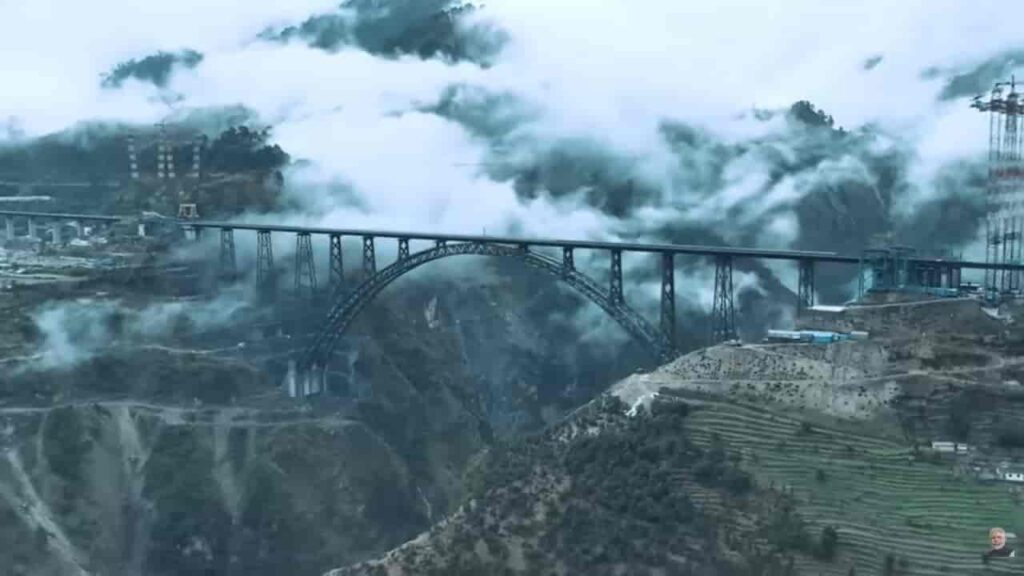
The Chenab Bridge, built across the Chenab River in the Union Territory of Jammu and Kashmir, stands as one of the most remarkable feats of modern engineering in India. Constructed as part of the ambitious Udhampur–Srinagar–Baramulla Rail Link (USBRL), the bridge has gained global attention for its height, design complexity, and strategic importance.Often described as a symbol of India’s infrastructural progress in difficult terrain, the Chenab Bridge is now recognized as the world’s highest railway bridge, surpassing even iconic structures like the Eiffel Tower in height from its base.Location and Strategic ImportanceThe Chenab Bridge is located between Bakkal and Kauri in the Reasi district of Jammu and Kashmir, spanning the deep gorge of the Chenab River. The region is known for its rugged Himalayan terrain, seismic sensitivity, and challenging weather conditions, making construction extremely demanding.The bridge is a crucial component of the USBRL project, which aims to provide all-weather rail connectivity to the Kashmir Valley, linking it with the rest of India. This connectivity is expected to significantly improve:Transportation and logisticsTourism and economic activityStrategic and defence mobility in the regionRecord-Breaking Height and StructureThe Chenab Bridge stands at an astonishing height of 359 metres above the riverbed, making it the highest railway bridge in the world. For perspective, it is about 35 metres taller than the Eiffel Tower.The total length of the bridge is approximately 1,315 metres, and it is designed as a steel arch bridge, a structure chosen specifically to withstand the extreme conditions of the region.Engineering and Design FeaturesThe bridge has been designed to endure some of the harshest environmental and geological challenges. Key features include:High Wind ResistanceThe structure is capable of withstanding wind speeds of up to 260 km/h, ensuring safety even in extreme weather conditions.Seismic SafetyGiven that the region falls in a high seismic zone, the bridge has been engineered to withstand earthquakes of significant magnitude, making it structurally resilient.Blast-Proof DesignConsidering its strategic importance, the bridge has been designed with blast-resistant features, adding an additional layer of security.LongevityThe structure has an estimated lifespan of over 120 years, reflecting the durability of materials and engineering precision used in its construction.Construction ChallengesBuilding the Chenab Bridge was not just an engineering task but a logistical and environmental challenge.The remote and mountainous location made transportation of materials extremely difficult.Extreme temperatures, landslides, and high winds frequently disrupted construction work.Specialised equipment and techniques were required to construct the massive steel arch over a deep gorge.Advanced technologies such as cable cranes, incremental launching, and precision welding were used to complete the structure.The project involved collaboration between Indian Railways and several international engineering firms, highlighting the global scale of expertise required.Role in the USBRL ProjectThe Indian Railways has undertaken the USBRL project to connect Kashmir via rail for the first time in history. The Chenab Bridge is considered the most critical and iconic segment of this project.Once fully operational, the rail link is expected to:Reduce travel time between Jammu and SrinagarProvide reliable connectivity in all seasonsBoost regional integration and developmentEconomic and Social ImpactThe completion of the Chenab Bridge is expected to have far-reaching effects:Tourism Boost: Easier access to Kashmir could significantly increase tourist inflow.Trade and Commerce: Improved logistics will benefit local businesses and industries.Employment Opportunities: Infrastructure development will generate jobs in the region.Regional Connectivity: It will reduce isolation and improve access to essential services.A Symbol of Modern IndiaBeyond its technical specifications, the Chenab Bridge represents a broader narrative of India’s infrastructural ambition and capability. Constructed in one of the most challenging terrains in the world, it reflects the country’s ability to execute large-scale projects with precision and resilience.It also stands as a testament to the dedication of engineers, workers, and planners who turned a seemingly impossible vision into reality.The Chenab Bridge is not just a railway structure—it is a landmark achievement that has redefined engineering possibilities in India, while playing a pivotal role in connecting the Kashmir Valley to the national railway network.
Kumar Bhaskar Varma Bridge Over Brahmaputra River: Strengthening Connectivity in Assam
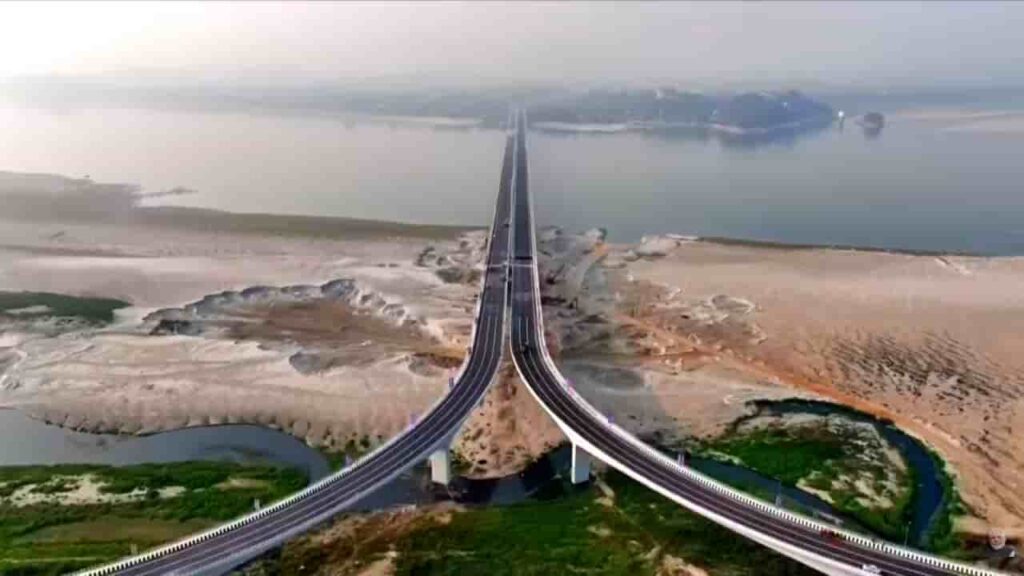
The construction and development of the Kumar Bhaskar Varma Bridge over the Brahmaputra River marks a significant step in enhancing connectivity across Assam. Named after the ancient ruler Kumar Bhaskar Varma, the bridge stands as both an infrastructure milestone and a tribute to the region’s historical legacy.Strategically located, the bridge connects the north and south banks of the Brahmaputra, addressing long-standing challenges of transportation in one of India’s most geographically complex regions.Strategic Location and ImportanceThe Kumar Bhaskar Varma Bridge is being developed near Tezpur, a crucial urban centre in Assam. The Brahmaputra, known for its vast width and unpredictable flow, has historically posed a barrier to seamless connectivity between regions on either side.By linking key districts across the river, the bridge is expected to significantly reduce travel time and improve accessibility for both passengers and goods transport. It will serve as an important alternative route to existing crossings, easing pressure on older bridges and ferry services.Enhancing Regional ConnectivityConnectivity has long been a challenge in Assam, particularly in areas separated by the Brahmaputra. The new bridge aims to transform this by providing:Faster inter-district travelImproved access to healthcare and education facilitiesBetter connectivity for rural and semi-urban areasStrengthened road networks linking national highwaysThe bridge will play a vital role in integrating remote regions with major economic centres, thereby supporting inclusive development.Boost to Trade and Economic ActivityThe project is expected to have a strong economic impact on the region. Assam’s economy relies heavily on agriculture, tea production, and small-scale industries, all of which depend on efficient transportation.With improved connectivity:Movement of goods will become faster and more cost-effectiveTrade between northern and southern Assam will increaseLocal businesses will gain better access to marketsTourism in nearby regions will receive a boostThe bridge is also likely to support cross-border trade routes in the broader Northeast region.Engineering and Infrastructure SignificanceConstructing a bridge over the Brahmaputra is a complex engineering challenge due to the river’s strong currents, shifting channels, and seasonal flooding. The Kumar Bhaskar Varma Bridge reflects advancements in modern engineering techniques designed to withstand such conditions.The structure is expected to feature:Multiple spans to accommodate the river’s widthHigh load-bearing capacity for heavy vehiclesDurable materials suited for flood-prone conditionsSafety features for all-weather usageSuch infrastructure is crucial for ensuring year-round connectivity in a region often affected by monsoon disruptions.Social and Developmental ImpactBeyond economic benefits, the bridge will have a meaningful social impact. Improved connectivity often translates into better quality of life for local communities.Residents will experience:Easier access to hospitals and emergency servicesGreater educational opportunitiesEnhanced mobility for daily commutingReduced isolation of remote areasFor many communities, the bridge represents not just infrastructure, but improved access to essential services and opportunities.Cultural and Historical SignificanceNaming the bridge after Kumar Bhaskar Varma adds a cultural dimension to the project. He was a prominent ruler of the ancient Kamarupa kingdom and is remembered for his contributions to the region’s history.The naming reflects an effort to connect modern development with historical identity, preserving regional pride while moving forward with infrastructure growth.Toward a More Connected NortheastThe Kumar Bhaskar Varma Bridge is part of a broader push by the government to improve infrastructure across Northeast India. Enhanced connectivity is seen as a key driver for economic growth, national integration, and strategic development in the region.As Assam continues to expand its transport network, projects like this bridge are expected to play a central role in shaping the state’s future—bringing regions closer, improving mobility, and unlocking new opportunities across sectors.
Lohri 2026: What You Need to Know About Punjab’s Lohri
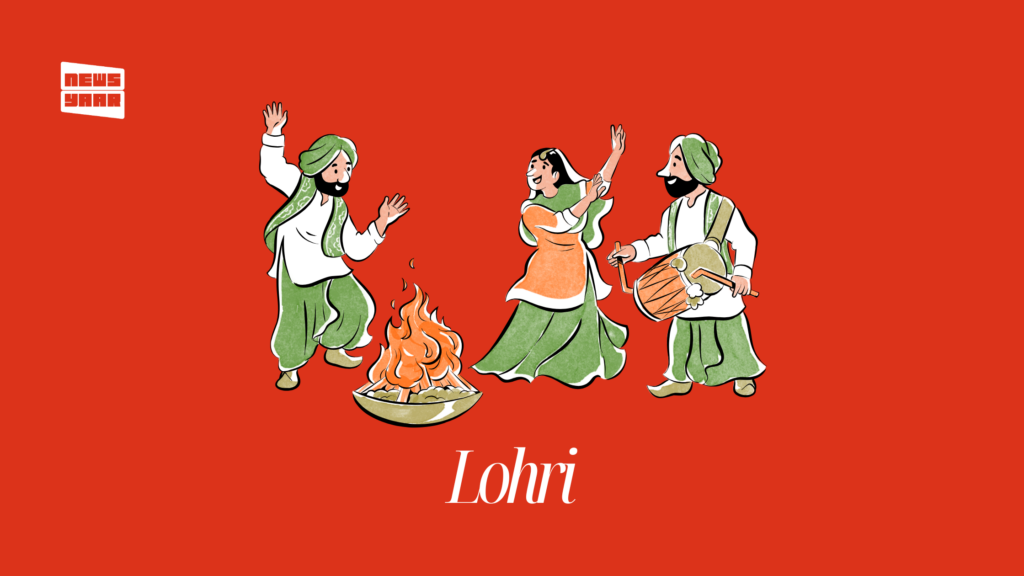
Lohri is one of the most vibrant and culturally rich festivals of North India, especially celebrated with great enthusiasm in Punjab, Haryana, Himachal Pradesh, and parts of Delhi.Observed every year on January 13, Lohri marks the end of winter and the arrival of longer days. Deeply rooted in Punjabi traditions, the festival is a celebration of warmth, harvest, community bonding, and gratitude. Why is Lohri celebrated? Lohri is closely associated with the harvest of rabi crops, particularly sugarcane and wheat. For farmers, it is a time to thank nature for a good harvest and pray for prosperity in the coming season.The festival also coincides with the solar movement before Makar Sankranti, symbolising the transition from cold, dark days to brighter and warmer times.Historically, Lohri is linked to folklore and legends, most notably the tale of Dulla Bhatti, remembered for helping young girls during difficult times. Folk songs sung around the bonfire often mention his bravery, keeping oral traditions alive across generations. The Bonfire: Heart of Lohri Celebrations The bonfire is the centrepiece of Lohri celebrations. Families and communities gather around it in the evening, offering rewri, gajak, peanuts, popcorn, and til to the fire. This ritual symbolises gratitude to the Sun God and the elements of nature.People walk around the fire, sing traditional songs, and offer prayers for happiness, good health, and abundance. The warmth of the fire reflects the spirit of togetherness that defines Lohri. Punjabi Traditions and Cultural Celebrations Lohri is incomplete without Punjabi folk music and dance. Men perform bhangra, while women dance gidda, dressed in colourful traditional attire. The beats of the dhol set the mood for celebration, turning villages and cities into lively cultural spaces.The festival holds special significance for newlyweds and newborns, as their first Lohri is celebrated with extra joy and rituals, symbolising new beginnings and blessings. More Than a Festival Lohri is more than just a seasonal celebration; it is a reflection of Punjabi identity, resilience, and joy. It brings people together, strengthens social bonds, and keeps cultural heritage alive in a rapidly modernising world.As Lohri approaches, the festival continues to remind communities of the importance of gratitude, unity, and celebrating life’s simple joys.
Makar Sankranti 2026: Know the Importance of the Festival
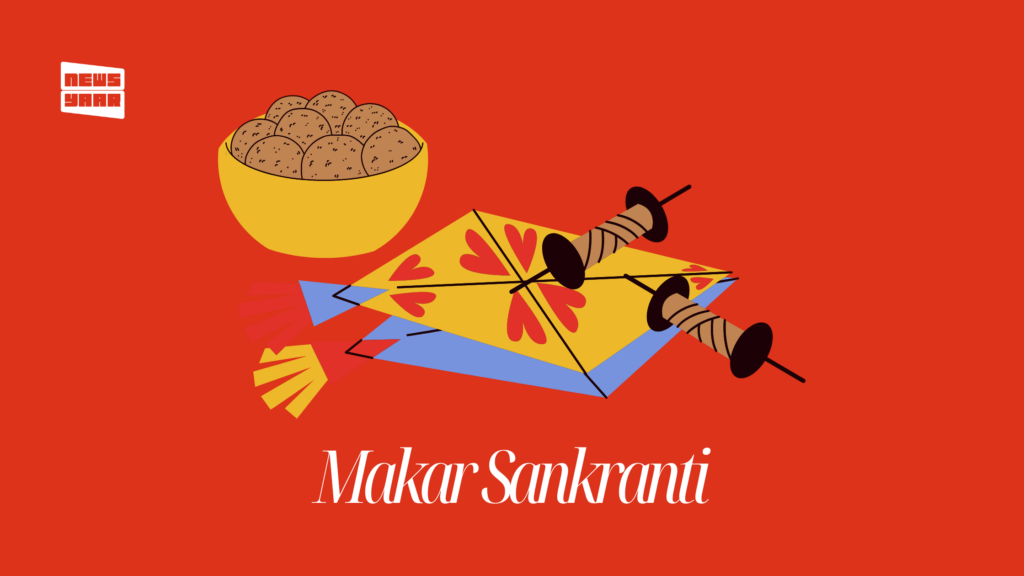
Makar Sankranti, one of India’s most widely celebrated harvest festivals, will be observed on January 14, 2026.Unlike many Hindu festivals that follow the lunar calendar, Makar Sankranti is based on the solar cycle, making its date largely fixed every year. The festival marks a significant event and holds deep cultural, spiritual, and agricultural importance across the country. Why Makar Sankranti Is Celebrated? Makar Sankranti signifies the Sun’s transition into the zodiac sign Capricorn (Makara). This movement marks the beginning of Uttarayan, the sun’s northward journey, which is considered highly auspicious in Hindu tradition.According to ancient beliefs, the period of Uttarayan symbolises light, positivity, and spiritual progress, while the previous phase, Dakshinayan, is associated with darkness and inactivity.The festival also marks the end of the winter solstice and the gradual lengthening of days, bringing warmth and renewed energy. Farmers across India celebrate it as a harvest festival, thanking nature for its bounty and welcoming a new agricultural cycle. Cultural Significance Across India Makar Sankranti is celebrated under different names in different regions, reflecting India’s cultural diversity.In Punjab, it is celebrated as Lohri, marked by bonfires and folk songs. Tamil Nadu observes it as Pongal, a four-day harvest festival. In Assam, it is known as Magh Bihu, while Gujarat celebrates with vibrant kite-flying festivals that fill the sky with colour.Despite regional variations, the essence of the festival remains the same: gratitude, renewal, and togetherness. Rituals and Traditions One of the most common rituals associated with Makar Sankranti is taking a holy dip in rivers such as the Ganga, Yamuna, and Godavari. It is believed that bathing on this day cleanses sins and brings spiritual merit.Another key tradition is the exchange of til (sesame) and jaggery sweets, symbolising unity, warmth, and harmony. The phrase “til-gud ghya ani god-god bola” reflects the spirit of speaking kindly and maintaining sweet relationships. Spiritual and Health Importance Makar Sankranti is not only spiritually significant but also aligned with seasonal health practices. Sesame seeds and jaggery, commonly consumed during this time, help generate warmth in the body and strengthen immunity during winter.Spiritually, the festival encourages people to move away from negativity and embrace discipline, charity, and self-reflection. Donating food, clothes, and essentials to the needy is considered highly auspicious. A Festival of Hope and Positivity As Makar Sankranti 2026 approaches, the festival serves as a reminder of the balance between nature, faith, and human life.It celebrates new beginnings, collective joy, and the timeless bond between tradition and daily living, making it one of the most meaningful festivals in India’s cultural calendar.
Historic Army Day Parade in Jaipur: A Public Spectacle of Pride

Jaipur is up for a historic celebration as the 78th Army Day Parade & is set to take place on January 15, 2026.The event along Mahal Road in Jagatpura is one of the most inclusive tributes to the Indian Army.Army Day is observed every year on January 15 to honour Field Marshal Kodandera M. Cariappa, who became the first Indian Commander-in-Chief of the Indian Army in 1949 following independence.A Parade Like Never BeforeAuthorities have organised open rehearsals on January 9, 11, and 13, allowing thousands of residents to witness military precision, disciplined marching contingents, and displays of modern weapons well ahead of the main parade.Public enthusiasm has been palpable, with crowds gathering early along Mahal Road to watch tanks, missile systems, and advanced defence technologies.Patriotism on DisplayOfficials have emphasised the parade’s role in reinforcing civil-military harmony and national pride. Thousands of audiences, including school and college students, women’s groups, ex-servicemen, and families, are expected to attend under a registration system implemented by the Rajasthan government.The excitement has translated into public participation during rehearsals, with residents capturing performances on mobile phones and cheering the march-past and military bands. More Than a Parade: The Final InsightsAlongside the main event, Jaipur will host a variety of complementary programs, including a “Know Your Army” exhibition, which showcases armoured vehicles, missile systems, and interactive displays aimed at deepening public awareness of India’s defence forces.A special evening event, Shaurya Sandhya 2026, featuring cultural performances, light and sound shows, and a tribute to families of martyrs, will take place as part of the broader celebration.The 78th Army Day Parade stands as a celebration of military tradition and discipline, but also as a powerful symbol of national unity, pride, and collective respect for the service of the Indian Army.Video credit: DD News