


Shri Ram Yantra to Be Installed in Ayodhya Ram Mandir: President Murmu to Lead Mega Spiritual Event
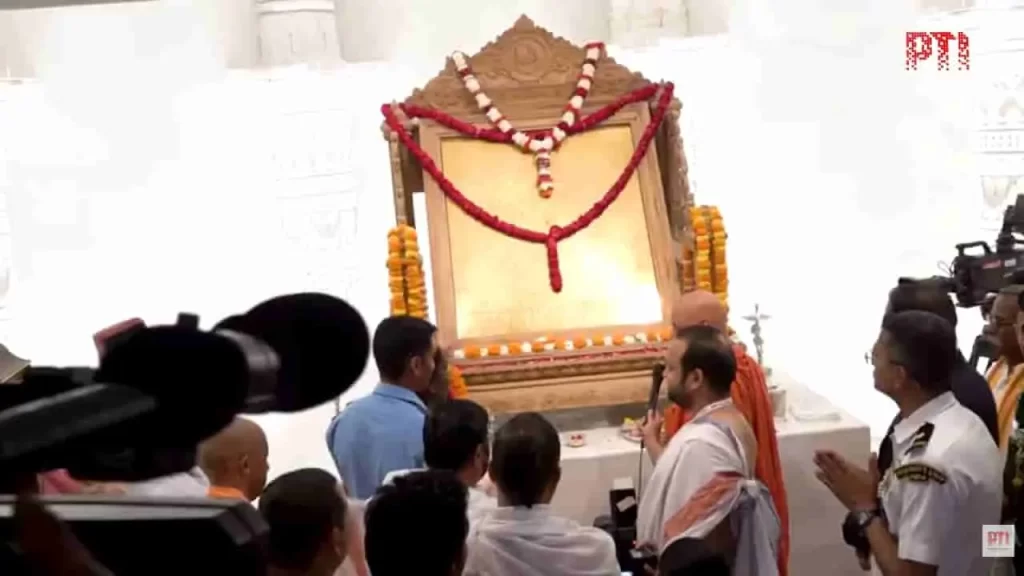
Ayodhya is preparing for another historic spiritual milestone as the Shri Ram Janmabhoomi temple gears up to host the installation of the Shri Ram Yantra on March 19, in the presence of President Droupadi Murmu on the auspicious first day of Chaitra Navratri and Hindu New Year (Varsha Pratipada).Historic ceremony on March 19The Shri Ram Yantra will be ceremonially installed on the upper floor of the Ram Mandir complex in a grand Vedic ritual that the Shri Ram Janmabhoomi Teerth Kshetra Trust is billing as the next major chapter after the pran pratishtha of Ram Lalla.President Droupadi Murmu will be the chief guest and is expected to arrive at the temple around late morning, with the main installation scheduled in an auspicious muhurat close to noon.The ceremony coincides with Chaitra Shukla Pratipada, which marks the beginning of the Vikram Samvat Hindu New Year and the first day of Chaitra Navratri, considered especially sacred for new beginnings and major religious undertakings.news.Around 7,000 invited participants, including seers, scholars, saints, key engineers, artisans, and workers who contributed to the construction of the Ram Mandir, are expected to attend and be felicitated by the Trust.hindi.Trust officials say that after the installation, devotees visiting the temple will be able to have darshan of both Ram Lalla and the Shri Ram Yantra during their visit.What is the Shri Ram Yantra?According to Shri Ram Janmabhoomi Teerth Kshetra general secretary Champat Rai, the Shri Ram Yantra was sent to Ayodhya about two years ago in a ceremonial procession led by seer Vijayendra Saraswati.The yantra is described as being based on Vedic mathematics and sacred geometry and is believed to be a medium that concentrates divine energies and attracts positive spiritual vibrations into the garbhagriha and temple complex.Until now, the yantra has been kept before the idol of Ram Lalla and worshipped daily as part of regular rituals; after March 19, it will be formally installed on an upper floor of the shrine as a permanent spiritual focal point.Priests and members of the Trust have emphasized that the installation has been timed with great care to align with an “extremely auspicious” muhurat on New Year day, reinforcing the belief that the yantra will strengthen the spiritual ambience of the entire complex.news.New rules for devotees: mobiles and weapons bannedIn parallel with preparations for the ceremony and the Chaitra Navratri–Ram Navami rush, the temple administration and district authorities have notified a stricter set of guidelines for devotees visiting the Ram Mandir.Champat Rai has clearly stated that mobile phones will now be completely banned inside the Shri Ram Janmabhoomi temple premises.Devotees will not be allowed to carry mobile phones beyond designated security points; this rule applies to all visitors, including those accompanied by personal security staff.Licensed weapons such as revolvers, pistols, swords, or other firearms are strictly prohibited in the temple complex, even if the person possesses valid legal licenses.An exception is being made for members of the Sikh community, who will be allowed to carry their traditional small kirpan in line with religious practice; the Trust has clarified that this exemption is purely out of respect for faith and is limited to the customary symbolic blade.Officials say these measures aim to strengthen security, reduce crowd-management challenges, and maintain a disciplined, distraction-free environment for darshan amid rapidly increasing footfall.Special arrangements for Chaitra Navratri and Ram NavamiChaitra Navratri this year runs from March 19 to March 27, culminating in Ram Navami, the birthday of Lord Ram, which traditionally sees some of the largest crowds in Ayodhya.To handle the surge of pilgrims, the Trust and administration are putting in place additional facilities and service arrangements:Fasting-friendly food: For devotees observing Navratri fasts, stalls and counters will offer appropriate items such as fruits, milk-based preparations, peanuts, butter, and light dishes made from potatoes and other vrat-compliant ingredients, so that those on fast are not inconvenienced during long queues and extended stays.Basic amenities: Adequate drinking water points and temporary as well as permanent toilet blocks are being arranged around the temple complex and in holding areas for queues, with more units to be added as crowd estimates firm up.Crowd flow and gates: The administration has indicated that detailed information on entry and exit gates, queue lanes, holding zones, and timing-wise crowd management plans will be shared in the days leading up to the main dates as assessments are finalized.Given the President’s visit on March 19, VIP darshan passes are expected to be suspended for certain time slots so that security and protocol arrangements can be managed smoothly.Appeal for orderly darshanThe Shri Ram Janmabhoomi Teerth Kshetra and district administration have jointly appealed to devotees to strictly follow the new guidelines, particularly the ban on mobile phones and weapons, and to cooperate with security forces during the high-traffic Navratri and Ram Navami period.Officials underline that adherence to these rules will not only enhance security but also ensure that all pilgrims, many of whom travel long distances, can experience peaceful, unhurried darshan of Ram Lalla and, after March 19, of the newly installed Shri Ram Yantra.For Ayodhya, which witnessed a landmark moment with the consecration of Ram Lalla in January and is now set for the formal installation of the Shri Ram Yantra on Hindu New Year, this year’s Chaitra Navratri is emerging as a powerful convergence of faith, symbolism, and meticulous planning.
Estonia President’s Official Visit to India: A Milestone in Bilateral Engagement
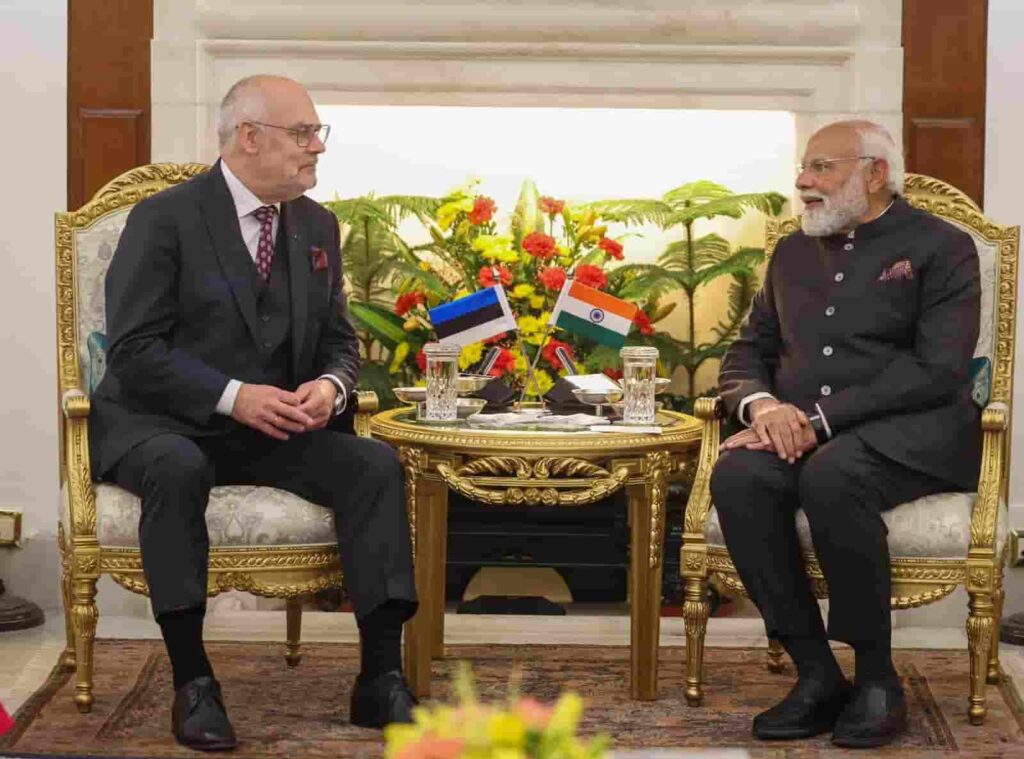
President Alar Karis, the Head of State of Estonia, concluded a significant official visit to India on February 19, 2026, underscoring deepening ties between the two countries across diplomacy, trade, digital cooperation, education and cultural exchange. The discussions and engagements during the visit reflected shared democratic values, mutual interest in technology-led growth and a growing emphasis on people-to-people links.This visit marked a high-profile diplomatic engagement that elevated relations between India and Estonia — both of which are democracies with strong commitments to digital innovation, open governance and strategic multilateral cooperation.Official Welcoming and High-Level MeetingsPresident Alar Karis was received at Rashtrapati Bhavan by President of India Smt. Droupadi Murmu, in a ceremony that reaffirmed the importance both nations place on their bilateral relationship. The ceremonial reception, followed by formal talks, set the tone for substantive discussions on a broad agenda of cooperation.In their meeting, President Murmu and President Karis reviewed ongoing collaboration, expressed satisfaction with the growing momentum of bilateral ties, and identified new avenues for future engagement. Both leaders spoke of shared democratic principles, respect for sovereignty, and the potential for deeper cooperation in emerging sectors.Strategic and Technology CooperationEstonia is known globally for its success in digital governance, cybersecurity and e-services, and these areas took centre stage during the visit. India and Estonia discussed cooperation in:Digital infrastructure and e-governance modelsCybersecurity partnershipsData governance frameworksDigital economy initiativesIndia shared its experience with large-scale programs such as Aadhaar and DigiLocker, while Estonia showcased best practices from its e-Estonia ecosystem — widely regarded as one of the most advanced digital societies in the world.Both sides expressed interest in knowledge exchange and joint initiatives that could benefit public service delivery, innovation pipelines and digital skill development.Economic and Trade EngagementBilateral trade and economic cooperation were key components of the discussions. While overall trade volume between India and Estonia has remained modest compared to India’s larger European partners, both nations affirmed a desire to broaden commercial links.Estonian companies operating in fields such as information technology, clean energy solutions, precision engineering and logistics services were identified as potential partners for deeper engagement with Indian enterprises. Similarly, Indian firms were encouraged to explore opportunities in the Estonian market, particularly in high-technology and service sectors.Both countries agreed on the need to further institutionalise trade facilitation mechanisms, reduce barriers and foster business dialogue through joint economic forums.Education, Culture and People-to-People LinksThe Presidents highlighted the importance of educational and cultural exchanges as core pillars of bilateral engagement. India and Estonia reaffirmed their commitment to expanding academic collaborations, student mobility programs and cultural showcases that deepen understanding between their citizens.Emphasis was placed on supporting:University partnershipsResearch collaboration in science and technologyStudent exchange schemesCultural festivals and artistic collaborationsThese initiatives were seen as vital for building stronger long-term ties, especially among young professionals, innovators and academics.Multilateral Cooperation and Shared ValuesIndia and Estonia also explored cooperation at the United Nations and other multilateral forums. Both countries reiterated their commitment to democratic norms, rule of law, peaceful resolution of disputes and inclusive development.There was agreement on enhancing joint efforts on global issues such as climate change, sustainable development, digital governance norms, and secure cyberspace regulations.Joint Statement and Future RoadmapAt the conclusion of the visit, both leaders issued a joint statement reaffirming their intent to broaden cooperation across multiple domains, including:Digital transformation and cybersecurityEconomic and trade linkagesEducation and cultural exchangeMultilateral engagement and strategic dialogueThe statement also expressed mutual respect for each other’s development models and acknowledged the importance of continued high-level visits and institutional dialogue mechanisms.Significance of the VisitPresident Karis’s visit to India in February 2026 carries strategic significance on several fronts. India’s engagement with Estonia — a small but highly innovative member of the European Union — reflects New Delhi’s broader approach to building partnerships based on shared technological and governance priorities rather than solely on scale.For Estonia, strengthening ties with India provides enhanced access to one of the world’s fastest-growing major economies and offers opportunities to participate in collaborative initiatives in technology, education and strategic innovation. Estonia’s expertise in digital governance was highlighted as a complementary asset to India’s own digital transformation journey.The visit also reaffirmed that India’s foreign policy priorities extend beyond traditional geopolitical partnerships to include innovative, technology-driven countries positioned for long-term global impact.As bilateral engagement moves forward, both sides signalled their intention to operationalise the discussions through focussed working groups, expert exchanges and public-private cooperation platforms that translate high-level commitments into actionable outcomes.President Karis’s visit, therefore, stands out not merely as ceremonial diplomacy but as a visit that helped articulate a forward-looking India-Estonia partnership in the digital age — one rooted in shared values, mutual respect and practical collaboration.
Amrit Udyan 2026 Opens: Rashtrapati Bhavan’s Floral Paradise Welcomes Visitors from February 3
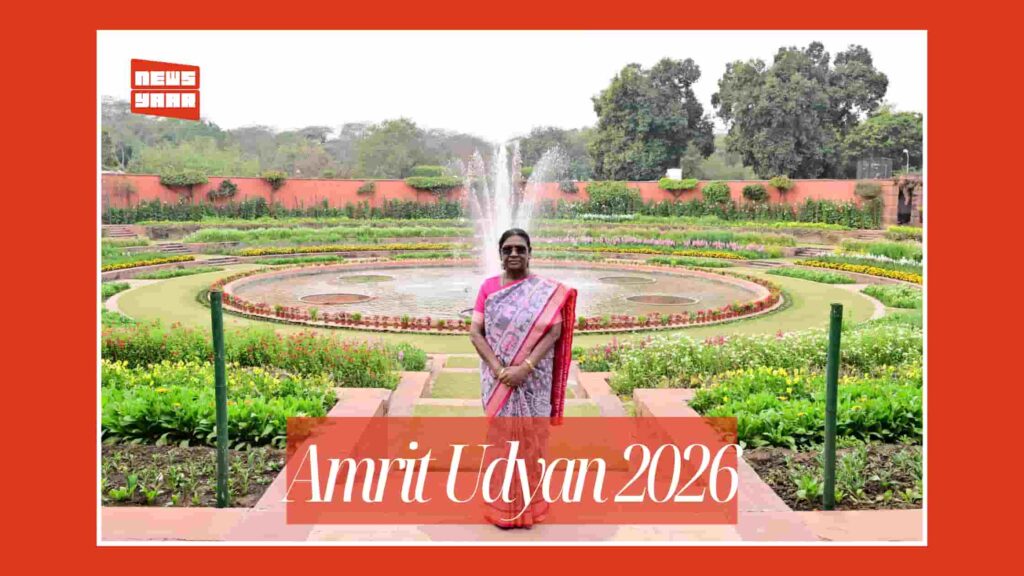
New Delhi, February 9, 2026 – President Droupadi Murmu inaugurated the Winter Annuals Edition of Amrit Udyan on February 1, throwing open the gates of Rashtrapati Bhavan’s iconic 15-acre gardens to the public from February 3 to March 31. Renamed from the historic Mughal Gardens, this “soul of Rashtrapati Bhavan” promises a breathtaking display of 85 flower species, including 145 rose varieties like ‘Bheem’, ‘Arjun’, and ‘Mother Teresa’, alongside tulips, the cascading Babbling Brook, and new reflexology paths in the Banyan Garden. Spanning East Lawn, Central Lawn, Long Garden, and Circular Garden, enhanced by additions like Herbal Garden, Tactile Garden, Bonsai Garden, and Arogya Vanam during Presidents APJ Abdul Kalam and Ram Nath Kovind’s tenures, Amrit Udyan blends Mughal symmetry with modern horticultural innovation. This year’s highlights include the landscaped Banyan Garden and a serene water stream, offering therapeutic walks amid nature’s splendor. Visitor Essentials: Timings, Booking, and Access Open Tuesday to Sunday, 10:00 AM to 6:00 PM (last entry 5:00-5:15 PM), the gardens close Mondays for maintenance and on March 4 for Holi. Entry is free, but mandatory online booking via https://visit.rashtrapatibhavan.gov.in/ ensures smooth access, with no on-the-spot registrations. Slots (hourly from 10 AM-4 PM) book up to six people per ticket and close at 10 AM the previous day; planning is advised. Entry/Exit: Gate No. 35, President’s Estate (near North Avenue). Shuttle buses run every 30 minutes from Central Secretariat Metro Station (9:30 AM-6:00 PM, last from the metro at 4:00 PM), marked “Shuttle Service for Amrit Udyan”. The self-guided route: Bal Vatika → Plumeria Garden → Banyan Garden → Bonsai Garden → Babbling Brook → Central Lawn → Long Garden → Circular Garden. Permitted items include mobiles, keys, purses, water bottles, baby milk bottles, and umbrellas. On-site amenities: drinking water, restrooms, and first aid. Special Access Days for Inclusivity March 3: Defence Personnel March 5: Senior Citizens March 10: Women and Tribal Women’s SHGs March 13: Divyangjan (persons with disabilities) Main Gardens in Amrit Udyan Amrit Udyan (formerly Mughal Gardens) at Rashtrapati Bhavan spans 15 acres with these core sections, enhanced over time: Central Lawn: Vast manicured expanse, central to the layout. Long Garden: Elongated walled stretch with water channels, roses, and bougainvillea. Circular Garden (Pearl/Sunken/Butterfly Garden): Amphitheater-style with ringed flower beds (stock, phlox, pansies, marigolds), lotus pond, bubble fountain, and nearby apiary. East Lawn: Original formal section with lotus fountains and stepped geometry. Bal Vatika: Children’s garden featuring a 225-year-old Sheesham tree, treehouse, and nature classroom. Bonsai Garden: Collection of miniature trees (some 80+ years old). Banyan Garden: Landscaped with reflexology paths. Plumeria Garden: Fragrant flowering section. Herbal Garden / Arogya Vanam: Medicinal plants and herbs. Tactile/Sensory Garden: Textured plants for touch. Musical Garden: Fountains synced to music. Spiritual Garden: Serene herbs from ancient texts. Visitor Route (self-guided): Bal Vatika → Plumeria → Banyan → Bonsai → Babbling Brook → Central Lawn → Long Garden → Circular Garden [prior article]. Key Flowers (2026 Highlights)85 species total, with 145 rose varieties like ‘Bheem’, ‘Arjun’, and ‘Mother Teresa’. Seasonal stars: tulips, daffodils, Asiatic/Oriental lilies, calendula, viola, alyssum, marigolds, phlox, pansies, stock, lotus. Musical Garden in Amrit Udyan: Unique Features The Musical Garden at Rashtrapati Bhavan’s Amrit Udyan stands out for its innovative fusion of music, science, and nature. Key Unique Elements: Inaugurated in 2006 by President APJ Abdul Kalam, transforming a former nursery into a high-tech sensory space. Dancing Fountains: Three large water fountains showcase digital electronics, electromagnetism, hydrodynamics, and hydrostatics, synchronized perfectly with music via computerized controllers. Tunes and Lights: Plays classical Indian instruments (shehnai, veena) and patriotic songs like Vande Mataram, with colorful lights shifting from white to red for a magical effect. Surroundings: Nestled amid tennis courts, biodiversity park, Bonsai Garden, and Herbal Garden; often frequented by peacocks, adding natural liveliness. Interactive Science: Exemplifies “human creativity through contact between music and science,” breaking the gardens’ tranquility with rhythmic water shows. Beyond the Gardens: Full Rashtrapati Bhavan Experience Pair your visit with Rashtrapati Bhavan tours, the Museum, or Saturday’s Change-of-Guard Ceremony (Forecourt). Combine tickets for a full day exploring India’s presidential heritage. Amrit Udyan isn’t just flora, it’s a living testament to India’s gardening legacy, drawing lakhs annually. Deputy Press Secretary Navika Gupta and garden in-charge Avneesh Banswal highlighted this season’s vibrant blooms during media previews, urging families to book early. As Delhi’s winter blooms, don’t miss this free oasis of tranquility amid urban hustle, perfect for photos, picnics, and peace. Video credit: YT@/President of India Video credit: YT@/President of India