


NATO Summit 2026 in Ankara: A High-Stakes Meeting That Chose Continuity Over Crisis
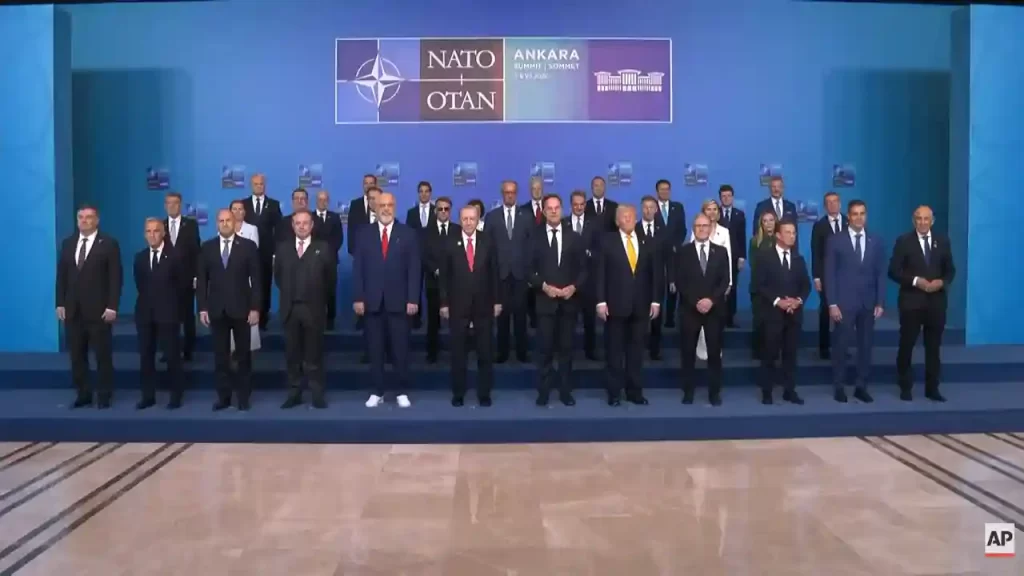
The NATO Summit in Ankara on 7–8 July 2026 arrived with the kind of tension that tends to follow every major alliance gathering in an era of war, spending disputes, and uncertain US commitment, yet the final outcome was defined less by dramatic rupture than by cautious continuity. Allied leaders managed to preserve unity on the core questions, even as disagreements over Ukraine’s membership path, burden-sharing, Turkey’s F-35 ambitions, and Europe’s broader security posture remained unresolved beneath the surface. Why Ankara MatteredThis summit was not just another annual diplomatic event; it was a review point for how far NATO had advanced since the 2025 summit in The Hague and a chance to set the next phase of the alliance’s roadmap. The timing was especially sensitive because allies entered Ankara amid uncertainty over US engagement, frustration about defense-spending delivery, and competing views on how far NATO should go in backing Ukraine and responding to wider geopolitical shocks, including the Iran war. Ankara also carried symbolic weight because NATO summits are increasingly used not only to manage crises but to signal strategic direction. In that sense, the 2026 gathering became a test of whether the alliance could still produce consensus in a more fractured world, and the answer, at least for now, was yes, though only by shelving some of the hardest issues for later. Ukraine Gains Support, But Not MembershipUkraine’s President Volodymyr Zelenskyy was one of the summit’s most consequential guests, delivering a short but emotionally charged address that earned a standing ovation on the opening day. The alliance also delivered a tangible military commitment, with allies pledging €70 billion in military equipment and training support and promising to sustain assistance at least through 2027 at equivalent levels. Even so, the long-running question of NATO membership remained largely unchanged. Zelenskyy pressed allies to consider whether it was fair to leave a country with such strong defensive capability outside the alliance, but the summit produced no breakthrough on accession, leaving Ukraine with strong support but no formal movement on membership status. The final declaration did use stronger language than the 2025 Hague statement, describing Kyiv as a contributor to “transatlantic security” and reaffirming unwavering support for its freedom, sovereignty, and territorial integrity. That distinction matters. NATO is increasingly treating Ukraine not just as a beneficiary of support but as a security contributor, yet allies remain divided over how quickly that political recognition should translate into membership. Swedish Defense Minister Pal Jonson captured the direction of travel when he said the alliance was moving toward seeing Kyiv as a “security provider,” while also arguing that the sooner Ukraine becomes a member, the better. A New Defense Finance ArchitectureOne of the summit’s most significant structural developments was the announcement of the Canada-led Defense, Security and Resilience Bank. Backed initially by Canada, Albania, Belgium, Ukraine, Greece, Latvia, Luxembourg, Romania, and Turkey, the new institution is designed to provide low-interest loans for defense projects and help governments and small and medium-sized enterprises close financing gaps. The ambition behind the bank is substantial. Ottawa said the goal is to mobilize $134 billion of capital and have the institution operating by 2027, which would make it one of the most notable financial innovations in the alliance’s recent history. The idea reflects a broader recognition that deterrence is not only about weapons and troops; it is also about industrial capacity, procurement financing, and the ability to sustain long-term defense investment in a more dangerous era. Turkey, Trump, and the F-35 QuestionThe summit also highlighted Turkey’s unresolved place inside the alliance’s most advanced defense ecosystems. Despite positive signals from Donald Trump that sanctions could be lifted, Ankara did not secure formal re-entry into the F-35 program, from which it was removed in 2019 after purchasing Russian air defense systems.Trump’s remarks suggested the issue remains alive, saying that bringing Turkey back into the fifth-generation fighter program was “something certainly we’d consider,” but no agreement was formalized. That left Turkey with a familiar combination of diplomatic encouragement and practical uncertainty, even as Turkish defense thinking appears to be shifting toward greater emphasis on the indigenous KAAN fighter rather than relying solely on a return to the American program. Big Defense Deals on the SidelinesBeyond the summit hall, the defense industry used Ankara as a launchpad for major announcements. NATO allies backed the planned procurement of up to 10 Swedish GlobalEye surveillance aircraft to replace aging E-3 planes, marking a notable turn toward a European solution after earlier plans had pointed to Boeing’s E-7 Wedgetail. The summit also saw partner nations sign letters of intent for the Crewed Airborne Early Warning High Visibility Project, involving Denmark, Finland, France, Germany, Poland, Spain, Sweden, and Turkey. At the same time, a broader coalition led by the UK committed $50 billion over the next decade to deepen long-range strike capabilities, including systems able to hit targets hundreds and, in some cases, thousands of kilometers away with precision. This wave of initiatives matters because it shows NATO’s center of gravity shifting from abstract strategic debate to concrete capability building. Air surveillance, early warning, long-range strike, and industrial financing are becoming the material language of allied deterrence. Trump’s Tone and the Alliance MoodDonald Trump’s presence cast a long shadow over the summit, especially given his tendency to criticize allies sharply. Yet by the end of the meeting, he was speaking of his “tremendous love” for Western leaders, and even said there was “a lot of love in that room” after his bilateral meeting with Zelenskyy. That softer tone likely reassured Secretary General Mark Rutte, whose diplomatic style during this NATO cycle has leaned heavily on keeping Washington engaged and the alliance unified. Still, the summit also featured a reminder that alliance management remains complicated, with Trump renewing his call to take control of Greenland, a remark that prompted Danish Prime Minister Mette Frederiksen to restate that the island is not for sale.What the Declaration AchievedThe final declaration renewed NATO’s Article 5 collective-defense commitment, a crucial signal to European and Canadian allies worried about what might happen if Russia tests the
Modi at G7 Summit 2026: Maritime Security, Global Solidarity, and International Relations
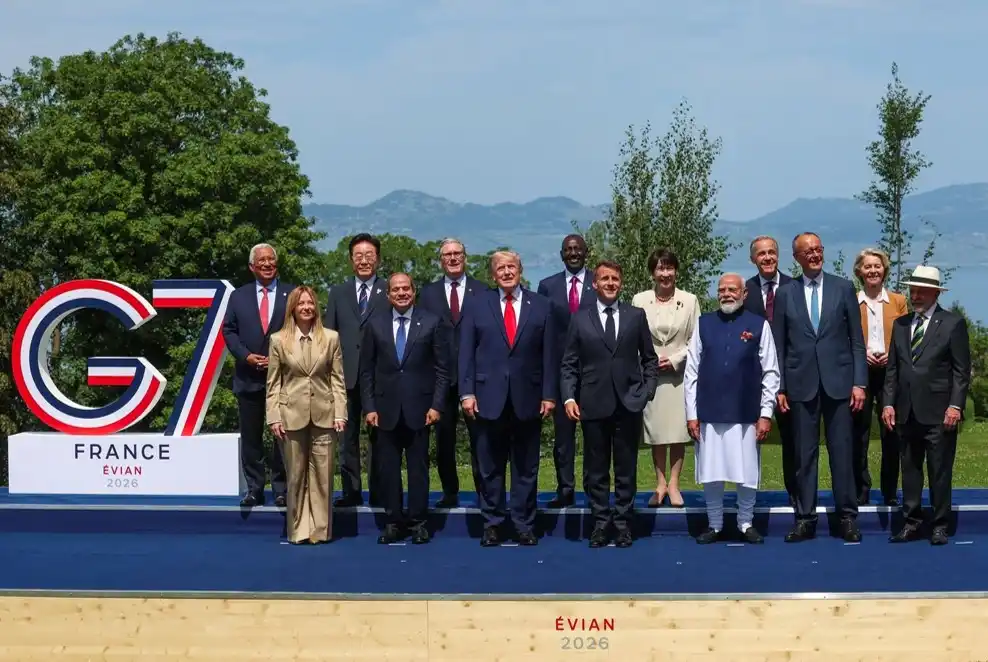
Prime Minister Narendra Modi delivered a powerful address at the 52nd G7 Summit in Evian-les-Bains, France, on Tuesday, June 16, 2026, voicing India’s firm concern over disruptions to maritime trade through the Strait of Hormuz and highlighting that several Indian civilians lost their lives during the West Asia conflict. Speaking at the outreach session on “Forging New Partnerships and Rebuilding International Solidarity,” Modi emphasized that lasting solutions to conflicts can only be achieved through dialogue, diplomacy, and international cooperation, while calling for the safety of seafarers who connect all nations through global maritime trade.The summit, held from June 15 to 17 on the shores of Lake Geneva, brings together leaders of France, Britain, Canada, Germany, Italy, Japan, and the United States alongside the European Union, with India invited as a partner country for its 13th participation and PM Modi’s 7th consecutive attendance. During his extensive diplomatic outreach on the sidelines, Modi held bilateral meetings with Canadian Prime Minister Mark Carney, British Prime Minister Keir Starmer, UAE President Sheikh Mohamed bin Zayed Al Nahyan, Kenyan President William Ruto, Egyptian President Abdel Fattah El-Sisi, Japanese Prime Minister Sanae Takaichi, and South Korean President Lee Jae-myung, while also exchanging greetings with U.S. President Donald Trump ahead of their scheduled bilateral meeting.Maritime Security and the Strait of Hormuz: India’s Core ConcernPM Modi’s remarks on the need to protect seafarers came amid growing anger in India over the deaths of three Indian crew members in a U.S. military attack on a merchant vessel off the coast of Oman last week. The U.S. Central Command said it had taken action against three vessels, Marivex on June 8, Settebello on June 9, and Jalveer on June 11, alleging that they were attempting to violate the U.S. blockade of Iranian ports. Modi raised this issue a day before his bilateral talks with President Trump, underscoring how conflicts in West Asia have disrupted global trade and caused loss of life.“We welcome the progress made in peace efforts in West Asia. This conflict has caused loss of life and property in our friendly countries in the region. Disruptions to maritime trade through the Strait of Hormuz have affected the global economy. Several Indian civilians have also lost their lives,” Modi said during his address. “It is our responsibility to ensure the safety of the seafarers who connect all nations through global maritime trade. We must ensure that maritime routes remain secure and that seafarers can perform their duties without fear,” he added.Modi’s concerns reflect India’s strategic dependence on the Strait of Hormuz, one of the world’s most critical maritime chokepoints for oil shipments and global commerce. As a major importer of energy and a nation with significant maritime trade volumes, disruptions in Hormuz directly impact India’s economic security, energy prices, and the safety of its nationals working in global shipping. The deaths of three Indian mariners in the U.S. strike have heightened domestic pressure on the government to address maritime security and protect Indian citizens abroad.Trust as the Ultimate Strategic Asset: Modi’s Vision for International RelationsIn his address, Modi underscored the importance of trust in international relations, saying that confidence among nations has become a more valuable strategic asset than minerals, technology, or markets. He argued that in an increasingly interconnected world, where energy, food, health, cyber, and economic security are closely linked, stronger international partnerships are essential for humanity’s progress and prosperity. Warning that trade and technology were being used to pursue narrow interests, Modi said such practices had contributed to a growing trust deficit in the international system.Modi wrote in an X post: “Shared my thoughts at the Outreach Session on ‘Forging New Partnerships and Rebuilding International Solidarity’ at the G7 Summit in Evian. In a world that is getting more interconnected and interdependent than ever before, this subject becomes all the more vital.” His emphasis on trust reflects India’s diplomatic philosophy that international cooperation must be founded on mutual respect, reciprocity, and shared interests rather than coercion or unilateralism.The trust deficit Modi highlighted is particularly relevant in the current global context, where geopolitical tensions, trade restrictions, technology bans, and security concerns have led nations to prioritize national interests over collective action. As the G7 discusses issues ranging from AI access to critical minerals supply chains, India’s call for trust-based partnerships offers an alternative framework that emphasizes inclusivity, cooperation, and shared prosperity for all nations, not just the wealthy few.Bilateral Outreach: Strengthening India’s Strategic PartnershipsIndia-Canada: Forward-Looking Strategic PartnershipDuring his meeting with Canadian Prime Minister Mark Carney, PM Modi and his counterpart welcomed the positive momentum in India-Canada relations and reaffirmed their commitment to building a forward-looking strategic partnership. The two leaders reviewed progress in economic cooperation, including commercial arrangements relating to Liquefied Natural Gas (LNG), Liquefied Petroleum Gas (LPG), and metallurgical coal. They expressed satisfaction over ongoing negotiations for a Comprehensive Economic Partnership Agreement, with both sides aiming to conclude the pact this year.The leaders also welcomed growing cooperation in science and technology, defence, finance, and migration. To further strengthen defence and security ties, the two countries agreed to launch negotiations on a General Security of Information Agreement. PM Modi expressed India’s support for Canada becoming a Dialogue Partner of the Indian Ocean Rim Association, and both leaders announced the establishment of Raisina Americas as a platform to enhance dialogue and cooperation.India-UK: Vision 2035 and Comprehensive Economic PartnershipDuring his meeting with British Prime Minister Keir Starmer, PM Modi reviewed progress in India-UK relations under Vision 2035. The two leaders welcomed cooperation across trade, defence, technology, education, and people-to-people ties, looking forward to the early implementation of the Comprehensive Economic and Trade Agreement. They expressed satisfaction over the strong education partnership, noting recent progress in establishing campuses of British universities in India, including the University of Liverpool in Bengaluru and the Universities of York and Bristol in Mumbai.The leaders exchanged views on regional and global developments and reaffirmed their commitment to further strengthening the India-UK Comprehensive Strategic Partnership, demonstrating how both nations are working to deepen their bilateral
The Strait of Hormuz: The World’s Most Consequential Waterway and the 2026 Crisis That Changed Everything
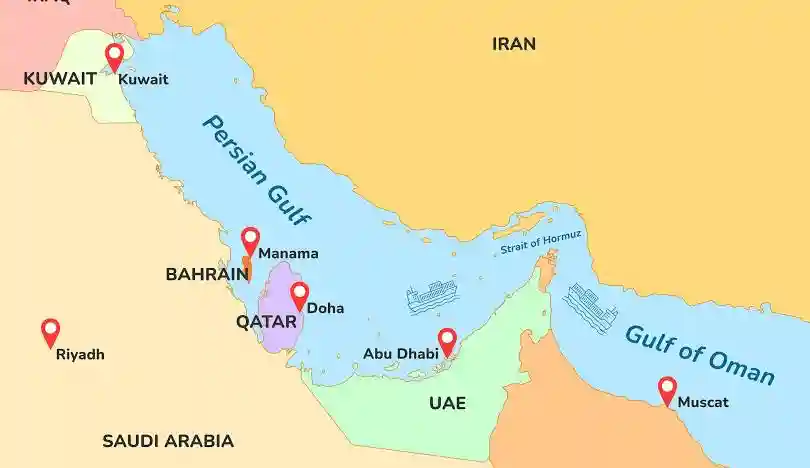
IntroductionThere are a handful of places on the map whose disruption alone can determine the fate of the global economy. The Strait of Hormuz is the most consequential of them all. A narrow strip of water barely 39 kilometres wide at its most constricted point, sitting between the southern coast of Iran and the Musandam Peninsula shared by Oman and the United Arab Emirates, it has for decades carried approximately 20 percent of the world’s seaborne oil supply and 20 percent of its liquefied natural gas.In February 2026, this artery was effectively shut. The consequences have been catastrophic.Following United States and Israeli strikes on Iran on February 28, 2026, the conflict prompted a closure of the Strait of Hormuz, through which most oil produced in the Persian Gulf is exported. Iran’s Islamic Revolutionary Guard Corps closed the strait to commercial shipping in retaliation for strikes that killed Iran’s Supreme Leader Ayatollah Ali Khamenei. What followed was the most severe energy shock the world has ever experienced, surpassing, by multiple measures, the oil crises of the 1970s, the Iran-Iraq War of the 1980s, and Iraq’s invasion of Kuwait in 1990.This article covers the geography, history, and strategic importance of the Strait of Hormuz in full, and then details the 2026 crisis that has brought the world’s energy system to the edge of collapse.Geography: What the Strait Actually IsThe Strait of Hormuz connects the Persian Gulf to the Gulf of Oman. It provides the only sea passage from the Persian Gulf to the open ocean and is one of the world’s most strategically important choke points. On the north coast lies Iran, and on the south coast lies the Musandam Peninsula, shared by the United Arab Emirates and the Musandam Governorate, an exclave of Oman. The strait is about 104 miles long, with a width varying from about 60 miles to 24 miles.Despite that width, the usable shipping lane is far more constrained. To reduce the risk of collision, ships moving through the strait follow a traffic separation scheme: inbound ships use one lane, outbound ships another, each lane being two miles wide. The lanes are separated by a two-mile-wide median. The combined active shipping corridor is therefore, in practice, just six miles wide.The northern coast belongs entirely to Iran. To traverse the strait, ships pass through the territorial waters of Iran and Oman under the transit passage provisions of the United Nations Convention on the Law of the Sea. Both Iran and Oman have expanded their territorial seas to 12 nautical miles, which means, by 1972, the entire strait fell within the combined territorial waters of the two states.Key features of the strait include Hormuz Island and Qeshm Island on the Iranian side. The main Iranian port city on the strait is Bandar Abbas, which serves as the base for Iran’s naval forces and the headquarters of the IRGC Navy. On the Omani side, the port town of Khasab in the Musandam Governorate sits along the strait’s southern edge.Historical Significance: A Trade Route Since AntiquityThe Strait of Hormuz is not merely a modern energy artery. It has been one of the world’s most strategically important trade routes for over two millennia.The 1st century AD mariner’s guide, the Periplus of the Erythraean Sea, described the mouth of the Persian Gulf as a passage connecting to vast interior trading networks, noting that pearl diving was prevalent at its upper end. Memoirs of Babur, who established the Mughal Empire, recount how almonds had to be carried from the distant Ferghana region in Central Asia to Hormuz to reach markets. From the 10th to the 17th centuries AD, the Kingdom of Ormus, which occupied the territory around the strait and appears to have given it its name, was one of the most prosperous trading kingdoms in the medieval world.The origin of the name is debated. Popular etymology derives “Hormuz” from the Middle Persian pronunciation of the name of the Zoroastrian god Ahura Mazda. Scholars and historians also derive the name from the local Persian word “Hur-mogh,” meaning date palm. A third theory links it to “hormos,” the Greek word for cove or bay.The Portuguese were the first European power to recognise the strait’s imperial importance. They occupied Hormuz Island from 1507 to 1622, using it as a base to control trade between the Persian Gulf and Europe. Their expulsion by Shah Abbas I of Persia, with British assistance, ended European direct control, but confirmed the strait as the fulcrum of Indian Ocean power politics.During the modern era, the strait’s importance shifted from spice and luxury goods to oil. When Persian Gulf oil exports began in earnest in the mid-20th century, the Strait of Hormuz became the primary commercial artery for the world’s most critical energy supply.Strategic Importance: The NumbersThe raw statistics explain why the closure of the Strait of Hormuz has no precedent in peacetime energy disruption.During 2023 to 2025, 20 percent of the world’s liquefied natural gas and 25 percent of seaborne oil trade passed through the strait annually. In 2018, 21 million barrels a day passed through the strait, worth USD 1.2 billion at 2019 prices. In 2011, according to the US Energy Information Administration, an average of 14 tankers per day passed outbound through the strait carrying 17 million barrels of crude oil. More than 85 percent of these crude oil exports went to Asian markets, with Japan, India, South Korea, and China the largest destinations.In 2024, an estimated 84 percent of crude oil and condensate shipments through the strait were destined for Asian markets, with China receiving a third of its oil via the strait. Europe gets 12 to 14 percent of its LNG from Qatar, through the strait.Beyond oil and gas, the strait is critical for the global fertiliser trade. Over 30 percent of global urea, which is widely used and produced from natural gas, is exported from Gulf countries through the Strait. Gulf countries account for roughly 45 percent of global sulfur supply, a key input for everything
PM Modi Launches Five-Nation Tour to Secure Energy, Tech Ties Amid Iran War
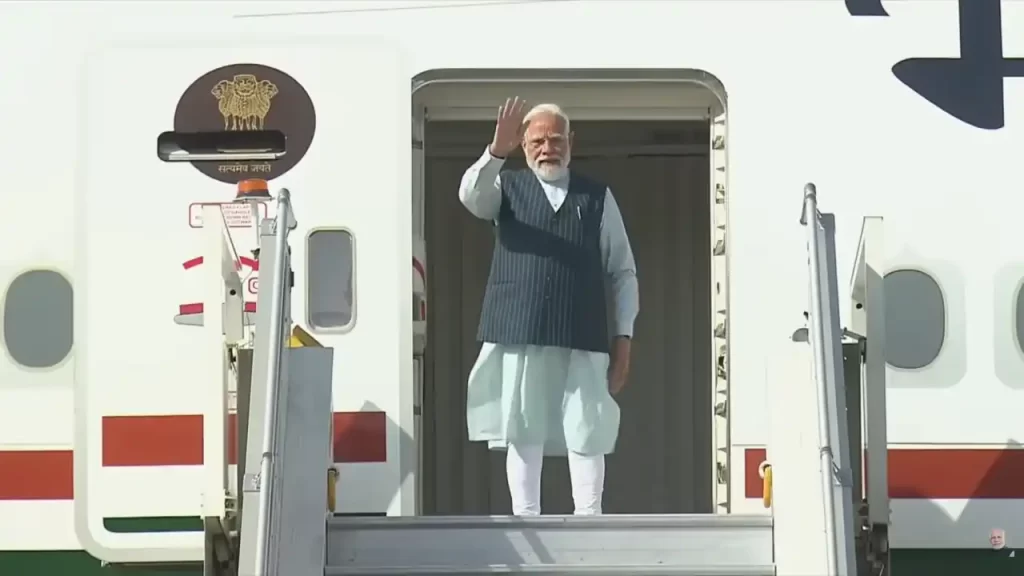
Prime Minister Narendra Modi has begun a massive five-nation tour starting in the United Arab Emirates (UAE). The trip runs from May 15 to May 20, 2026. It includes visits to the UAE, the Netherlands, Sweden, Norway, and Italy. The Prime Minister travels at a critical time when the ongoing war between the US and Iran has disrupted global shipping routes. Tensions around the Strait of Hormuz have caused oil prices to rise. This tour aims to secure India’s energy supply and strengthen technology partnerships. The visit comes right after India and the European Union signed a historic free trade agreement. Modi calls this deal the “mother of all deals.”The journey highlights India’s effort to build strong economic ties while managing global instability. Experts say diplomacy can reduce market panic, but oil prices will stay high until the war ends. Until then, India must focus on energy security and protecting its economy from rising costs.Visit to UAE: Fortifying Energy and Strategic TiesPM Modi landed in the UAE on May 15 to meet President Sheikh Mohamed bin Zayed Al Nahyan. Since 2014, Modi has visited the UAE seven times. President Sheikh Mohamed has visited India five times. Their relationship has only grown stronger over the years. The UAE has remained one of India’s most reliable energy partners even during this Gulf crisis. Long-term oil and gas supply agreements protect India’s energy security.Two important Memorandums of Understanding (MoUs) are likely to be signed during this visit. One deals with Liquefied Petroleum Gas (LPG). The other focuses on Strategic Petroleum Reserves. These deals will help India store more fuel for emergencies. Bilateral trade between India and the UAE crossed $101.25 billion in the last financial year. Both nations aim to double this trade to $200 billion by 2032. The UAE is India’s seventh-largest investor, with over $25 billion in cumulative investment.The UAE also hosts the largest group of Indian expatriates in the world. Over 4.5 million Indians live there. They form the backbone of the UAE economy. The leaders will discuss their welfare and safety. Remittances from these workers help India’s foreign exchange reserves. A Local Currency Settlement system allows trade in Indian Rupees and UAE Dirhams. This reduces dependence on the US dollar.Netherlands: Chip Deals and Water TechnologyThe Prime Minister arrived in the Netherlands from May 15 to 17. This is only his second visit since 2017. The partnership focuses on “innovation meets scale.” Dutch technology combines with India’s massive market size. Areas like semiconductors, water management, hydrogen, and maritime tech are key.A major business highlight is the agreement between Tata Electronics and ASML Netherlands. They will sign a deal to equip a semiconductor fabrication plant in Dholera, Gujarat. This boosts India’s chip-making capabilities. PM Modi and the Dutch Prime Minister visited the Afsluitdijk Dam together. This site shows cooperation in clean energy and sustainable fisheries. The Netherlands is India’s largest trading partner in Europe. Trade reached $27.8 billion in FY 2024-25. It is also India’s fourth-largest investor.The PM addressed the Indian community of over 90,000 NRIs. The visit also reached out to over 200,000 Surinami Hindustanis, the largest Indian-origin group in mainland Europe. Both nations are streamlining migration and mobility. Tourism between the two countries is set to grow.Sweden: Defense, AI, and Strategically De-risking from ChinaModi visited Sweden after an eight-year gap. He last went there in April 2018 for the first India-Nordic Summit. Sweden invests over 3 percent of its GDP in research and development. It ranks among the top innovators in Europe. Sweden has taken a firm stance to reduce its reliance on China. They removed Chinese vendors from their telecom networks. This makes India a key strategic partner.Bilateral trade reached $7.75 billion in 2025. Over 280 Swedish companies work in India. A major project is the Saab manufacturing plant in Jhajjar. Saab is building its first Carl-Gustaf weapon plant outside Sweden here. This is India’s first 100 percent FDI-driven defense project. Sweden also holds large critical mineral deposits. This helps India secure supply chains for electric vehicles and defense electronics.A new Statement of Intent created the Sweden-India Technology and AI Corridor (SITAC). It covers 6G, Artificial Intelligence, quantum computing, and life sciences. Over 80 Swedish companies attended the AI Impact Summit 2026. The Maharashtra government signed an MoU for electric boat investment worth Rs 1,990 crore.Norway: First Solo Visit in 43 Years and Arctic TechThis trip marks the first standalone visit by an Indian Prime Minister to Norway in 43 years. Modi attended the third India-Nordic Summit in Oslo. This summit places India in a high tier of Nordic engagement, joining only the United States. The India-EFTA TEPA agreement is now in force. It promises $100 billion in investment and one million jobs over 15 years.Norway’s sovereign wealth fund, the world’s largest at $2 trillion, has invested nearly $30 billion in India. Indian shipyards now hold 11 percent of Norwegian ship orders. Cochin Shipyard is building eco-friendly vessels for Norway. An MoU between GRSE and Kongsberg Maritime will deliver India’s first indigenous Polar Research Vessel.ISRO antennas at Svalbard became operational in 2026. They support India’s Arctic research. Norwegian tunneling technology helps the Char Dham railway project. Clean energy cooperation will diversify India’s energy mix. Norway also sees opportunities for Indian talent due to its aging population.Italy: Strategic Partnership and Submarine CablesPM Modi travels to Italy from May 19 to 21. He meets Prime Minister Giorgia Meloni to reaffirm their strategic partnership. The visit follows the Joint Strategic Plan of Action 2025-29. Italy views India as a major power and an indispensable partner.Italy champions the India-Middle East-Europe Economic Corridor (IMEEC). A new submarine cable, Sparkle-Airtel Blue-Raman, connects Genoa to India. This secures supply chains and boosts energy security. Bilateral trade reached $16.77 billion in 2025. The target is 20 billion euros by 2029. Tata Motors acquired the Iveco Group for 3.8 billion euros. This is the largest Indian investment in Italy. Italy opened a SIMEST office in Delhi to support SMEs.Energy Crisis and Global ImpactThe Iran war has caused
America’s Proposed Greenland Acquisition: Strategic Ambitions and Arctic Stakes
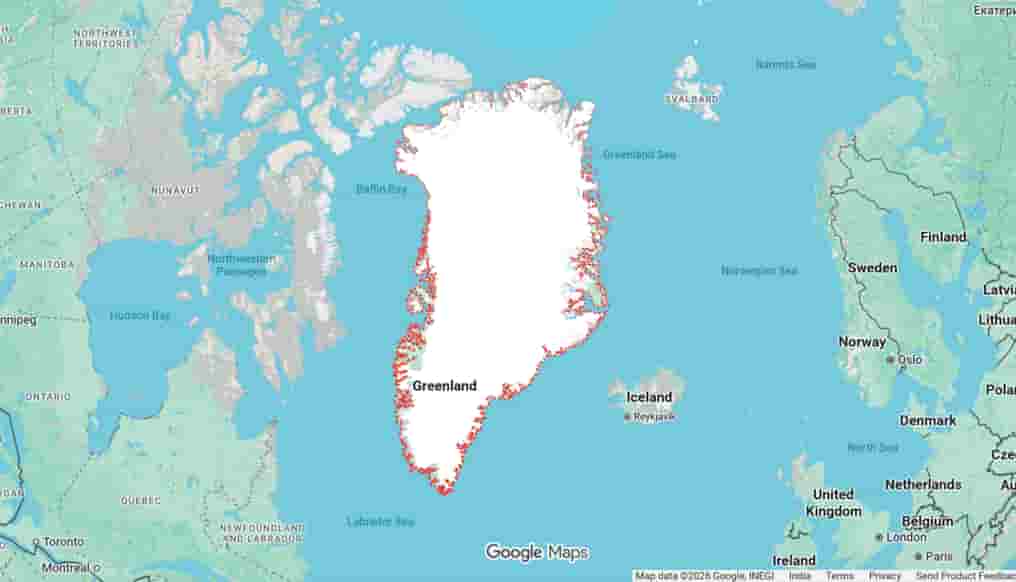
In a development that has attracted international attention and debate, the United States’ proposal to acquire Greenland — an autonomous territory of the Kingdom of Denmark — has re-emerged as a subject of strategic and geopolitical significance. Although the plan has not advanced to a formal purchase or agreement, the discussions reflect broader shifts in global power dynamics, Arctic geopolitics and resource competition in the High North.Background: What Is Greenland and Why It MattersGreenland, the world’s largest island, is an autonomous territory within the Kingdom of Denmark. It has a small population of around 56,000 people, predominantly Inuit, and exercises internal self-government, with defence and foreign policy matters managed by Copenhagen. The island’s geopolitical importance has grown dramatically in recent years due to its strategic location in the Arctic Circle, potential natural resources, and its role in global climate science.The Arctic region — long seen as remote and marginal — has become a theatre of international competition as climate change reduces sea ice cover, opening new shipping routes and access to untapped natural resources such as hydrocarbons, rare earth minerals and critical metals.The U.S. Proposal and Renewed DiscussionsThe idea of the United States acquiring Greenland first entered public consciousness in 1946, when Washington offered to purchase the island from Denmark — an offer Denmark rejected. More recently, in early 2025, the topic resurfaced in official remarks tied to U.S. strategic assessments in the Arctic region.On January 9, 2025, comments by U.S. officials sparked media attention by reiterating the historical suggestion of an acquisition and linking Greenland to contemporary strategic priorities. The U.S. reiterated that maintaining security, stability and freedom of navigation in the Arctic was critical, given increasing interest from global powers including Russia and China. However, no formal acquisition negotiations have taken place, and no treaty or transaction is under legal consideration.Why the Idea Has Re-EmergedThere are several factors that explain why the Greenland acquisition proposal has resurfaced: Strategic Location Greenland’s location astride key North Atlantic and Arctic approaches gives it enormous strategic value. Military and intelligence establishments see relevance in monitoring and controlling northern sea lanes, especially as ice melt accelerates. Resource Potential The island is believed to hold significant reserves of minerals, hydrocarbons and rare earth elements — materials crucial for advanced technologies, clean energy transitions, and defence manufacturing. Many of these resources remain largely undeveloped. Arctic Competition As Arctic ice retreats, the region is attracting investment and geopolitical interest from Russia — which already operates extensive military infrastructure in the Arctic — and from China, which has described itself as a “near-Arctic state” and has increased scientific expeditions and commercial interest in the region.In this context, a secure Arctic partnership is viewed by some U.S. policymakers as a way to check rival influence and reinforce alliances in the North Atlantic.Denmark and Greenland’s ResponseOfficials in Denmark and Greenland have objected to the notion of a territorial sale. Both Copenhagen and Nuuk (Greenland’s capital) have emphasised that any talk of acquisition is not under active negotiation and that Greenland’s autonomy and right to self-determination are paramount.Danish leaders have reiterated that Greenland is not for sale, and the notion of transfer of sovereignty to any other country is not on the diplomatic agenda. Greenland’s government has also emphasised its constitutional status and the importance of cooperation with external partners on mutually agreed terms rather than unilateral transactions.Domestic Debate in the United StatesWithin the U.S., the comments on Greenland have sparked discussion rather than policy action. Some defence and foreign policy analysts argue that the notion is symbolic rather than practical, serving as a reminder of strategic priorities in the Arctic rather than a concrete acquisition plan.Others point out that the U.S. already maintains strong strategic access to Greenland through Thule Air Base, a critical component of North American aerospace defence. Located in northwest Greenland, the base is integral to early-warning radar systems and missile tracking, and its presence reflects existing U.S. strategic interests without the need for sovereignty.International ReactionInternational observers, including strategic analysts and Arctic nations, have largely regarded the acquisition proposal as speculative rather than imminent. Canada, Russia and other Arctic Council members traditionally work through multilateral forums to address security, environmental protection and indigenous community rights in the region.Global media coverage has framed the idea as more of a strategic talking point than an actionable policy initiative, emphasising that any shift in sovereignty would require consent from Denmark and Greenland, constitutional changes, and a fundamentally altered approach to international law.Legal and Constitutional ConsiderationsUnder international law, the transfer of territory requires clear consent from the governing state and, increasingly, the affected population. Greenlanders themselves have expanded roles in their own governance under the 2009 Self-Government Act, which affirms that decisions about significant changes to sovereignty would necessitate consultation and approval from Greenland’s parliament and people.Additionally, Denmark’s constitutional framework does not allow significant cession of territory without legislative and likely referendum approval, making any acquisition a highly complex legal undertaking.What This Means for Arctic PolicyWhile the idea of a Greenland acquisition remains speculative, it highlights how the Arctic has risen in strategic importance. The U.S. and allied countries have renewed focus on:Arctic security cooperation through NATO and bilateral partnershipsScientific collaboration on climate research and environmental monitoringInvestment in infrastructure that supports commercial and defence logisticsEngagement with indigenous and local governance structuresThe Arctic Council — a multilateral forum including Arctic states such as Canada, Denmark, Finland, Iceland, Norway, Russia, Sweden and the U.S. — continues to be the primary platform for addressing regional cooperation on environmental protection, sustainable development and shared scientific objectives.Conclusion: Symbolic Signal or Strategic Shift?The renewed mention of a Greenland acquisition is best understood not as an active diplomatic negotiation but as a symbolic signal of U.S. strategic priorities in the High North. It underscores the increasing salience of the Arctic as climate change alters geography, resources and commercial access.For now, Greenland’s sovereignty remains with Denmark, and discussions about acquisition do not constitute formal policy. But the debate reflects broader anxieties and interests about the Arctic’s future
Epstein Files: All You Need To Know
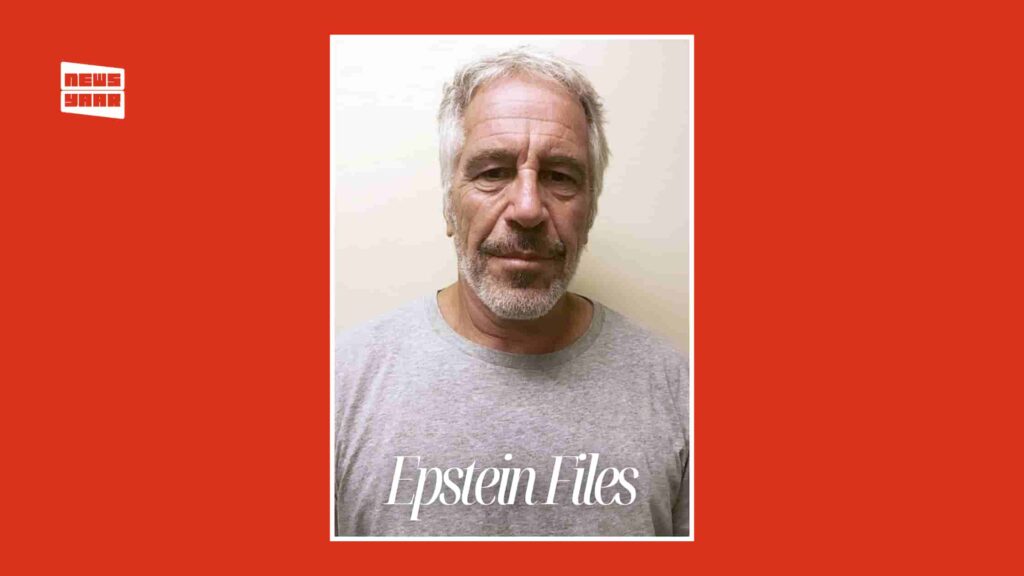
Jeffrey Epstein’s case spans decades of allegations, lenient deals, and high-profile scrutiny. It began with early reports of abuse in the 2000s, escalated through his 2019 arrest and death, and continues unfolding via mandated file releases today. Jeffrey Epstein’s files, a massive trove of emails, documents, and records from the US Department of Justice, expose the financier’s web of connections to power, science, and controversy. Released under the 2025 Epstein Transparency Act, these files, totaling over three million items, detail his funding of elite projects and interactions with prominent figures, though most mentions do not imply criminality. Who Was Jeffrey Epstein? Epstein, a convicted sex offender, built a fortune as a financier and cultivated ties with scientists, politicians, and celebrities. Arrested in 2019 on federal sex trafficking charges, he died by suicide in a New York jail cell that August, sparking endless speculation. His associate Ghislaine Maxwell was convicted in 2021 and is serving 20 years for her role in recruiting victims. Early History (2002–2008) Abuse allegations surfaced in March 2005 when Palm Beach police probed Epstein for paying a 14-year-old girl for a “massage” at his mansion, uncovering claims from dozens more minors dating back to 2002.’ In 2006, he faced multiple unlawful sex act charges, but a grand jury indicted only on one minor count of solicitation. Federal involvement grew via the FBI’s “Operation Leap Year.” By June 2008, Epstein secured a controversial non-prosecution deal from U.S. Attorney Alexander Acosta: pleading guilty to state solicitation charges, 18 months in jail (mostly work release), sex offender registration, and victim restitution, sparing him federal time despite 36 identified victims. The Epstein Files 2026 Less than 1% of files are public; redactions shield victims, with more expected. No “client list” or conspiracy proof; DOJ upholds suicide ruling, lists ~10 co-conspirators (some subpoenaed). Revelations fuel global probes (Norway politics shaken) and speculation (e.g., “Cody Rudland” email), but focus remains on Epstein’s science/power ties without broad prosecutions. Online tools like Jmail drive public analysis, sustaining debate. Recent Document Releases The US Department of Justice’s January 31, 2026, release—over three million pages, 180,000 images, and 2,000 videos—marks the biggest batch yet under the Epstein Transparency Act. It includes Epstein’s jail evaluations, Ghislaine Maxwell details, and searchable emails via Jmail. These files highlight Epstein’s post-2008 conviction dealings, like his $800,000 MIT donations that triggered resignations and probes. No “client list” or blackmail evidence emerged, per a July 2025 DOJ memo confirming his death as suicide. Prominent Associates in Files Files name ~150 from lawsuits, emails, flight logs; many social/financial ties, no proven criminality. Bill Clinton: Frequent flyer on Epstein’s jet (post-presidency); denied island visits or knowledge of crimes. Donald Trump: Early friendship (banned Epstein from Mar-a-Lago); Maxwell emails reference “girls,” denied by White House. Prince Andrew: Giuffre alleged abuse (settled 2022 civil suit); stripped of titles. Leon Black: Paid $158M for advice; files allege coerced massages Lawrence Krauss: $250K funding; emails on his scandals.Lisa Randall: Island visit, house arrest joke email Martin Nowak: $6.5M Harvard center funding.Nathan Wolfe: Pitched “horny virus” study. Corina Tarnita: Facilitated Romanian scholarships Harvey Weinstein: One victim alleged a paid encounter via Maxwell Other Notables Files reference ~10 potential co-conspirators (FBI list, some subpoenaed) plus 25 unnamed with secret settlements per Maxwell. Scientists, politicians (Norwegian fallout), Bill Gates (odd emails).
India-EU Free Trade Agreement Explained: What It Means for Trade, Economy and Strategic Partnerships
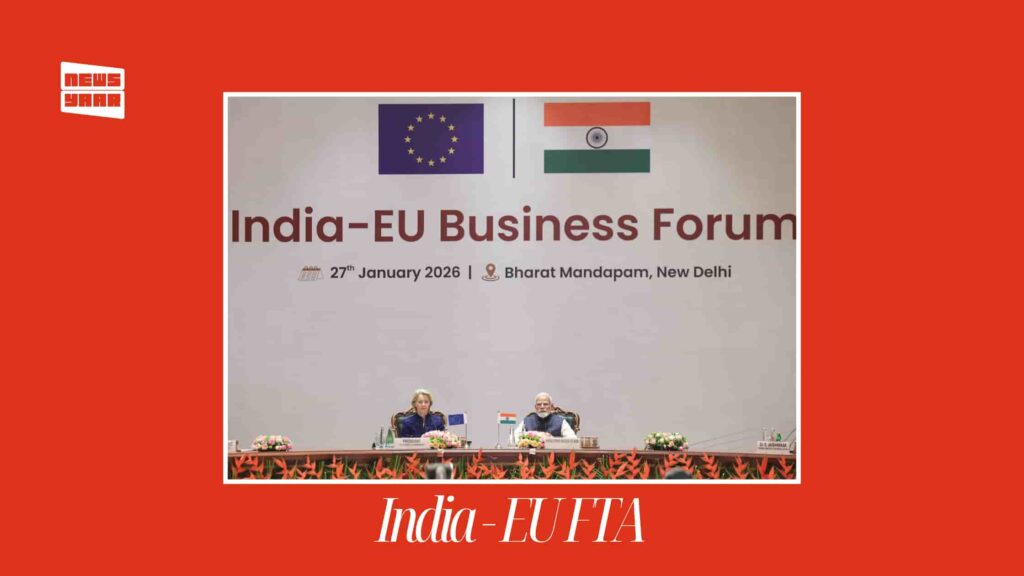
India and the European Union (EU) are advancing free trade agreement (FTA) negotiations aimed at expanding economic ties between one of the world’s fastest-growing major economies and the bloc comprising 27 European nations. The India-EU FTA, also known as the EU-India Trade and Investment Agreement (TIA), is expected to be one of the most significant trade pacts of the decade, with potential to reshape global trade flows, boost exports, and deepen strategic cooperation between two large economic partners. What Is the India-EU FTA? The India-EU Free Trade Agreement is a planned comprehensive trade deal designed to facilitate the reduction or elimination of tariffs, address non-tariff barriers, and expand market access for goods and services between India and the EU. Unlike a simple tariff agreement, the FTA also aims to cover investment protection, digital trade, intellectual property, rules of origin, services, government procurement and sustainable development — making it a high-ambition, high-standards agreement. Negotiations for the trade pact have been ongoing for over a decade, reflecting both the complexity of aligning regulatory frameworks and the growing economic significance of the India-EU relationship. While some rounds of talks were stalled or slowed due to differences on specific issues, recent developments indicate renewed momentum and a political commitment from both sides to conclude the deal. Why the India-EU FTA Is Important An India-EU FTA holds strategic economic importance for both partners: Expanding Trade and Market Access:The EU is among India’s largest trading partners, with two-way trade exceeding $130 billion in recent years. Economic modelling suggests that a successful FTA could significantly raise the volume of bilateral trade by eliminating tariffs on key products such as textiles, automobiles, engineering goods, pharmaceuticals, chemicals and agricultural products. Export Competitiveness and Targets:India has set ambitious export targets — including achieving $14 trillion in exports by 2030. An FTA with the EU could provide preferential market access that boosts India’s export competitiveness in key sectors, helping it approach those targets sooner. Reductions in tariff barriers and streamlined standards would make Indian goods more competitive in European markets. Investment and Economic Cooperation:Beyond goods, the FTA could strengthen services trade and investment flows, particularly in sectors where India has global strength, such as IT and professional services. It also presents opportunities for EU investors in India’s manufacturing, infrastructure and clean energy sectors. Strategic and Geopolitical Alignment:The India-EU FTA is also seen through a geopolitical lens, strengthening economic ties at a time when global trade dynamics are shifting. Deeper integration with the EU can provide India diversification from traditional trade partners and reduce dependence on any single market. Key Issues and Areas of Negotiation Negotiating an ambitious trade deal between two large economies involves complex discussions. Key areas under negotiation include: Tariff Reductions and Market Access:India is seeking lower tariffs on goods such as automobiles and textiles, while the EU is pushing for tariff cuts on agricultural products, dairy and alcoholic beverages. The pace and scope of tariff liberalisation remain a central challenge. Services and Regulatory Cooperation:The EU places significant emphasis on services trade, including professional services, digital trade and data flows. India continues to seek greater access for its services exports while ensuring data protection and regulatory balance. Rules of Origin and Supply Chains:Both sides aim to include clear and predictable rules of origin, which determine how products qualify for preferential tariff treatment under the FTA. This is critical for supply chain integration and ensuring that Indian and EU manufacturers can benefit from the agreement. Sustainable Development and Labour Standards:The EU typically includes provisions on environmental protection, labour rights and sustainability in its trade agreements. India has pushed for similar commitments but within its developmental context, seeking flexibility on implementation timelines. Agriculture and Food Products:Agricultural market access has been a contentious area, with the EU seeking greater access for its dairy and other farm products, while India aims to safeguard the interests of its agricultural producers and small farmers. Impact on Indian Economy and Industries If successfully concluded, the India-EU FTA could produce a range of economic impacts: Boost to Exports:Reduced tariffs and smoother market access could help Indian exporters increase shipments of textiles, pharmaceuticals, chemicals, automotive components, machinery and engineering goods — sectors that have already registered strong growth in recent years. Improved Competitiveness:By aligning standards and reducing trade costs, the FTA could help Indian industries become more competitive globally, attracting foreign investment and encouraging technology transfer. Services Sector Growth:India’s services sector, particularly IT and business process management services, is expected to gain from improved access to EU markets. The agreement could address regulatory barriers that currently limit the full potential of services exports. Investment Flows:With clear investment protections and dispute resolution mechanisms, an FTA could drive greater EU investment into Indian sectors such as renewable energy, infrastructure, healthcare and manufacturing — sectors critical to India’s economic transformation. Regional and Global Implications The India-EU FTA has strategic implications beyond immediate bilateral trade: Diversification of Trade Relations:For India, the pact offers diversification in a global context where trade tensions and supply chain vulnerabilities have increased interest in forging deeper partnerships outside traditional markets. Competitive Response:Neighbouring countries and trading blocs are closely watching the negotiations. In some cases, like Pakistan, there is concern that closer India-EU economic ties could shift regional trade dynamics and erode competitive advantages in certain areas. Alignment with Global Standards:By negotiating with the EU — a bloc known for high regulatory standards — India could accelerate its own reforms in areas such as intellectual property, digital trade, quality standards and sustainability frameworks. What Comes Next Discussions on the India-EU FTA have gained pace in recent months, with officials from both sides underscoring the importance of reaching an agreement that is “balanced, comprehensive and forward-looking.” While the timeline remains uncertain and depends on resolving differences in key areas, sources indicate that negotiators are working toward finalising an outline that could pave the way for conclusion in the coming years. Both policymakers and businesses are closely monitoring developments. Indian industry bodies have urged the government to secure a
World Economic Forum 2026: Global Leaders Converge in Davos Amid Major Economic and Geopolitical Challenges
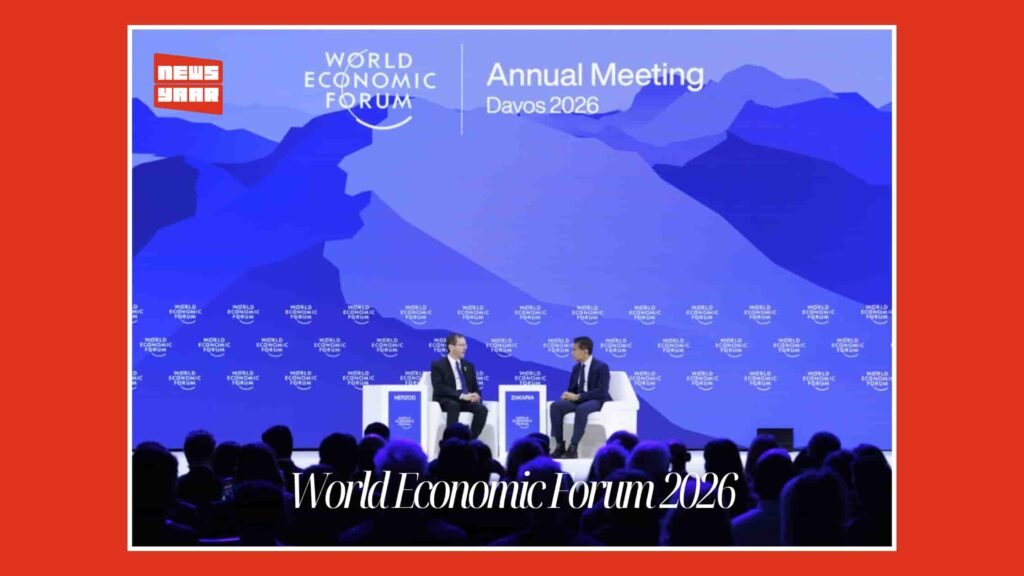
The World Economic Forum (WEF) Annual Meeting 2026 took place from January 19 to 23 in Davos-Klosters, Switzerland, bringing together leaders from government, business, international organisations and civil society to discuss the most pressing global issues of the moment. Now in its 56th year, the forum — commonly referred to simply as “Davos” — is a flagship platform for public-private cooperation on economic policy, technology governance, sustainability and global security.The meeting’s official theme, “A Spirit of Dialogue,” underscored a widely recognised need for renewed cooperation in an era marked by geopolitical tensions, slowing economic growth, technological disruption and environmental risk. Organisers, delegates and analysts alike framed the discussions around the idea that dialogue — even amid disagreement — is essential for addressing interconnected global challenges. Scale of Participation and Global Profile The WEF 2026 drew thousands of participants from over 100 countries, including government ministers, heads of state, central bankers, chief executives of major corporations, academics and representatives of international institutions. The meeting’s scale and diversity reflect its enduring role as a central venue for high-level engagement on global policy priorities.Among the most notable attendees was United States President Donald Trump, whose presence drew significant media attention and marked a return to Davos for a leader of his stature. Delegations also included major European figures, leaders from Asia, Africa and Latin America, and senior representatives from international organisations and think tanks. Economic Priorities and Global Growth Concerns Economic issues formed a core pillar of the 2026 agenda. Discussions highlighted uneven global growth, persistent inflationary pressures and heightened uncertainty in financial markets. Organisers and speakers emphasised that sluggish expansions in major economies, coupled with high debt levels, pose risks to stability and investment confidence.According to WEF research and policy discussions at Davos, cooperation on economic policy, trade facilitation and investment frameworks remains essential to navigate these headwinds. Investments in human capital, innovation and sustainable growth models were also highlighted as central to unlocking new sources of economic opportunity. Technology, Innovation and Governance Technological advancement — particularly artificial intelligence (AI) — was a prominent topic throughout the meeting. Delegates debated how to harness innovation responsibly while addressing associated risks such as workforce displacement, data protection, ethical use cases and the broader social impact of AI deployment.Speakers noted the absence of globally coordinated regulatory frameworks for emerging technologies, emphasising the need for international dialogue to manage both the opportunities and risks of rapid digital transformation. Geopolitics and International Security Geopolitical tensions and international security issues shaped several panels and bilateral discussions. The ongoing conflict in Ukraine, instability in parts of the Middle East, and great-power competition in regions such as the Indo-Pacific were recurring themes.In this context, world leaders discussed the importance of resilient supply chains, energy security and strategic partnerships while acknowledging that geopolitical fragmentation continues to complicate efforts toward shared economic and diplomatic goals.A particularly high-profile moment at the forum involved exchanges around NATO and Arctic security, with debates over territorial issues such as the strategic role of Greenland drawing media attention and highlighting how security concerns intersect with economic and environmental priorities. Climate, Sustainability and Emerging Risks Climate change and sustainable development remained central to Davos discussions, but delegates acknowledged the gap between global climate commitments and action on the ground. Energy transition strategies, climate finance for developing economies and nature-based risk frameworks were all debated, often in conjunction with economic policy and innovation priorities.A distinctive focus this year was on water systems and planetary stability, with experts warning that imbalances in the global water cycle — including drought, flood extremes and freshwater scarcity — require urgent collective action. These discussions, sometimes referred to as part of the “Blue Davos” agenda, highlighted water as a foundational element of global resilience. Outcomes and Forward Agenda Unlike treaty negotiations or binding international agreements, the World Economic Forum does not issue enforceable resolutions. Instead, its role is to shape the global conversation, build networks of cooperation and catalyse voluntary initiatives. At the conclusion of the 2026 meeting, several partnerships, memoranda of understanding and investment dialogues were announced, particularly in areas such as clean energy, digital infrastructure and sustainable finance.For example, global and regional delegations highlighted collaborative efforts to expand green growth and industrial innovation, reflecting businesses and states seeking resilient growth pathways amid global uncertainty.Beyond formal sessions, the informal interactions in Davos — from bilateral talks between heads of state to private sector strategy meetings — often influence policy choices throughout the year. These engagements are frequently cited by governments and corporations as contributing to priority setting and risk assessment in economic and geopolitical planning. Why World Economic Forum 2026 Matters The World Economic Forum Annual Meeting remains significant because it brings together diverse decision-makers at a time when coordination on global issues has become more fragmented. As geopolitical tensions rise and economic risks persist, forums like Davos offer a rare structured environment where dialogues between competing interests can occur.In 2026, the emphasis on dialogue — even amid disagreement on trade, security, technology and climate policy — reflected a shared recognition that global challenges cannot be addressed in isolation. While the outcomes of Davos are not always immediately visible, the convergence of leaders and ideas continues to shape international conversations and influence public and private sector strategies in the months and years that follow.
Germany Visa-Free Transit for Indians: What It Means and How It Works
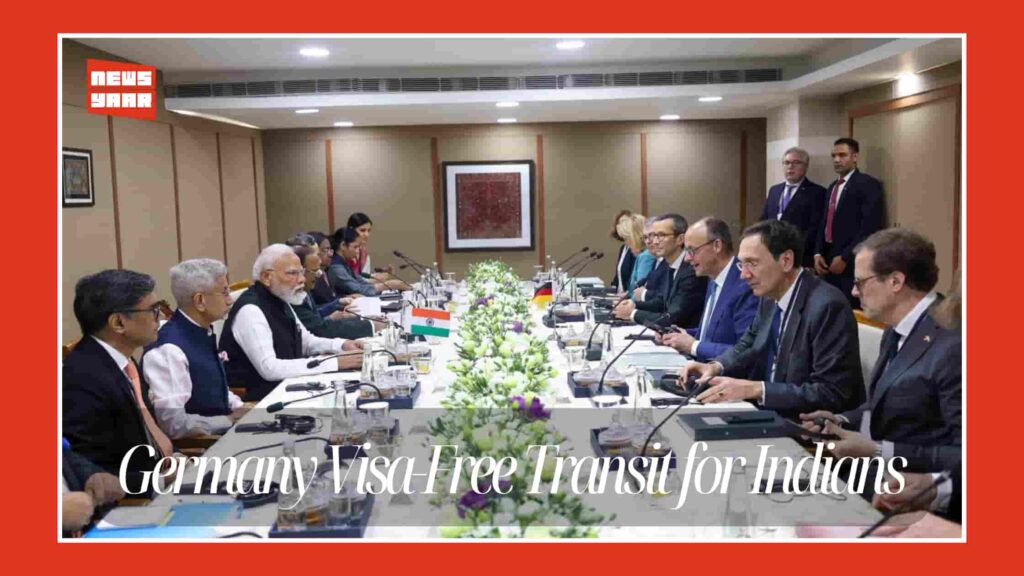
Germany has introduced a new visa-free transit facility for Indian passport holders that is set to simplify international travel for many flyers. Announced during German Chancellor Friedrich Merz’s official visit to India in January 2026, this move aims to reduce paperwork and costs for Indians connecting through major German airports en route to non-European destinations. What Is the New Germany Visa-Free Transit Rule?Under the updated rule, Indian citizens no longer need an Airport Transit Visa (Type A) to change flights at selected German international airports, such as Frankfurt, Munich, Berlin, Düsseldorf and Hamburg, provided certain conditions are met. This transit privilege applies only if travellers remain within the international transit area and are en route to destinations outside the Schengen Zone — for example, flights from India to the United States, Canada or the United Kingdom with a stopover in Germany.It is important to note that this policy does not grant entry into Germany or the wider Schengen Area. If passengers plan to enter Germany (even briefly) or travel within the Schengen region, they must still obtain the appropriate visa before arrival. Why This Change Matters for Indian TravellersFor many Indian passengers, Germany was previously a less convenient transit option due to its Airport Transit Visa requirement, which could involve paperwork, costs and added delays even if the traveller never left the airport. Here’s why the new rule is significant: Easier Airline ConnectionsPassengers can now book flights with layovers at major German hubs without worrying about additional visa requirements — making options like Frankfurt and Munich more attractive for long-haul itineraries. Lower Costs and Less PaperworkEarlier, Indian nationals needed to apply for and pay for a transit visa (around €90 or roughly ₹9,000–₹10,000) even for short airport layovers. With this requirement lifted for eligible transits, travellers can save both time and money. Improved Travel FlexibilityThis change could encourage travellers to choose more direct or efficient routes, especially when flying to global destinations beyond Europe. Who Benefits MostLong-haul travellers flying from India to the Americas, Africa or the UK with German stopoversStudents and professionals connecting through German airports on their way to academic or work destinations abroadFamilies and leisure travellers seeking flexible multi-leg itineraries without extra visa hurdlesHowever, travellers should ensure they remain airside in the transit area and are not entering Germany or the Schengen Zone, as that still requires a separate visa. How to Use the Visa-Free Transit FacilityHere are the key conditions to benefit from the rule:You must remain within the international transit zone of the German airport.Your final destination must be outside the Schengen Area.Your layover must not exceed the allowed airport transit period (usually under 24 hours).You must have confirmed onward tickets and boarding passes for your connecting flight.If any of these conditions are not met — for example, if you wish to exit the airport or travel to a Schengen destination — you still need a Schengen visa. When Did This Rule Come Into Effect?The policy was announced during Chancellor Merz’s visit to India in early January 2026 and has started to be implemented since then, aligning with broader efforts to strengthen India-Germany ties and enhance travel facilitation for Indian passport holders. What This Means for Future TravelWhile this facility does not change the general visa requirements for entry into Germany or the Schengen Zone, it reflects a broader trend of travel facilitation and cooperation between India and Germany. The move is likely to make Germany a more competitive transit hub in global air travel, especially for Indian travellers heading to destinations beyond Europe. In SummaryGermany has introduced visa-free airport transit for Indian passport holders at major airports.The rule applies only when passengers stay within the international transit area and travel onwards to non-Schengen destinations.Travellers still need a Schengen or national visa if they intend to enter Germany or other Schengen countries.The change reduces costs and documentation for Indian travellers connecting through German hubs.It enhances travel flexibility and could attract more Indians to fly via German airports.