


Navratri and Garba Mahotsav 2026: The Festival of the Divine Feminine, Dancers, and Nights
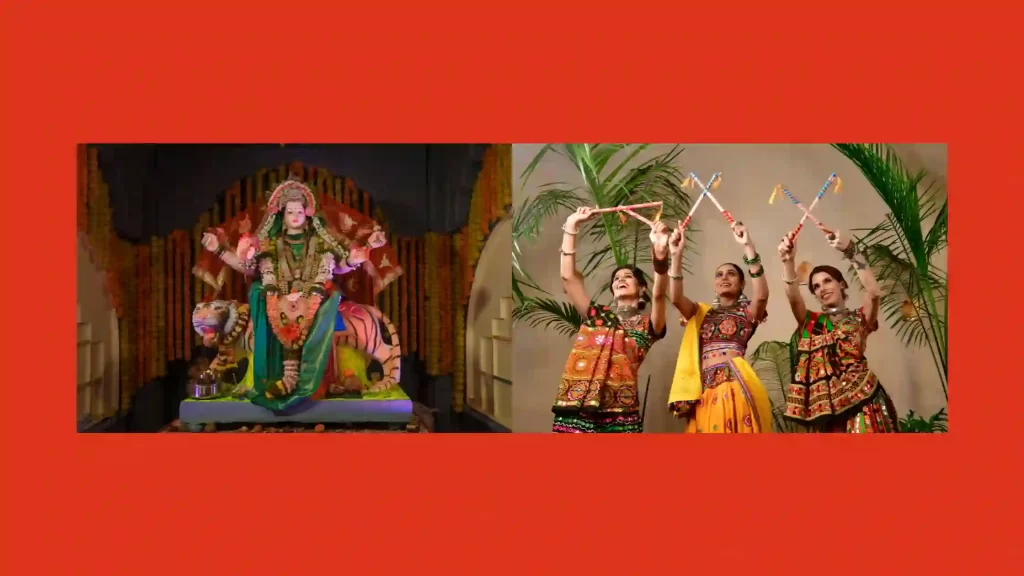
Navratri is one of those festivals that seem to be both deeply spiritual and unashamedly fun. Homes and public places across Gujarat turn into sites for both prayers and dance as people celebrate devotion to the divine feminine power and Garba circle dances for nine consecutive nights. In 2026, Sharad Navratri will be celebrated from October 11 to October 19, and Vijayadashami (Dussehra) will be held on October 20. This festival will be celebrated throughout Gujarat, Maharashtra, and other regions of the country as people observe fasts, visit temples, perform devotional songs, and participate in the popular Garba Mahotsav.What is Navratri?Literally meaning ‘nine nights’, Navratri is celebrated in honor of the divine feminine in the form of nine avatars of Goddess Durga. Each night is dedicated to a particular form of the Goddess that embodies different qualities. The most commonly observed Navratri is Sharad Navratri that falls in the month of Ashwin (October-November) in the Hindu calendar. Another version, Chaitra Navratri is celebrated in March–April, but it is the autumn festival that is associated with Garba, Dandiya Raas, and large scale public festivals. Navratri is a period of time for seeking spiritual renewal and cleansing of the mind of negative qualities. The nine-night-long festival symbolizes the eternal struggle between good and evil not only in the world around us but also within each person. By the end of the festival people are expected to have conquered their dark instincts. Each day of the festival is dedicated to a particular form of the Goddess and there is a particular set of rules for fasting and dressing. For example, the nine days of the 2026 Navratri will be devoted to the following forms of the Goddess: October 11 (Day 1): Maa Shailputri – daughter of Shail, the mountainOctober 12 (Day 2): Maa Brahmacharini – ascetic goddess, an embodiment of celibacy and self-controlOctober 13 (Day 3): Maa Chandraghanta – her forehead is decorated with a crescent moonOctober 14 (Day 4): Maa Kushmanda – creator of the universeOctober 15 (Day 5): Maa Skandamata – mother of KartikeyaOctober 16 (Day 6): Maa Katyayani – the fieriest and most powerful form of Goddess DurgaOctober 17 (Day 7): Maa Kalaratri – the embodiment of darkness, takes away ignoranceOctober 18 (Day 8): Maa Mahagauri – pure and compassionate goddessOctober 19 (Day 9): Maa Siddhidatri, goddess of supernatural powersGarba: Circle Dance In Honor Of The Divine FeminineOne of the most important elements of the Navratri celebrations in Gujarat is the Garba – a traditional dance performed in a circle to the accompaniment of devotional songs. The name Garba is believed to have been derived from the word garbha (womb) and this dance is thought to have originated from the ritual baring of a pregnant woman’s belly. In the center of the dance, there is often a garbha deep – a pot with a light in it. The pot symbolizes the womb and the life that comes from it while the dance itself is performed around it in a circle that represents the cycle of life. The dance is performed in concentric circles that move counter-clockwise and when space is limited, these circles are formed one after the other so that there are several circles of people dancing at the same time, some of which move in opposite directions. There are usually few directional moves in Garba, mostly clapping, stepping forward and back, bending, and twirling. Nevertheless, the dance creates an amazing effect when hundreds or even thousands of people move to the same rhythm. Garba used to be a women’s dance that was performed in courtyards as an offering to the Goddess, but now men also join in the dance and large public Garba events, or Garba Mahotsavs, are held. Dandiya Raas: The Dance Of SticksDandiya Raas is similar to Garba but more acrobatic and performed with sticks (dandiyas) by pairs of people who hit each other’s sticks in time with the music. It is thought that the sticks represent the swords of Goddess Durga and that Dandiya Raas depicts the battle between her and the demon Mahishasura and her eventual victory over him. Dandiya Raas is traditionally performed after Garba as a dance-fight in which people form rows or circles. They move and strike their sticks in time with the music and the rhythm is generally much livelier. In recent years, Dandiya Raas has become almost as popular as Garba and the festivals are sometimes referred to as “Garba-Dandiya nights”. Navratri is also a great festival of traditional costumes that reflect the rich variety of Gujarat’s textile traditions. Women traditionally wear a three-piece outfit called chaniya choli made of flared and elaborately decorated skirts, fitted blouses, and odhni (a piece of cloth worn over the head or across the chest). The men’s traditional costume is the kediyu: a full-sleeved kurta that is tight at the chest and flares at the waist, and kafni pajamas (pleated trousers folded at the ankle). Over the kediyu, men wear a pagdi (a type of turban). Women and men both wear bright colors and elaborate embroidery on their clothes. In recent years, contemporary designers have been experimenting with traditional motifs so that the traditional costume for men and women during Navratri is now a mix of modern and traditional elements, but the overall look is still largely Gujarati. The term Garba Mahotsav literally means big bazaars of Garba, but it actually refers to large-scale Garba events that are usually organized in public places (often stadiums) and are usually ticketed events. Ahmedabad, Vadodara, Surat, Rajkot, and other cities host large Garba Mahotsavs that draw thousands of people. There are DJs or musicians who set the rhythm for the dancers, themed decorations, food stalls, and sometimes even celebrities at such festivals. People of all ages, genders, and social groups gather at Garba Mahotsavs to enjoy dancing, music, and food. Community bonding is an important part of Garba Mahotsavs. Families, their friends, and colleagues often gather to celebrate Navratri and Garba Mahotsav together. While large commercial Garba Mahotsavs are becoming more
Prawaas 5.0: How India’s Largest Passenger Mobility Platform Is Shaping the Future of Public Transport
India’s passenger transport sector is undergoing one of its biggest transformations in decades. Rapid urbanisation, growing demand for efficient public transport, the push towards electric mobility, and the government’s vision of developing world-class infrastructure have collectively accelerated the need for smarter and more sustainable mobility solutions. At the same time, policymakers, vehicle manufacturers, technology companies and transport operators are increasingly working together to modernise a sector that serves millions of people every day.Against this backdrop, Prawaas 5.0 emerged as one of the country’s most significant industry events dedicated to passenger mobility. Organised by the Bus and Car Operators Confederation of India (BOCI), the fifth edition of the event was held from 9 to 11 July 2026 at the Helipad Exhibition Centre (HEC) in Gandhinagar, Gujarat under the theme “Towards Safe, Smart & Sustainable Public Transport.” More than an exhibition, Prawaas 5.0 functioned as a national platform where governments, transport authorities, manufacturers, startups, investors and fleet operators came together to discuss the future of passenger mobility in India. The event reflected the country’s broader ambition of building an integrated, technology-driven and environmentally sustainable transport ecosystem in line with the vision of Viksit Bharat. What is Prawaas?Prawaas is India’s flagship multimodal passenger transport platform that focuses on improving public mobility through collaboration between the public and private sectors. Since its inception, the event has brought together stakeholders from across the transport ecosystem to discuss policy reforms, showcase new technologies and encourage investment in modern transport infrastructure.Unlike conventional automobile exhibitions that primarily focus on launching new vehicles, Prawaas examines the entire passenger transport ecosystem. Discussions extend beyond buses and commercial vehicles to include metro connectivity, electric mobility, school transport, tourist vehicles, taxis, fleet management, digital technologies, financing models, road safety and last-mile connectivity.The event is organised by the Bus and Car Operators Confederation of India (BOCI), the apex body representing private passenger transport operators across the country. Over the years, Prawaas has evolved into an important industry platform where transport policies, operational challenges and emerging technologies are discussed under one roof. Prawaas 5.0: The Largest Edition So FarThe fifth edition marked the biggest Prawaas event organised so far.Held over three days in Gandhinagar, the event attracted more than 20,000 registered participants from 31 States and Union Territories as well as 11 countries, making it one of India’s largest gatherings dedicated exclusively to passenger transport and mobility. Participants included government officials, State Transport Undertakings (STUs), private bus operators, automobile manufacturers, technology companies, startups, financiers, consultants and international mobility experts. The event was inaugurated by Union Minister for Road Transport and Highways Nitin Gadkari, whose presence highlighted the growing importance of public transport in India’s infrastructure and economic development agenda. Several ministers, policymakers and industry leaders also participated in panel discussions and policy sessions during the conference. Why Passenger Mobility MattersPassenger transport is one of the most critical components of India’s economy.Every day, millions of people depend on buses, taxis, metro systems and shared mobility services to travel for work, education, healthcare and business. As cities continue to expand and urban populations increase, the demand for reliable, affordable and environmentally sustainable public transport is expected to grow significantly.Road transport continues to carry the majority of passenger traffic in India, making improvements in fleet quality, safety standards, digital ticketing, operational efficiency and clean mobility essential for future growth.Prawaas 5.0 was organised with this larger objective in mind—to encourage collaboration that can improve accessibility, reduce congestion, enhance passenger safety and support India’s transition towards cleaner modes of transport. Focus on Safe, Smart and Sustainable TransportThe central theme of Prawaas 5.0 was “Towards Safe, Smart & Sustainable Public Transport.”Safety remained one of the most important discussion areas. Experts examined measures to improve vehicle safety standards, strengthen driver training, modernise fleet management systems and reduce road accidents through better technology and regulatory reforms.The event also focused on “smart” mobility, highlighting the growing role of digital technologies such as GPS-enabled fleet management, intelligent transport systems, AI-based route optimisation, digital ticketing platforms and data-driven transport planning.Sustainability formed the third pillar of the discussions. Sessions explored the transition towards electric buses, cleaner fuels, reduced emissions and environmentally responsible transport systems that support India’s climate goals. Key Themes Discussed During the ConferenceThe conference programme covered a wide range of issues that are shaping the future of passenger transport in India.Panel discussions examined policy reforms required to accelerate bus transport and electric mobility while addressing challenges such as financing, insurance frameworks and regulatory approvals.Dedicated sessions focused on the electrification of school buses, the shortage of buses across Indian cities, strategies for achieving net-zero transport goals and the role of startups in developing innovative mobility solutions.Other discussions explored toll policies, driver skill development, fleet digitisation, tourism mobility, connected transport systems and the future of electric vehicles in India’s passenger transport sector. Industry experts also debated how technology, investment and policy can work together to modernise public transport infrastructure across the country. Electric Mobility Takes Centre StageElectric mobility was among the dominant themes throughout the event.India has been steadily increasing the adoption of electric buses and other zero-emission vehicles through initiatives such as the PM e-Drive Scheme and state-level EV policies. Prawaas 5.0 provided a platform for manufacturers to showcase electric buses, charging technologies, battery innovations and digital fleet management solutions.Industry leaders discussed the opportunities and challenges associated with electrifying commercial passenger transport, including charging infrastructure, financing models, battery technology, operational costs and policy incentives.The event reflected the growing consensus that electric mobility will play a major role in reducing urban pollution while lowering operating costs for transport operators over the long term. Platform for Startups and InnovationPrawaas 5.0 also highlighted the increasing role of startups in transforming passenger mobility.Emerging companies presented solutions related to fleet management, mobility software, passenger safety, artificial intelligence, route optimisation, predictive maintenance and smart ticketing systems.Dedicated startup sessions enabled entrepreneurs to interact with transport operators, investors and policymakers, creating opportunities for partnerships and commercial deployment of innovative technologies.The inclusion of startups demonstrated that India’s transport sector is no longer driven solely by vehicle manufacturers but increasingly by software, digital
Kalpasar Project: Gujarat’s Ambitious Plan to Build the World’s Largest Freshwater Reservoir
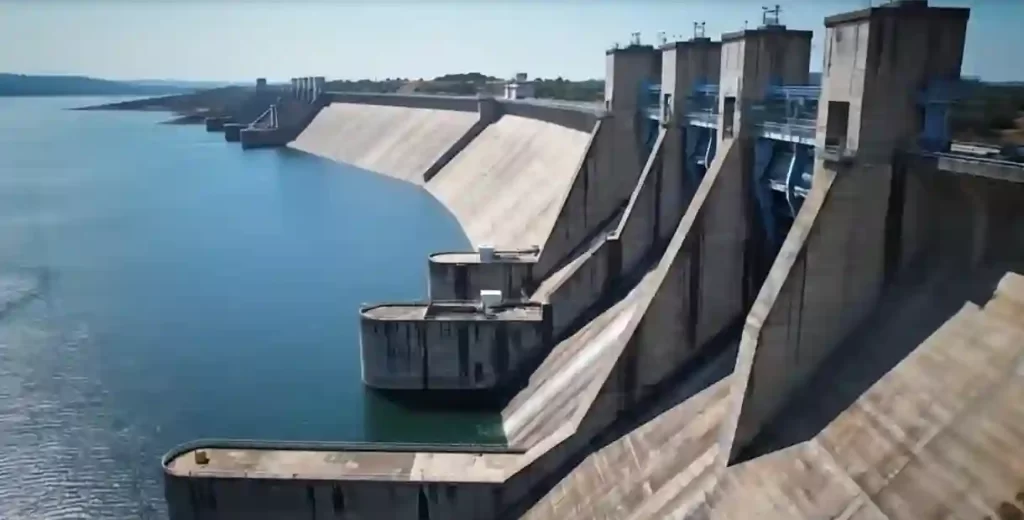
IntroductionFor decades, Gujarat has grappled with an uneven distribution of water resources. While some regions receive adequate rainfall and river water, others—particularly the Saurashtra, Kutch and North Gujarat regions—continue to face recurring water scarcity, declining groundwater levels and prolonged drought-like conditions. Addressing this challenge has remained one of the state’s biggest developmental priorities.Among the many water management initiatives proposed over the years, the Kalpasar Project stands out as one of the most ambitious and technically challenging. Envisioned as a multipurpose infrastructure project, Kalpasar aims to construct a massive dam across the Gulf of Khambhat to create what is expected to become the world’s largest freshwater reservoir in a marine environment. The project has been designed not only to improve water availability but also to strengthen transport connectivity, support industrial growth and enhance long-term water security across Gujarat. Although the project has been under discussion for nearly four decades, recent developments—including the finalisation of the Detailed Project Report (DPR) and renewed technical collaborations—have once again brought it into focus. The Vision Behind the Kalpasar ProjectThe Kalpasar Project, officially known as the Gulf of Khambhat Development Project, was conceptualised during the 1980s as a long-term solution to Gujarat’s growing water requirements.The central idea behind the project is to construct a dam across the Gulf of Khambhat, preventing freshwater from flowing directly into the Arabian Sea. Instead, the freshwater carried by rivers such as the Narmada, Sabarmati, Mahi, Dhadhar and several smaller rivers would be stored within a massive coastal reservoir for future use.Unlike conventional dams that are built across rivers, Kalpasar proposes building a barrier across a section of the sea. If implemented successfully, it would represent one of the largest and most complex coastal reservoir projects ever attempted anywhere in the world. Why Gujarat Needs a Project Like KalpasarDespite significant investments in irrigation and river-linking projects, Gujarat continues to face considerable regional disparities in water availability.Large quantities of freshwater from major rivers flow into the Gulf of Khambhat every monsoon before they can be effectively stored or utilised. Experts estimate that thousands of million cubic metres of freshwater eventually drain into the sea each year.At the same time, several districts in western Gujarat regularly depend on groundwater extraction, water tankers and long-distance canal networks to meet drinking and irrigation requirements.Kalpasar has been conceived as a solution to bridge this imbalance by capturing surplus monsoon water and storing it for use throughout the year.The project is expected to support irrigation, drinking water supply and industrial development while reducing dependence on groundwater resources. How the Project Will WorkThe project proposes constructing a massive sea dam across the Gulf of Khambhat, creating an enormous freshwater reservoir behind it.Freshwater from multiple rivers flowing into the gulf would gradually accumulate within the reservoir, while engineering systems would prevent seawater intrusion and maintain water quality.The revised plan also incorporates the Bhadbhut Barrage on the Narmada River, which will help divert freshwater into the proposed reservoir and reduce salinity intrusion in the river. This barrage has become an important component of the overall Kalpasar vision. Apart from storing water, the project also proposes the construction of a multi-lane road over the dam, significantly improving connectivity between South Gujarat and the Saurashtra region.Key Objectives of the ProjectKalpasar has been planned as a multipurpose infrastructure project rather than merely a water storage scheme.Its primary objective is to create a reliable freshwater source capable of supplying drinking water to drought-prone regions while expanding irrigation coverage for agriculture.The project also seeks to support Gujarat’s rapidly growing industrial sector by ensuring long-term water availability for manufacturing and urban development.Another important objective is to improve transportation by providing a direct road connection across the Gulf of Khambhat. Such connectivity is expected to substantially reduce travel distance and time between Bhavnagar, Bharuch and other parts of Gujarat, improving the movement of people and goods.The project is also expected to contribute to fisheries development, groundwater recharge and regional economic growth. Earlier proposals included a tidal power generation component, although this has since been excluded from the revised project design.Economic ImportanceIf completed, the Kalpasar Project could become one of Gujarat’s most transformative infrastructure initiatives.Reliable water availability is expected to benefit agriculture by enabling irrigation across large areas that currently depend on uncertain rainfall. Increased agricultural productivity could improve rural incomes while strengthening food security.The project is also expected to support industrial expansion by ensuring water availability for manufacturing clusters, ports and urban centres.The proposed road link over the dam would improve logistics, reduce transportation costs and enhance connectivity between different parts of the state, creating opportunities for trade and investment.Large-scale construction activities are also expected to generate employment across engineering, construction, transport and allied sectors.Environmental and Technical ChallengesDespite its potential benefits, Kalpasar remains one of India’s most technically challenging infrastructure projects.Constructing a dam across a tidal gulf requires sophisticated engineering solutions capable of withstanding strong tidal currents, marine conditions and complex geological formations.Environmental experts have also expressed concerns regarding the project’s potential impact on marine biodiversity, fisheries, coastal ecosystems and sediment movement.Changes in salinity levels, water circulation and ecological balance within the Gulf of Khambhat will require careful scientific assessment before construction can proceed.For this reason, numerous environmental, hydrological and technical studies have been conducted over the past several years to evaluate the project’s long-term feasibility. Why the Project Has Been DelayedAlthough the Kalpasar Project was first proposed in the 1980s, implementation has been repeatedly delayed.The project’s enormous scale, evolving design, environmental concerns and engineering complexity have required extensive feasibility studies before construction could begin.Over the years, multiple revisions have been made to the original proposal. The length of the proposed dam has been reduced, the tidal power component has been removed, and greater emphasis has been placed on ensuring environmental sustainability.The preparation of the Detailed Project Report has taken considerable time due to the large number of scientific studies and inter-departmental consultations required for a project of this magnitude.Current StatusThe Kalpasar Project has recently gained renewed momentum.According to the Gujarat government, the Detailed Project Report (DPR) has reached its final stages.
India’s First Semi-High-Speed Rail Corridor: The Ahmedabad–Dholera Project Set to Transform Gujarat
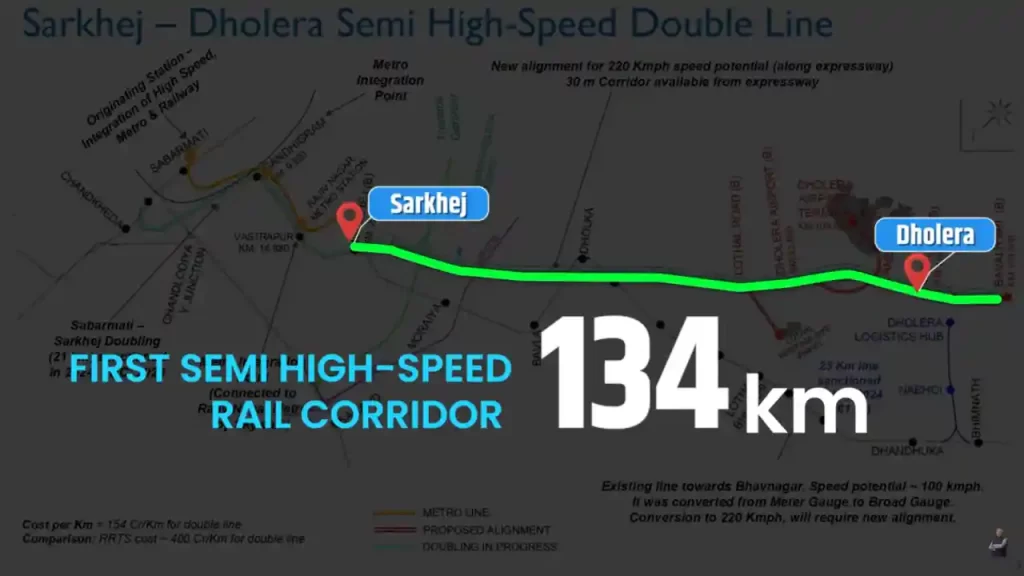
In a landmark decision that marks a new chapter in India’s railway modernization, the Cabinet Committee on Economic Affairs (CCEA), chaired by Prime Minister Narendra Modi, approved the ₹20,667 crore Ahmedabad (Sarkhej)–Dholera Semi High-Speed Double Line Rail Project on May 13, 2026. This 134-kilometer corridor will be Indian Railways’ first semi-high-speed rail project developed entirely with indigenously engineered technology, embodying the nation’s “Aatmanirbhar Bharat” vision while setting a reference model for phased semi-high-speed rail expansion across the country. By slashing travel time between Ahmedabad and Dholera to under an hour, potentially as fast as 34 minutes from Sarkhej to Dholera and 48 minutes from Sabarmati to Dholera, the corridor will enable comfortable daily commuting, same-day business trips, and seamless connectivity to Dholera Special Investment Region (SIR), the upcoming Dholera International Airport, and the Lothal National Maritime Heritage Complex.The project, implemented under the PM Gati Shakti National Master Plan, emphasizes multi-modal connectivity and logistical efficiency through integrated planning and stakeholder consultations. It will expand Indian Railways’ network by approximately 134 km, enhance mobility for around 284 villages with a combined population of 5 lakh people, and support both passenger and freight movement. Officials projecting completion by 2030–31 highlight that trains will operate at speeds up to 200 kmph, with the line designed for 220 kmph, making it a pioneering initiative that will accelerate industrial growth, strengthen Dholera’s position as a smart city and investment hub, and significantly boost employment and regional development under the government’s vision for a New India.Indigenous Technology and the Aatmanirbhar Bharat VisionThis historic corridor is planned with indigenously developed technology, reflecting the government’s strategic push toward “Aatmanirbhar Bharat” and reducing dependence on foreign systems for critical infrastructure. By relying on domestic engineering expertise, the project showcases India’s capability to design and deploy semi-high-speed rail systems without external dependency, setting a benchmark for future railway expansions. The Railways Ministry stated that this initiative will act as a pioneer model for phased semi-high-speed rail expansion across the country, demonstrating how indigenous innovation can drive large-scale infrastructure development while maintaining cost efficiency and technological sovereignty.The emphasis on indigenous technology also aligns with Prime Minister Modi’s vision of making people in the region “Atmanirbhar” through comprehensive development that enhances employment and self-employment opportunities. By integrating local engineering firms, manufacturing units, and research institutions into the project’s execution, the corridor will foster a domestic ecosystem capable of delivering next-generation rail infrastructure, transferring skills, and creating high-value jobs in Gujarat and beyond.Transforming Connectivity: Ahmedabad, Dholera SIR, Airport, and LothalThe corridor will provide seamless connectivity to Ahmedabad, the Dholera Special Investment Region (SIR), the upcoming Dholera International Airport, and the Lothal National Maritime Heritage Complex (NHMC), creating a multi-modal transport network that integrates rail, air, and maritime infrastructure. Dholera SIR, being developed as a major industrial and manufacturing hub, will gain direct access to Ahmedabad’s urban and economic infrastructure, enabling businesses to locate operations in Dholera while maintaining easy access to Ahmedabad’s markets, logistics networks, and skilled workforce. The upcoming Dholera Airport will further enhance connectivity, positioning the region as a hub for aviation, trade, and tourism, while the Lothal National Maritime Heritage Complex will benefit from improved rail access, promoting cultural tourism and heritage preservation.Connecting Ahmedabad with Dholera will drastically cut passenger travel time, enabling comfortable daily commuting and same-day return trips. This semi-high-speed railway will not only bring two cities closer but also connect people living hundreds of kilometres away, fostering greater social and economic integration across the region. Government estimates suggest the project will improve mobility for nearly 284 villages with a combined population of around 5 lakh people, boosting employment opportunities, enabling access to education and healthcare, and strengthening regional development under the PM Gati Shakti National Master Plan.Industrial Growth, Logistics Efficiency, and Economic ImpactThe corridor is expected to support both passenger and freight movement, improving access to Dholera SIR and enhancing logistics efficiency for industries operating in the region. By providing faster and more reliable rail transport, the project will reduce logistics costs, minimize dependency on road transport, and enable manufacturers to move goods more efficiently between Ahmedabad, Dholera, and other industrial hubs. This will accelerate industrial growth, attract investment to Dholera SIR, and strengthen the region’s position as a leading smart city and investment destination, contributing to Gujarat’s and India’s broader economic development goals.The project is aligned with Prime Minister Modi’s vision of a New India, which emphasizes comprehensive development that enhances employment and self-employment opportunities. By improving connectivity to 284 villages and enabling easier access to urban markets, education, and healthcare, the corridor will empower rural communities, create new economic opportunities, and support the government’s goal of inclusive growth. The semi-high-speed rail project will also facilitate the movement of people, goods, and services seamlessly, integrating regional economies and fostering greater economic integration across Gujarat.Environmental Sustainability and Climate GoalsAs an environment-friendly and energy-efficient mode of transportation, the rail corridor will contribute significantly to India’s climate goals by reducing oil consumption and lowering carbon emissions. Official projections estimate the project will reduce oil imports by 0.48 crore litres and lower CO₂ emissions by 2 crore kg, equivalent to planting 10 lakh trees, demonstrating its potential to mitigate environmental impact while supporting sustainable development. By encouraging rail-based travel and logistics instead of road transport, the corridor will reduce greenhouse gas emissions, lower air pollution, and promote cleaner, greener transportation aligned with India’s long-term climate commitments.The environmental benefits extend beyond emission reductions. The project will minimize land degradation and habitat disruption associated with road expansion, reduce noise pollution in urban and rural areas, and promote sustainable urban planning by integrating rail infrastructure with smart city development in Dholera. This aligns with the PM Gati Shakti National Master Plan’s focus on enhancing multi-modal connectivity and logistical efficiency through integrated planning, ensuring that infrastructure development balances economic growth with environmental sustainability.Project Timeline, Speed, and Operational HighlightsThe 134-km broad-gauge semi-high-speed rail corridor is targeted for completion by 2030–31, with trains expected to operate at speeds up to 200 kmph, while the line is
Anant Ambani Launches Vantara University for Wildlife Conservation

Anant Ambani, Executive Director of Reliance Industries, has launched Vantara University in Jamnagar, Gujarat. This new university focuses entirely on wildlife and veterinary sciences. He started it at the 3,000-acre Vantara wildlife rescue and rehabilitation centre. The launch happened during a foundation ceremony on his 31st birthday. Anant laid the foundation stone with his wife, Radhika and father Mukesh Ambani, Chairman of Reliance Industries.Anant Ambani calls this a “1,000-year vision for the planet.” He wants the university to train veterinarians and scientists from around the world. Right now, there is a big shortage of experts in wildlife health, disease control, and conservation. The university will fill this gap. It will create skilled people to fight problems like loss of animals, plants, and new diseases that jump from animals to humans.Why Vantara University Matters NowThe world faces more ecological problems every day. Biodiversity is disappearing fast. Zoonotic diseases, like those that spread from animals to people, are becoming common. Many countries lack trained professionals to handle these issues. Anant Ambani built this university to solve that. He says conservation needs more than money or land. It needs smart minds and strong skills.Vantara started as a rescue centre for hurt and endangered animals. Now, it grows into a full learning hub. The university sits right inside this vast facility. Students will work hands-on with real animals every day. This mix of school learning and field work makes it special.What Programs Will the University Offer?Vantara University plans many courses for different levels. These include undergraduate degrees, postgraduate studies, fellowships, and special training. The main areas cover key parts of wildlife care. Here is what they focus on:Wildlife medicine and surgery. Students learn to treat sick or injured wild animals.Animal behaviour and genetics. They study how animals act and pass on traits.Epidemiology. This teaches how diseases spread in animal groups.Conservation policy. Trainees learn rules and plans to protect nature.All programs blend classroom lessons with real work. Students use Vantara’s hospitals, rescue teams, and labs. They will help save animals, study their health, and plan for the future.Hands-On Learning at Vantara CentreThe 3,000-acre Vantara site gives perfect training grounds. It has advanced veterinary clinics for big and small animals. Rescue teams bring in hurt wildlife from India and abroad. Rehabilitation areas help animals get strong again before release. Research labs test new treatments.Students will join daily operations. They might help a rescued elephant with surgery. Or track diseases in bird groups. Or study genes to save rare species. This real-world practice builds experts fast. Anant Ambani says it turns book knowledge into life-saving action.A Global Hub with Indian RootsVantara University wants to lead worldwide. It plans partnerships with top schools and groups abroad. This brings in global experts and shares India’s know-how. At the same time, it uses India’s old wisdom. Ancient texts and traditions teach harmony with nature. The university mixes this with modern science for a unique style.Anant Ambani stresses compassion in all work. He says care for animals must come from the heart, backed by knowledge. The goal is a “purpose-led” education. Graduates will work in zoos, forests, research centres, and governments everywhere.Long-Term Vision for ConservationThis launch marks a big change in wildlife efforts. Past projects built zoos or parks. Vantara University builds people. It invests in talent for generations. Anant Ambani sees it as a civilizational step.Conservation will rely on trained hands as much as good intentions.The university supports Vantara’s full mission. That includes rescue, rehab, research, and now education. Together, they form one strong system. Over time, it will train thousands. This helps save species and ecosystems worldwide.India’s Jamnagar now hosts the world’s first university just for wildlife sciences. Vantara University promises hope amid global crises. It shows that one family’s big dream can spark worldwide change.
GIFT City Updates: IPO Withdrawal, New Initiatives, and Growth Milestones in Gujarat’s Financial Hub

Gandhinagar, April 2026 – Gujarat International Finance Tec-City (GIFT City) saw key developments this week. These include the withdrawal of the first GIFT City IPO, the launch of an industry-academia collaboration series, Niyam Group’s insurance authorization, and recognition as India’s first fully operational global financial hub. All details are from official sources, IFSCA, and company statements.XED Executive Development Withdraws $12 Million IPOXED Executive Development, the first company to launch an IPO in GIFT City, withdrew its $12 million share sale on Monday.Reason: Weak investor demand due to global uncertainties.Subscription: Only 5% of the offer size, per NSE International Exchange data, despite extensions.Company statement: “We withdraw in the current environment and plan to return at a better time.” Informed GIFT City-IFSC and exchanges.Challenges: KYC bottlenecks for retail investors; caution from institutions amid volatility and low liquidity.Impact: Industry calls it a setback for GIFT City’s IFSC ambitions against global hubs.GIFT City Launches Industry-Academia Roundtable SeriesGIFT City started its Industry-Academia Roundtable series to align talent with IFSC needs.First event: Held recently in GIFT City with leaders from Ahmedabad/Gandhinagar universities, tech firms, and GCC companies.Focus areas:Curriculum alignment with financial services, fintech, and tech.Structured internships and live projects.Research collaboration and talent pipelines.Quotes:Ms. Shefali Gaur, IBM: “Future workforce needs adaptability, digital fluency, and problem-solving. These platforms build employable talent.”Mr. Nimay Kalyani, University of Wollongong: “Evolve from alignment to integration for job-ready graduates.”Future: Expand to key Indian cities to boost employability and partnerships.Niyam Group Gets Tier 2 Insurance Intermediary ApprovalNiyam Group received IFSCA approval as a Tier 2 Insurance Intermediary Office (IIO) in GIFT City.Launch: January 2026 by insurance veteran Bobby Swarup (20+ years experience).Focus: Bring reinsurance capacity to India; supports Viksit Bharat 2047.Key approvals: Lloyd’s of London for Syndicate 2047; first IIO to offer Lloyd’s capacity from GIFT City.Principal Officer: Sumit Aneja, based in GIFT City, to scale operations.Quotes:Aneja: “Focused on building a high-performing team for Vision 2047.”Company: “Grateful to IFSCA; GIFT City key to India’s re/insurance growth.”GIFT City: India’s First Fully Operational Global HubGIFT City is now India’s first fully operational global financial and IT hub.Vision: Started under PM Narendra Modi as Gujarat CM; advanced by CM Bhupendra Patel.Features: Policy-driven center with financial services, tech, regulatory ease, and infrastructure.Goal: Serve India and the world by competing with global financial centers.Status: Transformed into a vibrant ecosystem per official press release.Recent Developments RecapXED IPO Withdrawal: First GIFT City IPO ($12M) pulled due to 5% subscription amid global issues and KYC hurdles.Industry-Academia Roundtables: New series bridges education and fintech needs; first event with universities and firms like IBM.Niyam Group Approval: Tier 2 IIO license; first to offer Lloyd’s Syndicate 2047 capacity; led by Sumit Aneja.Hub Milestone: Fully operational global finance/IT center, envisioned by PM Modi and advanced by CM Bhupendra Patel.Future Plans for ExpansionGIFT City targets rapid scaling post-2026:GCCs and Innovation: Priority on Global Capability Centres (GCCs), Global Innovation Centres (GICs), and centres of excellence for cost advantages.Workforce Goal: 100,000 jobs by 2030.Infrastructure: Add 10.25M sq ft (DTA, ~52,300 jobs) + 12.26M sq ft (SEZ, ~84,600 jobs) by FY2030; total 136,900+ new jobs.Residential: 7,500 units by 2030 for a live-work balance.Talent Focus: Deeper skills via partnerships, regulatory sandboxes, and social infrastructure. Outreach: Global events like Davos drive commitments beyond banking.Comparison: GIFT City vs. DIFC (Dubai) and SingaporeGIFT City competes effectively with established hubs, emphasizing India’s market access and low costs.FeatureGIFT City DIFC (Dubai) gift.Singapore Tax Exemptions100% for 10 years (profits, gains, no GST/MAT)0% on qualifying Free Zone income; 50-year holiday possibleAttractive rates, treatiesOperational CostsLowModerateHighRegulationsIFSCA: Flexible, global standardsStrict, investor-friendlyBusiness-friendly, GST exemptionsMarket AccessIndia’s 1.4B populationMiddle East/AfricaAsia-PacificSetup EaseSimple for funds/fintechUSD 50M AUM min for someHigh but costlyBest ForCost-effective offshore financeHigh-net-worth family officesEstablished tradingGIFT City excels in tax holidays and proximity to India’s growth, while DIFC offers long-term certainty for larger assets.Strategic ImportanceDespite IPO hiccups, GIFT City’s momentum – via reinsurance, talent initiatives, and expansions- positions it as a rival to offshore hubs like Singapore/Mauritius. It supports India’s Viksit Bharat 2047 vision with reinsurance capacity and fintech innovation.These updates show GIFT City’s push in finance, talent, and reinsurance despite challenges like the IPO pullback. The hub strengthens Gujarat’s role in India’s economy.
PM Modi Inaugurates Ahmedabad-Dholera Expressway
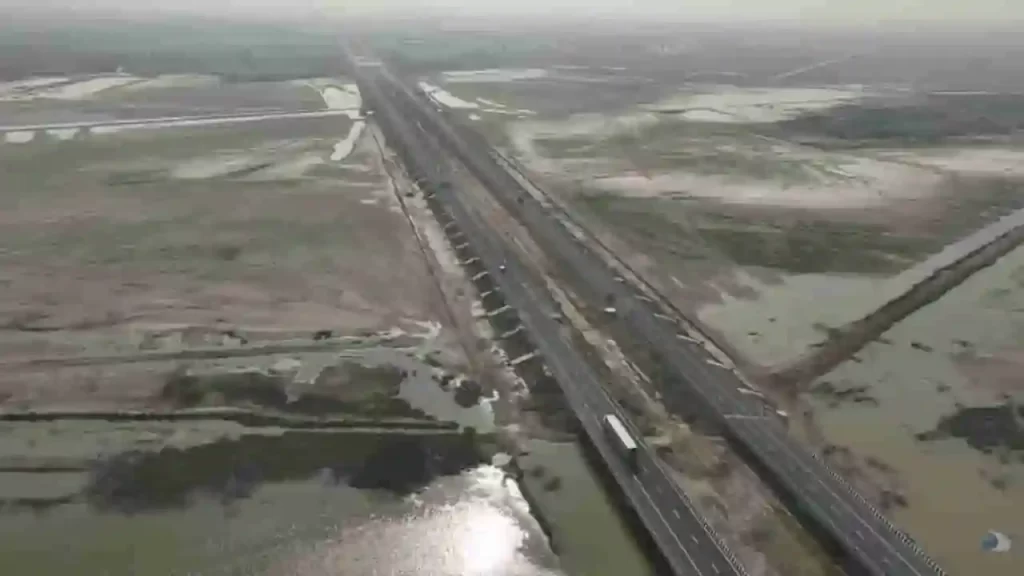
Imagine zipping from the bustling heart of Ahmedabad to the rising star of Dholera in just 45 minutes, instead of a bumpy two-hour crawl. That dream roared to life on Tuesday when Prime Minister Narendra Modi cut the ribbon on the stunning Ahmedabad-Dholera Expressway, a sleek, Rs 5,100 crore marvel of engineering that’s set to supercharge Gujarat’s economy.These developments focus on roads, railways, semiconductors, renewable energy, and urban mobility.Ahmedabad-Dholera Expressway Now OpenPM Modi inaugurated the Ahmedabad-Dholera Expressway on March 31.Cost: Over Rs 5,100 crore.Type: Access-controlled highway.Length: Approximately 110 km.Travel time: Reduces from 2 hours to 45 minutes.Speed limit: Up to 120 kmph.Benefits: Improves connectivity to Dholera Special Investment Region (DSIR), boosts industrial growth, and supports economic development.Road and Highway ProjectsThe Prime Minister laid foundation stones for key road upgrades:Four-lane Idar-Badoli bypass with paved shoulders.Upgrade of Dholavira–Mauvana–Vauva–Santalpur section (Package II) of National Highway 754K to a two-lane with paved shoulders.These projects aim to reduce travel time, enhance safety, and support logistics.Flyovers for Urban Traffic ReliefTwo flyovers were addressed to ease congestion in Gandhinagar and Ahmedabad:Inaugurated: Flyover at PDPU Junction on Gandhinagar-Koba-Ahmedabad Airport Road (handles over 1.4 lakh vehicles daily).Foundation laid: Flyover at Bhaijipura Junction on Gandhinagar-Koba-Airport Road (includes parking facilities below).These will cut commute times to the airport and state capital.Keynes Semicon Plant InauguratedPM Modi inaugurated the Keynes Semicon plant in Sanand, Ahmedabad.Milestone: Second semiconductor plant in India to start commercial manufacturing.Initial product: Advanced Intelligent Power Modules (IPMs) with 17 chips each.Applications: Automotive and industrial power systems.Client: Alpha & Omega Semiconductor (California-based).Full capacity: 6.33 million units per day.This strengthens India’s semiconductor sector.Railway Infrastructure UpgradesDedicated to the nation:Kanalus-Jamnagar doubling project (28 km, part of 111.20 km Rajkot-Kanalus project).Quadrupling of the Gandhidham–Adipur section (10.69 km).These improve train frequency and freight movement.Renewable Energy BoostPM Modi inaugurated Khavda Pooling Station-2 and associated transmission systems.Capacity: Evacuates 4.5 GW of renewable energy.Role: Supports Gujarat’s solar and wind power grid.Gujarat now leads India in solar power generation, as highlighted by the PM.PM Modi’s Remarks on Gujarat’s ProgressDuring the public address, PM Modi highlighted Gujarat’s leadership in renewable energy. He recalled establishing a multi-technology solar park in 2010 as Chief Minister, which laid the foundation for the state’s solar growth.Broader ImpactThe projects cover connectivity, industry, green energy, healthcare, and tourism. They align with national goals for infrastructure and sustainable development. Official sources confirm all details from the Prime Minister’s Office and the Gujarat government announcements.
PM Modi Inaugurates Micron’s Semiconductor ATMP Facility in Sanand
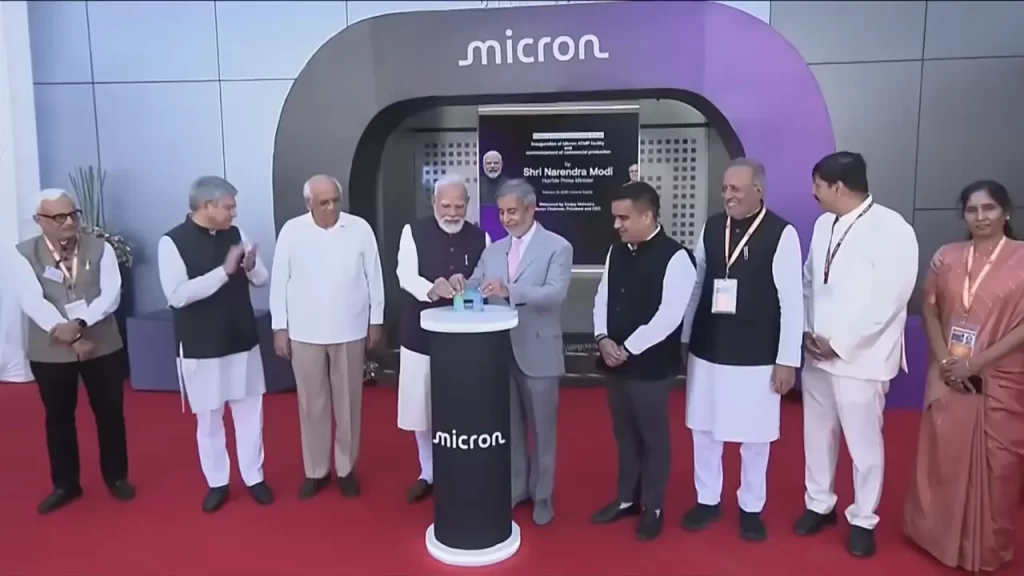
Prime Minister Narendra Modi inaugurated Micron Technology’s state-of-the-art Semiconductor Assembly, Test, and Packaging (ATMP) facility in Sanand, Gujarat, on February 28, 2026, marking India’s entry into commercial semiconductor production. This $2.75 billion milestone, the first of its kind in the country, converts advanced DRAM and NAND wafers into finished memory products for AI, data centers, and mobiles, positioning India as a key player in the global chip value chain.From MoU to Production: Lightning-Fast ExecutionThe project’s speed exemplifies India’s “New India” mindset. Signed in June 2023, groundbreaking occurred in September 2023, pilot machines installed by February 2024, and commercial production began in February 2026, just 33 months end-to-end. PM Modi highlighted streamlined regulations, like Advanced Pricing Agreements (APAs) cleared in months versus 3-5 years elsewhere, crediting clear intent and nation-first dedication.The Sanand plant boasts over 500,000 sq ft of cleanroom, one of the world’s largest single-floor ATMP cleanrooms, ISO 9001:2015 certified, LEED Gold-bound, and zero-liquid discharge via water-saving tech. First made-in-India memory modules shipped to Dell for local laptops, with tens of millions of chips expected in 2026, scaling to hundreds of millions in 2027.Micron CEO Sanjay Mehrotra, at the event with Gujarat CM Bhupendra Patel, Union Minister Ashwini Vaishnaw, and US Ambassador Sergio Gor, called it a “proud moment” building resilient AI ecosystems. Vaishnaw termed it “historic,” shifting India from chip consumer to manufacturing hub under PM Modi’s leadership.Microchips: The Oil of the 21st CenturyPM Modi framed semiconductors as the bridge from the Industrial Revolution to the AI era: “If oil regulated the last century, microchips will regulate this one.” Launched amid COVID chaos via the Semiconductor Mission, early seeds now yield fruit. India approved 10 projects under Semicon India; three more ramp up soon in Uttar Pradesh, Assam, Odisha, and Punjab, creating a pan-India ecosystem beyond factories, encompassing machines, design, R&D, logistics, and skills.Budget 2026’s India Semiconductor Mission 2.0 targets the full value chain, spurring domestic demand for materials amid booming gadget adoption. Electronics production and exports surged manifold in 11 years; “Make in India” now powers automobiles, mobiles, and tech.Sanand mirrors its auto-hub transformation, now anchoring semiconductors alongside chemicals, petrochemicals, and skill centers. Gujarat’s policies on approvals, land, and utilities boost investor faith; Dholera and Sanand emerge as Western India’s chip clusters.India-US Partnership Powers Global Supply ResilienceThe facility underscores deepening India-US ties in AI and chips, including the Pax Silica agreement from the recent AI Summit for critical minerals. The two largest democracies secure supply chains amid geopolitical flux. PM Modi messaged investors: “India is ready, reliable, delivers, capable, competitive, committed.”Micron’s Gujarat push builds talent via PDEU, Namtech, nationwide universities, and govt skills programs, focusing on STEM, advanced manufacturing, digital/AI literacy. Sustainability integrates health, safety, and eco-commitments.Broader Semiconductor Ecosystem BoomThis ATMP unit complements fabs like Tata’s in Dholera and others, addressing AI-driven memory demand. India’s electronics journey, from IT services to hardware, accelerates Viksit Bharat. Key Project MetricsDetailsKey Project MetricsDetailsInvestment$2.75B (Micron + govt)Cleanroom Size500,000+ sq ft (world’s largest single-floor ATMP)Output 2026Tens of millions of chipsOutput 2027Hundreds of millionsTimelineMoU Jun’23 → Production Feb’26States InvolvedGujarat, UP, Assam, Odisha, PunjabGlobal PartnersUS (Micron, Dell), via Pax SilicaA Tech Leadership LeapFrom software superpower to hardware contender, the nation builds self-reliant ecosystems fueling AI, mobiles, EVs. As PM Modi envisioned post-AI Summit, this hardware milestone cements technology leadership, inviting the world to co-create in a reliable, scalable hub.
Dholera: India’s First Greenfield Smart City Taking Shape in Gujarat
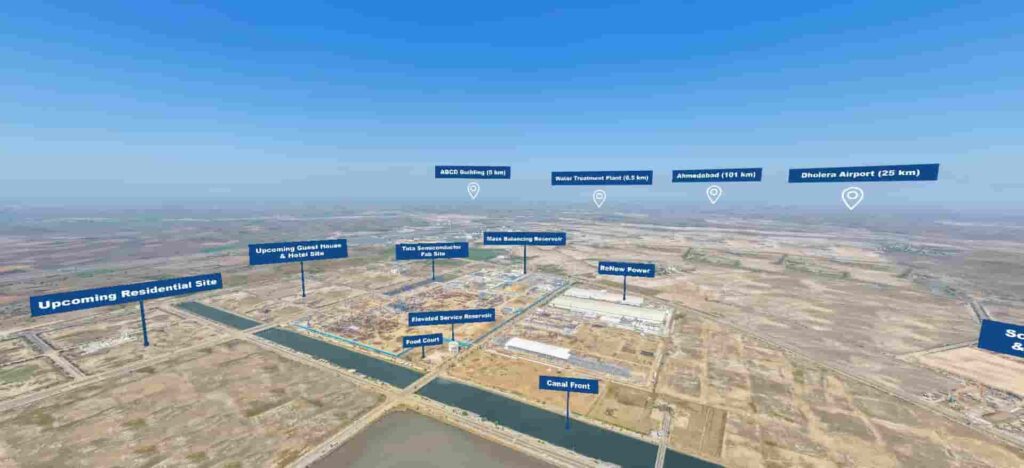
Dholera has emerged as one of India’s most ambitious urban development projects, envisioned as the country’s first greenfield smart city under the Delhi-Mumbai Industrial Corridor (DMIC). Located in Gujarat’s Ahmedabad district, Dholera is being developed from scratch with a focus on sustainable infrastructure, advanced technology, and industrial growth, positioning it as a future economic powerhouse.The project reflects India’s long-term vision of creating next-generation urban centres that can support rapid industrialisation while maintaining environmental balance and efficient governance.Vision Behind Dholera Smart CityUnlike traditional cities that evolve over time, Dholera has been planned as a greenfield city, meaning it is being built on previously undeveloped land with a fully integrated master plan.The objective behind Dholera is to:Decongest existing metropolitan citiesCreate a global manufacturing and investment hubProvide world-class infrastructure for industries and residentsDrive economic growth through planned urbanisationThe city is a key node of the Delhi Mumbai Industrial Corridor, one of India’s largest infrastructure initiatives aimed at boosting industrial development between Delhi and Mumbai.Strategic Location and ConnectivityDholera’s location gives it a strong strategic advantage. It lies around 100 kilometres from Ahmedabad and is well connected through major transport networks.The city is being linked via:The Ahmedabad-Dholera ExpresswayProposed metro rail connectivityDedicated freight corridorsProximity to ports along the western coastOne of the most important infrastructure components supporting the city is the Dholera International Airport, which is expected to enhance both domestic and international connectivity, making Dholera a globally accessible hub.Infrastructure and Smart City FeaturesDholera is being developed with a focus on future-ready infrastructure, incorporating smart technologies and sustainable systems.The city’s planning includes:Underground utility systems (electricity, water, telecom)Smart traffic management and surveillance systemsHigh-speed internet and digital connectivityIntegrated command and control centresThe infrastructure is designed to ensure efficiency, reduce congestion, and provide a high quality of life for residents and businesses.Industrial and Economic PotentialOne of the primary goals of Dholera is to function as a major industrial hub. Large tracts of land have been allocated for manufacturing, logistics, and commercial activities.The city is expected to attract:Domestic and international investorsManufacturing units across sectorsTechnology and innovation-driven industriesSpecial economic zones and industrial clusters are being planned to encourage exports and boost employment opportunities.Sustainability and Environmental PlanningA key highlight of Dholera is its focus on sustainability. The city is being designed to minimise environmental impact while supporting large-scale development.This includes:Use of renewable energy sources such as solar powerEfficient water management and recycling systemsGreen spaces and eco-friendly urban planningThe emphasis on sustainability aligns with global trends in urban development, making Dholera a model for future smart cities in India.Phased Development and Current ProgressThe development of Dholera is being carried out in phases, with initial focus on activating core infrastructure and industrial zones.The Activation Area—considered the first phase of development—has already seen progress in terms of:Road networksUtility infrastructureLand allocation for industriesAs infrastructure continues to develop, the city is gradually moving from planning to implementation, with increasing interest from investors and businesses.Challenges and ExpectationsWhile the vision for Dholera is ambitious, the project also faces challenges such as:Attracting sustained investmentEnsuring timely infrastructure developmentCreating residential demand alongside industrial growthThe success of the city will depend on how effectively these challenges are managed over time.A Glimpse into India’s Urban FutureDholera represents a shift in India’s approach to urbanisation—moving towards planned, technology-driven, and sustainable cities rather than unstructured expansion.As the project progresses, it is expected to serve as a benchmark for future smart city initiatives across the country.Dholera is not just a city under construction; it is a long-term vision of how India aims to balance growth, infrastructure, and sustainability. With its strategic location, advanced planning, and industrial focus, it has the potential to redefine urban development and emerge as a major economic hub in the years to come.
India Launches First Barrier-Free Toll System on NH-48 in Gujarat
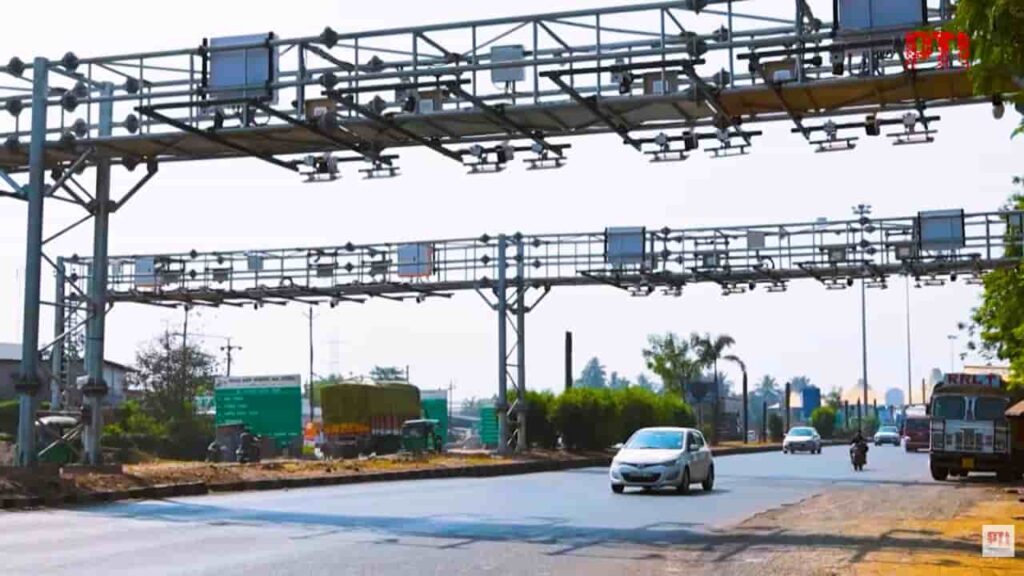
Image: PTIIndia has taken a major step toward modernising its highway infrastructure with the launch of the country’s first barrier-free toll collection system. The Multi-Lane Free-Flow (MLFF) toll system was introduced in early 2026 at the Choryasi toll plaza on National Highway-48 (NH-48) in Gujarat.The new system allows vehicles to pass through toll points without stopping, marking a shift from conventional toll plazas with barriers and manual payment lanes. Instead, tolls are automatically deducted while vehicles continue moving at normal speeds.The project has been implemented by the National Highways Authority of India as part of the government’s efforts to introduce advanced, technology-driven toll collection systems across the country.Where the System Has Been IntroducedThe pilot project is located on the Surat–Bharuch stretch of NH-48 in Gujarat, one of the busy highway corridors connecting major industrial and commercial centres. The installation of the barrier-free system at the Choryasi toll plaza is intended to test the efficiency of automated tolling on high-traffic routes.Officials say that the project will serve as a model for future tolling infrastructure across India.How the MLFF Toll System WorksUnder the Multi-Lane Free-Flow tolling system, vehicles do not need to stop or slow down at toll plazas. Instead of physical barriers, the system relies on advanced digital technologies installed on overhead gantries.The system primarily uses Automatic Number Plate Recognition (ANPR) cameras and high-performance RFID readers to identify vehicles as they pass through the toll point.Vehicles equipped with FASTag are automatically scanned, and the toll amount is deducted directly from the linked prepaid account. For vehicles without FASTag, the number plate is captured using ANPR cameras, and the toll charge can be recovered through the vehicle registration database.This technology enables seamless toll collection while vehicles continue to move at highway speeds.Benefits of Barrier-Free TollingThe introduction of MLFF tolling is expected to bring several advantages for commuters and transport operators.One of the primary benefits is the reduction of congestion at toll plazas. Long queues at toll booths often lead to delays and increased travel time, especially on busy highways. With the new system, vehicles can pass through toll points without stopping, ensuring smoother traffic flow.The system can also help reduce fuel consumption and vehicle emissions, as cars and trucks will no longer need to idle in long lines waiting for toll payments. Additionally, automated tolling improves efficiency and transparency in toll collection.Plans for ExpansionAuthorities plan to expand the barrier-free tolling system to other parts of the national highway network if the pilot project proves successful.According to officials, the National Highways Authority of India is considering implementing the MLFF tolling model at around 25 major toll plazas across India in the coming years.The move is part of a broader push to modernise highway infrastructure and introduce intelligent transport systems that make road travel faster and more efficient.A Step Toward Smart HighwaysIndia has already introduced electronic toll collection through FASTag in recent years. The launch of the barrier-free MLFF system represents the next stage in that evolution, moving toward fully automated tolling without physical barriers.If the system performs as expected, it could gradually replace conventional toll plazas and become a key component of the country’s future highway network.