


India’s Women’s Reservation Bill: A 30-Year Journey from Parliament’s Margins to Its Centre
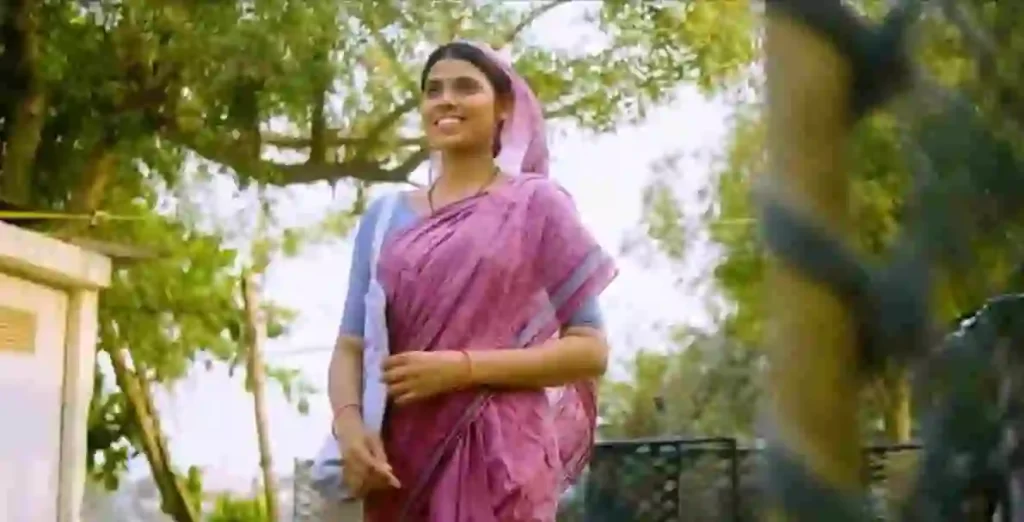
IntroductionFew pieces of legislation in India’s post-independence history have travelled as far, fallen as many times, and returned as persistently as the Women’s Reservation Bill. First introduced in Parliament in 1996, the bill seeking to reserve one-third of seats in India’s legislature for women spent nearly three decades being introduced, disrupted, shelved, lapsed, revived, and deferred — a legislative saga that became as much about India’s political fault lines as it was about gender equality.In September 2023, the bill finally crossed its highest hurdle when it was passed by both houses of Parliament and signed into law by President Droupadi Murmu, becoming the Constitution (One Hundred and Sixth Amendment) Act, 2023, officially named the Nari Shakti Vandan Adhiniyam. But the story did not end there. The Act came with a critical condition: the reservation would only take effect after a fresh national census and the subsequent delimitation of constituencies. That condition sparked a fresh chapter of political conflict, and in April 2026, a government attempt to accelerate implementation was defeated in the Lok Sabha, pushing the effective realisation of women’s reservation into a future that remains uncertain.What follows is the full account of this bill’s journey — its origins, its repeated failures, its historic passage in 2023, and where things stand today.The Pre-Legislative History: Why the Demand AroseIndia’s Constitution, adopted in 1950, guarantees universal adult franchise and prohibits discrimination on the basis of sex. Yet from the very first general election, women remained dramatically underrepresented in Parliament and state legislatures. The question of reserving seats for women was actually debated in the Constituent Assembly as early as 1946, but members, including prominent women leaders like Hansa Mehta, argued against it. Their position rested on the belief that universal franchise would, over time, correct historical imbalances on its own.Fifty years later, that belief had only been partially realised. By the mid-1990s, women constituted barely 6.5 percent of Lok Sabha membership. The state assemblies fared no better, with many registering single-digit female representation for decades.Meanwhile, India had taken decisive steps in the other direction at the local governance level. In 1992, Prime Minister P. V. Narasimha Rao’s government passed the 73rd and 74th Constitutional Amendment Acts, which mandated 33.3 percent reservation for women in Panchayati Raj Institutions. The results were transformative. Women went on to constitute over 46 percent of elected representatives at the grassroots level, totalling more than 1.4 million women in elected local governance roles across India.The Panchayati Raj experiment demonstrated what reservation could achieve at scale. It also strengthened the argument that structural barriers, not a lack of capable women, explained the gap between the grassroots and Parliament.Seven Attempts: The Legislative History from 1996 to 2026First Attempt: 1996The first formal bill was introduced on September 12, 1996, as the Constitution (81st Amendment) Bill under the United Front government led by Prime Minister H. D. Deve Gowda. It was referred to a Joint Parliamentary Committee chaired by Communist Party of India leader Geeta Mukherjee, who reviewed the bill extensively, but no consensus emerged. The bill lapsed with the dissolution of the 11th Lok Sabha.Within minutes of its introduction, the bill ran into fierce opposition. Male MPs questioned whether reservation could produce “enough capable women.” OBC leaders from parties like the RJD and SP demanded a sub-quota for women from backward communities within the 33 percent — a demand that would become the bill’s recurring stumbling block for the next three decades.Second and Third Attempts: 1998 and 1999The second attempt was in 1998 under Atal Bihari Vajpayee’s NDA government, when then Law Minister M. Thambidurai introduced it. Opposition parties, especially the RJD and SP, strongly opposed it, demanding a quota within a quota for OBC reservation. The bill lapsed again when the 12th Lok Sabha was dissolved. The third attempt was in 1999 when the Vajpayee government tried again. Both times it failed to progress. The Vajpayee government required the support of Congress and other parties to secure the two-thirds majority required for a constitutional amendment, and that support was conditional or absent.Fourth and Fifth Attempts: 2002 and 2003Two more attempts during the Vajpayee era met the same fate. The pattern was now clear: no government had been able to build the two-thirds parliamentary consensus necessary for a constitutional amendment on this issue.The 2008 Bill and the 2010 Rajya Sabha PassageThe United Progressive Alliance government under Prime Minister Manmohan Singh introduced a revised version of the bill in the Rajya Sabha in 2008. The most significant legislative progress came in 2010, where the bill secured the mandated two-thirds majority in the Rajya Sabha with 186 votes in favour. In 2010, the bill’s passage in Parliament was derailed after Samajwadi Party and Rashtriya Janata Dal MPs tore documents amid loud protests. The then UPA government under Prime Minister Manmohan Singh was unable to pass the bill in the face of resistance from allies.Despite the Rajya Sabha approval, the UPA government never brought the bill to the Lok Sabha floor. It was repeatedly deferred, with the government citing a lack of consensus among coalition partners. When the 15th Lok Sabha was dissolved in 2014, the bill lapsed for the fifth time.The Nari Shakti Vandan Adhiniyam: How the 2023 Bill Was PassedA Special Session in the New Parliament BuildingOn September 18, 2023, the government called a special session of Parliament. The Constitution (One Hundred and Sixth Amendment) Act, popularly known as the Women’s Reservation Bill, 2023, was introduced in Lok Sabha on September 19, 2023 during the special session of Parliament. The bill was the first to be considered in the new Parliament building.The political backdrop was significant. The BJP-led NDA held a strong parliamentary majority on its own, making it the first time any government in Indian history had the independent parliamentary strength to push through a constitutional amendment of this kind without depending on opposition cooperation.The Lok Sabha Vote: September 20, 2023The Lok Sabha took up the bill for debate on September 20, 2023. The discussion saw broad cross-party support in
From Power Corridors to Cultural Eternity: Yuge Yugeen Bharat Museum as World’s Largest by 2026
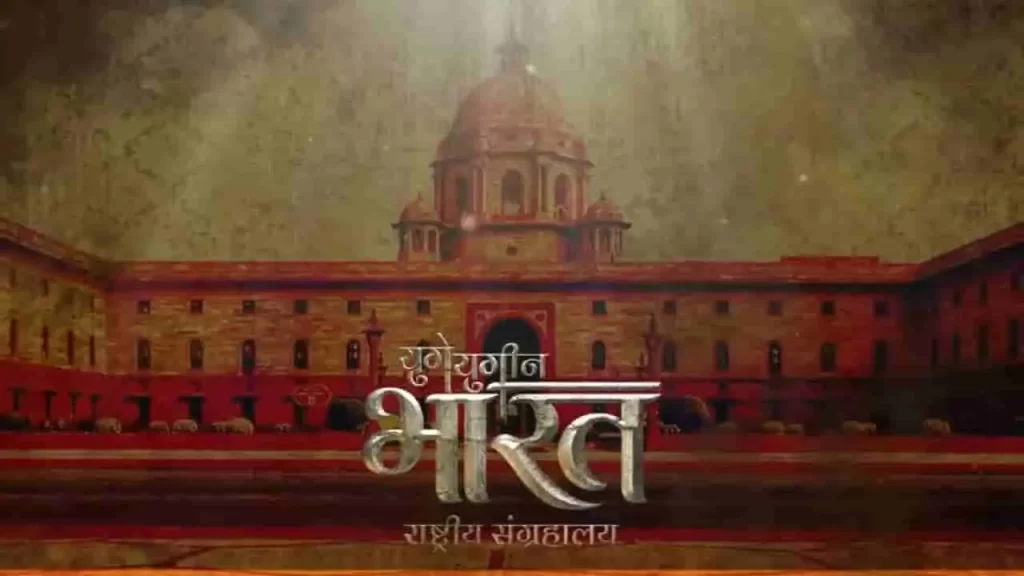
In a transformative pivot from colonial legacies to civilizational pride, India’s historic North and South Blocks on Raisina Hill are shedding their administrative mantle to birth the Yuge Yugeen Bharat Museum, poised to claim the title of the world’s largest museum. Spanning 1.55 lakh square meters (with over 80,000 sqm of display space across 950 rooms), this behemoth will chronicle 5,000 years of Bharat’s journey, from Indus Valley seals to modern manuscripts. The first gallery is expected to open in the North Block by late 2026, featuring 30 thematic spaces over three years and showcasing 80,000–1 lakh artefacts sourced from national vaults, state collections, and ASI treasures.Culture Secretary Vivek Aggarwal revealed to The Times of India: the inaugural “Time and Timelessness” gallery will spotlight 100 pivotal relics – think Indus Valley terracotta hourglasses (2500–1750 BCE), Mauryan edict pillars (3rd century BCE), Gupta Surya sculptures (5th century CE), the iconic 13th-century Konark Sun Wheel, and Chola Nataraja bronzes (10th–11th century CE) – offering a philosophical portal into India’s eternal ethos.Colonial Bastions Reborn: North-South Blocks’ Historic ShiftOnce the nerve center of British Viceregal power and post-Independence governance, these Edwin Lutyens-designed edifices witnessed the scars of Partition, Emergency deliberations, and triumphs such as the GST rollout, the abrogation of Article 370, and Swachh Bharat. For 95 years, South Block housed the PMO under 16 leaders from Nehru to Modi; Cabinet meetings echoed here until February 2026’s poignant finale.PM Modi’s February 13 dedication of the new PMO, rechristened ‘Seva Teerth’, alongside ‘Kartavya Bhavans’ signaled the epochal change. Ministries like Home, Finance, Personnel, External Affairs, and CBI have relocated to these tech-savvy, green workspaces on Kartavya Path, freeing the blocks for “adaptive reuse.” The Union Cabinet hailed it as a leap from “power-centric” rule to “service-oriented” Viksit Bharat, preserving architecture while infusing modern museology.Thematic Tapestry: 5,000 Years in 30 GalleriesCurated across eight zones, the museum weaves politics, art, spirituality, and innovation:Ancient Foundations: Indus artefacts from Kalibangan, Harappan seals.Classical Glory: Mauryan edicts, Gupta gold coins, Ajanta murals.Medieval Majesty: Chola bronzes, Vijayanagara scrolls, Mughal miniatures.Freedom to Future: INA trials, Constitution drafts, space tech replicas.Expect immersive audio-visuals, digital holograms, manuscripts, coins, and murals, all from a mapped pool of 20 lakh objects. Indo-French synergy elevates it: a December 2024 pact with France Museums Development pairs India’s heritage with Louvre-caliber expertise. Arcop Associates leads design under Thai architect Kulapat Yantrasast (Louvre redeveloper, LA’s Academy Museum), blending adaptive heritage with UNESCO/ICOM standards.Seamless Spectacle: Engineering Visitor DreamsAnticipating 10 million annual visitors (50,000 daily), accessibility reigns: ramps for PwD, seamless flows sans Raisina security snarls. A proposed underground tunnel – morphing into a subterranean cultural corridor- will link North-South Blocks, letting explorers glide between eras undetected. Restoration strips post-Independence partitions, reviving Lutyens’ grandeur amid sustainable tech. Culture Minister Gajendra Shekhawat eyes first verticals by 2027, eclipsing the Louvre’s footprint.FeatureYuge Yugeen BharatLouvre (Paris)Total Area1.55 lakh sqm~72,735 sqmDisplay Space80,000+ sqm~40,000 sqmArtefacts80,000–1 lakh~380,000 (38,000 displayed)Timeline Span5,000 years (Indus–Modern)10,000 years (global)Galleries30 across 8 zones35+ departmentsAnnual VisitorsProjected 10 million9.6 million (2024) Tourism Tsunami and Legacy LinkThis Central Vista crown jewel joins the PM Museum and digitised Archives, amplifying cultural mapping. Replacing Janpath’s National Museum, it repositions Delhi as a heritage hub, drawing global gazes to Raisina’s reinvention. As North Block readies its debut, Yuge Yugeen Bharat isn’t exhibiting; it’s Bharat’s soul, timeless and triumphant, inviting generations to reclaim their continuum.
Four Stars of Destiny: The Autobiography of General Manoj Mukund Naravane
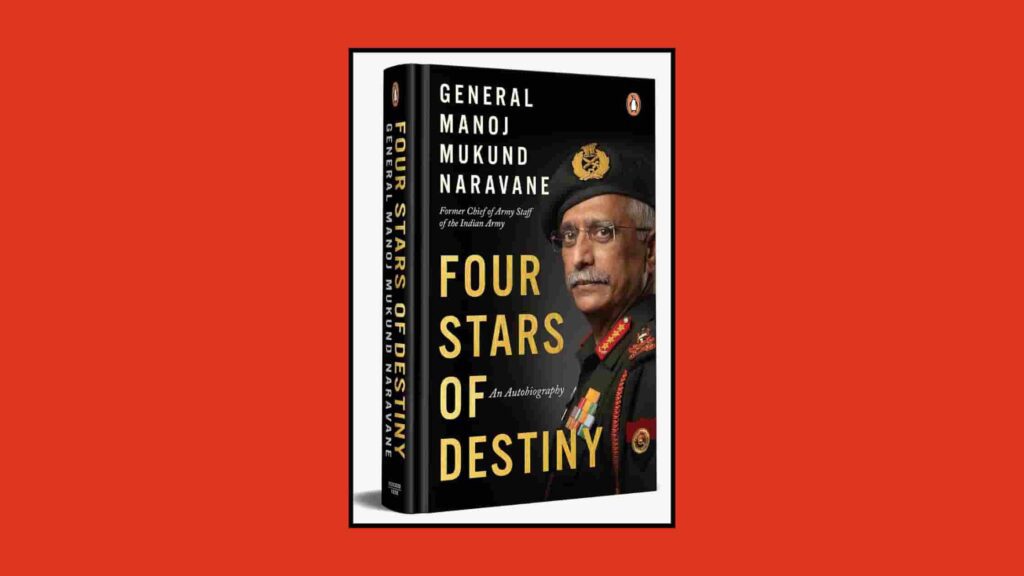
Four Stars of Destiny is the autobiography of Manoj Mukund Naravane, the former Chief of the Indian Army. The book offers a detailed account of Naravane’s personal life, military career, leadership experiences, and the strategic challenges he faced during his decades of service in the armed forces. The memoir traces his journey from his early years and training as a young cadet to eventually becoming the 28th Chief of the Indian Army, a position he held from December 2019 to April 2022.The book is considered an important narrative of modern Indian military leadership, providing readers with insights into the functioning of the Indian Army, strategic decision-making at the highest levels, and the complexities of managing national security challenges in the twenty-first century.About the AuthorGeneral Manoj Mukund Naravane was born on 22 April 1960 in Pune, Maharashtra. He comes from a family with a background in public service—his father served as an officer in the Indian Air Force while his mother worked with All India Radio. Naravane received his education in Pune before joining the National Defence Academy and later the Indian Military Academy, where he began his professional military journey.He was commissioned into the 7th Battalion of the Sikh Light Infantry in June 1980, beginning a career that would span more than four decades. Over the years, he served in a wide range of operational, command, and staff roles across India and abroad. His service included counter-insurgency operations in Jammu and Kashmir and the Northeast, as well as participation in the Indian Peace Keeping Force in Sri Lanka.These experiences shaped his leadership style and strategic understanding, themes that are extensively discussed in his autobiography.Journey from Cadet to Army ChiefA central theme of Four Stars of Destiny is Naravane’s professional journey through the ranks of the Indian Army. The memoir describes how discipline, training, and operational experience helped shape his character and leadership philosophy.The book recounts his early days as a young officer and his exposure to challenging military environments. It highlights how officers are trained to make difficult decisions under pressure while maintaining responsibility for the lives of their soldiers.Naravane gradually rose through the ranks, commanding various units and formations and holding several senior positions in the Indian Army. His leadership roles included command of an infantry brigade, senior operational responsibilities in counter-insurgency areas, and high-level appointments in the defence establishment.Eventually, he rose to become the Chief of the Army Staff, the highest position in the Indian Army. His tenure as army chief coincided with several significant national security developments and military challenges.Insights into Military LeadershipOne of the key aspects of the memoir is its discussion of leadership and decision-making in the armed forces. Naravane reflects on the values of discipline, professionalism, and responsibility that define military leadership.Through personal anecdotes and experiences, he explains how officers must balance strategic planning with ground-level realities. The book also explores the importance of teamwork, trust within the chain of command, and the ethical responsibilities associated with leadership in the military.The memoir also offers lessons on management and leadership that extend beyond the armed forces, showing how military principles such as preparedness, resilience, and clarity of command can be applied in other professional fields as well.Key Military Events Discussed in the BookFour Stars of Destiny also provides an insider’s perspective on several important security developments that took place during Naravane’s career.Among the most significant is the India-China military standoff in eastern Ladakh in 2020, one of the most serious confrontations between the two countries since the 1962 war. The memoir discusses the strategic decisions taken by the Indian military leadership during the crisis and the measures implemented to manage tensions along the Line of Actual Control (LAC).The book also touches upon other policy and organisational changes within the armed forces, including reforms related to recruitment and military preparedness.Publication and ControversyAlthough the memoir was originally scheduled for publication in 2024 by Penguin Random House India, its release has been delayed due to the review process required for books written by former senior military officials.In India, manuscripts written by senior defence personnel often undergo scrutiny by the Ministry of Defence before publication to ensure that sensitive information related to national security is not disclosed.The book also became the subject of political debate in Parliament after excerpts from the manuscript were cited during discussions on national security issues. This controversy brought renewed public attention to the memoir even before its official release.Significance of the MemoirDespite the publication delays, Four Stars of Destiny has generated considerable interest among readers, military analysts, and policymakers. The memoir is expected to provide valuable insights into the workings of India’s military leadership and the challenges faced by the armed forces in an evolving geopolitical environment.More than just a record of personal achievements, the book is also seen as a reflection on the values and responsibilities associated with serving in the armed forces. It highlights how decades of dedication, discipline, and leadership can shape both an individual career and the broader institution of the military.ConclusionFour Stars of Destiny stands as an important account of the life and career of General Manoj Mukund Naravane. By narrating his journey from a young cadet to the head of the Indian Army, the autobiography provides readers with a deeper understanding of military service, leadership, and national security.The memoir not only documents a distinguished military career but also offers lessons on perseverance, duty, and leadership—qualities that remain central to the ethos of the Indian armed forces.