


Thalapathy to Thalaivar: The Extraordinary Journey of Vijay, Tamil Nadu’s New Chief Minister
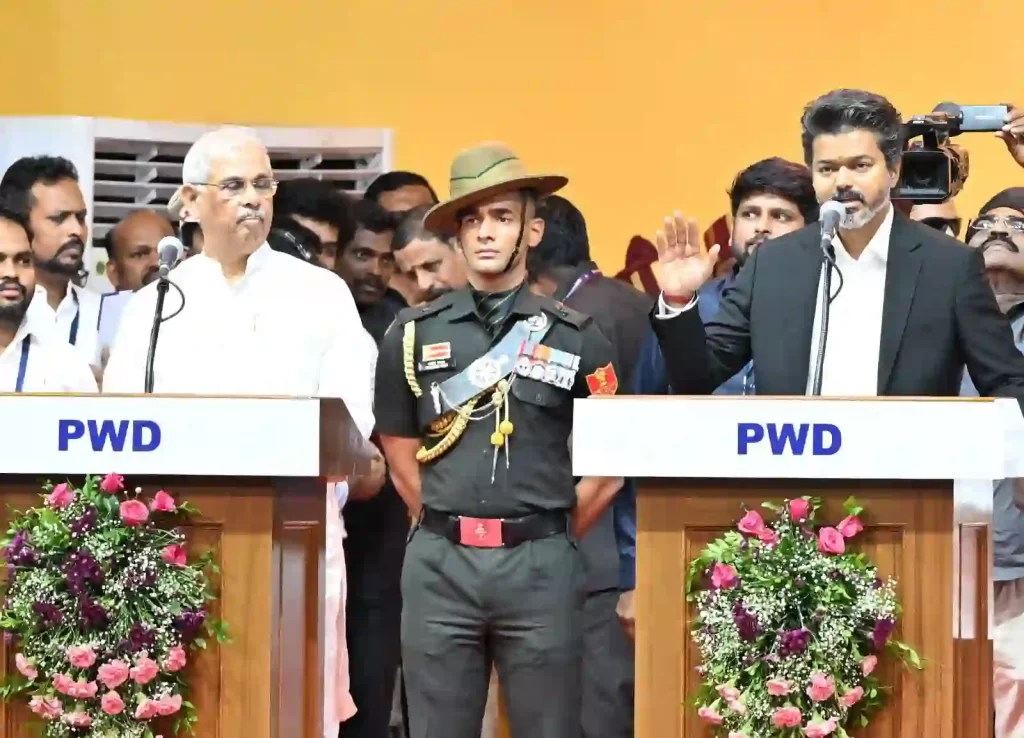
A Moment Sixty Years in the MakingAt the sprawling Jawaharlal Nehru Stadium in Chennai, on the morning of May 10, 2026, Joseph Vijay Chandrasekhar raised his right hand and took the oath of office as the ninth Chief Minister of Tamil Nadu. In the stands, tens of thousands of supporters who call themselves Thalapathy fans — a word that means commander, leader, one who stands at the front — watched the man they had followed from cinema hall to cinema hall for three decades step into the most consequential role of his life.He is 51 years old. He has made 69 films. He has never previously held elected office, never managed a government department, never sat in a cabinet meeting. He has, on the other hand, commanded the loyalty of one of the most organised fan networks in India for the better part of thirty years. He drew on every inch of that loyalty — and then built something entirely beyond it — to produce one of the most startling political debuts in the history of any Indian state.Vijay is the first leader outside the DMK and AIADMK camps to head the Tamil Nadu government since 1967. For 59 years, power in this state alternated between two Dravidian parties with near-mechanical regularity, each with roots in a political and social movement that had shaped Tamil identity for generations. Both of them are now in the opposition. Neither of them saw it coming.The Beginning: A Child of Cinema, Shaped by LossChandrasekaran Joseph Vijay was born on June 22, 1974, in Madras, Tamil Nadu. His father, S. A. Chandrasekhar, is a film director and his mother, Shoba Chandrasekhar, is a playback singer and vocalist.Cinema, then, was not something Vijay chose. It was the air he breathed from birth. He began as a child star with a role in Vetri in 1984, directed by his father. He continued to act in S. A. Chandrasekhar’s films through the 1980s, and was launched as a lead actor in the commercially unsuccessful Naalaiya Theerpu in 1992, also directed by his father.Before any of that, however, came a loss that those close to him say shaped his character more than anything else. Vijay had a sister, Vidhya, who died when she was two years old. In a family so defined by warmth and creative expression, that absence was not something that closed over easily. People who know him well say it gave him an empathy he has carried into every phase of his life — a quality his films would later translate into a screen persona that felt less like performance and more like genuine feeling.Vijay did his schooling initially at Fathima School, Kodambakkam, and later at Balalok School, Virugambakkam. He pursued a bachelor’s degree in visual communication from Loyola College, Chennai, but dropped out early to focus on his acting career.The Actor: From Romantic Hero to People’s ChampionThe Vijay who arrived in Tamil cinema in the early-to-mid 1990s was not immediately what people imagined he would become. He rose to fame with romance films such as Poove Unakkaga in 1996, Love Today in 1997, Kadhalukku Mariyadhai in 1997, and Thullatha Manamum Thullum in 1999, before transitioning into an action star with Thirumalai in 2003, Ghilli in 2004, and Pokkiri in 2007.The transformation that Thirumalai triggered was decisive. Thirumalai was pivotal to Vijay’s transformation from the romantic hero into an action star embodying a grittier screen persona. Ghilli followed, and Ghilli was not merely a hit — it was a cultural event. Its mass scenes generated the kind of theatrical response, the whistles, the standing ovations mid-scene, that Tamil cinema reserves only for its greatest stars.From that point, the question was never whether Vijay would become a superstar. It was what kind of superstar he would become. He answered that across the next two decades by making a very deliberate choice: to use his screen presence for something beyond entertainment.In the 2010s Vijay refined his “angry young man” image with socially conscious roles in Thalaivaa in 2013, Thuppakki in 2012, Kaththi in 2014, Mersal in 2017, Bairavaa in 2017, and Bigil in 2019. Kaththi took on corporate exploitation of farmers and drew an official complaint from a pesticide company. Mersal directly attacked government health policy and demonetisation, prompting the BJP to demand scenes be deleted, making it a national news story. Sarkar in 2018 depicted a businessman running for office after confronting electoral fraud — a storyline that, in retrospect, reads less like fiction and more like a blueprint.From the 2010s onward, he starred in major commercial successes including Thuppakki in 2012, Kaththi in 2014, Mersal in 2017, Sarkar in 2018, Master in 2021, Leo in 2023, and The Greatest of All Time in 2024, several of which rank among the highest-grossing Tamil films.By the time his final film, Jana Nayagan, meaning People’s Leader, was released, the title was not a creative choice. It was a cinematic preamble to a political life. The screen dimmed; the work began.The Political Stirring: Years Before the Party Was FormedThe conventional narrative of Vijay’s entry into politics begins in February 2024, when he formally announced Tamilaga Vettri Kazhagam. That narrative misses the fifteen years that preceded it.In 2009, his fan club Vijay Makkal Iyakkam was launched, and his forum actively supported Jayalalithaa-led AIADMK in the 2011 assembly elections in Tamil Nadu. In March 2011, his father S. A. Chandrasekhar met Jayalalithaa and extended support to her. It can be said that in a way Makkal Iyakkam proved to be a stepping stone for the further political journey Vijay.The Iyakkam ran blood donation camps, disaster relief operations, and educational support drives. During the 2015 Chennai floods, the network was among the first organised volunteer groups distributing aid. During Covid-19, Vijay personally funded meals and essential supplies for migrant workers and vulnerable communities. This was not a film star looking for good press. It was the systematic construction of a ground-level social infrastructure — the kind political parties spend decades and hundreds
Assembly Election Results 2026: Five States, Four Verdicts, One Seismic Political Shift
IntroductionThe verdict is in. The five simultaneous assembly elections held across India in April 2026 — in Assam, Kerala, Tamil Nadu, West Bengal, and the Union Territory of Puducherry — delivered their final results on counting day, May 4, 2026, and the political map of India looks meaningfully different today from what it did a month ago.Three of the five contests produced changes of government. Two of the three changes were historic by any measure. In West Bengal, 15 years of Trinamool Congress rule ended as the BJP swept to a majority of 206 seats in one of the most dramatic transfers of power any Indian state has witnessed since the early 1980s. In Tamil Nadu, a film star’s two-year-old party destroyed the 59-year dominance of the Dravidian duopoly, producing the state’s first-ever hung assembly. In Kerala, the Congress-led United Democratic Front routed a two-term Left government and returned to power with its best result since 1977. Assam and Puducherry returned their incumbents with comfortable margins.Together, the five results carry consequences for Indian politics that will be felt well beyond state boundaries, with the 2029 general election now firmly in view.West Bengal: The Fall of a 15-Year FortressThe ResultThe BJP won 206 seats in the 294-member West Bengal Legislative Assembly, clearing the 148-seat majority mark by a margin of 58 seats. The Trinamool Congress, which had governed the state continuously since 2011, was reduced to 76 seats — a collapse from the 213 seats it had won in 2021. Congress and the Left together won the remaining seats.The Election Commission ordered a repoll in the Falta constituency due to EVM tampering, scheduled for May 21, with results on May 24. One seat, Falta in South 24 Parganas, has results pending.What HappenedMamata Banerjee won her own Bhabanipur constituency, surviving a challenge from Suvendu Adhikari in a closely watched count that saw multiple lead reversals through the day before she eventually held on by a margin of 7,184 votes. Adhir Ranjan Chowdhury, the veteran Congress leader, lost from his traditional Baharampur stronghold, one of the starkest individual reversals of the day.The voter turnout was a record 92.6 percent across both phases. That extraordinary participation figure produced a result that defied most pre-election predictions of a close contest. The BJP crossed the majority mark in early counting and never looked back.The BJP’s Salt Lake headquarters in Kolkata broke into celebrations well before the afternoon counts were completed. The Election Commission, anticipating violence, banned all victory processions and rallies across the state following the result. Despite that ban, incidents of unrest were reported in multiple districts, with a TMC office vandalized and set alight in the Barabani constituency as counting trends turned heavily against the ruling party.A VVPAT slip controversy had emerged the night before counting, when hundreds of printed slips were found discarded near a roadside in the Subhashnagar area of Madhyamgram, from booth number 29 of the Noapara constituency. The incident prompted demands for an inquiry but did not delay counting.Why It HappenedAnti-incumbency after 15 years in power was the structural force underlying the result. Several compounding factors sharpened its impact. A recruitment scandal in government examinations, concerns about law and order, and questions about job creation had eroded public confidence during the incumbent government’s final two years. The Special Intensive Revision of electoral rolls, which resulted in the deletion of 91 lakh voters from West Bengal’s rolls, became the most politically charged controversy of the campaign, with the TMC accusing the BJP of engineering the exercise and the BJP counter-alleging that the TMC’s opposition to SIR was motivated by its dependence on undocumented voters. The controversy turned citizenship and identity into the dominant electoral themes, replacing the governance record debate that the TMC had wanted to fight on.Why It MattersWest Bengal holds 42 Lok Sabha seats. It is one of the largest states in India by parliamentary representation, and the BJP has historically underperformed in its Lok Sabha tally relative to its assembly vote share in the state. A government in Kolkata changes that structural equation ahead of 2029 in a way nothing else could.Tamil Nadu: The End of a 59-Year Dynasty — and a Hung AssemblyThe ResultTamil Nadu produced the most extraordinary result of the five elections. The final seat count in the 234-member assembly was:Tamilaga Vettri Kazhagam (TVK): 108 seatsDMK-led Secular Progressive Alliance (SPA): 73 seats (DMK: 59, INC: 5, others: 9)NDA led by AIADMK: 53 seats (AIADMK: 47, BJP: 1, others: 5)The majority mark is 118. No party or alliance crossed it. Tamil Nadu produced a hung assembly for the first time in its history.TVK, a party formed in February 2024 and contesting its first election, emerged as the single largest party. It beat both the DMK and AIADMK alliances in seat count but fell 10 seats short of forming a government on its own.Government FormationFollowing the declaration of results, Vijay invited the Indian National Congress to join a coalition government. Congress, which had won only 5 seats as part of the DMK-led SPA, accepted the invitation and formally left the DMK-led Secular Progressive Alliance, entering a new TVK-INC alliance. On May 6, 2026, Vijay met the Governor of Tamil Nadu, Rajendra Vishwanath Arlekar, and staked claim to form the government. He is expected to be sworn in as Chief Minister in the coming days.The Individual StoryThe personal stories from the counting day deserve particular mention. Vijay himself won both constituencies he contested, Perambur and Tiruchirappalli East, making him the clear face of government formation. Outgoing Chief Minister M. K. Stalin lost his Kolathur seat, which he had won three times consecutively. Deputy CM Udhayanidhi Stalin also lost his constituency. Fifteen ministers from the outgoing DMK cabinet were defeated. AIADMK general secretary Edappadi K. Palaniswami, however, retained his Edappadi seat with the widest winning margin in the state.Why It HappenedAnalysts identified several factors. TVK successfully targeted the youth vote, women voters, urban voters, and first-time voters across caste and religious lines. Anti-incumbency against the DMK government, widely
Spiritual Immersion at Isha’s Adiyogi: From Chikkaballapur to Coimbatore’s Mahashivratri
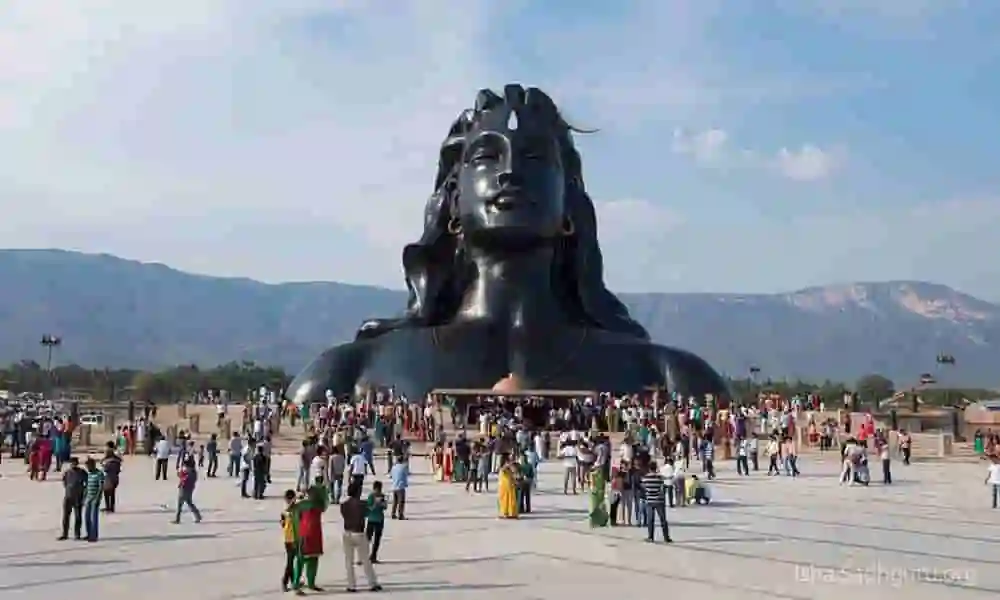
In the shadow of the 112-foot Adiyogi Shiva statue, the world’s largest bust of the Yogeshwara, a spontaneous road trip from Bengaluru unveils a cinematic tapestry of devotion, chants, and cosmic energy. From barefoot pilgrimages at Isha Foundation’s Chikkaballapur outpost, featuring the mesmerizing Adiyogi Light & Sound Show, to the temple realms of Linga Bhairavi, one day here transcends time, blending ancient wisdom with modern spectacle. This journey mirrors the grander spiritual vortex at Coimbatore’s Isha Yoga Centre, where Mahashivratri draws lakhs, dignitaries, and Sadhguru’s transformative rituals, as seen in past epics with President Droupadi Murmu and Defence Minister Rajnath Singh.Picture this: a midnight drive from Bengaluru’s bustle to Chikkaballapur’s serene foothills, 60 km away, where Isha’s Adiyogi replica beckons under starlit skies. The air hums with Sanskrit chants as devotees gather barefoot, shedding worldly weights at the threshold. The highlight? Adiyogi’s Light & Sound Show, a symphony of lasers, music, and narration tracing Shiva’s 84 prime yogas, from stillness to ecstatic tandav. Colors dance across the towering black steel form, evoking the Adiyogi’s Coimbatore original: 112 feet tall, weighing 500 tons, handcrafted over five years by 100 artisans using advanced alloy tech for seismic resilience. Unveiled in 2017 by PM Narendra Modi, it’s Guinness-recognized as yoga’s source, symbolizing the 7 chakras via its meditative gaze.The pilgrimage deepens at Linga Bhairavi Temple nearby, Isha’s consecrated powerhouse for the fierce Divine Feminine. Devotees offer coconuts amid flickering lamps, experiencing prasadam rituals that Sadhguru designed as energy elixirs, amplifying inner fire amid the yantra-charged sanctum. From dawn treks through mist-shrouded paths to communal yoga under Adiyogi’s watchful eyes, these 24 hours foster surreal calm: silent meditations dissolve ego, while group bhajans ignite unity. It’s no mere visit; it’s a reset, echoing Sadhguru’s vision of Adiyogi as humanity’s first yogi, gifting tools for self-realization.This intimate odyssey connects to Isha’s global beacon: the Coimbatore Yoga Centre, where Mahashivratri, next on February 15, 2026, erupts into a night-long vigil. Past editions set the template: Defence Minister Rajnath Singh as chief guest, Maharashtra CM Devendra Fadnavis, and ministers like L. Murugan joining lakhs from 6 PM to 6 AM. Sadhguru leads powerhouse sessions, midnight Sandhya meditations tapping planetary alignments for life-force surges, mantra chants, and musical feasts by top artists. A 2026 highlight? The first-ever Maha Abhishekam to the Yogeshwara Linga, with public registration for free immersion in sacred waters, mantras, and dedications amplifying its blessings.In 2023, President Droupadi Murmu served as Guest of Honour, received by Sadhguru for Pancha Bhutha Kriya at Dhyanalinga – a consecrated energy form for liberation. “I feel especially blessed… in Adiyogi’s presence,” she reflected, alongside Tamil Nadu Governor RN Ravi and Minister Thiru Mano Thangaraj. Shivratri’s Masi-month timing, per tradition, harnesses cosmic support for sadhana, turning all-night vigils into portals for transcendence.Why Adiyogi Captivates: Engineering Meets EternityAdiyogi isn’t just sculpture; it’s a technological marvel fused with mysticism. The Coimbatore colossus symbolizes 114 chakras (84 accessible via yoga), its jatamakuta cradling a crescent moon, eyes half-closed in kriya. Isha’s ecosystem – Dhyanalinga, Theerthakunds, and Bhairavi, forms a self-sustaining spiritual campus, drawing global seekers for programs like Inner Engineering.A Day’s Transformative RhythmDawn: Barefoot arrival, yoga amid hills, Adiyogi’s meditative aura dissolving dawn fog.Midday: Linga Bhairavi darshan, prasadam-fueled energy surges.Dusk: Light show spectacle – lights pulse like Shiva’s breath, sounds invoke 84 postures.Night: Chants fade into silence, mirroring Mahashivratri’s vigil blueprint.For the Bengaluru devotee, it’s “surreal calm” after urban chaos; for pilgrims worldwide, a call to yoga’s source. As Chikkaballapur’s Adiyogi lights up, it heralds Coimbatore’s 33rd Mahashivratri, a meaningful reminder: in Shiva’s gaze, every moment is eternal practice.
Rameshwaram Folding Bridge: India’s First Vertical Lift Sea Bridge
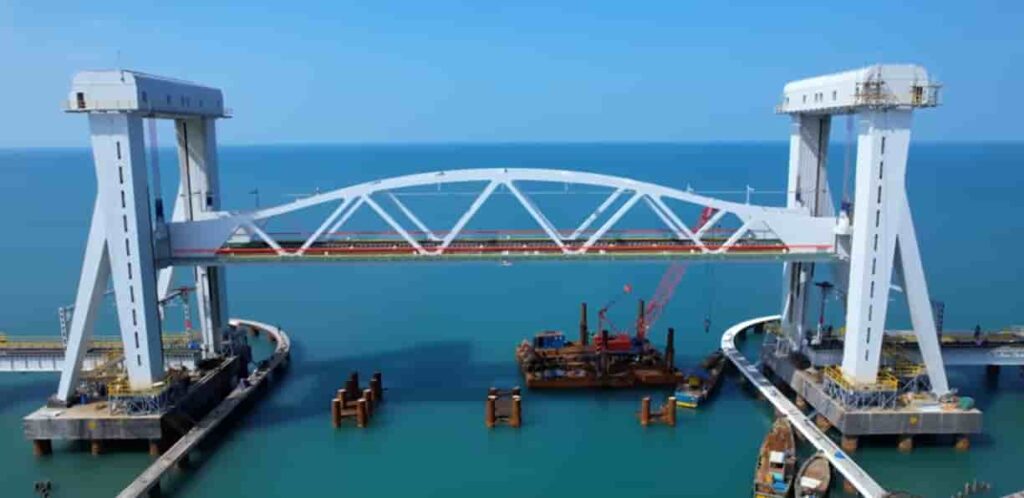
IntroductionThe New Pamban Bridge, popularly referred to as the Rameshwaram Folding Bridge, marks a major milestone in India’s railway and maritime infrastructure. Connecting mainland India to Rameswaram, the bridge has been designed as a modern replacement for the historic Pamban Bridge.What makes this project unique is its vertical lift mechanism, which allows a section of the bridge to be raised to let ships pass underneath—something never seen before in India at this scale.Background and Need for the New BridgeThe original Pamban Bridge, inaugurated in 1914, served as India’s first sea bridge and remained a crucial rail link for over a century. However, due to aging infrastructure, increasing maintenance challenges, and the need for faster and safer train movement, the necessity for a modern replacement became evident.The new bridge was conceptualised to:Enhance safety and durabilitySupport higher train speedsImprove maritime navigationThis led to the development of the New Pamban Bridge, incorporating advanced engineering and modern design.Key Features of the Rameshwaram Folding BridgeVertical Lift MechanismThe most striking feature of the bridge is its 72.5-metre-long vertical lift span. Unlike the old bridge, which had a manually operated opening system, the new structure uses an automated lift mechanism that raises the central span vertically.This allows large vessels to pass through without disrupting rail operations for extended periods.Modern Engineering and DesignThe bridge spans approximately 2.07 kilometres over the sea and has been constructed using corrosion-resistant materials to withstand harsh marine conditions.Key design elements include:Automated control systemsHigh-strength steel structureAdvanced monitoring for safetyThese features ensure long-term durability and reduced maintenance requirements.Improved Rail ConnectivityThe new bridge supports faster train speeds compared to the old Pamban Bridge, significantly improving connectivity between mainland Tamil Nadu and Rameswaram.This is particularly important given Rameswaram’s status as a major religious and tourist destination.Strategic and Cultural ImportanceRameswaram holds immense religious significance as it is home to the Ramanathaswamy Temple, one of the holiest pilgrimage sites in India.The improved rail connectivity provided by the new bridge is expected to:Facilitate smoother travel for pilgrimsBoost tourism in the regionStrengthen local economic activityThe bridge thus plays a vital role not just in infrastructure but also in preserving cultural and religious connectivity.Construction and ChallengesBuilding a sea bridge with a vertical lift mechanism presented several challenges:Working in a high-salinity marine environmentEnsuring structural stability against strong winds and tidesIntegrating advanced mechanical systems for the lift spanEngineers had to adopt specialised construction techniques and materials to ensure the bridge could withstand these conditions over time.Comparison with the Old Pamban BridgeWhile the old Pamban Bridge was a marvel of its time, the new bridge represents a significant technological upgrade.FeatureOld Pamban BridgeNew Folding BridgeOpening MechanismManualAutomated vertical liftSpeed CapacityLimitedHigher train speedsMaintenanceHighReduced due to modern materialsDurabilityAging structureDesigned for long-term useThis transition highlights India’s progress in adopting modern engineering solutions.Economic and Regional ImpactThe Rameshwaram Folding Bridge is expected to contribute significantly to regional development.Boost to TourismWith improved connectivity, more tourists and pilgrims are expected to visit Rameswaram, benefiting local businesses and hospitality sectors.Enhanced Trade and MobilityThe bridge ensures uninterrupted rail connectivity, supporting the movement of goods and people more efficiently.Environmental ConsiderationsGiven its location in a sensitive marine ecosystem, the project incorporated measures to minimise environmental impact. Efforts were made to:Reduce disturbance to marine lifeEnsure sustainable construction practicesMonitor ecological balance during and after constructionFinal PerspectiveThe Rameshwaram Folding Bridge, or New Pamban Bridge, stands as a symbol of India’s engineering advancement and its commitment to modernising critical infrastructure. By combining innovative design with strategic importance, the bridge not only enhances connectivity but also preserves a vital cultural link to one of the country’s most significant pilgrimage destinations.It represents the seamless blending of tradition and technology—honouring the legacy of the old bridge while paving the way for a more efficient and resilient future.
Tata Motors Inaugurates ₹9,000 Crore JLR Manufacturing Plant in Tamil Nadu: A Major Boost to India’s Auto Sector

In a significant milestone for India’s automotive manufacturing landscape, Tata Motors today inaugurated its new Jaguar Land Rover (JLR) car manufacturing plant in Ranipet, Tamil Nadu. The state-of-the-art facility, developed at an investment of ₹9,000 crore, is expected to dramatically enhance India’s role in global automotive production, strengthen exports, create thousands of skilled jobs and deepen the country’s integration into premium vehicle supply chains.The inauguration was presided over by key dignitaries from the government and industry, highlighting the strategic importance of the facility not only for Tamil Nadu’s industrial ecosystem but also for India’s ambitions in high-end manufacturing and global value chains.A Strategic Expansion in India’s Premium EV and Auto Manufacturing HubThe new JLR manufacturing plant in Ranipet — located near Chennai — represents one of the largest foreign direct investments in India’s automotive sector in recent years. Spread over a sprawling industrial campus, the facility will initially focus on the assembly of Jaguar and Land Rover vehicles for both domestic sales and global exports.This manufacturing expansion aligns with Tata Motors’ broader objective of scaling its electrified offerings and premium portfolio, including future electric vehicle (EV) platforms under the JLR marque. Observers note that India’s position as a cost-competitive and skilled manufacturing destination was a key factor in Tata Motors’ decision to invest heavily in the Ranipet facility.Production, Technology and Employment ImpactWith world-class assembly lines and advanced manufacturing processes, the Ranipet plant is equipped to produce multiple variants of Jaguar and Land Rover vehicles with high levels of localisation. Over time, the facility plans to incorporate EV production capabilities, battery integration and digital manufacturing systems that leverage automation and industry 4.0 technologies.The new plant is projected to generate thousands of direct and indirect jobs, supporting local supply chains, component manufacturers, logistics service providers and associated sectors. Chief executives from Tata Motors highlighted that the Ranipet facility would be a key centre of excellence for JLR operations globally, integrating India more deeply into the premium automotive production network.Government and Industry ReactionsAcross government and industry forums, the plant’s inauguration was widely welcomed as a major boost to manufacturing confidence in India. Officials from the Union Ministry of Heavy Industries, the Tamil Nadu State Government and Tata Motors leadership emphasised the role of stable policy frameworks, infrastructure readiness and skilled workforce availability in attracting such large-scale investments.Tamil Nadu’s Industries Minister described the plant as a ‘transformational investment’ for the region, citing its long-term potential to anchor a premium automotive cluster and drive technology-intensive jobs.Exports, EV Focus and Global IntegrationWhile initial production will serve domestic demand, a significant portion of output from the Ranipet facility is earmarked for international markets. Tata Motors has outlined plans to progressively increase export volumes, particularly for models in the Land Rover and Jaguar portfolio that meet evolving global emission standards and premium quality benchmarks.In line with India’s ambitions in electric mobility, the plant is being equipped to adapt for future EV production. Industry analysts see this as crucial, given the accelerating global transition toward electrification and the premium segment’s growing focus on electric and hybrid powertrains.The Ranipet facility also positions Tata Motors to capture advantages from existing and emerging trade agreements, strengthen supply chain resilience and reduce lead times for regional markets in Asia, Europe and beyond.Investment, Infrastructure and Economic GrowthThe ₹9,000 crore investment underlines Tata Motors’ confidence in India’s manufacturing ecosystem. The facility is expected to catalyse ancillary investments in local component suppliers, tooling and engineering firms, and technology partners, further multiplying economic impact in the state.Tamil Nadu — already a leading auto manufacturing hub — stands to benefit from the plant through infrastructure upgrades, increased employment opportunities and expanded participation in global automotive networks.Manufacturing Excellence and Skill DevelopmentThe Ranipet plant has been designed with a strong emphasis on sustainability, safety and digital integration. Tata Motors has announced plans to work with local technical institutes and training partners to develop skilled workforces capable of operating advanced manufacturing systems — reinforcing the company’s commitment to building human capital alongside physical infrastructure.Why This MattersThe inauguration of the JLR manufacturing facility in Ranipet carries significance on multiple fronts:It represents one of the largest recent automotive investments in India, especially in the premium vehicle segment.It reinforces India’s credentials as a global manufacturing hub, especially for high-end vehicles and future electric models.It underlines the success of policies that support large industrial investment, infrastructure readiness and skilled workforce development.It is expected to create significant employment and economic spillovers, particularly in the automotive value chain.Looking AheadAs production ramps up and export volumes grow, the Ranipet JLR plant is expected to become a cornerstone of Tata Motors’ global operations. Its success may also encourage further large-scale investments from automakers seeking to leverage India’s competitive strengths in manufacturing, skilled labour and regional connectivity.In the rapidly evolving automotive landscape, the Ranipet facility stands as a testament to India’s growing influence in advanced manufacturing — particularly in segments once seen as the exclusive domain of developed economies.
India’s Upcoming State Elections 2026: High Stakes Showdowns Across Key States
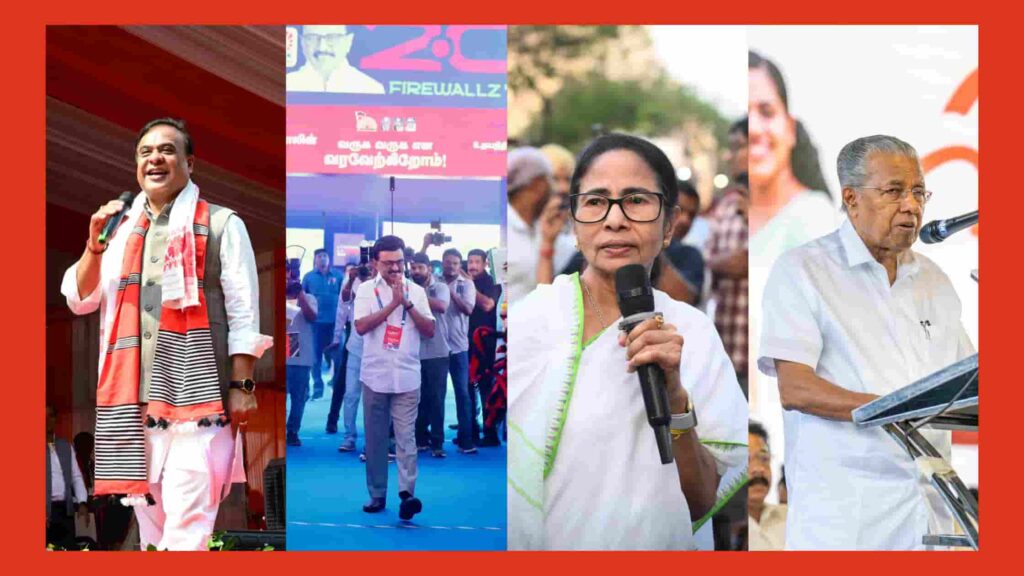
As 2026 unfolds as a major electoral year in India, several state assemblies are set to go to polls, with political parties gearing up for high-profile battles that will shape regional and national political dynamics ahead of the 2029 general elections. The Election Commission of India has already intensified preparations, including voter-roll revisions and finalisation of electoral lists, as competition rises among alliances and regional players.Key States and Territories Headed to the PollsFive major state and union territory elections are scheduled in March–April 2026, with official dates expected to be announced by the Election Commission in mid-March. These elections are critical tests for both national and regional parties.Assam — All 126 seats of the Legislative Assembly will be contested on completion of the incumbent government’s term.Tamil Nadu — Polling is expected for all 234 assembly seats before the current assembly’s term ends in May.West Bengal — Elections for the 294-member Legislative Assembly are due in March–April, with the term ending in May.Kerala — The assembly polls will take place after the final electoral roll of 2.69 crore voters was released, reflecting sustained preparations.Puducherry — The Union Territory’s 30 assembly seats will also be in contention, completing the cycle of polls in these regions.Assam 2026: Ruling NDA Faces Consolidated OppositionThe Assam Legislative Assembly election is expected to be held in March–April 2026 for all 126 seats, with the incumbent National Democratic Alliance (NDA) led by Chief Minister Himanta Biswa Sarma seeking a fresh mandate.The NDA — comprising the Bharatiya Janata Party (BJP), Asom Gana Parishad (AGP), United People’s Party Liberal (UPPL) and Bodoland People’s Front (BPF) — has shown relative unity ahead of the polls, with party leaders asserting strong confidence. Opposition groupings, led by the Indian National Congress and regional allies (such as the All India United Democratic Front), are contesting seat-sharing arrangements and campaign strategies to consolidate anti-incumbency sentiment.Assam’s election context is shaped by issues of development, identity politics, border security and infrastructure spending, with parties highlighting governance records and local socio-economic priorities to appeal to voters.Tamil Nadu: Major Showdown Between AlliancesThe 2026 Tamil Nadu Assembly election will see all 234 assembly seats contested as the incumbent Dravida Munnetra Kazhagam-led Secular Progressive Alliance government, led by M. K. Stalin, seeks re-election. The principal challengers will be the National Democratic Alliance (NDA), driven by a All India Anna Dravida Munnetra Kazhagam-BJP alliance, and various regional fronts.Seat-sharing discussions are underway months ahead of the polls, with significant negotiations involving major allies such as the Manithaneya Makkal Katchi and other partners.Tamil Nadu’s electorate of over 56.7 million voters will decide on governance related to economic growth, social welfare, infrastructure, education and employment issues.West Bengal: TMC, BJP and Opposition Contest in a High-Profile PollWest Bengal is poised for a closely watched assembly election for all 294 seats, likely to be held between March and April 2026. While detailed polling dates are awaited, the polls are expected to be a litmus test of regional party strength against national contenders.The All India Trinamool Congress (TMC) continues to consolidate support amidst challenges from the NDA and other opposition parties. The election outcome in West Bengal will play a crucial role in demonstrating political momentum for various alliances ahead of national elections.Kerala: Assembly Polls With Nuanced Electoral DynamicsKerala’s assembly polls, set for April–May 2026, will see all 140 legislative seats contested. The election environment has been shaped by demographic shifts, as reflected in Kerala’s newly published voter list of over 2.69 crore electors, with women outnumbering men and inclusive representation of third gender and persons with disabilities.Political parties are focusing on traditional issues of social welfare, employment and public services, with rising discussions around state identity and cultural assertions ahead of the elections. Political observers note that regional alliances and local narratives will be significant in shaping voter preferences.Puducherry: Assembly Race in a Union TerritoryPuducherry’s assembly polls, involving 30 seats, are also scheduled for 2026, marking a critical electoral contest in the Union Territory. The small but strategically important electorate has often seen closely contested elections between national and regional fronts.Voter List Revision and PreparationsAcross these states, the Election Commission has undertaken final media roll updates and voter list preparations to ensure clean and updated electoral rolls ahead of the polls. For example, voter list revisions in Tamil Nadu resulted in significant updates to the final electoral roll, impacting millions of names.Rajya Sabha Elections and Legislative ImplicationsIn addition to assembly polls, the **biennial elections to the Rajya Sabha will be held on March 16, 2026, to fill 37 seats across ten states whose members’ terms expire in April. The schedule includes notification on February 26, nomination deadlines on March 5, scrutiny on March 6 and counting on March 16.This phase of Rajya Sabha elections is expected to influence parliamentary arithmetic and party strength in the Upper House ahead of future legislative sessions.Political Stakes and Broader ImpactThe 2026 state elections are critical for political parties as they seek to secure influence ahead of the general elections, projected for 2029. States like Assam, Tamil Nadu, West Bengal, Kerala and Puducherry are not only regional power centres but also reflect broader national narratives around governance, development and coalition politics.Parties are deploying extensive campaign strategies, alliance negotiations and policy platforms tailored to local priorities. Analysts indicate that the outcomes of these polls will not just determine regional governance but also shape political momentum, alliances and discourse on national priorities in the coming years.
Jallikattu 2026: Dates, Venues, Significance and How to Experience Tamil Nadu’s Bull-Taming Celebration

Jallikattu, a centuries-old bull-taming event deeply rooted in Tamil Nadu’s cultural fabric, is among India’s most iconic traditional sports. Celebrated as part of the Pongal harvest festival in January, Jallikattu blends sport, heritage and community identity, drawing enthusiastic participation from rural areas and spectators from across the state and beyond. What Is Jallikattu and Why It MattersJallikattu (also known as Sallikkattu or Manjuvirattu) is a traditional sport in which a bull, often of native breeds such as Pulikulam or Kangayam, is released into an open arena. Participants, known as tamers, attempt to grasp the bull’s hump and hold on long enough to bring the animal to a stop or cross a designated finish line. The sport is symbolic of valour, rural tradition and cattle conservation, traditionally practised in southern Tamil Nadu as part of Pongal celebrations. The sport also functions as a way for farming communities to maintain and honour native bull breeds, which are culturally and economically significant in agrarian life. When It Happens: Dates and DurationJallikattu events are typically held during the Pongal festival, which falls in mid-January each year. The main events are organised on Mattu Pongal day — the third day of the four-day Pongal celebration — with some competitions taking place before and after this date as part of the broader season. In recent seasons:The first Jallikattu of the year has been held as early as January 3 in districts such as Pudukottai. Major competitions like those in Avaniyapuram, Palamedu and Alanganallur are usually held between January 14 and 16, coinciding with Pongal festivities. Major Venues Where Jallikattu Is HeldJallikattu is organised in several traditional hotspots, particularly in southern Tamil Nadu:Avaniyapuram (Madurai district): One of the first and most popular stages of Jallikattu — often held on Pongal day — attracting hundreds of participants and thousands of spectators each year. Palamedu: Another historic venue with intense local participation. Alanganallur: Considered among the most famous Jallikattu arenas in the state with large crowd turnout. Suriyur (Trichy district): A permanent Jallikattu arena inaugurated recently to host this traditional sport during the season. Thatchankurichi (Pudukottai district): Hosts one of the opening events of the season, drawing participants from several districts. How to Reach and Experience JallikattuAir Travel:The nearest major airport for most Jallikattu venues is Madurai Airport (IXM), well connected to major Indian cities including Chennai, Bengaluru and Hyderabad. Rail Travel:Madurai Junction is the closest major railway station to Avaniyapuram, Palamedu and Alanganallur, with regular trains from key cities across India. Road Connectivity:Tamil Nadu’s road network links other districts such as Pudukottai, Tiruchirappalli and Theni to the Jallikattu venues. State buses, private taxis and shared vehicles are common options during the festival. What to Expect at the EventTraditional Spectacle:Each Jallikattu event begins with bulls being released from a designated enclosure (called vadivasal) into a field where tamers attempt to hold onto the animal’s hump or ride them. Success entails stopping or controlling the bull, which requires strength, skill and experience. Registration and Safety:Bull tamers and owners usually register with district authorities ahead of events, and bulls undergo veterinary checks to ensure fitness for participation. Medical and veterinary teams are typically stationed at arenas to handle injuries. Prizes and Recognition:In past years, winners have received significant prizes — including cars for top tamers and tractors or other awards for the best bulls — reflecting the prestige associated with the sport. Spectator Culture:Thousands of spectators, including local devotees and cultural tourists, gather at these arenas. Large crowds, local music and festive foods are part of the overall experience.Cultural and Historical SignificanceJallikattu’s origins date back over two millennia, with references to bull-taming activities in ancient Tamil literature. The sport is traditionally linked to the harvest festival of Pongal, where people express gratitude for agricultural bounty and honour livestock, which are central to rural livelihoods. Beyond sport, Jallikattu symbolizes community pride, bravery and rural identity. Despite controversies over animal welfare and safety in the past, it retains deep cultural resonance in Tamil Nadu and forms an integral part of the Pongal narrative.Visitor Tips and SafetyPlan Travel Early: January is peak season; book transport and accommodation well in advance.Stay Informed: Specific dates and registrations vary by district; check local administration notifications for schedules.Safety Precautions: While festive, Jallikattu involves large animals and crowds. Follow directions from officials and avoid entering restricted areas in arenas.Cultural Respect: The event is traditionally tied to local customs and community pride — respectful behaviour enhances the experience.In SummaryJallikattu is more than a sporting spectacle — it is a living tradition celebrated against the backdrop of harvest gratitude and local identity during the Pongal festival in Tamil Nadu. Combining cultural heritage, fierce competition and community participation, it offers an unforgettable experience for participants and spectators alike. With major venues such as Avaniyapuram, Palamedu and Alanganallur hosting events each January, the sport continues to draw attention both within India and abroad as an enduring symbol of Tamil rural culture.Video credit: YT@/Vikatan TV
Pongal 2026: India Celebrates the Festival of Harvest with Tradition, Gratitude, and Unity
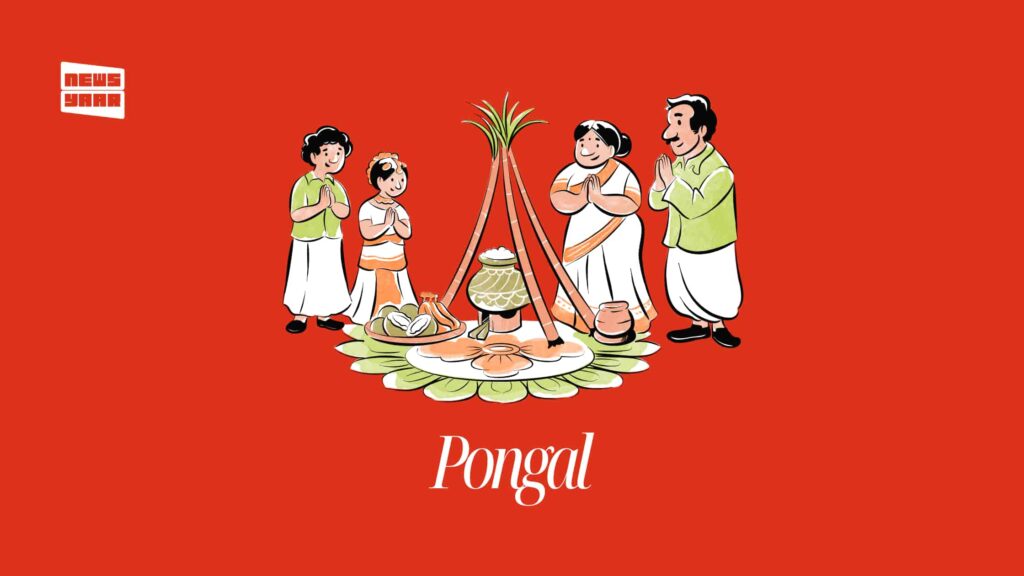
As the sun begins its northward journey, Tamil Nadu and Tamil communities across the globe come alive with joy, devotion, and cultural pride to celebrate Pongal 2026, one of India’s most significant harvest festivals. Observed annually in mid-January, Pongal marks gratitude to nature, farmers, cattle, and the Sun God for a bountiful harvest.Pongal 2026 will be celebrated over four days, each holding deep cultural and spiritual meaning.The festival begins with Bhogi Pongal, symbolising renewal and the discarding of old possessions to welcome positivity and prosperity. Homes are cleaned, bonfires are lit, and families prepare for new beginnings.The main day, Thai Pongal, is dedicated to Surya Dev (the Sun God). Families gather early in the morning to prepare the traditional sweet dish “Pongal” made from freshly harvested rice, jaggery, milk, and lentils.As the milk overflows from the pot, cries of “Pongalo Pongal!” echo through homes, symbolising abundance and good fortune. Colourful kolams (rangoli) adorn entrances, reflecting happiness and creativity.The third day, Mattu Pongal, honors cattle, recognizing their vital role in agriculture and rural life. Cows and bulls are bathed, decorated with flowers, and worshipped. In many villages, traditional events like Jallikattu add excitement, drawing large crowds and tourists.The celebrations conclude with Kaanum Pongal, a day for social bonding. Families visit relatives, enjoy outdoor picnics, and strengthen community ties. In 2026, urban celebrations are expected to blend tradition with modernity, featuring cultural programs, eco-friendly festivities, and digital greetings.Pongal 2026 also highlights sustainability and respect for nature. Many communities are choosing organic decorations, traditional cooking methods, and locally sourced ingredients, aligning the festival with environmental awareness.Beyond Tamil Nadu, Pongal is celebrated by the Tamil diaspora worldwide, from Sri Lanka and Malaysia to the US, UK, and Canada, making it a global cultural event.As Pongal 2026 arrives, it serves as a reminder of gratitude, hard work, and harmony between humans and nature, values that remain timeless in a rapidly changing world