


Tata Sierra EV: The Return of an Icon in an Electric Avatar
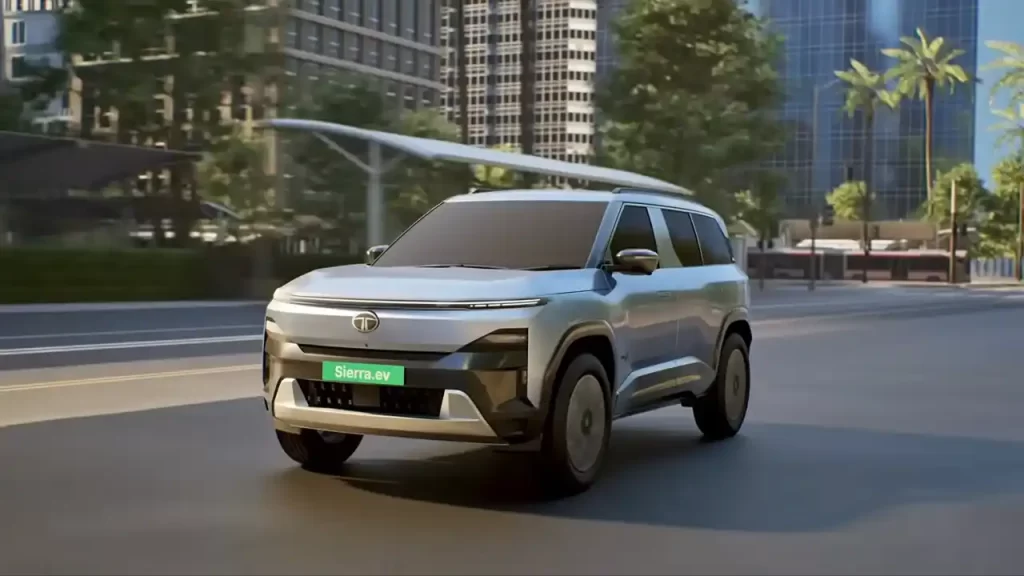
Few vehicles have enjoyed the kind of emotional connect that the Tata Sierra has among Indian automobile enthusiasts. First introduced in 1991, the Sierra was India’s first indigenously developed lifestyle SUV and became instantly recognisable for its distinctive three-door design and panoramic rear-side glass windows. Although production ended in the early 2000s, the Sierra continued to hold a special place in Indian automotive history, symbolising an era when Tata Motors was beginning to establish itself as a passenger vehicle manufacturer.More than two decades later, Tata Motors has revived the iconic nameplate in an entirely new form. The Tata Sierra EV, launched in 2026, combines the nostalgic appeal of the original Sierra with a modern electric powertrain, advanced technology and premium features. Rather than recreating the original SUV, Tata has reimagined it for a new generation of buyers while retaining design elements that pay tribute to the classic model.The launch of the Sierra EV is significant not only because it marks the return of one of India’s most iconic SUVs, but also because it reflects Tata Motors’ broader strategy of strengthening its leadership in the country’s fast-growing electric vehicle (EV) market. Built on the company’s latest Acti.ev architecture, the Sierra EV is positioned as a premium electric SUV designed to compete in one of India’s most competitive automobile segments.The Legacy of the Original Tata SierraThe Tata Sierra occupies a unique place in the history of India’s automotive industry. Launched in 1991, it was among the country’s earliest home-grown SUVs and stood apart with its bold styling, elevated driving position and large wraparound rear windows. At a time when the Indian passenger vehicle market offered limited choices, the Sierra appealed to customers looking for a lifestyle-oriented vehicle rather than a conventional utility vehicle.Although it was discontinued in 2003, the Sierra remained a cult favourite among enthusiasts. Over the years, its distinctive design became one of the most recognisable in Indian automotive history, leading to repeated speculation about a possible revival. Tata Motors first showcased a modern Sierra EV concept at Auto Expo 2020 before unveiling an updated production-ready version in subsequent years, signalling its intention to bring the iconic nameplate back as part of its electric mobility strategy.Launch of the Tata Sierra EVAfter years of anticipation, Tata Motors officially launched the Sierra EV in India in June 2026. The electric SUV entered the market with an introductory ex-showroom starting price of $18.79 lakh, while bookings opened immediately after the launch and customer deliveries commenced in July 2026. The vehicle is available in multiple variants and battery configurations, allowing buyers to choose between different performance and range options.The Sierra EV sits in Tata Motors’ electric SUV portfolio above the Curvv EV and below the Harrier EV, strengthening the company’s premium EV lineup. It is aimed at customers seeking a spacious family SUV that combines long driving range, advanced technology and modern design.Design: Blending Heritage with Modern StylingOne of the Sierra EV’s defining characteristics is its ability to retain the identity of the original Sierra while embracing contemporary SUV styling.The vehicle preserves the signature wraparound rear-quarter glass, a design element that made the original Sierra instantly recognisable. However, the overall body has evolved into a modern five-door SUV with proportions suited to present-day family buyers.The front fascia features Tata’s latest EV design language with connected LED daytime running lights, sleek headlamps and a closed grille typical of electric vehicles. Flush door handles, aerodynamic alloy wheels and clean body lines contribute to improved efficiency while giving the SUV a premium appearance.The rear design includes connected LED tail lamps and sculpted surfaces that maintain visual continuity with the front. Although inspired by its predecessor, the new Sierra EV is unmistakably a contemporary electric SUV.Interior and TechnologyThe Sierra EV represents one of Tata Motors’ most technologically advanced interiors to date.The cabin adopts a minimalist design centred around a triple-screen dashboard, integrating the digital instrument cluster, infotainment display and passenger-side screen into a single panoramic layout. Premium upholstery, ambient lighting and a spacious cabin contribute to an upmarket experience.The SUV also features a panoramic sunroof, connected car technology, wireless smartphone integration, multiple USB charging options, premium audio, ventilated seats and a comprehensive suite of comfort features designed for long-distance travel.The emphasis on digital interfaces reflects broader trends within the global automotive industry, where software and connectivity increasingly influence customer experience alongside traditional mechanical performance.Powertrain and PerformanceThe Sierra EV is built on Tata Motors’ dedicated Acti.ev platform, which has been developed specifically for electric vehicles. This architecture supports multiple battery sizes, advanced electronics and future software upgrades.Customers can choose between 63 kWh and 75 kWh battery packs depending on the selected variant. Tata Motors also offers both rear-wheel-drive (RWD) and quad-wheel-drive (QWD) dual-motor configurations, with the latter providing enhanced traction and performance.The larger battery variant delivers a claimed driving range of up to 665 kilometres (MIDC Part 1+2), making the Sierra EV one of the longest-range electric SUVs offered by an Indian manufacturer. The dual-motor version also introduces a dedicated Boost Mode, enabling quicker acceleration and improved driving dynamics.Charging CapabilitiesCharging convenience remains one of the most important considerations for electric vehicle buyers, and Tata Motors has equipped the Sierra EV with support for both AC and DC charging.Using a compatible 120 kW DC fast charger, the battery can be charged from 20% to 80% in approximately 26 minutes, making it suitable for long-distance travel. For home charging, Tata offers a 7.2 kW AC charger, allowing overnight charging for daily usage. The company also provides a 15-year battery warranty, underlining its confidence in the long-term durability of the battery system.Safety and Driver AssistanceSafety has become a key focus for Tata Motors in recent years, and the Sierra EV continues that approach with a comprehensive package of active and passive safety technologies.The SUV is equipped with Level 2+ Advanced Driver Assistance Systems (ADAS), including features such as adaptive cruise control, lane keeping assistance, traffic sign recognition and autonomous emergency braking. Additional technologies include a 540-degree surround-view camera, automatic parking assistance,
Soaring Heights: How Tata-Airbus H-125 Facility Marks India’s Aerospace Leap
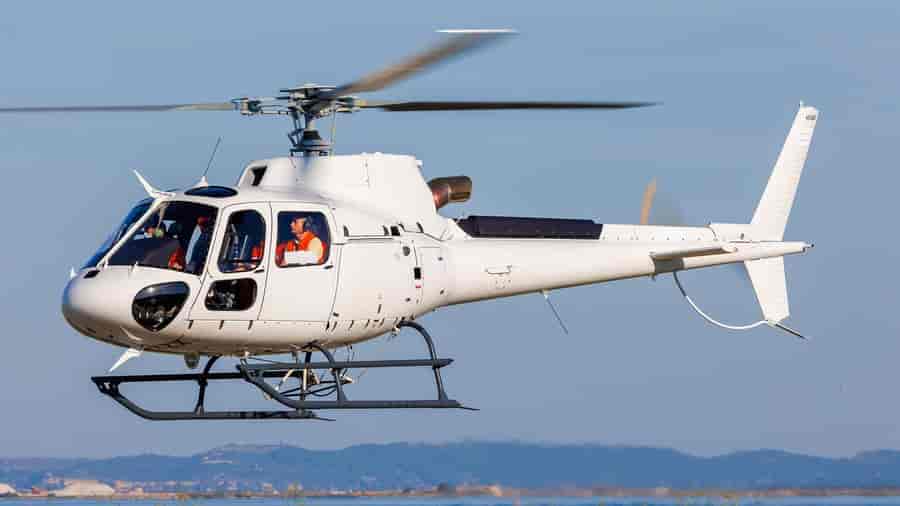
India’s aerospace ambitions just touched new heights, literally. On February 17, 2026, Prime Minister Narendra Modi and French President Emmanuel Macron virtually inaugurated the Tata Advanced Systems Limited (TASL) Final Assembly Line (FAL) for Airbus H-125 light utility helicopters in Vemagal, Karnataka, from Mumbai. This isn’t mere infrastructure; it’s a fusion of strategic trust, technological prowess, and economic firepower, propelling India’s Make-in-India and Aatmanirbhar Bharat visions skyward.A Historic Virtual Ribbon-CuttingPicture this: Leaders from two global powers, Modi and Macron, hitting the digital button to unveil a facility that symbolises Indo-French synergy. Raksha Mantri Rajnath Singh, on-site at Vemagal, called it a “milestone in the strategic partnership between India and France,” quipping that “even the sky is not the limit.” Joining him were French Minister of Armed Forces and Veterans Affairs Catherine Vautrin, Union Civil Aviation Minister KR Naidu, Karnataka’s Minister for Large & Medium Industries MB Patil, Chief of Air Staff Air Chief Marshal AP Singh, Defence Secretary Rajesh Kumar Singh, and Secretary (Defence Production) Sanjeev Kumar.This event builds directly on TASL-Airbus’ prior triumph: the C-295 military transport aircraft FAL, India’s first private-sector final assembly for military planes. Now, the H-125 line cements a full-spectrum military aerospace ecosystem, blending French engineering with Indian manufacturing muscle.H-125: The Everest-Conquering WorkhorseAt its core, the H-125 is no ordinary chopper; it’s the world’s most trusted single-engine light utility helicopter, with unmatched reliability across brutal conditions. The military-optimised H-125M variant acts as a high-altitude force multiplier: stealthy low acoustic and thermal signatures enable tactical reconnaissance and surveillance. It delivers logistics to remote frontline outposts, rushes search-and-rescue (SAR) or medical evacuations (MEDEVAC), and thrives where others falter.Why? It’s the only helicopter to land on Mount Everest’s summit, proof of its extreme performance ceiling. For India’s armed forces, battling “hot-and-high” terrains from Ladakh’s icy peaks to Siachen’s glaciers, this is gold. Traditional fleets struggle above 6,000 meters; the H-125 powers through, ensuring supply drops, troop insertions, and rapid response in oxygen-starved zones. Globally, over 9,000 H-125 family units fly missions, from VIP transport to firefighting, logging 45+ million flight hours.PM Modi captured the pride: “We take pride in manufacturing in India the world’s only helicopter capable of flying to the heights of Mount Everest and exporting it worldwide.” Raksha Mantri echoed, praising its “exceptional reliability, versatility, and outstanding performance.”Economic Engine: Jobs, Investment, and ExportsThis FAL isn’t just about rotors; it’s an economic turbocharger. Projected investment surpasses ₹1,000 crore, igniting direct and indirect jobs for India’s “skilled and hardworking youth.” It supercharges the MSME ecosystem, now boasting 16,000+ defence-linked units supplying global giants.Since 2014, under Modi, reforms have flipped the script: Ordnance Factories corporatised into seven DPSUs, liberalised FDI (up to 74% on the automatic route), and twin Defence Industrial Corridors (Uttar Pradesh-Tamil Nadu). Private sector share? A robust 25% of total defence production. Exports? Multi-fold surge, ranking India among the top global defence exporters. Foreign OEMs now tap Indian MSMEs for components, with Rajnath Singh inviting deeper tech transfers to fuel security solutions worldwide.Schemes like Production Linked Incentives (PLI), massive infrastructure (roads, ports), and startup boosts have slashed gestation periods, drawing high-capital plays like this. Result: Holistic growth, from domestic self-reliance to export powerhouse.Economic Impact MetricsDetailsInvestment>₹1,000 croreEmploymentDirect + indirect jobs for youth; boosts 16,000+ MSMEsDefence ReformsPrivate share at 25%; exports up manifoldBroader EcosystemPLI schemes, FDI liberalisation, industrial corridorsGlobal ReachComponent sourcing by foreign firms; export-ready H-125sMake-in-India’s Aerospace AscentLaunched in 2014, Make-in-India targeted manufacturing revival; Aatmanirbhar Bharat amplified it post-COVID, prioritising critical tech. Defence exemplifies: From 65% import dependence, India now produces 70%+ indigenously. Private players like TASL lead, absorbing complex tech via offsets and partnerships.This H-125 FAL exemplifies “mutually beneficial partnerships.” Airbus gains India as a low-cost hub; TASL masters final assembly, testing, and avionics integration. Future? Potential exports to friendly nations, plus civilian H-125 variants for tourism, charters, and disaster relief. Karnataka’s Vemagal, near Bengaluru’s aerospace cluster, optimises logistics, skills, and supply chains.Indo-French Ties: Boundless HorizonsIndia-France defence bonds run deep: Rafale jets, Scorpene submarines, joint exercises. Macron’s visit layered geopolitics, countering China in Indo-Pacific, onto tech ties. Vautrin’s presence signals sustained commitment. As Singh noted, collaborations are “limitless,” eyeing AI, drones, and sixth-gen fighters.Charting the Future SkiesThe Vemagal FAL isn’t an endpoint; it’s a launchpad. For troops in unforgiving Himalayas, it means swifter rescues. For workers, stable careers. For India, a louder global voice in aerospace. As helicopters hum off the line, they carry more than passengers; they ferry self-reliance, innovation, and unbreakable partnerships into tomorrow’s skies.
New Tata Punch EV: What Has Changed, How the Battery Options Work, and Why Tata Is Repositioning Its Entry-Level Electric SUV
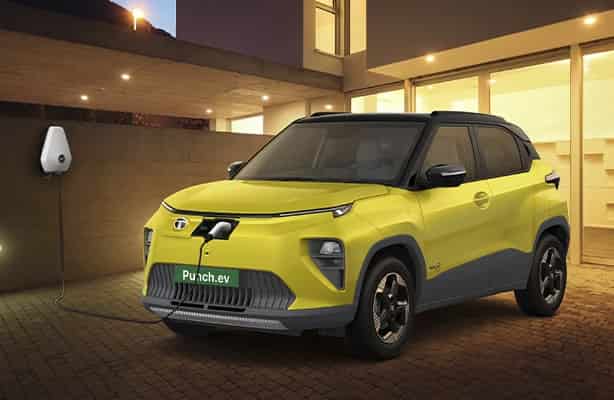
Image: TATA MotorsTata Motors has rolled out an updated version of the Tata Punch EV, strengthening its position in India’s fast-evolving electric vehicle market. The update is not a cosmetic refresh alone; it is part of a broader strategy to make electric mobility more flexible, more affordable at entry, and less intimidating for first-time EV buyers.The Punch EV continues to sit at the entry level of Tata’s electric portfolio, below the Nexon EV, but the latest changes indicate a clear effort to address two persistent concerns among buyers: range anxiety and long-term battery ownership costs.Battery Options Explained: Which Variant Gets WhatA key update in the new Punch EV is the clearer separation of battery options across variants, allowing buyers to choose based on usage rather than paying for excess capacity upfront.The model is offered with two battery pack choices:A smaller battery pack, aimed primarily at city users with predictable daily commutes.A larger battery pack, intended for buyers who want extended real-world range and greater flexibility for longer drives.Each battery option is tied to specific variants rather than being freely configurable. This helps Tata streamline pricing while guiding buyers toward a battery size that realistically matches their needs. The smaller battery is positioned as a practical urban solution, while the larger pack targets customers transitioning fully away from internal combustion vehicles.Range, Performance and Urban FocusWhile Tata continues to quote competitive certified range figures, the company’s emphasis with the Punch EV remains on real-world usability rather than headline numbers. The vehicle is engineered for:Daily city commutesStop-start traffic efficiencyPredictable charging cyclesThe electric motor output and tuning are designed to prioritise smooth acceleration and ease of driving rather than outright performance, aligning with the Punch EV’s role as an everyday compact SUV.Design Updates and Cabin ChangesVisually, the updated Punch EV receives subtle exterior revisions rather than a complete redesign. The front fascia, lighting elements and alloy wheel designs have been refreshed to align with Tata’s newer EV design language, giving the car a slightly more premium and contemporary look without altering its familiar proportions.Inside the cabin, the focus is on technology and ease of use. Updates include:A larger touchscreen infotainment system in higher variantsAn improved digital instrument clusterConnected-car features that allow users to monitor vehicle status remotelyThe cabin layout continues to emphasise space efficiency, upright seating and practicality, which have been strong selling points of the Punch platform.Lifetime Battery Warranty: Addressing Long-Term EV AnxietyOne of the most significant announcements with the new Punch EV is the introduction of a lifetime battery warranty under Tata’s Battery Assurance and Support System (BAAS).This move directly addresses concerns around:Battery degradation over timeReplacement costs after warranty expiryResale value of electric vehiclesBy offering long-term battery coverage, Tata Motors is attempting to reduce psychological barriers for buyers who are hesitant about EV ownership beyond the first few years.Dual Loan Scheme: How It WorksTo further improve affordability, Tata has introduced a dual-loan financing structure. Under this system:One loan covers the vehicle excluding the batteryA second, separate loan is taken for the battery packThis structure lowers the initial loan amount for the car itself and can result in reduced monthly EMIs, especially for buyers opting for the larger battery. It also provides flexibility for future financing and ownership decisions.Market Positioning and CompetitionThe Punch EV operates in a highly competitive and rapidly expanding segment. Tata Motors already leads India’s EV market, and the updated Punch EV is designed to:Attract first-time EV buyersServe as a second car for urban householdsOffer a safer and more robust alternative to smaller city EVsIts closest competition comes from compact electric offerings and upcoming entry-level EVs, but Tata’s advantage lies in its charging ecosystem, brand trust, and after-sales network.Why the Updated Punch EV MattersThe changes to the Punch EV reflect a broader shift in India’s EV market. Buyers are no longer asking only about range; they are asking about ownership clarity, long-term costs, and reliability. By restructuring battery options, offering lifetime warranty coverage and introducing flexible financing, Tata Motors is redefining what an entry-level electric SUV can offer.The Punch EV is no longer positioned merely as the cheapest way into Tata’s EV lineup. Instead, it is being presented as a thoughtfully engineered, long-term urban mobility solution.
New 2026 Tata Punch Facelift Launched in India: Prices, Features, Powertrains and Booking Details
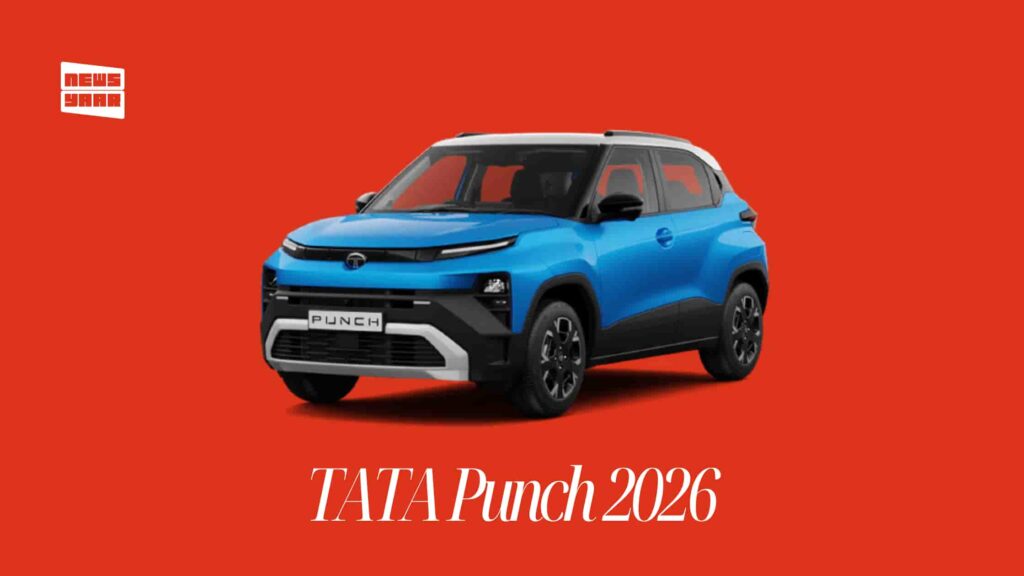
New Delhi: Tata Motors has officially launched the 2026 Tata Punch facelift in India, giving its popular micro SUV a fresh design update, expanded feature list and revised powertrain options.Bookings for the updated Punch are already open, and the model has now started arriving at dealerships across the country, signalling deliveries to begin soon. Prices and Variants The 2026 Tata Punch facelift has been priced between Rs 5.59 lakh and Rs 10.54 lakh (introductory, ex-showroom New Delhi).Tata Motors has reworked the variant lineup, offering the SUV in six broad trims: Smart, Pure, Pure Plus, Adventure, Accomplished, and Accomplished Plus S. Buyers can choose from multiple fuel and transmission combinations across these variants. What’s New in Design? With the facelift, the Punch now looks more aligned with Tata’s newer SUVs. It gets updated LED lighting elements, a revised front fascia inspired by the Punch EV, and new 16-inch dual-tone alloy wheels.While the overall silhouette remains familiar, the subtle updates give the micro SUV a more premium and contemporary appeal. Interior and Features Inside, the cabin layout remains largely unchanged, but Tata has added new touches to enhance comfort and technology.Key highlights include a 10.25-inch touchscreen infotainment system with slimmer bezels, a 7-inch fully digital driver’s display, an 8-speaker sound system, wireless phone charging, cruise control, and an auto-dimming IRVM. Select variants also get a single-pane sunroof, adding to the Punch’s appeal in the segment. Safety Package Safety continues to be a strong focus for Tata Motors. The 2026 Punch comes with six airbags as standard, along with ISOFIX child seat mounts, a 360-degree camera, rain-sensing wipers and other essential safety aids, reinforcing Tata’s reputation for offering robust safety features even in entry-level SUVs. Engine and Powertrain Options One of the biggest updates comes under the hood. The facelifted Punch now offers three powertrain options: 1.2-litre naturally aspirated petrol producing 88 PS and 115 Nm, paired with a 5-speed manual or AMT 1.2-litre turbo-petrol engine delivering 120 PS and 170 Nm, mated to a 6-speed manual gearbox 1.2-litre petrol with CNG outputting 73.4 PS and 103 Nm, available with a 5-speed manual or AMT Notably, the Punch becomes India’s first SUV to offer a CNG-AMT combination, expanding choice for urban buyers focused on fuel efficiency. Booking Process and Colour Options Customers can book the new Tata Punch either online through Tata Motors’ official website or by visiting authorised dealerships.The process involves selecting the preferred variant, powertrain and colour, followed by payment of the booking amount. The 2026 Punch is available in six colour options, including dual-tone combinations, depending on the variant. Rivals and Market Position The updated Tata Punch competes with models like the Hyundai Exter and Citroen C3, while also serving as an alternative to sub-4-metre SUVs such as the Maruti Fronx, Nissan Magnite, Renault Kiger and Hyundai Venue.With improved styling, more features and a wider range of powertrains, the 2026 Tata Punch facelift aims to strengthen its position as one of India’s most versatile and value-driven micro SUVs.