


Skye Air Launches Drone and Robot Deliveries in Gurugram: A New Era for Fast Local Shipping
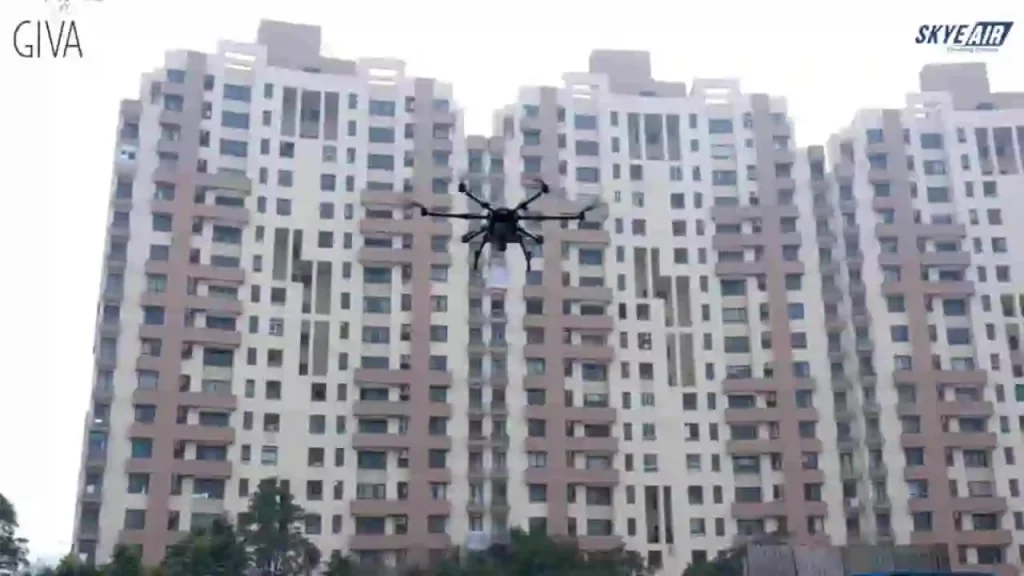
Skye Air Mobility, a drone delivery company based in Gurugram, has started a new service. They now deliver packages right to people’s doorsteps using drones and smart robots powered by artificial intelligence. This big step forward in fast local deliveries was announced at the AI Impact Summit. The summit happened recently in New Delhi. Ankit Kumar is the Founder and CEO of Skye Air. He shared details about this exciting change. The company has already done a lot with drones. Now they add robots to make deliveries even smoother and greener.How the New Delivery System Works Step by StepThe system starts with Skye Air’s special hubs called Skye Ports. These are like local delivery stations for hyperlocal areas. Drones pick up packages from these ports and fly them to the right spot. They land at smart mailboxes called Arrive Points. These mailboxes go in housing societies, apartment complexes, or office buildings. Everything happens automatically with no people needed in between.Once the drone drops the package in the Arrive Point, a robot takes over. The robot is an autonomous rover made by a US company called Autonomy. It picks up the package and drives it straight to the customer’s door. The customer just enters a simple OTP code on the rover. The door opens, and they get their shipment safely. This whole process cuts out traffic jams, saves time, and keeps things secure. No human hands touch the package after the drone drops it off. It works perfectly in busy cities like Gurugram where streets get crowded fast.Impressive Past Success and Green ImpactSkye Air has a strong track record already. Over the last two and a half years, they completed nearly 3.6 million drone deliveries. This huge number shows their experience in the field. Best of all, these flights saved over 1,000 tons of carbon emissions. That means less pollution compared to cars or bikes making the same trips. Ankit Kumar explained this at the summit. He said they connected their drone ports with physical AI setups for the first time. This mix of air and ground tech makes deliveries faster and better for the planet.The company tested drones in hilly areas and cities before. Now they bring it all together in Gurugram. This home base will test the full system before going bigger.Key Partnerships with US Tech CompaniesSkye Air teamed up with three American companies to make this possible. First is Arrive AI. This firm trades on the NASDAQ stock market. They make the Arrive Point smart mailboxes. Skye Air installs these in buildings. Drones drop packages there safely.The second partner helps with last-mile tech. The third is Autonomy. They built the smart rovers that roll from the mailbox to your door. Ankit Kumar announced these deals at the AI Impact Summit. These partnerships bring top global tech to India. They create a full automatic chain from drone to doorstep.Plans to Grow Big Across India and the WorldGurugram is just the starting point. Ankit Kumar sees it as the perfect launchpad. The city has tall buildings, traffic, and tech-savvy people. It tests the system in real urban challenges. Soon, they plan to cover every part of Gurugram. After that, expansion hits other Indian cities.India leads the way here. Ankit noted Prime Minister Narendra Modi’s words on AI growth. India laid the foundation first in the world for this kind of delivery. They want to perfect it locally before going national. The final goal is global reach. This could change how packages arrive everywhere from Delhi to Dubai.Prime Minister Modi praised the AI Impact Summit on social media. He said the world admires India’s tech skills. The event ended with the New Delhi Declaration on AI Impact. Eighty-eight countries and groups signed it. It focuses on using AI for jobs and better lives.Why This Matters for Gurugram and IndiaGurugram buzzes with offices, homes, and shops. Fast deliveries matter a lot here. Drones skip roads and fly straight. Robots handle the last few steps without getting stuck. Customers get parcels quicker and safer. Businesses save money on fuel and drivers. The environment wins too with less carbon.This fits India’s big push into drones and AI. Rules now allow more drone use. Companies like Skye Air lead innovation. They turn ideas into real services. Local jobs grow in tech and operations. Soon, anyone in Gurugram can order food, medicine, or goods and see a drone overhead.Skye Air proves India innovates at world speed. From 3.6 million deliveries to robot doorsteps, they set the pace. Watch for drones in your sky soon. The future of shopping arrives one package at a time.
Apple’s Retail Journey in India: From First Stores to a Growing Network of Tech Hubs

Apple, the world’s most valuable company known for its iPhones, MacBooks, and sleek designs, has made India a key part of its global growth story. Over the past few years, Apple has opened official retail stores across major cities, moving beyond online sales and small authorized shops. These stores are not just places to buy gadgets; they are modern spaces where customers can test products, get expert help, learn new skills, and feel part of the Apple community. As of April 2026, Apple runs six flagship stores in India, with more likely on the way. This expansion shows Apple’s big bet on India’s young, tech-savvy buyers and its fast-growing middle class. Let’s take a simple, step-by-step look at this exciting retail story.The Big Start: First Two Stores in 2023Apple’s official retail adventure in India kicked off in April 2023 with not one, but two grand openings. The very first was Apple BKC in Mumbai’s upscale Bandra Kurla Complex (BKC), inside the Jio World Drive mall. This two-story store welcomed customers with shiny product displays, Genius Bar support for repairs, and free “Today at Apple” sessions—like learning to edit photos on iPhone or make music on iPad.Just days later, Apple Saket opened in New Delhi at the Select CITYWALK mall in Saket. Deirdre O’Brien, Apple’s Senior Vice President of Retail, called these launches a “milestone” for connecting directly with Indian customers. Each store hired local teams from across India, many of whom spoke Hindi, Tamil, and other languages, to offer personal setup assistance, trade-ins for old devices, and financing options. These stores run on 100% renewable energy and are carbon-neutral, aligning with Apple’s green goals.From day one, crowds flocked in. Indians loved hands-on demos of the latest iPhones, Apple Watches, and AirPods. Sales boomed as “Make in India” iPhones (assembled locally by Foxconn and Tata) made devices more affordable.Rapid Growth in 2025: Bengaluru, Pune, and Noida Join the PartyApple didn’t stop. In 2025, the company added three more stores, reaching five. First up was Apple Hebbal in Bengaluru on September 2, 2025. Located in the massive Phoenix Mall of Asia on Bellary Road, its barricade featured stunning peacock-inspired artwork—India’s national bird in vibrant feathers, symbolizing pride and creativity. The store’s 70 team members came from 15 Indian states. Customers raved about the Genius Bar fixes and free sessions on everything from photo editing to coding basics.Just two days later, on September 4, 2025, Apple Koregaon Park opened in Pune at The KOPA mall (G8-G10, Koregaon Park). This was Apple’s first store in Pune, a city famous for education, history, and startups. Deirdre O’Brien praised it as a “destination for creativity.” With 68 team members from 11 states, it offers the full Apple lineup—like iPhone 16, M4 MacBook Air, and iPad Air with Apple Pencil Pro. Walk in for trade-ins, iOS switch help, Apple Music trials, or business tools for small companies. A special pickup area makes online orders easy—just grab and go.Then came Apple Noida at DLF Mall of India (D123-D128). This fifth store brought Apple to the Delhi-NCR suburbs, serving tech workers and families. Like others, it focuses on personal service, Today at Apple classes, and eco-friendly operations.The Latest: Apple Borivali Makes It Six in February 2026Apple hit six stores with Apple Borivali in Mumbai on February 26, 2026, at 1 PM. Located at G4, Sky City Mall off Western Express Highway (Borivali, Mumbai 400066), it’s the second Apple store in Mumbai after BKC. Its eye-catching peacock design (first seen in Hebbal and Pune) signals “confidence and creativity.” Inside, explore iPhones, iPads, Macs, and services like Apple TV+. Get help from Specialists, Creatives, Geniuses, and business teams. Free daily sessions teach skills, and perks like trade-ins, financing, and iOS setup await. Ahead of launch, Apple shared Mumbai-inspired playlists and wallpapers. “Namaskar, Borivali,” their site cheered.What Makes These Stores Special? A Full Apple ExperienceEvery Apple Store feels like a premium lounge, not a shop. Here’s what you get:Hands-On Shopping: Test iPhone 16 cameras, MacBook speed, or Watch fitness tracking.Expert Help: Genius Bar for repairs; one-on-one setup for new users.Learning Fun: Free “Today at Apple” sessions—make movies, draw with Apple Pencil, or code.Services Galore: Trade old phones for credit, easy financing, business support.Green Vibes: 100% renewable energy, carbon neutral.Local Touch: Teams speak regional languages; designs nod to India (peacock motifs).These stores pair with Apple’s online shop, app, and pickup options for seamless buying.Quick List of All Six Apple Stores in India (April 2026)Apple BKC – G1-G2, Jio World Drive, Bandra Kurla Complex, Mumbai.Apple Saket – F-11, Select CITYWALK, Saket, New Delhi.Apple Hebbal – F-39-F-43, Phoenix Mall of Asia, Bengaluru.Apple Koregaon Park – G8-G10, The KOPA, Pune.Apple Noida – D123-D128, DLF Mall of India, Noida.Apple Borivali – G4, Sky City Mall, Borivali, Mumbai.What’s Next? More Cities on the HorizonTim Cook hinted at Delhi-NCR, more Mumbai/Pune/Bengaluru spots. With iPhone 17 rumors and AI features coming, stores will showcase them first. India’s Apple journey is just starting, blending global tech with local pride.If you’re near one, drop in. It’s more than shopping; it’s inspiration. Apple isn’t selling products, it’s building a community, one store at a time.
Nothing’s First Store in Bengaluru: A Fun, Hands-On Tech Adventure Awaits

On a sunny Saturday, February 14, 2026, something exciting happened in Bengaluru. Nothing, the trendy London-based tech company known for its see-through smartphones and cool designs, opened its very first flagship store in India. The location? Right in the heart of Indiranagar’s bustling 100 Feet Road, a spot perfect for tech lovers and shoppers. Nothing’s CEO, Carl Pei (who also co-founded OnePlus), and co-founder and India President, Akis Evangelidis, personally cut the ribbon. They greeted hundreds of fans who lined up to be among the first inside. This store marks Nothing’s big leap into physical retail in India, its largest and fastest-growing market. The store stays open every day from 11 AM to 9 PM, welcoming everyone to explore.Why Bengaluru? India’s Tech Heart Loves Nothing’s StyleAccording to market research from IDC, Nothing holds over 2% of India’s smartphone market. In Q2 2025 alone, their sales jumped 85% compared to the previous year, making them the fastest-growing brand in the country. Counterpoint Research notes steady growth over many quarters. “India is our strongest market,” Pei has said. “A huge part of our users live here.” Evangelidis added, “Opening this store is a major milestone. We didn’t build a regular shop. We created an immersive space to build trust, spark curiosity, and host community events.” This is Nothing’s second store worldwide after their London flagship. Tokyo and New York are next, but India gets the honor of being first in Asia.Nothing, founded in 2020 and backed by investors like Tiger Global, raised $450 million total, including a $200 million Series C round in 2025 that valued the company at $1.3 billion. Their budget sub-brand, CMF (spun off last year and headquartered in India with a joint venture partner Optiemus), targets everyday buyers, while Nothing focuses on premium, niche gadgets.Walk Inside: It’s Like Stepping Into a Factory PlaygroundPicture this: You enter a massive 5,032-square-foot, two-story wonderland that feels like a 1970s industrial workshop mixed with a futuristic lab. No boring glass shelves here. Instead, raw concrete walls, shiny steel beams, aluminum frames, and clear glass show off the building’s “guts.” This matches Nothing’s famous transparency theme, remember their phones with see-through backs? On Day 1, over 2,000 people visited, sipping free coffee and chatting excitedly.Hands-on zones let you try everything:Nothing smartphones like the Phone 3a Pro, with glyph LED lights for notifications and super-clean Nothing OS software.CMF accessories – affordable earbuds, smartwatches, and more for budget fans.Custom options: Personalize cases or engravings.Merch corner: Hoodies, stickers, and limited-edition items.The vibe? Playful teamwork and community. “We wanted a fun space inspired by our factory world,” Pei explained. Over 2,000 visitors on launch day proved it worked, social media exploded with photos and stories.Nothing’s Meteoric Rise in India: From Online Buzz to Real StoresNothing started as an online-only brand, selling through Flipkart and their site. Their secret? Unique designs, no bloatware, and affordable prices (CMF under Rs 10,000, Nothing around Rs 20,000+). Indian YouTubers and reviewers raved about the glyph interface (fun lights for calls) and battery life. India became their top market quickly. Now, with rising component costs (Pei warned of price hikes), physical stores help build loyalty.They’re joining giants like Apple, which opened its sixth India store in Mumbai’s Borivali on February 26. Samsung and Xiaomi have experience centers too. Nothing stands out by focusing on “experiential retail”, not just buying, but belonging.Challenges Ahead and What’s NextCompetition is tough, prices may rise due to chip shortages. But Nothing plans more India stores (Mumbai? Delhi?). Rumors swirl of Phone 4 and CMF Watch Pro 2. Their goal: Make tech joyful, community-driven.If you’re in Bengaluru, head to Indiranagar. Test a phone, grab coffee, play a game, discover why Nothing feels different.
Indus Awakens: Sarvam’s Homegrown AI Chatbot Challenges ChatGPT in India’s Language Arena
India’s AI battlefield just got fiercer. Bengaluru-based startup Sarvam AI stealth-launched Indus, its multilingual chat app powered by the mighty Sarvam 105B model, on February 20, 2026, mere days after disclosing 105B and 30B LLMs at the India AI Impact Summit. Now in beta on iOS, Android, and web (indus.sarvam.ai), Indus is entering a market where ChatGPT boasts 100M+ weekly Indian users, and Claude claims a 5.8% global share (second to the US).Google CEO Sundar Pichai’s recent praise, “Sarvam’s local models have no impediments, very well positioned,” fuels the hype. As OpenAI, Anthropic, and Google dominate, Sarvam bets on sovereignty: Built entirely in India for 22+ Indic languages, voice-first, culturally attuned.From Summit Spotlight to Consumer HandsIndus interfaces Sarvam 105B (105B parameters, mixture-of-experts for complex reasoning; 128K token context) and nimble 30B (real-time chats). Disclosed amid summit buzz, partnerships with HMD (Nokia feature phones), Bosch (auto AI), the app rolled out gradually on limited compute. Beta quirks: No per-chat deletion (full account wipe only), mandatory reasoning mode (slows some responses). Phone/Google/Microsoft/Apple login; India-limited now. Early users rave on Reddit/YouTube: Seamless Hinglish switching, ethical dilemmas solved step by step, puzzles cracked in Hindi.ModelParametersStrengthsUse CaseSarvam 105B105BComplex reasoning, 128K contextDeep analysis, docs/imagesSarvam 30B30BReal-time convos, efficiencyVoice chats, daily queries Tailored for Bharat: Features That Speak LocalIndus shines where globals falter, Indic mastery. Type/speak in any of 22 scheduled languages; mid-chat switches (English→Hindi→Tamil) flow naturally. Upload images/PDFs for analysis; future AI agents automate tasks, in-app doc edit/write.Voice-first: Bulbul TTS (11 langs, 39 voices), Saaras STT (code-mixed, telephony audio). Reasoning demos crush: River crossing puzzles, math series, trolley ethics, historical what-ifs, all Hindi/English, step-by-step. YouTube tests (e.g., Nitish Verma) hail puzzle-solving, troubleshooting smarts.Beta perks: Free API trials for devs; file uploads for visual reasoning (charts/tables/handwritten Indic scripts).Sarvam’s Rebel Rise: $41M Fuel, Sovereign VisionFounded in 2023 by Raghavan/Kumar, Sarvam snagged $41M from Lightspeed, Peak XV, and Khosla, building Indic-optimized LLMs amid data scarcity. Unlike English-biased GPT-4, Sarvam trains on local data for accuracy in dialects/scripts. Summit feats: Outperformed Gemini/ChatGPT on Indic OCR (84.3% olmOCR-Bench).Enterprise wins: UIDAI (Aadhaar voice/fraud), Odisha/Tamil Nadu AI hubs, SBI Life (11-lang policy bots). Consumer Indus democratizes it.Full List of Supported LanguagesSarvam 105B supports all 22 scheduled languages of India, as defined in the Constitution’s Eighth Schedule, trained on high-quality Indic datasets for superior handling of code-mixed speech, scripts, and contexts.These form India’s official linguistic backbone, enabling seamless multilingual interactions in Indus and enterprise apps:AssameseBengaliBodoDogriGujaratiHindiKannadaKashmiriKonkaniMaithiliMalayalamManipuri (Meitei)MarathiNepaliOdiaPunjabiSanskritSantaliSindhiTamilTeluguUrduBattle for India’s AI SoulIndia’s genAI frenzy, 100M ChatGPT users, demands sovereignty. Indus fights import reliance, privacy risks. Competitors: Global giants (latency, culture gaps); locals like Krutrim, CoRover lag scale. Sarvam’s edge: Open-source leanings, partnerships (Nokia cars/glasses).Challenges: Compute scaling (waitlists), refinement (deletions/reasoning toggle). Upside: Population-scale data moat, govt IndiaAI Mission backing.Indus isn’t just code, it’s India’s digital voice. From Hinglish banter to ethical debates, Sarvam crafts AI that gets us.
Sarvam AI: India’s Sovereign Multilingual Powerhouse Outshines Global Giants
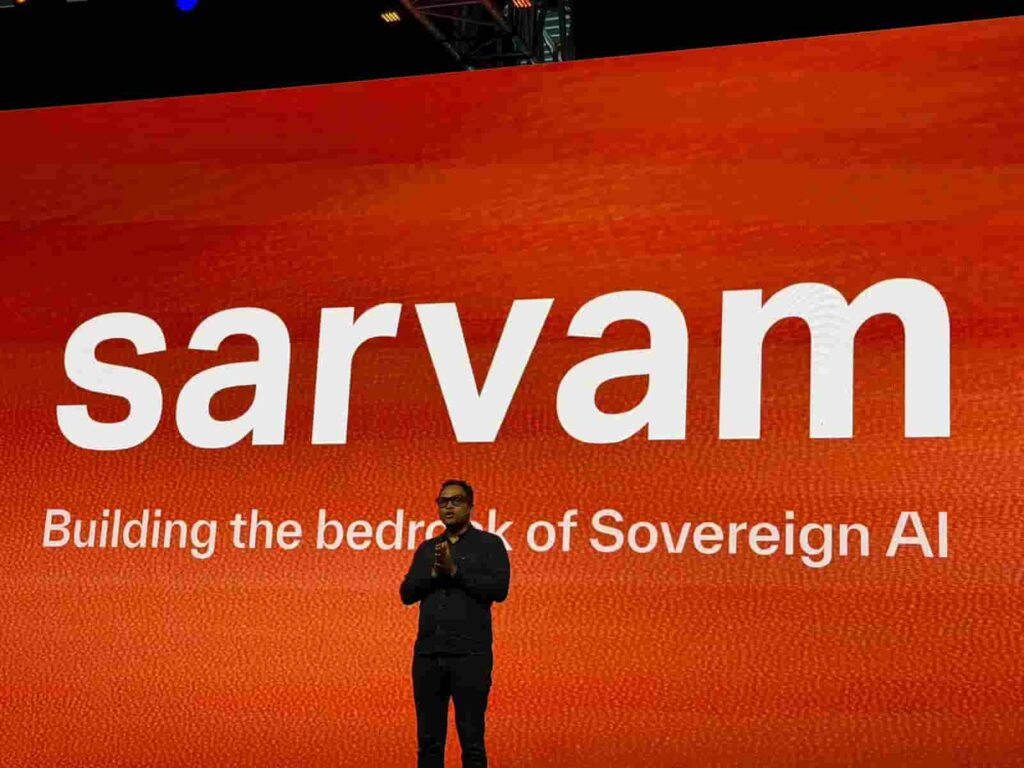
India emerges as an AI powerhouse with Sarvam AI’s indigenous models, earning praise from global tech leaders and government backing. Selected under the IndiaAI Mission with ₹246.72 crore support, Sarvam AI is building sovereign, multilingual AI tailored for India’s diverse linguistic and governance needs.Homegrown AI for Viksit BharatSarvam AI, founded in August 2023 by Vivek Raghavan and Pratyush Kumar, develops full-stack AI platforms entirely in India, from compute infrastructure to applications. At the India AI Impact Summit 2026, Union Minister Amit Shah lauded it as exemplifying why “the future belongs to India,” advancing Viksit Bharat through inclusive tech reaching every citizen.Google CEO Sundar Pichai highlighted Sarvam’s developer energy, stating their local models for Indian languages face “no impediments” and are “very well positioned.” The startup’s Sarvam Vision model achieved 84.3% accuracy on olmOCR-Bench (English subset), outperforming Google’s Gemini 3 Pro and OpenAI’s ChatGPT in document understanding.Core Foundational ModelsSarvam’s models prioritize India’s 22 scheduled languages, code-mixed speech, and mixed scripts:Bulbul (Text-to-Speech): 11 Indian languages, 39 distinct voices for natural, culturally fluent output.Saaras (Speech-to-Text): All 22 scheduled languages, 8kHz telephony audio, handles code-mixed inputs.Vision (Document Understanding): 22+ languages, including handwritten/historical texts; excels in OCR, image captioning, and chart/table interpretation.These enable multimodal tasks like visual analysis across languages, surpassing global rivals in Indic benchmarks with the new Sarvam Indic OCR Bench.Full-Stack Sovereign EcosystemSarvam’s integrated AI stack spans conversations, work, content, and edge deployment:PlatformKey CapabilitiesImpactSarvam for ConversationsHuman-like voices in 11 languages; 100M+ interactions, <500ms latency, 10x ROIEnterprise-scale voice AI, deploys in <24 hoursSarvam for WorkAI-assisted build-debug-optimize; open/modular integrationAccelerates enterprise value across models/dataSarvam for ContentMultilingual video dubbing (voice cloning, lip-sync), document translation preserving layout/toneContent creation with quality review toolsSarvam for EdgeLow-latency multimodal AI for on-device NLP, real-time translation/summarizationEdge-cloud hybrid for assistantsStrategic Partnerships Driving ScaleSarvam embeds AI in public services and enterprises:UIDAI: GenAI stack for Aadhaar, voice interaction, fraud detection, and real-time enrollment feedback in 10 languages (on-premise).Odisha Govt: 50MW Sovereign AI Hub for mining safety, industrial use, Odia skilling.Tamil Nadu & IIT Madras: Digital Sangam—India’s first Sovereign AI Research Park with 20MW data center for compute, research, startups.SBI Life Insurance: Samvaad/Arya for 8 crore customers—voice policy servicing (11 languages), multilingual claims bot, agent co-pilot; nationwide rollout by August 2026.Path to Digital SovereigntyBy reducing foreign AI dependence, Sarvam fosters open-source innovation across startups, academia, and industry. Free Document Intelligence API (February 2026) invites developers to build at scale. As Pichai noted India’s thriving entrepreneurship, Sarvam positions the nation as a global AI contender, rooted in linguistic diversity, governed locally, and scaled for population-level impact.
Claude vs ChatGPT: How OpenAI and Anthropic Are Shaping the Future of Artificial Intelligence

The rapid evolution of generative artificial intelligence over the past few years has been largely defined by two major players—OpenAI and Anthropic. Their flagship AI systems, ChatGPT and Claude, have emerged as leading conversational models, widely used across industries ranging from media and education to software development and enterprise automation.While both tools are built on advanced large language models (LLMs) and often perform similar tasks, they differ significantly in their design philosophy, capabilities, safety approach, and real-world applications. As AI becomes more deeply embedded in everyday workflows, understanding these differences is essential for users, businesses, and policymakers alike.Origins and Development: Two Different ApproachesChatGPT was launched by OpenAI in late 2022 and quickly became a global phenomenon, crossing millions of users within days. Its success was driven by its ease of use, conversational ability, and versatility, making it accessible to both professionals and casual users.Claude, introduced by Anthropic in 2023, entered the market as a more safety-focused alternative. Anthropic itself was founded by former OpenAI researchers, with a clear mission to build AI systems that are more controllable, interpretable, and aligned with human values.This divergence in origins reflects the broader contrast between the two platforms—one prioritising rapid innovation and wide usability, the other emphasising cautious deployment and ethical safeguards.Core Philosophy: Capability vs AlignmentAt the heart of the comparison lies a fundamental difference in philosophy.OpenAI’s ChatGPT is designed to be highly capable and adaptable, supporting a wide range of use cases such as writing, coding, research, design, and even voice-based interactions. It aims to be an all-in-one AI assistant.Anthropic’s Claude, by contrast, is built on the concept of “constitutional AI”, a framework that guides the model’s behaviour using a set of predefined ethical principles. This makes Claude more measured, cautious, and aligned, particularly in sensitive or complex contexts.In practical terms, this means:ChatGPT often offers more flexible and creative outputsClaude tends to produce more restrained, carefully reasoned responsesCapabilities and Technical StrengthsMultimodal Features and EcosystemChatGPT has a clear advantage when it comes to multimodal capabilities. It supports:Text generation and editingImage understanding and generationVoice conversationsCustom AI assistants and integrationsThis makes it a more dynamic and feature-rich platform, especially for content creators, marketers, and general users.Claude remains more text-centric, focusing on:Long-form writingDocument analysisCoding assistanceResearch-heavy tasksWhile it can process large files and images, it does not yet match ChatGPT’s broader ecosystem of tools and integrations.Context Window and Long-Form ProcessingOne of Claude’s biggest strengths is its ability to handle extremely large context windows. It can process long documents—such as research papers, contracts, or entire books—with greater continuity and coherence.This makes Claude particularly effective for:Legal analysisAcademic researchLarge-scale documentation tasksChatGPT, while also capable of handling extended context, is generally more optimised for interactive conversations and faster responses, rather than extremely long inputs.Reasoning and Analytical DepthClaude is often recognised for its strength in deep reasoning and structured thinking. Its responses tend to be:More detailedLogically sequencedCautious in uncertain scenariosChatGPT, on the other hand, excels in:Balanced reasoning across domainsQuick problem-solvingConversational clarityFor users, this translates into a trade-off between depth and speed.Writing Style and User ExperienceThe difference between the two models becomes especially visible in their writing styles.ChatGPT produces content that is engaging, creative, and conversational, making it ideal for storytelling, marketing copy, and social media content.Claude leans towards a more formal, structured, and nuanced tone, often preferred for reports, essays, and professional communication.For newsroom-style writing, both can be effective, but Claude’s tone is often perceived as slightly more measured and editorial, while ChatGPT is more adaptable to different tones and audiences.Use Cases Across IndustriesBoth platforms have seen widespread adoption, but their strengths align with different use cases.ChatGPT is widely used for:Content creation and journalismEducation and tutoringCoding and debuggingCreative writing and brainstormingClaude is increasingly used for:Enterprise workflowsPolicy and compliance analysisLong-form documentationResearch-intensive tasksIn many organisations, the two are used together rather than in competition, depending on the task at hand.Safety, Ethics, and ReliabilitySafety is where Claude distinguishes itself most clearly. Built with a strong emphasis on ethical AI, it is more likely to:Avoid harmful or sensitive outputsProvide balanced perspectivesRefuse risky or ambiguous queriesChatGPT also incorporates safety systems, but it is generally less restrictive, allowing for broader exploration and creativity.This difference can be critical in sectors like:LawHealthcareGovernment policywhere accuracy and caution are more important than flexibility.Performance and Real-World ComparisonsRecent benchmarks and user comparisons suggest that:Claude often performs better in multi-step reasoning and long-form tasksChatGPT excels in speed, versatility, and multimodal interactionsHowever, performance varies depending on:The complexity of the taskThe clarity of user promptsThe specific model version being usedThere is no universal winner—only context-dependent superiority.The Bigger Picture: Competition Driving InnovationThe rivalry between OpenAI and Anthropic is not just about two AI tools—it represents a broader debate within the tech industry:Should AI prioritise maximum capability and innovation?Or should it focus on safety, alignment, and controlled growth?Both approaches are shaping the future of artificial intelligence in different ways.As governments begin to regulate AI and businesses integrate it into core operations, the balance between power and responsibility will become increasingly important.Where Things Stand TodayAs of 2026, both ChatGPT and Claude have established themselves as leading AI assistants globally, each with its own strengths and limitations. Their continued development is expected to push the boundaries of what AI can achieve—while also raising important questions about governance, ethics, and human-AI collaboration.In practical terms, users are no longer choosing between them as competitors, but rather leveraging them as complementary tools, depending on whether the task demands creativity, speed, depth, or caution.Together, they are redefining how information is created, processed, and consumed in the digital age.
Bharatiya GPT: India’s Push Towards Indigenous AI Models
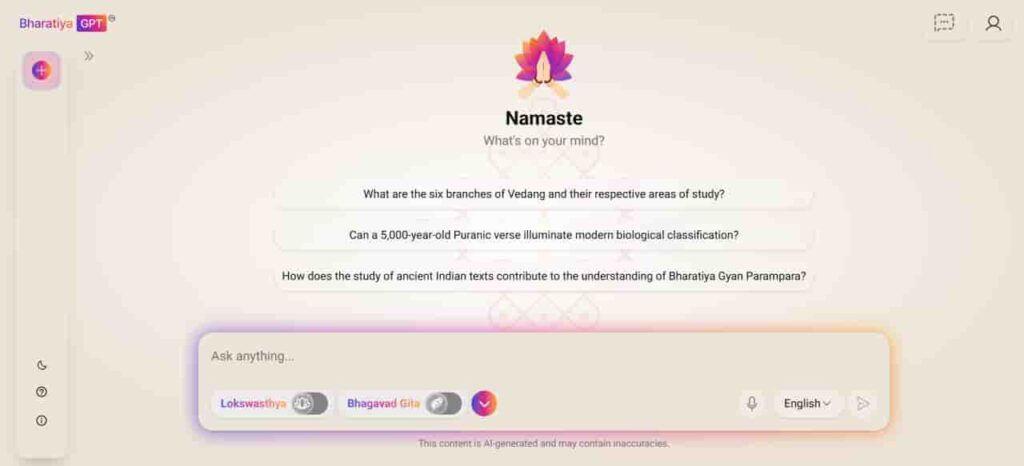
As artificial intelligence continues to reshape industries globally, India has been steadily moving towards building its own large language models (LLMs), often referred to in public discourse as “Bharatiya GPT.” The term does not denote a single product, but rather represents a broader effort to develop India-focused AI systems that understand the country’s languages, cultural context, and governance needs.At the centre of this movement are government-backed initiatives, academic collaborations, and private sector innovations aimed at reducing dependence on global AI platforms.The Need for an India-Centric AI ModelMost globally dominant AI systems, including those developed by OpenAI and Google, are primarily trained on English-heavy datasets and Western contexts. While they perform well globally, their understanding of India’s linguistic diversity and socio-cultural nuances remains limited.India, with over 20 officially recognised languages and hundreds of dialects, requires AI systems that can:Understand and generate regional languages accuratelyInterpret local context, idioms, and governance frameworksServe sectors like agriculture, healthcare, and public administration at scale“Bharatiya GPT” is therefore envisioned as a solution tailored specifically to these needs.Government-Led Initiatives and Policy PushThe Indian government has played a key role in advancing indigenous AI capabilities. Under its broader digital transformation agenda, several initiatives have been launched to support AI research and deployment.One of the central efforts is the IndiaAI Mission, which focuses on:Building domestic AI infrastructureSupporting startups and research institutionsCreating datasets in Indian languagesAdditionally, institutions like Indian Institute of Technology Madras and Indian Institute of Technology Bombay have been actively involved in AI research, contributing to language models and speech technologies tailored for Indian users.Rise of Indigenous AI ModelsIndia has already seen the emergence of several homegrown AI models that align with the idea of “Bharatiya GPT.”Key Developments:AI4BharatA research initiative focused on building open-source datasets and models for Indian languages. It has played a significant role in enabling multilingual AI capabilities.KrutrimDeveloped by Ola, Krutrim is one of India’s first large language models designed specifically for Indian users, supporting multiple regional languages.Reliance Jio AI initiativesIn collaboration with global technology partners, Jio has been working on AI platforms aimed at large-scale deployment across its digital ecosystem.These developments indicate a growing ecosystem where both public and private players are contributing to India’s AI ambitions.Challenges in Building Bharatiya GPTDespite strong momentum, developing a fully indigenous AI model comes with several challenges:1. Data AvailabilityHigh-quality datasets in Indian languages are limited compared to English, making training complex.2. Computing InfrastructureTraining large AI models requires massive computational resources, an area where global players still have an advantage.3. Linguistic ComplexityIndia’s linguistic diversity adds layers of difficulty in ensuring accuracy, consistency, and contextual understanding.4. Funding and ScaleBuilding and maintaining LLMs is capital-intensive, requiring sustained investment.Strategic Importance for IndiaThe push for Bharatiya GPT is not just technological—it is also strategic.Key Benefits:Digital SovereigntyReduces dependence on foreign AI systemsInclusionEnables access to AI in regional languages, especially in rural areasEconomic GrowthSupports startups, innovation, and job creationGovernance EfficiencyHelps in citizen services, policy implementation, and digital governanceGlobal Context and CompetitionIndia’s efforts mirror a broader global trend, where countries are developing their own AI models to maintain technological independence. Nations like China and the European Union have already invested heavily in localized AI systems.In this context, Bharatiya GPT represents India’s attempt to establish itself as a serious player in the global AI ecosystem, rather than just a consumer of foreign technology.The Road AheadIndia’s journey towards building a fully functional “Bharatiya GPT” is still evolving. Future developments are expected to focus on:Expanding multilingual capabilitiesImproving accuracy and contextual understandingScaling infrastructure through public-private partnershipsIntegrating AI into everyday governance and business use casesConclusion“Bharatiya GPT” is not a single product but a national vision for AI self-reliance. It reflects India’s ambition to create technology that is not only globally competitive but also deeply rooted in its own linguistic and cultural landscape.As development continues, the success of this initiative will depend on how effectively India can balance innovation, inclusivity, and scale—while building AI systems that truly understand and serve its diverse population.
Tesla’s India Entry: Retail Expansion and Customer Response So Far
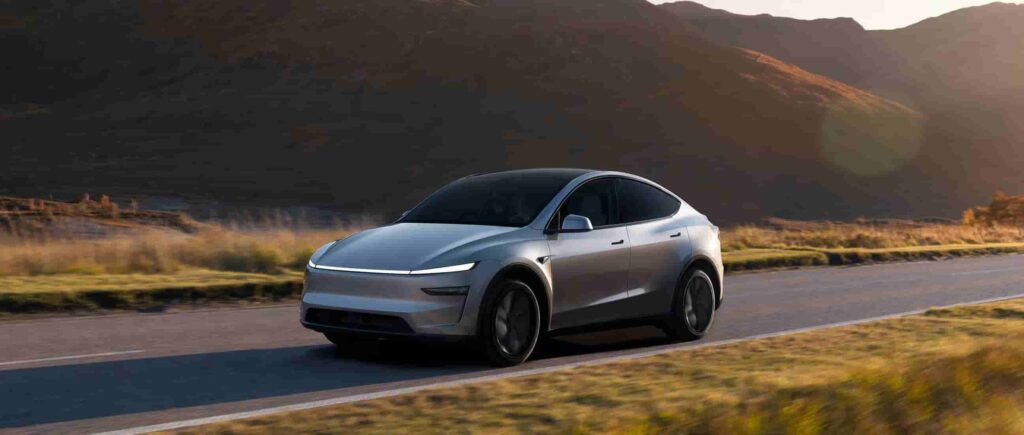
Tesla’s long-anticipated entry into India finally materialised in 2025, marking a significant moment for the country’s evolving electric vehicle (EV) ecosystem. After years of discussions around import duties, localisation, and policy frameworks, the company adopted a measured, retail-first approach, choosing to test the market before committing to large-scale manufacturing.A Strategic Entry into a Price-Sensitive MarketTesla officially began its India journey with the launch of the Model Y, positioning it in the premium electric SUV segment. However, unlike other automakers that localised production early, Tesla opted to import vehicles as completely built units (CBUs).This decision has directly impacted pricing. Due to India’s high import duties on electric vehicles, the Model Y has been priced upwards of ₹60 lakh, placing it firmly in the luxury bracket. In a market where the majority of car buyers operate within a much lower price range, Tesla’s initial strategy clearly targets high-net-worth individuals and early adopters rather than the mass market.Retail Expansion Through Experience CentresA defining feature of Tesla’s India entry is its direct-to-consumer retail model, which eliminates traditional dealerships. The company opened its first experience centre in Mumbai’s Bandra-Kurla Complex (BKC), one of the country’s most premium commercial hubs.These experience centres are designed not just as showrooms but as brand spaces, allowing customers to interact with Tesla’s technology, design, and ecosystem. Expansion plans have focused on metro cities such as Delhi and Bengaluru, where demand for premium electric vehicles is relatively higher.Tesla’s retail approach aligns with its global strategy—maintaining control over customer experience while integrating online bookings and minimal physical sales infrastructure.Building the Charging EcosystemRecognising that infrastructure is key to EV adoption, Tesla has also begun laying the groundwork for its charging network in India. The company has introduced its fast-charging Supercharger technology in select urban locations, enabling quicker turnaround times for users.However, the broader challenge remains. India’s EV charging infrastructure is still developing, with uneven availability across regions. While metro cities are gradually improving, range anxiety and accessibility continue to influence customer decisions.Tesla’s approach, therefore, appears incremental—expanding infrastructure in tandem with demand rather than investing aggressively upfront.Early Sales Trends and Market RealityInitial data suggests that Tesla’s entry has generated strong curiosity but limited scale in actual sales.In the months following its launch:The company recorded a few hundred initial ordersBookings crossed the 1,000 mark over timeActual registrations remained relatively low compared to overall EV sales in IndiaThis gap between interest and conversion highlights a key reality: while Tesla enjoys strong brand recall, pricing and infrastructure constraints are slowing adoption.Customer Response: Aspirational Yet CautiousCustomer response to Tesla in India has been a mix of excitement and hesitation.On the positive side, the brand continues to carry significant aspirational value. For many consumers, owning a Tesla is associated with innovation, sustainability, and global status. Demand has been particularly visible in metro cities like Mumbai, Delhi, and Bengaluru, where premium vehicle buyers are more concentrated.At the same time, several concerns have emerged. The high price point remains the biggest barrier, limiting Tesla’s reach to a niche segment. Additionally, buyers are still evaluating practical aspects such as charging convenience, service network availability, and long-term maintenance.As a result, while interest levels remain high, purchase decisions are being made cautiously.Competitive Landscape and Market PositioningTesla’s entry has come at a time when India’s EV market is already witnessing rapid growth, led primarily by domestic and mid-range players.Companies like Tata Motors have established dominance in the affordable EV segment, while brands such as MG Motor and Hyundai are strengthening their presence in the mid-premium category.In this landscape, Tesla currently operates as a luxury niche player, rather than a volume-driven competitor.Policy Environment and the Manufacturing QuestionA critical factor shaping Tesla’s future in India is government policy. The Indian government has introduced incentives for global EV manufacturers, including reduced import duties, provided companies commit to local manufacturing investments.So far, Tesla has not announced a concrete manufacturing facility in India, choosing instead to evaluate market conditions through imports. This decision has kept costs high but allows the company flexibility in its early stages.However, industry experts widely agree that local manufacturing will be essential for Tesla to scale meaningfully in India.The Road AheadTesla’s India journey is still in its early phase. Its current strategy reflects caution—focusing on brand establishment, limited retail expansion, and gradual infrastructure development.Going forward, the company’s growth will depend on several key factors:Introduction of more affordable modelsExpansion of charging infrastructureStrengthening of after-sales and service networksClarity on local manufacturing plansConclusionTesla’s entry into India has been significant, not for its immediate scale but for its symbolic and strategic impact on the EV ecosystem. It has reinforced the premium electric vehicle segment and contributed to increasing consumer awareness around EV technology.However, the initial response also underlines the realities of the Indian market—price sensitivity, infrastructure gaps, and strong domestic competition.For now, Tesla remains an aspirational brand with limited reach. Whether it can transition into a mainstream player will depend on how effectively it adapts to India’s unique market dynamics in the coming years.
WIRIN: India’s First Driverless Car Developed by Wipro, IISc and RV College

Image: EvfyIndia took a significant step towards autonomous mobility with the development of WIRIN (Wipro Infrastructure Engineering Research & Innovation Network), the country’s first indigenously developed driverless car prototype. The project was a collaborative effort between Wipro, Indian Institute of Science, and RV College of Engineering, bringing together industry expertise and academic research.The initiative marked a major milestone in India’s journey towards autonomous vehicle technology, a field that has largely been dominated by global players.Concept and Development of WIRINWIRIN was conceptualised as a research-driven project aimed at building a self-driving vehicle prototype suited for Indian road conditions. Unlike controlled environments in Western countries, Indian roads present unique challenges such as:High traffic densityMixed vehicle types (cars, bikes, pedestrians, animals)Unpredictable driving behaviourThe project focused on creating an intelligent system capable of navigating these complexities through advanced sensing and decision-making technologies.Technology Behind the Driverless SystemThe WIRIN prototype was equipped with a combination of cutting-edge technologies that enabled autonomous driving.At its core, the vehicle used:Sensors and cameras to detect surroundingsLidar and radar systems to map obstacles and distancesArtificial Intelligence (AI) algorithms for decision-makingMachine learning models to continuously improve driving behaviourThese systems worked together to help the car:Identify road lanes and traffic signalsDetect pedestrians and other vehiclesMake real-time navigation decisionsControl speed, braking, and steering without human interventionThe integration of hardware and software was designed to simulate human-like driving capabilities, while maintaining higher levels of precision and safety.Role of Collaborating InstitutionsEach partner in the project played a crucial role in its development.Wipro contributed technological infrastructure, research funding, and industry expertise.Indian Institute of Science led core research in artificial intelligence, robotics, and data processing.RV College of Engineering was involved in system integration, testing, and engineering development.This collaboration reflected a growing trend in India where academia and industry are working together to build advanced technological solutions.Testing and DemonstrationThe WIRIN driverless car was tested in controlled environments, particularly within campus premises and designated test tracks in Bengaluru. During these trials, the vehicle demonstrated its ability to:Navigate predefined routes autonomouslyAvoid obstaclesRespond to dynamic changes in the environmentWhile the system performed effectively in controlled settings, developers acknowledged that large-scale deployment on public roads would require further refinement and regulatory approval.Challenges in the Indian ContextDeveloping a driverless car in India comes with unique challenges that go beyond technology.One of the biggest hurdles is the lack of standardised road infrastructure, including inconsistent lane markings and traffic management systems. Additionally, unpredictable road behaviour and diverse traffic patterns make real-world deployment more complex.There are also regulatory and legal considerations, as India currently does not have a fully developed framework for autonomous vehicles. Safety concerns, liability issues, and policy guidelines need to be addressed before such vehicles can be commercially introduced.Significance for India’s Mobility FutureDespite these challenges, the WIRIN project represents an important step forward in India’s mobility landscape. It highlights the country’s growing capability in:Artificial intelligence and roboticsAutomotive innovationResearch and developmentThe project also opens up possibilities for future applications such as:Autonomous public transport systemsSmart city mobility solutionsDriver-assistance technologies in conventional vehiclesA Beginning, Not the EndThe development of WIRIN does not immediately translate into driverless cars on Indian roads, but it lays the foundation for future advancements. As technology evolves and regulatory frameworks are established, such innovations could gradually move from prototypes to practical use.The WIRIN driverless car project stands as a testament to India’s progress in emerging technologies. By combining academic research with industry expertise, it has demonstrated that the country is capable of developing sophisticated autonomous systems tailored to its unique conditions.
Anthropic’s Claude Cowork Plug-ins Spark ‘SaaSpocalypse’: Global Tech Sell-Off Hits Indian IT Hard

Global tech markets plunged into chaos following Anthropic’s January 30, 2026, launch of 11 open-source plug-ins for its Claude Cowork agent, igniting fears that agentic AI could obliterate traditional SaaS models and disrupt India’s IT services giants. Indian IT stocks like Infosys (down 8%), TCS (6.46%), HCLTech (5.76%), Wipro, and Tech Mahindra cratered, erasing over ₹5.7 lakh crore in market cap as the Nifty IT index dropped 19% in eight sessions, its worst since 2020.The Trigger: Claude Cowork’s Game-Changing Plug-insAnthropic, founded in 2021 by ex-OpenAI leaders Dario and Daniela Amodei, shifted AI from chatbots to autonomous “coworkers.” These no-code plug-ins bundle skills, connectors, and sub-agents for enterprise roles, autonomously planning, executing, and validating multi-step tasks like document processing, cross-verification, and adaptive strategies. Key offerings target:Plug-in CategoryCore FunctionsLegalContract review, NDA analysis, compliance checks, risk flagging.SalesProspect research, deal prep, process tracking.FinanceFinancial modelling, metrics tracking.Data/Marketing/ProductQuery/visualise datasets, campaign planning, and roadmap prioritisation.Others (Productivity, Support, Biology)Task/calendar management, issue triage, and literature analysis.This “vibe coding” lets users describe intent in plain English, bypassing specialised software from Salesforce, ServiceNow, or Adobe—threatening recurring subscriptions that fueled SaaS profits.Market Carnage: Wall Street to Dalal StreetUS: Nasdaq fell 1.4-2.4%; Goldman Sachs software basket 6%; S&P 500 -0.84%. Adobe (-7.31%), Cognizant (-10.14%), Thomson Reuters (-15.67%), Gartner (-20.87%), Equifax (-12.11%), ServiceNow/Salesforce (~7%) shed $ 300 B in market cap. Even Nvidia/Meta dipped 2-3%.India: Infosys ADR -5.56% (Nasdaq); TCS mcap below ₹10 lakh crore (2020 levels); Nifty IT -3-6% daily. Sensex dragged 100+ points.Termed ‘SaaSpocalypse’: Jefferies warns AI agents compress software categories into one interface, turning tools into utilities.Palantir’s CTO noted AI slashing SAP migrations from years to weeks, amplifying panic over billable hours in legal research, compliance, and due diligence, bread-and-butter for Indian IT juniors.Indian IT Sector: Existential Threat or Overreaction?India’s IT behemoths thrived on outsourcing data processing, analysis, and support—now AI-vulnerable. Economic Survey 2025-26 flagged risks: concentrated AI data/compute erodes India’s edge if adaptation lags. Mustafa Suleyman-like warnings predict 12-month white-collar hits (lawyers, accountants, coders).Bear Case: Agentic AI automates L1 support, reporting, testing—hollowing low-end services; clients rethink headcount-heavy models.Bull Rebuttals:JPMorgan sees “compelling value” in Infosys/TCS; correction temporary.Cognizant CEO Ravi Kumar: Enterprises need integrators for AI-human bridges; no “plug-and-play” magic.Zoho’s Sridhar Vembu: Domain expertise trumps AI; SaaS woes predated agents.Happiest Minds’ Ashok Soota: Disruption expands IT roles in transformation.Experts (Pareekh Jain, Prasad Valavade): Incremental impact; humans essential for governance, legacy integration, high-stakes decisions. Legal AI needs oversight (Adv. Varun Singh).Broader Implications and Road AheadSalesforce’s 1,000 AI-driven layoffs signal restructuring. Anthropic’s Dario Amodei reassures startups: “Claude powers AI-native firms.” Indian firms pivot to AI orchestration, but face pricing pressure (fixed-fee vs. hours). JPMorgan urges buying the dip; long-term, IT survives as AI embedders.As of February 17, 2026, markets stabilise slightly, but the AI shift, from assistant to executor, reshapes software economics. Indian IT must accelerate: reskill, embed AI in processes, or risk obsolescence. The ‘SaaSpocalypse’ may be hype, but evolution is inevitable.