


Estonia President’s Official Visit to India: A Milestone in Bilateral Engagement
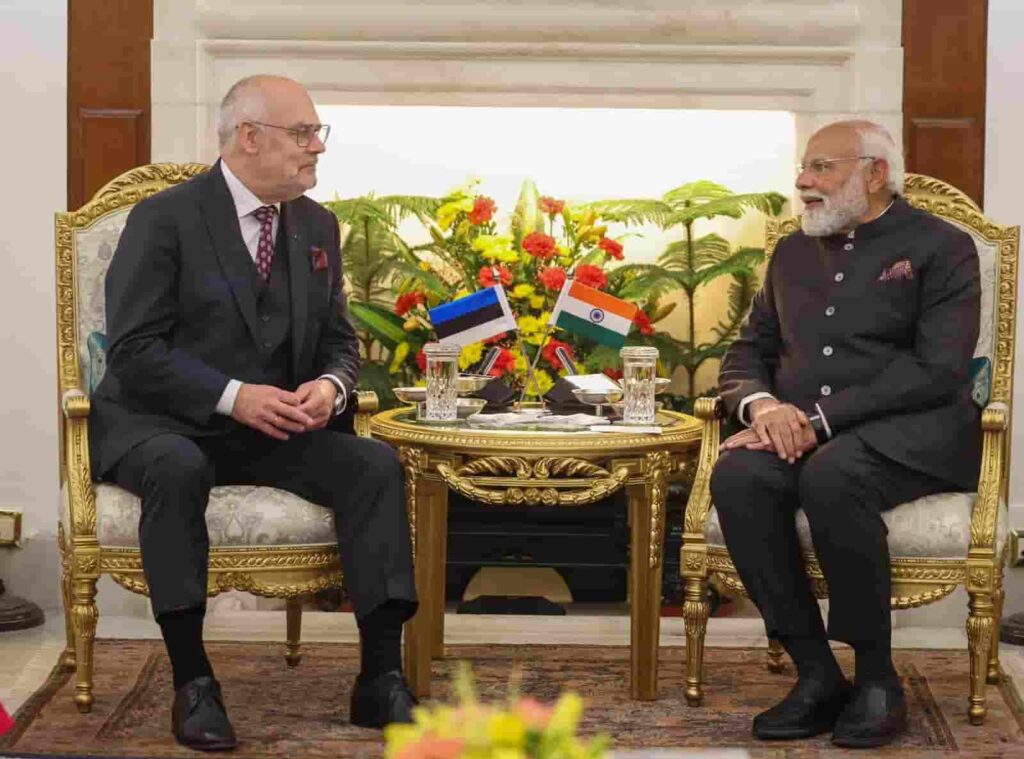
President Alar Karis, the Head of State of Estonia, concluded a significant official visit to India on February 19, 2026, underscoring deepening ties between the two countries across diplomacy, trade, digital cooperation, education and cultural exchange. The discussions and engagements during the visit reflected shared democratic values, mutual interest in technology-led growth and a growing emphasis on people-to-people links.This visit marked a high-profile diplomatic engagement that elevated relations between India and Estonia — both of which are democracies with strong commitments to digital innovation, open governance and strategic multilateral cooperation.Official Welcoming and High-Level MeetingsPresident Alar Karis was received at Rashtrapati Bhavan by President of India Smt. Droupadi Murmu, in a ceremony that reaffirmed the importance both nations place on their bilateral relationship. The ceremonial reception, followed by formal talks, set the tone for substantive discussions on a broad agenda of cooperation.In their meeting, President Murmu and President Karis reviewed ongoing collaboration, expressed satisfaction with the growing momentum of bilateral ties, and identified new avenues for future engagement. Both leaders spoke of shared democratic principles, respect for sovereignty, and the potential for deeper cooperation in emerging sectors.Strategic and Technology CooperationEstonia is known globally for its success in digital governance, cybersecurity and e-services, and these areas took centre stage during the visit. India and Estonia discussed cooperation in:Digital infrastructure and e-governance modelsCybersecurity partnershipsData governance frameworksDigital economy initiativesIndia shared its experience with large-scale programs such as Aadhaar and DigiLocker, while Estonia showcased best practices from its e-Estonia ecosystem — widely regarded as one of the most advanced digital societies in the world.Both sides expressed interest in knowledge exchange and joint initiatives that could benefit public service delivery, innovation pipelines and digital skill development.Economic and Trade EngagementBilateral trade and economic cooperation were key components of the discussions. While overall trade volume between India and Estonia has remained modest compared to India’s larger European partners, both nations affirmed a desire to broaden commercial links.Estonian companies operating in fields such as information technology, clean energy solutions, precision engineering and logistics services were identified as potential partners for deeper engagement with Indian enterprises. Similarly, Indian firms were encouraged to explore opportunities in the Estonian market, particularly in high-technology and service sectors.Both countries agreed on the need to further institutionalise trade facilitation mechanisms, reduce barriers and foster business dialogue through joint economic forums.Education, Culture and People-to-People LinksThe Presidents highlighted the importance of educational and cultural exchanges as core pillars of bilateral engagement. India and Estonia reaffirmed their commitment to expanding academic collaborations, student mobility programs and cultural showcases that deepen understanding between their citizens.Emphasis was placed on supporting:University partnershipsResearch collaboration in science and technologyStudent exchange schemesCultural festivals and artistic collaborationsThese initiatives were seen as vital for building stronger long-term ties, especially among young professionals, innovators and academics.Multilateral Cooperation and Shared ValuesIndia and Estonia also explored cooperation at the United Nations and other multilateral forums. Both countries reiterated their commitment to democratic norms, rule of law, peaceful resolution of disputes and inclusive development.There was agreement on enhancing joint efforts on global issues such as climate change, sustainable development, digital governance norms, and secure cyberspace regulations.Joint Statement and Future RoadmapAt the conclusion of the visit, both leaders issued a joint statement reaffirming their intent to broaden cooperation across multiple domains, including:Digital transformation and cybersecurityEconomic and trade linkagesEducation and cultural exchangeMultilateral engagement and strategic dialogueThe statement also expressed mutual respect for each other’s development models and acknowledged the importance of continued high-level visits and institutional dialogue mechanisms.Significance of the VisitPresident Karis’s visit to India in February 2026 carries strategic significance on several fronts. India’s engagement with Estonia — a small but highly innovative member of the European Union — reflects New Delhi’s broader approach to building partnerships based on shared technological and governance priorities rather than solely on scale.For Estonia, strengthening ties with India provides enhanced access to one of the world’s fastest-growing major economies and offers opportunities to participate in collaborative initiatives in technology, education and strategic innovation. Estonia’s expertise in digital governance was highlighted as a complementary asset to India’s own digital transformation journey.The visit also reaffirmed that India’s foreign policy priorities extend beyond traditional geopolitical partnerships to include innovative, technology-driven countries positioned for long-term global impact.As bilateral engagement moves forward, both sides signalled their intention to operationalise the discussions through focussed working groups, expert exchanges and public-private cooperation platforms that translate high-level commitments into actionable outcomes.President Karis’s visit, therefore, stands out not merely as ceremonial diplomacy but as a visit that helped articulate a forward-looking India-Estonia partnership in the digital age — one rooted in shared values, mutual respect and practical collaboration.
Nissan Introduces ‘Gravite’ Edition, Reinforces Push in India’s Compact SUV Segment
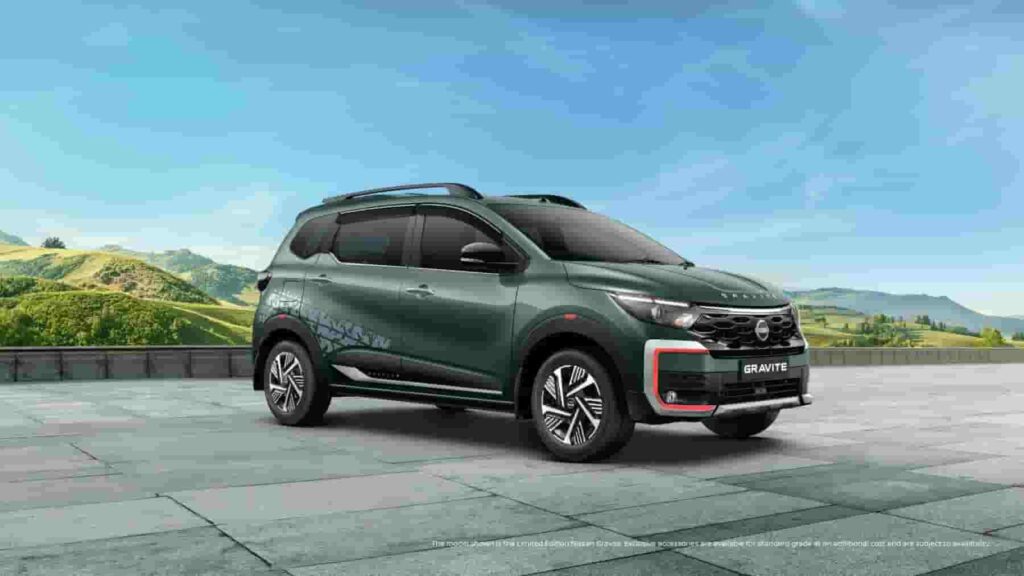
Image: Nissan IndiaNissan has introduced the Gravite as part of its India product strategy, signalling a renewed focus on strengthening its presence in the highly competitive compact SUV space. The launch comes at a time when demand for compact, feature-rich urban SUVs continues to outpace other passenger vehicle segments, driven by younger buyers and first-time car owners upgrading from hatchbacks.The Gravite has been positioned as a newly introduced edition rather than an entirely new nameplate, aligning with Nissan’s approach of refreshing and repackaging its offerings to remain competitive without altering the underlying platform. Company officials have indicated that the edition is aimed at enhancing visual appeal, perceived premiumness and feature value, while retaining the mechanical fundamentals that have already found acceptance in the Indian market.Context of the LaunchNissan’s India portfolio has undergone a gradual recalibration over the past few years, with the company focusing on fewer but more strategically positioned products. The introduction of the Gravite edition is seen as part of this recalibrated approach — offering customers something distinct within an existing framework, while keeping costs and production complexity under control.Industry observers note that such editions are often aimed at sustaining showroom interest and responding to evolving consumer preferences without the risks associated with full model overhauls.Design and PositioningVisually, the Gravite is understood to place emphasis on styling differentiation and interior presentation, elements that increasingly influence purchase decisions in the compact SUV category. The edition is intended to appeal to buyers seeking a more premium look and feel, especially in urban markets where design and brand perception play a significant role.Rather than altering the vehicle’s size, structure or mechanical layout, the focus remains on enhancing desirability through cosmetic and feature-level updates, ensuring the vehicle continues to meet regulatory norms and cost expectations.Powertrain and Mechanical ContinuityFrom a mechanical standpoint, Nissan has retained the existing engine and transmission options associated with its compact SUV lineup. This continuity reflects a broader industry trend, where manufacturers prioritise reliability, fuel efficiency and compliance over frequent mechanical changes, particularly in price-sensitive segments.By maintaining proven powertrain configurations, Nissan is also aiming to reassure customers on long-term ownership costs, service familiarity and resale value.Market Competition and StrategyThe Gravite enters an intensely contested segment dominated by established players from both Indian and global manufacturers. Compact SUVs have emerged as one of the most crowded categories in the passenger vehicle market, with buyers expecting a blend of road presence, technology, comfort and efficiency at competitive price points.Nissan’s strategy with the Gravite appears to be value reinforcement rather than reinvention — sharpening the product’s appeal through targeted updates while leveraging its existing dealer network and manufacturing base.
New Tata Punch EV: What Has Changed, How the Battery Options Work, and Why Tata Is Repositioning Its Entry-Level Electric SUV
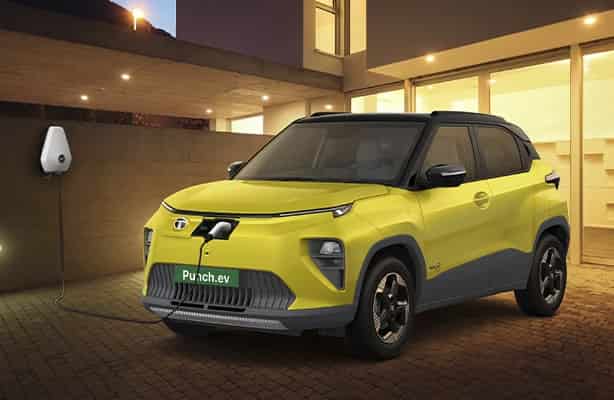
Image: TATA MotorsTata Motors has rolled out an updated version of the Tata Punch EV, strengthening its position in India’s fast-evolving electric vehicle market. The update is not a cosmetic refresh alone; it is part of a broader strategy to make electric mobility more flexible, more affordable at entry, and less intimidating for first-time EV buyers.The Punch EV continues to sit at the entry level of Tata’s electric portfolio, below the Nexon EV, but the latest changes indicate a clear effort to address two persistent concerns among buyers: range anxiety and long-term battery ownership costs.Battery Options Explained: Which Variant Gets WhatA key update in the new Punch EV is the clearer separation of battery options across variants, allowing buyers to choose based on usage rather than paying for excess capacity upfront.The model is offered with two battery pack choices:A smaller battery pack, aimed primarily at city users with predictable daily commutes.A larger battery pack, intended for buyers who want extended real-world range and greater flexibility for longer drives.Each battery option is tied to specific variants rather than being freely configurable. This helps Tata streamline pricing while guiding buyers toward a battery size that realistically matches their needs. The smaller battery is positioned as a practical urban solution, while the larger pack targets customers transitioning fully away from internal combustion vehicles.Range, Performance and Urban FocusWhile Tata continues to quote competitive certified range figures, the company’s emphasis with the Punch EV remains on real-world usability rather than headline numbers. The vehicle is engineered for:Daily city commutesStop-start traffic efficiencyPredictable charging cyclesThe electric motor output and tuning are designed to prioritise smooth acceleration and ease of driving rather than outright performance, aligning with the Punch EV’s role as an everyday compact SUV.Design Updates and Cabin ChangesVisually, the updated Punch EV receives subtle exterior revisions rather than a complete redesign. The front fascia, lighting elements and alloy wheel designs have been refreshed to align with Tata’s newer EV design language, giving the car a slightly more premium and contemporary look without altering its familiar proportions.Inside the cabin, the focus is on technology and ease of use. Updates include:A larger touchscreen infotainment system in higher variantsAn improved digital instrument clusterConnected-car features that allow users to monitor vehicle status remotelyThe cabin layout continues to emphasise space efficiency, upright seating and practicality, which have been strong selling points of the Punch platform.Lifetime Battery Warranty: Addressing Long-Term EV AnxietyOne of the most significant announcements with the new Punch EV is the introduction of a lifetime battery warranty under Tata’s Battery Assurance and Support System (BAAS).This move directly addresses concerns around:Battery degradation over timeReplacement costs after warranty expiryResale value of electric vehiclesBy offering long-term battery coverage, Tata Motors is attempting to reduce psychological barriers for buyers who are hesitant about EV ownership beyond the first few years.Dual Loan Scheme: How It WorksTo further improve affordability, Tata has introduced a dual-loan financing structure. Under this system:One loan covers the vehicle excluding the batteryA second, separate loan is taken for the battery packThis structure lowers the initial loan amount for the car itself and can result in reduced monthly EMIs, especially for buyers opting for the larger battery. It also provides flexibility for future financing and ownership decisions.Market Positioning and CompetitionThe Punch EV operates in a highly competitive and rapidly expanding segment. Tata Motors already leads India’s EV market, and the updated Punch EV is designed to:Attract first-time EV buyersServe as a second car for urban householdsOffer a safer and more robust alternative to smaller city EVsIts closest competition comes from compact electric offerings and upcoming entry-level EVs, but Tata’s advantage lies in its charging ecosystem, brand trust, and after-sales network.Why the Updated Punch EV MattersThe changes to the Punch EV reflect a broader shift in India’s EV market. Buyers are no longer asking only about range; they are asking about ownership clarity, long-term costs, and reliability. By restructuring battery options, offering lifetime warranty coverage and introducing flexible financing, Tata Motors is redefining what an entry-level electric SUV can offer.The Punch EV is no longer positioned merely as the cheapest way into Tata’s EV lineup. Instead, it is being presented as a thoughtfully engineered, long-term urban mobility solution.
India’s Upcoming State Elections 2026: High Stakes Showdowns Across Key States
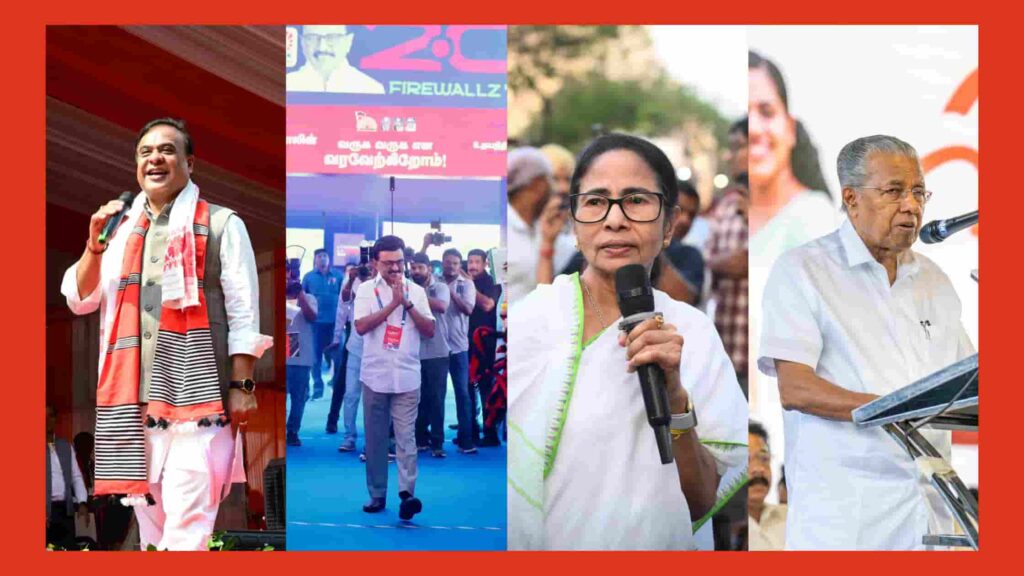
As 2026 unfolds as a major electoral year in India, several state assemblies are set to go to polls, with political parties gearing up for high-profile battles that will shape regional and national political dynamics ahead of the 2029 general elections. The Election Commission of India has already intensified preparations, including voter-roll revisions and finalisation of electoral lists, as competition rises among alliances and regional players.Key States and Territories Headed to the PollsFive major state and union territory elections are scheduled in March–April 2026, with official dates expected to be announced by the Election Commission in mid-March. These elections are critical tests for both national and regional parties.Assam — All 126 seats of the Legislative Assembly will be contested on completion of the incumbent government’s term.Tamil Nadu — Polling is expected for all 234 assembly seats before the current assembly’s term ends in May.West Bengal — Elections for the 294-member Legislative Assembly are due in March–April, with the term ending in May.Kerala — The assembly polls will take place after the final electoral roll of 2.69 crore voters was released, reflecting sustained preparations.Puducherry — The Union Territory’s 30 assembly seats will also be in contention, completing the cycle of polls in these regions.Assam 2026: Ruling NDA Faces Consolidated OppositionThe Assam Legislative Assembly election is expected to be held in March–April 2026 for all 126 seats, with the incumbent National Democratic Alliance (NDA) led by Chief Minister Himanta Biswa Sarma seeking a fresh mandate.The NDA — comprising the Bharatiya Janata Party (BJP), Asom Gana Parishad (AGP), United People’s Party Liberal (UPPL) and Bodoland People’s Front (BPF) — has shown relative unity ahead of the polls, with party leaders asserting strong confidence. Opposition groupings, led by the Indian National Congress and regional allies (such as the All India United Democratic Front), are contesting seat-sharing arrangements and campaign strategies to consolidate anti-incumbency sentiment.Assam’s election context is shaped by issues of development, identity politics, border security and infrastructure spending, with parties highlighting governance records and local socio-economic priorities to appeal to voters.Tamil Nadu: Major Showdown Between AlliancesThe 2026 Tamil Nadu Assembly election will see all 234 assembly seats contested as the incumbent Dravida Munnetra Kazhagam-led Secular Progressive Alliance government, led by M. K. Stalin, seeks re-election. The principal challengers will be the National Democratic Alliance (NDA), driven by a All India Anna Dravida Munnetra Kazhagam-BJP alliance, and various regional fronts.Seat-sharing discussions are underway months ahead of the polls, with significant negotiations involving major allies such as the Manithaneya Makkal Katchi and other partners.Tamil Nadu’s electorate of over 56.7 million voters will decide on governance related to economic growth, social welfare, infrastructure, education and employment issues.West Bengal: TMC, BJP and Opposition Contest in a High-Profile PollWest Bengal is poised for a closely watched assembly election for all 294 seats, likely to be held between March and April 2026. While detailed polling dates are awaited, the polls are expected to be a litmus test of regional party strength against national contenders.The All India Trinamool Congress (TMC) continues to consolidate support amidst challenges from the NDA and other opposition parties. The election outcome in West Bengal will play a crucial role in demonstrating political momentum for various alliances ahead of national elections.Kerala: Assembly Polls With Nuanced Electoral DynamicsKerala’s assembly polls, set for April–May 2026, will see all 140 legislative seats contested. The election environment has been shaped by demographic shifts, as reflected in Kerala’s newly published voter list of over 2.69 crore electors, with women outnumbering men and inclusive representation of third gender and persons with disabilities.Political parties are focusing on traditional issues of social welfare, employment and public services, with rising discussions around state identity and cultural assertions ahead of the elections. Political observers note that regional alliances and local narratives will be significant in shaping voter preferences.Puducherry: Assembly Race in a Union TerritoryPuducherry’s assembly polls, involving 30 seats, are also scheduled for 2026, marking a critical electoral contest in the Union Territory. The small but strategically important electorate has often seen closely contested elections between national and regional fronts.Voter List Revision and PreparationsAcross these states, the Election Commission has undertaken final media roll updates and voter list preparations to ensure clean and updated electoral rolls ahead of the polls. For example, voter list revisions in Tamil Nadu resulted in significant updates to the final electoral roll, impacting millions of names.Rajya Sabha Elections and Legislative ImplicationsIn addition to assembly polls, the **biennial elections to the Rajya Sabha will be held on March 16, 2026, to fill 37 seats across ten states whose members’ terms expire in April. The schedule includes notification on February 26, nomination deadlines on March 5, scrutiny on March 6 and counting on March 16.This phase of Rajya Sabha elections is expected to influence parliamentary arithmetic and party strength in the Upper House ahead of future legislative sessions.Political Stakes and Broader ImpactThe 2026 state elections are critical for political parties as they seek to secure influence ahead of the general elections, projected for 2029. States like Assam, Tamil Nadu, West Bengal, Kerala and Puducherry are not only regional power centres but also reflect broader national narratives around governance, development and coalition politics.Parties are deploying extensive campaign strategies, alliance negotiations and policy platforms tailored to local priorities. Analysts indicate that the outcomes of these polls will not just determine regional governance but also shape political momentum, alliances and discourse on national priorities in the coming years.
Indresh Maharaj Ji’s Grand Wedding: A Celebration of Faith, Culture and Community

The wedding of Indresh Maharaj, a widely revered spiritual leader and teacher, unfolded as a deeply significant cultural and spiritual event, attracting leaders, devotees and dignitaries from across India. Held with traditional rituals, heartfelt celebrations and a strong emphasis on community participation, the ceremony blended age-old religious customs with contemporary festivities, reflecting both personal joy and collective unity.A Ceremony Rooted in TraditionIndresh Maharaj Ji’s wedding took place in [City Name — please confirm], where family members, disciples and well-wishers gathered to witness the sacred union. The wedding rituals were performed in accordance with Hindu traditions, with ceremonies beginning early in the morning and extending through the day with various rites that symbolise marital commitment, spiritual harmony and blessings from elders.The couple was adorned in elegant ceremonial attire that blended traditional craftsmanship with modern design, paying homage to cultural heritage while celebrating contemporary aesthetics. The meticulously orchestrated rituals included Ganesh Puja, Kanyadaan, Varmala and the sanctified Saptapadi, among others — each laden with symbolic significance representing the union of souls, respect for family, and lifelong partnership.Presence of Dignitaries, Devotees and Notable GuestsThe wedding drew a large gathering of devotees, spiritual aspirants, friends and family, underscoring Indresh Maharaj Ji’s role as a community figure and spiritual guide. Among those present were religious leaders from various traditions, social workers, and figures from cultural and public life. Their attendance highlighted the broad respect and admiration that Indresh Maharaj Ji commands across diverse social circles.Eminent personalities offered their blessings and conveyed heartfelt congratulations to the newlyweds, emphasising the values of harmony, mutual respect and spiritual companionship that the marriage symbolises.Celebrations and Cultural ProgrammesBeyond the sacred rituals, the wedding was marked by a series of cultural performances, musical recitals and traditional dances that added vibrancy to the celebrations. Artistes from local and regional backgrounds showcased performances that reflected India’s rich cultural diversity, enhancing the festive atmosphere for attendees of all ages.The event also featured communal meals and gatherings that brought together families and followers in joyful fellowship. Food offerings included a variety of regional delicacies that underscored the cultural roots of the community and provided an inclusive dining experience for all guests.Message of Spiritual Unity and Social HarmonyIn his address during the festivities, Indresh Maharaj Ji emphasised peace, unity and service to humanity as core tenets of his spiritual philosophy. He expressed deep gratitude to his followers and well-wishers, noting that marriage — in addition to being a personal milestone — is an opportunity to foster harmony, mutual understanding and collective wellbeing.Expressing his beliefs in compassion and shared values, Maharaj Ji highlighted that the wedding was not only a personal celebration but also a reaffirmation of the bonds that tie communities together through faith, friendship and common purpose.Social Media and Public ReactionNews of the wedding spread rapidly across social and digital platforms, with devotees sharing images, blessings and congratulatory messages. Hashtags related to the event trended on social media as followers posted their best wishes, reflecting the broad interest among Maharaj Ji’s community and supporters.The coverage also spurred discussions on platforms highlighting cultural wedding traditions, spiritual leadership, and the blending of religious ceremonies with contemporary celebrations.Cultural Significance and Broader ImpactIndresh Maharaj Ji’s wedding has been celebrated as more than a personal milestone; it has emerged as a cultural event that brings attention to the ways in which spiritual leadership, community engagement and tradition intersect in modern India. The ceremony underscored the importance of cultural continuity and collective celebration in strengthening social bonds.For many of his followers, the wedding symbolises a reaffirmation of faith and community identity, inspiring reflections on values of partnership, service and mutual respect.Looking AheadAs Indresh Maharaj Ji and his partner begin their married life together, followers have expressed optimism that his message of unity, compassion and spiritual service will continue to resonate widely. The wedding, while marking the start of a new personal journey, has also served to reinforce the broader ideals and teachings that have long drawn devotees to Maharaj Ji’s guidance.The joyous occasion will long be remembered for its blend of devotional reverence, cultural pageantry and heartfelt celebration, leaving an indelible imprint on all who witnessed and participated in the festivities.
Maruti Suzuki e-Vitara Launched: India’s EV Game-Changer Hits Roads at ₹10.99 Lakh BaaS
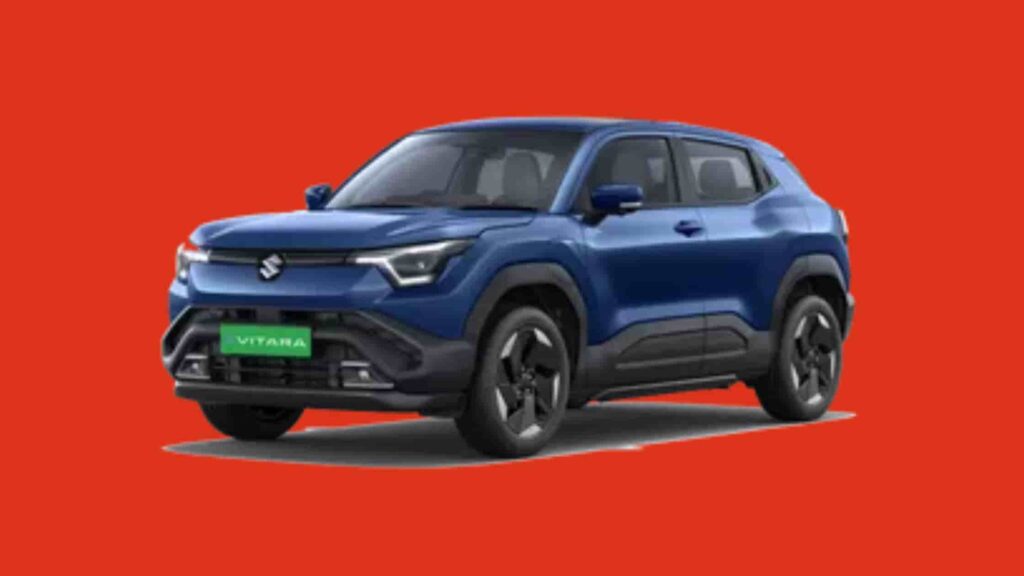
Maruti Suzuki, India’s top carmaker, has electrified the SUV segment with the e Vitara launch, deliveries underway at an introductory Battery-as-a-Service (BaaS) price of ₹10.99 lakh + ₹3.99/km battery EMI (49kWh Delta trim), undercutting rivals like Tata Curvv EV and Mahindra BE 6 while offering up to 543km range.Pricing & Ownership RevolutionBookings from ₹21,000 open now (full list pending); offers valid till March 31, 2026. BaaS splits costs (dual-loan), with e Flex matching existing EMI for upgrades. Assured buybacks shine:3-yr/45,000km: 60% value4-yr/60,000km: 50% valueTrims: Delta (49kWh, 440km ARAI), Zeta/Alpha (61kWh, 543km). WLTP: 344-461km real-world.Powertrain & PerformanceMaruti Suzuki e-Vitara packs two LFP battery options and efficient motors into its HEARTECT-e platform, delivering strong performance for urban and highway EV duties.HEARTECT-e platform (60%+ high-tensile steel) with LFP packs:49kWh: 142hp FWD, 189Nm61kWh: 172hp FWD/300Nm 4WD (ALLGRIP-e)Motor & DrivetrainPermanent Magnet Synchronous Motors (PMSM) with integrated eAxle:49kWh FWD: 142hp (105.8kW), 193Nm torque.61kWh FWD: 172-174hp (128kW), 193Nm.61kWh ALLGRIP-e AWD: Dual motors (~181hp total), up to 300Nm, grip for monsoons/hills.Top speed: 160kmph; 0-100kmph ~9 secs (tested). Regen braking, single-speed auto gearbox ensures smooth one-pedal efficiency; 5-star Bharat NCAP body shields packs.Safety & Features Standouts5-star Bharat NCAP with Level-2 ADAS (AEB, Lane Keep, Adaptive Cruise, Blind Spot), 7 airbags (knee incl.), Suzuki Connect (60+ features). Dual 10.1-inch screens, ventilated seats, panoramic sunroof, 18-inch alloys, 10 colors (4 dual-tone).Ecosystem Edge: NEXA Exclusives1,500+ EV-ready centers, trained managers.₹250 cr investment for 1L chargers by 2030.8-yr/1.6L km battery warranty; 3-yr vehicle (extend to 8 yrs).Delhi-Chandigarh: 63 chargers demo range confidence.Exports: 13,000 units to 28 countries post-Aug 2025 Gujarat plant ramp-up (Toyota collab).Competitive PositioningMaruti eyes mass EV adoption amid 2% market share (Jan 2026 debut post-Auto Expo 2025 eVX concept). Vs Hyundai Creta EV/MG Windsor: BaaS affordability, vast network win for first-timers. CEO Hisashi Takeuchi: “e Vitara mirrors Maruti reliability for EV peace-of-mind.” Book at NEXA; expect 50,000+ annual sales, scaling India’s green shift.
New Mayors Take Charge in Mumbai, Pune, and 27 Other Maharashtra Cities
In a big win for the ruling Bharatiya Janata Party (BJP), the party has grabbed 20 out of 28 mayoral posts in Maharashtra’s municipal corporations. This comes after elections in 29 cities, with results from 28 announced so far. The BJP also won 17 deputy mayor posts. Only Bhiwandi Nizampur waits, its mayor poll is on February 20. This sweep shows the BJP’s strong hold in urban areas after winning most seats in the January 2026 civic polls. The polls covered 29 municipal corporations (MCs), including big ones like Mumbai (BMC), Pune, Nagpur, Thane, Nashik, and Pimpri-Chinchwad. BJP-led Mahayuti alliance (BJP + Shinde Shiv Sena + Ajit NCP) took control of 25 MCs, including cash-rich BMC. BJP alone won 1,425 of 2,869 seats statewide—a clear majority in many places. How the Mayor Elections Went Mayors are picked from elected corporators. In 28 MCs, BJP got 20 mayors (71%). Others: Shiv Sena (Shinde faction) 3, Shiv Sena UBT 1, Congress 1, NCP 1, Bahujan Vikas Aghadi (BVA) 1, Samajwadi Party 1 (Malegaon). For deputy mayors: BJP 17, Shiv Sena 4, Congress 2, and 1 each for NCP, UBT, BVA, RPI(A), Yuva Swabhiman, Samajwadi Party. Key wins: Mumbai (BMC): Mayor Ritu Tawde (BJP). BJP got 89/227 seats, alliance 118 (majority 114). Ends Thackeray’s rule after 25 years. Pune: Mayor Manjusha Nagpure (BJP). BJP won 110+ seats alone—unopposed in spots. Focus on roads, water. Nagpur: Mayor Samir Rajurkar (BJP), Deputy Rajendra Janjal (Shiv Sena-Shinde). BJP took ~100/150 wards. RSS base stays solid; general quota. Thane: Mayor Nita Thakre (BJP), Deputy Vilas Shinde? (Shiv Sena-Shinde). BJP majority (70+ seats); SC reservation, but alliance win. Thakre family rivalry (BJP vs UBT). Nashik: Mayor Himagauri Adke-Aher (BJP), Deputy Manoj Chaudhary (Shiv Sena-Shinde). BJP 72/122 seats; women’s general quota. Minister Girish Mahajan backs; Kumbh prep ahead. Bhiwandi (90 seats, majority 46) has 10 mayoral candidates, 7 for deputy, tense contest ahead. Reservation Lottery Sparks Row On February 19 (or Thursday per reports), the Urban Development Department ran a lottery for mayor seats in all 29 MCs. Based on the 2011 census quotas: 1 ST, 3 SC (2 women SC), 8 OBC (4 women), 17 General (9 women).Mumbai, Navi Mumbai, Mira-Bhayandar, and Nagpur are among 15 cities getting women mayors. Shiv Sena (UBT) cried foul, calling it “rigged” to favour rulers. They said the draw helpedthe BJP-Shinde picks. BJP dismissed it as sour grapes after poll loss. Nagpur: BJP’s Samir Rajurkar as Mayor Mayor: Samir Rajurkar (BJP). Deputy Mayor: Rajendra Janjal (Shiv Sena-Shinde faction). Details: BJP swept the Nagpur Municipal Corporation (NMC) with around 100 of 150 wards. Rajurkar, a seasoned BJP leader, was elected unopposed or with alliance support. Nagpur (orange city, RSS base) remains a BJP stronghold. Reservations favored general category; the process was smooth. Thane: BJP’s Nita Thakre as Mayor Mayor: Nita Thakre (BJP). Deputy Mayor: Process ongoing or Vilas Shinde (Shiv Sena-Shinde). Details: Thane MC was reserved for the SC category, but the BJP’s majority (over 70 seats) secured it. Thakre, a BJP corporator, takes charge amid Mahayuti control. Thakre brothers’ rivalry (BJP vs UBT) played out, with the BJP winning big. Nashik: BJP’s Himagauri Adke (or Deepmala Kale?) as Frontrunner Mayor: Himagauri Adke-Aher (BJP, likely; reports mention Deepmala Kale or process). Deputy Mayor: Manoj Chaudhary (Shiv Sena-Shinde). Details: Nashik MC is reserved for the general woman category. BJP won 72 of 122 seats, a clear majority. Adke-Aher (ex-standing committee chair) leads the race, backed by Minister Girish Mahajan. Names like Deepali Kulkarni floated; final call soon. BJP eyes Kumbh Mela prep. Background: Civic Polls Shake-Up Polls held January 15, 2026 (results Jan 16), first in 9 years for BMC, delayed by court cases. Turnout 46-50%. BJP’s solo strategy in Pune paid off; Thackeray brothers allied vs BJP-Shinde but lost BMC. AIMIM grabbed 125 seats, mostly in Mumbai. Mahayuti won 25/29 MCs; BJP chief Chandrashekhar Bawankule hailed it “historic.” State Election Commission data: BJP 1,372-1,425 seats statewide; Shiv Sena 394, Congress 315, UBT 149. What It Means BJP’s urban dominance boosts CM Devendra Fadnavis ahead of state polls. Funds control (BMC’s ₹60,000 crore budget) means more development push—roads, water, waste. Opposition warns of “one-party rule.” New mayors face trash piles, flooding, and slums, but the BJP eyes quick wins. For Pune’s Manjusha Nagpure (elected unopposed?), It’s development time.
Maha Shivaratri 2026: Significance, Rituals, and Grand Celebrations Across India
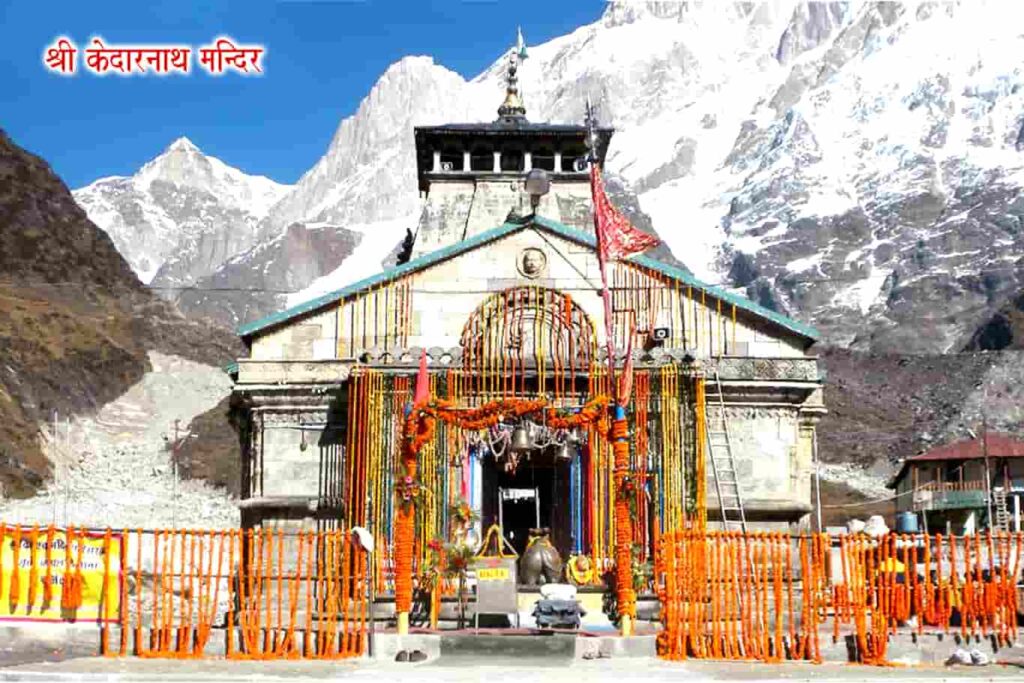
Coimbatore/Bengaluru/Bhubaneswar – Maha Shivaratri, one of Hinduism’s grandest festivals, falls on February 15, 2026, drawing millions worldwide to honor Lord Shiva—the Adi Yogi, destroyer of ignorance, and cosmic dancer, during the 14th night/15th day of Phalguna’s dark half. This “Great Night of Shiva” symbolizes Shiva’s triumph over poison (Halahala from Samudra Manthan, earning him Neelkanth), his Tandava Nritya, or marriage to Parvati, with natural planetary alignments amplifying spiritual energy for kundalini awakening and inner transformation.As Sadhguru notes, staying awake vertically harnesses nature’s forces for profound physical and spiritual well-being, making it a pivotal night for meditation amid modern stresses.Why and When it is Celebrated?Rooted in myths like Shiva consuming cosmic poison to save creation or manifesting as infinite light (Jyotirlinga), the festival occurs on the year’s darkest, moonless night, ideal for overcoming tamas (inertia). Devotees fast from dawn on February 15 (parana post-sunrise February 16), seeking ego dissolution, health, and moksha. Yogic texts highlight their role in aligning chakras naturally.Core Rituals: How and WhatAll-night jaagran (vigil) from ~6 PM to dawn unfolds with layered practices:Abhishekam & Rudrabhishekam: Bathe Shiva Lingam with milk, honey, curd, ghee, gangajal, sugarcane juice, and bilva patra (sacred leaves mimicking Shiva’s trishul for triple potency).Puja Steps: Mangal aarti, Panchamrit snan, chanting “Om Namah Shivaya,” Shiva Chalisa, Mahamrityunjaya Mantra; midnight Nishita Kaal peak.Fasting & Offerings: Sattvic fruits, thandai (non-bhaang), bhang for some; regional flair like Maharashtra dhuni fires, Gujarat garba, or Tamil Nadu theerthavari.Fun fact: Bilva’s trifoliate shape triples puja merits; many do 108 bilva circumambulations.Jyotirlingas and Iconic TemplesThe 12 Jyotirlingas, self-manifested fiery lingams, pulse with fervor, expecting crores:JyotirlingaLocation2026 HighlightsSomnathGujarat (Veraval)Seafront processions; Dwadash Yatra start.MallikarjunaAndhra (Srisailam)11-day Brahmotsavam, midnight abhishekam. wikipedia+1MahakaleshwarMP (Ujjain)Dawn Bhasma Aarti; south-facing swayambhu. OmkareshwarMP (Khandwa)Narmada parikrama rituals. BaidyanathJharkhand (Deoghar)Kanwar yatra vibes. TrimbakeshwarMaharashtra (Nashik)Godavari holy dips.KedarnathUttarakhandGhee lingam post-hibernation. Kashi VishwanathUP (Varanasi)Ganga aarti spectacles. Bhimashankar, Rameswaram, Nageshwar, GrishneshwarVariousRudra jaap marathons. Other gems: Lingaraja Temple (Bhubaneswar) chariot pulls; Pashupatinath (Nepal) massive mela.Spiritual Centers’ Grand EventsIsha Foundation (Coimbatore Yoga Center): Sadhguru’s spectacular all-night celebration (Feb 15, 6 PM IST–Feb 16, 6 AM) amid Velliangiri hills draws lakhs for mysticism and music. Highlights:6 PM: Pancha Bhuta Kriya meditation.Evening: Bhairavi Maha Yatra, Adiyogi Divya Darshanam (yoga origins video).10:50 PM: Sadhguru Satsang.Midnight: Mahamantra Initiation (open guided session).3:40 AM: Brahma Muhurtham meditation.5:45 AM: Finale with performances.Traditional arts by Isha Samskriti students, eminent musicians. Mandatory online registration (sells out fast); no accommodation—arrange nearby. Live webcast global.news18+1The Art of Living (Bengaluru & worldwide): Sri Sri Ravi Shankar hosts Rudra Puja, Sudarshan Kriya, bhajans, yoga workshops, and midnight meditations, accessible via live streams.Participation and BeyondVirtual streams from Isha, Art of Living, ensure worldwide darshan. Shiva, as yogic source and grace icon, offers renewal; pair with home puja kits for authenticity. This Shivaratri, embrace the Adi Guru’s energy for holistic upliftment.Registration is mandatory and available online in advance, with tickets selling out quickly in past years. Importantly, accommodation is not provided; attendees must arrange their own stays nearby. The event draws lakhs of devotees annually, fostering an electric atmosphere of devotion amid the lush hills of the Isha Yoga Center.Beyond Isha, other prominent organizations are also ramping up for Maha Shivaratri 2026. The Art of Living, led by Sri Sri Ravi Shankar, will host vibrant celebrations featuring Sudarshan Kriya meditation sessions, bhajans, and yoga workshops at centers worldwide, including Bengaluru and online streams for global participation. Temples like the iconic Lingaraja Temple in Bhubaneswar, Ujjain’s Mahakaleshwar Jyotirlinga, and Trimbakeshwar in Nashik anticipate massive pilgrim influxes, with special poojas, rudrabhishekam rituals, and all-night vigils.Video credit: YT@/SadhguruVideo credit: YT@/The Art of Living
Chai Over Cocktails: Bhajan Beats and Sober Raves Redefine South Asian Nightlife

From chai-fueled dance floors in Karachi to devotional DJ drops in Delhi, Gen Z across South Asia is ditching hangovers for halos in a nightlife revolution. This sober, spiritual wave, blending ancient chants with modern beats, is drawing thousands, offering community without chaos and vibes with values.Bhajan Clubbing Takes India by StormIn Visakhapatnam, over 2,000 young fans packed a recent event, grooving to kirtan remixed with electronic percussion, no booze, just pure energy from “Om Namah Shivaya” and Hanuman Chalisa beats. Delhi’s Indira Gandhi Sports Complex hosted the city’s biggest bash in December 2025, with 3,000 attendees under strobes chanting for Shiva, Ram, and Krishna in a three-hour “satsang 2.0.” From Mumbai’s Kallol Café to Lucknow’s Rangreza Festival on Maha Shivaratri, where hundreds fasted and danced to dholak-infused bhajans, the trend is exploding, ticketed, lit-up, and viral on reels.Karachi’s Sober Raves Glow UpPakistan’s scene thrives in regulated spots like sports clubs and cafes, where neon-lit padel courts double as dance floors and events wrap at 10 p.m. sharp under cameras and drones. Women-only nights at places like Third Culture Coffee pack in crowds for desi remixes, fostering safety and shareable joy, tickets at 3,000-7,000 PKR signal real demand. Soft drinks sales surged 27% from 2020-2025, fueling this alcohol-free shift aligned with cultural norms.Trend LocationKey FeaturesCrowd Size (Recent Events)India (Delhi/Vizag)Bhajans + EDM, chai stations2,000-3,000KarachiTechno/des mixes, padel breaksHundreds per venueWhy Gen Z Vibes with ItExperts like psychologist Raksha Rajesh call it “neurological relief”, repetitive chants calm overstimulation from digital life, while psychiatrist Dr. Ashima Ranjan links it to mental health wins: no regrets, genuine bonds, and vagus nerve boosts. Sociologist Gulshan Sihag dubs it “cultural hybridity,” remixing jagratas and Garba for Instagram poets craving rootedness amid chaos. Globally sober-leaning youth find perfect sync here: faith-fueled fun in India, boundary-honoring parties in Pakistan.Past Events for ContextRecent Vizag shows include a January 25, 2026, Art of Living-organized night and a post-2,500-attendee recap hinting at more “bhakti meets beats” sessions soon. No exact venues or tickets listed yet, check local organizers like Bhavika Patel or Instagram for updates as March nears.Known VenuesMoon Bar and Kitchen, VIP Road: Hosted a BhaZen Clubbing debut with DJ sets and devotional beats; RSVPs via 9587192999 for entry.Beach Road: Featured highlights from a major session, drawing crowds for open-air chanting and dancing.Event TrendsPast gatherings linked to Art of Living and Nirvana Station Band suggest indoor sports arenas or large halls for the 2,000+ crowds, with chai stations replacing bars, no fixed “home base” yet, as pop-ups rotate for safety and buzz. A Shared South Asian ShiftFrom DU students picking bhajan dates over dinners, inspired by Virat Kohli reels, to Karachi’s safe, early-end raves, this is presence over escapism. Bhajan clubbing events are gaining popularity in the Vizag area, with specific upcoming dates confirmed for nearby districts. Organizers plan expansions following recent successes drawing thousands.Confirmed DatesVizianagaram District: March 21, 2026 – A state-wide expansion event featuring high-energy bhajans by Nirvana Station Band, blending traditional chants like “Om Namah Shivaya” with electronic beats and prasadam.Visakhapatnam (Vizag): May 2026 – Another major gathering anticipated, building on the viral February event that packed 2,000+ youth.
Government Announces 7 New Bullet Train Corridors in India: A Transformative Push for High-Speed Connectivity
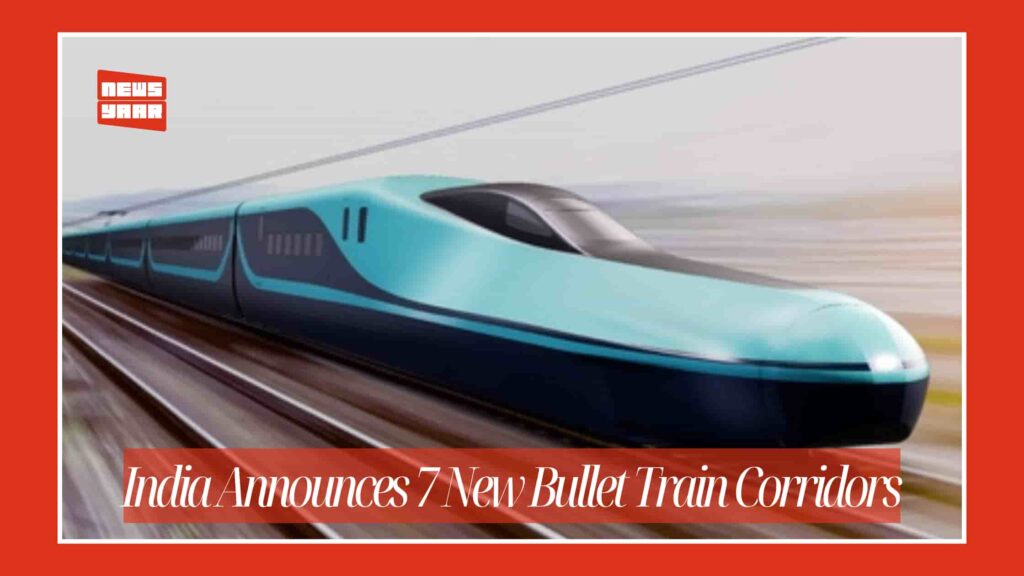
In a landmark expansion of India’s rail infrastructure, the Government of India has announced the development of seven new high-speed rail corridors — popularly referred to as bullet train routes — as part of the Union Budget 2026–27. The ambitious initiative aims to transform inter-city travel by significantly reducing travel times, boosting economic growth and enhancing connectivity between major urban and economic hubs across the country.Announcement and Policy ContextUnion Finance Minister Nirmala Sitharaman unveiled the corridors during her Budget 2026–27 speech in Parliament, categorising them as “growth connectors” that will promote environmentally sustainable passenger transport systems across India’s rail network. These high-speed corridors complement the Mumbai–Ahmedabad High-Speed Rail Corridor (MAHSR) — India’s first bullet train project — and build on the government’s broader infrastructure and mobility agenda.Railway Minister Ashwini Vaishnaw has confirmed that detailed preparations are underway, with Detailed Project Reports (DPRs) being finalized and pre-construction activities initiated through the National High Speed Rail Corporation Limited (NHSRCL). The government is focused on fast-tracking implementation and standardising high-speed rail system development nationwide.Proposed Bullet Train Corridors: Routes and ConnectivityThe announcement includes seven high-speed rail corridors that will link key cities and regions across India. These corridors are expected to span nearly 4,000 km and strategically connect major economic, industrial and cultural centres. The routes identified are:Mumbai–Pune High-Speed Rail Corridor — strengthening connectivity within Maharashtra’s economic belt.Pune–Hyderabad High-Speed Rail Corridor — linking western and southern economic hubs.Hyderabad–Bengaluru High-Speed Rail Corridor — a major southern technology and industry link.Hyderabad–Chennai High-Speed Rail Corridor — connecting southern metros with coastal economic zones.Chennai–Bengaluru High-Speed Rail Corridor — improving travel between two major southern cities.Delhi–Varanasi High-Speed Rail Corridor — enhancing northern connectivity with Uttar Pradesh’s cultural capital.Varanasi–Siliguri High-Speed Rail Corridor — extending high-speed reach toward eastern India and gateway regions.Collectively, these corridors aim to connect financial hubs, technology clusters, manufacturing centres and emerging cities with modern high-speed rail infrastructure.Strategic Goals and Economic RationaleGovernment officials have described the new corridors as not just transport projects but growth engines that will:Reduce travel times drastically between key city pairs (for example, a bullet train between Mumbai and Pune could reduce travel to under an hour), enhancing convenience and productivity.Stimulate regional economic development by creating linked urban-industrial corridors that attract investment, tourism and job creation.Support environmental sustainability by offering cleaner and more energy-efficient alternatives to road and air travel.Drive technology and manufacturing growth by enabling high-speed rail ecosystem development, including engineering, signalling, rolling stock and systems integration.Union Minister Ashwini Vaishnaw has emphasised that the initiative will contribute toward India becoming 100 per cent self-reliant (Atmanirbhar) in high-speed rail technologies, with a focus on leveraging indigenous manufacturing and innovation wherever feasible.Implementation and TimelineWhile the Mumbai–Ahmedabad corridor is already under construction and expected to begin phased operations starting 2027 for the Surat–Bilimora section and full completion by 2029, the new seven corridors are in the pre-construction and planning stage.Officials have indicated that preparation of DPRs, alignment finalisation, land acquisition and contract documentation will be prioritised over the coming months, with work expected to begin once these foundational studies are complete. Dedicated field teams for each corridor will support expedited project execution.Broader Impact on Indian Railways and MobilityThe seven new bullet train corridors represent a shift toward world-class rail mobility in India, aligning with global best practices in high-speed transportation. Once operational, these corridors are expected to:Enhance national connectivity across key economic belts in the west, south, north and east.Reduce congestion on existing air and road networks by providing faster, reliable alternatives.Boost tourism by enabling easy access to major cultural and heritage destinations.Encourage urban transformation through transit-oriented development along high-speed rail alignments.Looking Ahead: A New Era of Rail TravelThe announcement of seven additional bullet train corridors marks a transformational phase for Indian Railways, moving the nation closer to a widespread high-speed rail network that complements existing infrastructure and accelerates economic integration. By linking metropolitan centres and regional hubs with modern, efficient rail travel, the government aims to redefine mobility in India and position the country as a global leader in high-speed rail development.Summary of the New Bullet Train CorridorsRouteRegionStrategic RoleMumbai–PuneWestEconomic mobility in MaharashtraPune–HyderabadWest–SouthIndustrial and technology linkageHyderabad–BengaluruSouthConnects major IT & innovation hubsHyderabad–ChennaiSouthCoastal economic corridorChennai–BengaluruSouthSouthern metro connectivityDelhi–VaranasiNorthLinks capital with cultural heartlandVaranasi–SiliguriNorth–EastGateway to eastern region