


Beating Retreat 2026: A Grand Musical Finale to India’s Republic Day Celebrations
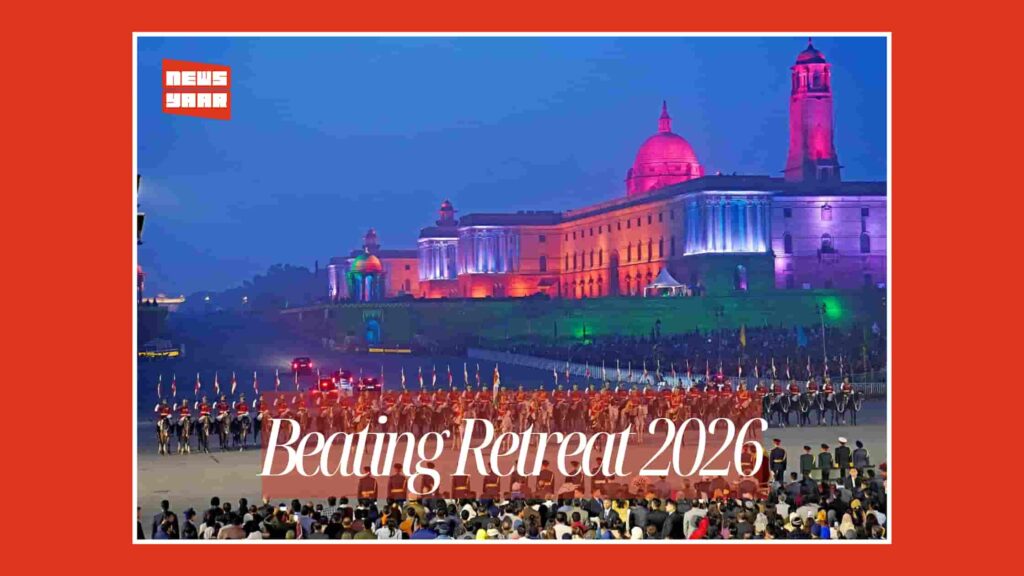
The Beating Retreat ceremony — a time-honoured tradition that marks the official conclusion of India’s Republic Day festivities — was held on the evening of January 29, 2026, at Vijay Chowk in New Delhi. The event, presided over by President Droupadi Murmu in her capacity as Supreme Commander of the Indian Armed Forces, brought to a close several days of national celebration through a stirring display of military music, ceremonial precision and patriotic sentiment. The ceremony was also attended by Prime Minister Narendra Modi, Vice President Jagdeep Dhankhar, senior government officials and distinguished guests. Beating Retreat is held three days after Republic Day (26 January) and traditionally marks the end of India’s four-day long Republic Day celebrations that begin with the Parade on Kartavya Path and culminate in this distinctive evening event. What Beating Retreat Is and Its OriginsThe term “Beating Retreat” originates from a 17th-century military practice in England, when drums and bugles were sounded at sunset to signal troops to retire from the battlefield or return to their quarters for the night. Over time, this evolved into a ceremonial tradition involving massed military bands and formal musical routines. In India, the Beating Retreat ceremony was first introduced in 1955 during the state visit of Queen Elizabeth II and Prince Philip, with efforts led by officers of the Indian Army’s Ceremonial and Welfare Directorate. Since then, it has become a formal annual event integral to Republic Day observances, symbolising both military discipline and national unity. Ceremony Format and Key ElementsBeating Retreat is celebrated against the backdrop of Vijay Chowk — the historic ceremonial venue flanked by the North and South Blocks of the Central Secretariat and the Rashtrapati Bhavan. The ceremony typically begins as the sun begins to set:When the President arrives, she is escorted by the President’s Bodyguard (PBG), a cavalry unit of the Indian Army, and receives a ceremonial salute. This is followed by the playing of the Indian National Anthem (Jana Gana Mana) by the massed bands and the unfurling of the National Flag. The musical programme features performances by a mass formation of bands drawn from multiple services and organisations — including the Indian Army, Indian Navy, Indian Air Force, pipe bands of the Army, Central Armed Police Forces (CAPF) and the Delhi Police bands. These ensembles play a blend of traditional military marches, Indian patriotic tunes and Western compositions. As the sky darkens, bands perform in synchronisation, demonstrating precision drills, compound marches and coordinated formations that reflect the discipline and heritage of India’s armed forces. Many of the musical arrangements incorporate both Western and Indian instruments, honouring the diversity of India’s cultural and military music traditions. A signature moment of the ceremony is the lowering of the National Flag at sunset. This is traditionally accompanied by a bugle call signalling retreat, followed by the martial strains of patriotic tunes such as “Saare Jahan Se Accha” and, in many years, the poignant hymn “Abide With Me”, which has been a fixture at the ceremony due to its historical association with Mahatma Gandhi. Beating Retreat 2026: Highlights and SignificanceThe 2026 ceremony showcased the unity and precision of India’s military and paramilitary bands in a beautifully choreographed musical presentation. As the Republic Day festivities drew to a close, the event reaffirmed the discipline, dedication and professionalism of India’s defence and security forces.Prime Minister Narendra Modi, while attending the ceremony, underscored its importance as a symbol of India’s rich military heritage and traditions, reflecting the nation’s pride in its armed forces and cultural unity. The Beating Retreat ceremony is widely recognised not merely as a military protocol but as a cultural homage to the values enshrined in India’s Constitution — unity, diversity, courage and disciplined service to the nation. It is both a tribute to the armed forces and a reminder of the republic’s democratic ethos.Cultural and Public EngagementFor many citizens and visitors, Beating Retreat represents the emotional climax of Republic Day celebrations, bringing together music, history and ceremonial dignity. The event is open to the public through limited ticketing and live broadcasts, and is followed by celebratory lighting displays across key government buildings in New Delhi, including the North and South Blocks and Rashtrapati Bhavan, enhancing the spectacle for attendees. Authorities in the capital also implement traffic and security arrangements in areas surrounding Vijay Chowk, Kartavya Path and Rafi Marg to ensure public safety and smooth conduct of the ceremony. Why Beating Retreat MattersBeating Retreat holds a unique place in India’s national calendar. Beyond crowd applause and musical grandeur, it encapsulates centuries-old military tradition adapted to contemporary national celebrations. The ceremony bridges historical practice with modern patriotic expression, reinforcing respect for service and sacrifice among citizens.Held every year on January 29, the Beating Retreat does more than end a series of Republic Day events; it symbolises the transition from formal celebration back to the regular rhythms of civic life, leaving an enduring impression of national pride and unity.
Union Budget 2026–27: Government Raises Capex, Boosts Defence, Maintains Fiscal Consolidation Path
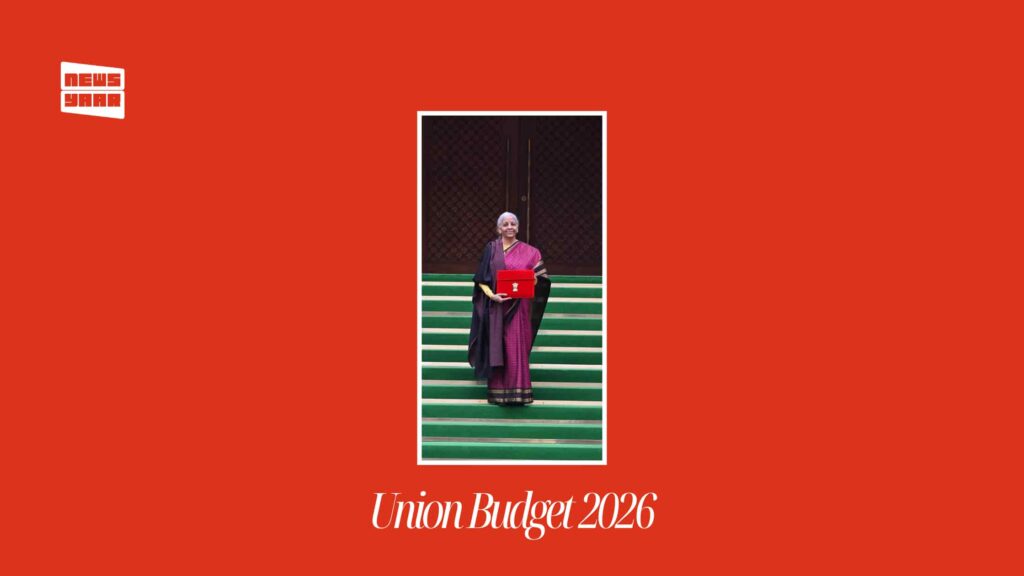
The Union Budget for 2026–27, presented by Finance Minister Nirmala Sitharaman in Parliament on Saturday, has laid out a comprehensive fiscal roadmap aimed at sustaining economic growth, strengthening infrastructure, enhancing national security and maintaining fiscal discipline amid global uncertainty. The Budget pegs the total expenditure of the Union government at ₹53.5 lakh crore for FY27, marking a sharp increase from the revised estimate of about ₹49.6 lakh crore in FY26. The increase reflects the government’s continued emphasis on public investment, defence preparedness and social sector spending. According to Budget documents, total receipts excluding borrowings are estimated at ₹36.5 lakh crore, while gross tax revenue is projected at ₹44.04 lakh crore, up from ₹42.7 lakh crore in the current financial year. Net tax receipts to the Centre are estimated at ₹28.7 lakh crore after devolution to states. To bridge the gap between receipts and expenditure, the Centre has proposed gross market borrowings of ₹17.2 lakh crore, with net market borrowings pegged at ₹11.7 lakh crore for 2026–27. Fiscal Deficit and Debt Position The government has projected the fiscal deficit at 4.3 per cent of GDP for FY27, marginally lower than the previous year, signalling a continued commitment to fiscal consolidation. The debt-to-GDP ratio is estimated at 55.6 per cent, compared with around 56.1 per cent in FY26, indicating a gradual reduction in sovereign debt levels. Finance Minister Sitharaman said the government remains focused on balancing growth imperatives with macroeconomic stability, even as it scales up spending on infrastructure and security. Capital Expenditure at Record High Capital expenditure has once again emerged as a central pillar of the Budget. The government has allocated ₹12.2 lakh crore towards capital expenditure in FY27, compared to ₹11.2 lakh crore in FY26. At 4.4 per cent of GDP, capex remains at its highest level in over a decade. The enhanced allocation will support investments in roads, railways, ports, urban infrastructure, logistics and digital connectivity, with the aim of crowding in private investment and improving long-term productivity. The Ministry of Road Transport and Highways has been allocated around ₹3.09 lakh crore, while Indian Railways has received ₹2.81 lakh crore, continuing the focus on network expansion, modernisation and safety. Defence Allocation Sees Major Jump Defence spending witnessed one of the most significant increases in the Union Budget. The total defence allocation for FY27 has been pegged at ₹7.84 lakh crore, up from ₹6.81 lakh crore in FY26. Of this, capital outlay stands at ₹2.19 lakh crore, reflecting a strong push towards military modernisation and indigenous defence manufacturing. Revenue expenditure, including pensions and operational costs, has been placed at ₹5.54 lakh crore. Within the capital budget, allocations include ₹63,733 crore for aircraft and aero engines, ₹25,023 crore for naval platforms, and enhanced funding for missiles, armoured vehicles and advanced defence technologies. Taxation: Stability and Simplification The Budget has maintained status quo on personal income tax slabs, providing stability to taxpayers. The government reiterated its commitment to simplifying tax administration and reducing litigation. The Finance Minister confirmed that the new Income Tax Act, 2025, which aims to replace the Income Tax Act of 1961, will come into effect from April 1, 2026, introducing clearer language and streamlined procedures. On the indirect tax front, customs duties were rationalised to support domestic manufacturing by reducing duties on selected capital goods and raw materials, while levies on certain imported luxury items were increased. Ministry-wise Allocations Among all ministries, the Ministry of Finance received the largest allocation at approximately ₹19.72 lakh crore, primarily towards interest payments, subsidies and transfers. The Ministry of Home Affairs has been allocated around ₹2.55 lakh crore, while the Ministry of Consumer Affairs, Food and Public Distribution received ₹2.39 lakh crore, reflecting continued support for food security and subsidies. The Ministry of Education has been allocated about ₹1.39 lakh crore, with increased funding for school education, higher education and skill development. The Ministry of Health and Family Welfare has received approximately ₹1.06 lakh crore, aimed at strengthening public healthcare infrastructure and services. Agriculture and Rural Economy Agriculture and rural development remain key focus areas. The Budget continues support for minimum support price (MSP) operations, irrigation projects and agri-infrastructure development. Allocations for rural employment schemes and farmer welfare programmes have been maintained to support rural incomes and consumption. MSMEs, Employment and Industry To support job creation and small businesses, the government expanded credit guarantee schemes for micro, small and medium enterprises (MSMEs) and announced measures to ease access to institutional finance. Skill development programmes received higher allocations to align workforce capabilities with emerging industry needs. The manufacturing and export sectors are expected to benefit from infrastructure investments, stable tax policies and continued incentives under production-linked incentive (PLI) schemes. Green Growth and Energy Transition The Budget reaffirmed India’s commitment to sustainable development, with increased allocations for renewable energy, green hydrogen, electric mobility and climate-resilient infrastructure. Incentives for electric vehicles and clean energy projects were extended to support the transition to a low-carbon economy. Market Borrowing and Revenue Outlook The government expects improved tax buoyancy, supported by steady economic growth and compliance measures. Gross tax revenue growth is projected to support higher spending without significantly widening the deficit. Bond markets are expected to closely track the government’s borrowing programme and fiscal trajectory in the coming months. Overall Assessment The Union Budget 2026–27 presents a calibrated approach focused on infrastructure-led growth, defence preparedness, fiscal prudence and inclusive development. By sustaining high public investment while gradually lowering the fiscal deficit, the government aims to support economic momentum amid global headwinds. While the immediate impact will be seen in infrastructure activity and defence manufacturing, the broader effects of the Budget are expected to unfold through higher private investment, job creation and improved economic resilience in the years ahead.
HAL, Russia’s UAC to Manufacture SJ 100 Regional Jet in India: A Major Leap for Civil Aviation

Hindustan Aeronautics Limited (HAL) has entered into a strategic aviation partnership with Russia’s United Aircraft Corporation (UAC) to manufacture the SJ 100 regional jet in India, marking a significant expansion of HAL’s footprint into the civil aviation sector. The move was announced on the sidelines of the Wings India 2026 aviation exhibition held at Begumpet Airport in Hyderabad, where the collaboration was formally unveiled amid industry attention. The pact — which builds on a Memorandum of Understanding (MoU) signed on October 28, 2025, in Moscow — provides HAL with a licence to produce the twin-engine SJ 100 commercial aircraft in India for domestic customers, including local assembly, component manufacturing and maintenance support, alongside technical and consulting assistance from UAC. What Is the SJ 100 and Why It Matters The Yakovlev SJ 100 (often referred to as Sukhoi Superjet 100) is a twin-engine, narrow-body regional passenger jet designed to seat between 87 and 108 passengers, with a range of around 3,000 km, tailored for short- to mid-distance routes. The aircraft is already in service with airlines in Russia and abroad, with over 200 units produced and operated by multiple carriers. The SJ 100 is capable of operating from smaller airports and shorter runways, making it particularly suitable for India’s expanding regional network under initiatives such as the UDAN (Ude Desh ka Aam Naagrik) scheme, which aims to improve connectivity to underserved and tier-2/tier-3 cities. Strategic Shift for HAL HAL — traditionally focused on military aerospace manufacturing (including fighters, trainers and helicopters) — is now actively diversifying into civil aviation manufacturing. Civil platforms currently contribute only about 4–5 per cent of HAL’s revenue. The SJ 100 partnership is a cornerstone of HAL’s strategy to increase this share to about 25 per cent over the next decade, according to HAL Chairman and Managing Director D.K. Sunil. Sunil explained at Wings India 2026 that HAL plans a phased approach to aircraft introduction. Initially, HAL aims to lease about 10–20 fully assembled SJ 100 aircraft from Russia to Indian operators to familiarise them with the aircraft and validate performance and support infrastructure under Indian operating conditions. Timeline and ‘Make in India’ Ambition The partnership foresees several key stages: Short term (next 18 months): Leasing of fully built SJ 100 jets to Indian operators. Medium term (around three years): Commencement of semi-knocked-down (SKD) assembly in India, utilising HAL’s existing facilities at locations such as Nashik and Kanpur. Long term (by late decade): Full domestic manufacture capability with enhanced localisation and “Make in India” content, aligning with national goals of reduced import dependence and broader industrial development. This would mark the first time since the production of the AVRO HS-748 ended in 1988 that a complete passenger aircraft will be manufactured in India, making it a milestone for the country’s civil aviation manufacturing base. Broader Industry and Policy Context The HAL-UAC collaboration highlights deeper Indo-Russian aerospace cooperation, historically rooted in military aircraft production, now extending to civil aircraft. It also dovetails with government measures designed to attract and scale aircraft manufacturing in India. The Union Budget 2026 removed basic customs duty on aircraft components, significantly lowering the cost of establishing manufacturing lines for regional aircraft such as the SJ 100, potentially boosting both HAL’s and other manufacturers’ plans in the civil aviation domain. Industry observers note that HAL’s entry into regional jet production addresses a long-recognized gap in India’s aviation ecosystem: the absence of indigenous passenger aircraft manufacturing. India is among the world’s fastest-growing domestic aviation markets, with demand for short- to medium-haul aircraft projected to remain strong over the next decade. Local assembly and production of the SJ 100 could help airlines bridge capacity needs more cost-effectively while supporting domestic aerospace supply chains. Technology, Certification and Future Prospects Under the agreement, HAL will assist UAC in gaining type certification for the SJ 100 in India, a critical step before domestically produced jets can enter commercial service. In exchange, HAL obtains manufacturing rights and support for establishing production infrastructure, quality control systems, and maintenance ecosystems. Experts see this collaboration as a key step toward building India’s aircraft manufacturing competencies. While HAL’s primary strength has been in defence platforms, working with UAC on a complex regional jet programme is expected to transfer valuable design, production, certification and lifecycle support expertise. Officials and industry executives involved in the pact have described the arrangement as mutually beneficial: it enhances HAL’s capabilities and helps Russia sustain civilian aircraft exports in the face of geopolitical and sanction-related challenges, while opening a new avenue for aerospace collaboration between the two countries. What This Means for Passengers and Airlines If the phased plan succeeds, airlines operating within India could have access to the SJ 100 as an alternative to turboprops and larger narrow-body jets for regional routes. The regional jet segment (90–100 seats) is seen as crucial for balancing operational economics with demand on short-haul sectors, particularly under government connectivity programmes. Leasing a small fleet in the initial phase also allows airlines and HAL to build operational familiarity with the SJ 100 without requiring immediate large capital commitments, potentially encouraging broader adoption in India’s growing domestic market. Conclusion HAL’s partnership with Russia’s United Aircraft Corporation to manufacture the SJ 100 regional jet in India represents a significant step in diversifying India’s aviation industry and strengthening its manufacturing base. By combining Russian aerospace experience with HAL’s production capabilities and India’s burgeoning aviation market, the collaboration aims to deliver regional aircraft solutions tailored to national connectivity needs while advancing the government’s Make in India and civil aerospace ambitions.
Parakram Diwas 2026: Remembering Netaji Subhas Chandra Bose and the Spirit of Fearless Nationalism
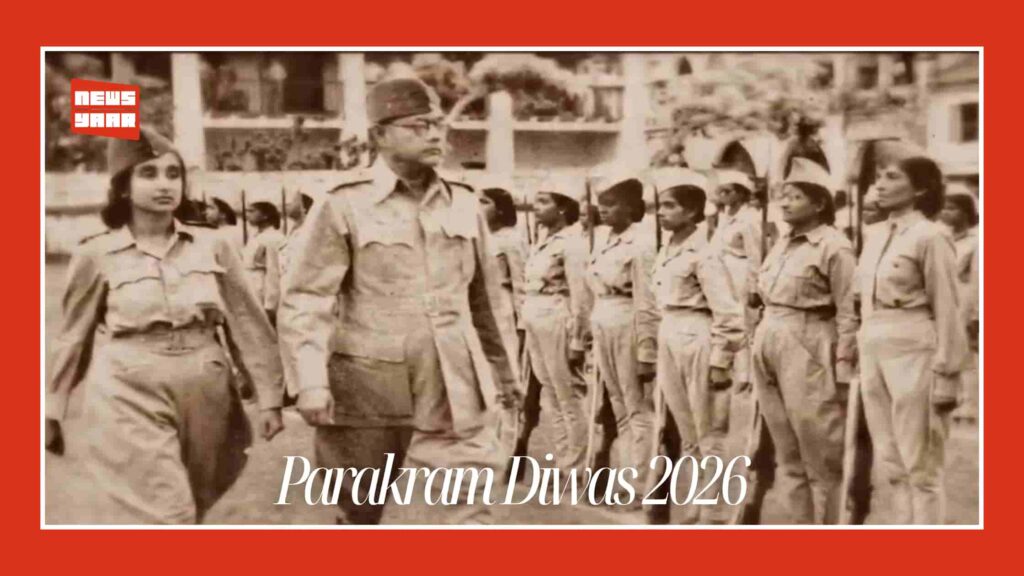
Parakram Diwas, observed every year on January 23, marks the birth anniversary of Netaji Subhas Chandra Bose, one of India’s most formidable freedom fighters. As India commemorates Parakram Diwas 2026, the day serves not merely as a tribute to a historical figure but as a reminder of an uncompromising vision of freedom, courage, and self-reliance that continues to resonate with the nation. Born on January 23, 1897, in Cuttack, Odisha, Subhas Chandra Bose was a brilliant student who topped the Indian Civil Services (ICS) examination in England. Yet, in an act that defined his life, he resigned from the prestigious service to dedicate himself entirely to India’s freedom struggle. His decision reflected a core belief: freedom could not be negotiated; it had to be seized. Unlike many leaders of his time, Bose believed that political independence required direct action, not prolonged compromise. His ideological differences with the Indian National Congress leadership eventually led him to chart his own path, driven by urgency and revolutionary resolve. The Formation of the Indian National Army (INA) Netaji’s most defining contribution was the revival and leadership of the Indian National Army (Azad Hind Fauj). With the iconic call of “Give me blood, and I will give you freedom,” Bose mobilised thousands of Indians across Southeast Asia to take up arms against British rule. The INA was not merely a military force, it was a symbol of defiance. It challenged the myth of British invincibility and ignited a powerful sense of national pride among Indians, including those serving within the British Indian Army. Historians widely agree that the INA trials played a significant role in accelerating the British decision to leave India. The word “Parakram” means courage, valour, and decisive action, qualities Bose embodied throughout his life. Parakram Diwas was officially instituted by the Government of India to honour these values and inspire citizens, especially the youth, to act with conviction in nation-building. In 2026, as India navigates complex global challenges, economic uncertainty, technological transformation, and geopolitical shifts, Netaji’s ideas on self-reliance, unity, and national confidence feel strikingly relevant. His emphasis on discipline, leadership, and sacrifice offers a counterpoint to complacency and apathy. Bose’s vision extended beyond the mere end of colonial rule. He envisioned a strong, socially just, and industrially advanced India, where freedom translated into dignity for every citizen. His advocacy for women’s participation in the freedom struggle, exemplified by the Rani of Jhansi Regiment, was far ahead of its time. Even today, his ideas provoke thought, about leadership that demands accountability, patriotism that requires action, and freedom that comes with responsibility. Parakram Diwas 2026: A Call to Reflect and Act Parakram Diwas is not just about remembering Netaji Subhas Chandra Bose; it is about questioning ourselves. Are we bold enough to stand by our principles? Are we willing to act when circumstances demand courage? As India observes Parakram Diwas 2026, Netaji’s life stands as a reminder that history is shaped not by comfort, but by conviction. His legacy urges the nation to move forward, not cautiously, but courageously.
PM Modi’s Mann Ki Baat – Episode: 130th
GOVERNMENTPM Modi’s Mann Ki Baat – Episode: 130th Newsyaar January 25, 2026 6:15 pm https://www.youtube.com/watch?v=ehO3BjjTQgM&t=28sVideo credit: YT@/NaMo My dear countrymen, Namaskar. This is the first ‘Mann Ki Baat’ of the year 2026. Tomorrow, on the 26th of January, we shall all celebrate our Republic Day. Our Constitution came into effect on this very day. This day; the 26th of January, gives us an opportunity to pay homage to the founding fathers of our Constitution. Today, the 25th of January, is also a very significant day. Today is National Voter’s Day… Matadata Diwas. A voter is the soul of democracy. Friends, Usually, when someone turns 18, becomes a voter, it is considered a normal milestone in life. However, this occasion is actually a major milestone in any Indian’s life. Therefore, it is very important that we celebrate becoming a voter in our country. Just as we wish and celebrate birthdays… similarly, whenever a young person becomes a voter for the first time, the entire neighbourhood, village, or city should come together to congratulate them and distribute sweets. That would raise awareness about voting and strengthen the feeling of how important it is to be a voter. Friends, I would like to express my deep appreciation to all those people in the country who are involved in the electoral process and work at the grassroots level to keep our democracy vibrant. Today, on ‘Voter’s Day’, I would once again urge my young friends to register themselves as voters upon turning 18. This will fulfil the sense of duty that the Constitution expects of every citizen and will also strengthen India’s democracy. My dear countrymen, These days I am seeing an interesting trend on social media. People are reliving their memories of the year 2016. In the same spirit, today I too would like to share one of my memories with you. Ten years ago, in January 2016, we embarked upon an ambitious journey. We had realised then, that even if it were a small one, it was very important for the future of the country for the young generation. At that time, some people could not understand what it was all about, after all! Friends, the journey I am referring to is the journey of Start-up India. The heroes of this amazing journey are our young friends. The innovations they came up with by stepping out of their comfort zones are being recorded in history. Friends, Today India has turned into the third largest Start-ups ecosystem in the world. These Start-ups are out of the box; they are working in sectors that were unimaginable even 10 years ago. AI, Space, Nuclear Energy, Semiconductors, Mobility, Green Hydrogen, Biotechnology… you name it and you’ll find one Indian Start-up or the other working in that sector. I salute all my young friends who are associated with one Start-up or the other or want to start one of their own. Friends, Today through ‘Mann Ki Baat’, I want to urge my countrymen; especially the youth associated with industry and Start-ups. India’s economy is progressing rapidly. The world is watching India. At such a juncture, we all shoulder a huge responsibility. That responsibility is to emphasize on quality. The era of ‘it just happens… it works… it will go through somehow’ is over. Come, let us prioritize quality with all our might this year. Let our only mantra be quality, quality and only quality. Better quality today than what it was yesterday. Let us resolve to improve the quality of whatever we manufacture. Be it our textiles, technology or electronics… even packaging; the connotation of an Indian product should become – ‘top quality’. Come, let us make excellence our benchmark. Let us resolve that there will be no laxity on quality, nor will there be any compromise on quality. And I had expressed from Red Fort – ‘Zero Defect Zero Effect’. Only by doing this shall we be able to accelerate the journey towards a ‘Viksit Bharat’. My dear countrymen, The people of our country are very innovative. Seeking solutions to problems is part of our countrymen’s nature. Some do this through start-ups; while others try to find a solution through the collective strength of society. One such effort has emerged in Azamgarh, Uttar Pradesh. The People there have lent life anew to the Tamsa River that flows through this place. The Tamsa is not just a river; it’s a Live continuum of our cultural and spiritual heritage. This river, which crosses Ayodhya and merges with the Ganga, was once the axis of life for the people of this region. However, on account of pollution, its uninterrupted flow was obstructed. Silt, garbage and filth had blocked the flow of this river. After that, the people here started a campaign to give it a new lease of life. The river was cleaned, and shady, fruit-bearing trees were planted along its banks. Local people engaged themselves at the task with a sense of duty… and through everyone’s efforts, the river was revived. Friends, A similar endeavour of public participation has also been witnessed in Ananthapur, Andhra Pradesh. This is a region that has been grappling with a severe drought. The soil here is red and sandy, which is why people face water shortages. Many areas here do not receive rain over long periods. People sometimes even compare Anantapur to a desert drought.Friends, to address this problem, locals resolved to clean the reservoirs. After that, with the support of the administration, the ‘Ananta Neeru Sanrakshanam Project’ was launched. Under this effort, more than 10 reservoirs have been revived. These reservoirs are filling with water now. Simultaneously, more than 7,000 trees have been planted. This means that along with water conservation, the green cover in Anantapur has also increased. Children now, can also enjoy swimming here. In a way, the entire ecosystem here has been revitalized. Friends, Whether it’s Azamgarh, Ananthapur,
Modi Calls Nitin Nabin His ‘Boss’ as New BJP President Takes Charge
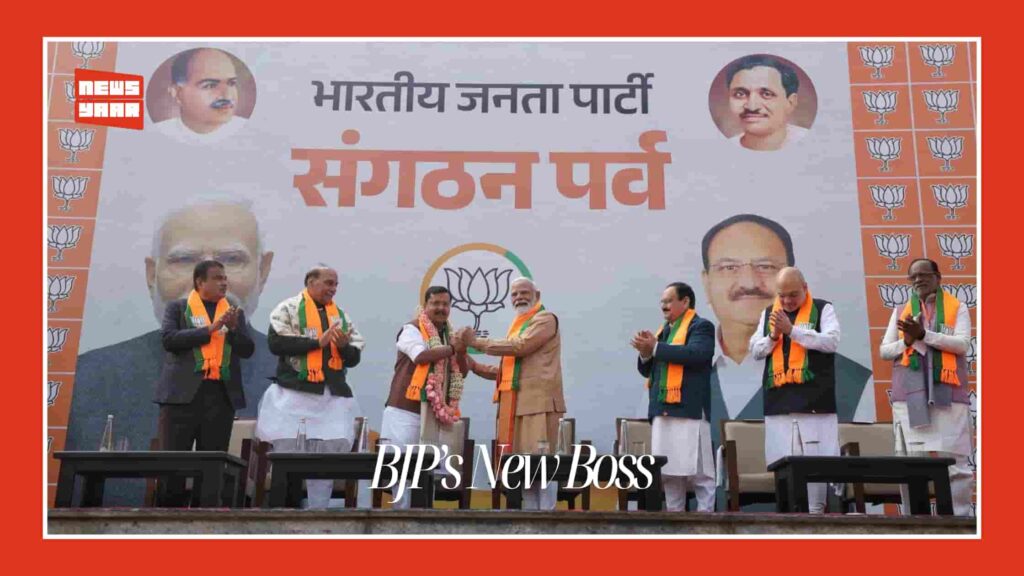
New Delhi:In a moment rich with symbolism and political messaging, Prime Minister Narendra Modi on Tuesday formally welcomed Nitin Nabin as the new national president of the Bharatiya Janata Party (BJP), declaring that in party matters, the newly appointed chief would be his “boss”. The remark, made at a felicitation event on January 20, 2026, with the BJP’s emphasis on organisational discipline and a clear separation between the party and the government.Nitin Nabin, 45, officially assumed charge in the presence of senior party leaders and Prime Minister Modi, marking the beginning of a new phase for the BJP’s organisational leadership. Addressing party workers, Modi said he had presented an account of his own work to the new president, adding with a touch of humour that he now awaited Nabin’s “guidance” and confidential report.“When it comes to party matters, honourable Nitin Nabin ji is my boss. I am a worker,” Modi said, drawing applause from the audience. The Prime Minister had made a similar statement in 2019 alongside then BJP president Amit Shah, reiterating a long-standing message within the party that the organisation functions independently of the government.Highlighting Nabin’s generational outlook, Modi pointed to the new president’s ability to bridge tradition and modernity. He remarked that while he himself grew up listening to news on the radio, Nabin represents a generation comfortable with technology and artificial intelligence, an implicit nod to the BJP’s evolving political strategies in a digital age.Nitin Nabin was officially declared the BJP national president on January 19, following the completion of an extensive internal organisational election process. According to party sources, 37 nominations were filed in his support, all of which were found valid.While the event largely focused on organisational unity, Modi also touched upon broader political issues. He reiterated the BJP’s position on national security, stating that infiltrators posed a serious threat to the country and must be identified and deported. He stressed the importance of learning from the mistakes of other political parties, a veiled reference to the Congress, and urged BJP workers to remain disciplined and connected to grassroots concerns.As Nitin Nabin steps into his new role, he faces the challenge of steering the BJP through complex electoral terrain and internal expectations. His relatively young age and organisational mandate signal a leadership style that blends experience with adaptability, qualities the party believes are essential for navigating the evolving political landscape.The transition, marked by Modi’s symbolic deference, reinforces the BJP’s core message: strong leadership thrives on organisational clarity, collective responsibility, and disciplined separation between party and power.
Khelo India Winter Games 2026: Ladakh Takes Centre Stage as India Pushes Its Winter Sports Ambition
Leh:The Khelo India Winter Games (KIWG) 2026 marked another milestone in India’s growing winter sports journey, with Ladakh emerging as the country’s undisputed hub for ice and snow-based competitions. The sixth edition of the Games was inaugurated at the NDS Stadium Ice Hockey Rink in Leh, reinforcing the region’s status as a natural home for winter sports in India.Dates, Venues, and ScheduleThe Khelo India Winter Games 2026 are being held in January 2026, with competitions spread across key venues in Leh and the surrounding areas of Ladakh. The primary venues include:NDS Stadium Ice Hockey Rink, Leh – Ice hockey matchesLeh and Kargil regions – Ice skating and other winter disciplinesDesignated frozen lakes and rinks prepared specially for the GamesMatches are scheduled over multiple days, featuring league-stage encounters followed by knockout rounds, particularly in ice hockey, one of the marquee attractions of the tournament.Sports and Teams ParticipatingThe Games feature popular winter sports such as:Ice Hockey (Men & Women)Ice Skating (Short Track & Figure Skating)Snow-related disciplines, depending on weather conditionsTeams from Union Territories, states, and institutional teams like the Indian Army, ITBP, and other forces are participating. Regions with colder climates, such as Ladakh, Jammu & Kashmir, Himachal Pradesh, Uttarakhand, alongside teams from states like Telangana and Rajasthan, reflect the expanding footprint of winter sports across India.India’s Place in Global Winter SportsGlobally, winter sports dominate the sporting calendar in countries with long snow seasons. Nations like Canada, the United States, Russia, Norway, Sweden, Finland, Germany, Switzerland, Japan, and South Korea are traditional powerhouses. Major global competitions include the Winter Olympic Games, Winter Paralympics, IIHF Ice Hockey World Championships, and FIS Alpine Ski World Cup, drawing thousands of athletes and massive international audiences.Compared to these established winter-sport nations, India is still at a developing stage. Limited snowfall regions and infrastructure constraints have historically restricted growth. However, Ladakh, with its frozen lakes, natural ice rinks, and sub-zero winters, offers conditions comparable to international winter sports destinations.The infrastructure developed for KIWG, ice rinks, training facilities, and logistics, will remain as a legacy for future events. This is expected to help India gradually scale up participation in the Asian Winter Games and the Winter Olympics.As Ladakh continues to host the Games, India is signaling its intent to carve a space in the global winter sports ecosystem.
Indian Passport Climbs the Ladder in 2026, but Global Travel Reality Remains Mixed
Indian passport holders have a reason to feel cautiously optimistic in 2026. According to the latest Henley Passport Index, India’s passport has registered an improvement in global rankings, signalling a gradual rise in international mobility for Indian travellers. However, beneath the headline gain lies a more nuanced reality that travellers must keep in mind while planning overseas journeys.The Henley Passport Index 2026 has placed India at the 80th position, a jump of five ranks from last year’s 85th spot. The index, which ranks passports based on the number of destinations their holders can access without a prior visa, reflects how freely citizens of a country can travel across borders. In practical terms, Indian passport holders can now access 55 destinations without securing a visa in advance. This includes countries offering visa-free entry, visa-on-arrival, or electronic travel authorisation (ETA).The upward movement suggests incremental progress in India’s global travel standing, driven partly by diplomatic engagements, bilateral agreements, and the growing international presence of Indian travellers. For frequent flyers and first-time international tourists alike, this translates into slightly more flexibility and reduced paperwork for select destinations.However, the improvement in ranking does not tell the full story. Despite climbing the index, the number of destinations offering hassle-free access to Indian passport holders remains limited compared to many other countries. In fact, while the rank has improved, access to key regions such as Europe’s Schengen Area, the United States, the United Kingdom, and several East Asian nations continues to require traditional visas, often involving lengthy processing times, extensive documentation, and high costs.This contrast highlights an important point: rankings can improve even when overall access remains constrained. The Henley Index is relative in nature, meaning India’s rise may also reflect changes in other countries’ visa policies rather than a dramatic expansion of visa-free access for Indians.For Indian travellers, the list of accessible destinations is still dominated by countries in Southeast Asia, Africa, the Caribbean, and parts of the Middle East. While these destinations offer rich cultural and travel experiences, many popular business, education, and tourism hubs remain out of easy reach without prior approvals.Travel industry experts say the ranking improvement is symbolically significant but should not be overstated. “A higher rank improves perception, but on the ground, Indian travellers still need to plan well in advance for most long-haul or premium destinations,” said a senior travel consultant based in Delhi. He added that visa rejections, appointment delays, and rising visa fees continue to be common concerns.At the same time, the gradual rise reflects India’s growing global footprint. As one of the world’s fastest-growing major economies and a key player in international diplomacy, India has been actively engaging with countries to simplify travel frameworks. Industry observers believe that sustained diplomatic efforts, along with reciprocal visa arrangements, could further enhance passport strength in the coming years.For now, Indian passport holders can take heart in the positive movement, while remaining realistic. The 2026 ranking underscores progress, but also serves as a reminder that global mobility for Indians is still a work in progress, one that requires both policy-level negotiations and patient travel planning.As international travel rebounds and geopolitical equations evolve, the Indian passport’s journey up the global ladder is likely to continue, albeit gradually.
PM Modi Likely to Shift PMO to Seva Teerth, Marking Historic Transition from South Block
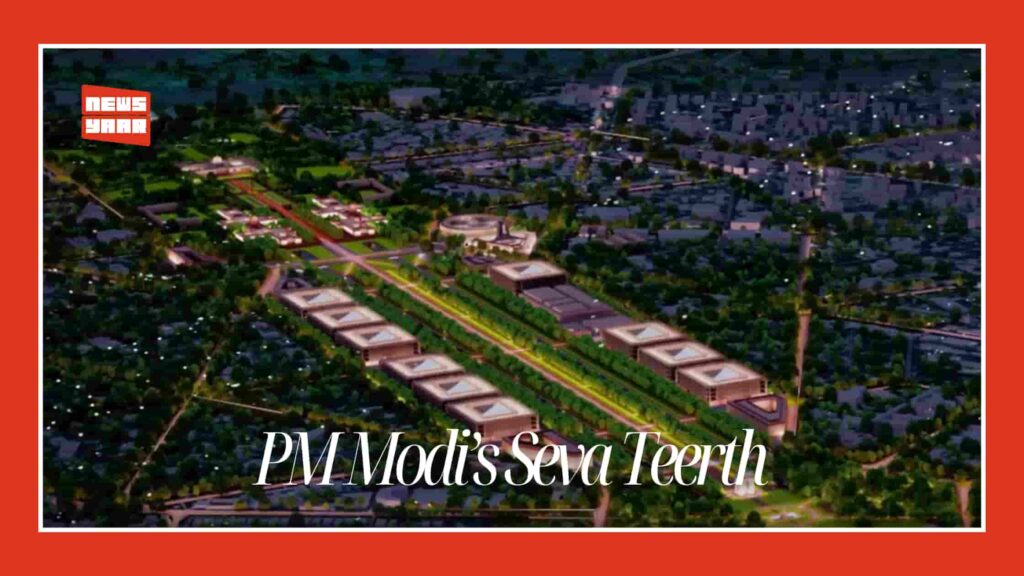
New Delhi: Prime Minister Narendra Modi is likely to shift his office to the newly constructed Seva Teerth complex near Raisina Hill after January 14, marking a historic transition in India’s administrative landscape. According to reports, the move is expected to coincide with Makar Sankranti and will formally end the Prime Minister’s Office’s long association with South Block, where it has functioned since Independence.The relocation is part of the ambitious Central Vista redevelopment project, aimed at modernising India’s core administrative infrastructure and bringing key decision-making bodies under one consolidated zone. What is Seva Teerth? Seva Teerth, officially known as the Executive Enclave, is located on Dara Shikoh Road, earlier called Dalhousie Road, in the heart of New Delhi, close to Raisina Hill. The complex has been designed as a secure and integrated administrative hub, reflecting the government’s vision of a more efficient and contemporary governance system.The Executive Enclave comprises three distinct buildings, each assigned to a crucial arm of national administration. Allocation of Offices Within the Complex Seva Teerth-1 has been designated to house the Prime Minister’s Office. The building includes office spaces, meeting rooms, and ceremonial areas, with a more expansive and formal layout reflecting the PMO’s national and international responsibilities.Seva Teerth-2 already houses the Cabinet Secretariat, which shifted there in September last year. Seva Teerth-3 will accommodate the National Security Council Secretariat and the office of the National Security Advisor, Ajit Doval. Once fully operational, the complex will bring together top-level decision-makers within proximity, facilitating smoother coordination on governance and national security matters. A Symbolic End to the South Block Era The move marks the end of an era for South Block, which has served as the seat of the Prime Minister’s Office since 1947. Over the decades, South Block became synonymous with executive authority and witnessed some of the most significant decisions in independent India’s history.Similarly, North Block, home to the Ministries of Home Affairs and Finance for decades, has also been vacated as part of the transition. Both ministries have already shifted to Kartavya Bhavan, another component of the Central Vista project.The Central Vista redevelopment seeks to address long-standing space constraints, outdated infrastructure, and the dispersal of ministries across Delhi. By consolidating offices, the government aims to improve efficiency, security, and inter-ministerial coordination, while also modernising buildings to meet present-day functional and technological requirements.Officials familiar with the project have said the new complexes are designed with advanced security features, sustainable infrastructure, and digital-ready facilities, aligning with India’s future governance needs. A New Chapter in Governance Once the Prime Minister formally begins work from Seva Teerth, it will mark a significant symbolic and functional shift in India’s administrative history. While South Block remains a powerful emblem of the past, Seva Teerth represents the government’s push toward a modern, centralised, and future-ready system of governance at the heart of the national capital.
NDRF Raising Day 2026: Recent Operations and Observations
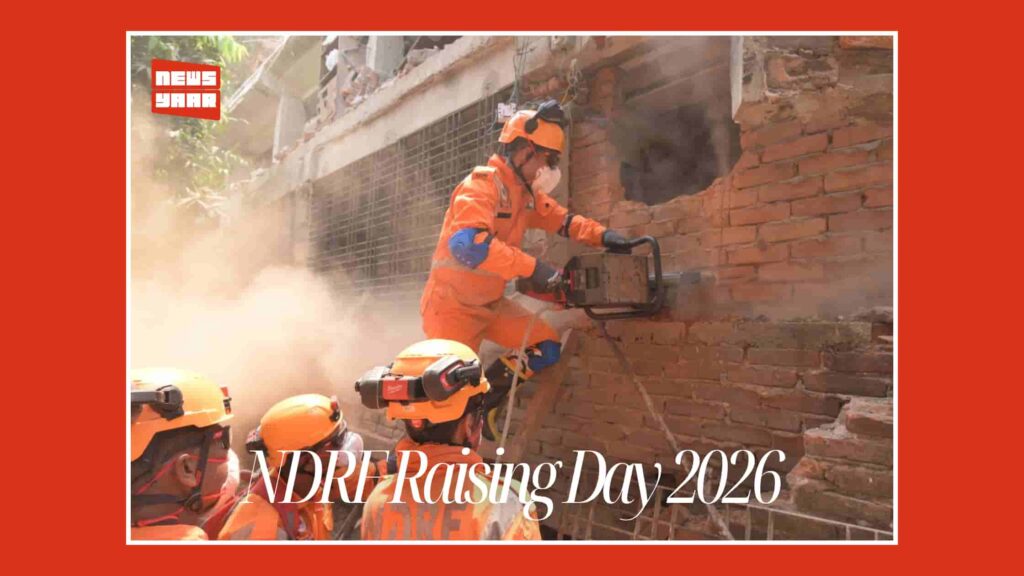
India on January 19 observed NDRF Raising Day, marking 20 years since the formation of the National Disaster Response Force (NDRF), a specialised force that has become synonymous with courage, speed and professionalism during disasters. Established in 2006 under the Disaster Management Act, 2005, the NDRF was created to strengthen India’s preparedness and response mechanism against natural and man-made calamities.From devastating floods and cyclones to earthquakes, landslides, industrial accidents and building collapses, the NDRF has played a crucial role in saving lives across the country. Over the past two decades, the force has evolved into a highly trained, multi-skilled unit capable of responding to complex emergencies both in India and abroad.On Raising Day, tributes poured in from across the political spectrum. Prime Minister Narendra Modi lauded the NDRF for its “professionalism, courage and unwavering resolve,” while Home Minister Amit Shah described the force as a “pillar of trust for citizens during disasters,” paying homage to personnel who lost their lives in the line of duty.The NDRF operates under the Ministry of Home Affairs and currently comprises multiple battalions deployed strategically across the country to ensure rapid response. Each battalion is trained in specialised disaster response skills such as flood rescue, collapsed structure search and rescue, chemical, biological, radiological and nuclear (CBRN) emergencies, and medical first response.What sets the NDRF apart is not just its response capability but also its focus on community awareness and capacity building. The force regularly conducts mock drills, school safety programmes and training sessions for civilians, local authorities and first responders to minimise loss of life during emergencies.In recent years, the NDRF has been at the forefront of major rescue operations, including flood relief missions, cyclone response along India’s eastern and western coasts, and urban rescue operations following infrastructure failures. Its personnel often work in extreme conditions, navigating submerged villages, unstable debris and hazardous environments, to reach those in distress.Beyond national borders, NDRF teams have also represented India in international humanitarian assistance missions, reinforcing the country’s image as a responsible global responder.The 2026 Raising Day was marked by ceremonial parades, award presentations and social initiatives across NDRF battalions. Senior officials and state leaders used the occasion to highlight the growing importance of disaster resilience in an era marked by climate change and extreme weather events. Emphasis was laid on technology adoption, advanced training and inter-agency coordination to further strengthen India’s disaster response framework.As disasters grow more frequent and complex, the role of the NDRF continues to expand. The Raising Day serves as a reminder of the silent sacrifices made by its personnel, often away from their families, operating under intense pressure, with one mission at heart: saving lives.Twenty years on, the National Disaster Response Force remains one of India’s most trusted institutions, standing ready at the nation’s call when disaster strikes.