


South Korean President Lee Jae Myung Ushers in New Era of India–ROK Partnership
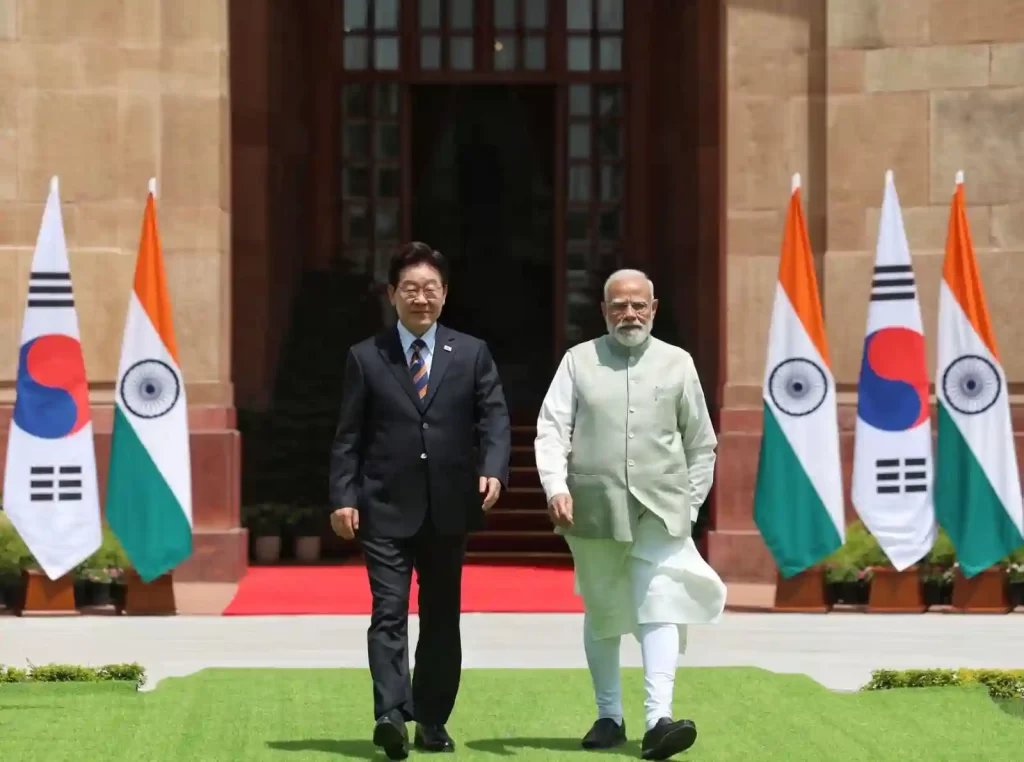
South Korean President Lee Jae Myung arrived in New Delhi on April 19, 2026, for a historic three-day state visit marking the first time a South Korean head of state has visited India in eight years. At Prime Minister Narendra Modi’s invitation, President Lee traveled with First Lady Kim Hea Kyung and nearly 200 business executives, including chairs of Samsung, Hyundai, LG, POSCO, and HD Hyundai. The visit centers on elevating the India–ROK Special Strategic Partnership across trade, technology, defense, and maritime cooperation. Both leaders agreed to nearly double bilateral trade from $27 billion to $50 billion by 2030 while launching a comprehensive five-year strategic roadmap for 2026–2030.President Lee described India as no longer just a consumer market but a key country driving global production. He called this visit a turning point, transforming a trusted partnership into a futuristic one spanning chips, ships, talent, technology, entertainment, and energy. The outcome includes 25 substantive agreements anchored in a Joint Strategic Vision that institutionalizes annual summits and creates structured cooperation mechanisms.The Preface: Economic Cooperation Economic cooperation forms the heart of the visit, with both countries setting an ambitious target of nearly doubling bilateral trade from $27 billion to $50 billion by 2030. At the joint press conference, President Lee stated that they aim to increase annual trade volume to around $50 billion within four years. Both sides agreed to fast-track an upgrade of the Comprehensive Economic Partnership Agreement (CEPA) to address non-tariff barriers and boost services exports.Modi announced the establishment of a Korean Industrial Township to ease market entry for Korean small and medium enterprises. President Lee expressed surprise that only 700 Korean companies are currently present in India, suggesting this figure could realistically be ten times higher. Both sides launched the India–Korea Financial Forum and an Economic Security Dialogue to support these goals, facilitating cross-border investment and supply chain resilience.Shipbuilding Emerges as Flagship CooperationShipbuilding emerged as the most significant flagship area with both sides adopting a Comprehensive Framework for Partnership on Shipbuilding, Shipping, and Maritime Logistics. In the headline commercial agreement, HD Korea Shipbuilding and Offshore Engineering, supported by India’s Maritime Development Fund, will develop a large greenfield shipyard in southern India. This facility will focus on block fabrication and construct a new dry dock for large specialized vessels.The partnership combines India’s labor, land, and strategic location with South Korea’s advanced technology and design expertise. Together, they can compete with Chinese shipyards dominating global orders. The shipyard will create thousands of jobs while building India’s capacity to construct vessels for defense, commercial, and research purposes. Technology transfer will enable Indian yards to move from repair work to complex vessel construction.Technology and Defense Cooperation DeepenBoth leaders launched the India–Korea Digital Bridge, combining India’s AI and engineering talent with South Korea’s semiconductor fabrication and precision manufacturing. NPCI International and the Korea Financial Telecommunications and Clearings Institute signed an MoU for the phased integration of digital payment systems, enabling seamless cross-border payments between India’s UPI and South Korea’s digital infrastructure.On defense, both sides reinvigorated the 2020 MoU on Defence Industry Cooperation with the K9-Vajra howitzer joint venture serving as a model. A Korea–India Defence Accelerator (KIND-X) was launched to connect businesses, incubators, investors, defense startups, and universities. ISRO and the Korea Aerospace Administration (KASA) agreed to form a Joint Working Group and held an India–ROK Space Day in Bengaluru, discussing satellite development and launch services.Indo-Pacific Strategic Convergence Strengthens SecurityBoth countries reaffirmed their commitment to a free, open, and rules-based Indo-Pacific. South Korea joined the India-led Indo-Pacific Oceans Initiative (IPOI), signaling growing strategic engagement beyond economic interests. Both sides agreed to hold the inaugural Defence and Foreign Affairs 2+2 Dialogue at the vice-ministerial level to coordinate security policies.President Lee described the two nations as the most ideal partners for comprehensive cooperation, promoting mutual growth and innovation in an era of uncertainty. Modi added that in this period of global tensions, India and Korea together convey a message of peace and stability. This strategic convergence addresses shared concerns about North Korea’s nuclear program, China’s maritime assertiveness, and supply chain vulnerabilities.Five-Year Roadmap Provides Clear DirectionThe visit produced 25 outcomes anchored in the Joint Strategic Vision for 2026–2030. Both sides launched an Industrial Cooperation Committee, chaired by respective industry ministers, to monitor implementation and resolve bottlenecks. Ministerial dialogues will expand across finance, science, technology, energy, and environment sectors.The roadmap includes specific targets for trade, investment, and technology transfer. Both countries are committed to increasing two-way investment to $20 billion by 2030. Student exchange programs will increase to 10,000 annually by 2030. The 2028–29 Year of India–Korea Friendship will celebrate shared heritage while promoting modern connections through film festivals, art exhibitions, and sports tournaments.Partnership Positions as Asia’s Consequential Middle-Power AlliancePresident Lee’s visit establishes a clear five-year direction integrating economic scale, industrial capability, and strategic coordination. With a structured roadmap, $50 billion trade target, and deepened cooperation across shipbuilding, semiconductors, and defense, the relationship ranks among Asia’s most consequential middle-power partnerships. This partnership demonstrates how democracies can cooperate effectively without formal alliances.The structured outcomes ensure accountability and measurable progress. Annual summits provide opportunities to review achievements while ministerial committees maintain momentum between leadership visits. The India–Korea partnership now has institutional depth that withstands political changes in either country, attracting long-term investment and facilitating multi-year projects.As Asia’s economic center of gravity shifts, India and South Korea position themselves as complementary powers driving innovation and growth. Their partnership combines India’s demographic strength and digital capabilities with South Korea’s technological mastery and industrial efficiency. Together they represent a model of South–South cooperation benefiting both nations while contributing to global stability. The visit marks not just a diplomatic event but a turning point shaping Asia’s future for generations.
PM Modi Launches Five-Nation Tour to Secure Energy, Tech Ties Amid Iran War
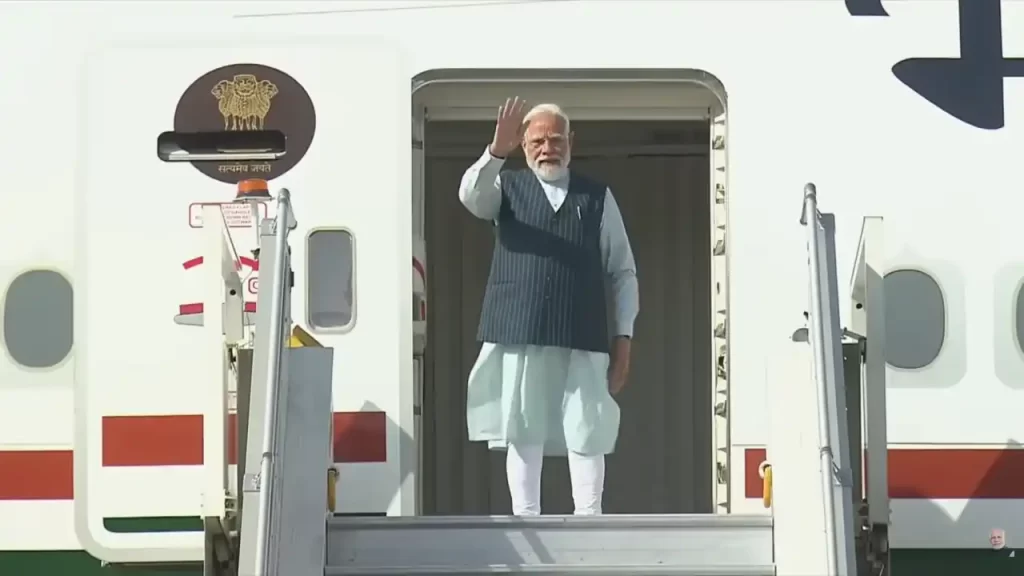
Prime Minister Narendra Modi has begun a massive five-nation tour starting in the United Arab Emirates (UAE). The trip runs from May 15 to May 20, 2026. It includes visits to the UAE, the Netherlands, Sweden, Norway, and Italy. The Prime Minister travels at a critical time when the ongoing war between the US and Iran has disrupted global shipping routes. Tensions around the Strait of Hormuz have caused oil prices to rise. This tour aims to secure India’s energy supply and strengthen technology partnerships. The visit comes right after India and the European Union signed a historic free trade agreement. Modi calls this deal the “mother of all deals.”The journey highlights India’s effort to build strong economic ties while managing global instability. Experts say diplomacy can reduce market panic, but oil prices will stay high until the war ends. Until then, India must focus on energy security and protecting its economy from rising costs.Visit to UAE: Fortifying Energy and Strategic TiesPM Modi landed in the UAE on May 15 to meet President Sheikh Mohamed bin Zayed Al Nahyan. Since 2014, Modi has visited the UAE seven times. President Sheikh Mohamed has visited India five times. Their relationship has only grown stronger over the years. The UAE has remained one of India’s most reliable energy partners even during this Gulf crisis. Long-term oil and gas supply agreements protect India’s energy security.Two important Memorandums of Understanding (MoUs) are likely to be signed during this visit. One deals with Liquefied Petroleum Gas (LPG). The other focuses on Strategic Petroleum Reserves. These deals will help India store more fuel for emergencies. Bilateral trade between India and the UAE crossed $101.25 billion in the last financial year. Both nations aim to double this trade to $200 billion by 2032. The UAE is India’s seventh-largest investor, with over $25 billion in cumulative investment.The UAE also hosts the largest group of Indian expatriates in the world. Over 4.5 million Indians live there. They form the backbone of the UAE economy. The leaders will discuss their welfare and safety. Remittances from these workers help India’s foreign exchange reserves. A Local Currency Settlement system allows trade in Indian Rupees and UAE Dirhams. This reduces dependence on the US dollar.Netherlands: Chip Deals and Water TechnologyThe Prime Minister arrived in the Netherlands from May 15 to 17. This is only his second visit since 2017. The partnership focuses on “innovation meets scale.” Dutch technology combines with India’s massive market size. Areas like semiconductors, water management, hydrogen, and maritime tech are key.A major business highlight is the agreement between Tata Electronics and ASML Netherlands. They will sign a deal to equip a semiconductor fabrication plant in Dholera, Gujarat. This boosts India’s chip-making capabilities. PM Modi and the Dutch Prime Minister visited the Afsluitdijk Dam together. This site shows cooperation in clean energy and sustainable fisheries. The Netherlands is India’s largest trading partner in Europe. Trade reached $27.8 billion in FY 2024-25. It is also India’s fourth-largest investor.The PM addressed the Indian community of over 90,000 NRIs. The visit also reached out to over 200,000 Surinami Hindustanis, the largest Indian-origin group in mainland Europe. Both nations are streamlining migration and mobility. Tourism between the two countries is set to grow.Sweden: Defense, AI, and Strategically De-risking from ChinaModi visited Sweden after an eight-year gap. He last went there in April 2018 for the first India-Nordic Summit. Sweden invests over 3 percent of its GDP in research and development. It ranks among the top innovators in Europe. Sweden has taken a firm stance to reduce its reliance on China. They removed Chinese vendors from their telecom networks. This makes India a key strategic partner.Bilateral trade reached $7.75 billion in 2025. Over 280 Swedish companies work in India. A major project is the Saab manufacturing plant in Jhajjar. Saab is building its first Carl-Gustaf weapon plant outside Sweden here. This is India’s first 100 percent FDI-driven defense project. Sweden also holds large critical mineral deposits. This helps India secure supply chains for electric vehicles and defense electronics.A new Statement of Intent created the Sweden-India Technology and AI Corridor (SITAC). It covers 6G, Artificial Intelligence, quantum computing, and life sciences. Over 80 Swedish companies attended the AI Impact Summit 2026. The Maharashtra government signed an MoU for electric boat investment worth Rs 1,990 crore.Norway: First Solo Visit in 43 Years and Arctic TechThis trip marks the first standalone visit by an Indian Prime Minister to Norway in 43 years. Modi attended the third India-Nordic Summit in Oslo. This summit places India in a high tier of Nordic engagement, joining only the United States. The India-EFTA TEPA agreement is now in force. It promises $100 billion in investment and one million jobs over 15 years.Norway’s sovereign wealth fund, the world’s largest at $2 trillion, has invested nearly $30 billion in India. Indian shipyards now hold 11 percent of Norwegian ship orders. Cochin Shipyard is building eco-friendly vessels for Norway. An MoU between GRSE and Kongsberg Maritime will deliver India’s first indigenous Polar Research Vessel.ISRO antennas at Svalbard became operational in 2026. They support India’s Arctic research. Norwegian tunneling technology helps the Char Dham railway project. Clean energy cooperation will diversify India’s energy mix. Norway also sees opportunities for Indian talent due to its aging population.Italy: Strategic Partnership and Submarine CablesPM Modi travels to Italy from May 19 to 21. He meets Prime Minister Giorgia Meloni to reaffirm their strategic partnership. The visit follows the Joint Strategic Plan of Action 2025-29. Italy views India as a major power and an indispensable partner.Italy champions the India-Middle East-Europe Economic Corridor (IMEEC). A new submarine cable, Sparkle-Airtel Blue-Raman, connects Genoa to India. This secures supply chains and boosts energy security. Bilateral trade reached $16.77 billion in 2025. The target is 20 billion euros by 2029. Tata Motors acquired the Iveco Group for 3.8 billion euros. This is the largest Indian investment in Italy. Italy opened a SIMEST office in Delhi to support SMEs.Energy Crisis and Global ImpactThe Iran war has caused
PM Modi Celebrates Nari Shakti at National Sammelan in Delhi
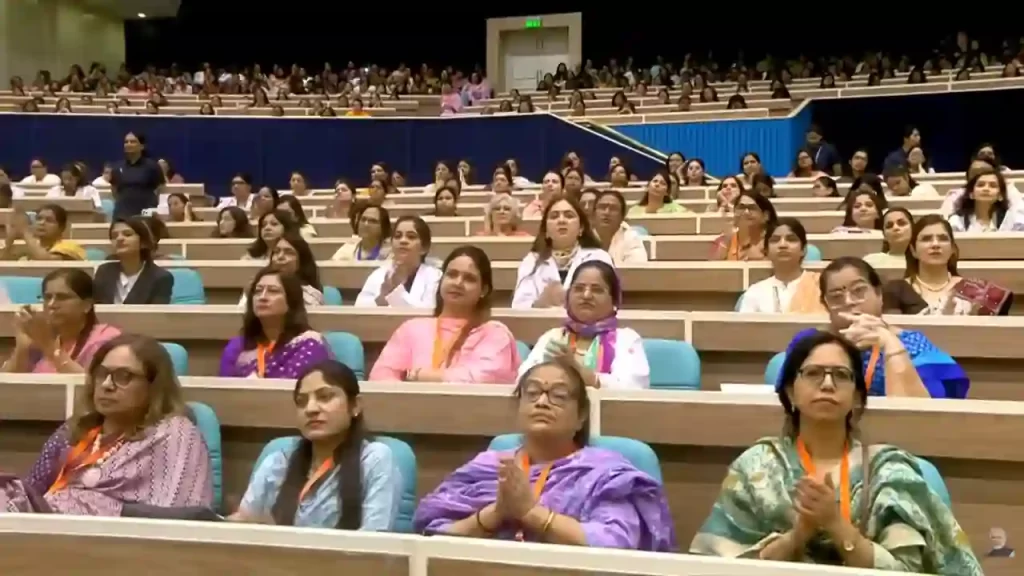
Prime Minister Narendra Modi addressed a large gathering of women achievers in New Delhi. The event, called Nari Shakti Vandan Sammelan, took place at Vigyan Bhawan on April 13, 2026. He spoke at around 11 AM to honor India’s women’s power, known as Nari Shakti. The program brought together successful women from many fields. These included government, science, sports, business, media, social work, arts, and education. The Sammelan showed India’s strong push for women-led growth as part of the Viksit Bharat 2047 vision.The Prime Minister called the day historic. It came just before a special Parliament session on April 16, 2026. That session focused on rolling out the Nari Shakti Vandan Adhiniyam. Parliament passed this law in September 2023. It reserves one-third of seats for women in the Lok Sabha and state assemblies. PM Modi stressed that all parties agreed to implement it by 2029 at the latest. He urged women to stay active and talk to their MPs about their hopes. This law ends decades of waiting for equal say in law-making.Event Highlights Women’s Rise from Panchayat to ParliamentThe Sammelan gathered top women leaders and everyday heroes. They shared stories of breaking barriers. PM Modi praised their hard work, courage, and confidence. He said India’s Nari Shakti has reached new heights. Now, the nation must open more doors for them. The event linked local wins to national goals. Over 14 lakh women lead panchayats today. In 21 states, nearly half of panchayat seats go to women. Their work surprises global experts and boosts India’s image.Women in power bring fresh views, said the PM. They focus on water, health, schools, and food. The Jal Jeevan Mission succeeds because panchayat women push it. These leaders have years of experience. The new law gives them a path to bigger roles. The journey from village councils to Parliament will get easier.Government Schemes Support Women at Every Life StagePM Modi listed many programs his government has started since 2014. They cover women from birth to old age. Beti Bachao Beti Padhao fights female foeticide. Mothers get Rs 5,000 under the Matru Vandan Yojana for good nutrition. Sukanya Samriddhi Yojana saves for girls’ education with high interest.Kids get Mission Indradhanush vaccines on time. Swachh Bharat builds toilets. Nearly free sanitary pads help teens. Khel India funds sports. Sainik Schools and NDA now welcome girls. Adults gain from Ujjwala’s gas connections. Har Ghar Nal Se Jal brings water home. Free rations ensure food. Ayushman Bharat gives Rs 5 lakh health cover. Jan Aushadhi cuts medicine costs by 80 percent.Homes under PM Awas Yojana register in women’s names first. Over 3 crore women own houses now. This makes them strong financially. Jan Dhan opened bank accounts for 32 crore women. Mudra loans go 60 percent to women. Startups list women directors in 45 percent of cases. Maternity leave lasts 26 weeks. Drone Didis teaches farmers with tech. Ten crore women join self-help groups. Three crore are Lakhpati Didis, earning lakhs yearly. They promote Vocal for Local.Women Break into Male-Dominated FieldsIndia leads the world with the highest share of women pilots. Daughters fly fighter jets. PhD enrollments for women doubled since 2014. Half of higher education spots go to women. In math and science, girls make up 43 percent. PM Modi said old mindsets are changing fast.Safety gets top focus, too. Fast-track courts speed justice. Bharatiya Nyaya Sanhita protects women. File e-FIR or Zero-FIR anywhere. Record statements with audio-video. The government acts on women’s dreams.PM’s Call to Action for All WomenThe Prime Minister paid tribute to the Jallianwala Bagh martyrs on Baisakhi. He tied the event to social justice. India wants real equality, not just words. Women from the freedom fights to today’s leaders have built the nation. The President and Finance Minister show women’s mark.PM Modi appealed to all women. Take this message to every village. Use meetings and social media. Help every woman know her power. Dream big for assemblies and Parliament. He promised the nation stands with mothers, sisters, and daughters.Bigger Picture: Women-Led Development for Viksit BharatThe Sammelan fits India’s big plan. Viksit Bharat 2047 means a developed India by 2047. Women lead it. From panchayats to Parliament, their voice grows. The law strengthens democracy. It ensures decisions reflect half the population.Similar events happened elsewhere. In Mumbai, actor Raveena Tandon was honored. Maharashtra CM Devendra Fadnavis praised women from teaching, music, films, and fashion. They back the quick rollout of the Act. Rouble Nagi, Vaishali Samant, Prajakta Mali, and Archana Kochhar joined.The Sammelan builds excitement nationwide. Women voice hopes for Parliament seats. A positive wave spreads. PM Modi wants dialogue and teamwork. This honors Parliament and empowers Nari Shakti.India nears a landmark choice for women. The Sammelan lights the path. It celebrates past wins and future roles. Nari Shakti will shape a strong, fair India.Video: @YT/NaMo
Mumbai Water Metro: Sailing to Ease Traffic and Revive Island City’s Waterways
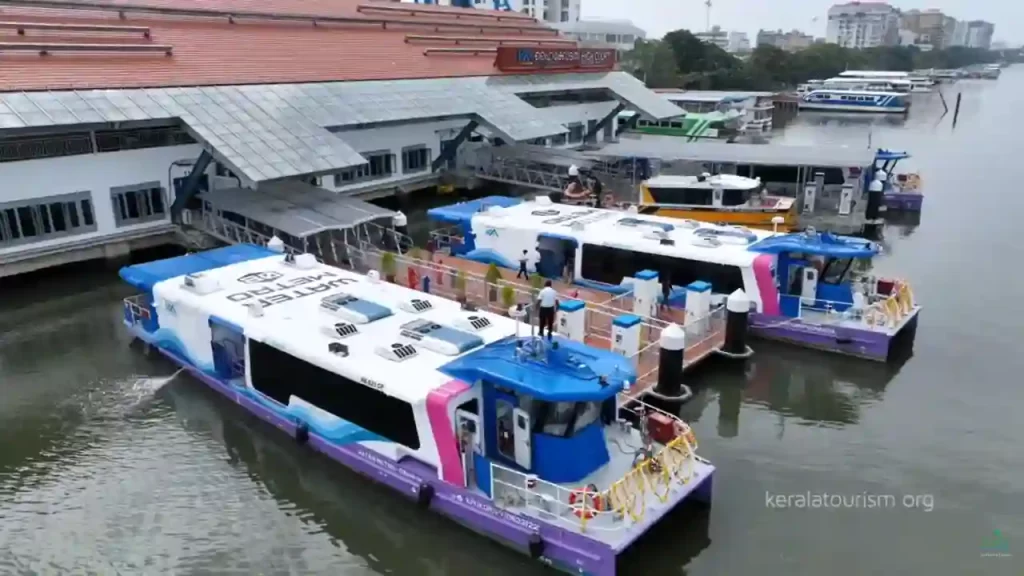
Mumbai, India’s bustling financial hub built on seven islands, faces daily chaos from overcrowded trains, jammed roads, and rising seas of cars. Commuters waste hours in gridlock, while ferries, once a lifeline, faded after failed tries like 1990s hovercrafts and a short-lived Belapur-Gateway run. Enter the Mumbai Water Metro: an ambitious 36-route network across the Mumbai Metropolitan Region (MMR) to ferry up to 18 million passengers yearly. Chief Minister Devendra Fadnavis gave in-principle nod on March 17, 2026, calling it a “coastal transport revolution.” Modelled on Kerala’s hit Kochi system, this Rs 6,592-crore plan taps Mumbai’s 340 km of waterways for scenic, green rides, slashing commute times, boosting tourism, and building shipyards.A Vision to Turn Tides on CongestionMumbai’s locals pack 75 lakh daily; roads choke with 40 lakh vehicles. Water Metro offers breezy escapes: 21 initial routes over 125-340 km (Phase 1: 215 km new + 125 km upgraded), with 25-44 terminals. Daily riders: 44,000; yearly: 18 million, rising to 75 million by 2031. Electric ferries zip between islands, bypassing potholes for sea views of Marine Drive, Bandra-Worli Sea Link.Fadnavis envisions it as the world’s largest water transport network, easing suburban rail pressure (already 1.6 crore water passengers yearly). Ports Minister Nitesh Rane: Start Mumbai city core, expand MMR, linking to Navi Mumbai Airport in 40 minutes from Gateway jetty.Key Routes: From Commutes to CruisesPhase 1 spotlights high-demand hops (6-10 initially):City Core: Nariman Point-Worli-Bandra-Juhu-Versova (coastal buzz).North Links: Versova-Madh, Marve-Manori, Gorai-Borivali (beaches, suburbs).Harbour Hops: Gateway-Mandwa, Belapur-Elephanta (tourist gems).Creek Crossings: Thal-Khanderi, Vasai Creek, Thane Creek, Ulhas River.Airport Express: Gateway to Navi Mumbai International Airport.Outer Reaches: Vasai-Kalyan-Kalher-Bandra-Vashi-Nariman Point.Later: Ro-Pax (car ferries), tourism circuits to Vasai Fort, bird sanctuaries, and parks. Fixed schedules like metro: Peak-hour frequency, digital tickets, rail-metro links.Green Fleet and Smart Tech for Smooth Sails207 vessels mix electrics (zero emissions), hydrofoils (fast), hovercrafts, hybrids, handling 3.5m tides. Private ops under PPP: Govt funds Rs 3,436 crore (civils, safety, jetties); privates Rs 3,156 crore (boats). Operations Control Centre at Kalher (Bhiwandi), backup Fountain Junction (Mira-Bhayandar); dedicated boatyard for local builds.Phases roll steadily:Phase 1 (by 2029): Rs 1,500 crore core network.Phase 2 (2030): Expansion.Phase 3 (2036): Full glory.Kochi Metro Rail Ltd’s DPR (submitted early 2026) guides; the consultant will be appointed in 4 months, then clearances, tenders.Kochi Model: Mumbai’s Fare GuideMumbai Water Metro ticket costs are not yet finalized, as the project is in planning (DPR stage, rollout eyed December 2026 onward). Officials aim for affordable fares like Kochi’s model (its blueprint), to beat past flops from high prices. Expect Rs 10-50 per short hop (e.g., 5-10 km), scaling with distance, cheaper than taxis (Rs 200+), on par with buses (Rs 10-30), and scenic vs. trains. Daily passes, monthly options, and UPI/app tickets planned.Kochi Water Metro (Mumbai’s inspiration) sets the benchmark:Single journey: Rs 20 minimum to Rs 40-50 maximum (e.g., Vytilla-High Court: Rs 40; Fort Kochi: Rs 40).Kochi1 Card: Rechargeable smart card (metro+water), 20% discount.Passes:Pass TypeCostValidityWeeklyRs 1807 daysMonthlyRs 60030 daysQuarterlyRs 1,50090 daysPast Flops to Future Wins: Learning from Waves1990s hovercrafts sank on costs; 2024 Belapur-Gateway fizzled on low uptake. This time? Affordable fares (Rs 20-50?), eco-focus, integration fix it. Kochi’s success (78 boats, 5 lakh riders/month) proves demand; Mumbai’s waterways are unused despite island roots.Hurdles and HorizonsEco-clearances, tides, and monsoons challenge, but tidal-proof jetties and weather-resilient boats are ready. By 2036, imagine: Skip Virar trains, sail Versova-Bandra in 20 minutes; tourists yacht Worli sunsets. Mumbai sails again, cleaner, calmer, connected.
Zojila Tunnel: Asia’s Longest High-Altitude Road Link Burrowing Through Himalayan Fury
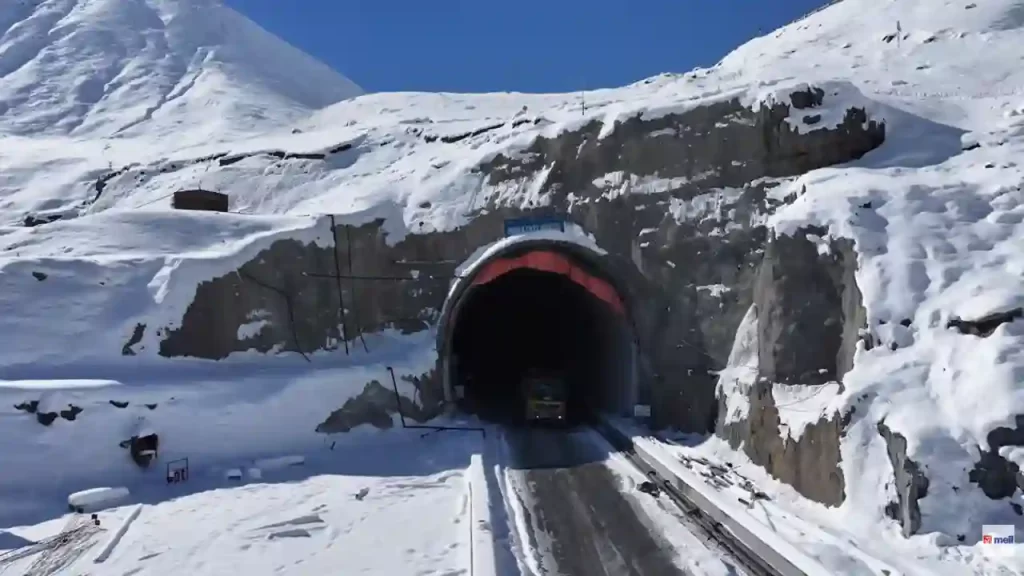
High in the snow-capped Himalayas, where blizzards rage and temperatures plunge to minus 25 degrees Celsius, workers are carving out one of India’s boldest engineering feats. The Zojila Tunnel, set to be Asia’s longest bidirectional highway tunnel at high altitude, promises to end Ladakh’s winter isolation forever. Stretching 13.15 kilometers under the notorious Zojila Pass, this horseshoe-shaped, single-tube, two-lane tunnel will connect Srinagar in Jammu & Kashmir to Drass in Ladakh’s Kargil district. As of April 2026, excavation stands at an impressive 90-95% complete, with just 1-1.25 kilometers left before the big breakthrough in April-May 2026. Led by Hyderabad’s Megha Engineering and Infrastructures Limited (MEIL), the Rs 6,809 crore project defies avalanches, rockfalls, and extreme cold to deliver year-round road access, a game-changer for civilians, soldiers, and the economy.The Perilous Zojila Pass: Why the Tunnel is a LifesaverZojila Pass sits at 11,578 feet (3,528 meters) on the Srinagar-Kargil-Leh highway – a narrow, twisting nightmare prone to heavy snow, landslides, and avalanches. For seven months each winter (October to April), it shuts down completely, stranding Ladakh. Army convoys crawl at 10-15 km/h; civilians face 3-4 hour ordeals over 40 km of ice. Fresh tragedies, like the March 2026 avalanche killing seven near Zero Point, highlight the urgency.The tunnel changes everything. Vehicles zip 13 km straight at safe speeds, slashing Srinagar-Leh travel by 3.5 hours (to about 11-12 hours total). No more seasonal blockades, apples, saffron, and tourists flow freely; troops rush heavy gear to borders with Pakistan and China. It’s strategic gold for India’s Line of Actual Control security.Drilling Through Hell: Progress Amid Sub-Zero BattlesWork kicked off in April 2021 after PM Modi laid the foundation in 2018. MEIL took over in 2020, beating initial Rs 12,000 crore estimates down to Rs 5,500-6,809 crore using smart tech. Divided into two parts:Part 1 (100% done): 17 km approach road from Sonamarg Tunnel to Zojila’s western portal – includes two mini-tunnels, seven avalanche shelters, snow galleries, and four bridges.Part 2 (Main Tunnel): 12 km excavated from both ends (Baltal in Kashmir, Minamarg in Ladakh). Concrete lining covers over 2 km already.Breakthrough ahead: Tunnellers meet mid-2026, then 8-10 fronts tackle finishing, safety gear. Full opening? February-May 2028, ahead of the old 2030 deadlines despite COVID, a 2024 militant attack, and brutal weather. 1,200 workers battle -18°C nights, snowdrifts, water ingress, and fragile geology using New Austrian Tunneling Method (NATM) – drill-blast-support cycles.Winter warrior mode: Heated camps with 24/7 power/hot water, on-site cabins, machine heaters. Recent snows (over a foot) didn’t stop them – teams clear paths round-the-clock.Engineering Marvel: Safe, Smart, and Storm-ProofSpain-designed with European/North American standards, the tunnel is not a basic bore:Specs: 7.57m high/wide, two lanes + 1.5m emergency walkway.Every 750m: 40m refuge bays for breakdowns.Tech wonders: SCADA smart system (CCTV, radio, UPS, ventilation); auto fire detection/suppression.Snow shield: 6 km of catch dams, blast walls, deflectors outside.Seismic savvy: Faces Zone V quakes, high winds; sensors monitor health.Union Minister Nitin Gadkari hailed it in Parliament: 70% done (earlier 2026 update), inviting Speaker Om Birla to see. Ladakh’s Chief Secretary reviewed in 2025: 12 km done, on the 2028 track.Boom for Ladakh: Tourism, Trade, and TroopsZojila Tunnel will transform Ladakh’s tourism from a short summer rush into a year-round magnet. Currently, Zojila Pass closes for 6-7 winter months due to blizzards, limiting visitors to June-September. The 13.15 km tunnel (Asia’s longest high-altitude bidirectional road tunnel) ensures all-weather access from Srinagar, slashing 40 km windy pass to 15-30 minutes smooth drive. Ladakh Lieutenant Governor Kavinder Gupta calls it a “dream project” for tourism boom.Year-Round Access Opens New SeasonsSnow blocks roads now, stranding tourists and locals. Tunnel means winter travel anytime:Winter Wonderland: Snow safaris, ice skating, frozen Pangong Lake views without risks.Shoulder Seasons (Oct-May): Off-peak hikes, photography – cheaper stays, fewer crowds.Travel time Srinagar-Leh drops 3.5 hours; Sonamarg-Minamarg from 4 hours to 40 minutes.This extends Ladakh’s tourist window, like Z-Morh Tunnel did for Sonamarg’s skiing.Easier, Safer Journeys Draw More VisitorsFrom India: Delhi-Leh road trip safer (no avalanches); buses/cars anytime.Adventure Boost: Bikers, SUVs access Nubra Valley, Tso Moriri easier.Pilgrims/Trekkers: Amarnath Yatra, Markha Valley treks less daunting.Fuel savings (shorter route) and comfort lure families, seniors, not just thrill-seekers.Economic Ripple: Jobs, Hotels, Local WinsVisitor Surge: Experts predict double tourists; Leh hotels full year-round.New Spots: Winter festivals, heli-skiing, cultural tours in Kargil/Drass.Local Gains: Homestays, guides, handicrafts boom; women-led enterprises grow.Leh businessman Farooq Misger: “More tourists will experience our beauty, boost economy.”Challenges Conquered, Finish Line in SightDelays? Yes, geology surprises, monsoons, terror hit. Cost savings? Rs 5,000+ crore via modern methods. MEIL’s CEO Harpal Singh: “Zero risk, maximum safety.” Workers’ grit shines, from engineers plotting blasts to laborers in snow gear.As drills echo under Zojila, Ladakh’s winter woes fade. This tunnel isn’t just concrete, it’s a lifeline, linking valleys to the world. By 2028, drive to Leh in comfort, watch border hawks soar safely.
Anji Khad Bridge: India’s First Cable-Stayed Railway Marvel Connecting Kashmir to the Nation
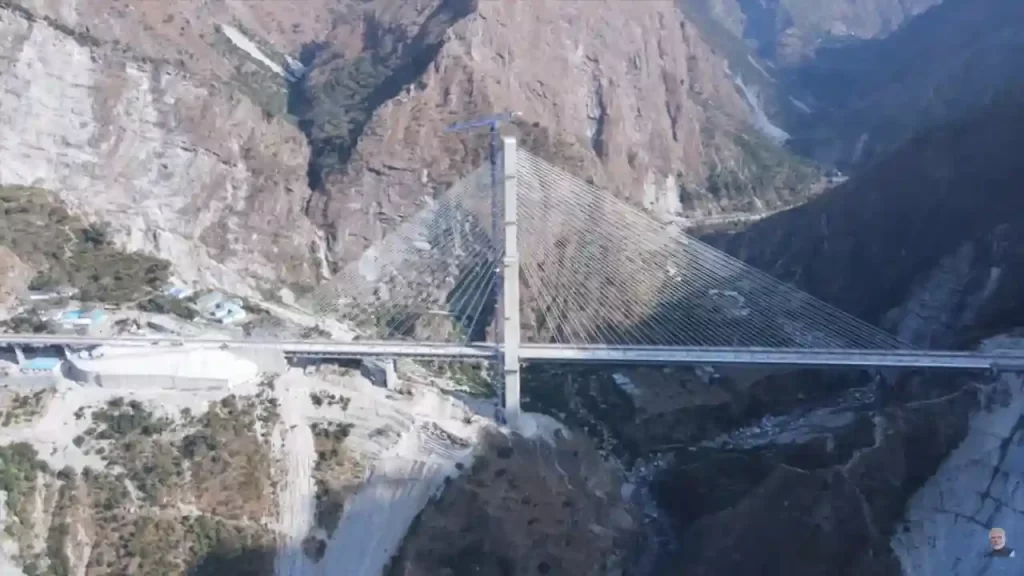
In the rugged hills of Jammu & Kashmir, where steep gorges and fierce winds challenge every builder, a stunning engineering wonder now stands tall. The Anji Khad Bridge is India’s very first cable-stayed railway bridge, a key piece of the massive Udhampur-Srinagar-Baramulla Rail Link (USBRL) project. This 272-kilometer all-weather rail line will finally connect the beautiful Kashmir Valley to the rest of India, ending decades of isolation. Prime Minister Narendra Modi inaugurated it on June 6, 2025, alongside the world’s highest rail bridge over the Chenab River. These bridges mark a historic moment, turning tough Himalayan dreams into reality and opening doors for faster travel, trade, and tourism.Where It Stands and What It ConnectsThe Anji Khad Bridge stretches gracefully across the Anji River, a sparkling tributary of the mighty Chenab, in Reasi district of Jammu & Kashmir. It links the pilgrimage town of Katra (base for the Vaishno Devi temple) to Reasi, about 80 kilometers from Jammu city. This spot sits in the young, shaky folds of the Himalayas – a place with deep gorges, near-vertical walls, earthquakes, and winds gusting up to 213 km/h (almost cyclone strength). Before this bridge, trains had to take long, winding detours. Now, passengers zoom through safely, cutting travel time and costs.Part of the USBRL mega-project, which includes 943 bridges and 36 tunnels, the bridge ensures year-round connectivity. No more snow-blocked roads or floods, trains will run smoothly, carrying people, goods, and hope to Srinagar and beyond.A First in India: Cable-Stayed Design Explained SimplyCable-stayed bridges are like giant clotheslines holding up a road or rail deck. Strong cables stretch from tall pylons (towers) directly to the bridge floor, making them perfect for long spans over deep valleys. Unlike suspension bridges (like Howrah), these are simpler, cheaper, and quicker to build in tough spots.The Anji Khad Bridge shines with these standout features:Total length: 725 meters (about 2,380 feet), with a 473-meter cable-stayed section.Height: 331 meters (1,086 feet) above the riverbed – taller than many skyscrapers.Main pylon: Inverted Y-shape, rising 193-196 meters (633 feet) from foundation – one of the tallest of its kind.Cables: 96 high-tensile cables of different lengths, using 653 kilometers of strands total. They create an asymmetrical design for stability.Deck width: Supports double rail tracks, plus a 12.3-foot service road and 5-foot footpaths on both sides.Train speed: Safe for 100 km/h services like Vande Bharat.Built with 8,200 metric tonnes of steel, it took just 11 months for the main structure. Italian firm Italferr (FS Group) handled design and supervision, their $70 million project won the 2024 ENR Global Best Projects Award for excellence, innovation, and safety.Built for Battle: Surviving the Himalayas’ FuryThe Himalayas don’t play nice. Steep slopes, loose rocks, quakes (Zone V), and howling winds tested every bolt. Engineers used:Seismic-proof tech: Flexible joints absorb shocks.Wind tunnels: Tested for 213 km/h gusts.Sensors everywhere: Integrated health monitoring tracks stress, vibrations, and cracks in real-time.Special concrete: Resists extreme cold (-20°C) and heat.One clever trick? Asymmetrical layout let most work happen from one side, avoiding unstable slopes. Construction used cranes, helicopters for cables, and precision tech, all without harming the fragile ecology.Part of USBRL: Kashmir’s Rail LifelineThe USBRL (started 2002, cost Rs 40,000+ crore) drills through mountains to link Udhampur (on Jammu-Del train line) to Baramulla near Srinagar. Highlights:Chenab Bridge: World’s highest rail arch (359m/1,178 ft), inaugurated same day.Tunnels: 119 km total, including the longest at 12.7 km.Benefits: Srinagar is 3.5 hours from Delhi; apples, saffron to markets fast; jobs, tourism boom.PM Modi flagged Vande Bharat trains from Katra to Srinagar, zipping tourists to Vaishno Devi and Kashmir’s valleys.Global Praise and Real ImpactThe bridge isn’t just Indian pride, it’s world-class. ENR Award beat 120 entries for bridging tough terrain sustainably. Italferr calls it “unprecedented” for India. Locals cheer: Faster pilgrimages, cheaper goods, and army supplies secure.Challenges? Monsoon floods, landslides delayed it years. But grit won, now trains roll where eagles soar.
India’s Women’s Reservation Bill: A 30-Year Journey from Parliament’s Margins to Its Centre
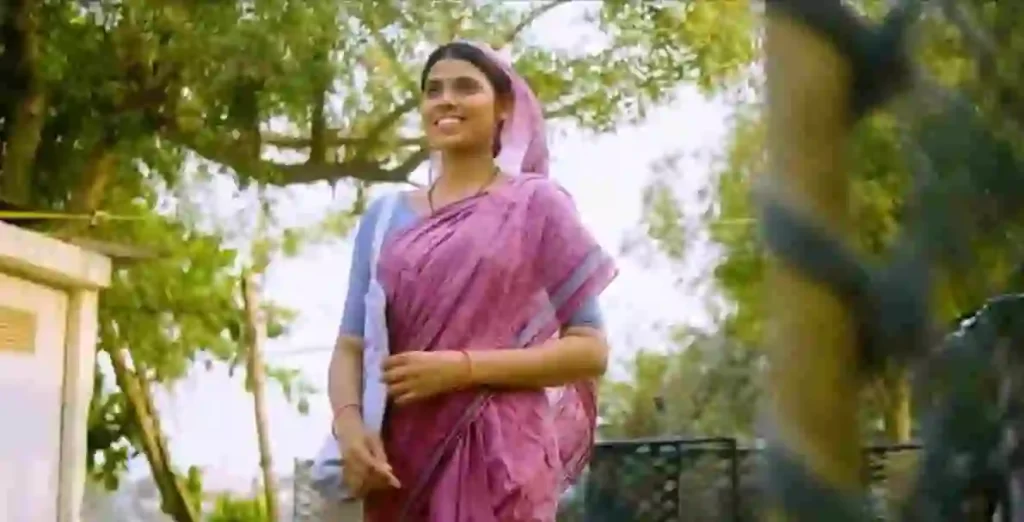
IntroductionFew pieces of legislation in India’s post-independence history have travelled as far, fallen as many times, and returned as persistently as the Women’s Reservation Bill. First introduced in Parliament in 1996, the bill seeking to reserve one-third of seats in India’s legislature for women spent nearly three decades being introduced, disrupted, shelved, lapsed, revived, and deferred — a legislative saga that became as much about India’s political fault lines as it was about gender equality.In September 2023, the bill finally crossed its highest hurdle when it was passed by both houses of Parliament and signed into law by President Droupadi Murmu, becoming the Constitution (One Hundred and Sixth Amendment) Act, 2023, officially named the Nari Shakti Vandan Adhiniyam. But the story did not end there. The Act came with a critical condition: the reservation would only take effect after a fresh national census and the subsequent delimitation of constituencies. That condition sparked a fresh chapter of political conflict, and in April 2026, a government attempt to accelerate implementation was defeated in the Lok Sabha, pushing the effective realisation of women’s reservation into a future that remains uncertain.What follows is the full account of this bill’s journey — its origins, its repeated failures, its historic passage in 2023, and where things stand today.The Pre-Legislative History: Why the Demand AroseIndia’s Constitution, adopted in 1950, guarantees universal adult franchise and prohibits discrimination on the basis of sex. Yet from the very first general election, women remained dramatically underrepresented in Parliament and state legislatures. The question of reserving seats for women was actually debated in the Constituent Assembly as early as 1946, but members, including prominent women leaders like Hansa Mehta, argued against it. Their position rested on the belief that universal franchise would, over time, correct historical imbalances on its own.Fifty years later, that belief had only been partially realised. By the mid-1990s, women constituted barely 6.5 percent of Lok Sabha membership. The state assemblies fared no better, with many registering single-digit female representation for decades.Meanwhile, India had taken decisive steps in the other direction at the local governance level. In 1992, Prime Minister P. V. Narasimha Rao’s government passed the 73rd and 74th Constitutional Amendment Acts, which mandated 33.3 percent reservation for women in Panchayati Raj Institutions. The results were transformative. Women went on to constitute over 46 percent of elected representatives at the grassroots level, totalling more than 1.4 million women in elected local governance roles across India.The Panchayati Raj experiment demonstrated what reservation could achieve at scale. It also strengthened the argument that structural barriers, not a lack of capable women, explained the gap between the grassroots and Parliament.Seven Attempts: The Legislative History from 1996 to 2026First Attempt: 1996The first formal bill was introduced on September 12, 1996, as the Constitution (81st Amendment) Bill under the United Front government led by Prime Minister H. D. Deve Gowda. It was referred to a Joint Parliamentary Committee chaired by Communist Party of India leader Geeta Mukherjee, who reviewed the bill extensively, but no consensus emerged. The bill lapsed with the dissolution of the 11th Lok Sabha.Within minutes of its introduction, the bill ran into fierce opposition. Male MPs questioned whether reservation could produce “enough capable women.” OBC leaders from parties like the RJD and SP demanded a sub-quota for women from backward communities within the 33 percent — a demand that would become the bill’s recurring stumbling block for the next three decades.Second and Third Attempts: 1998 and 1999The second attempt was in 1998 under Atal Bihari Vajpayee’s NDA government, when then Law Minister M. Thambidurai introduced it. Opposition parties, especially the RJD and SP, strongly opposed it, demanding a quota within a quota for OBC reservation. The bill lapsed again when the 12th Lok Sabha was dissolved. The third attempt was in 1999 when the Vajpayee government tried again. Both times it failed to progress. The Vajpayee government required the support of Congress and other parties to secure the two-thirds majority required for a constitutional amendment, and that support was conditional or absent.Fourth and Fifth Attempts: 2002 and 2003Two more attempts during the Vajpayee era met the same fate. The pattern was now clear: no government had been able to build the two-thirds parliamentary consensus necessary for a constitutional amendment on this issue.The 2008 Bill and the 2010 Rajya Sabha PassageThe United Progressive Alliance government under Prime Minister Manmohan Singh introduced a revised version of the bill in the Rajya Sabha in 2008. The most significant legislative progress came in 2010, where the bill secured the mandated two-thirds majority in the Rajya Sabha with 186 votes in favour. In 2010, the bill’s passage in Parliament was derailed after Samajwadi Party and Rashtriya Janata Dal MPs tore documents amid loud protests. The then UPA government under Prime Minister Manmohan Singh was unable to pass the bill in the face of resistance from allies.Despite the Rajya Sabha approval, the UPA government never brought the bill to the Lok Sabha floor. It was repeatedly deferred, with the government citing a lack of consensus among coalition partners. When the 15th Lok Sabha was dissolved in 2014, the bill lapsed for the fifth time.The Nari Shakti Vandan Adhiniyam: How the 2023 Bill Was PassedA Special Session in the New Parliament BuildingOn September 18, 2023, the government called a special session of Parliament. The Constitution (One Hundred and Sixth Amendment) Act, popularly known as the Women’s Reservation Bill, 2023, was introduced in Lok Sabha on September 19, 2023 during the special session of Parliament. The bill was the first to be considered in the new Parliament building.The political backdrop was significant. The BJP-led NDA held a strong parliamentary majority on its own, making it the first time any government in Indian history had the independent parliamentary strength to push through a constitutional amendment of this kind without depending on opposition cooperation.The Lok Sabha Vote: September 20, 2023The Lok Sabha took up the bill for debate on September 20, 2023. The discussion saw broad cross-party support in
Cheetahs Run Free Again: The Full Story of India’s Project Cheetah
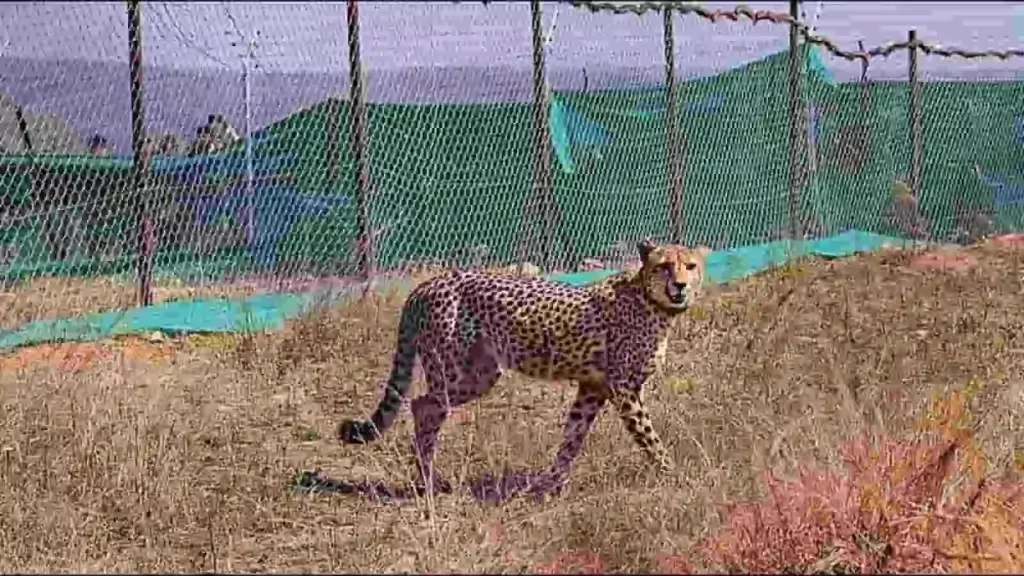
Kuno National Park, Madhya Pradesh- Cheetahs disappeared from India 70 years ago. Now they are back and growing in number. Project Cheetah is the world’s first project to move big cats across continents. Prime Minister Narendra Modi started it in 2022. Today, India has over 50 cheetahs, with many cubs born here. This simple story covers everything from history to the latest news.A Lost Past: Cheetahs in Indian HistoryCheetahs once lived all over India. They ran in grasslands from Punjab in the north to Tamil Nadu in the south. They also lived in Gujarat, Rajasthan, and Bengal. These cats liked open lands, scrub forests, and dry areas.Kings and Mughals used them to hunt deer like blackbuck. Old drawings show nobles with cheetahs on leashes. But too much hunting, stealing of land for farms, fewer animals to eat, and hot weather ended their story. The last three wild cheetahs were killed in 1947 in Chhattisgarh. India said they were extinct in 1952.The Dream Comes True: Starting Project CheetahThe project began on September 17, 2022. It comes from a 2013 plan to bring back cheetahs. Courts said yes. The Environment Ministry, Tiger Authority, and Madhya Pradesh forest teams run it.The goal is to make cheetahs a star animal again. They help keep grasslands healthy by controlling deer numbers. This helps all plants and animals. It matches the world goals to save nature.Kuno Park: A Safe New HomeKuno National Park was chosen because it has wide open grass. No lions or tigers live there to fight the cheetahs. Teams moved 24 villages away so people and cats live apart. This gave 6,000 hectares of free space.The next park is Gandhi Sagar. The plan covers 17,000 square kilometers for 60 to 70 cheetahs by 203Bringing Cheetahs Home: Flights from Far AwayCheetah walks across a grassy field following its release into Kuno National Park in September 2022. India brought cheetahs from Africa in steps.First, eight came from Namibia in September 2022. Five females and three males flew on an Air Force plane. PM Modi let them out himself.Next, 12 from South Africa arrived in February 2023. Five females and seven males.In late 2025, nine from Botswana joined. Six females and three males. They stayed in quarantine for one month.More are coming: Eight from Botswana in early 2026 and 20 from South Africa soon.A cheetah takes its first steps free in Kuno after release.Babies Bring Hope: The Growing FamilyAn 1812 engraving of Mughal aristocrats hunting blackbuck with an Asiatic cheetah. Cheetahs started having cubs fast. This shows they like their new home.India’s first cub, Mukhi, was born on March 29, 2023, to mother Jwala from Namibia. Her mom left her alone. Heat killed her brothers and sister. Forest workers raised her like family. Now Mukhi is three years old. In November 2025, she had five cubs – the first babies from an India-born mom!Jwala had more litters, too. In March 2026, she gave birth to five more cubs.Other moms like Aasha and Gamini had nine cubs in February 2026.Of the 20 adults brought over, 39 cubs were born. About 27 lived. As of March 2026, India has 53 cheetahs. Kuno holds most, with a few at Gandhi Sagar.What Comes NextIndia wants a strong group of 60 to 70 cheetahs that live on their own. More parks will join. Teams will link lands so cats move freely. This makes India a leader in saving big wild cats.Project Cheetah shows hard work can fix old wrongs. Cheetahs sprint again, and nature thanks India.
French President Macron’s India Visit Strengthens Tech and Defense Ties
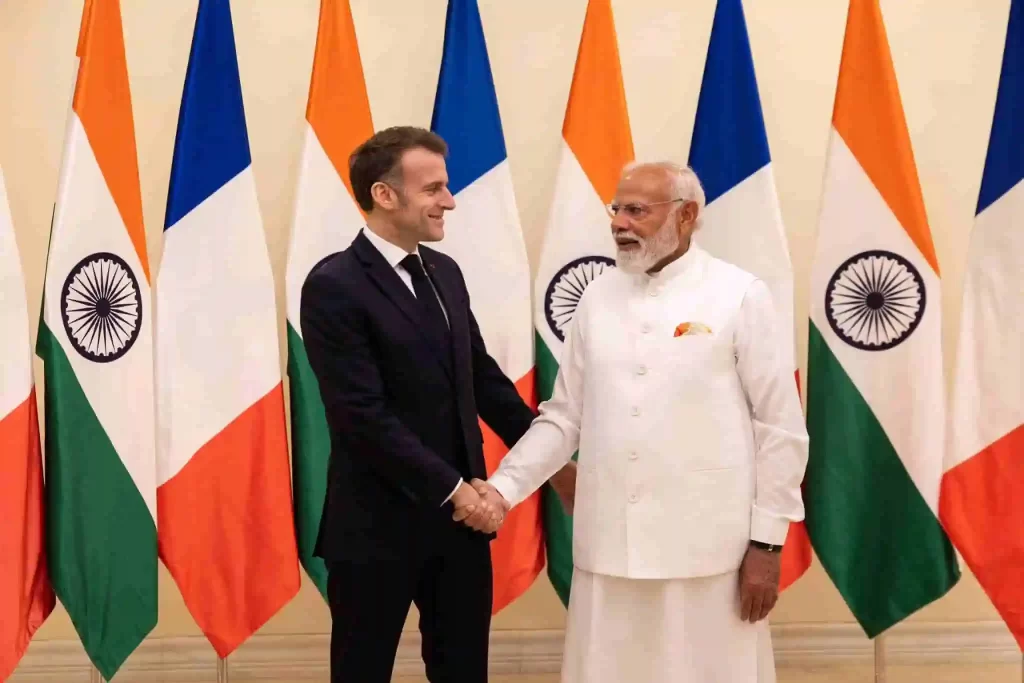
French President Emmanuel Macron and his wife, Brigitte Macron, completed a successful three-day official visit to India from February 17 to 19, 2026. This marked President Macron’s fourth trip to India since 2017 and built on the strong friendship between the two nations. The visit highlighted shared goals in technology, defense, and innovation. It followed Prime Minister Narendra Modi’s trip to France in February 2025 and came one year after the AI Action Summit in Paris. Both leaders focused on the Horizon 2047 Roadmap, a plan set in 2023 to guide ties until India’s 100th Independence anniversary.Mumbai Welcomes Leaders with Tribute and Cultural LaunchThe visit kicked off in Mumbai, India’s bustling financial hub, on February 17. President Macron and Mrs. Macron first paid heartfelt tribute to the victims of the 2008 terrorist attacks at the iconic Taj Mahal Palace hotel. This emotional moment honored those lost in the tragic events and underscored the shared commitment to fight terrorism. Later that morning, they joined a special lunch focused on the film industry. Indian and French cultural figures, filmmakers, and Bollywood stars gathered to celebrate creative exchanges between the two countries.In the afternoon, President Macron met Prime Minister Modi for in-depth bilateral talks at the Residence of the Governor of Maharashtra in Lok Bhavan. The leaders reviewed progress in their strategic partnership and discussed ways to expand it into new areas like defense, space, and digital technology. They addressed regional and global issues, including cooperation in the Indo-Pacific region. Around 5:15 PM, they jointly inaugurated the India-France Year of Innovation 2026 at the majestic Gateway of India. This year-long initiative will feature events across both nations to boost collaboration in innovation, research, startups, and people-to-people ties. The two leaders then addressed a lively gathering of business leaders, innovators, researchers, and entrepreneurs from India and France.On February 18, President Macron engaged with Indian investors during a dynamic round-table discussion. He shared insights on economic opportunities and partnership potential. He also gave an exclusive interview to popular Indian podcaster Raj Shamani, reaching young audiences with talks on leadership and global challenges. That evening, he flew to New Delhi for the next phase of the visit. Business France and Mission French Tech brought over 100 French companies to explore collaborations, signaling strong economic momentum.New Delhi Hosts AI Impact Summit and Strategic DialoguesThe visit shifted to New Delhi on February 19, where President Macron participated in the AI Impact Summit. Hosted by India, this was the first major global AI summit in the Global South. It revolved around three guiding principles: People, Planet, and Progress, structured across seven key focus areas or “chakras.” The summit showcased cutting-edge discussions on artificial intelligence’s role in solving global problems. President Macron’s presence highlighted France and India’s leadership in AI governance and ethical tech development.During the Delhi leg, the leaders continued their bilateral engagements. They exchanged views on pressing issues like climate action, sustainable development, and security. The talks elevated the India-France relationship to a “Special Global Strategic Partnership.” This upgrade expands cooperation in defense, civil nuclear energy, space, AI, and multilateral affairs. Bilateral trade had already reached €12.67 billion, boosted by the recent India-EU Free Trade Agreement and rising investments.Raj Shammi Podcast with the President Raj Shamani’s Historic Podcast with French President Emmanuel Macron (FO473) stands out as a groundbreaking episode of his popular “Figuring Out” series. Recorded on February 18, 2026, in Mumbai during President Macron’s official visit to India, this marked the French leader’s first-ever podcast appearance worldwide. At just 28 years old, Raj Shamani, host of one of India’s top-ranked global podcasts, bypassed traditional media to secure this exclusive, reaching millions of young viewers directly through digital platforms. The 40-minute conversation went viral instantly, blending diplomacy, tech vision, and personal insights.Horizon 2047 Roadmap Drives Ambitious Future PlansThe Horizon 2047 Roadmap forms the backbone of this partnership. Launched on July 14, 2023, by President Macron and Prime Minister Modi, it sets bold targets for the next two decades. The plan focuses on three pillars. First, Partnership for Security and Sovereignty covers defense, space, civil nuclear energy, digital tech, emerging technologies, the Indo-Pacific, and counter-terrorism. Second, Partnership for the Planet addresses environment, climate, health, energy transitions, and sustainable development. Third, Partnership for the People promotes student and professional mobility, as well as cultural exchanges.In defense, exciting developments include India’s clearance for 114 Rafale fighter jets from France’s Dassault Aviation, potentially worth €30 billion, the “contract of the century.” Most jets will be manufactured in India, reducing reliance on imports and boosting local production. This adds to the 62 Rafales already in service. The leaders also inaugurated India’s first helicopter final assembly line via videoconference. A Tata Group-Airbus joint venture in Karnataka near Bengaluru will produce the H125 single-engine helicopter, Airbus’s bestseller. Ongoing Scorpène submarine projects and co-development of advanced military tech further deepen ties.Space cooperation shines bright too. The third India-France Strategic Space Dialogue is set for 2026. India will join the International Space Summit in France in July. New initiatives include the India-France Innovation Network, a binational center for digital sciences with France’s National Institute for Research in Digital Science and Technology, and a Joint Center for Advanced Materials.A Partnership for Global Stability and InnovationPresident Modi called the relationship a “partnership for global stability” in today’s turbulent world. President Macron praised the “remarkable acceleration” of ties amid a changing international order. They referred to each other as “dear friends” on social media, reflecting personal rapport. The visit celebrated 25 years of strategic cooperation and 100 years of diplomatic relations approaching in 2047.France sees India as a key player in demographics, economy, science, and diplomacy. The trip consolidated diplomatic, economic, and civil society links. It addressed G20 outcomes from New Delhi in 2023, security challenges, and growth in defense, space, and cyber sectors. Over 100 French firms joined to tap India’s vibrant market. Challenges like defense delays, AI regulations, trade barriers, and geopolitical differences persist, but momentum is strong.This visit reinforces India and France as forces for good. From Mumbai’s cultural
Suvendu Adhikari Sworn In as West Bengal’s First BJP Chief Minister
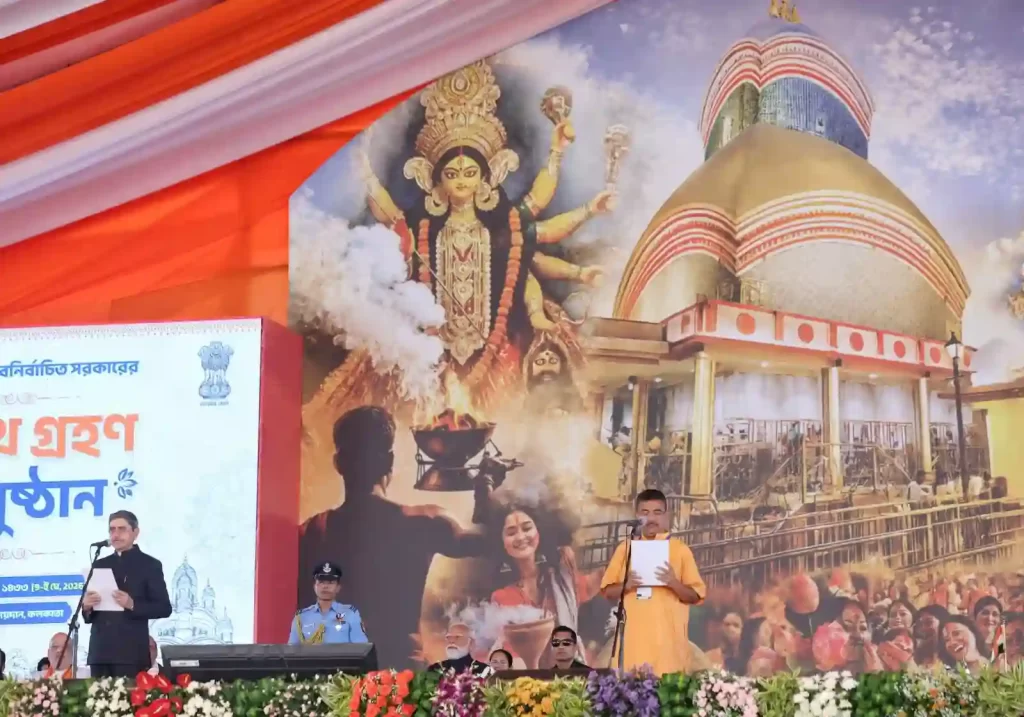
Suvendu Adhikari took the oath as the Chief Minister of West Bengal on May 9, 2026. This marked a historic moment for the state. The Bharatiya Janata Party (BJP) won 207 out of 294 assembly seats in the recent elections. This landslide victory ended the 15-year rule of Mamata Banerjee’s Trinamool Congress (TMC). Prime Minister Narendra Modi and Home Minister Amit Shah attended the swearing-in ceremony at Kolkata’s Brigade Parade Ground. Governor R. N. Ravi administered the oath. Five other BJP MLAs, Dilip Ghosh, Agnimitra Paul, Ashok Kirtania, Kshudiram Tudu, and Nisith Pramanik, also took oath as ministers.Adhikari’s rise ends TMC’s long dominance in West Bengal. Once a close ally of Mamata Banerjee, he switched to the BJP in 2020. His combative style and grassroots work helped the BJP break into the state’s politics. Supporters see him as a local hero who turned the tide. Critics call him divisive due to past remarks. Now, he leads a polarized state with big promises and tough challenges ahead.Early Life and Family Roots in PoliticsSuvendu Adhikari was born in 1970 in Purba Medinipur district. He comes from one of West Bengal’s most powerful political families. His father, Sisir Adhikari, served as a veteran Member of Parliament. The family built strong networks across coastal Bengal. Relatives held many elected posts over the years. This base gave Suvendu an early edge in politics.He started his career with the Congress party. Later, he joined TMC when it fought the Left Front government. Adhikari quickly rose through the ranks. He became known for his organizational skills and sharp political instincts. His family’s influence and personal drive made him a key player in local politics.Rise to Fame: The Nandigram Turning PointAdhikari’s big break came in 2007 in Nandigram. Farmers there protested a proposed chemical hub project by the Left Front government. The land acquisition plan sparked violent clashes. Adhikari organized much of the ground movement. He rallied villagers and led the resistance. The protests weakened the Left’s grip on power.This agitation paved the way for TMC’s 2011 victory. Mamata Banerjee swept to power, ending 34 years of Left rule. Adhikari emerged as a hero from Nandigram. He earned a reputation as Bengal’s top political organizer. Banerjee saw him as her trusted lieutenant. He won elections and held key posts in TMC, including transport minister.Fallout with TMC and Bold Switch to BJPTies with Banerjee soured over time. A 2016 Narada sting operation hurt his image. Videos showed TMC leaders, including Adhikari, allegedly taking cash from a fake investor. He denied the charges and questioned the footage’s authenticity. The scandal strained relations within TMC.By 2020, cracks widened. Adhikari resigned from TMC and joined BJP. It was a dramatic defection just before the 2021 assembly polls. He contested from Nandigram against Banerjee herself. In a nail-biter, Adhikari won by 1,956 votes. Though BJP lost the state, his personal win made him Banerjee’s main rival. It boosted his stature in the party.In 2026, he repeated the feat. BJP swept the polls. Adhikari defeated Banerjee in her Bhabanipur stronghold while retaining Nandigram. This double victory symbolized BJP’s takeover of TMC bastions.Key Role in BJP’s Historic Landslide VictoryAdhikari played a central role in BJP’s Bengal breakthrough. The party was marginal in the state for decades. TMC held a strong grip with welfare schemes and muscle power. Adhikari changed that with aggressive campaigning. He tapped into local issues like jobs, development, and alleged TMC corruption.His street-level networks mobilized voters in rural and coastal areas. Adhikari led charges against TMC’s “syndicate raj” and cut-money culture. He focused on Hindu consolidation in key seats. BJP promised industrial revival and safety from violence. Adhikari’s wins in Nandigram and Bhabanipur broke TMC’s psychological hold.The 207 seats gave BJP a clear majority. Adhikari became leader of the legislature party on May 8. His elevation shows PM Modi’s trust. Adhikari credits the victory to “people’s mandate against TMC misrule.” He vows to end “goonda raj” and bring “double-engine growth” with Delhi’s help.Controversies and Criticism Along the WayAdhikari’s journey faced storms. Critics accuse him of communal rhetoric. In 2021, the Election Commission warned him for calling Banerjee “Begum” and linking her win to a “mini-Pakistan.” In 2025, he said BJP would “throw out Muslim MLAs physically” if it won. TMC called it hate speech. He faced assembly suspension.He also alleged TMC medical camps pushed “birth control” to cut Hindu numbers. Opponents labeled it conspiratorial. Post-poll violence added tension. Days before swearing-in, Adhikari’s aide was shot dead near his home. BJP blamed TMC workers. Police probe unidentified attackers. These issues paint him as a polarizing figure.Vision for West Bengal: Jobs, Growth, and StabilityAdhikari promises big changes. His vision centers on “Viksit Bengal” by 2047. Key goals include attracting investment, creating youth jobs, and boosting industry. West Bengal lags in private investment. He plans “single-window clearance” for businesses. Focus areas: manufacturing, IT, and tourism.His eyes reviving stalled projects like Singur and Nayagram. Agriculture gets priority with better irrigation and markets. Women’s safety and law and order top the list. Adhikari pledges zero tolerance for violence. He wants to end political clashes that plague polls.Cultural revival features too. Promote Bengal’s heritage while integrating with national schemes. “Poribortan” (change) was the BJP’s slogan. Adhikari says it means jobs over doles, development over division.Challenges Ahead as New CMAdhikari faces tough tests. The state economy struggles. Unemployment haunts youth. Factories fled under TMC due to red tape and unions. Investors fear unrest. He must balance the Hindutva base with inclusive governance.Political rivals won’t fade. TMC remains strong in pockets. Mamata Banerjee vows opposition fight. Post-poll violence lingers. Healing divides need care. Adhikari must shift from agitator to administrator. Deliver results fast or risk backlash.Neutral bureaucracy and judiciary cooperation matter. Center-state ties help, but local execution decides.Road Ahead: From Firebrand to State BuilderAdhikari’s journey from TMC boy to BJP CM inspires supporters. At 56, he leads West Bengal’s first non-Left, non-TMC government since 1977. Modi walked him to the stage, signaling strong backing. Ministers like Dilip Ghosh add