


Raipur-Vizag Expressway: Forests and Hills to Link Heartland to Coast in 6 Hours Flat

India’s infrastructure revolution accelerates with the Raipur–Visakhapatnam Expressway (NH-130CD), a 464-km six-lane greenfield marvel threading Chhattisgarh’s forests, Odisha’s mineral belts, and Andhra Pradesh’s Eastern Ghats. Slated for December 2026 completion at ₹16,482–20,000 crore under Bharatmala Pariyojana Phase-I, this Economic Corridor (EC-15) shrinks the 595-km NH-26 slog – from 12–13 hours to just 5–7 hours – fueling exports, tourism, and tribal upliftment.Prime Minister Narendra Modi laid the foundation stone in November 2022, igniting construction across 19 packages via the Hybrid Annuity Model (HAM). South Korean firm YONGMA Engineering crafted the Detailed Project Report (DPR), with most stretches under active build by giants like Dilip Buildcon, HG Infra, Adani Transport, and NKC Projects. Tunnels pierce Ghat valleys – a 2.9-km twin bore in Koraput nears 90% completion, boasting jet fans, fire systems, and SOS every 200m.Route Breakdown: From Abhanpur to SabbavaramKicking off at Kurud/Abhanpur (Raipur district) on NH-30/NH-130C/SH-22, it slices southeast:Chhattisgarh (4 districts, ~125 km)Raipur → Dhamtari (Package-1: Abhanpur-Magerlod, Shalimar Corp.)Kanker (Package-2: Sargi-Basanwahi, Dilip Buildcon; via Sarona)Kondagaon (east of Keskal)Border at Marangpuri/Salna (Package-3: KMV Projects)Odisha (2 districts, ~214 km)Nabarangpur (Packages 1–4: Sunapali-Raighar-Umerkote-Nabarangpur; NKC, Barbrik, Adani)Koraput (Packages 5–11: Borigumma-Dasamantpur-Koraput-Sunabeda-Pottangi; HG Infra, DRA Infracon; 3 pending notices). Tunnels and noise barriers shield Indravati National Park greenery.Andhra Pradesh (Vizianagaram-Visakhapatnam, ~125 km)Parvathipuram Manyam-Vizianagaram (Packages 1–3: Aluru-Jakkuva-Korlam-Kantakapalle; HG Infra, NKC, PSK)Ends at Sabbavaram Interchange on NH-16 Golden Quadrilateral, linking Visakhapatnam Port. ROB over Araku rail line; land hurdles linger in final stretches.Access-controlled for 100 km/h speeds, it hugs NH-26 strategically, with sustainable medians, tree-lined edges, and Ghat eco-shields.SectionLength (km)Key PackagesProgress NotesChhattisgarh~1251–3Viaducts, earthwork advancingOdisha~2141–11Koraput tunnels 70–90%; Nabarangpur 70%AP~1251–4Interchange/Fastag ready; land acquisition delaysEconomic Lifeline: Ports, Minerals, and MarketsTethering Raipur’s steel-coal hub to Vizag Port slashes logistics costs, supercharging exports to East Asia (China, Japan, Korea). Mineral-rich Chhattisgarh-Odisha gain freight efficiency; industries sprout along spurs. Farmers hail land value surges – from ₹15 lakh/acre to ₹1.5 crore – with fair compensation fueling hope: “What we lost turns into a better future,” says Vizianagaram’s Srinivasulu. Truckers like Vishal foresee day trips: “One-and-a-half days to nighttime arrivals.” PM Gati Shakti vision integrates it with East Coast Corridor (Kolkata-Kanyakumari).infra.Tourism and Tribal TransformationUnlocks Dandakaranya’s hidden gems: Araku Valley coffee trails, Sitanadi/Indravati sanctuaries, Jagdalpur’s Chitrakoot Falls. Remote spots like Kanker, Koraput, and Borigumma integrate via faster access to markets/services, spawning jobs in hospitality, realty, and agro-processing.Future Web: National and Global ReachBharatmala spurs eye NCR-CMC links: Bathinda-Hisar-Jaipur-Gwalior (Chambal bridges); Ludhiana-Patiala-Narnaul-Alwar; Paradeep-Raxaul Eastern Corridor loop. Ties to Delhi-Mumbai Expressway, Yamuna Eway, Amritsar-Jamnagar – even Nepal – forge a pan-India artery.As cranes hum near Kothavalasa bridges, this corridor embodies Bharat’s build: not roads, but rivers of opportunity carving equity from terrain. By 2026, Raipur-Vizag won’t just connect – it’ll catalyze destinies.
Shiva’s Stadium: Varanasi’s New Cricket Temple Blends Mythology, Modernity, and Green Power

Amid the eternal ghats of Kashi, where Lord Shiva is said to have founded the city as his divine abode, a new landmark is emerging that marries cricket’s feverish passion with the city’s spiritual soul. The Varanasi International Cricket Stadium, under rapid construction in Gajari village (Raja Talab tehsil, 22 km from the sacred Dashashwamedh Ghat), promises to redefine sports venues in India. With a ₹452 crore price tag and a 30,000-seat capacity, this project, launched by Prime Minister Narendra Modi in September 2023, stands over 90% complete. District Magistrate Satyendra Kumar told ABP Live: “Construction is organized and on track for handover by late April, with floodlights up, premium grass turf installed, and seating finalized. Quality and Varanasi’s cultural heritage are priorities.”Divine Design: Every Element Echoes ShivaWhat sets this stadium apart is its immersive Shiva-themed architecture, turning a sports arena into a living tribute to ‘Bholenath.’ Viral images, shared by BJP leader @naveenjindalbjp on X, showcase trishul-shaped floodlights that pierce the skyline like Shiva’s weapon, igniting online buzz: “Perfect tribute to Lord Shiva in Kashi, the energy will be unmatched!” and “Trishul rules in Shivji ki Nagri.” The crescent-shaped canopy symbolizes the moon in Shiva’s jatamakuta (matted locks), while the dome-like media centre replicates the damru, his rhythmic instrument that beats the universe’s pulse. Outer walls feature intricate belpatra (bael leaf) motifs, sacred to Shiva, and the seating cascades in ghat-inspired steps, evoking the Ganga’s ritual stairs where devotees gather for aarti.BCCI Vice President Rajeev Shukla hailed it as visionary: “From Shiva-inspired architecture to solar-powered design, it represents sustainable, inclusive venues rooted in heritage.” This isn’t mere aesthetics; it’s cultural synergy. Varanasi, revered as Shiva’s earthly home in Hindu lore, now channels that mystique into cricket, blending the roar of crowds with the city’s devotional hum.Pitch Perfection and Cricketing NurseryAt the heart lies a state-of-the-art playing field with nine curated pitches: four red soil (for bounce and spin), three black soil (for seam movement), and two hybrid mixes. Modeled after top venues like Lucknow’s Ekana Stadium and Ahmedabad’s Narendra Modi Stadium, these offer versatile conditions to test international stars and hone domestic talent. The outfield uses premium grass with advanced sub-surface drainage, monsoon-proofed for uninterrupted play.Beyond the boundary, a dedicated cricket academy includes dormitories for 100 trainees – a boon for Uttar Pradesh’s budding players. UPCA officials envision it as North India’s next powerhouse, scouting from local maidans to global arenas.Green Revolution: Solar, Recycling, and EV PioneersSustainability is woven into the blueprint. Solar panels will power operations, slashing carbon footprints in a city grappling with Ganga pollution. A comprehensive water recycling system reuses rainwater and greywater for irrigation, aligning with national Swachh Bharat goals. Standout? An on-site EV recharging station, “We’re probably the first stadium to install one,” says a UPCA official, future-proofing for electric team buses and fan vehicles amid India’s green mobility push.These features position Varanasi as a model for eco-stadiums, especially as climate change threatens Indian pitches with erratic weather.Timeline and Trials: From Foundation to FloodlightsLaunched amid fanfare in 2023, progress accelerated post-2025 monsoons. Early 2026 saw structural steel framing complete, followed by roofing and electrics. Speculation swirled about IPL 2026 hosting, fueled by the April deadline, but UPCA clarified to TOI: “Not this season; focus is readiness for internationals.” Whispers of 2027 ODI World Cup matches add intrigue, with the venue eyeing BCCI approval for prime fixtures.Challenges? Logistical hurdles in rural Gajari were met with efficient supply chains, ensuring the April handover.A Game-Changer for Varanasi and Indian CricketFor Varanasi’s economy, reliant on tourism and festivals, it promises jobs, hospitality booms, and events blending cricket with bhajans or cultural nights. Nationally, it underscores PM Modi’s infrastructure vision: 11 new UP stadiums since 2017, elevating the state from backyard cricket to world-class hubs.
Kerala Passes Nativity Card Bill to Prove State Residency Amid National Identity Debates
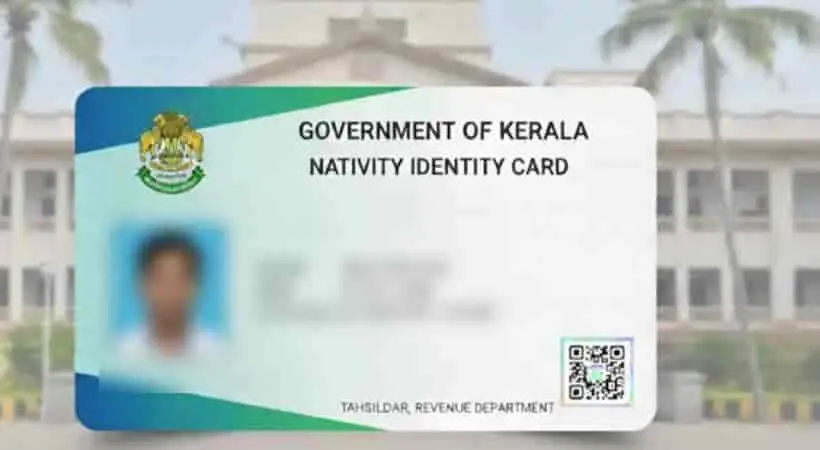
Thiruvananthapuram, February 23, 2026 – The Kerala Legislative Assembly has passed the Nativity Card Bill, introducing a new official document to help residents prove their connection to the state. This move comes as national discussions on identity and citizenship create tension across India.The Kerala Cabinet approved the bill on Wednesday, February 18, paving the way for its quick passage in the Assembly on Monday. Finance Minister K.N. Balagopal called it a “historic moment.” He said the card aims to protect minority communities and make it easier for people to prove their identity and residency without hassle.Chief Minister Pinarayi Vijayan highlighted this need last month. He stressed that no one in Kerala should struggle to show who they are or where they live, especially with ongoing national debates over citizenship rules.Who Qualifies for the Nativity Card?The government defines a “native of Kerala” simply and clearly:Someone born in Kerala.A person with at least one ancestor (like a parent or grandparent) born in the state.Individuals born outside Kerala if their parents were working elsewhere at the time, as long as they have not taken foreign citizenship.The Nativity Card will follow the same rules as the existing nativity certificate. It acts like an official ID to confirm long-term ties to Kerala.Opposition Boycotts, BJP CriticizesThe Congress-led United Democratic Front (UDF) boycotted the Assembly session. Balagopal accused them of skipping debates to stir controversy instead of joining the process. With no opposition present, the bill passed without discussion.The Bharatiya Janata Party (BJP) slammed the move as “dangerous separatist politics.” They worry it could divide people along state lines.Other Bills Passed on the Same DayThe Assembly also approved three other bills smoothly:Abkari (Amendment) Bill, 2026 (related to liquor laws).Kerala Advocates’ Clerks Welfare Fund (Amendment) Bill, 2026.Kerala Advocates’ Welfare Fund (Amendment) Bill, 2026.Subject committee reports were reviewed, and proposed changes were accepted.This Nativity Card is Kerala’s response to wider national issues on identity proofs. It seeks to simplify life for locals while sparking debate on state versus national priorities. More details will emerge as the government rolls it out.
PM Modi Inaugurates Micron’s Semiconductor ATMP Facility in Sanand
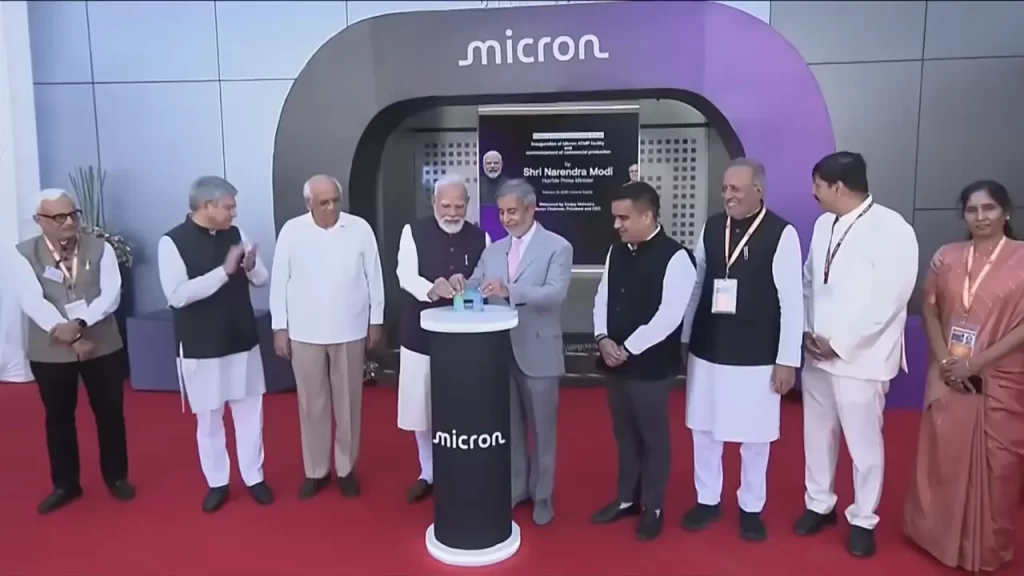
Prime Minister Narendra Modi inaugurated Micron Technology’s state-of-the-art Semiconductor Assembly, Test, and Packaging (ATMP) facility in Sanand, Gujarat, on February 28, 2026, marking India’s entry into commercial semiconductor production. This $2.75 billion milestone, the first of its kind in the country, converts advanced DRAM and NAND wafers into finished memory products for AI, data centers, and mobiles, positioning India as a key player in the global chip value chain.From MoU to Production: Lightning-Fast ExecutionThe project’s speed exemplifies India’s “New India” mindset. Signed in June 2023, groundbreaking occurred in September 2023, pilot machines installed by February 2024, and commercial production began in February 2026, just 33 months end-to-end. PM Modi highlighted streamlined regulations, like Advanced Pricing Agreements (APAs) cleared in months versus 3-5 years elsewhere, crediting clear intent and nation-first dedication.The Sanand plant boasts over 500,000 sq ft of cleanroom, one of the world’s largest single-floor ATMP cleanrooms, ISO 9001:2015 certified, LEED Gold-bound, and zero-liquid discharge via water-saving tech. First made-in-India memory modules shipped to Dell for local laptops, with tens of millions of chips expected in 2026, scaling to hundreds of millions in 2027.Micron CEO Sanjay Mehrotra, at the event with Gujarat CM Bhupendra Patel, Union Minister Ashwini Vaishnaw, and US Ambassador Sergio Gor, called it a “proud moment” building resilient AI ecosystems. Vaishnaw termed it “historic,” shifting India from chip consumer to manufacturing hub under PM Modi’s leadership.Microchips: The Oil of the 21st CenturyPM Modi framed semiconductors as the bridge from the Industrial Revolution to the AI era: “If oil regulated the last century, microchips will regulate this one.” Launched amid COVID chaos via the Semiconductor Mission, early seeds now yield fruit. India approved 10 projects under Semicon India; three more ramp up soon in Uttar Pradesh, Assam, Odisha, and Punjab, creating a pan-India ecosystem beyond factories, encompassing machines, design, R&D, logistics, and skills.Budget 2026’s India Semiconductor Mission 2.0 targets the full value chain, spurring domestic demand for materials amid booming gadget adoption. Electronics production and exports surged manifold in 11 years; “Make in India” now powers automobiles, mobiles, and tech.Sanand mirrors its auto-hub transformation, now anchoring semiconductors alongside chemicals, petrochemicals, and skill centers. Gujarat’s policies on approvals, land, and utilities boost investor faith; Dholera and Sanand emerge as Western India’s chip clusters.India-US Partnership Powers Global Supply ResilienceThe facility underscores deepening India-US ties in AI and chips, including the Pax Silica agreement from the recent AI Summit for critical minerals. The two largest democracies secure supply chains amid geopolitical flux. PM Modi messaged investors: “India is ready, reliable, delivers, capable, competitive, committed.”Micron’s Gujarat push builds talent via PDEU, Namtech, nationwide universities, and govt skills programs, focusing on STEM, advanced manufacturing, digital/AI literacy. Sustainability integrates health, safety, and eco-commitments.Broader Semiconductor Ecosystem BoomThis ATMP unit complements fabs like Tata’s in Dholera and others, addressing AI-driven memory demand. India’s electronics journey, from IT services to hardware, accelerates Viksit Bharat. Key Project MetricsDetailsKey Project MetricsDetailsInvestment$2.75B (Micron + govt)Cleanroom Size500,000+ sq ft (world’s largest single-floor ATMP)Output 2026Tens of millions of chipsOutput 2027Hundreds of millionsTimelineMoU Jun’23 → Production Feb’26States InvolvedGujarat, UP, Assam, Odisha, PunjabGlobal PartnersUS (Micron, Dell), via Pax SilicaA Tech Leadership LeapFrom software superpower to hardware contender, the nation builds self-reliant ecosystems fueling AI, mobiles, EVs. As PM Modi envisioned post-AI Summit, this hardware milestone cements technology leadership, inviting the world to co-create in a reliable, scalable hub.
ODOP – One District One Product: Transforming Local Economies into Global Opportunities
The One District One Product (ODOP) initiative has emerged as a key strategy in India’s effort to promote balanced regional development and strengthen local economies. The programme focuses on identifying and promoting a unique product from each district, with the aim of boosting manufacturing, generating employment, and enhancing exports.By linking traditional skills and local specialisations with modern market access, ODOP seeks to position India’s diverse district-level products on both national and global platforms.Concept and Origin of ODOPThe idea behind ODOP is rooted in the principle that every district has a distinct product, craft, or agricultural strength that can be developed into a competitive economic asset. The initiative was first implemented at the state level in Uttar Pradesh, where it gained considerable success in promoting local industries and artisans.Building on this model, the concept was later adopted at the national level to encourage districts across India to identify and develop their unique products. These include handicrafts, textiles, agricultural goods, processed foods, and industrial products.Objectives of the InitiativeODOP is designed to address multiple economic and developmental challenges through a focused approach. The initiative aims to promote indigenous products, support local artisans and manufacturers, and create sustainable employment opportunities at the district level.Another key objective is to reduce regional imbalances by ensuring that economic growth is not limited to major urban centres but is distributed across smaller districts. By strengthening local industries, ODOP also contributes to increasing exports and enhancing India’s global trade presence.Implementation and Institutional FrameworkThe ODOP initiative is implemented through coordination between central ministries, state governments, and district administrations. Each district identifies its flagship product based on factors such as historical significance, availability of raw materials, and existing skill sets.Once identified, support is provided in areas such as production, processing, packaging, branding, and marketing. Financial assistance, training programmes, and infrastructure development are also part of the implementation framework.The initiative is closely aligned with broader national programmes aimed at promoting self-reliance and entrepreneurship.Focus on Skill Development and Capacity BuildingA significant component of ODOP is the emphasis on skill development. Artisans and producers are trained in modern techniques, quality control, and business practices to improve productivity and competitiveness.Capacity-building programmes also focus on enhancing design, innovation, and value addition, enabling local products to meet global standards. This approach helps traditional industries adapt to changing market demands without losing their authenticity.Market Linkages and Export PromotionOne of the major challenges faced by local producers has been access to markets. ODOP addresses this by facilitating market linkages through exhibitions, e-commerce platforms, and export channels.Products identified under the initiative are promoted through various trade fairs and government-supported platforms, helping them reach a wider audience. The focus on branding and packaging has further improved the visibility and appeal of these products in international markets.Economic and Social ImpactThe ODOP initiative has contributed to strengthening local economies by creating employment opportunities and increasing income levels in districts. By promoting district-specific industries, it has encouraged entrepreneurship and reduced migration to urban areas.Socially, the initiative has helped preserve traditional crafts and cultural heritage, providing recognition and support to artisans who were previously operating in informal sectors.Integration with National Development GoalsODOP aligns with India’s broader vision of self-reliance and inclusive growth, complementing initiatives focused on manufacturing and exports. It also supports the development of micro, small, and medium enterprises (MSMEs), which play a crucial role in the country’s economy.The initiative contributes to the goal of making India a global manufacturing hub by leveraging local strengths and diversifying production bases.Challenges and the Way ForwardDespite its potential, the implementation of ODOP faces certain challenges. These include issues related to infrastructure, supply chain inefficiencies, and limited awareness among producers in some regions.Ensuring consistent quality, scaling production, and maintaining competitiveness in global markets are also areas that require continued attention. Strengthening digital platforms and improving logistics will be crucial for the initiative’s long-term success.The One District One Product initiative represents a strategic approach to decentralised economic development. By focusing on local strengths and connecting them to larger markets, it is creating new opportunities for growth while preserving India’s rich cultural and industrial diversity.
Vadhavan Port: India’s Next Mega Deep-Sea Gateway
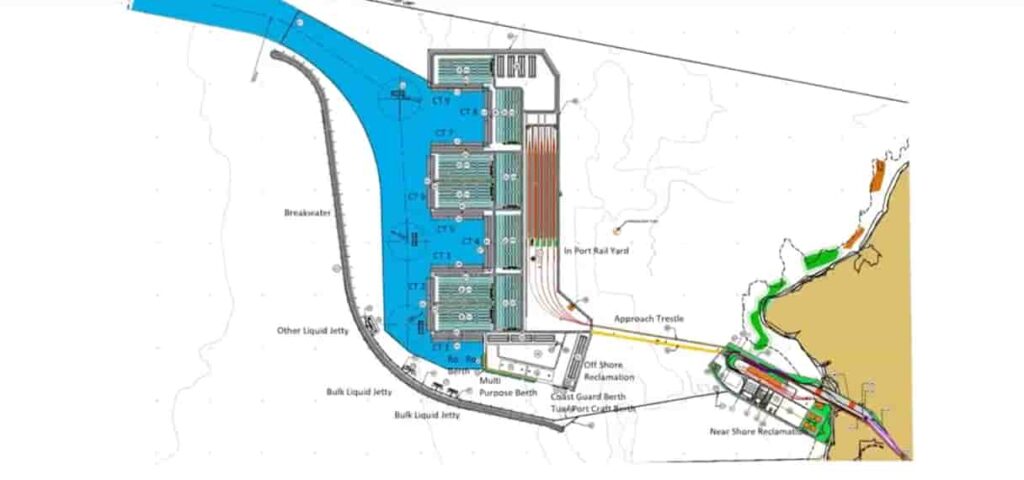
IntroductionThe Vadhavan Port Project is one of the most ambitious port development initiatives currently underway in the country. Planned along the western coastline near Dahanu, the project is being positioned as a world-class deep-sea port that will significantly enhance India’s maritime capacity and global trade competitiveness.At a time when India is aiming to become a major player in global supply chains, Vadhavan Port is expected to play a transformative role by handling ultra-large cargo vessels and reducing dependence on foreign transshipment hubs.Background and Strategic NeedIndia’s growing economy and increasing trade volumes have highlighted the limitations of existing ports, particularly in handling large container ships. A significant portion of India’s cargo is still transshipped through ports in countries like Singapore and Sri Lanka.The Vadhavan Port Project was conceptualised to address these gaps by creating a deep-draft port capable of accommodating next-generation container vessels. Its development aligns with national initiatives such as the Sagarmala Programme, which focuses on port-led development.Location and Project LayoutThe port is being developed near Dahanu in Maharashtra, strategically located along the Arabian Sea and close to major industrial and commercial hubs like Mumbai and Gujarat.The project is being executed by Jawaharlal Nehru Port Authority (JNPA), which already operates India’s largest container port at Nhava Sheva.Key aspects of the project include:Development of deep-draft berthsLarge-scale land reclamationModern cargo handling infrastructureRail and road connectivity to hinterland regionsKey Features and CapacityDeep-Sea CapabilityOne of the defining features of Vadhavan Port is its natural deep draft, which allows it to handle ultra-large container vessels (ULCVs) with capacities exceeding 20,000 TEUs. This will place the port among the most advanced in the world.Massive Cargo Handling CapacityOnce completed, the port is expected to have a capacity of over 200 million tonnes per annum, making it one of India’s largest ports.Advanced InfrastructureThe port will be equipped with:Automated cargo handling systemsSmart logistics and digital trackingDedicated freight corridorsThese features aim to ensure efficiency, speed, and global competitiveness.Economic SignificanceThe Vadhavan Port Project is expected to have far-reaching economic implications.Reduction in Logistics CostsBy enabling direct handling of large vessels, the port will reduce the need for transshipment through foreign ports, lowering logistics costs and saving time.Boost to Exports and TradeImproved port capacity and efficiency will strengthen India’s export capabilities and integration into global trade networks.Employment and Industrial GrowthThe project is expected to generate significant employment opportunities during both construction and operational phases. It will also promote industrial development in surrounding regions.Connectivity and IntegrationThe port is being designed with strong connectivity to major transport networks, including:National highwaysRailway freight corridorsIndustrial clustersThis integrated approach ensures seamless movement of goods from ports to inland markets.Environmental Concerns and OppositionDespite its economic potential, the project has faced strong opposition from environmental groups and local communities.Ecological ImpactConcerns have been raised about:Impact on marine biodiversityDamage to coastal ecosystemsEffects on fishing communitiesDahanu is considered an ecologically sensitive zone, which has intensified debates around the project.Legal and Regulatory ChallengesThe project has undergone extensive environmental scrutiny and regulatory processes. Balancing development with environmental sustainability remains a key challenge.Progress and Current StatusAs of 2026, the Vadhavan Port Project has received key approvals and is moving through various stages of planning and early development. Land acquisition, environmental clearances, and infrastructure planning are ongoing.The project is expected to be developed in phases over the coming years.Strategic Importance for IndiaVadhavan Port is not just another infrastructure project—it is a strategic initiative aimed at positioning India as a major maritime and logistics hub.By reducing dependence on foreign ports and enhancing domestic capacity, the project strengthens India’s economic sovereignty in global trade.It also complements other major infrastructure initiatives, including port modernisation and logistics reforms under national programmes.Final PerspectiveThe Vadhavan Port Project represents India’s long-term vision of building world-class maritime infrastructure capable of competing on a global scale. While it promises significant economic and strategic benefits, it also highlights the complexities of developing large-scale projects in environmentally sensitive regions.As the project progresses, its success will depend on how effectively it balances growth, sustainability, and the interests of local communities—making it one of the most closely watched infrastructure developments in the country.
Rameshwaram Folding Bridge: India’s First Vertical Lift Sea Bridge
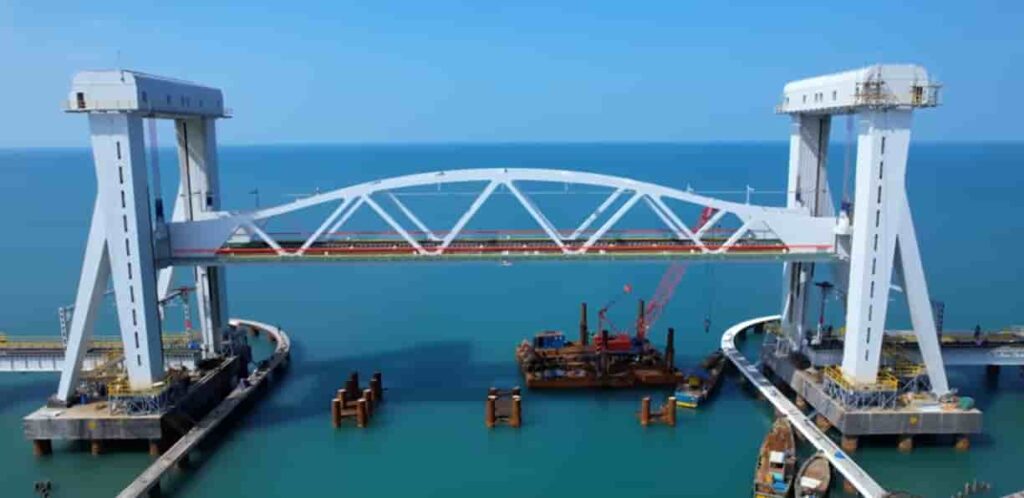
IntroductionThe New Pamban Bridge, popularly referred to as the Rameshwaram Folding Bridge, marks a major milestone in India’s railway and maritime infrastructure. Connecting mainland India to Rameswaram, the bridge has been designed as a modern replacement for the historic Pamban Bridge.What makes this project unique is its vertical lift mechanism, which allows a section of the bridge to be raised to let ships pass underneath—something never seen before in India at this scale.Background and Need for the New BridgeThe original Pamban Bridge, inaugurated in 1914, served as India’s first sea bridge and remained a crucial rail link for over a century. However, due to aging infrastructure, increasing maintenance challenges, and the need for faster and safer train movement, the necessity for a modern replacement became evident.The new bridge was conceptualised to:Enhance safety and durabilitySupport higher train speedsImprove maritime navigationThis led to the development of the New Pamban Bridge, incorporating advanced engineering and modern design.Key Features of the Rameshwaram Folding BridgeVertical Lift MechanismThe most striking feature of the bridge is its 72.5-metre-long vertical lift span. Unlike the old bridge, which had a manually operated opening system, the new structure uses an automated lift mechanism that raises the central span vertically.This allows large vessels to pass through without disrupting rail operations for extended periods.Modern Engineering and DesignThe bridge spans approximately 2.07 kilometres over the sea and has been constructed using corrosion-resistant materials to withstand harsh marine conditions.Key design elements include:Automated control systemsHigh-strength steel structureAdvanced monitoring for safetyThese features ensure long-term durability and reduced maintenance requirements.Improved Rail ConnectivityThe new bridge supports faster train speeds compared to the old Pamban Bridge, significantly improving connectivity between mainland Tamil Nadu and Rameswaram.This is particularly important given Rameswaram’s status as a major religious and tourist destination.Strategic and Cultural ImportanceRameswaram holds immense religious significance as it is home to the Ramanathaswamy Temple, one of the holiest pilgrimage sites in India.The improved rail connectivity provided by the new bridge is expected to:Facilitate smoother travel for pilgrimsBoost tourism in the regionStrengthen local economic activityThe bridge thus plays a vital role not just in infrastructure but also in preserving cultural and religious connectivity.Construction and ChallengesBuilding a sea bridge with a vertical lift mechanism presented several challenges:Working in a high-salinity marine environmentEnsuring structural stability against strong winds and tidesIntegrating advanced mechanical systems for the lift spanEngineers had to adopt specialised construction techniques and materials to ensure the bridge could withstand these conditions over time.Comparison with the Old Pamban BridgeWhile the old Pamban Bridge was a marvel of its time, the new bridge represents a significant technological upgrade.FeatureOld Pamban BridgeNew Folding BridgeOpening MechanismManualAutomated vertical liftSpeed CapacityLimitedHigher train speedsMaintenanceHighReduced due to modern materialsDurabilityAging structureDesigned for long-term useThis transition highlights India’s progress in adopting modern engineering solutions.Economic and Regional ImpactThe Rameshwaram Folding Bridge is expected to contribute significantly to regional development.Boost to TourismWith improved connectivity, more tourists and pilgrims are expected to visit Rameswaram, benefiting local businesses and hospitality sectors.Enhanced Trade and MobilityThe bridge ensures uninterrupted rail connectivity, supporting the movement of goods and people more efficiently.Environmental ConsiderationsGiven its location in a sensitive marine ecosystem, the project incorporated measures to minimise environmental impact. Efforts were made to:Reduce disturbance to marine lifeEnsure sustainable construction practicesMonitor ecological balance during and after constructionFinal PerspectiveThe Rameshwaram Folding Bridge, or New Pamban Bridge, stands as a symbol of India’s engineering advancement and its commitment to modernising critical infrastructure. By combining innovative design with strategic importance, the bridge not only enhances connectivity but also preserves a vital cultural link to one of the country’s most significant pilgrimage destinations.It represents the seamless blending of tradition and technology—honouring the legacy of the old bridge while paving the way for a more efficient and resilient future.
Atal Setu: India’s Longest Sea Bridge Transforming Mumbai’s Connectivity
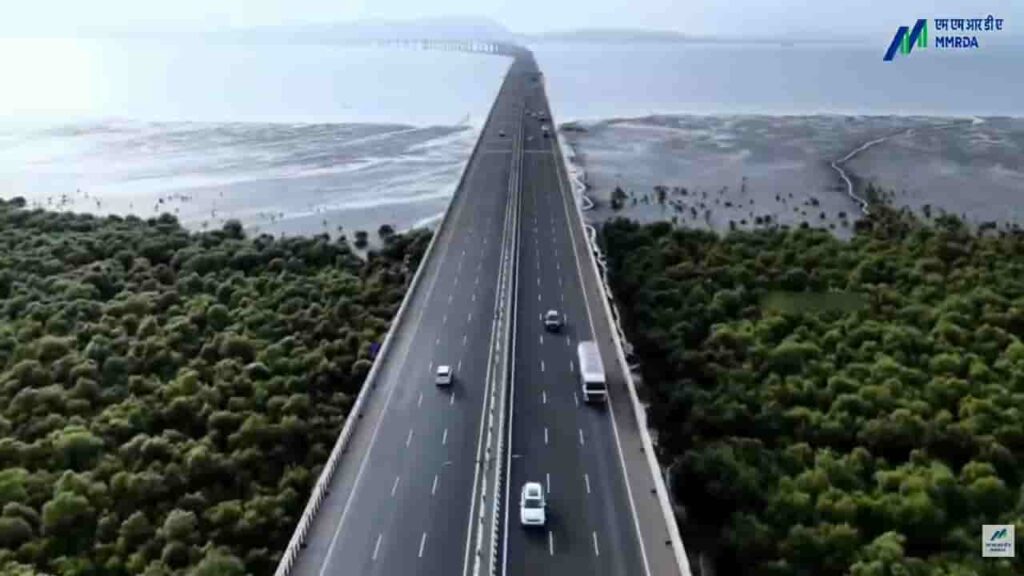
IntroductionThe Atal Setu, officially known as the Mumbai Trans Harbour Link, is one of India’s most remarkable infrastructure achievements. Connecting Mumbai with Navi Mumbai, this sea bridge has significantly transformed travel across the Mumbai Metropolitan Region.Inaugurated in January 2024, the project stands as India’s longest sea bridge and represents a major milestone in enhancing urban mobility, reducing congestion, and supporting economic growth in one of the country’s busiest regions.Project OverviewThe Atal Setu stretches approximately 21.8 kilometres, of which around 16.5 kilometres lies over the Arabian Sea. Developed by the Mumbai Metropolitan Region Development Authority, the bridge connects Sewri in Mumbai to Nhava Sheva in Navi Mumbai.Designed as a six-lane access-controlled expressway, the bridge allows high-speed travel and provides a direct link between South Mumbai and key areas such as:Navi MumbaiJawaharlal Nehru Port TrustNavi Mumbai International Airport (upcoming)This strategic alignment makes the bridge a critical infrastructure asset for both passenger and cargo movement.Need and Strategic ImportanceBefore the construction of Atal Setu, connectivity between Mumbai and Navi Mumbai relied heavily on longer routes via Thane or Vashi, often leading to heavy congestion and extended travel times.The bridge was conceptualised to:Provide a faster alternative routeReduce traffic burden on existing corridorsImprove connectivity to ports and upcoming infrastructure projectsIt is expected to reduce travel time between Sewri and Nhava Sheva from nearly two hours during peak traffic to about 20 minutes.Engineering Excellence and DesignSpecial materials and coatings were used to ensure durability and long-term performance.Intelligent Transport SystemsThe bridge is equipped with modern traffic management systems, including:Speed monitoring camerasEmergency response systemsSurveillance infrastructureThese features enhance safety and ensure smooth traffic flow.Safety RestrictionsTo maintain safety, certain categories of vehicles such as two-wheelers, auto-rickshaws, and tractors are restricted from using the bridge.Economic and Urban ImpactThe Atal Setu is expected to play a transformative role in the economic and urban development of the Mumbai Metropolitan Region.Boost to Logistics and TradeWith improved access to Jawaharlal Nehru Port Trust, India’s largest container port, the bridge enhances the efficiency of cargo transportation and logistics operations.Real Estate and Urban ExpansionThe project is expected to accelerate development in Navi Mumbai, making it a more attractive destination for residential and commercial investment.Airport ConnectivityThe bridge provides seamless access to the upcoming Navi Mumbai International Airport, strengthening regional connectivity.The Atal Setu is a testament to advanced engineering and modern construction techniques.Sea Bridge ConstructionBuilding a long bridge over open sea posed several challenges, including:Strong tidal currentsCorrosion due to saline conditionsEnvironmental constraintsEnvironmental ConsiderationsGiven its location over the sea, the project required careful environmental planning.Measures included:Minimising impact on marine ecosystemsMonitoring coastal biodiversityAdhering to environmental regulationsDespite these efforts, environmental concerns were raised during the planning and construction phases, particularly regarding potential effects on marine life.Challenges During ConstructionThe construction of Atal Setu involved multiple challenges:Working in deep-sea conditionsManaging logistics for large-scale constructionEnsuring minimal disruption to shipping routesDelays due to environmental clearances and pandemic-related disruptionsDespite these obstacles, the project was completed through coordinated efforts and advanced engineering solutions.Integration with Other Infrastructure ProjectsThe Atal Setu is part of a broader infrastructure network aimed at improving connectivity in the Mumbai region. It complements:Mumbai Coastal Road ProjectNavi Mumbai International AirportExisting highway and rail networksThis integrated approach enhances overall transport efficiency and supports regional growth.Final PerspectiveThe Atal Setu stands as a landmark achievement in India’s infrastructure development, symbolising innovation, scale, and ambition. By drastically reducing travel time and improving connectivity between Mumbai and Navi Mumbai, it has reshaped commuting patterns and opened new avenues for economic expansion.More than just a bridge, Atal Setu represents a critical link in India’s journey towards building world-class infrastructure that supports both urban growth and national development.
PM Modi’s Mann Ki Baat E-133 | 26th April, 2026

PM Modi’s Mann Ki Baat E-133 | 26th April, 2026 Video: YT/@NaMo
Samruddhi Mahamarg: Maharashtra’s High-Speed Economic Corridor
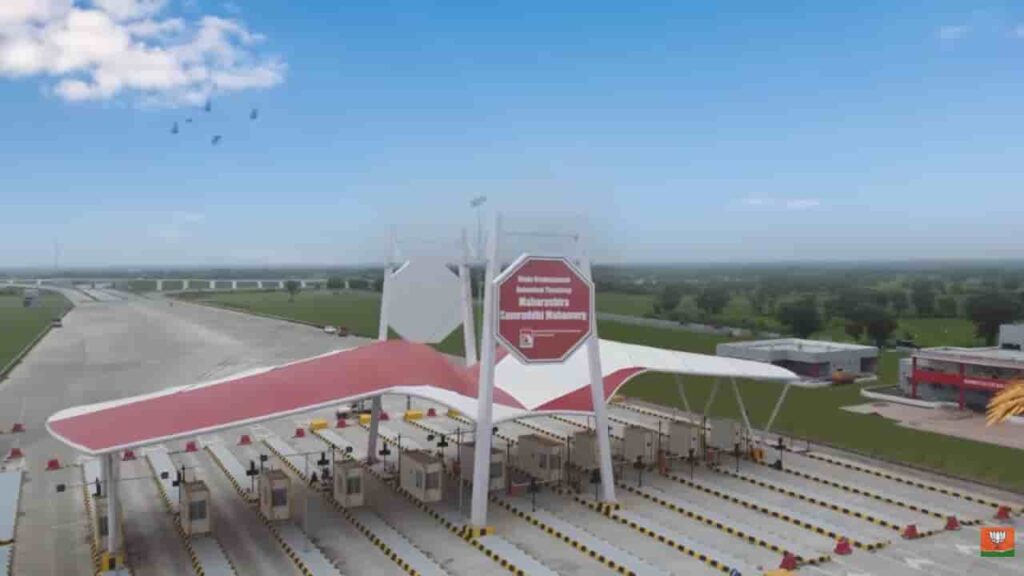
IntroductionThe Hindu Hrudaysamrat Balasaheb Thackeray Maharashtra Samruddhi Mahamarg, commonly known as the Samruddhi Mahamarg, is one of India’s most ambitious expressway projects aimed at transforming connectivity and economic development across Maharashtra. Designed as a high-speed, access-controlled corridor, the expressway connects the state capital Mumbai with Nagpur, significantly reducing travel time and boosting regional growth.The project represents a major step in strengthening infrastructure while promoting balanced development across urban and rural regions of the state.Project Overview and RouteThe Samruddhi Mahamarg spans approximately 701 kilometres, making it one of the longest expressways in India. It passes through 10 districts and connects key regions including Nashik, Aurangabad (now Chhatrapati Sambhajinagar), and Amravati.The expressway has been developed by the Maharashtra State Road Development Corporation and is designed for high-speed vehicular movement, with a maximum speed limit of up to 120 km/h.The corridor begins near Mumbai and stretches eastward to Nagpur, creating a direct and efficient link between the two major cities.Need and Vision Behind the ProjectBefore the construction of the Samruddhi Mahamarg, travel between Mumbai and Nagpur could take up to 16–18 hours due to traffic congestion and road conditions. The need for a faster, safer, and more efficient route was critical for both passenger and freight movement.The vision behind the project goes beyond connectivity. It aims to create an “economic corridor” by:Linking underdeveloped regions with major marketsPromoting industrial and agricultural growthEncouraging investment along the routeThe expressway is expected to serve as a backbone for regional development in Maharashtra.Key Features and DesignThe Samruddhi Mahamarg incorporates modern infrastructure and safety features to ensure smooth and secure travel.Access-Controlled ExpresswayThe highway is fully access-controlled, meaning vehicles can enter and exit only at designated interchanges. This reduces traffic interruptions and enhances safety.High-Speed CorridorWith multiple lanes and a high design speed, the expressway enables faster travel compared to traditional highways.Advanced Safety MeasuresThe project includes:Wildlife crossings and underpassesEmergency response systemsSurveillance and monitoring infrastructureThese measures aim to minimise accidents and ensure passenger safety.Smart InfrastructureThe expressway is equipped with intelligent traffic management systems, making it one of the technologically advanced road projects in India.Economic Impact and Development PotentialThe Samruddhi Mahamarg is expected to have a transformative impact on Maharashtra’s economy.Boost to Trade and LogisticsBy reducing travel time and transportation costs, the expressway enhances the efficiency of goods movement across the state.Industrial GrowthThe government has planned the development of industrial hubs, logistics parks, and smart cities along the corridor. These developments are expected to attract investment and generate employment.Agricultural BenefitsFarmers in rural regions will gain better access to markets, reducing wastage and increasing income opportunities.Progress and ImplementationThe expressway has been opened in phases, with major sections becoming operational between 2022 and 2024. By 2024, the full stretch connecting Mumbai and Nagpur was largely completed and made accessible to the public.The phased approach allowed for gradual integration of the expressway into the state’s transport network while ensuring quality construction.Environmental and Social ConsiderationsGiven the scale of the project, environmental and social impacts have been closely monitored.Land AcquisitionThe project required acquisition of land across multiple districts, which involved compensation and rehabilitation of affected communities.Environmental MeasuresEfforts have been made to:Develop green belts along the expresswayProvide wildlife crossings in forest areasMinimise ecological disruptionDespite these efforts, concerns have been raised about environmental impact and land use changes.Challenges FacedThe development of the Samruddhi Mahamarg encountered several challenges:Large-scale land acquisitionCoordination across multiple districtsEnvironmental clearancesConstruction during the COVID-19 pandemicHowever, the project was completed through coordinated efforts between government agencies and contractors.Strategic ImportanceThe expressway is not just a transport project but a strategic infrastructure initiative that strengthens Maharashtra’s position as an economic powerhouse.By connecting major cities and emerging regions, it supports:Balanced regional developmentImproved connectivity to ports and industrial zonesIntegration with national highway networksFinal PerspectiveThe Samruddhi Mahamarg stands as a landmark achievement in India’s infrastructure development. By drastically reducing travel time between Mumbai and Nagpur and creating new economic opportunities along its route, the project has redefined connectivity in Maharashtra.More importantly, it reflects a broader shift towards building infrastructure that not only facilitates movement but also drives inclusive growth, linking cities, industries, and rural communities into a unified economic corridor.